
What to Buy Before Bringing Home a Calathea
Buying supplies for a Calathea can get confusing fast. Soil, pots, humidifiers, grow lights, fertilizer, moisture meters — it is easy to feel like you need everything before the plant even comes home.
I do not think every Calathea grower needs a full indoor plant setup on day one. What you should buy depends on your room: how bright it is, how dry the air gets, how fast the soil dries, and whether you are caring for one plant or slowly building a small prayer plant corner.
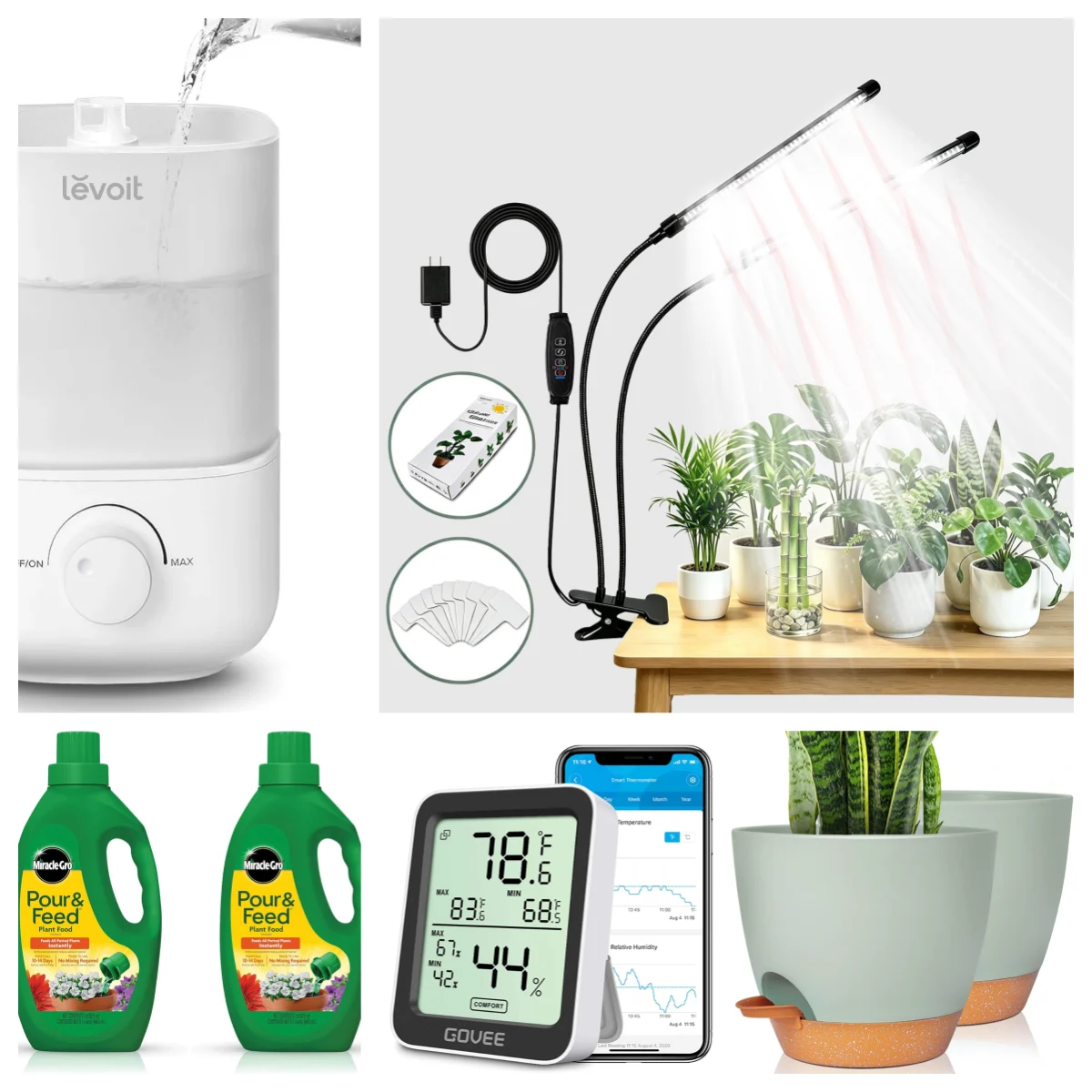
This page is my practical starting point for Calathea supplies. I will help you decide what is worth buying first, what only matters in certain homes, and what I would skip until the plant actually needs it.
This page may include affiliate links, but I only recommend supply categories that I would actually consider useful for indoor Calathea care.
Quick Navigation
Quick Answer: What Should You Buy First?
If I were bringing home a Calathea for the first time, I would not buy every tool at once. I would start with the things that affect root health and daily care first: soil, pot, moisture control, and light. Fertilizer and extra tools can come later, once the plant is settled.
| Your Situation | What I Would Buy First |
|---|---|
| You are repotting a new Calathea | A light soil mix, perlite or pumice, and fine bark |
| Your pot has no drainage or the plant stays wet too long | A better pot with drainage or a pot type that fits your watering problem |
| Your room is dry in winter | A small hygrometer first, then a humidifier only if the room stays too dry |
| Your room is dark, cloudy, or north-facing | A gentle grow light that fits your plant setup |
| Your Calathea is actively growing and already stable | A gentle liquid fertilizer used lightly |
| You are buying your first Calathea | Soil, a proper pot, and a way to check humidity before buying extras |
My rule is simple: buy for the problem your room actually has. A dry room may need humidity help. A dark room may need a grow light. A plant sitting in heavy, wet soil needs better soil and potting choices before it needs fertilizer.
Start With Soil and Potting Supplies
If I were buying supplies for a new Calathea, I would start with the potting mix before buying extra gadgets. A good soil setup affects watering more than people think. If the mix is too dense, the plant can stay wet for too long even when you are trying to water carefully.
For most indoor Calatheas, I look for a mix that holds gentle moisture but still has enough air around the roots. That usually means a light base plus amendments like perlite, pumice, or fine orchid bark. I would not use heavy garden soil or a dense moisture-control potting mix straight from the bag.
The two guides below are the best place to start if you are choosing soil, amendments, or repotting supplies for a Calathea.

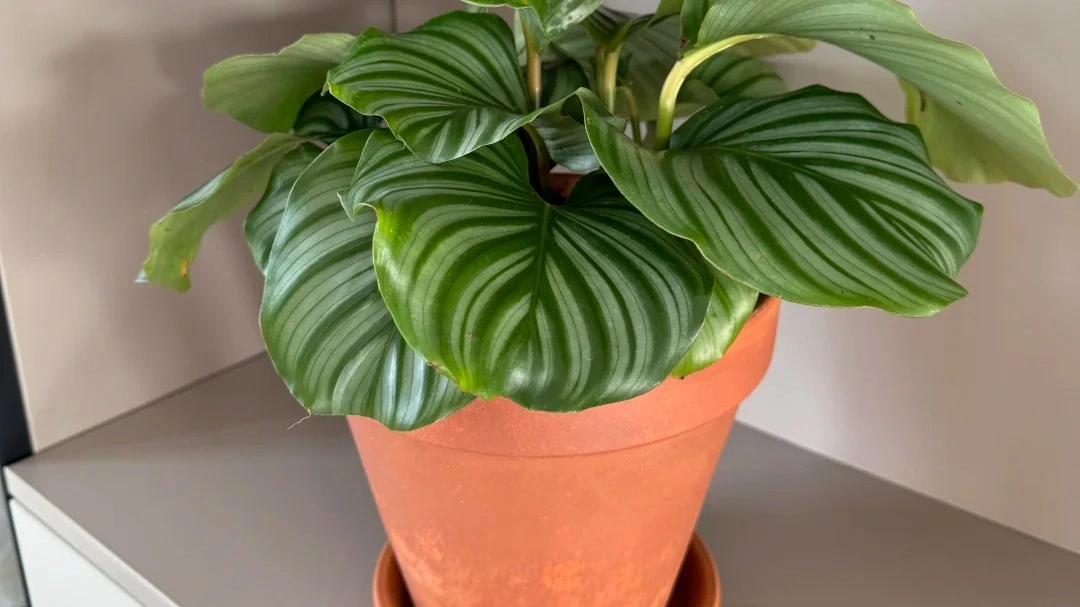
If Your Room Is Dry
Humidity is one of the easiest Calathea supplies to overbuy. A crispy edge or curled leaf does not always mean you need a humidifier right away. I would check the actual room humidity first, especially in winter or in homes with heating running often.
If the room is already around 50% humidity, I usually would not rush to add another machine. If the room stays below 35–40% for several days, then a small humidifier and a simple hygrometer can be worth considering.
The guide below explains how I decide whether a Calathea actually needs a humidifier, what I would buy first, and when humidity is not the real problem.
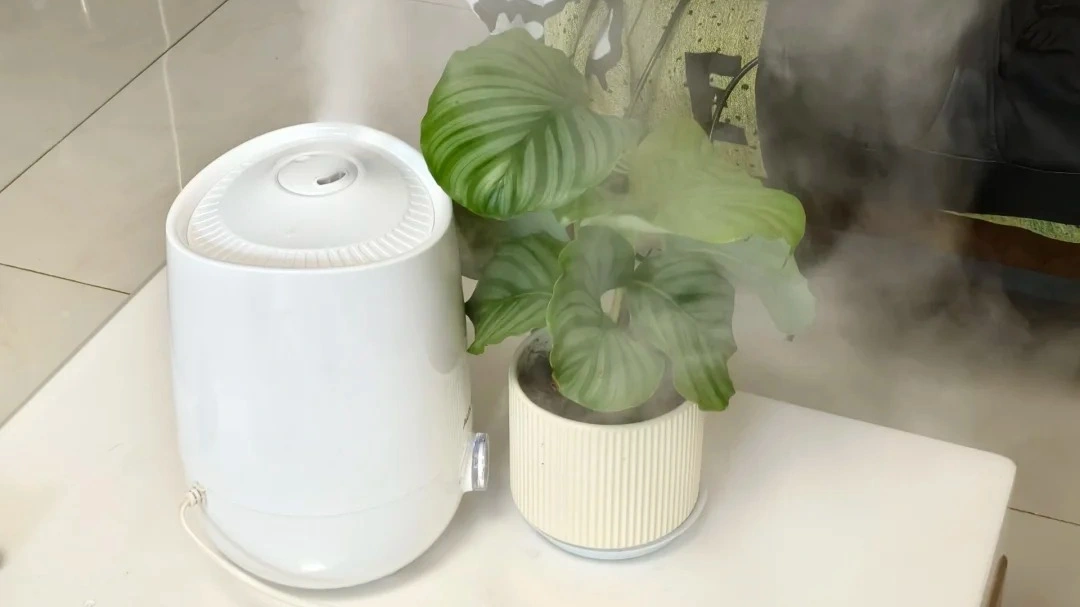
If Your Room Is Dark or Cloudy
A room can look bright to us but still be weak for a Calathea. This is especially common in north-facing rooms, cloudy cities, long winter seasons, or corners that sit far from the window.
I would not buy the strongest grow light I can find. Calatheas usually need soft, steady support, not harsh light close to the leaves. The better choice depends on where the plant actually sits: on the floor, on a shelf, on a desk, or grouped with other small plants.
The guide below explains how I choose a grow light setup for Calathea in dark rooms, cloudy homes, and weak winter light.
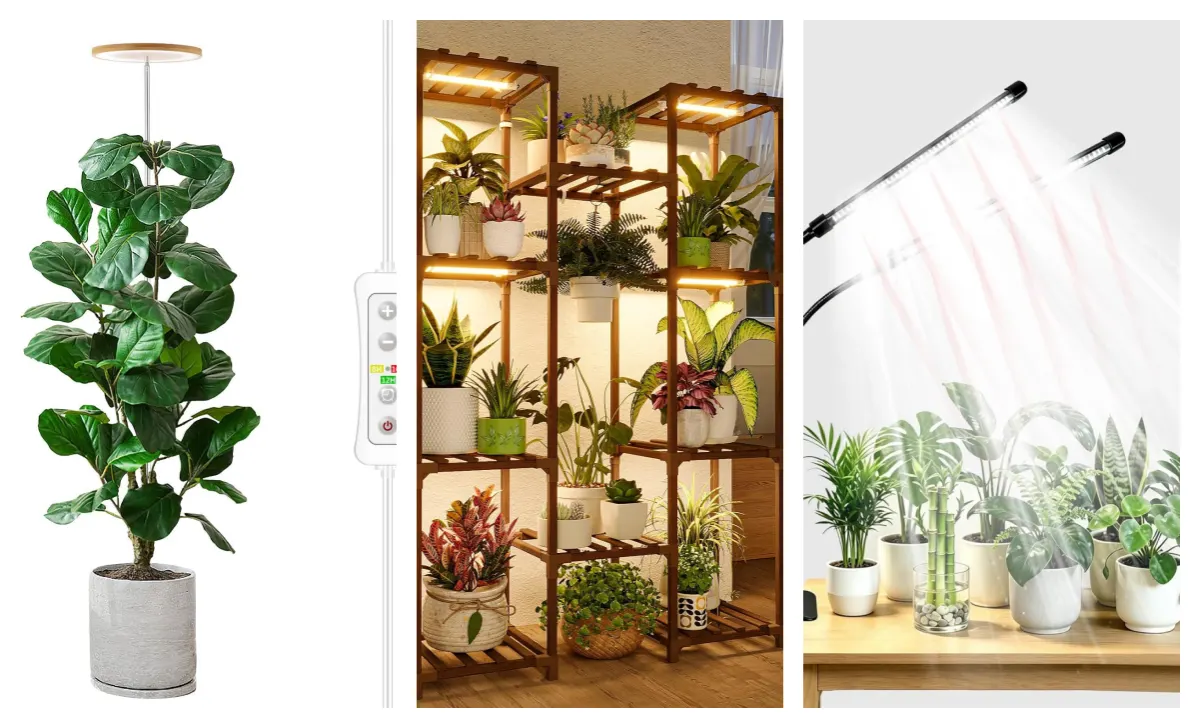
Fertilizer Comes Later, Not First
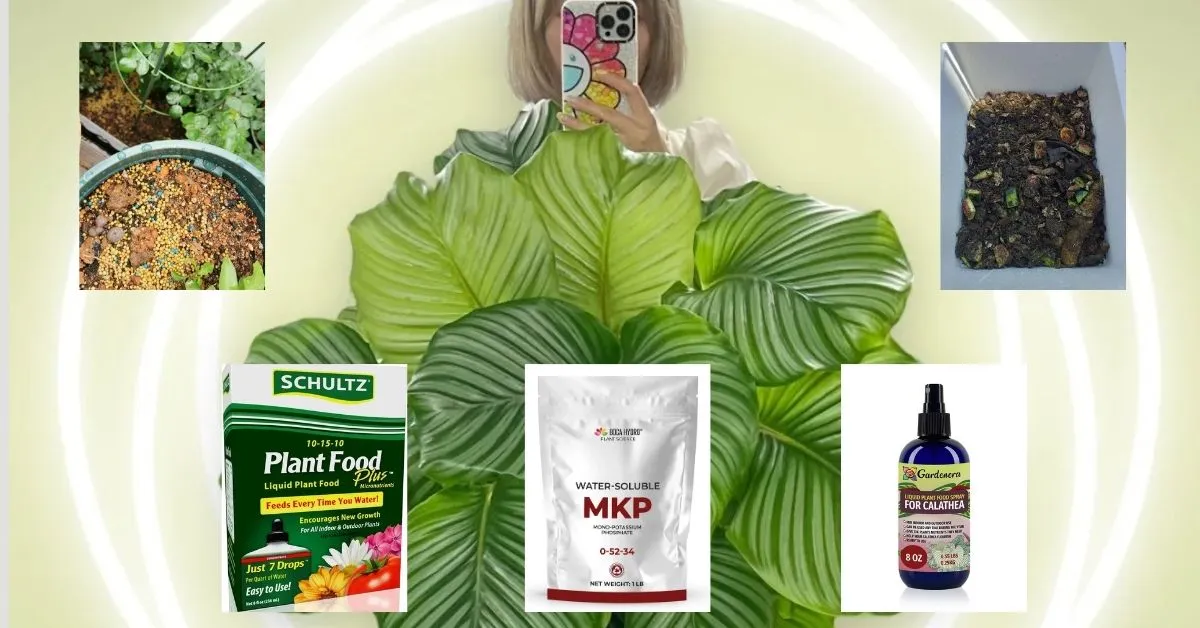
Fertilizer is useful, but it is not the first thing I would buy for a new Calathea. If the plant is still adjusting to a new home, sitting in heavy soil, getting weak light, or showing stressed roots, feeding more will not solve the real problem.
I would only start fertilizing after the plant is settled and actively growing. For most indoor Calatheas, that means using a gentle liquid fertilizer lightly, not pushing the plant with strong feeding.
The guide below explains what kind of fertilizer I would actually use for Calathea, how often I would feed, and when I would skip fertilizer completely.
What I Would Not Buy First
Some supplies look useful, but I would not buy them before understanding the room and the plant. A new Calathea usually needs a stable setup more than a long shopping list.
- A large humidifier before measuring humidity: I would check the room first with a hygrometer.
- A strong grow light for a low-light plant: Calatheas usually need gentle support, not harsh light.
- Several fertilizers at once: I would wait until the plant is settled and actively growing.
- A pot with no drainage: I would not plant Calathea directly into a sealed decorative pot.
- Too many soil amendments: a simple, airy mix is usually easier to manage than a complicated recipe.
Buy for Your Room, Not for an Ideal Greenhouse
It is easy to overbuy when you first bring home a Calathea. But most problems do not come from missing fancy tools. They come from a mismatch between the plant and the room: soil that stays wet too long, air that is too dry, light that is weaker than it looks, or a pot that makes watering harder.
That is why I would not buy every Calathea supply on day one. I would start with the basics first: a suitable soil mix, a pot that works with my watering habits, and a simple way to understand the room’s humidity and light.
If the room is dry, I would look at humidity supplies. If the room is dark or cloudy, I would consider a grow light. If the plant is settled and actively growing, then I might add gentle fertilizer. For me, the best Calathea setup is not the most expensive one. It is the one that fits the room the plant actually lives in.