
Calathea & Pets Safety: Are Calatheas Toxic to Cats or Dogs?
Good news for pet parents: Calatheas are considered non-toxic to cats and dogs. While nibbling may still cause mild tummy upset or drooling, serious poisoning is unlikely. This guide explains how to prevent chewing, what to do if it happens, and the safest varieties to choose.
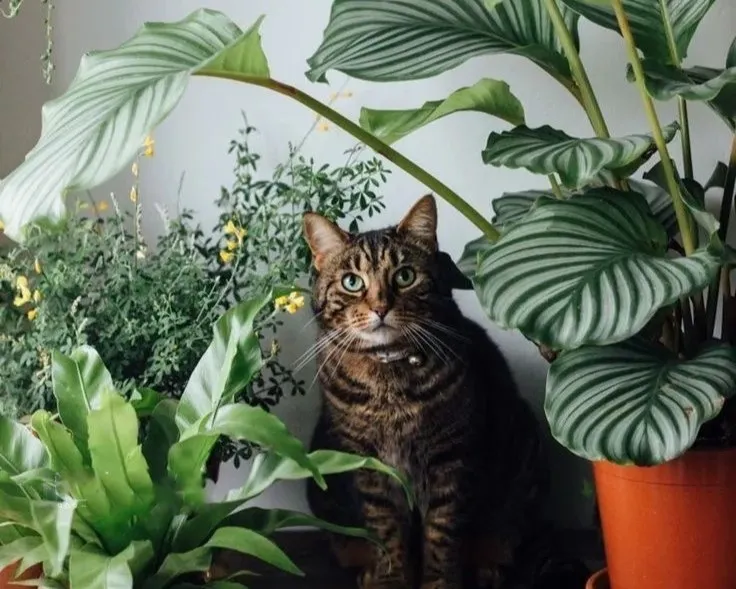
Are Calatheas Toxic to Pets?
Calatheas are non-toxic to cats and dogs.
Most pets are fine if they nibble a leaf. At worst, you may see mild drooling or an upset stomach—keep the plant out of reach and offer fresh water.
Learn more: Is Calathea Toxic to Cats?Learn more: Is Calathea Toxic to Dogs?At a glance
- Toxicity: Non-toxic to cats & dogs
- Risk level: Low (possible mild GI upset if chewed)
- Keep safe: Place up high, provide cat grass as a decoy
- If your pet ate a lot: Observe for vomiting/diarrhea and call your vet if symptoms persist
Explore Safety Topics
Every pet parent has different worries—whether it’s cats, dogs, or just curious nibbling. Explore the topics below for quick, pet-friendly answers.
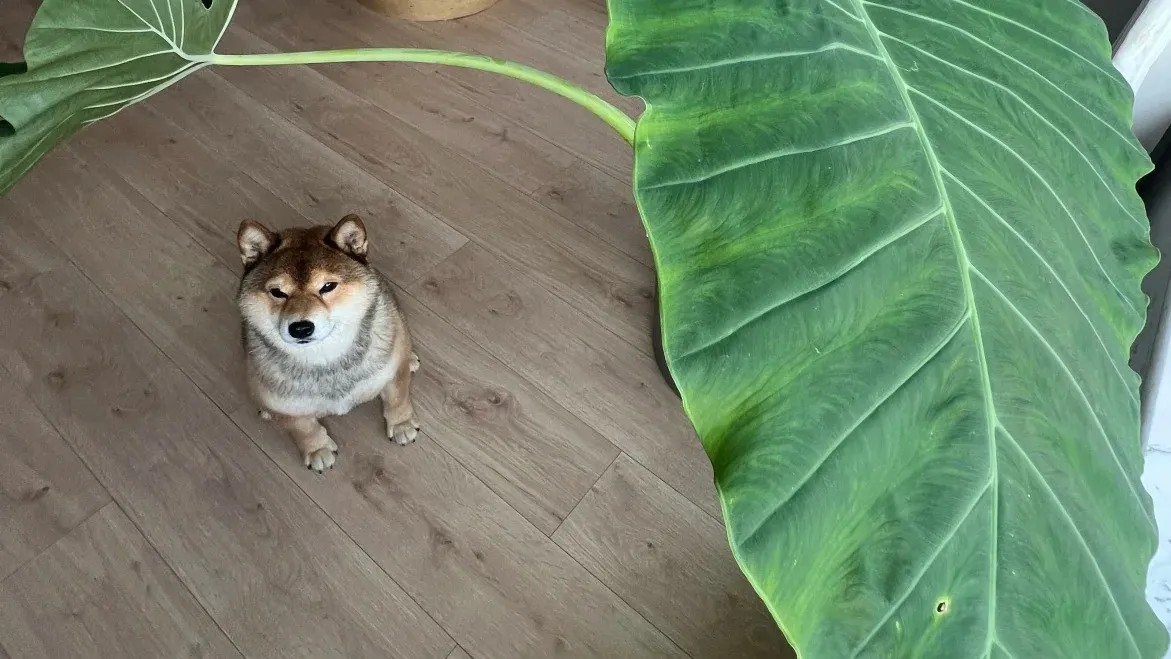
Are Calathea Plants Toxic to Dogs? What Pet Owners Need to Know
Are Calatheas safe for dogs? What to know about chewing risks.

Are Calathea Plants Toxic to Cats? Complete Safety Guide
Are Calatheas safe for cats? Key facts and chewing precautions.

Best 30 Pet-Safe Houseplants for Cat & Dog Owners
My go-to list of houseplants that won’t harm your cats or dogs.
How to Keep Pets Safe Around Calatheas
Smart Placement
Keep Calatheas on shelves, hanging planters, or stands to limit easy access for curious pets.
Distraction Plants
Offer safe alternatives like cat grass or catnip—most pets will choose those over your Calathea.
Gentle Training
Use positive reinforcement to discourage chewing, rather than punishment. Consistency works best.
Health Watch
If your pet nibbles a leaf, watch for mild drooling or stomach upset. Call your vet if symptoms persist.
FAQ
Have pets at home? These quick answers clear up the most common questions about Calathea and pet safety — from toxicity concerns to what to do if your cat takes a bite.
Even if your pet nibbles a leaf, serious poisoning is extremely unlikely.
At worst, your pet may show mild drooling or an upset stomach, but symptoms pass quickly.
Still, try to discourage chewing — it can damage the plant and create a habit.
Try placing your Calatheas out of reach — on shelves or in hanging planters. You can also use natural deterrents such as lemon spray or other pet-safe repellents. Another simple trick is to give your pets their own “green snack,” like pet grass, so they’re less tempted to chew on your plants.
including Calathea orbifolia, Rattlesnake Calathea, White Fusion, and Peacock Plant.
Calathea makes a great non-toxic alternative if you love lush foliage.
If your pets like to play around the pots, use heavier planters to prevent tipping.