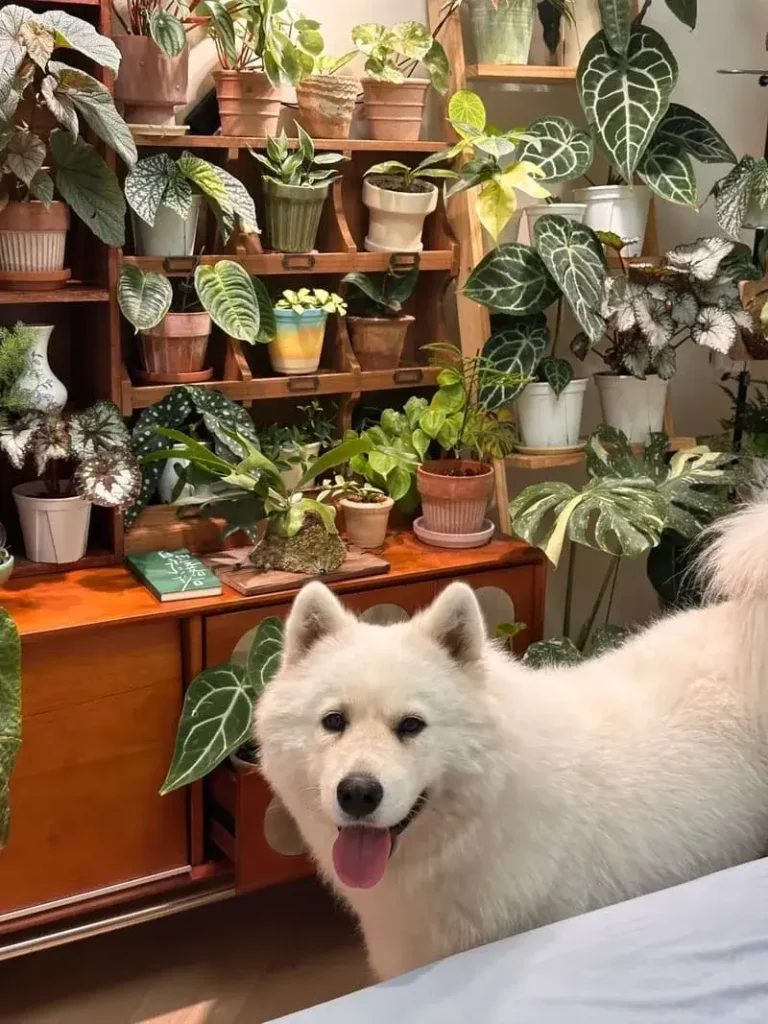


Any dog parent knows the struggle: our pups love to chew. From shoes to furniture legs, nothing seems entirely safe — and that includes houseplants. If you keep greenery on the floor or in low planters, chances are your dog has already given it a curious nibble.
This raises a common concern: what about Calathea plants? With their bold stripes, velvety textures, and large tropical leaves, they look beautiful indoors — but are they safe for dogs? Could those soft leaves cause harm if your pet decides to take a bite?
In this guide, we’ll settle the question with the help of trusted sources like the ASPCA’s toxic plant database and veterinary insights. Step by step, we’ll cover the essentials — from the bottom-line toxicity verdict, to potential digestive risks, to how dogs interact differently with Calathea compared to cats, plus practical placement and training tips to protect both your pup and your plants.
Calathea plants are non-toxic to dogs.
According to the ASPCA (American Society for the Prevention of Cruelty to Animals) and multiple veterinary references, all Calathea species are considered safe if your dog happens to chew on them.
👉 What this means in practice:
- You don’t need to worry about poisoning — Calathea does not contain calcium oxalates or alkaloids found in truly toxic plants like sago palm, aloe vera, or peace lilies.
- However, because dogs may swallow larger amounts than cats, chewing can lead to mild digestive upset such as vomiting, diarrhea, or drooling.
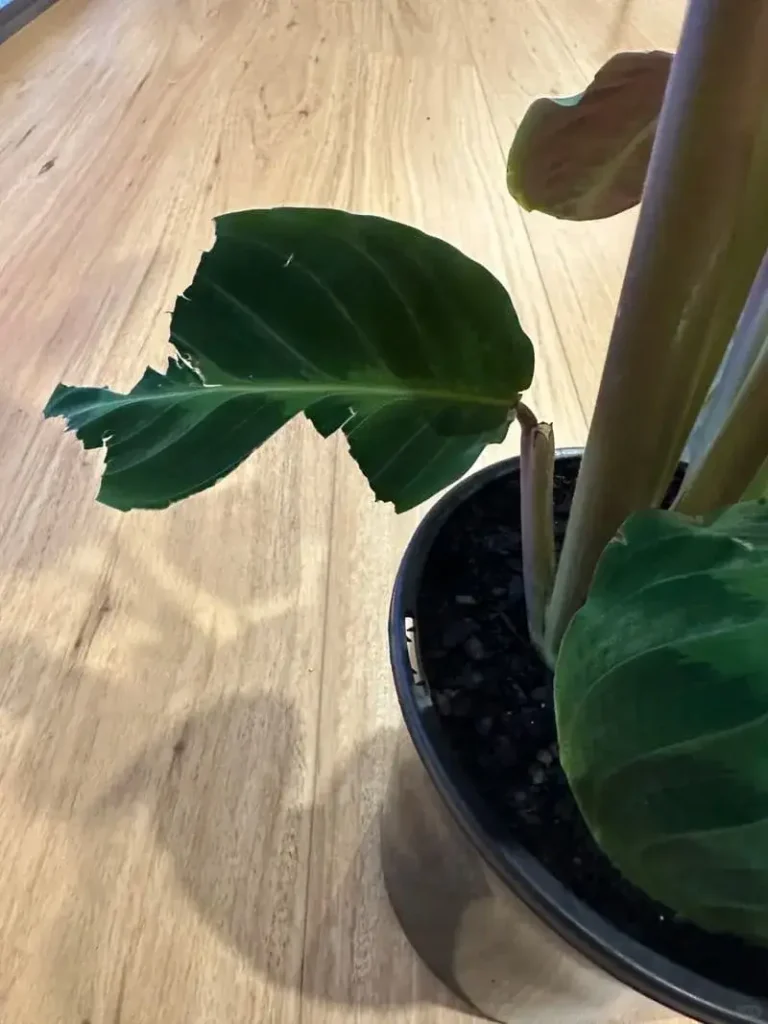
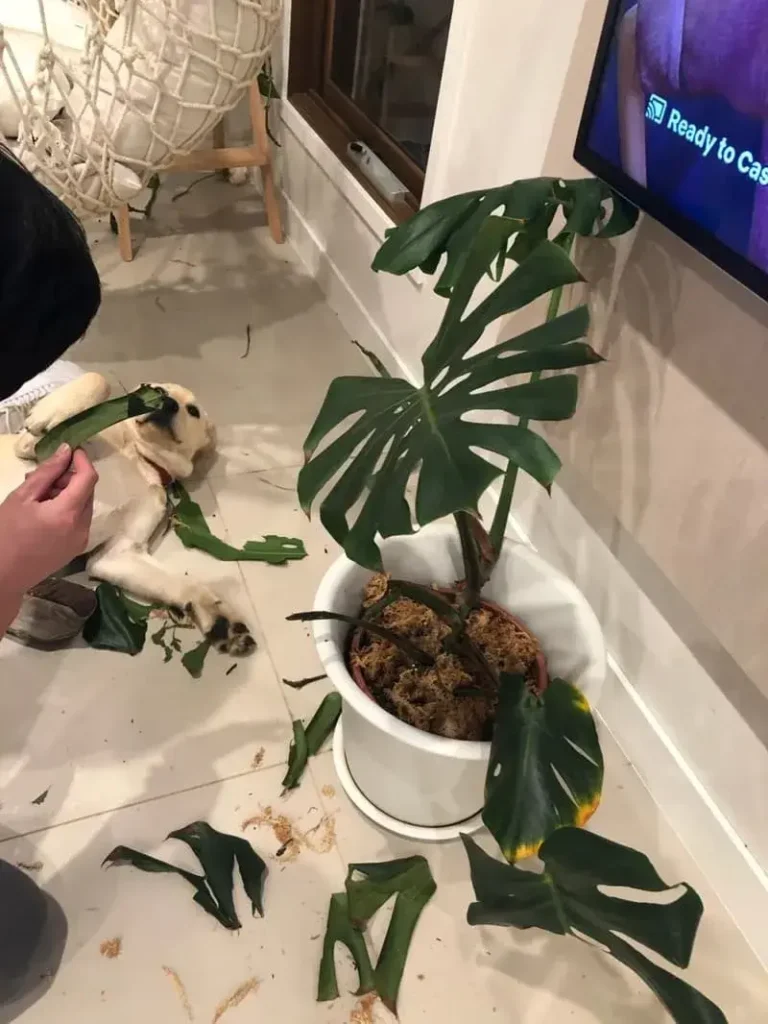
- The real “danger” is usually to the plant itself — a curious pup can shred delicate leaves in minutes.
Key takeaway: Calathea is a pet-friendly, dog-safe plant. As long as you manage chewing habits, you can enjoy its tropical beauty without fear for your pup’s health. Learn more in our Calathea & Pets Safety guide.

Why Dog Owners Worry about Calathea
If you’ve ever searched “Are Calathea toxic to dogs?” you’re not alone. Many dog owners feel uneasy bringing unfamiliar plants into their homes, and the concern is justified.
- Many houseplants are dangerous for dogs.
Common favorites like sago palm, aloe vera, peace lily, and philodendron can cause severe poisoning — from painful oral irritation to organ damage, or even death in the case of sago palm. With so many “pretty but poisonous” plants around, it’s natural to suspect Calathea might fall into the same category. - The tropical look creates confusion.
Calathea’s broad striped leaves resemble those of toxic species in the Araceae family. To the untrained eye, it’s easy to assume “flashy leaves = risky.” - Dogs chew differently than cats.
Cats may nibble small pieces, but dogs often rip and swallow large chunks of leaves. That makes dog owners extra cautious — because even a safe plant can cause digestive upset if eaten in bulk. If you also have cats, see our Calathea and cats safety note.
👉 In short, the worry isn’t unfounded. Calathea’s vibrant appearance and its similarity to genuinely toxic plants make many owners double-check. The good news is that Calathea belongs to a completely different plant family and does not share those toxic compounds.
Calathea & Dogs: Safety in Detail
Confirmed Non-Toxic
Trusted sources such as the ASPCA toxic plant list, PetMD, and veterinary guides confirm that Calathea species are non-toxic to dogs. Unlike toxic plants in the Araceae family, Calathea belongs to the Marantaceae family and does not contain calcium oxalates or harmful alkaloids. For daily care that keeps leaves healthy, follow our light requirements checklist.
Potential Risks from Chewing
While not poisonous, chewing on Calathea leaves can still trigger:
- Mild vomiting or gagging
- Diarrhea or soft stools
- Excessive drooling
These reactions come from digestive irritation caused by fibrous leaves — not from toxins. Most dogs recover quickly without treatment.
⚠️ High-Risk Scenarios
Some dogs are more likely to cause trouble than others:
- Puppies and high-energy breeds → more curious and prone to chewing.
- Large dogs → can swallow bigger chunks, leading to heavier digestive upset.
- Bored or under-stimulated dogs → may shred plants for entertainment, damaging both the foliage and their stomachs.
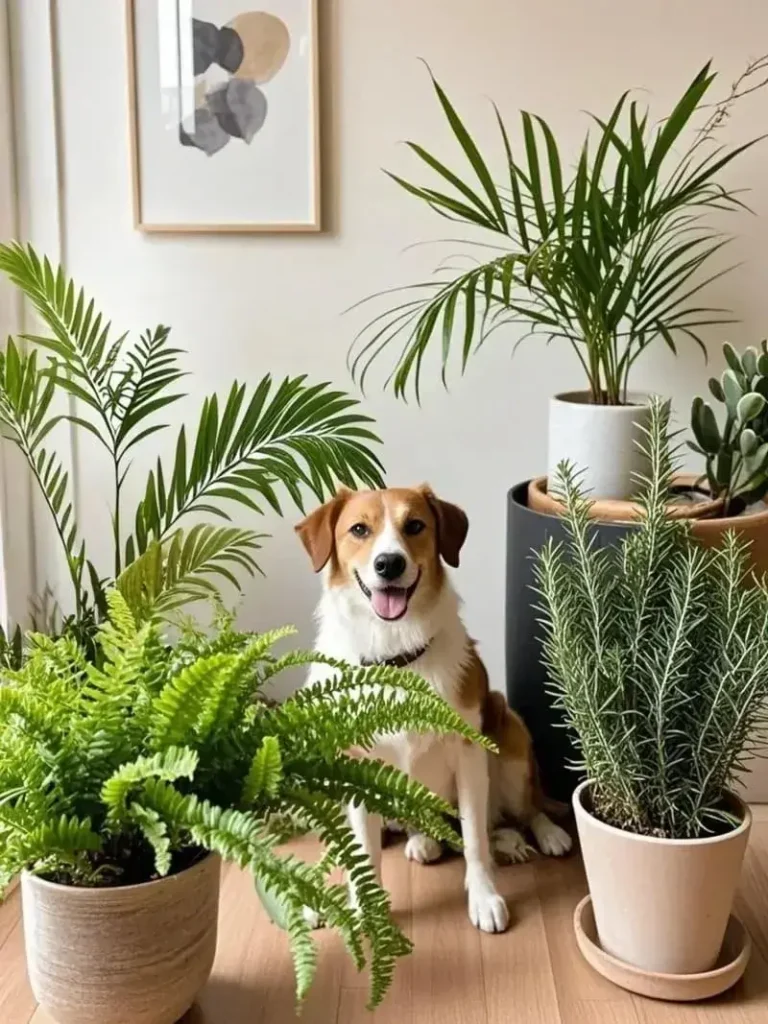
💡 Practical tip: If your dog has a history of chewing on plants, it’s wise to keep Calathea out of reach. You can also pick low-light-tolerant spots away from dog traffic. This protects the plant from damage and prevents your pup from repeated stomach upsets.
Common Calathea Varieties & Dog Safety
There are dozens of Calathea varieties, but most dog parents only come across a handful in plant shops. The good news is that every Calathea species is safe for dogs. The main difference lies in how easily each variety can be damaged if your pup decides to chew. Some have tougher, narrow leaves that withstand more abuse, while others are delicate and get shredded quickly.
Here’s a quick guide to the most common types:
| Calathea Variety | Safe for Dogs? | Chewing Damage Risk* | Notes |
|---|---|---|---|
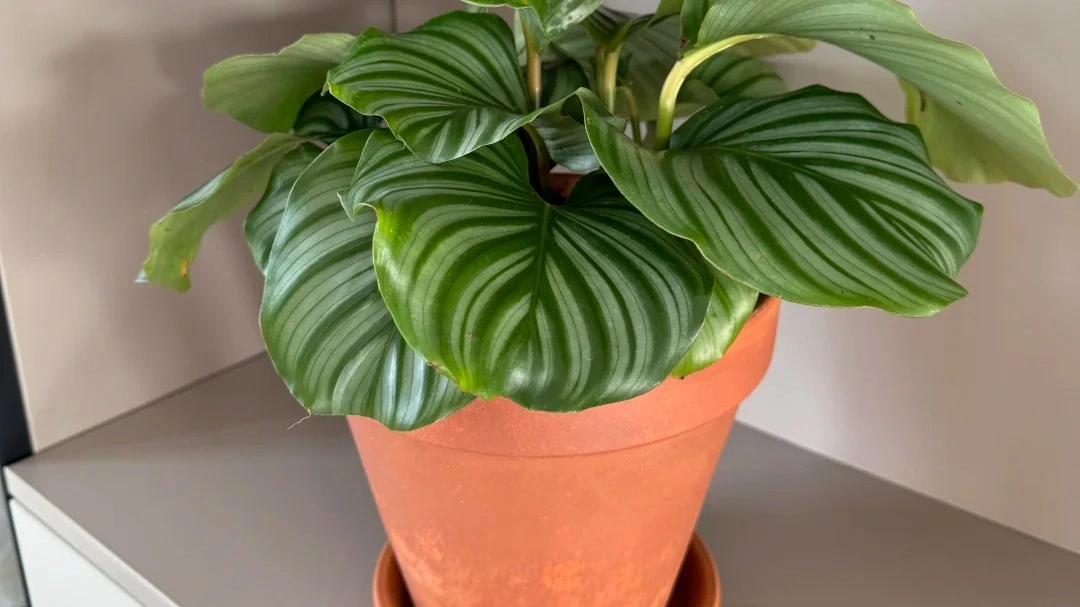
| Calathea Orbifolia | ✅ Safe | ⭐⭐⭐ | Broad, round leaves are tempting and easily torn |
| Calathea Medallion | ✅ Safe | ⭐⭐ | Softer patterned leaves; moderate risk if chewed |
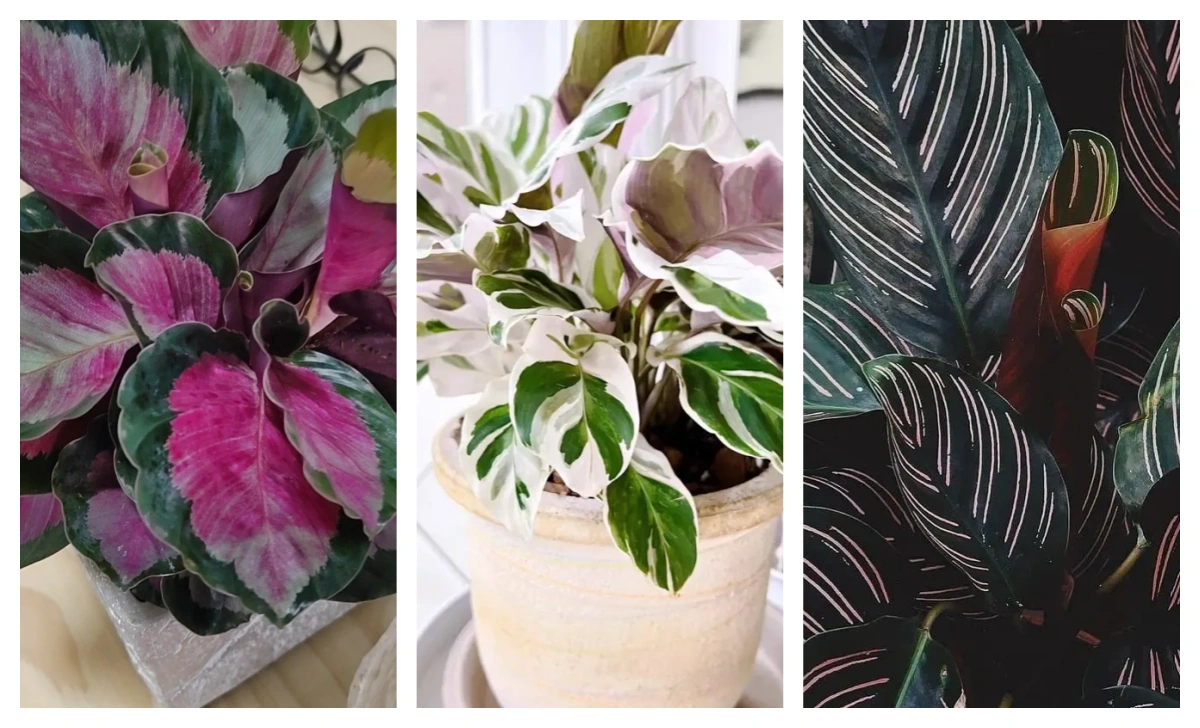
| Calathea White Fusion | ✅ Safe | ⭐⭐⭐⭐ | Very delicate variegated leaves; often destroyed by dogs |
| Calathea Rattlesnake | ✅ Safe | ⭐ | Narrow, firmer leaves; holds up better against chewing |
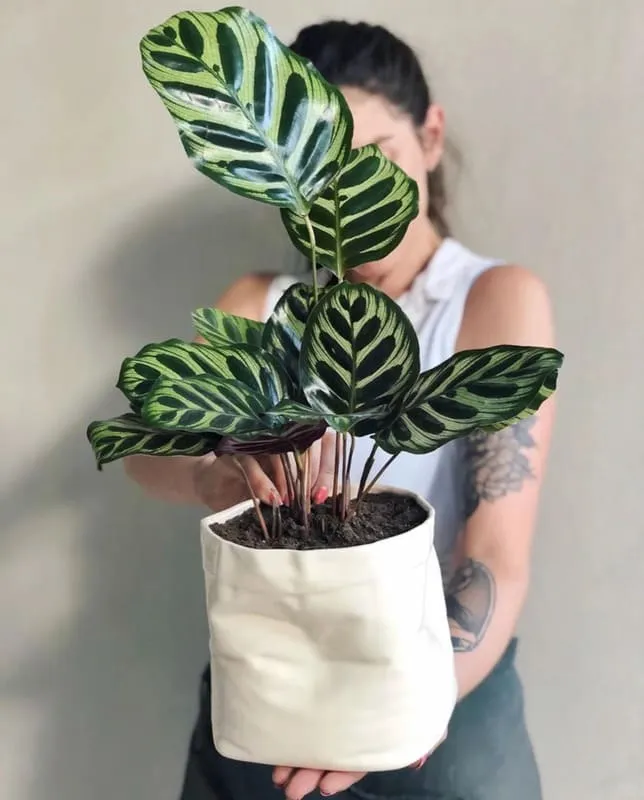
| Calathea Makoyana (Peacock) | ✅ Safe | ⭐⭐ | Striped leaves may attract curiosity, but moderately sturdy |
| Calathea Freddie | ✅ Safe | ⭐⭐ | Slim upright leaves; moderate damage risk |
*Chewing Damage Risk = Based on leaf toughness, size, and feedback from pet owners with dogs.
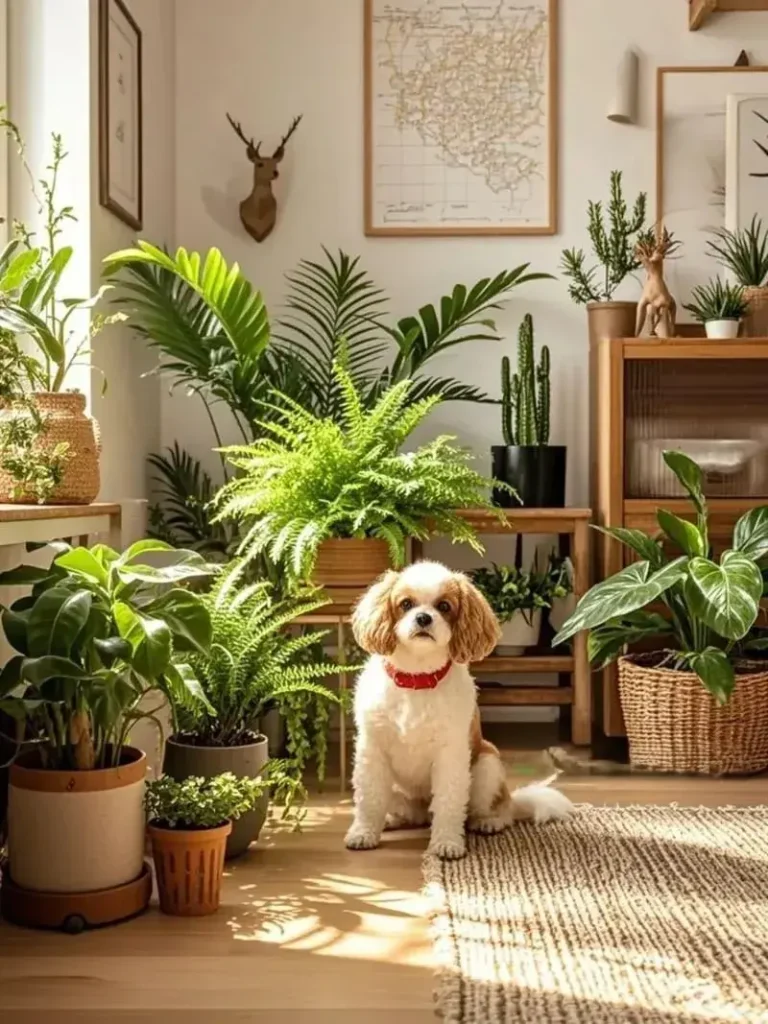
👉 Takeaway: All Calathea are non-toxic to dogs. If your pup is a known chewer, sturdier varieties like Rattlesnake or Freddie are safer choices for long-term survival of your plant.
What To Do If Your Dog Eats Calathea Leaves
Dogs are curious chewers, and it’s not unusual for them to take a mouthful of greenery. If your pup has munched on your Calathea, here’s how to respond:
Step 1: Monitor Your Dog
Most dogs will be perfectly fine. Still, watch for short-term signs of digestive upset, such as:
- Mild vomiting (once or twice)
- Soft stools or diarrhea
- Excessive drooling or lip-licking
These usually resolve within a few hours as the fibrous plant material passes through the system. If leaves keep drooping after a chew incident, review our curling & drooping guide.
Step 2: Offer Fresh Water
Make sure your dog has access to clean drinking water. Staying hydrated helps reduce stomach irritation and supports recovery.
Step 3: Observe for 24 Hours
If symptoms are mild and your dog remains active and interested in food, there’s typically no need for veterinary care.
Step 4: Call Your Vet If…
Seek veterinary advice if you notice:
- Repeated or forceful vomiting
- Ongoing diarrhea lasting more than a day
- Loss of appetite or refusal to drink
- Lethargy, shaking, or unusual behavior
While Calathea is not toxic, persistent digestive issues deserve professional attention.
Reassurance for Pet Parents
Remember: your dog is not poisoned. Calathea leaves can upset the stomach if eaten in quantity, but they do not contain dangerous chemicals. In most cases, your plant will suffer more damage than your pup.
How to Protect Your Calathea from Dogs
Even though Calathea is non-toxic, no one wants to come home to shredded leaves or a pup with an upset stomach. A few smart strategies can help you protect both your plant and your dog:
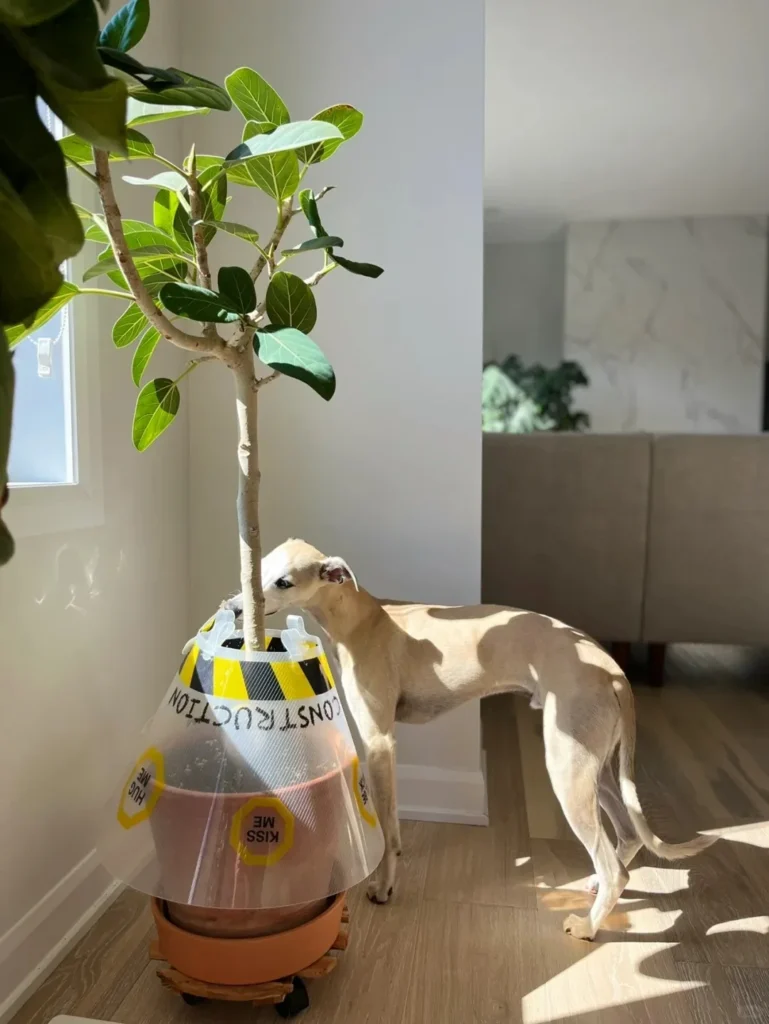
Elevate and Reposition
- Place Calathea on plant stands, shelves, or tables out of your dog’s reach. Right placement also matches its light needs.
- Avoid low corners, entryways, or spots near your dog’s bed where chewing is more likely.
Provide Alternatives
- Offer safe chew toys, bones, or rope toys so your dog has better outlets for chewing.
- Some owners even grow dog-safe grasses (like wheatgrass) to satisfy natural grazing instincts.
Use Deterrents (Safely)
- If your dog keeps targeting the plant, try pet-safe bitter sprays on the pot or nearby surfaces.
- Avoid harsh chemicals — they may harm both the plant and your dog.
Train with Positive Reinforcement
- Redirect your dog when it approaches the plant.
- Reward with treats when it ignores the Calathea.
- Consistency helps build a clear association: plants are off-limits.
Reduce Boredom
- Dogs often chew out of boredom. Daily walks, interactive toys, or playtime can reduce destructive behaviors — including plant nibbling.
👉 With a mix of smart placement, distraction, and gentle training, you can enjoy healthy Calathea foliage without worrying about your pup’s curiosity.
Care Tips for Dog-Friendly Homes
Living with both dogs and Calathea is all about finding the right balance between plant care and pet safety. Here are a few tips to keep both thriving:
Choose the Right Location
- Place your Calathea in bright, indirect light — but also in a spot that isn’t part of your dog’s daily traffic path.
- Avoid corners near the dog’s bed, play zone, or crate, where chewing is more likely.
Mind Humidity and Safety
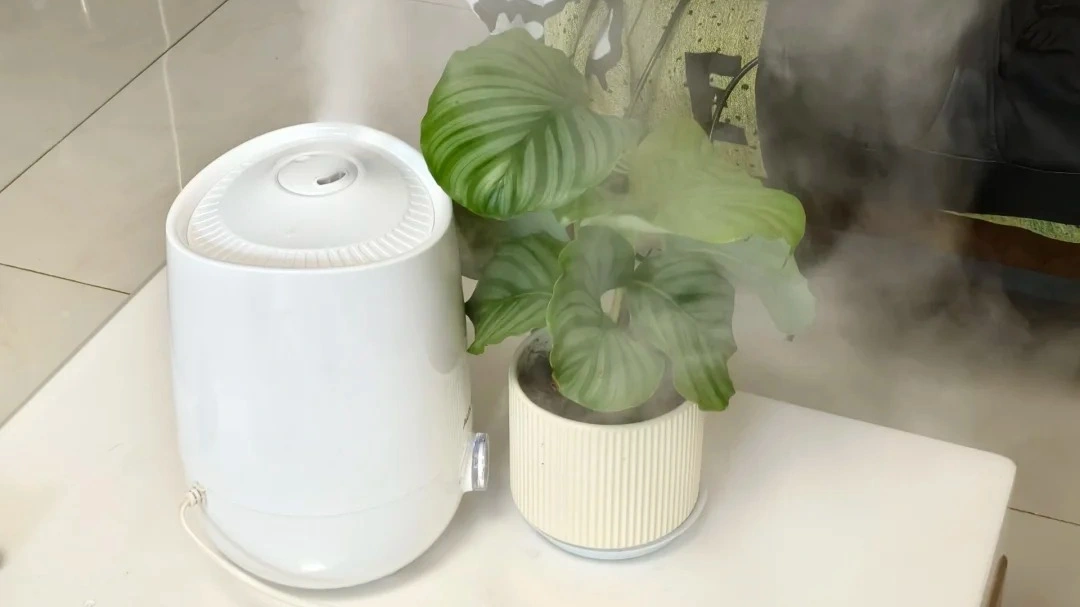
- Calathea thrives in higher humidity, but avoid putting a humidifier where your dog could tip it over.
- If you use pebble trays for moisture, make sure they’re placed securely so your dog can’t spill or drink from them. Avoid over-watering—see how often to water Calathea.
Pick Sturdier Varieties
- For households with active or curious dogs, sturdier Calatheas like the Rattlesnake or Orbifolia tolerate occasional bumps better than delicate types like White Fusion.
Use Barriers When Needed
- In multi-pet homes, a baby gate or plant shelf can keep your Calathea safe without making your living space feel off-limits to your dog.
👉 The goal isn’t to isolate your plants completely, but to blend Calathea’s care needs with your dog’s lifestyle so both can coexist comfortably.
FAQ
Still have more Calathea problems?
Curling and drooping are just the beginning. From yellow leaves to root rot, we’ve put together a full guide to every common Calathea issue.
Explore All Problems →To sum it up: Calathea is non-toxic to dogs.
You can enjoy its tropical beauty without worrying about poisoning, though chewing may still cause mild stomach upset. The bigger risk is usually to your plant’s leaves, not your pup’s health.
💬 Your turn: Does your dog ever chew on houseplants? How do you keep your Calathea safe at home?