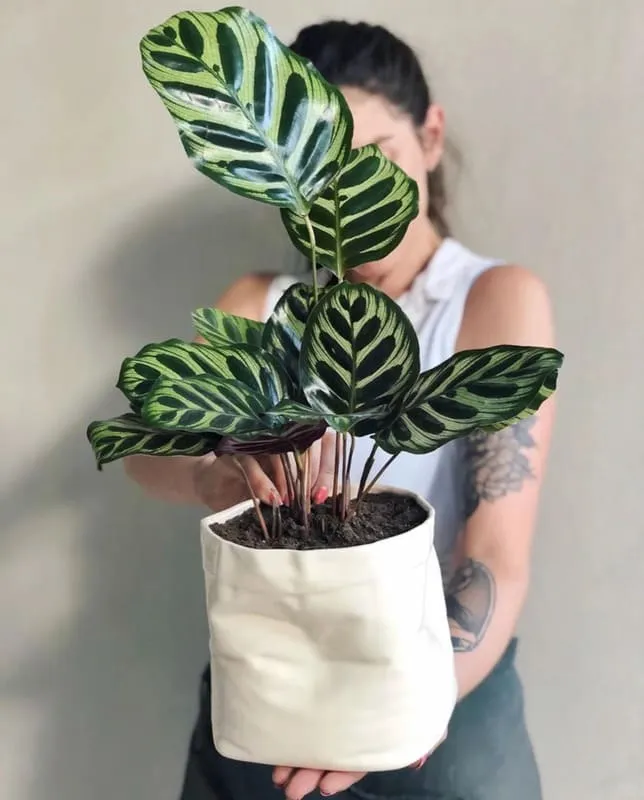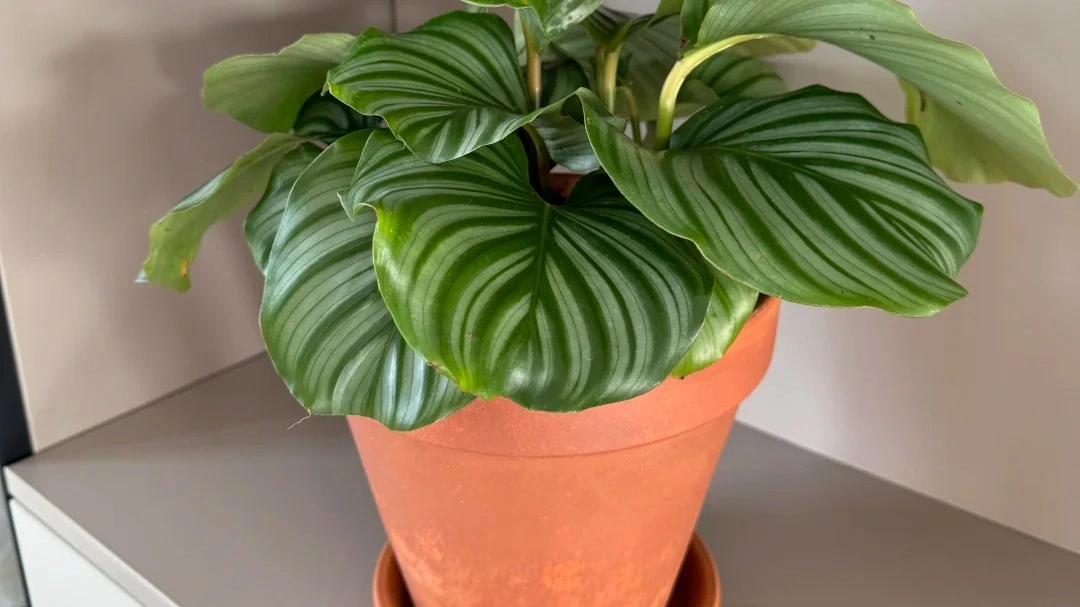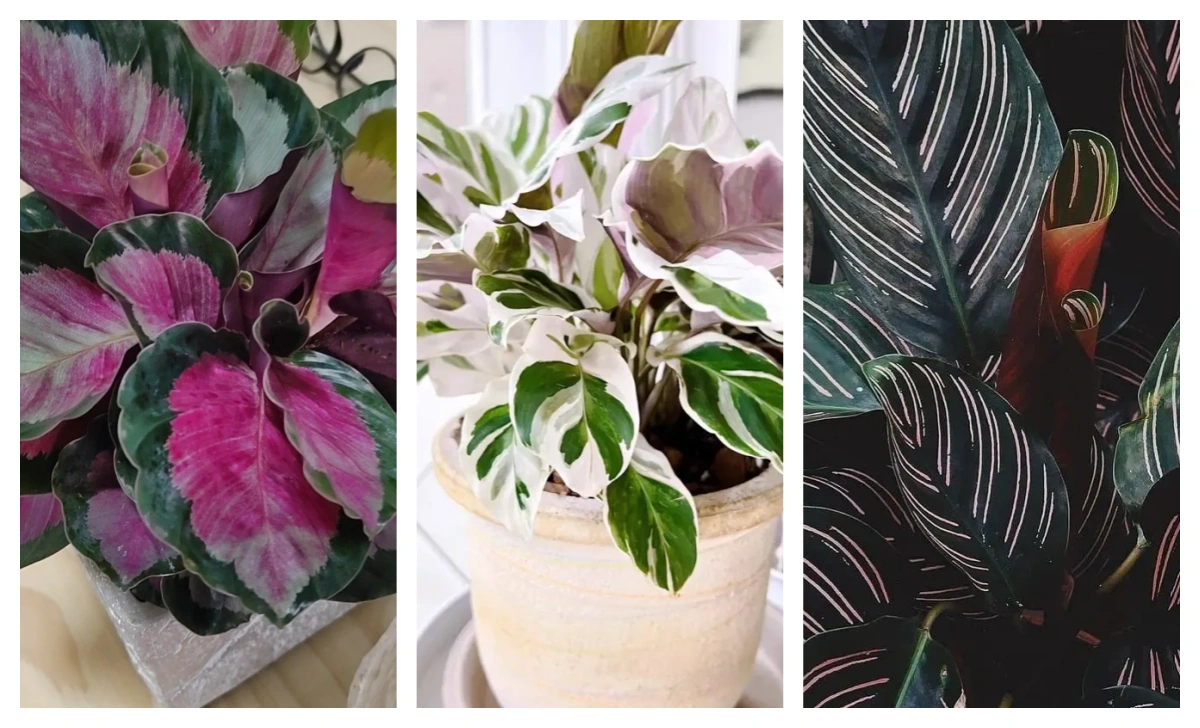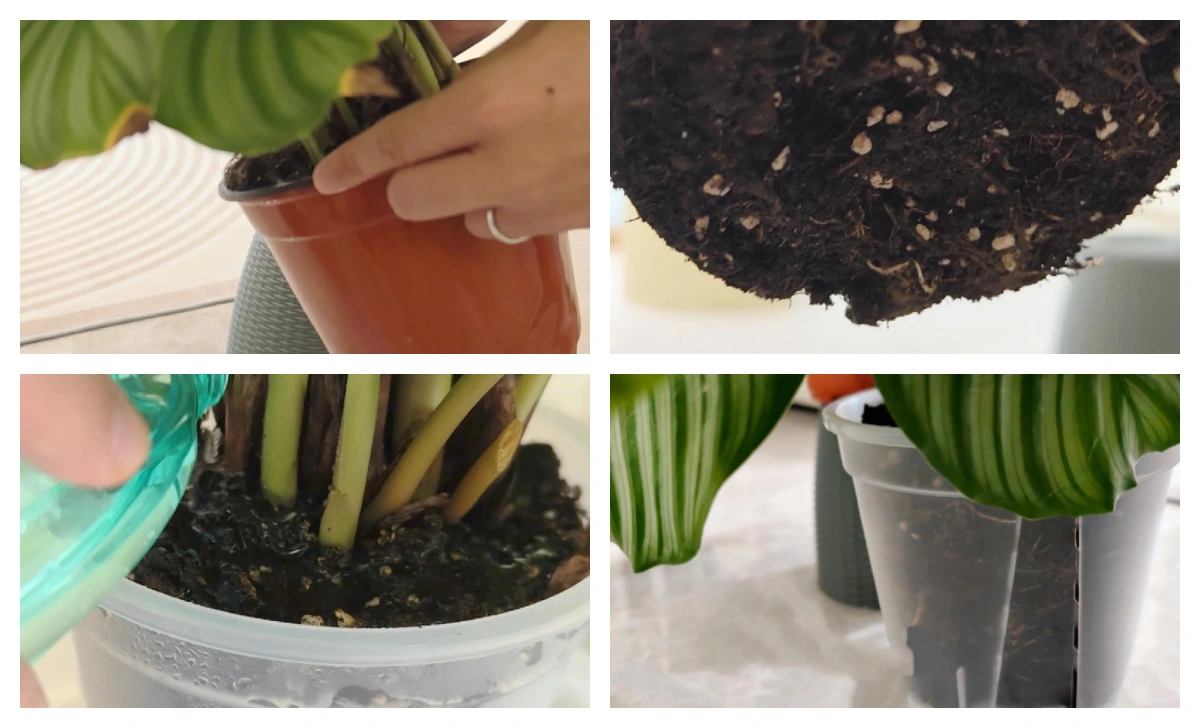
Like many new plant owners, I thought that more light was always better when I initially took home my Calathea ‘Apple Green.’ I thought I was taking good care of it by putting it by the window. But the leaves never stood up; they stayed drooping no matter how frequently I changed the pots or watered them.
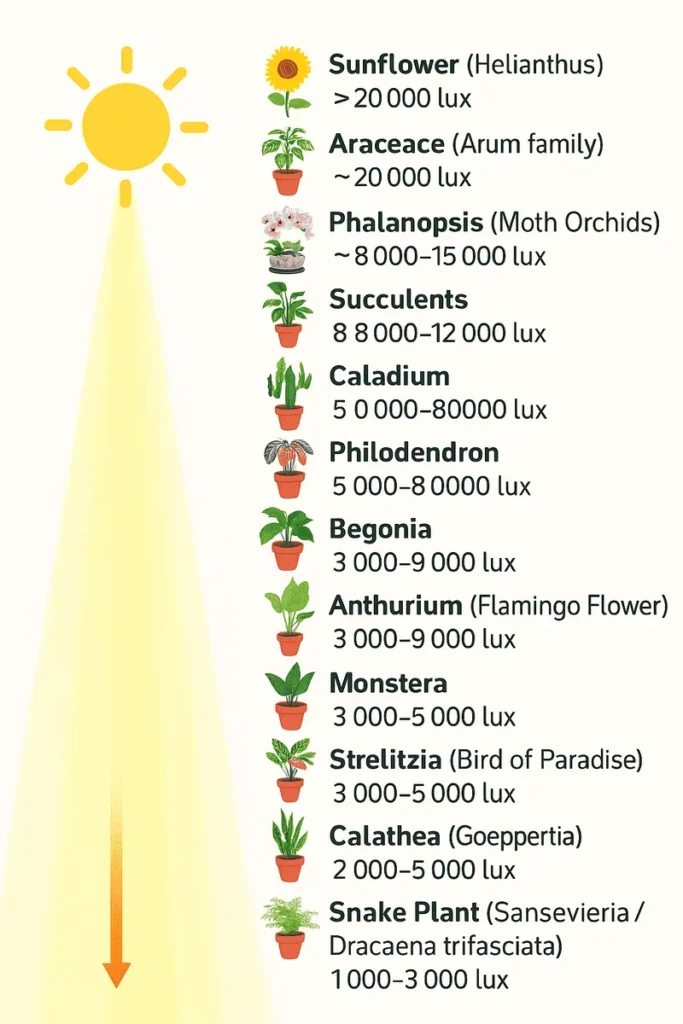
Then something surprising happened. I moved it away from the window to a small corner near my bookshelf, where the light was softer and more indirect. Within days, I watched the leaves slowly lift themselves, standing tall and vibrant. It was the first time I truly understood how much Calathea prefers gentle, filtered light over bright exposure.
So if your Calathea looks sad by the window, don’t be afraid to try a shadier corner. Sometimes, less light is exactly what they need.
Calathea’s Natural Habitat
In the wild, Calatheas grow on the rainforest floor, under a dense canopy of taller trees. They never receive direct sunlight. Instead, they thrive in dappled, filtered light that’s strong enough to fuel growth but soft enough to protect their delicate leaves from burning.
That’s why at home, they do best in a spot with bright, indirect light—a place where the sun’s rays are softened by curtains, walls, or distance. Too much direct light can bleach their colors, while too little can slow their growth. The trick is to recreate that gentle rainforest shade indoors.
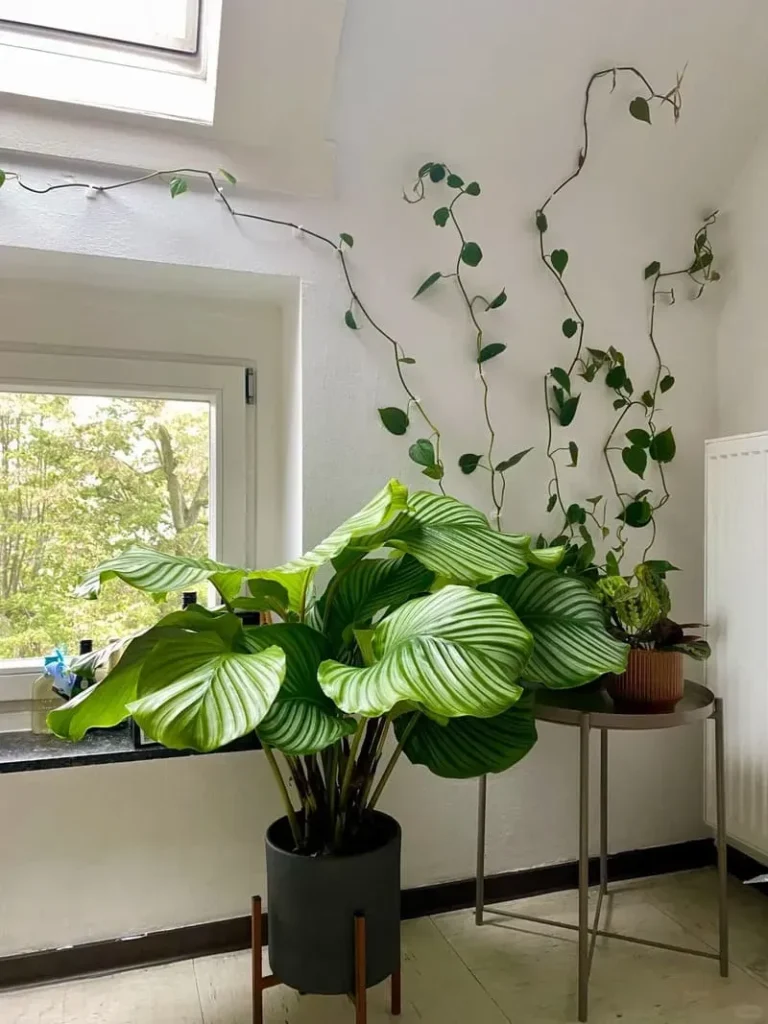
Ideal Light Conditions for Calathea
Calatheas thrive when they receive the right balance of brightness without ever sitting in direct sun. Think of it as “plenty of light to read a book, but not enough to cast sharp shadows.”
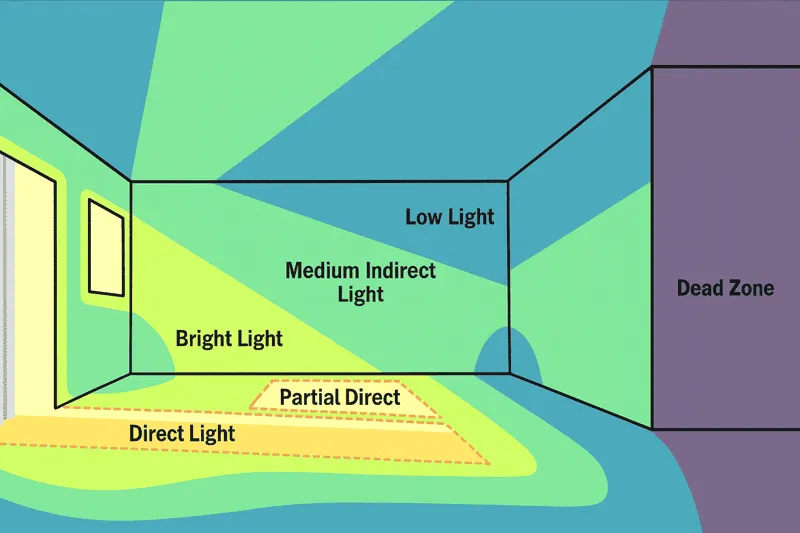
Here are the best setups indoors:
- East-facing window 🌅 – Perfect spot. Morning sunlight is gentle, and the plant will enjoy bright but indirect rays for the rest of the day.
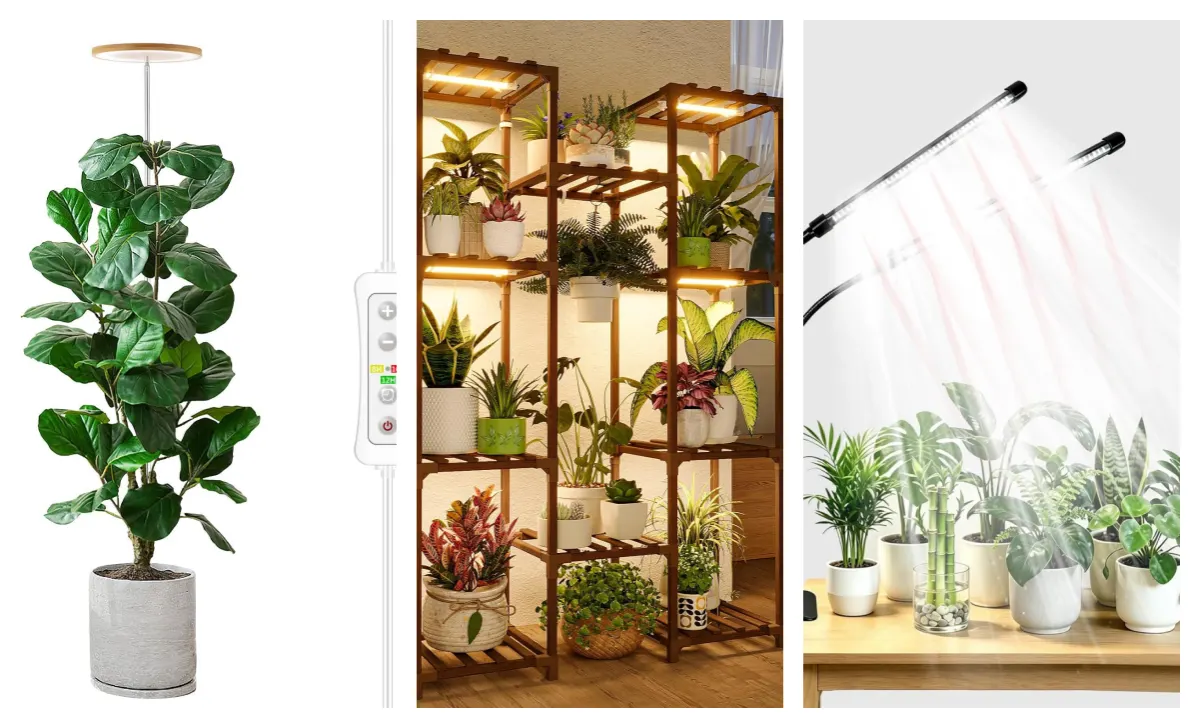
- North-facing window 🧭 – Safe for Calathea, but light can be weak in winter. You may need a grow light to keep growth steady.
- South- or west-facing window 🌞 – Too strong without protection. Always filter the light through a sheer curtain or place the plant a few feet away from the glass to prevent sunburn.
- Interior corners with good ambient light 📚 – Surprisingly effective. If your living room or office is well lit but not sun-drenched, Calathea can thrive there. (My ‘Apple Green’ perked up once I moved it from the window to a shaded bookshelf corner.)
Finding the right spot in your home can make all the difference for a Calathea. Here’s a quick guide based on window direction:
| Window Direction | Effect on Calathea | Tips |
|---|---|---|
| East-facing | Gentle morning light | Best choice |
| North-facing | Low, safe but weak | May need grow light |
| South-facing | Too strong | Filter with curtains |
| West-facing | Harsh afternoon sun | Place further inside |
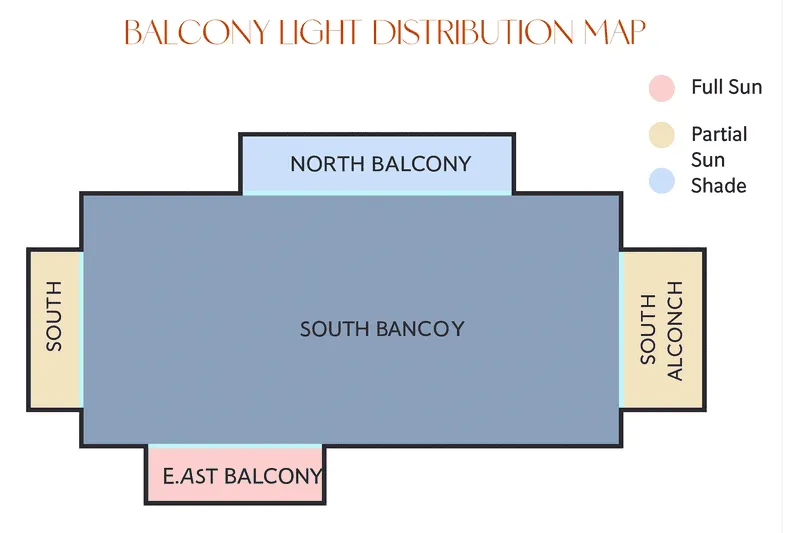
👉 Aim for about 8–10 hours of bright, indirect light daily. If your home doesn’t get enough natural light, a small LED grow light set at a safe distance can help mimic the tropical forest canopy. I explain the simple setup I would use in my guide to a grow light setup for Calathea.
Signs of Incorrect Lighting in Calathea
Both too little and too much light can stress your Calathea, but the symptoms look different. Use this table to compare:
| Symptom | Too Little Light | Too Much Light |
|---|---|---|
| Leaf color | Faded, dull | Bleached, washed out |
| Growth | Slow, leggy | Stunted, scorched patches |
| Leaf edges | Soft drooping | Crispy brown tips |
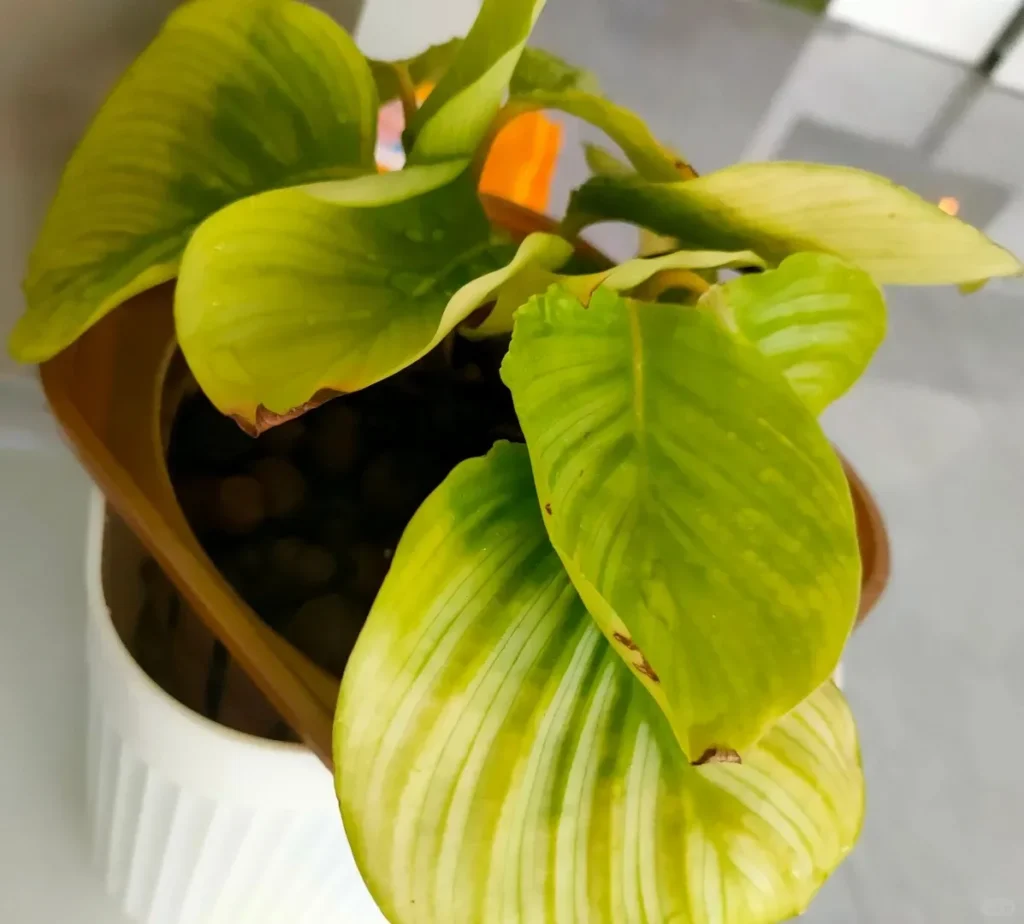
👉 If your plant looks weak and dull but keeps surviving, it may be stuck in low light. Check our guide: Can Calathea Grow in Low Light?.
👉If you see brown patches, curling, or crispy tips, it’s likely sun stress. Learn how to fix it in our full article: Calathea Sunburn & Light Stress.
Seasonal & Indoor Adjustments
Calathea’s light needs don’t change with the seasons, but the amount of natural light in your home certainly does. Adjusting placement throughout the year can keep your plant thriving.
- Summer: Sunlight is stronger and lasts longer. Even an east-facing window may become too intense. Pull your Calathea back a few feet or use a sheer curtain to soften the rays.
- Winter: Days are shorter and skies are cloudier. North- and east-facing spots may not provide enough light. In these months, a small LED grow light can help maintain steady growth. Keep it at least 8–12 inches (20–30 cm) above the leaves to avoid heat stress.
- Indoor shifts: If you move plants often (for cleaning, vacations, or redecorating), give your Calathea time to adjust. Sudden changes from bright to dim spaces can cause temporary drooping.
👉 The goal is consistency: aim for about 8–10 hours of bright, indirect light year-round, whether it comes from a window, filtered sunlight, or a grow light.
Here’s How I Finally Got It Right
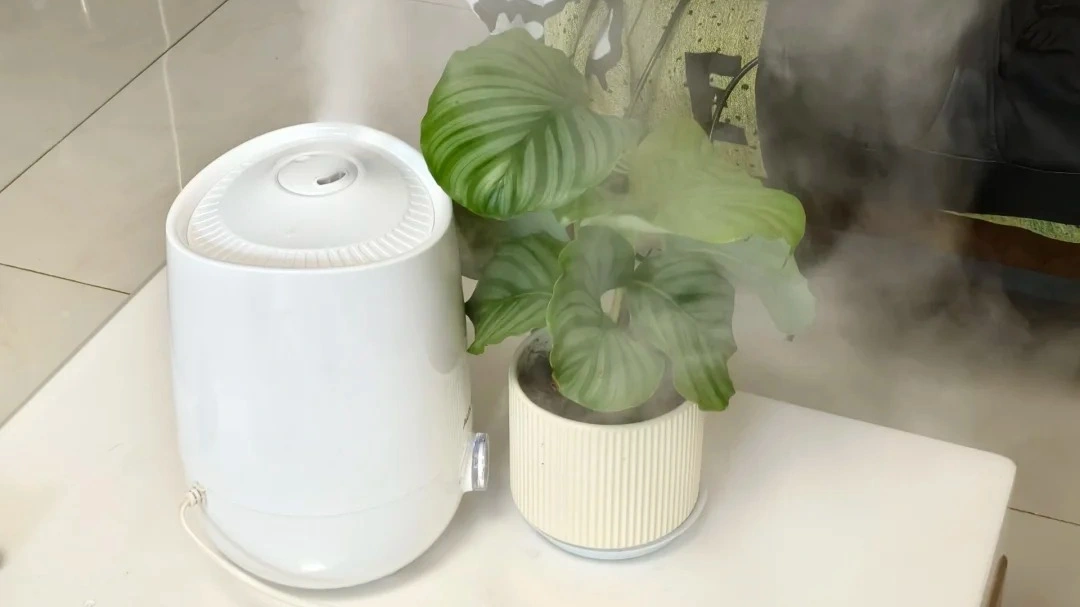
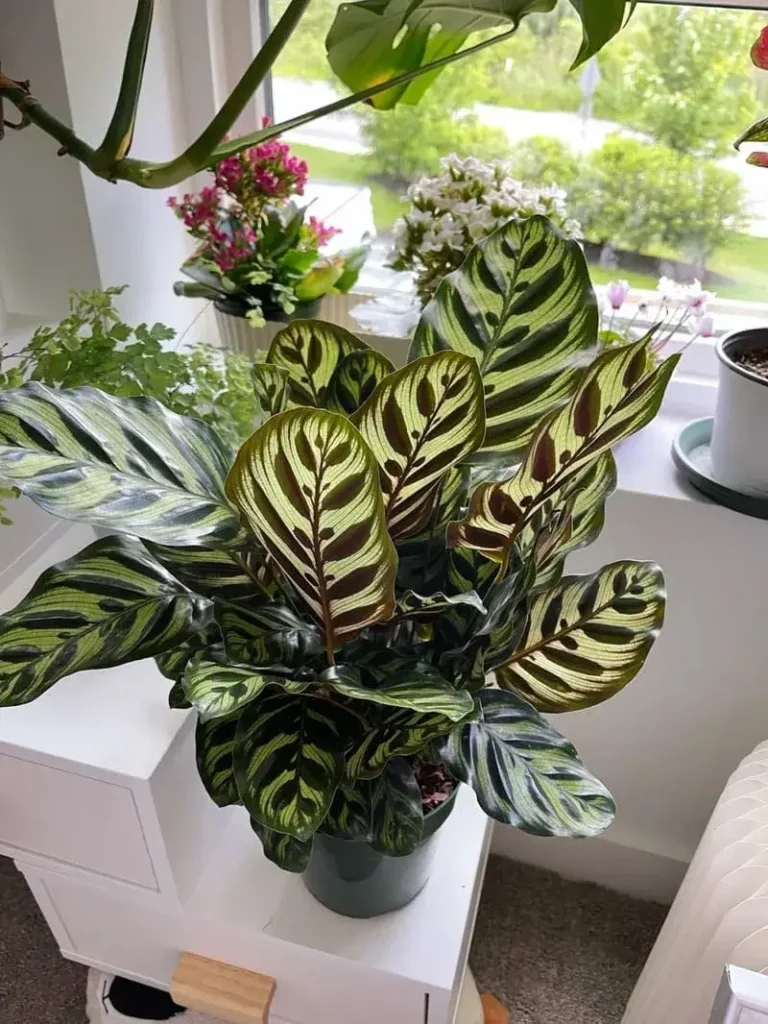
When I first cared for Calathea, I made the classic mistake of thinking “more light must be better.” I kept mine by the window, even switched to a ceramic pot, watered carefully, and even gave it bathroom steam sessions—but the leaves stayed limp. It wasn’t until I moved the plant into a shaded bookshelf corner that I saw a change. The leaves slowly stood upright, proving that Calathea really does prefer soft, filtered light over brightness.
That’s the key lesson: Calathea doesn’t want direct sun, but it also won’t thrive in deep shade. The sweet spot is bright, indirect light for 8–10 hours a day, adjusted with curtains or grow lights depending on the season.
So if your Calathea looks unhappy, don’t panic. Experiment with placement, watch how the leaves respond, and you’ll find the rhythm that works in your home. Once you do, the plant will reward you with healthy, patterned foliage that stays vibrant year-round.
FAQ
Still have more Calathea problems?
Curling and drooping are just the beginning. From yellow leaves to root rot, we’ve put together a full guide to every common Calathea issue.
Start the Care Guide →