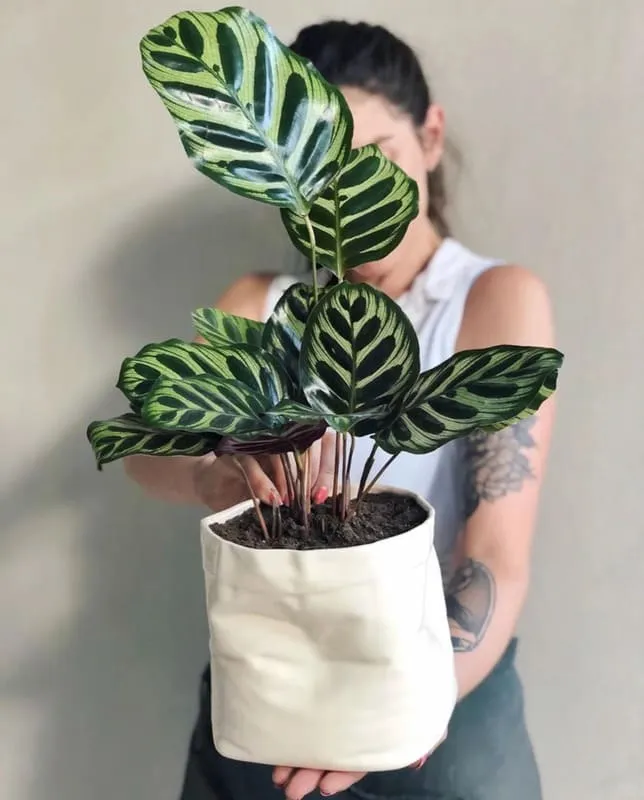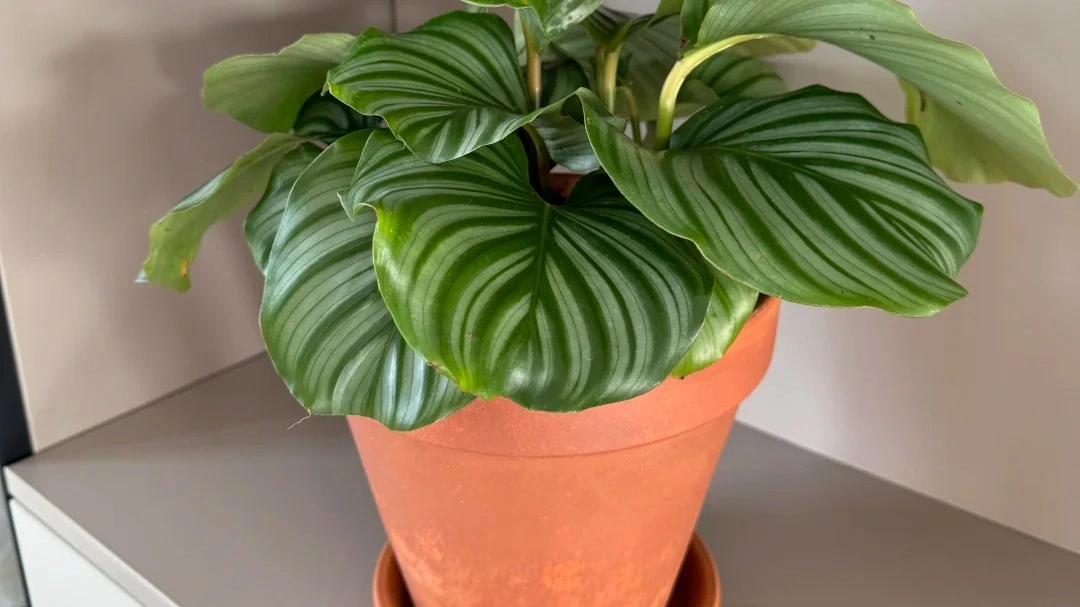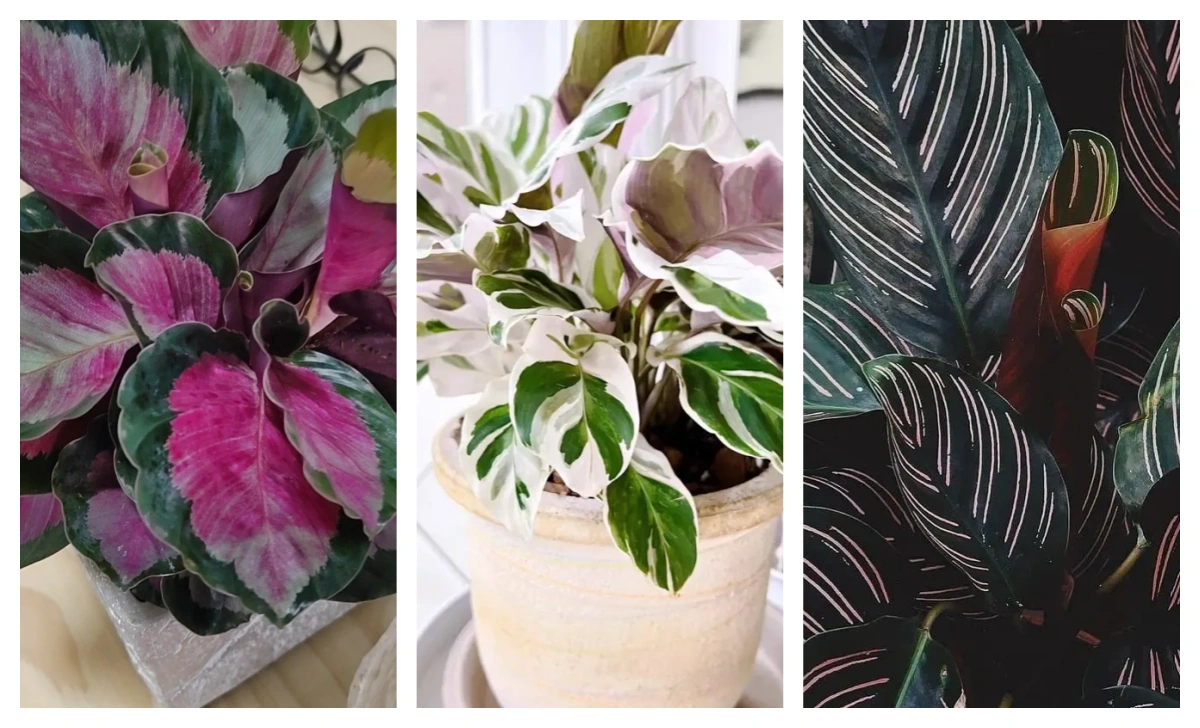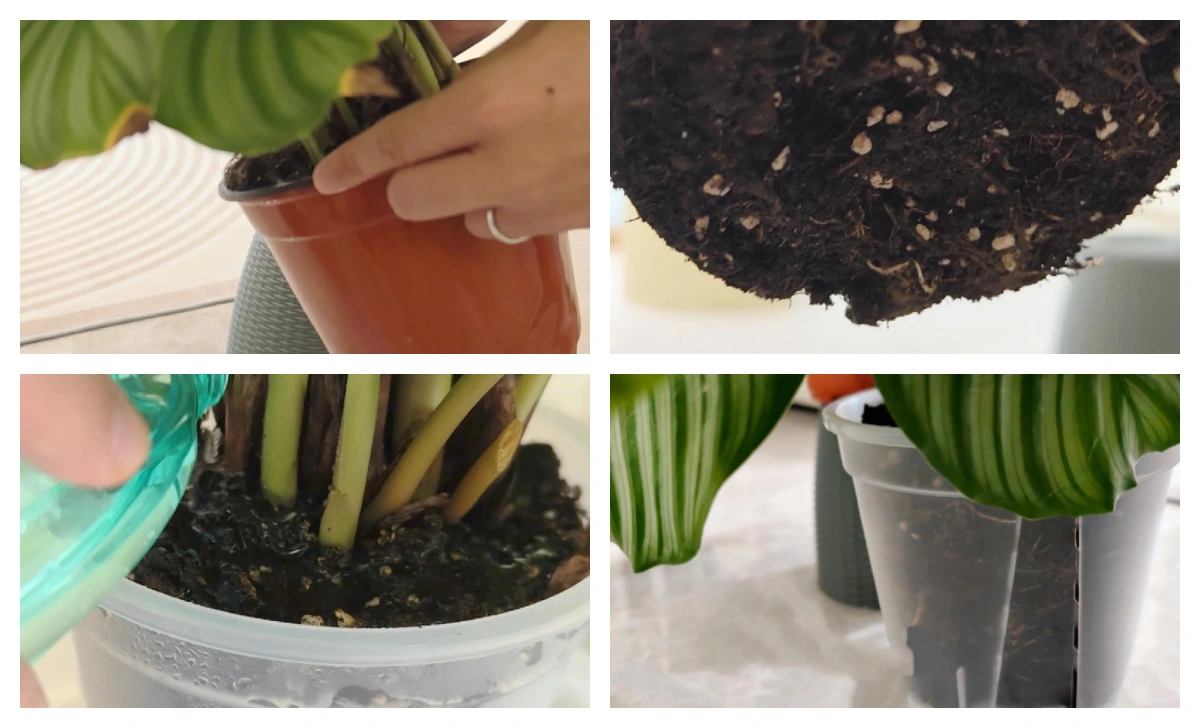
Pink Calatheas are tempting because they look softer and more decorative than plain green foliage plants. But not every pink Calathea shows pink in the same way. Some have a bold pink center, some only have pink pinstripes, and some look mostly green from the top but show purple-pink undersides when the leaves move.
That difference matters when you are choosing one for your home. A Calathea Rosy gives you the strongest pink look, but it also shows stress quickly. A Dottie looks darker and more dramatic. Ornata gives a cleaner pink-striped effect. White Fusion is beautiful, but I would not call it the easiest choice for beginners.
In this guide, I’ll group pink Calathea types by how the pink actually appears on the plant, so you can choose one based on both appearance and care difficulty — not just a pretty product photo.
Quick Guide: Which Pink Calathea Should You Choose?
| Pink Calathea Type | Pink Look | Best For | Difficulty |
|---|---|---|---|
| Calathea Rosy | Large pink center | People who want the strongest pink effect | Moderate |
| Calathea Dottie | Dark leaves with pink outlines | Dramatic dark foliage lovers | Moderate |
| Calathea Ornata | Pink pinstripes | A cleaner, elegant pink look | Moderate |
| Calathea Beauty Star | Fine pink-white striping | People who like narrow patterned leaves | Moderate |
| Calathea White Fusion | White-green leaves with pink-purple undersides | Collectors who can manage higher humidity | Harder |
The Main Pink Calathea Types to Compare
When people say “pink Calathea,” they are often talking about different things. Some plants have pink on the upper leaf surface, while others only show pink or burgundy tones on the underside. I would not treat them all the same.
For this guide, I include Calatheas that show pink in at least one clear way: a pink center, pink stripes, pink outlines, or pink-purple undersides. I also separate true Calathea / Goeppertia types from plants that are often sold beside them, such as Stromanthe Triostar.
Calathea Rosy
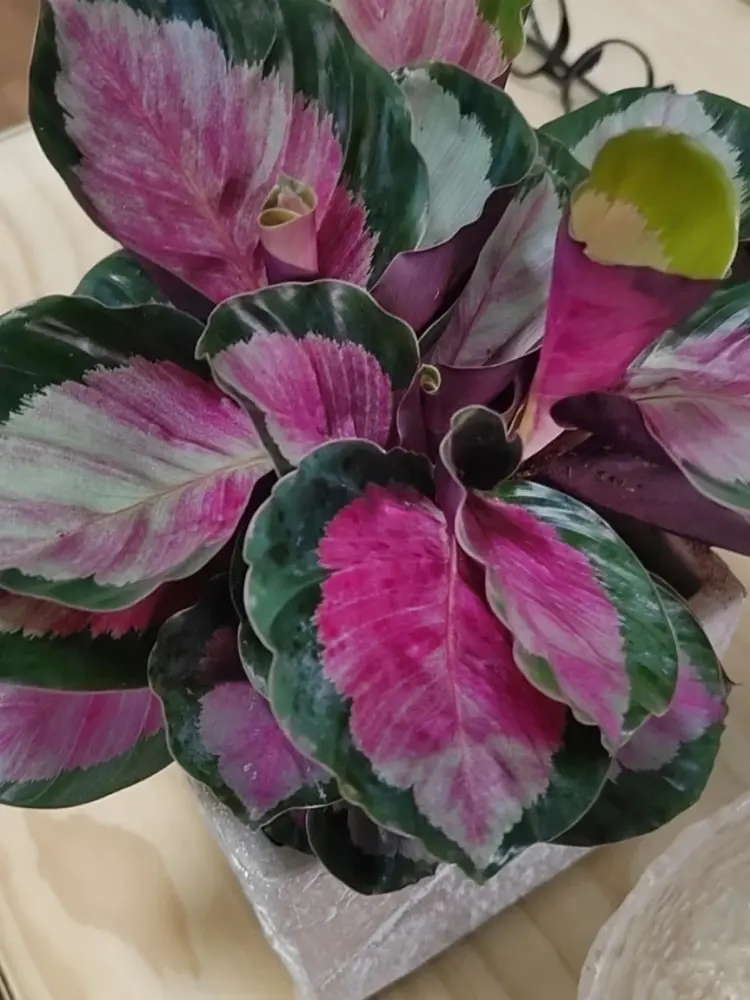
Calathea Rosy is probably the most obvious pink Calathea if you want a strong pink center. The middle of each leaf can look soft rose-pink or silvery pink, framed by a darker green edge.
This is the one I would choose if the main goal is a visibly pink plant. It looks almost painted when healthy, but it also shows stress quickly when light is too strong, humidity is too low, or the pot dries unevenly.
I would give Calathea Rosy bright filtered light, steady humidity, and careful watering. Direct sun can wash out the pink or crisp the edges, while very low light can make the color look dull.
Calathea Dottie
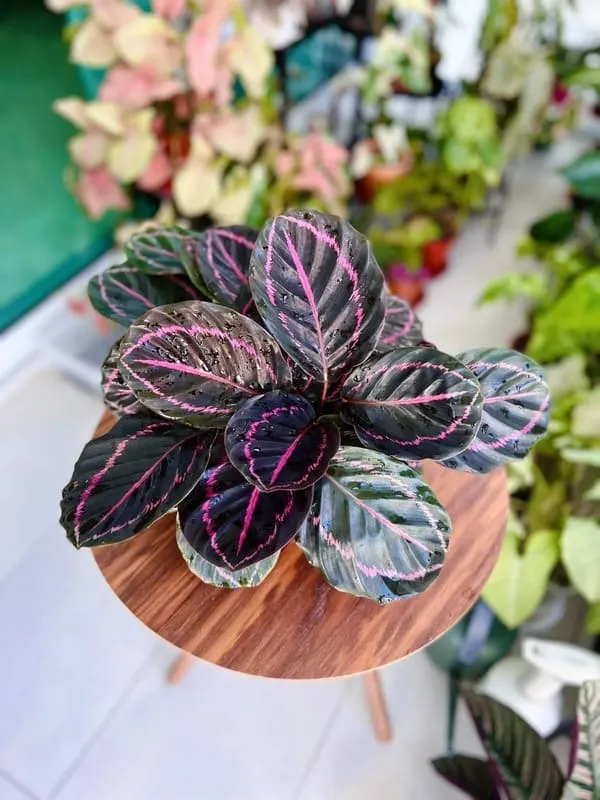
Calathea Dottie is not pink in a soft pastel way. It has dark, almost black-green leaves with pink outlines and markings, which makes it look more dramatic than sweet.
This is a good choice if you like contrast. The pink does not cover the whole leaf, but it stands out strongly against the dark background.
I would avoid harsh direct light with Dottie. Too much sun can dull the dark leaf color or damage the edges. Like most roseopicta-type Calatheas, it does best with stable moisture and humidity.
Calathea roseopicta
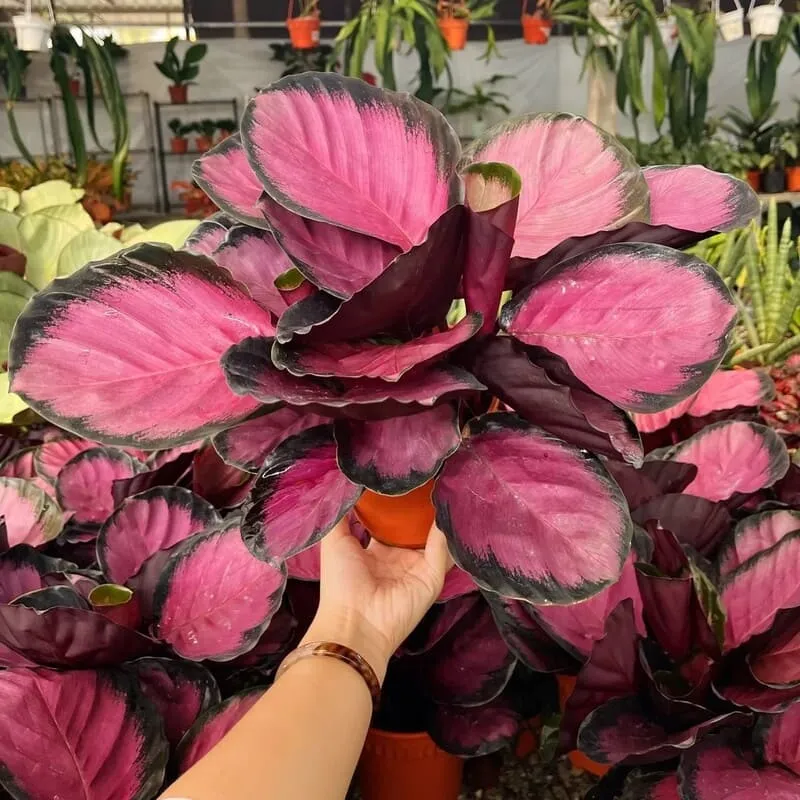
Calathea roseopicta, often called Rose Painted Calathea, is the larger group behind many pink or pink-toned varieties. Rosy, Dottie, and Medallion are often discussed as roseopicta-type plants.
The pink is not always as obvious as Calathea Rosy. Some plants show pink or cream markings on the upper leaf, while others show stronger burgundy or pink-purple color on the underside.
If you are choosing a roseopicta-type Calathea, I would focus less on the exact trade name and more on the actual leaf pattern, light needs, and how quickly the pot dries. These plants usually look best in bright filtered light with steady humidity and no long soggy periods around the roots.
Calathea Ornata / Pinstripe Calathea
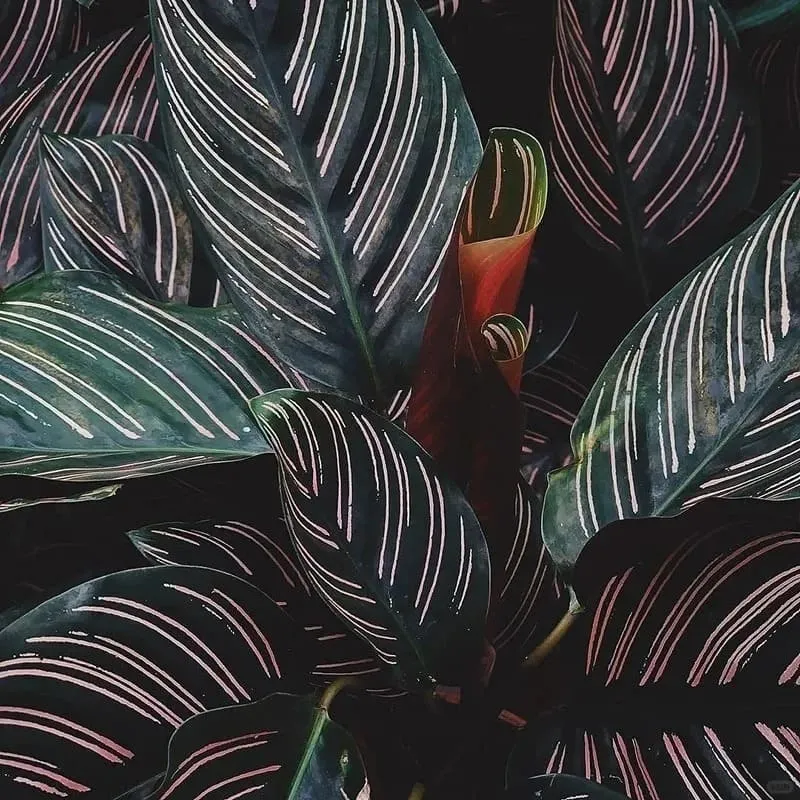
Calathea Ornata gives a different kind of pink. Instead of a pink center, it has fine pink pinstripes running across dark green leaves.
This is a good option if you want pink detail without a fully pink plant. It looks elegant and structured, especially when the stripes are clear.
The main thing I would watch is light. Too little light can make the stripes less noticeable, while harsh direct sun can stress the leaves. Bright indirect light is the safest place to start.
Calathea Beauty Star
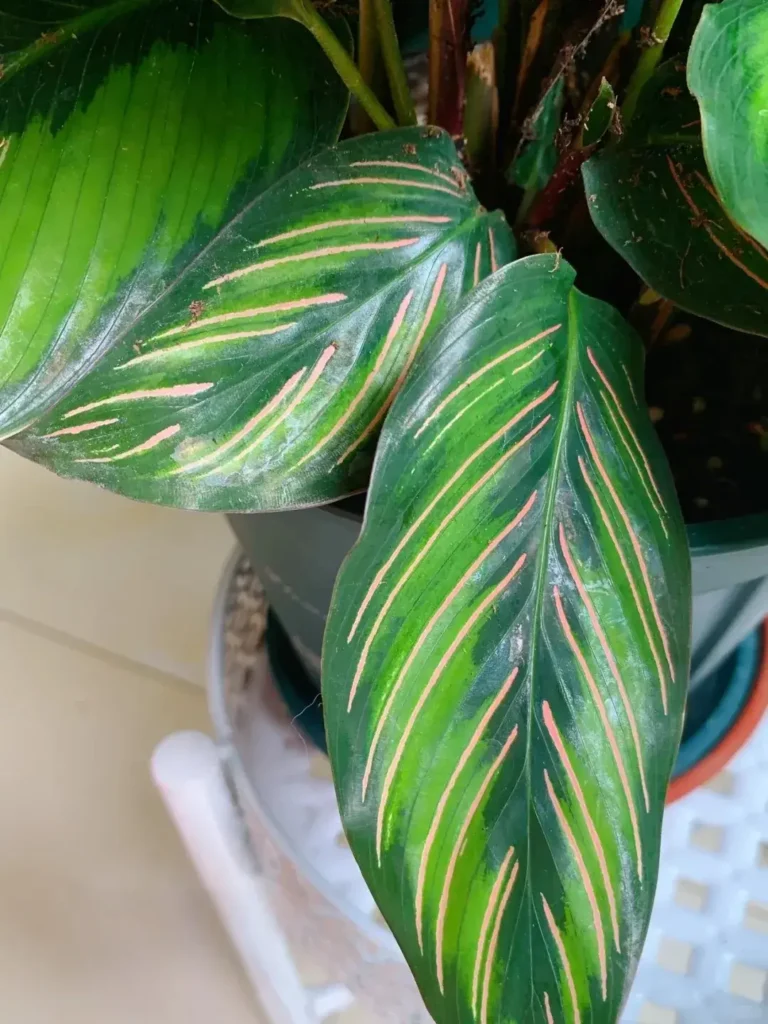
Calathea Beauty Star has a softer striped look, often with pale pink, cream, and green lines across longer leaves. It is less bold than Ornata but can look very refined when grown well.
I would include it for readers who like pink-toned striping but do not want the strong dark-and-pink contrast of Dottie or Ornata.
Like other striped Calatheas, Beauty Star can show crispy edges when the air is dry or the watering rhythm is unstable. It needs steady humidity more than constant fussing.
Calathea White Fusion
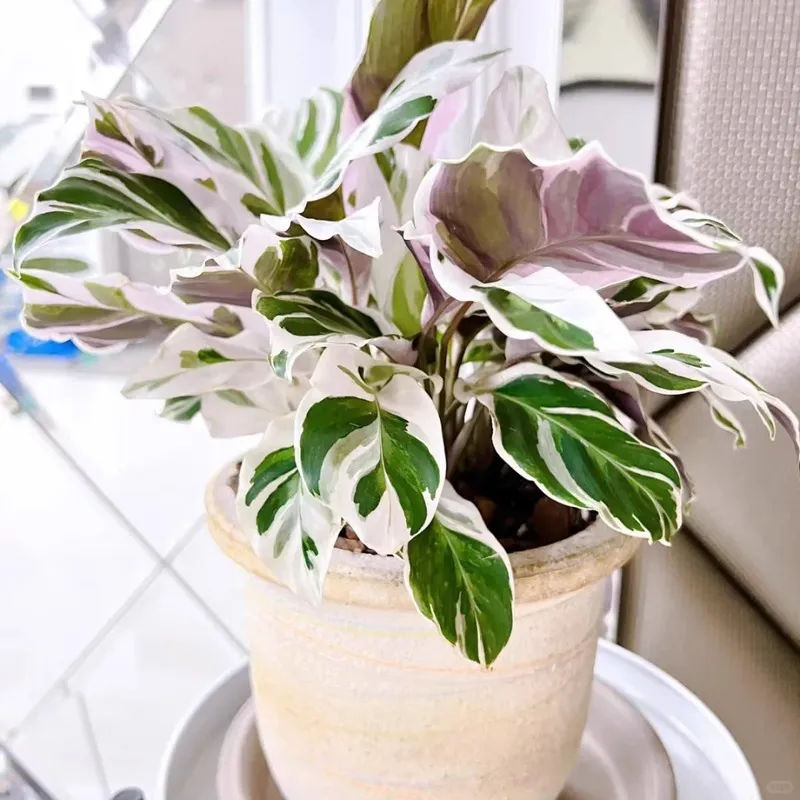
Calathea White Fusion is not a classic pink Calathea, but I would include it because the undersides can show pink-purple tones when the leaves move or fold.
From the top, it reads more white, green, and mint than pink. If you want a plant that clearly looks pink, Rosy or Dottie will feel more satisfying. White Fusion is better for people who like soft variegation with hidden pink-purple color underneath.
I would not recommend White Fusion as the easiest pink-toned choice. It is beautiful, but it can be sensitive to dry air, water quality, and unstable care.
Plants Often Mistaken for Pink Calathea
Some prayer plants are sold beside Calatheas or casually labeled as Calathea by sellers, even when they are not true Calatheas. I would still mention them here because they often satisfy the same search intent: people want a soft pink, patterned prayer plant for indoors.
How to Keep Pink Calathea Leaves Looking Bright
Pink Calathea color depends more on stable care than on tricks. I would not try to force stronger pink with fertilizer. I would first check light, humidity, watering, and root health.
- Use bright filtered light. Too much direct sun can fade or burn the leaves, while very low light can make pink tones look dull.
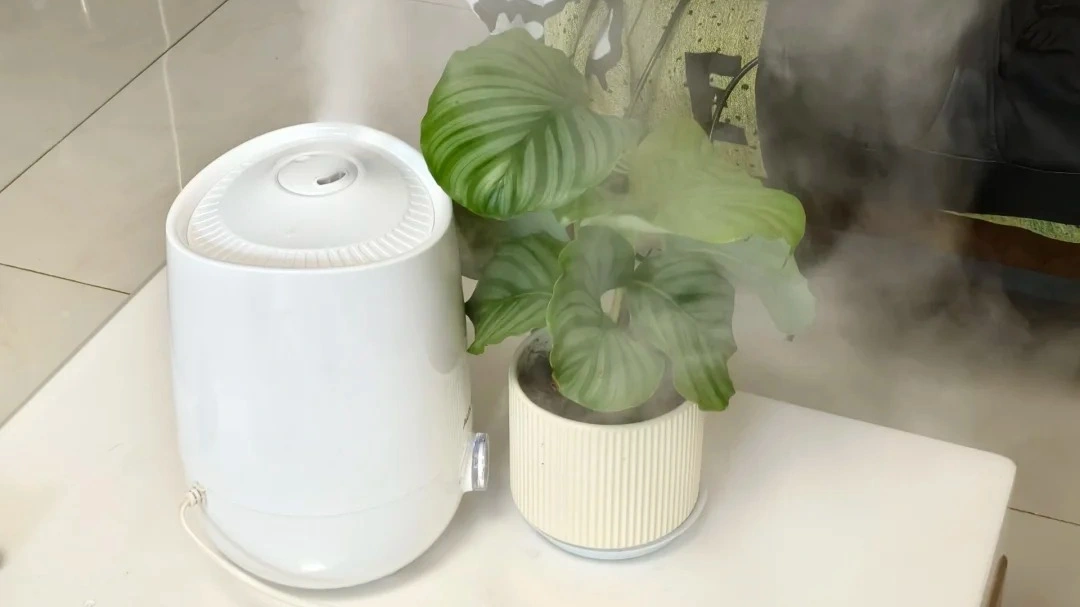
- Keep humidity stable. Dry air often shows up as crispy edges before the whole plant looks stressed.
- Water by soil condition, not by a fixed schedule. Pink Calatheas dislike both drought stress and soggy roots.
- Avoid over-fertilizing. Fertilizer will not fix poor light, dry air, or root stress.
Which Pink Calathea Would I Choose?
If I wanted the strongest pink color, I would choose Calathea Rosy. It gives the most obvious pink-centered look, but I would place it carefully because it reacts quickly to direct sun and dry air.
If I wanted something more dramatic, I would choose Calathea Dottie. The dark leaves and pink outlines look less soft but more striking.
If I wanted a softer pink detail rather than a full pink center, I would choose Calathea Ornata or Calathea Beauty Star. They are not as pink as Rosy, but their pink striping is easier to fit into a normal indoor plant collection.
So I would not choose only by color. I would choose by where the pink appears, how much humidity I can provide, and how much visual change I can tolerate when the plant is adjusting. The prettiest pink Calathea is not always the easiest one to keep looking perfect.
FAQ
Explore More Calathea Varieties
If you are comparing pink Calatheas, it also helps to look at dark, striped, silver, and velvety types side by side. Start with the full Calathea types guide to find a variety that fits your light, humidity, and watering habits.
View Calathea Type Guides →