
Calathea Types (45 Varieties): Complete Identification Guide
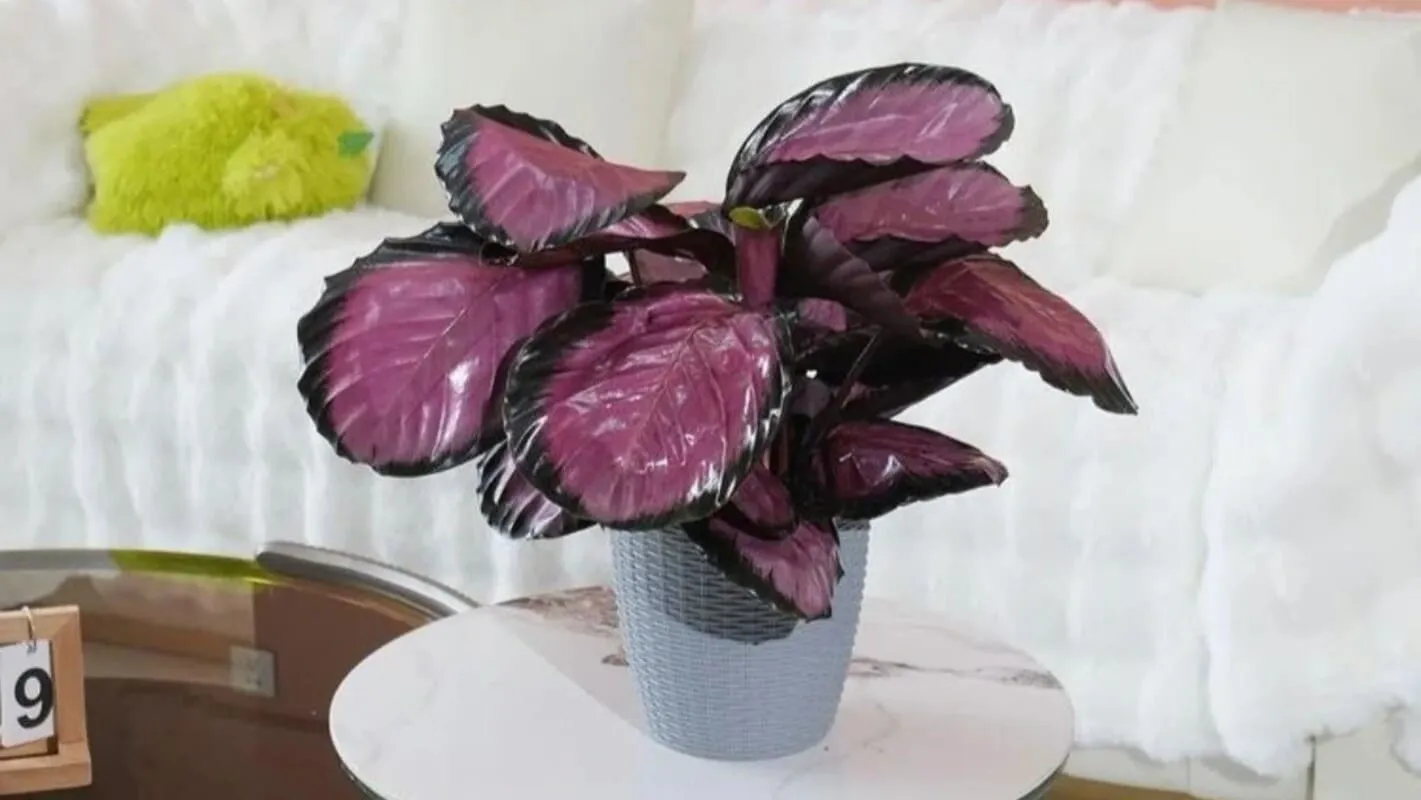
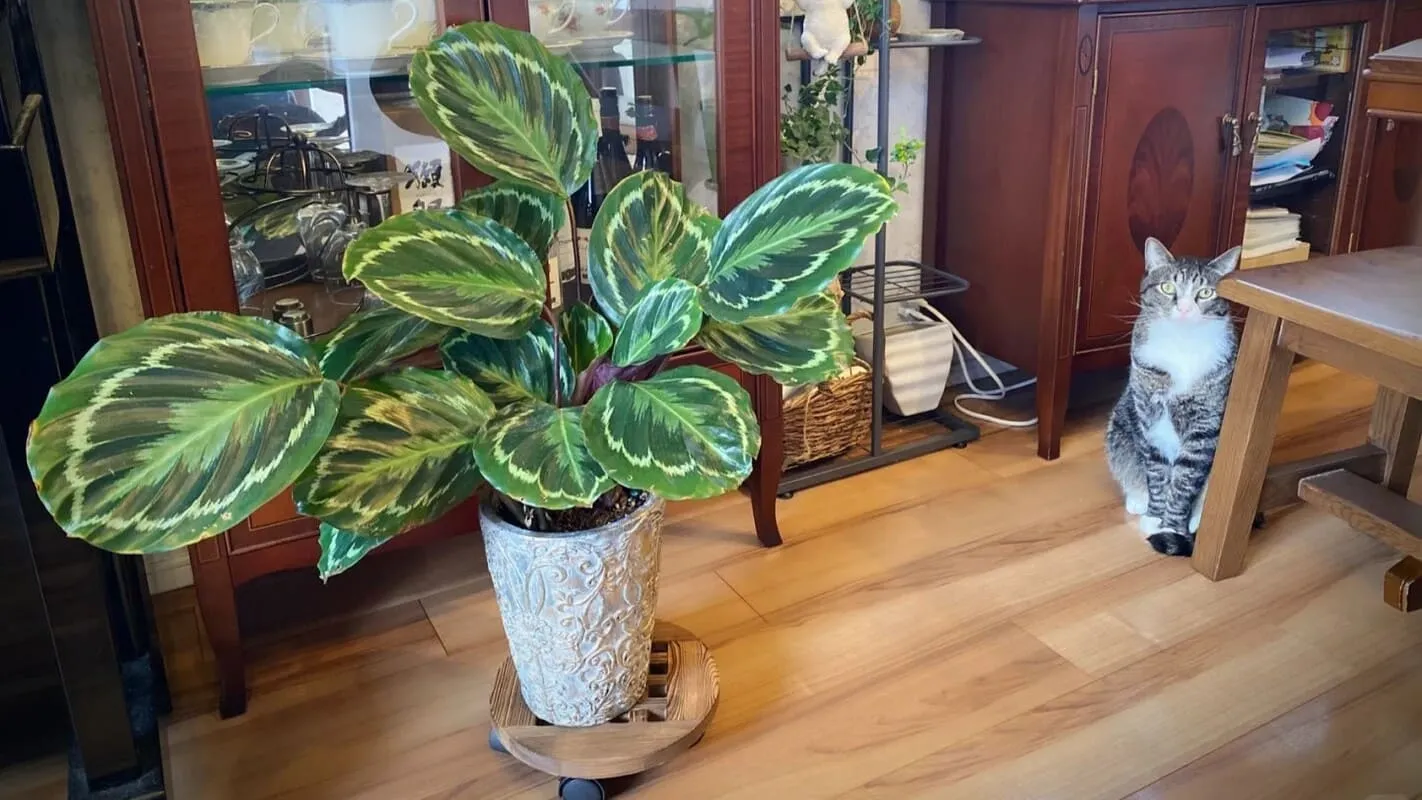
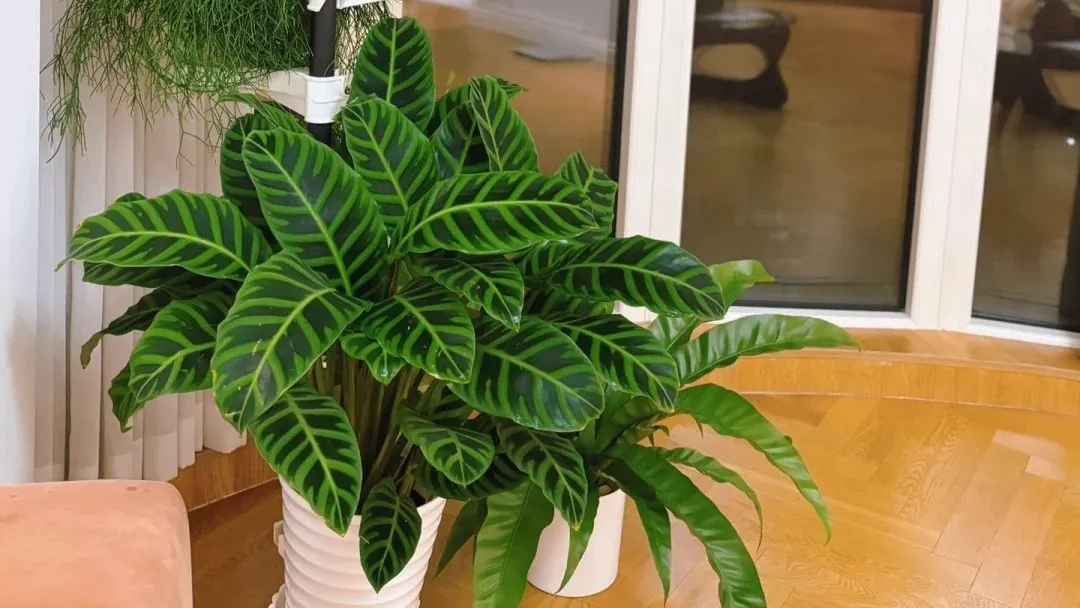
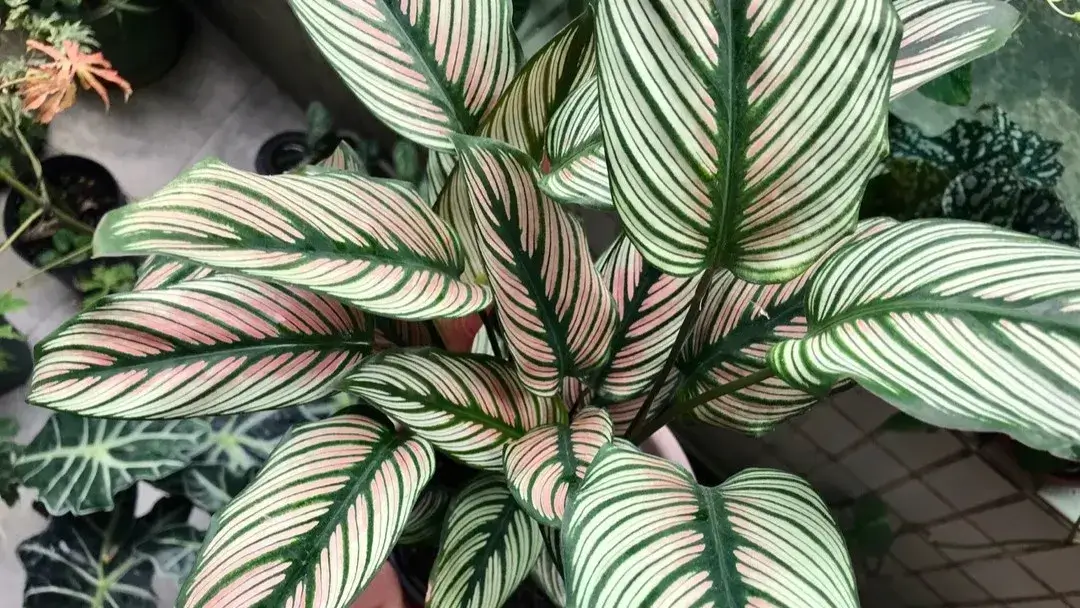
Most Calatheas are now scientifically called Goeppertia, part of the Marantaceae family — but “Calathea” remains the name plant lovers use for these stunning prayer plants.

Quick Navigation
Not Sure Which Calathea You Have? Start Here
Use this identification chart to compare common calathea varieties by leaf shape, pattern, color, and underside before you dive into individual guides.
See Calathea Identification Chart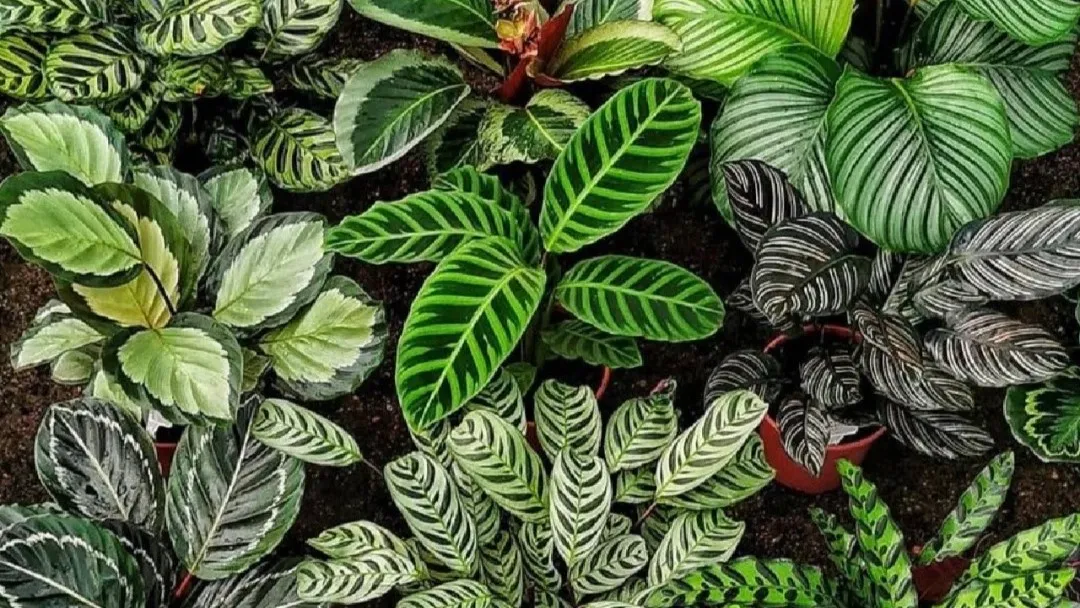
I group Calathea varieties here by how people usually choose them at home: familiar favorites, harder-to-find types, easier growers, and the most decorative foliage plants. Some names overlap because one variety can be both beautiful and reasonably forgiving.
Popular Types
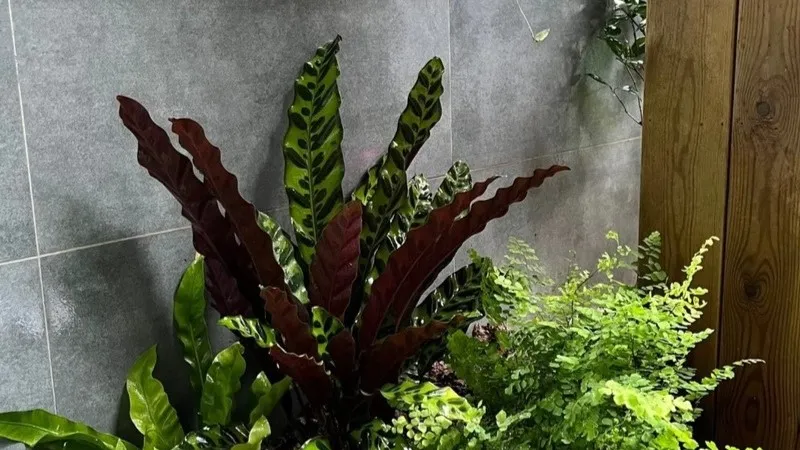

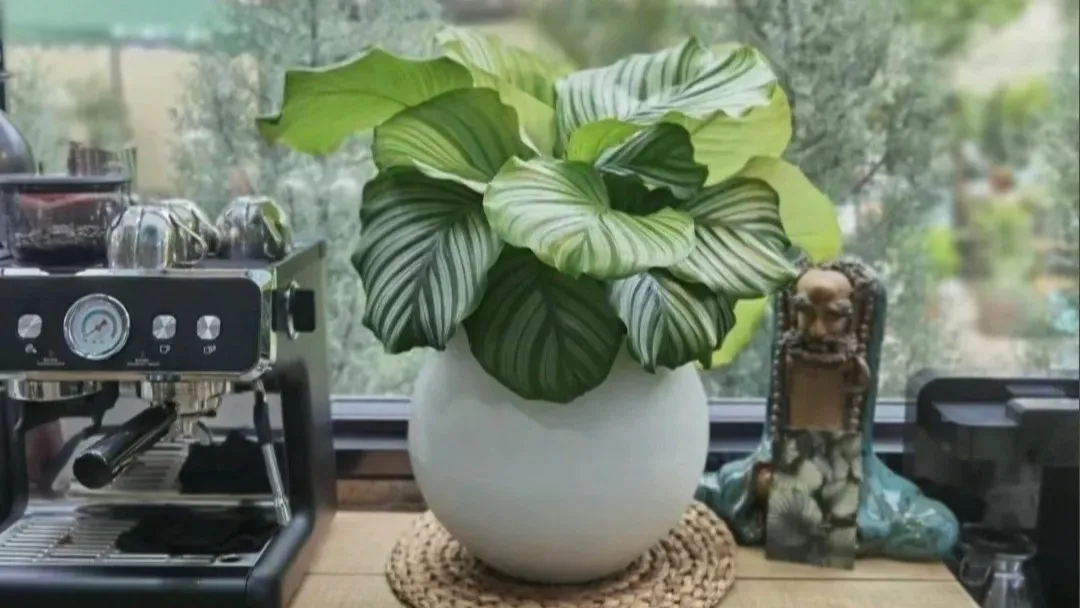
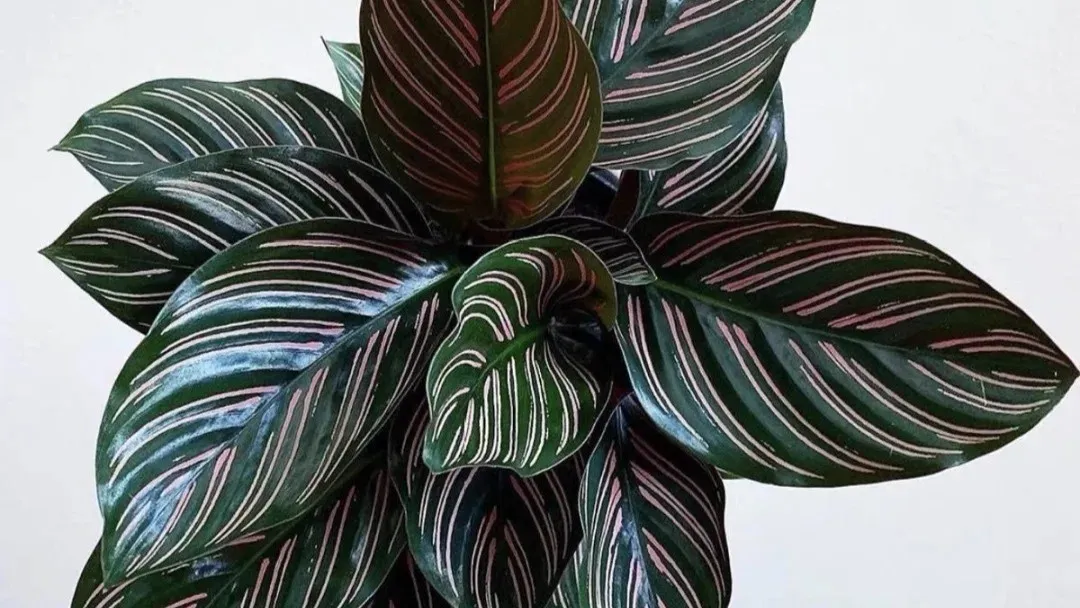

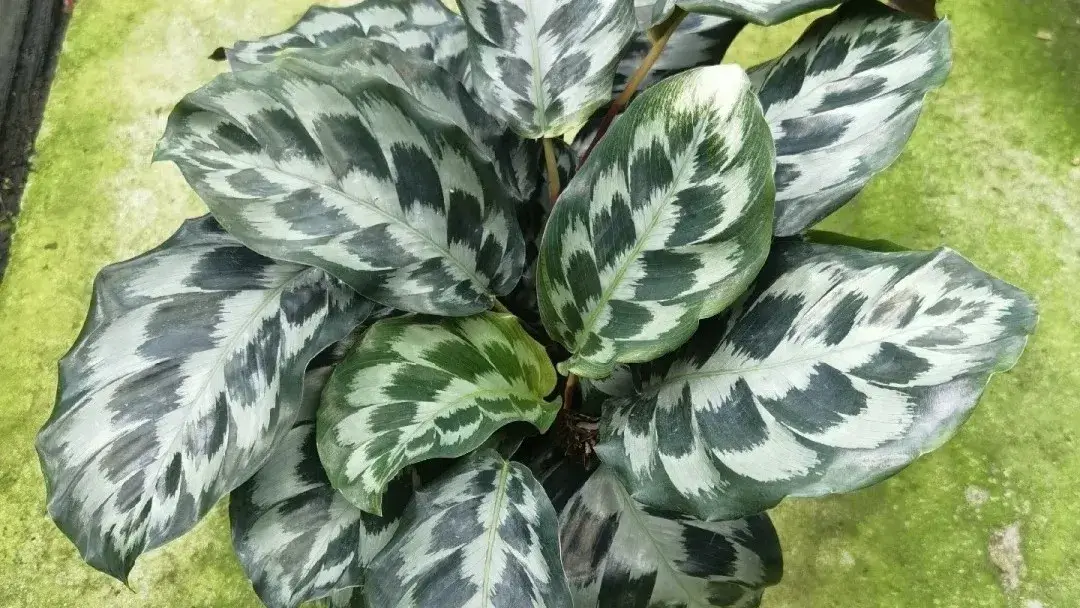
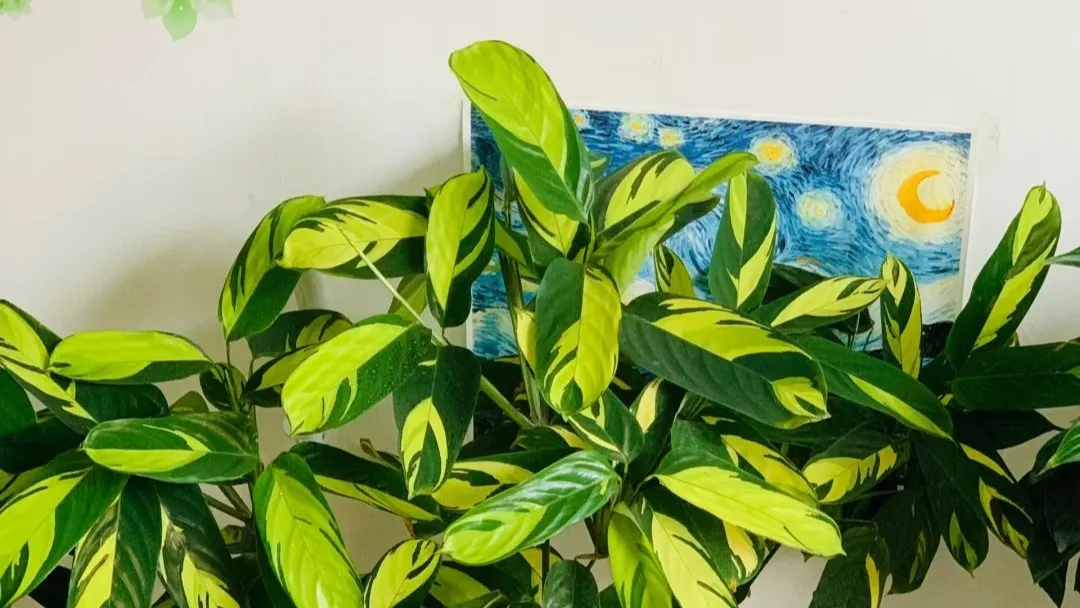
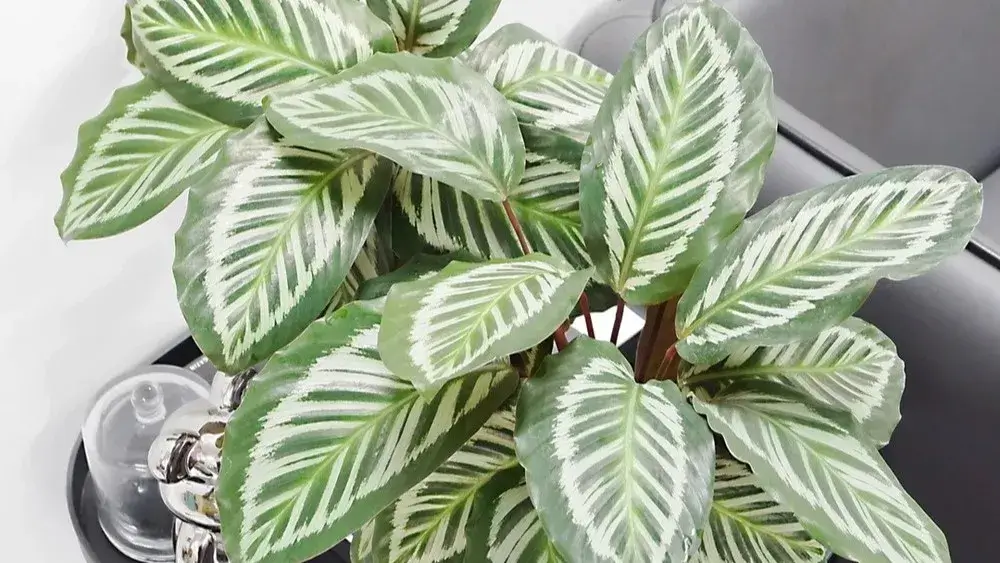
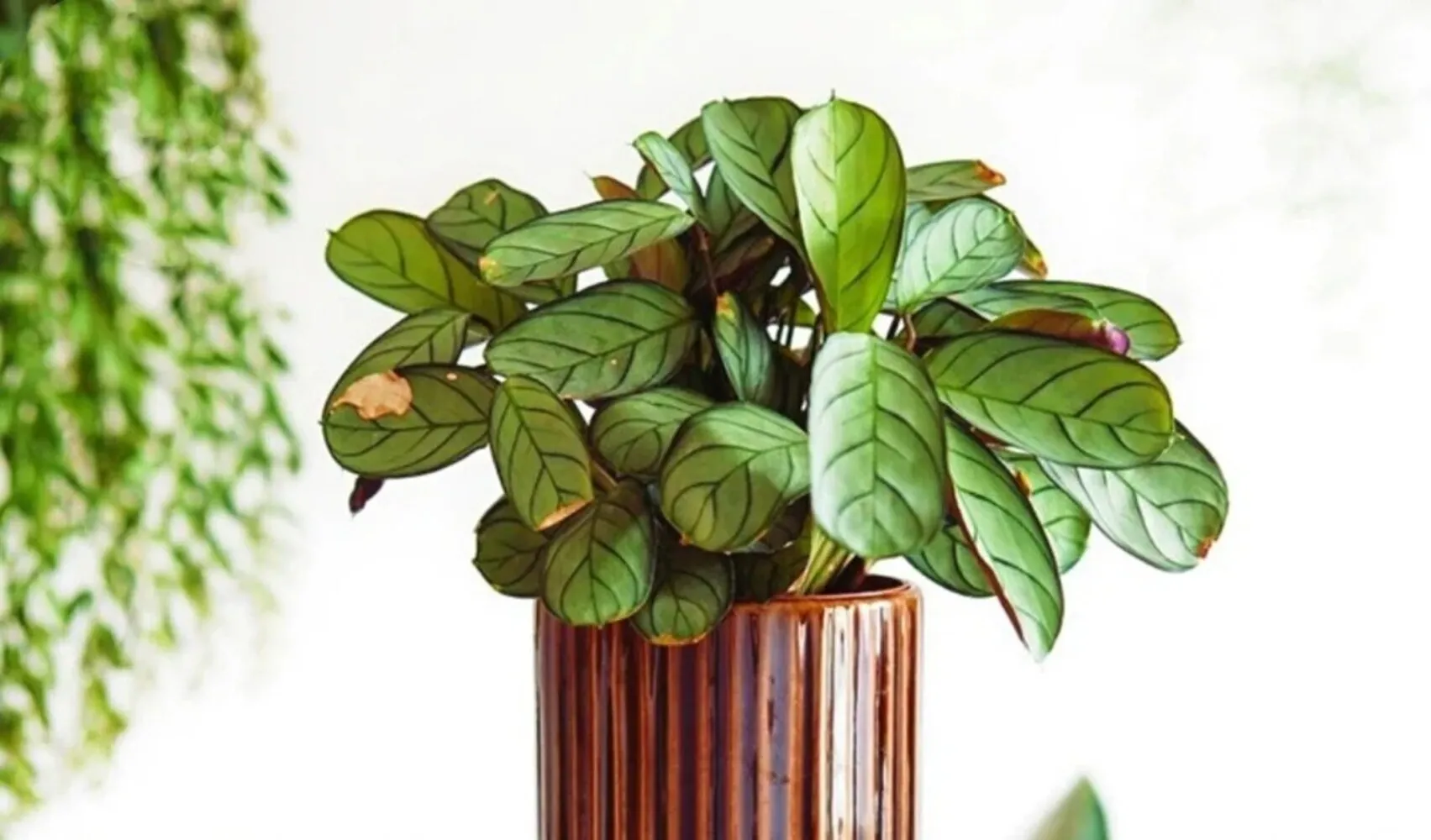
Rare Types
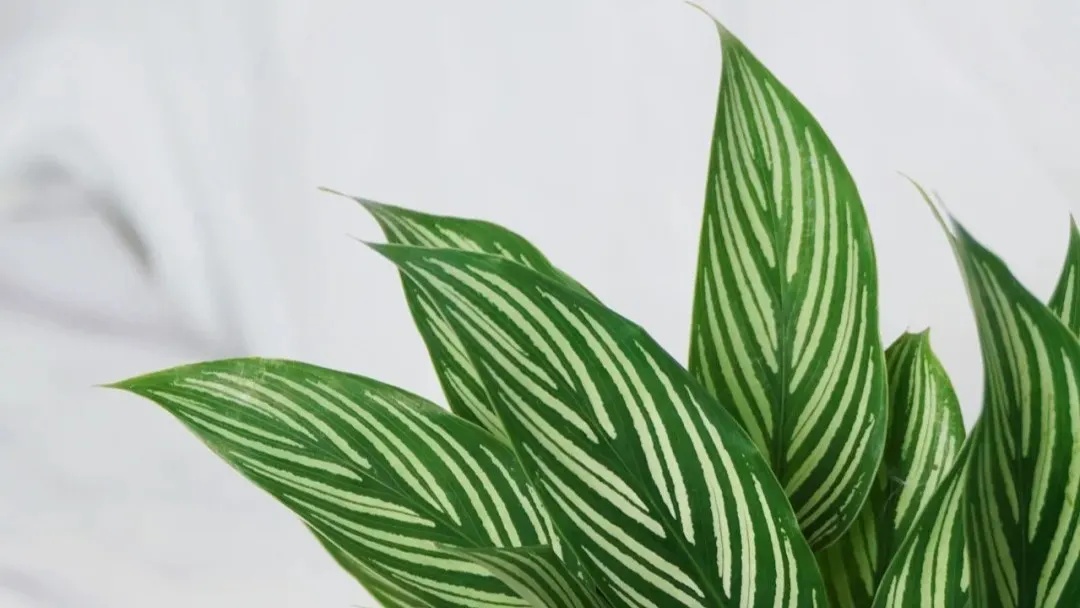
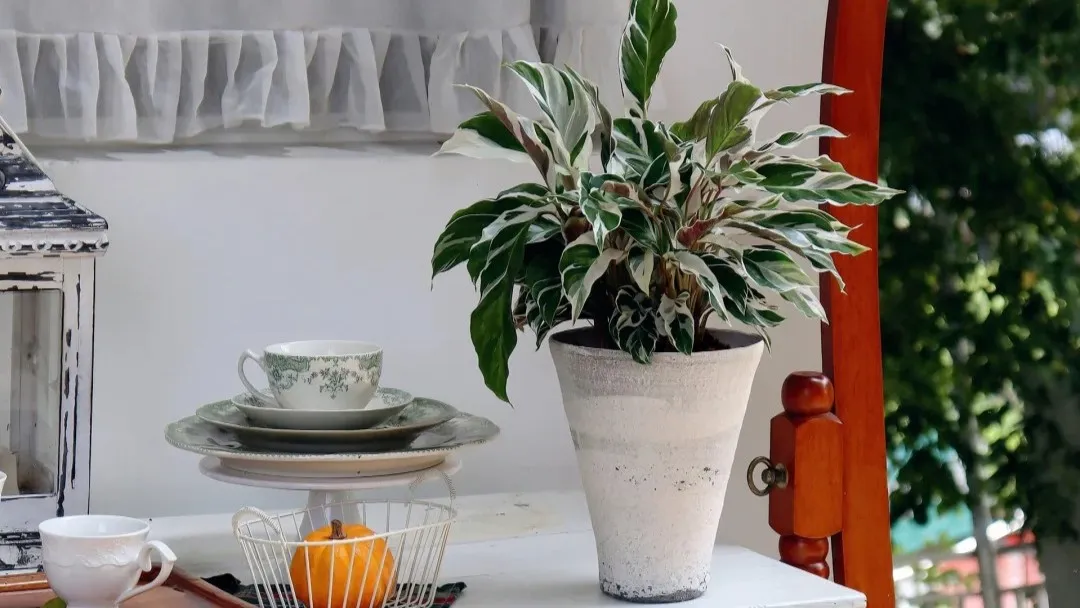
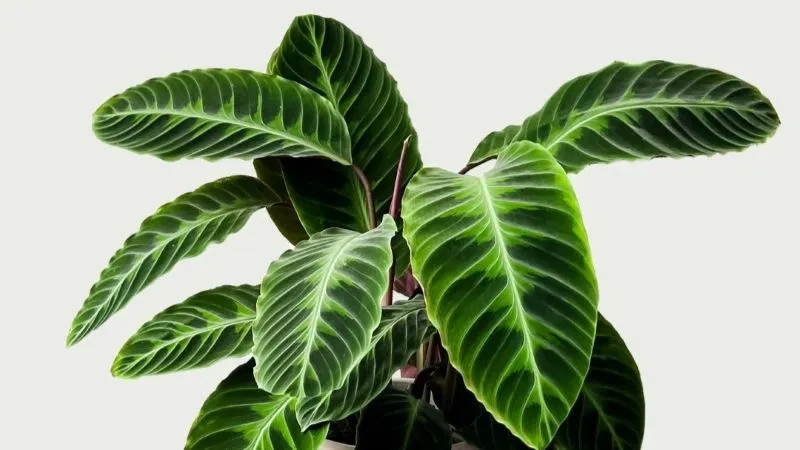

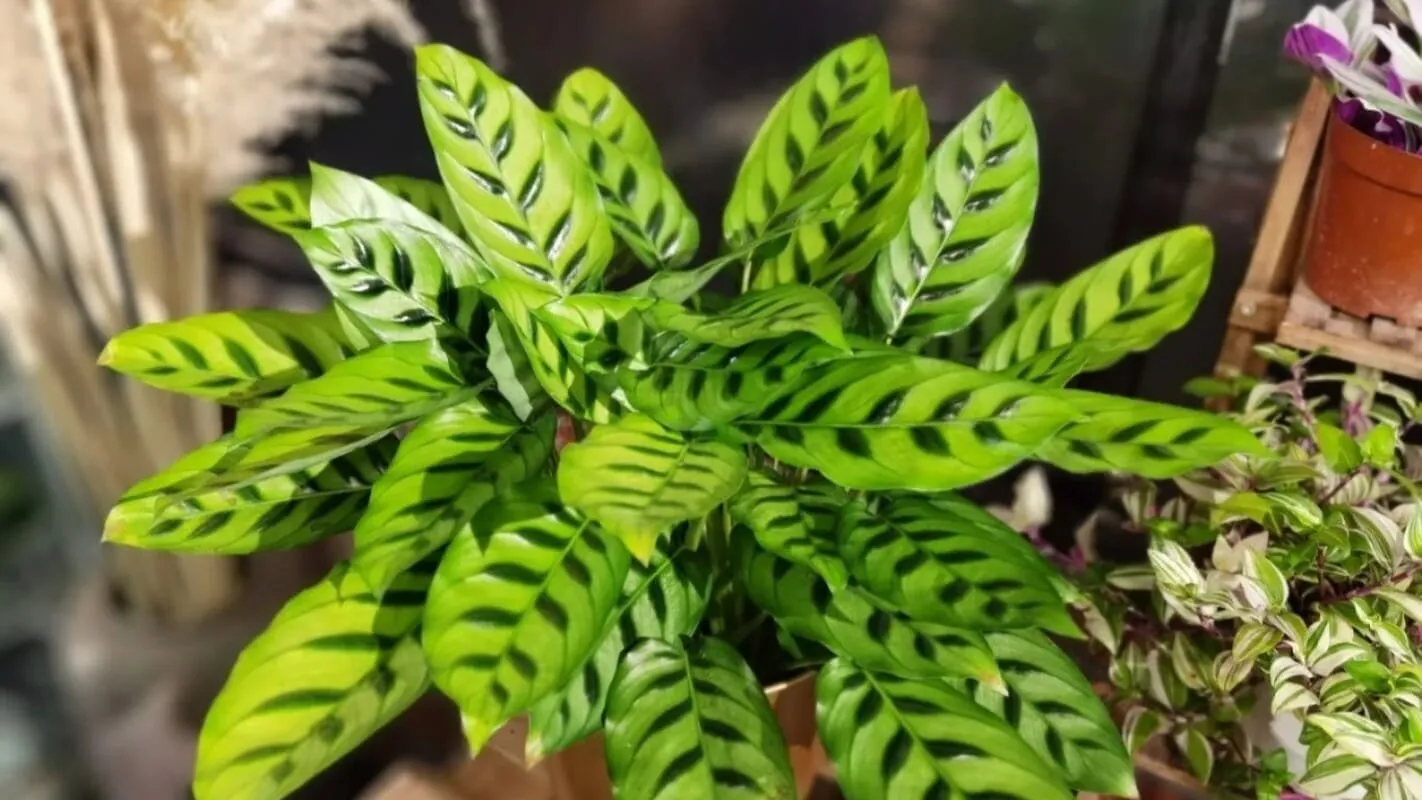
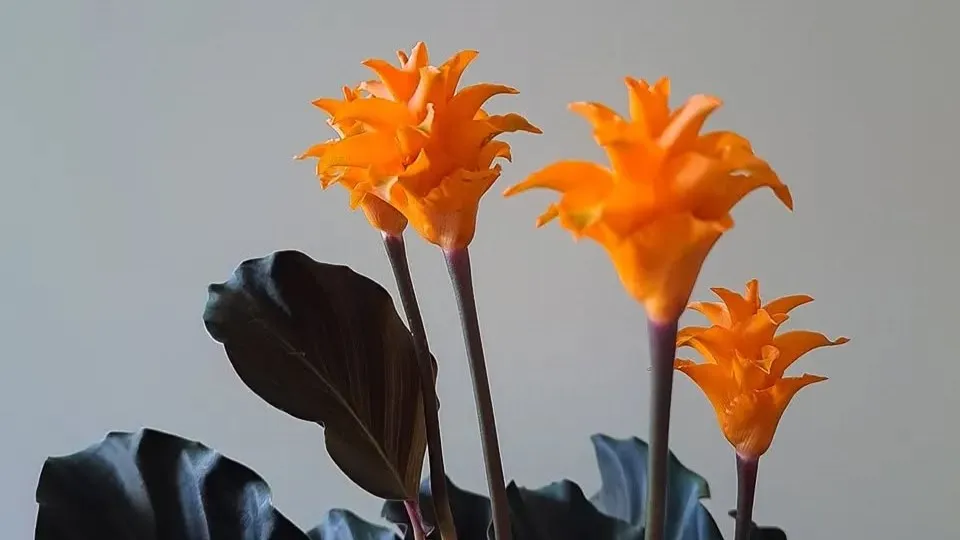
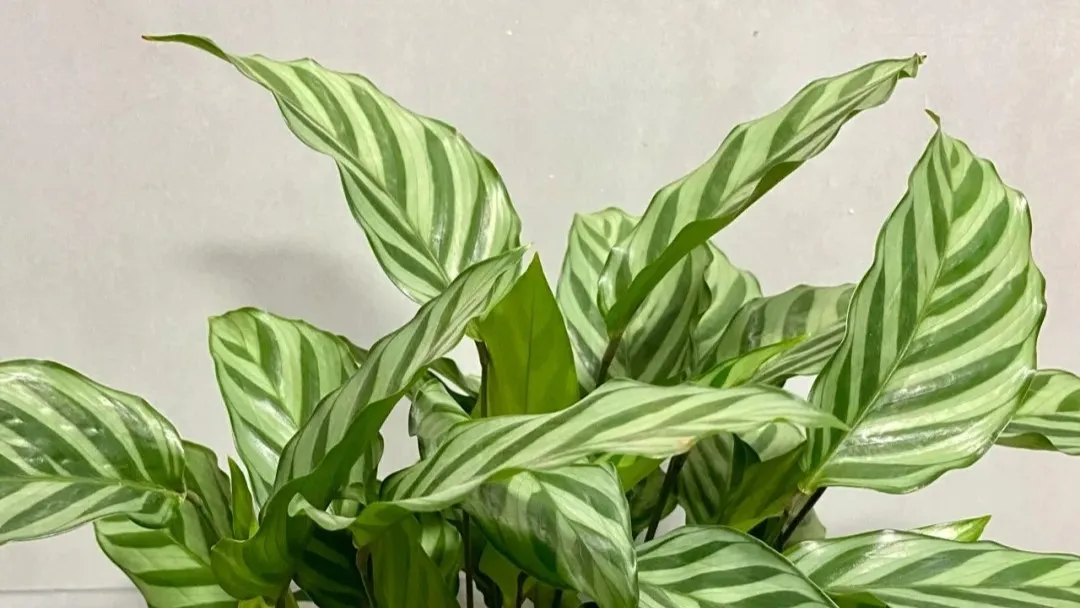
Easy-care Types


Decorative Favorites
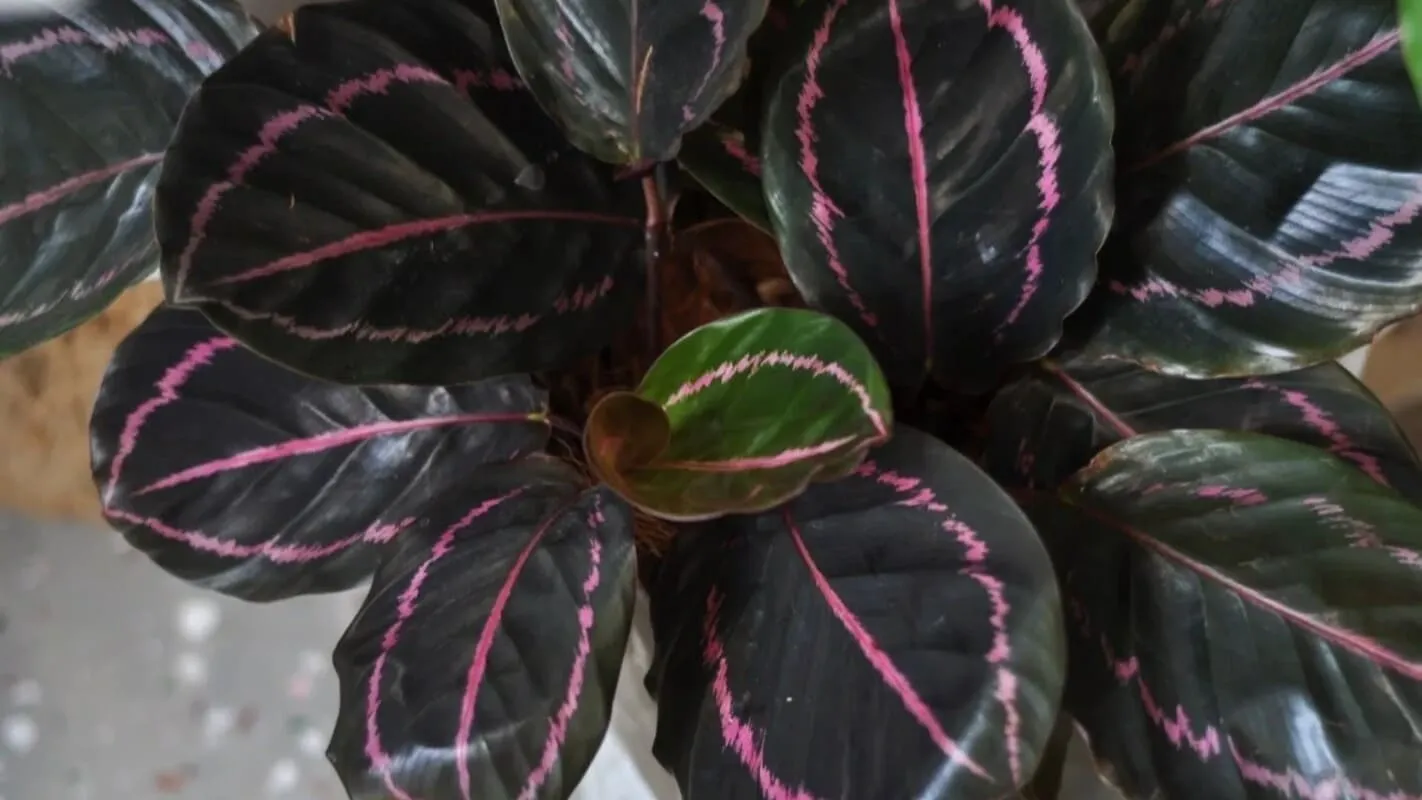
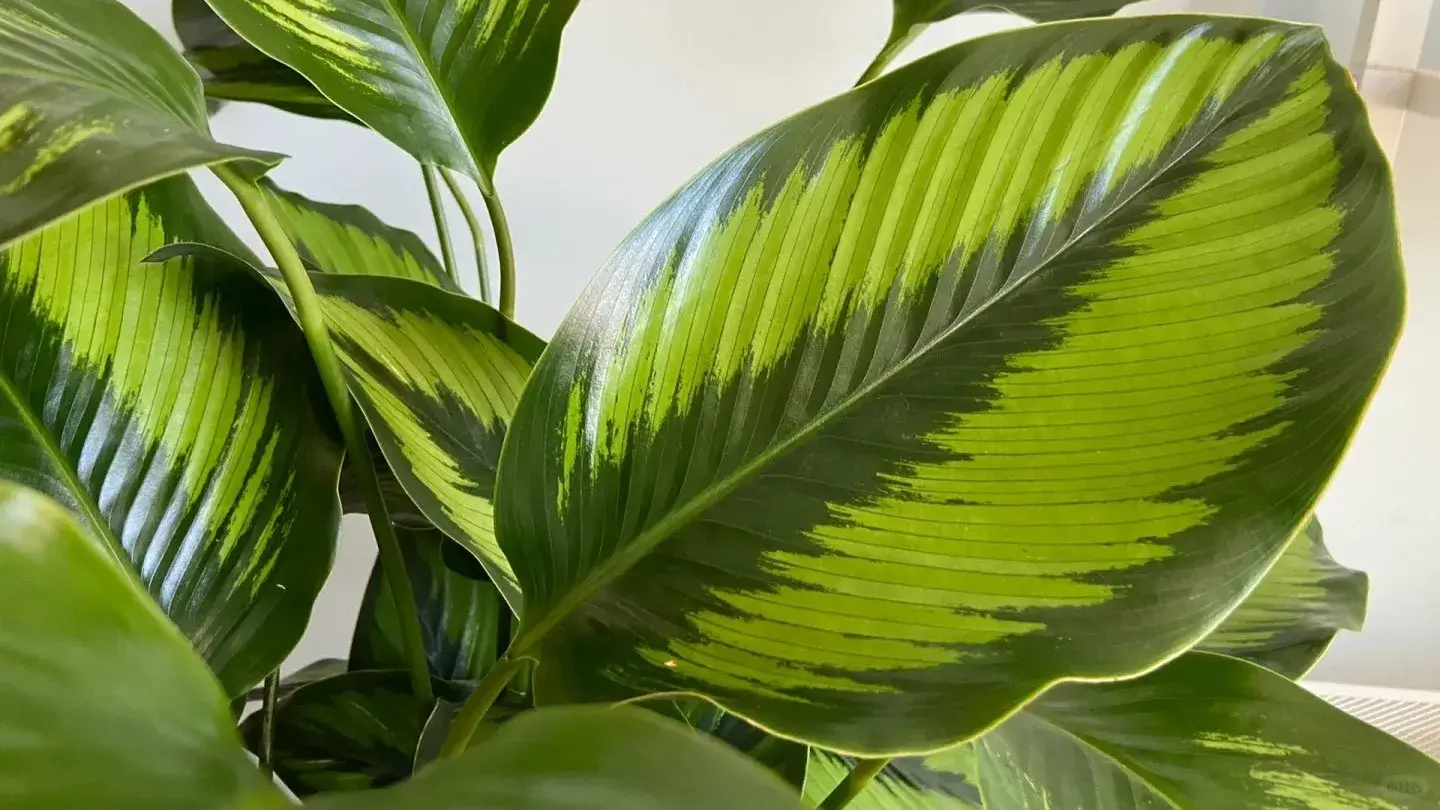
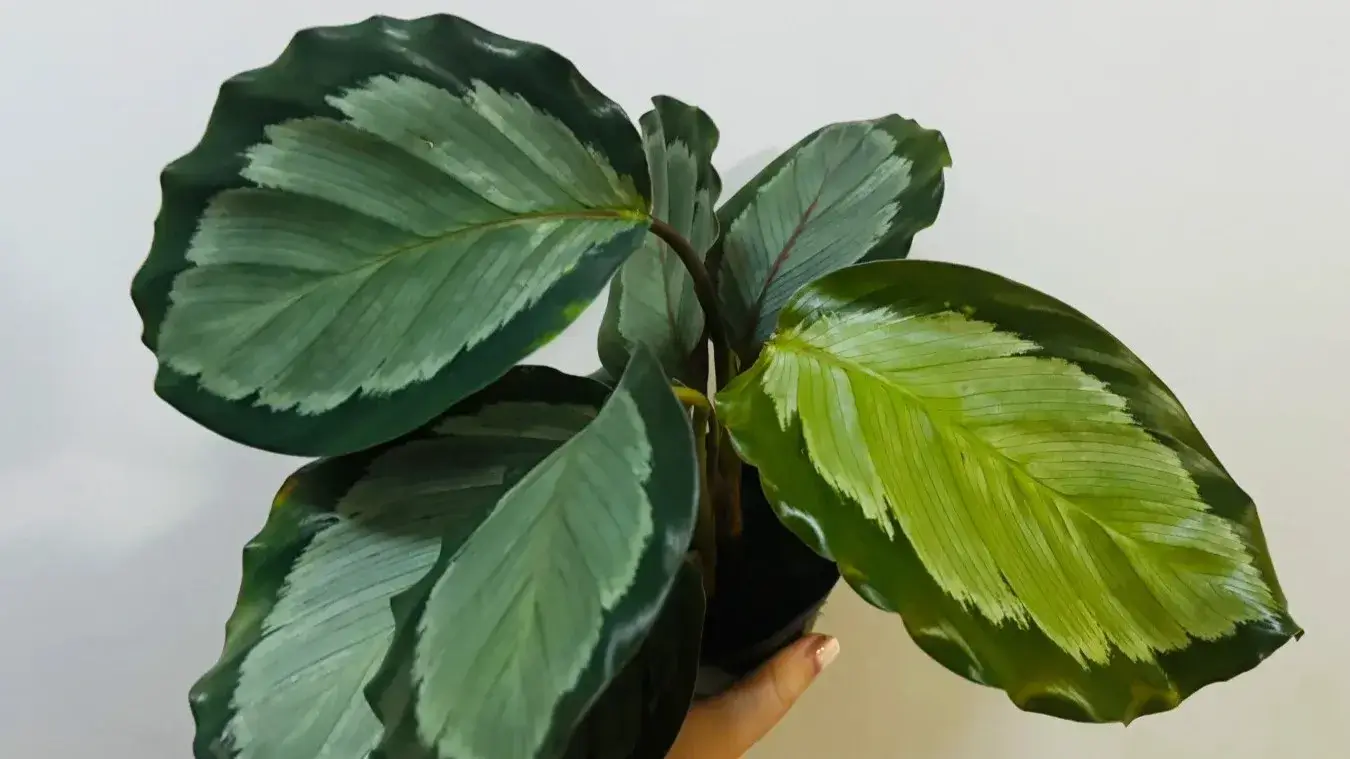
Color-Based Guides
If you choose Calatheas by color first, these guides can help you compare varieties with similar tones, patterns, or leaf moods before you pick a specific plant.
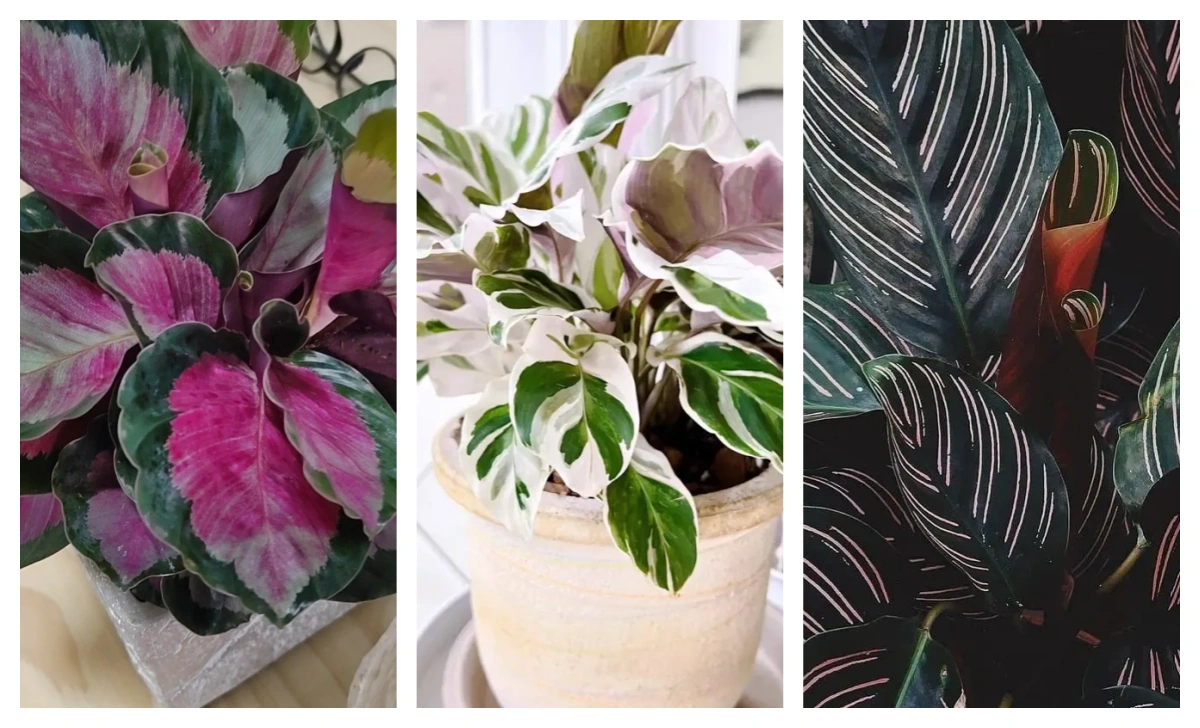
Comparison Guides
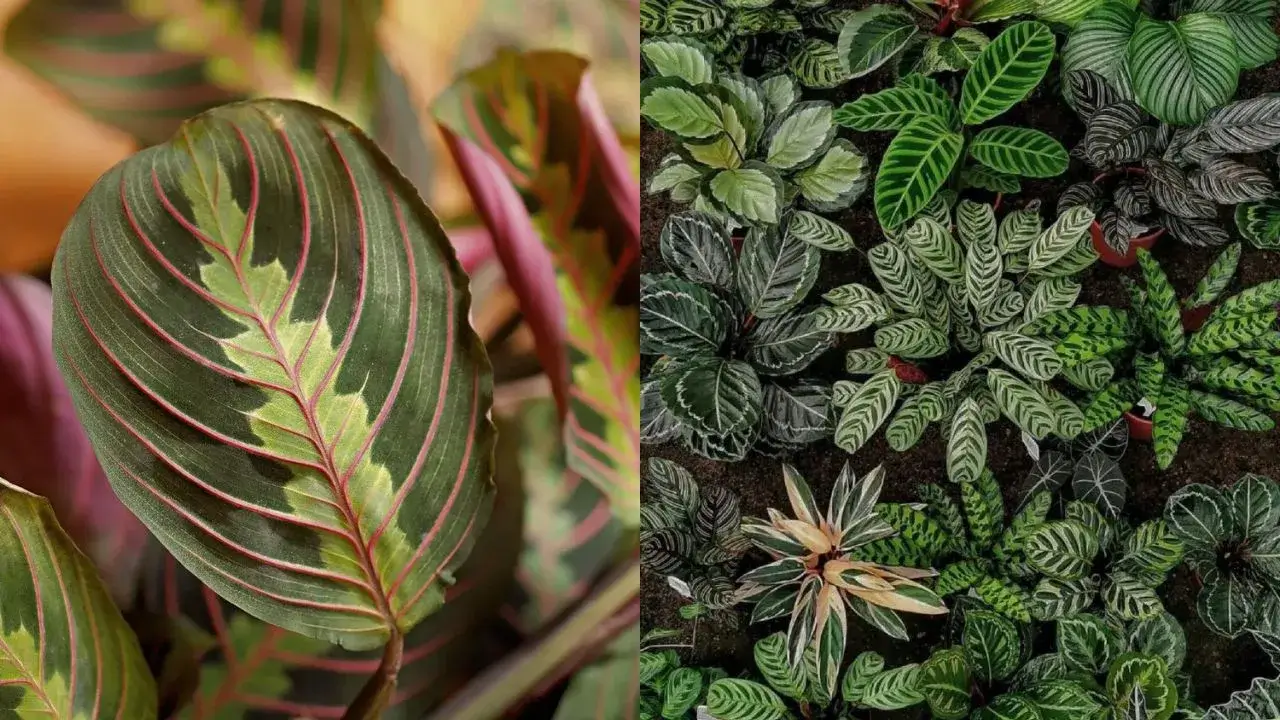
FAQ
Find quick answers about Calathea types — from their scientific names to care differences and which varieties suit beginners best.
However, “Calathea” remains the popular name used by plant lovers and in garden stores.
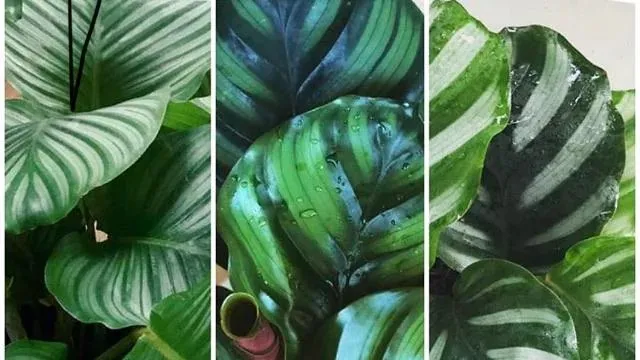
Other forgiving options include Calathea makoyana and Calathea orbifolia.
These types can be more sensitive to humidity and light, but they’re truly stunning display plants.
Always adjust watering and placement based on your variety’s leaf texture and size.
making them one of the best decorative plants for pet-friendly homes.
a signature trait of the Marantaceae family, often called “prayer plants.”