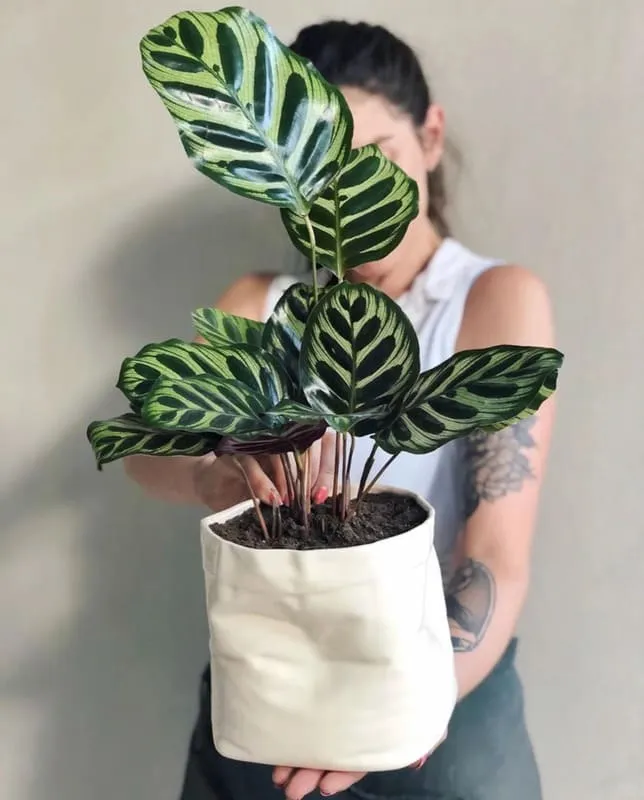
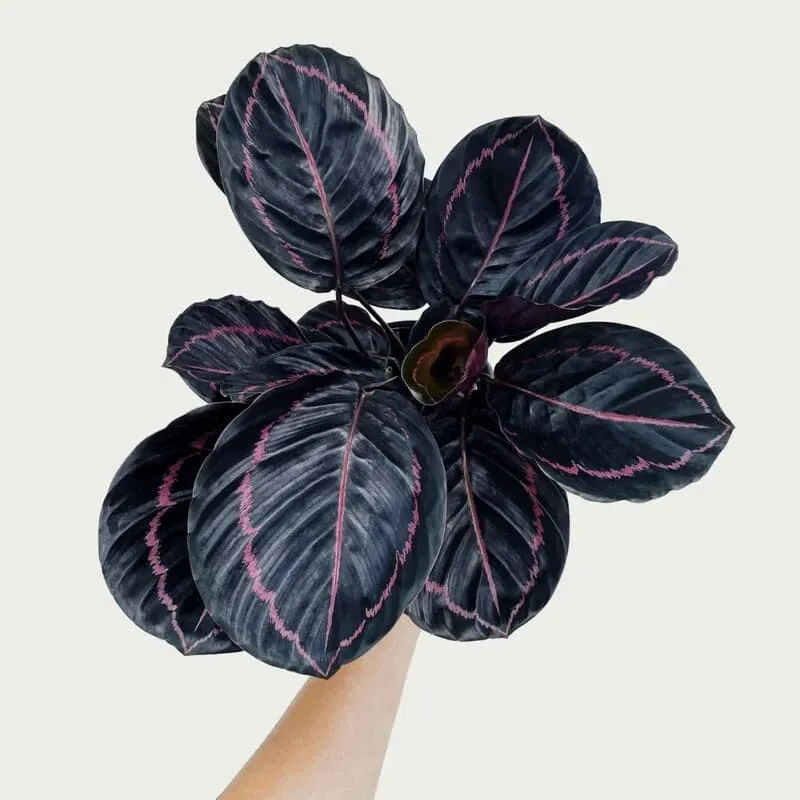
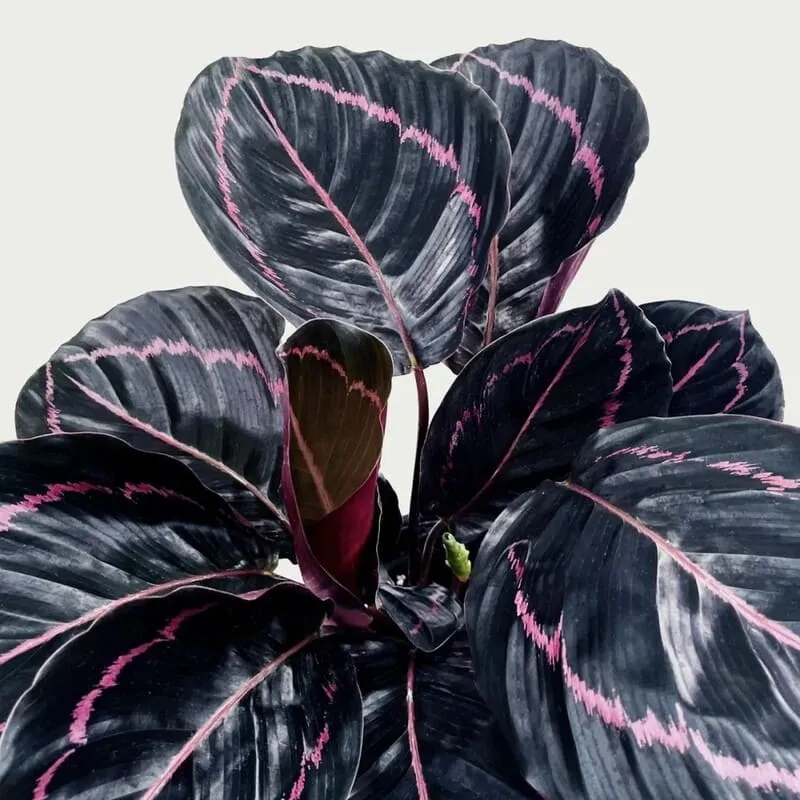
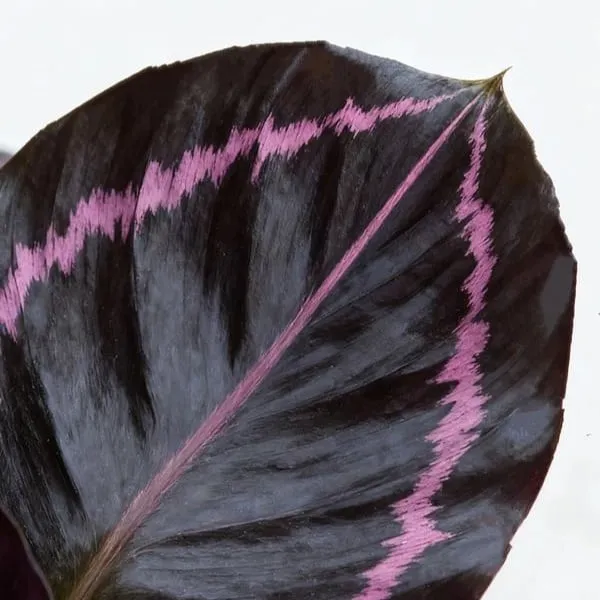
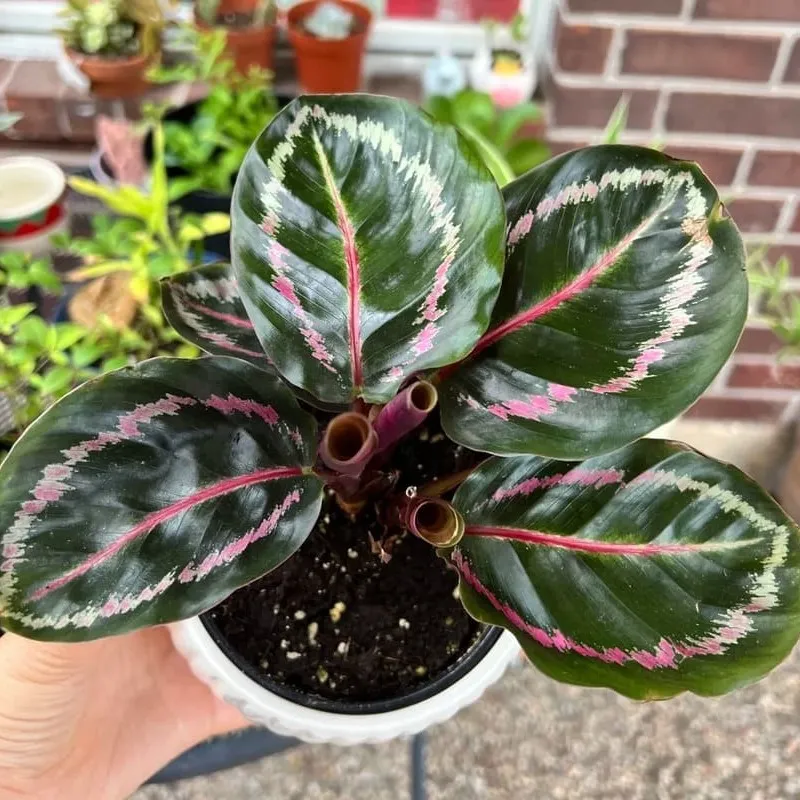
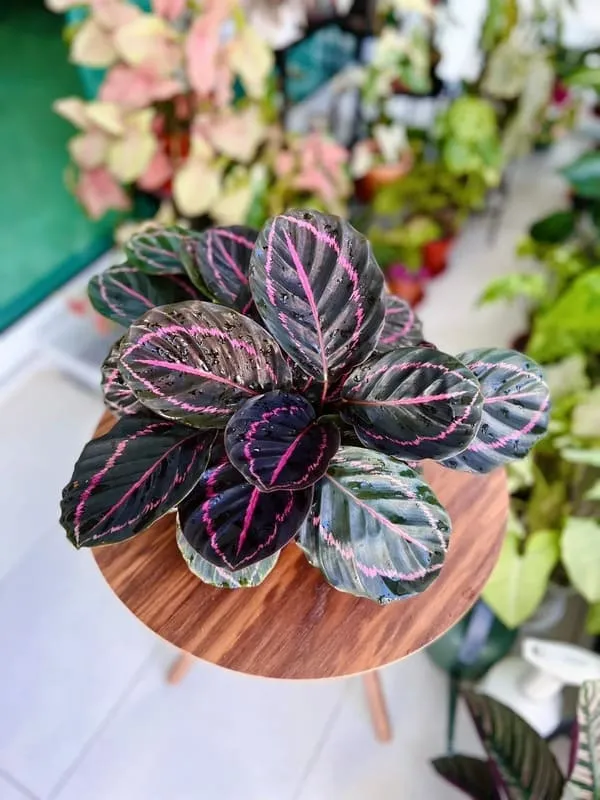
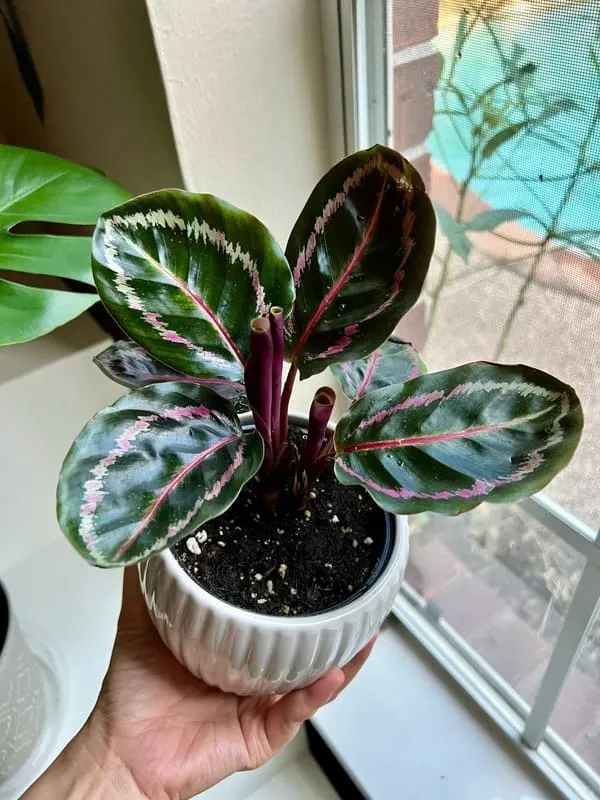
Among all the dramatic Calathea varieties, Calathea Dottie stands out like a piece of living art. Its deep burgundy-green leaves are traced with neon pink veins that seem to glow under soft light — an effect that makes it one of the most striking foliage plants you can keep indoors. In the evening, when the leaves fold upward as if in prayer, that pink outline catches just enough light to look almost electric.
While Dottie’s appearance is bold, its care routine is refreshingly simple once you understand its rhythm. It enjoys the same humid, shaded environment most Calatheas love but tolerates slightly drier air better than sensitive types like White Fusion. In my Seattle apartment, it has proven surprisingly adaptable — thriving through winter with a small humidifier and steady indirect light. For color comparisons and care tips among varieties, check our Calathea Types Guide.
Quick Facts: Calathea Dottie
| Botanical Name | Goeppertia roseopicta ‘Dottie’ (formerly Calathea Dottie) |
|---|---|
| Plant Type | Tropical perennial, foliage houseplant |
| Mature Size | 12–18 in (30–45 cm) tall; leaves 6–8 in (15–20 cm) wide |
| Light Needs | Bright, indirect light; tolerates medium shade |
| Watering | Keep soil evenly moist; avoid standing water |
| Humidity | Prefers 60% or higher |
| Pet Safety | Non-toxic to cats and dogs — see Calathea Pets Safety Guide |
| Difficulty | ★★★☆☆ (moderate care) |
| Popularity | ★★★★★ (a top favorite for its pink foliage) |
Why Calatheas Nearly Made Me Quit Houseplants
I’ll be honest — Calatheas are hard. Really hard.
And growing them in Seattle? That’s basically hard mode.
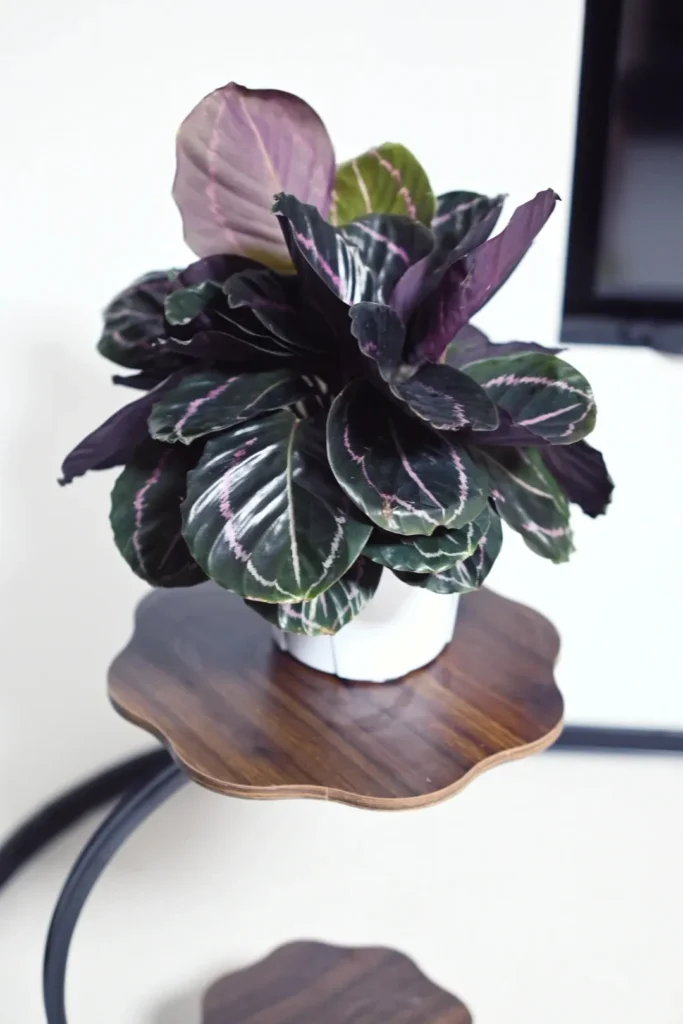
When I first fell into houseplants, Calatheas were my entry point. Their bold patterns and vivid colors were impossible to resist. I started with peacock Calatheas, pinstripe varieties, and every “beautiful but dramatic” type I could find.
Most of them didn’t make it.
My peacock Calathea died almost completely, then slowly pushed out a few sad, uneven leaves. It’s alive now — not pretty, but stable.
Red and pink varieties? I refused to give up. I bought them again and again. Six pots in total. Only one survived, and even now it holds onto just two leaves.
Some didn’t even give me time to learn — they declined within days and were gone within a month.
After losing so many Calatheas, I honestly started to question myself.
What confused me most was this: other “difficult” plants weren’t dying.
Anthuriums, Alocasias, Philodendrons — I didn’t grow them perfectly, but I wasn’t killing them either. Some even surprised me with steady growth.
That’s when I stopped blaming the plants and started experimenting with my environment.
I spent months adjusting light angles, humidity levels, watering timing, and even where plants sat in relation to windows and walls. Slowly, something changed.
The Calatheas stopped dying.
They didn’t suddenly become easy — but they became predictable. And once I understood their rhythm, they finally earned a stable place among my other houseplants.
Calathea Dottie was one of the turning points.
Compared to the more fragile varieties, it proved slightly more forgiving, especially once humidity and light were consistent. That’s why I now recommend it as one of the better dark-leaved Calatheas for indoor growers — even in cooler, cloudier climates like Seattle.
Appearance & Key Features
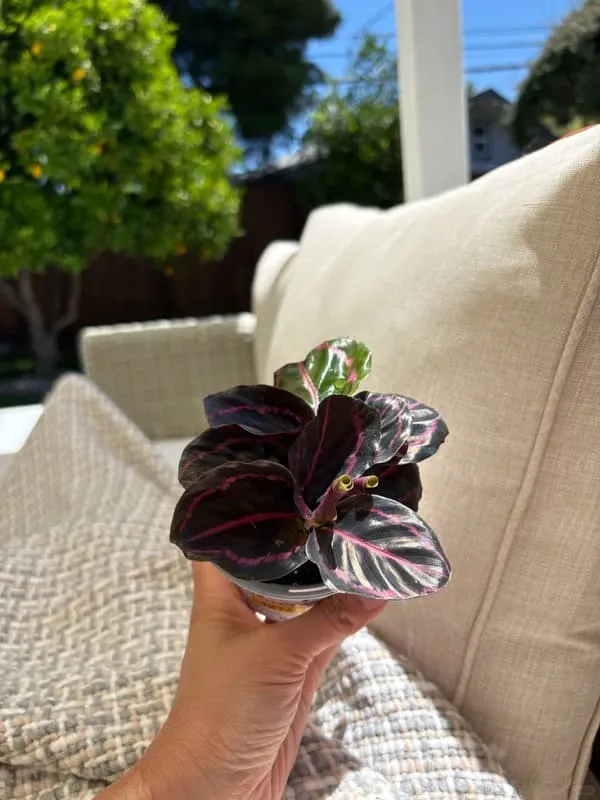
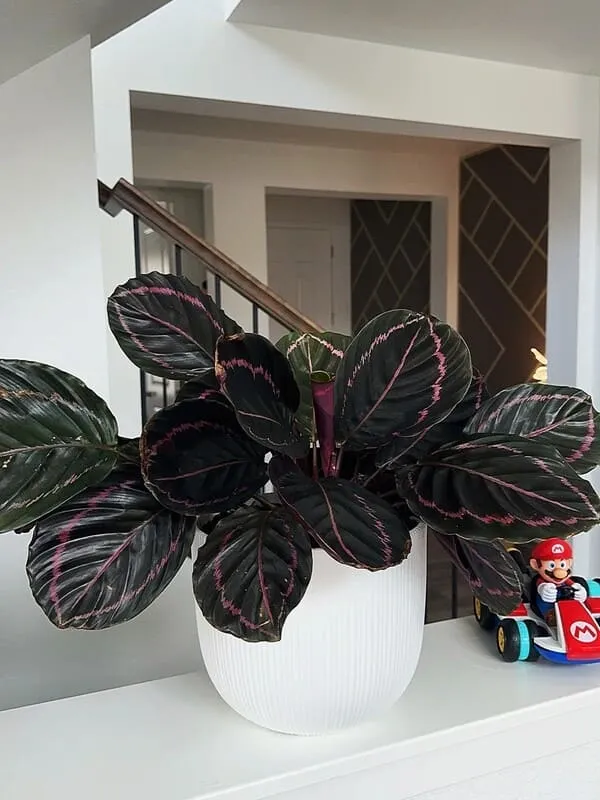
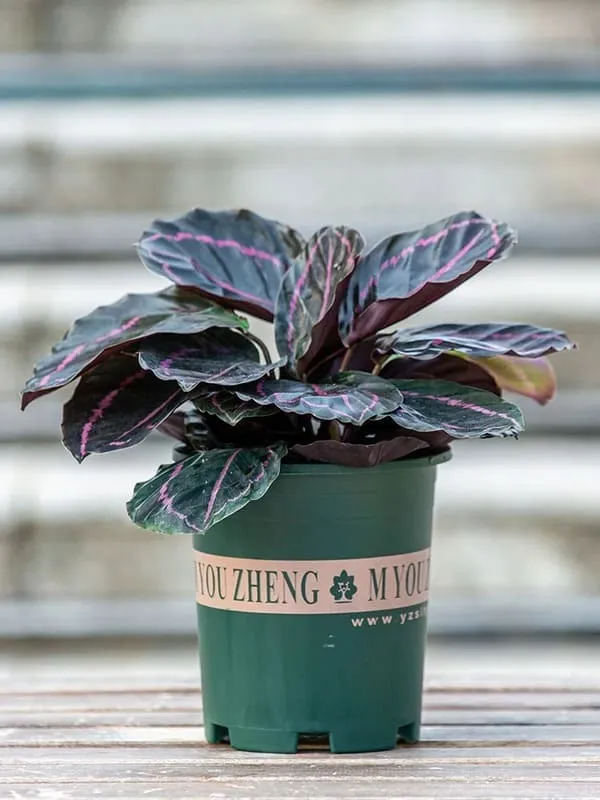
The Calathea Dottie is instantly recognizable by its dark, velvety leaves painted with vivid pink rings that look almost hand-drawn. The base color ranges from deep green to near black, depending on the light, creating a striking contrast against the magenta veins that outline each leaf. In the right lighting, it feels like the plant is glowing from within — a rare effect even among tropical houseplants.
Each leaf is oval-shaped, typically 6–8 inches wide, with a satin finish that catches light softly. The underside reveals a rich burgundy tone, giving Dottie an extra layer of color that shows when the leaves fold at night. It’s one of those Calatheas that’s just as beautiful from below as it is from above.
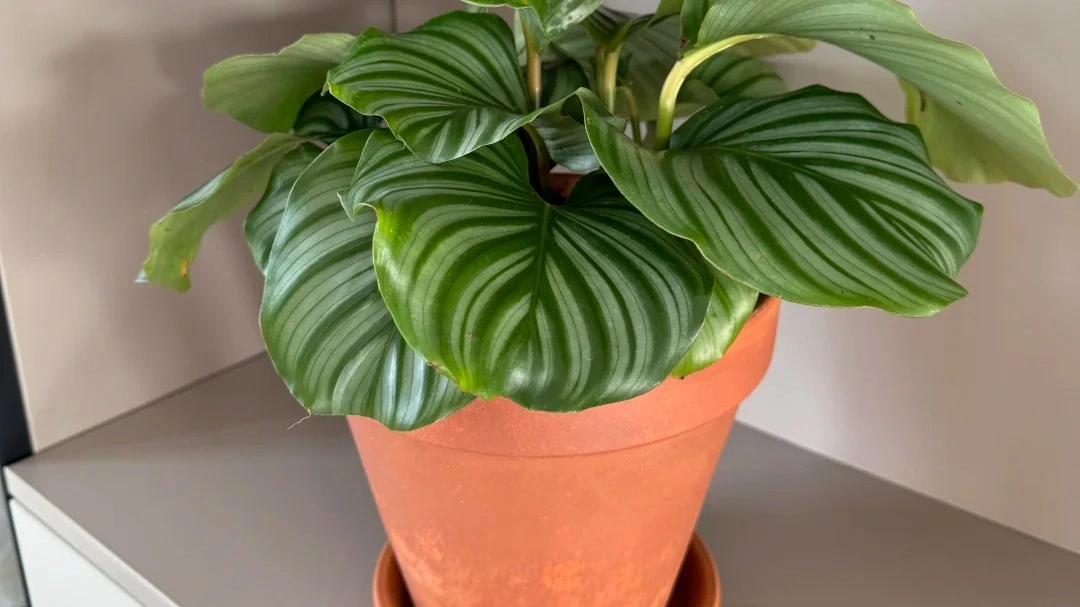
Compared with its relatives like Calathea Roseopicta or Calathea Medallion, Dottie’s personality is more moody and bold. While Medallion leans toward light green and cream patterns, Dottie’s palette feels dramatic — perfect for modern interiors that favor dark contrast or jewel-toned accents. Despite its glamorous look, it’s compact and easy to style on small shelves or tabletops.
Growth & Environment Requirements
Calathea Dottie originates from the warm, shaded understory of tropical South America — a place of filtered light, moist soil, and constant humidity. To keep your Dottie happy indoors, try to recreate that soft, sheltered environment rather than exposing it to direct sun or dry air.
- Growth speed: Dottie grows moderately, producing new leaves every few weeks in warm, bright conditions. Growth naturally slows down during winter but usually resumes in spring without much fuss.
- Temperature: Keep it in the 65–80°F (18–27°C) range. It dislikes cold drafts and sudden temperature drops, especially near windows or air vents. In Seattle’s cooler months, I keep mine away from exterior walls to prevent leaf curling.
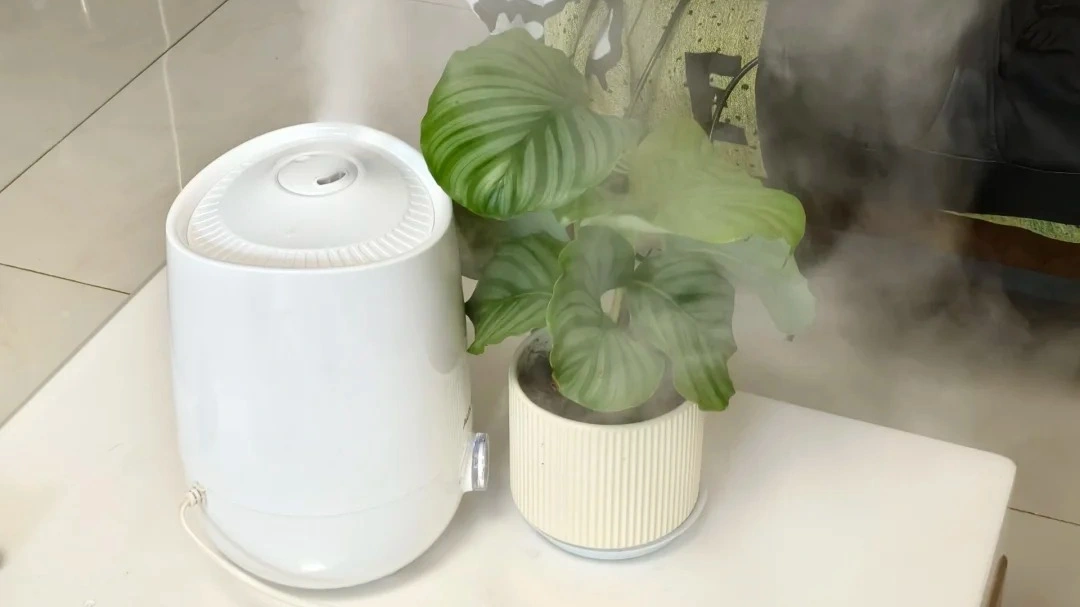
- Humidity: Aim for 60% or higher if possible. Dottie’s dark leaves tend to show crisp edges more easily than lighter varieties, so steady humidity makes a big difference. If the air feels dry, use a humidifier or group it with other tropical plants.
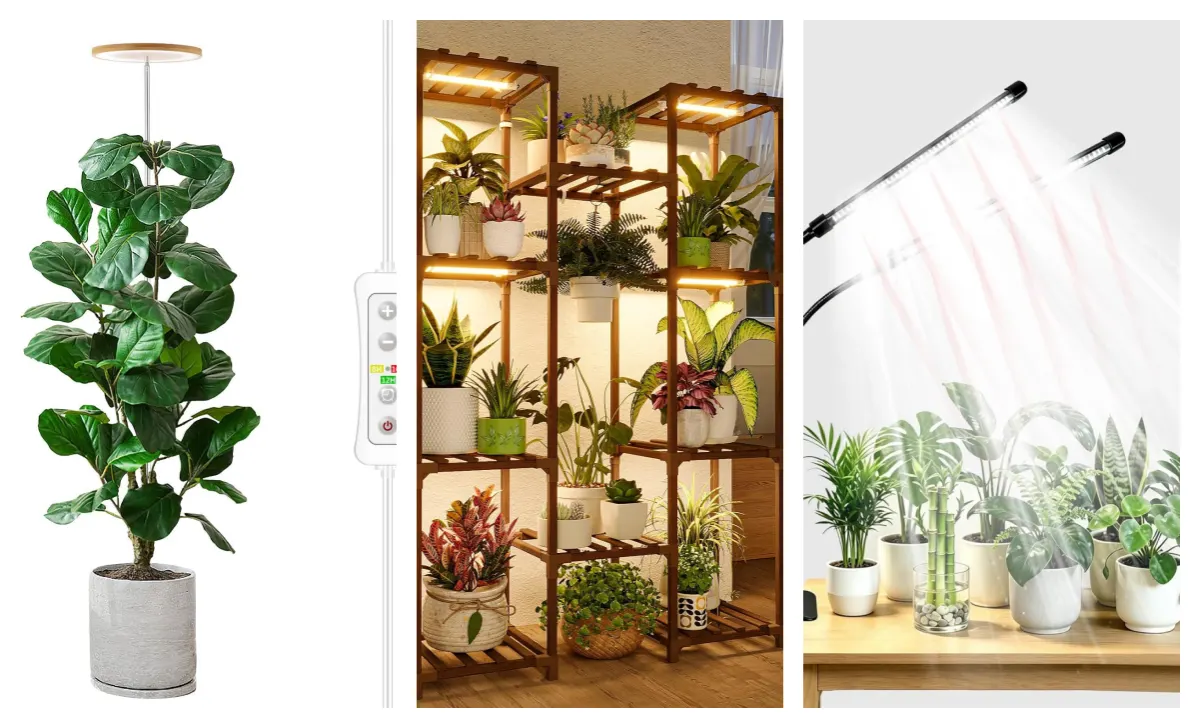
- Light: Prefers bright, indirect light — enough to maintain the vivid pink veining but not so intense that it fades the color. North- or east-facing windows are ideal; avoid harsh afternoon sun.
Even though Dottie loves warmth and moisture, it’s a bit tougher than its dramatic look suggests. Once you establish a stable environment — indirect light, regular watering, and consistent humidity — it will stay colorful and healthy for years.
For detailed light placement and temperature advice, see our Calathea Light & Environment Guide.
💡 Note: To keep Dottie’s vibrant pink veins and deep leaf color, stable humidity is your best friend. In dry indoor air, the pink markings can fade or edges may turn crisp. A small humidifier or pebble tray nearby works wonders — even better if you group it with ferns or Calathea Orbifolia to create a microclimate.
In my Seattle home, I’ve noticed that maintaining around 60–65% humidity keeps the color rich and prevents leaf curling.
Detailed Care Guide
Calathea Dottie may look dramatic, but after years of trial and error, I’ve learned that it isn’t impossible — it just demands consistency.
Once I stopped chasing “perfect conditions” and focused on stable ones, Dottie became far more predictable than many lighter-leaved Calatheas. The care tips below are not theoretical — they’re what finally worked for me in a Seattle apartment.
Watering
Keep the soil evenly moist, never soggy. Dottie’s dark leaves make it harder to notice dehydration, so check the top inch of soil regularly. Water when it feels slightly dry, and always let excess drain out.
In Seattle’s cooler months, overwatering caused far more damage than underwatering. I now let the top inch of soil dry slightly before watering again, even if humidity is high. Since switching to filtered water, I’ve noticed fewer dull patches and healthier leaf texture overall.
If your tap water is hard, switch to filtered or rainwater — minerals can dull the leaf surface or leave spots.
👉 For watering frequency and seasonal tips, visit our Calathea Watering Guide.
Light
Dottie prefers bright, indirect light. Too much direct sun will fade the pink markings and scorch the dark leaves. A north-facing window or a few feet back from an east-facing one works best.
My Dottie does best near an east-facing window, pulled back from direct glass. Too close, and the leaves curl; too far, and the pink outlining dulls. Soft morning light keeps the contrast sharp without stressing the foliage.
If your space is dim, it can adapt, but the color contrast will soften.
👉 See our Calathea Low Light Care for safe low-light placement ideas.
Soil
Use a loose, well-draining mix that holds gentle moisture. A reliable combination is:
- 2 parts peat moss or coco coir
- 1 part perlite or pumice
- 1 part compost or worm castings
Avoid dense garden soil — it suffocates roots and encourages rot.
👉 Learn more about mix ratios in our Best Soil for Calathea.
I avoid heavy mixes completely. A loose, breathable soil helped prevent root stress — especially important for dark-leaved Calatheas like Dottie, which show damage quickly.
Fertilizer
Feed every 3–4 weeks during spring and summer with a balanced, diluted foliage fertilizer (¼ to ½ strength). Dark-leaved Calatheas like Dottie can show fertilizer burn more easily, so less is better. Skip feeding in winter when growth slows.
👉 See our Best Fertilizer for Calathea.
Humidity
Maintain 60–70% humidity for best leaf texture and color. If tips turn brown or the pink tones fade, it’s usually a sign of dry air. A small humidifier beside the plant, or grouping it with other tropicals, will keep it thriving.
Despite Seattle’s reputation for damp weather, indoor air gets surprisingly dry in winter. Keeping humidity around 60–65% made a visible difference — fewer crispy edges and stronger color. A small humidifier placed nearby worked better than misting ever did.
👉 If you notice browning edges, check our Yellow & Brown Leaves Guide.
Common Problems with Dottie
Calathea Dottie is resilient once settled, but its dark foliage makes stress signs show quickly. Most issues come from inconsistent watering, low humidity, or too much direct light. Here’s what to look for:
- Yellowing Leaves → Usually caused by overwatering or poor drainage. Check that your pot has holes and the soil dries slightly between waterings. Persistent yellowing may indicate early root rot. 👉 See our Calathea Root Rot Guide.
- Brown Edges or Crispy Tips → Dottie’s velvety leaves lose moisture faster in dry air. Keep humidity around 60–70% and avoid placing it near heating vents. Regular misting won’t help much — use a humidifier or pebble tray instead.
- Faded Pink Color → When pink veins fade to dull beige, it’s a sign of too much sunlight or lack of nutrients. Move the plant to a softer, indirect light spot and feed lightly every few weeks during growth season.
- Curling or Drooping Leaves → Indicates watering imbalance — either too dry or too wet. Wait until the top inch of soil feels just slightly dry before watering again. Leaves usually recover within a few days once conditions stabilize. 👉 Troubleshoot further in our Calathea Curling & Drooping Guide.
If your Dottie ever develops pale spots or “sunburn” patches, it’s been sitting under direct afternoon sun. Relocate it to filtered light and review our Calathea Sunburn Guide.
👉 For a broader overview of care issues, explore the Calathea Problems Hub.
Propagation & Repotting
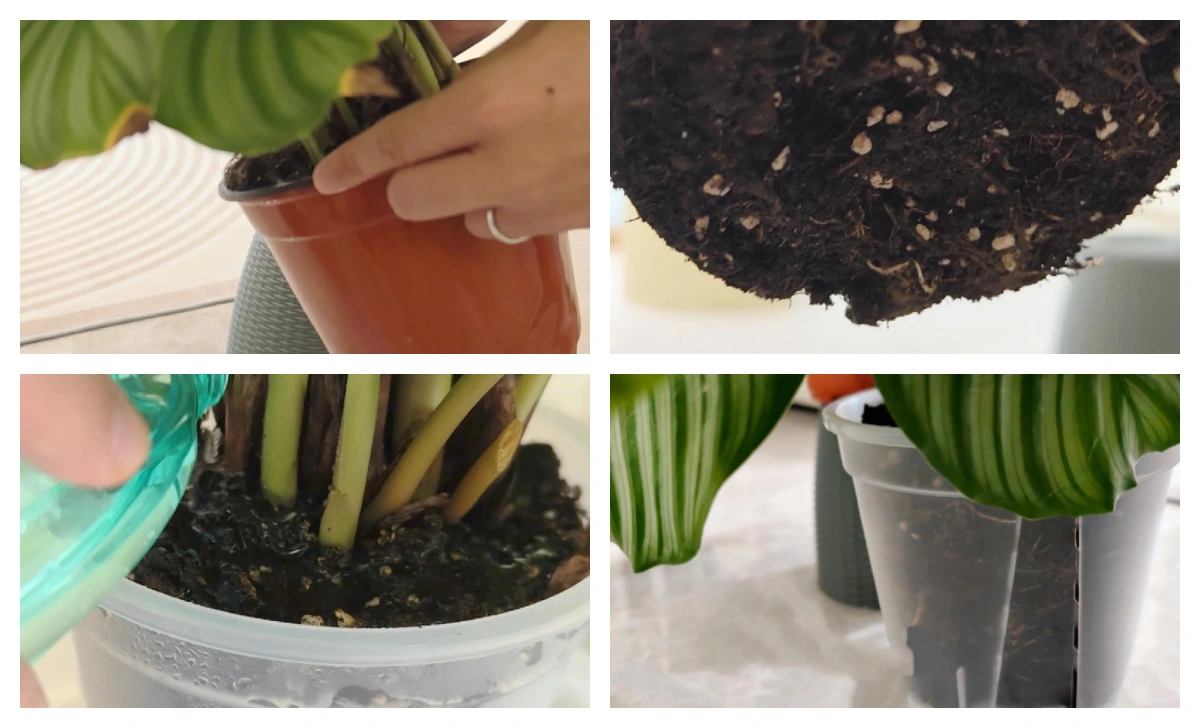
Like most Calatheas, Calathea Dottie can only be propagated by division, not by leaf or stem cuttings. Its roots form dense clumps, so dividing too aggressively can set the plant back. Patience and gentle handling go a long way.
- Division → The best time to divide Dottie is during spring or early summer, when new growth is active. Carefully remove the plant from its pot and separate clumps with 2–3 leaves and established roots. Use clean scissors or a knife only if necessary, and avoid breaking rhizomes.
- Best Season → Avoid propagation in fall or winter — cooler temperatures and shorter daylight slow recovery. In warm, bright months, divisions bounce back quickly and start producing new leaves within weeks.
- Repotting Tips → Dottie enjoys being slightly root-bound. Repot only every 1–2 years, and move to a pot just one size larger. Use a breathable, well-draining mix and a pot with drainage holes to prevent soggy roots.
- Aftercare → Newly divided or repotted plants may droop temporarily. Keep them in bright, indirect light and maintain steady humidity until they perk up. Hold off on fertilizer until new growth appears — this signals the roots have reestablished.
👉 For step-by-step instructions with photos, see our Calathea Propagation Guide.
Styling & Placement Ideas
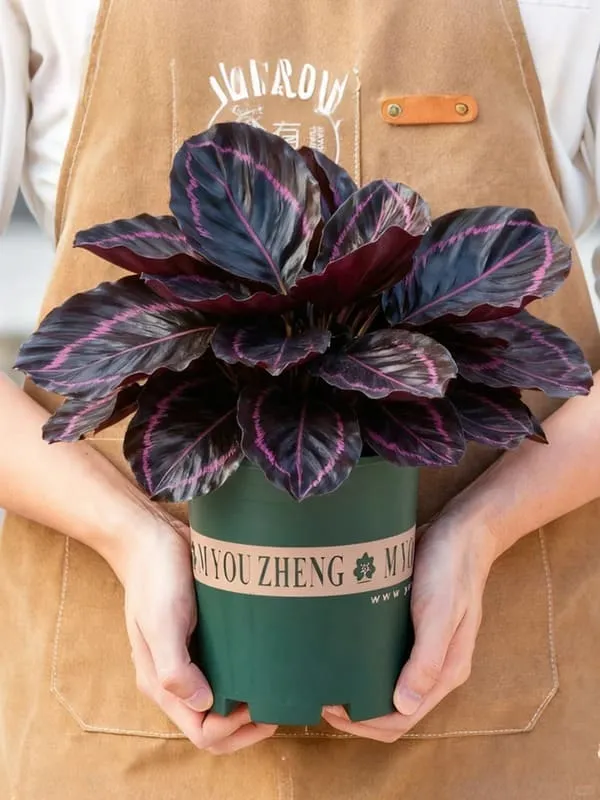
Calathea Dottie is one of the most visually striking Calatheas you can own — the deep plum-black leaves with neon pink outlines turn any corner into a moody, elegant focal point. Here are a few ways to make her stand out:
- Statement Plant for Contrast → Dottie shines when paired with light-colored décor — think white pots, oak shelves, or minimalist interiors. The dark foliage adds drama and depth to neutral spaces.
- Grouped with Other Calatheas → Combine Dottie with lighter-leaved varieties like Calathea Orbifolia or Calathea Makoyana to create texture and tone contrast. Together, they form a lush tropical display that feels balanced and intentional.
- Bedroom or Reading Nook Accent → Because it thrives in indirect light, Dottie is perfect for bedrooms, reading corners, or home offices with filtered sunlight. The soft glow of its pink veins under morning light gives a calm, cozy feel.
- Decor Tip → Avoid placing it directly on cold floors or near heat vents — the constant temperature change will stress its leaves. A plant stand or elevated pot helps airflow and keeps the foliage at eye level for maximum visual impact.
- Pairing for Mood → Dottie complements materials like brass, matte ceramics, and woven rattan — each highlights a different tone in its purple-green palette, turning your plant corner into a true design vignette.
If you’ve struggled with Calatheas before, you’re not alone — and you’re not bad at plants.
They’re sensitive, observant plants that react quickly to inconsistency. Once you stop chasing perfection and instead create a steady routine, Calathea Dottie becomes far less intimidating.
For me, learning how to grow Calatheas wasn’t about buying better plants — it was about becoming a more attentive grower.
FAQ
Explore More Calathea Varieties
Looking to discover more beautiful Calathea plants?
Browse our full collection of Calathea varieties — from the bold Orbifolia to the velvety Warscewiczii — and find the one that fits your home best.