

Last updated: May 15, 2026
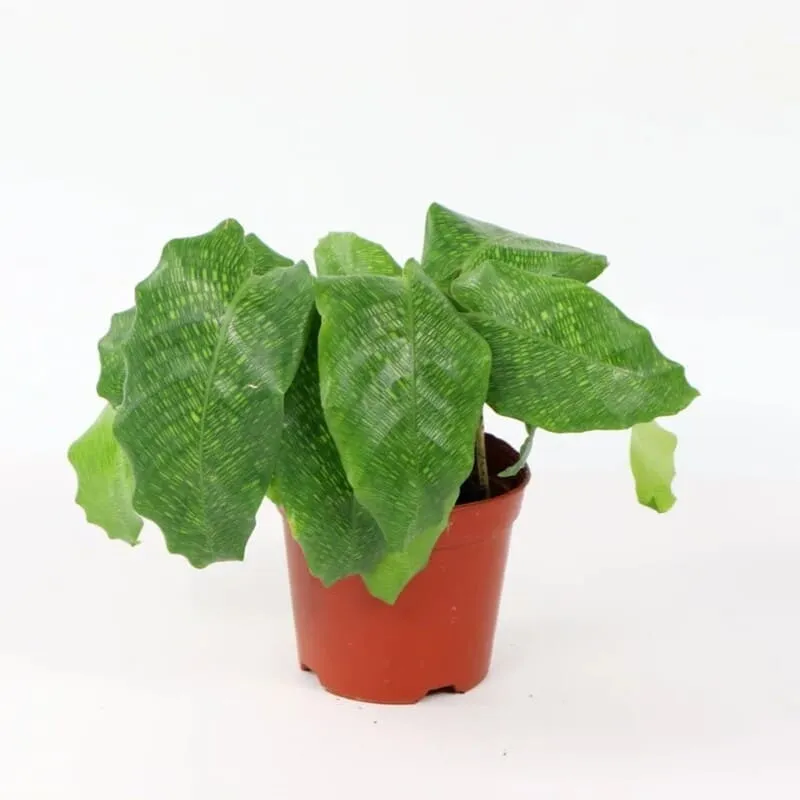
Calathea Musaica, often sold as Network Calathea, is now more correctly listed as Goeppertia kegeljanii ‘Network’. I still use “Calathea Musaica” in this article because that is the name most houseplant growers search for and recognize.
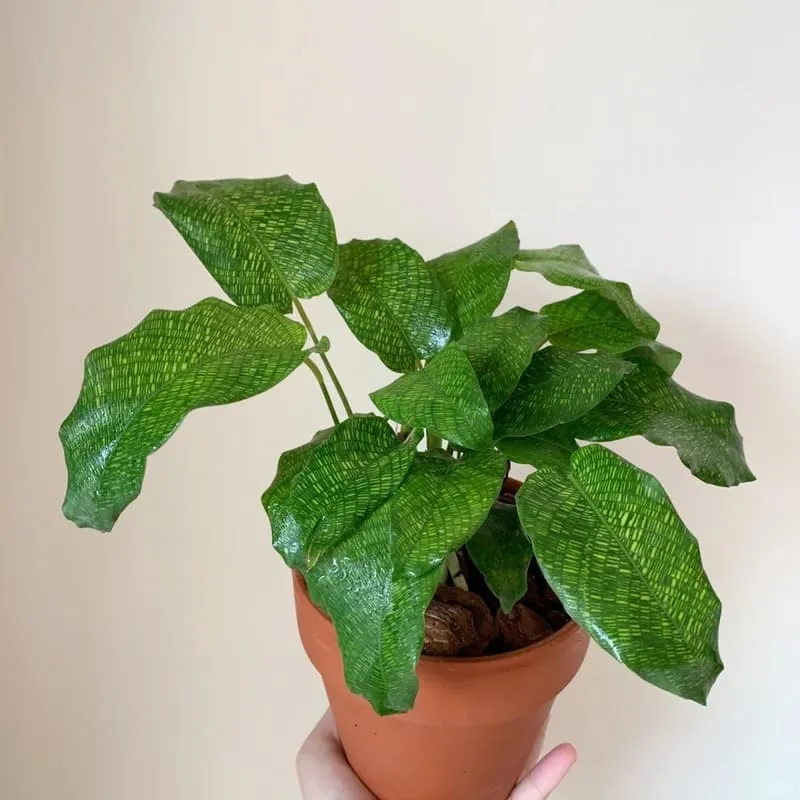
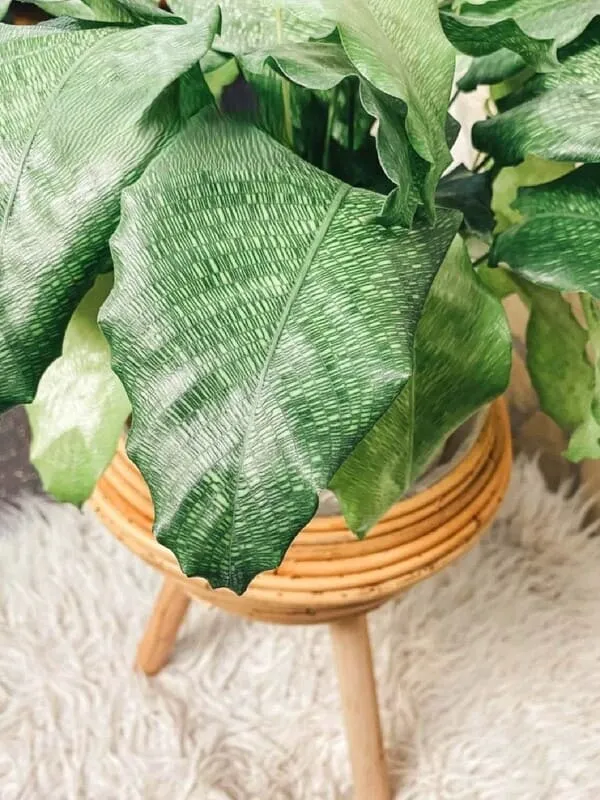
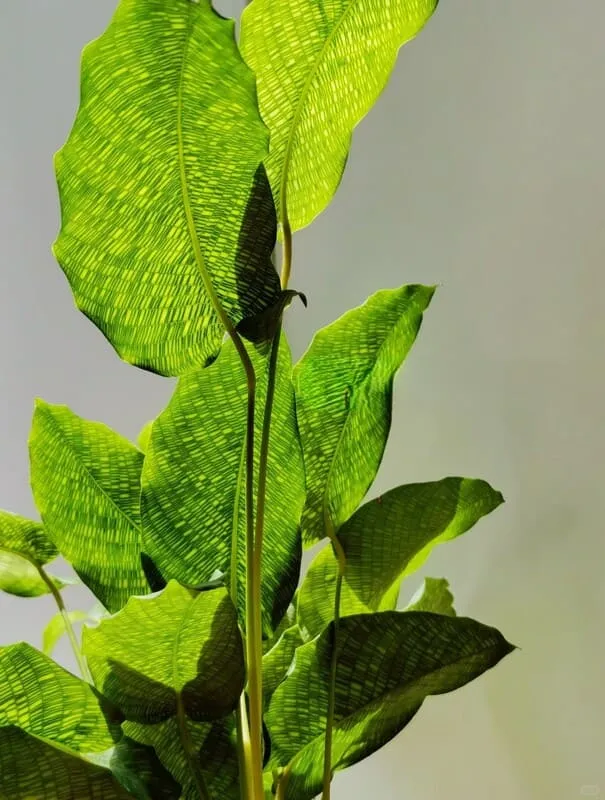
Calathea Musaica, also called Network Calathea, does not look dramatic from across the room. Its beauty is quieter. Up close, the leaves have a fine grid-like pattern that almost looks printed, which is why this plant feels so different from broader, showier Calatheas like Orbifolia or Medallion.
What surprised me most is not just the pattern, but how forgiving this plant has been in my home. I have kept it through hot summers, very dry indoor heating, low-to-moderate light, and a normal living room setup — and it has been far less fussy than most Calatheas I grow.
This guide is based on that experience: how I water it, how much light it actually tolerated, what happened after repotting, and why I think overwatering and oversized pots cause more trouble with Musaica than low humidity alone.
The Calathea That Just… Never Gave Me Trouble
Of all the Calatheas I’ve grown, Calathea Mosaic has been the most forgiving by far.
I’ve kept it through hot summers and very dry winters with indoor heating. At the driest moments, my indoor humidity has dropped close to 10%, but Musaica still showed only minor edge damage compared with my fussier Calatheas.
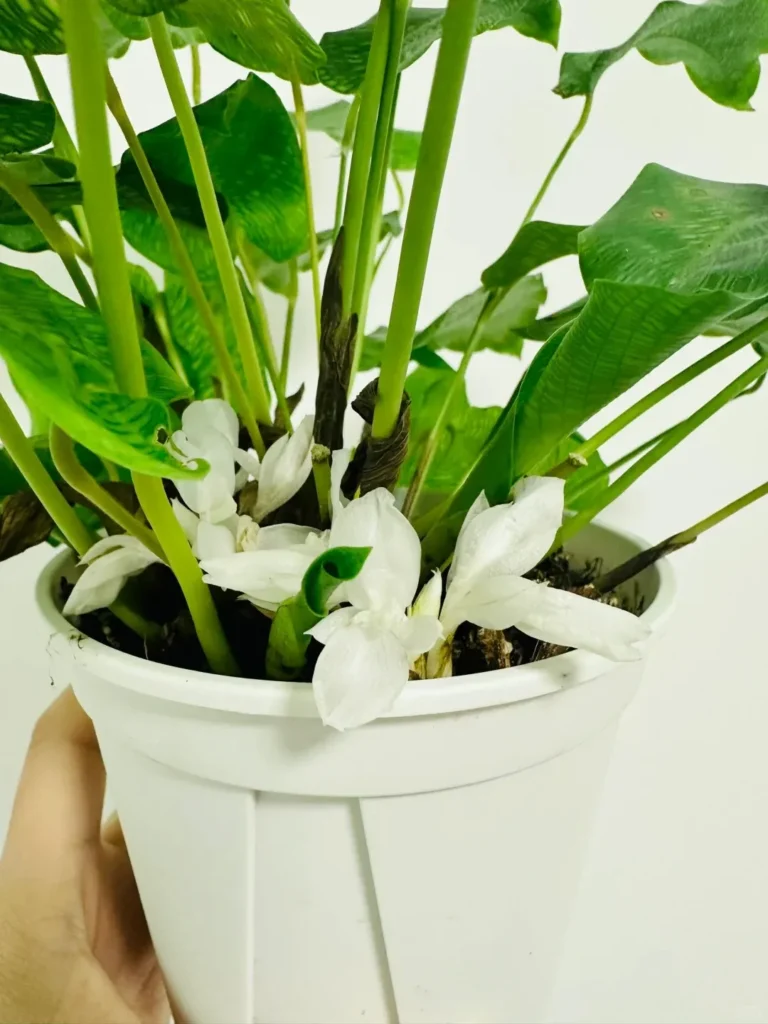
What surprised me most this year was that it actually flowered.
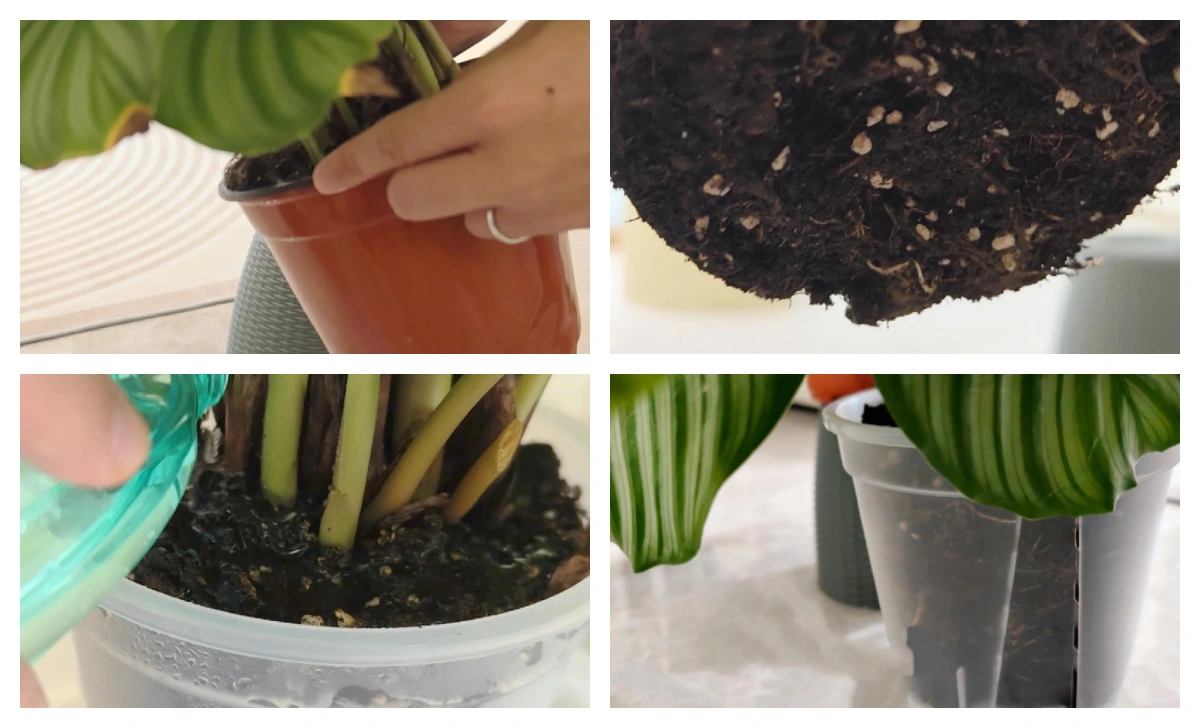
The flowers were tiny, white, and very understated — growing unusually close to the soil surface. Easy to miss, but quietly charming. Seeing how well it was doing, I decided to move it up just one pot size.
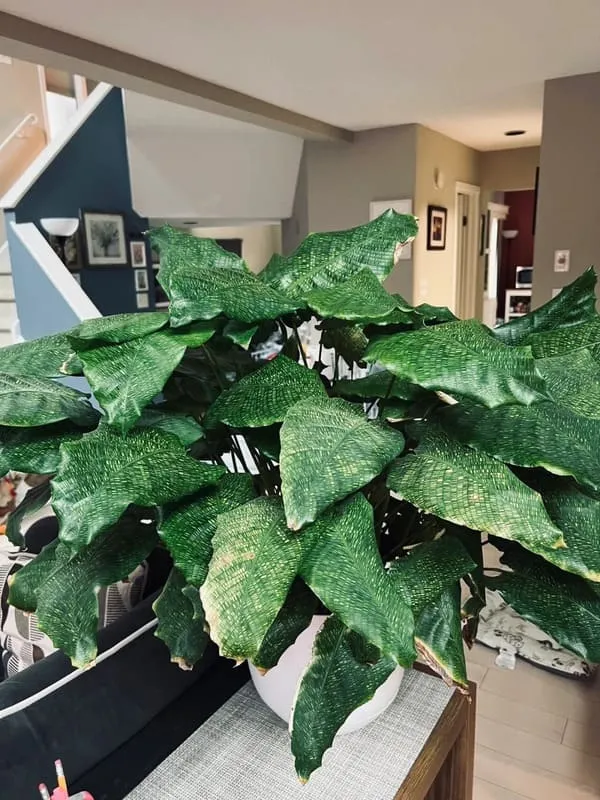
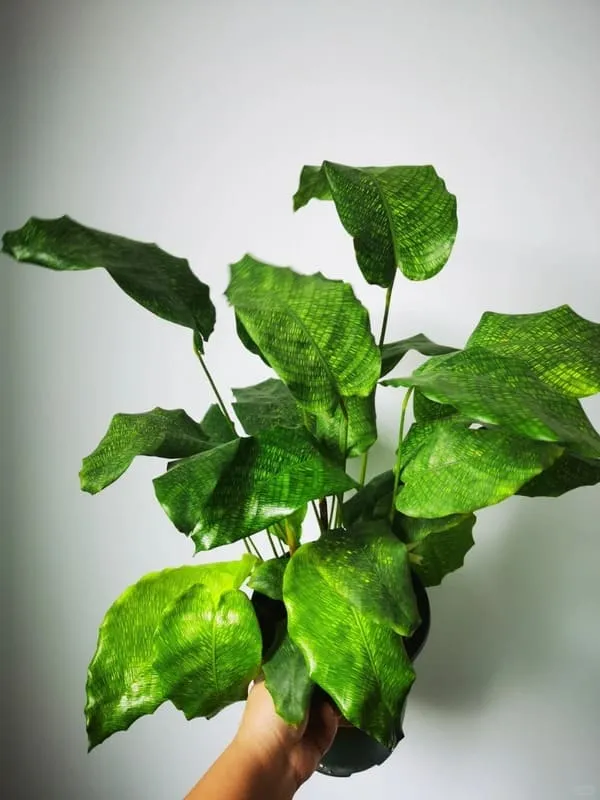
About a month after repotting, it settled in incredibly fast. Within a week, new leaves started emerging. Two months later, the plant was noticeably fuller — and in one single week, it pushed out nine new leaves at once. That moment alone made all the patience feel worth it.
Light, Temperature, and Daily Conditions
This plant lives in my living room in very gentle light. In its usual spot, I measured roughly 300–600 lux during the day, so this is not an intense grow-light setup. I would not call this ideal for every plant, but Musaica tolerated it better than most Calatheas I grow.
The room usually stays around 26°C / 78–79°F in the growing season. Under those steady warm conditions, I have not had pest or disease issues with this plant.
Even when it was partially shaded by Monstera leaves for a long time, its growth didn’t slow down at all. Bright, indirect light works best, but it clearly tolerates less-than-ideal conditions better than most Calatheas.
Watering and Pot Size (Where Most People Go Wrong)
I water when the top layer dries and the pot feels noticeably lighter.
Among Calatheas, this one is relatively drought-tolerant — though letting it dry out too much will still cause yellowing.
Each leaf lasts a long time from emergence to natural decline. When I see people ending up with bare stems over time, it’s usually not neglect — it’s overwatering and root suffocation.
One important thing: don’t oversize the pot.
Calatheas prefer a snug root zone. Too much soil stays wet for too long and invites trouble.
Seasonal Growth and Feeding
Summer is its clear growth season. I fertilize lightly but consistently — nothing heavy.
In winter, with dry indoor air, I do see some minor edge yellowing, but it’s minimal and never severe.
Soil Mix and What Actually Matters
The key is simple: loose, breathable soil.
My mix is:
- Peat moss
- Perlite
- General-purpose potting soil
- A small amount of slow-release fertilizer mixed in
For this plant, the soil does not need to be complicated. It just needs to avoid staying wet and airless. Once the roots have that balance, Musaica can keep pushing new leaves without much drama.
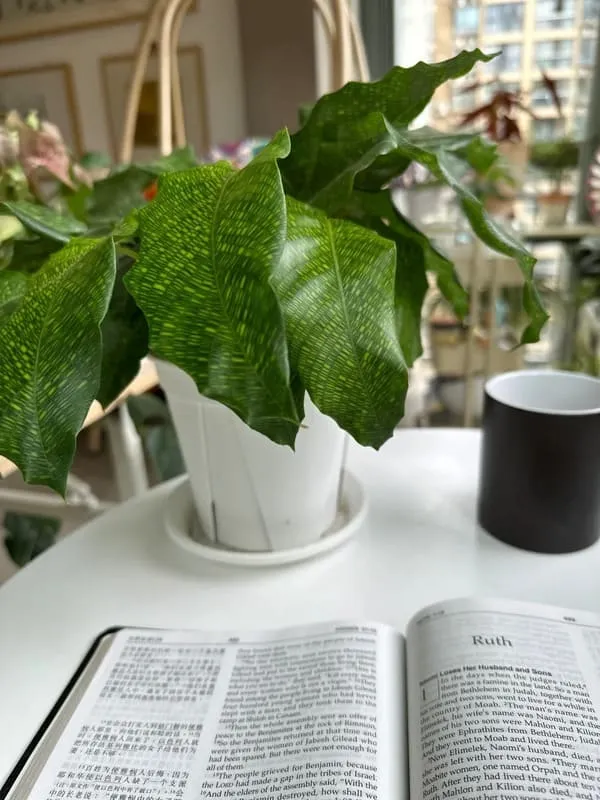
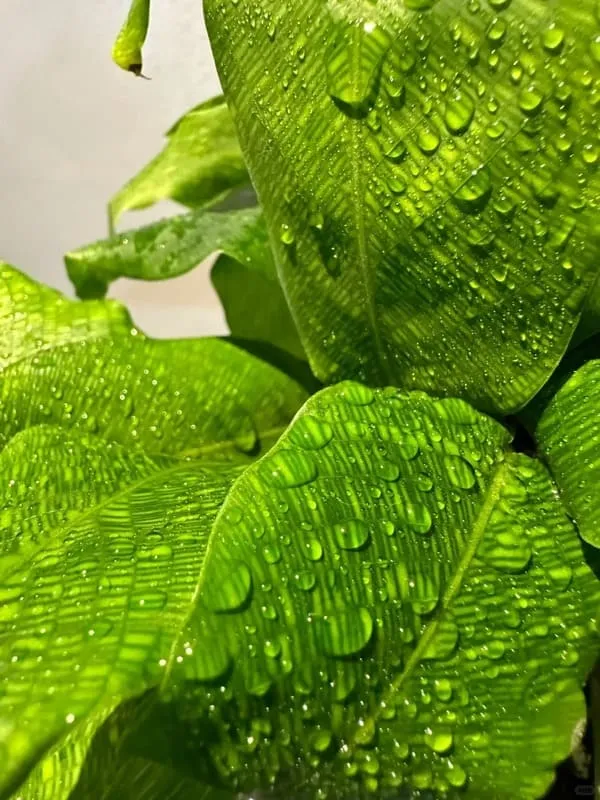
I grow mine indoors, with sunlight filtered through glass. I water mainly by bottom soaking once a week, or whenever the pot feels very light. I don’t mist the leaves at all — and as you can see, there’s no leaf distortion or damage.
Why This Plant Still Feels Unreal
The first time I saw Calathea Mosaic, I genuinely couldn’t believe it was real.
Up close, the pattern looks like something deliberately designed — almost like a texture exercise you’d study in architecture or interior design. Even an art teacher once told me it looked painted.
But it isn’t.
It’s simply one of those rare plants that reminds you how precise and strange nature can be — quietly, without trying to impress.

Detailed Care Guide
The Calathea Musaica follows most of the same rules as other Calathea species, but its grid-patterned leaves make it surprisingly tolerant and beginner-friendly. Here’s how to keep it healthy and luminous all year round.
Watering
I water Musaica when the top layer has dried and the pot feels noticeably lighter. Compared with some Calatheas, it tolerates short dry periods better, but I still do not let it stay bone dry for long.
In my setup, bottom soaking about once a week often works well, but I still adjust by pot weight. If the pot feels heavy, I wait. If the pot feels very light and the leaves start to lose tension, I water thoroughly and let the excess drain away.
For a deeper watering routine, see my Calathea watering guide.
Light
Musaica is more tolerant of lower indoor light than many Calatheas, but I would not put it in a dark corner and expect strong growth forever. In gentle ambient light, mine stayed compact and kept growing, but brighter indirect light will usually give faster growth.
Direct sun is still risky. The network pattern can fade or mark if the leaves sit in hot sun through glass. If your space is dim, my Calathea low light care guide explains how I adjust watering and expectations.
Soil
Musaica thrives in a loose, well-draining mix that still holds gentle moisture. A simple recipe that works well for me:
- 2 parts peat moss or coco coir
- 1 part perlite or pumice
- 1 part compost or leaf mold
This mix allows air to circulate while keeping roots evenly damp.
👉 Learn more in our Best Soil for Calathea.
Fertilizer
Feed every 3–4 weeks during spring and summer with a diluted foliage fertilizer (half strength is plenty). Skip feeding in fall and winter when growth naturally slows. Over-fertilizing leads to mineral buildup, which can cause leaf spotting.
👉 See nutrient balance tips in our Best Fertilizer for Calathea.
Humidity
This is one of the few Calatheas where I do not panic when humidity drops. Mine has handled very dry indoor air better than expected, with only minor edge yellowing in winter.
That does not mean humidity is useless. A humidifier can still help during heating season, but with Musaica I care more about avoiding wet, airless soil than chasing a perfect humidity number. My Calathea humidity guide covers what actually helps indoors.
Common Problems with Musaica
Common Problems with Calathea Musaica
Musaica is forgiving, but I still read the whole plant instead of reacting to one imperfect leaf. With this plant, I pay more attention to pot weight, root health, and whether new leaves are still coming in clean.
- Yellowing leaves: A few old yellow leaves can be normal, but repeated yellowing often points to overwatering, a pot that is too large, or soil staying wet too long. If the pot feels heavy for days, check root health.
- Brown edges: Dry winter air can cause minor edge damage, but Musaica usually handles dryness better than many Calatheas. If brown edges appear together with yellowing or weak growth, I would check watering and roots first.
- Faded network pattern: Too much direct sun can wash out the pattern, while very low light may make growth slower and duller. Move the plant gradually instead of suddenly changing its light.
- Curling or drooping: If the pot is very light, the plant may need water. If the pot is still wet, do not keep watering — check for cold roots, poor drainage, or root suffocation. My Calathea curling and drooping guide can help separate the causes.
- No new leaves: Musaica may slow down in winter, but if it stalls during warm months, I would check light, pot size, and whether the roots have enough air.
For broader troubleshooting, use my Calathea problems hub.
Propagation & Repotting
Like most Calatheas, the Calathea Musaica can only be propagated by division, not by leaf or stem cuttings. Its rhizome-based root system needs an established root ball to survive separation.
- Division → The most reliable method. When repotting in spring or early summer, gently lift the plant from its pot and separate clumps that have at least two to three healthy leaves and their own roots. Avoid forcing divisions apart—let natural gaps guide you.
- Best Season → Spring and early summer are ideal because Musaica’s growth is active and recovery is fast. Dividing in winter can stall growth for months.
- Repotting Tips → This species prefers to stay slightly root-bound. Choose a pot just one size larger than the previous one, with good drainage. A breathable mix (peat, perlite, compost) works best to avoid soggy roots.
- Aftercare → Newly divided plants may pause growth for several weeks. Keep them in bright, indirect light and maintain consistent humidity to help roots reestablish. Resist the urge to fertilize until new leaves appear.
👉 For a step-by-step visual guide, check our Calathea Propagation Guide.
FAQ
Explore More Calathea Varieties
Looking to discover more beautiful Calathea plants?
Browse our full collection of Calathea varieties — from the bold Orbifolia to the velvety Warscewiczii — and find the one that fits your home best.