| Common Names | Fishbone Prayer Plant, Burle Marx Calathea |
| Size & Growth | 12–20 in (30–50 cm) tall; spreads into a compact clump |
| Light | Bright indirect light; tolerates lower light better than most Calatheas |
| Watering | Keep soil lightly moist; avoid full dry-outs |
| Humidity | 50–70% preferred; adapts to average indoor humidity |
| Temperature | 65–80°F (18–27°C); avoid cold drafts |
| Soil | Light, airy mix with fast drainage (peat-free or aroid-style mix) |
| Pet Safety | Non-toxic to cats and dogs |
| Difficulty Level | Easy–Moderate (great for beginners) |
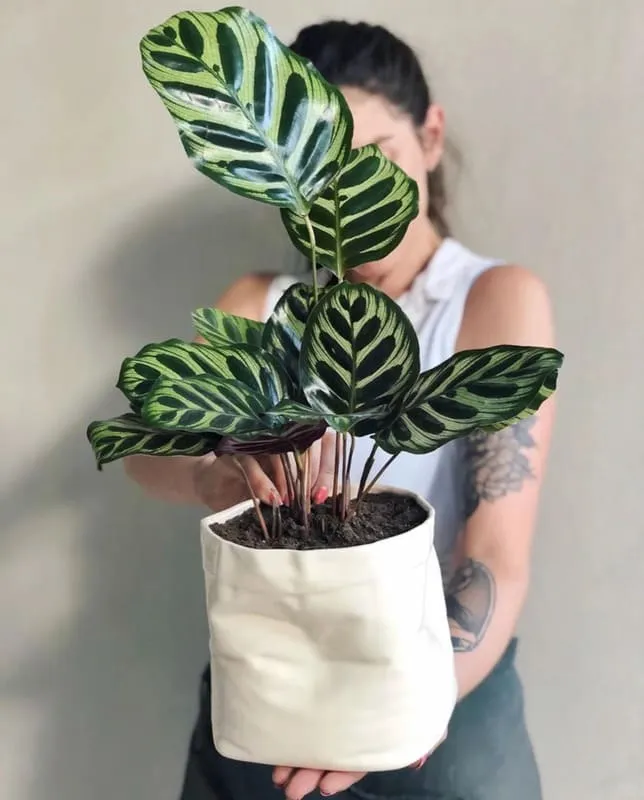
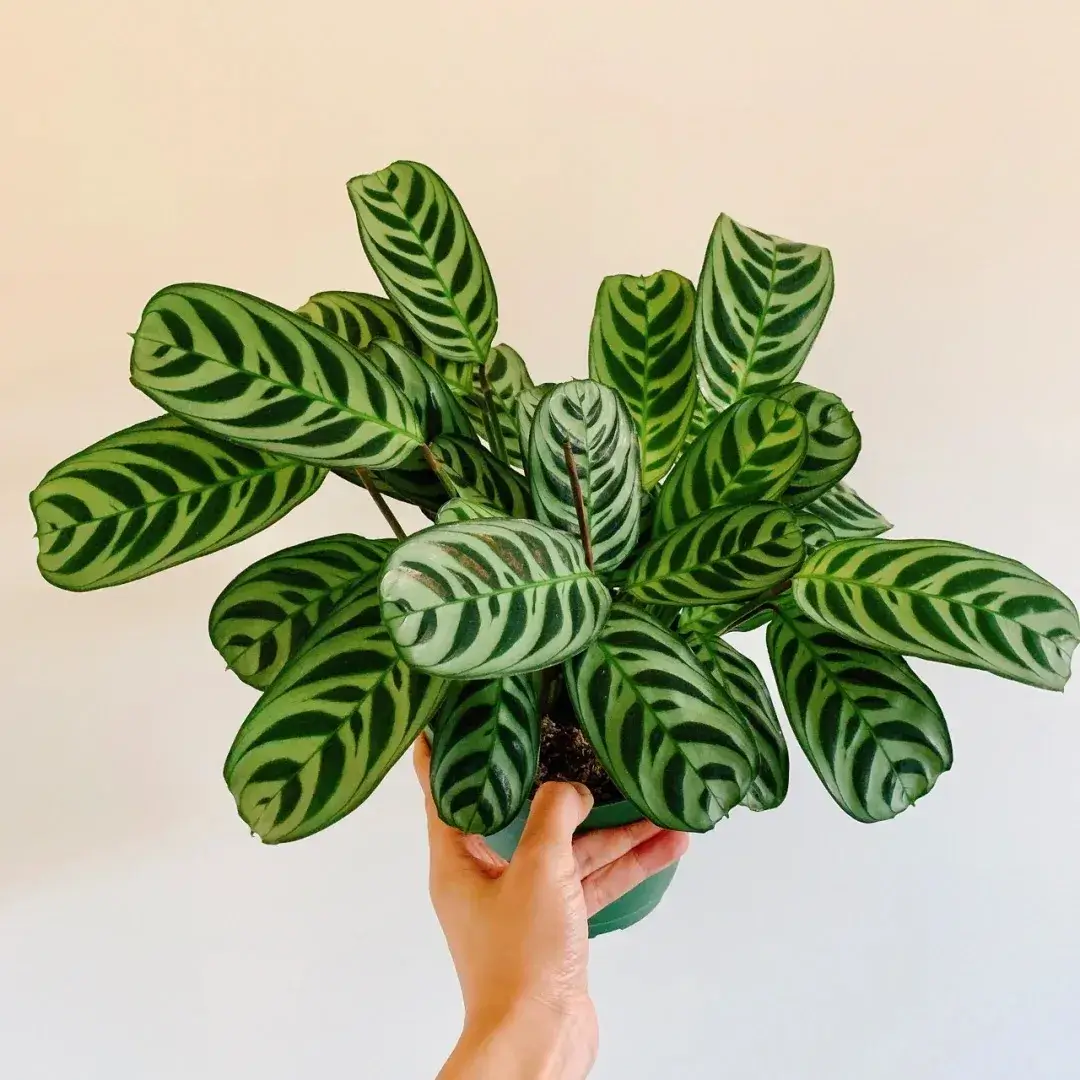
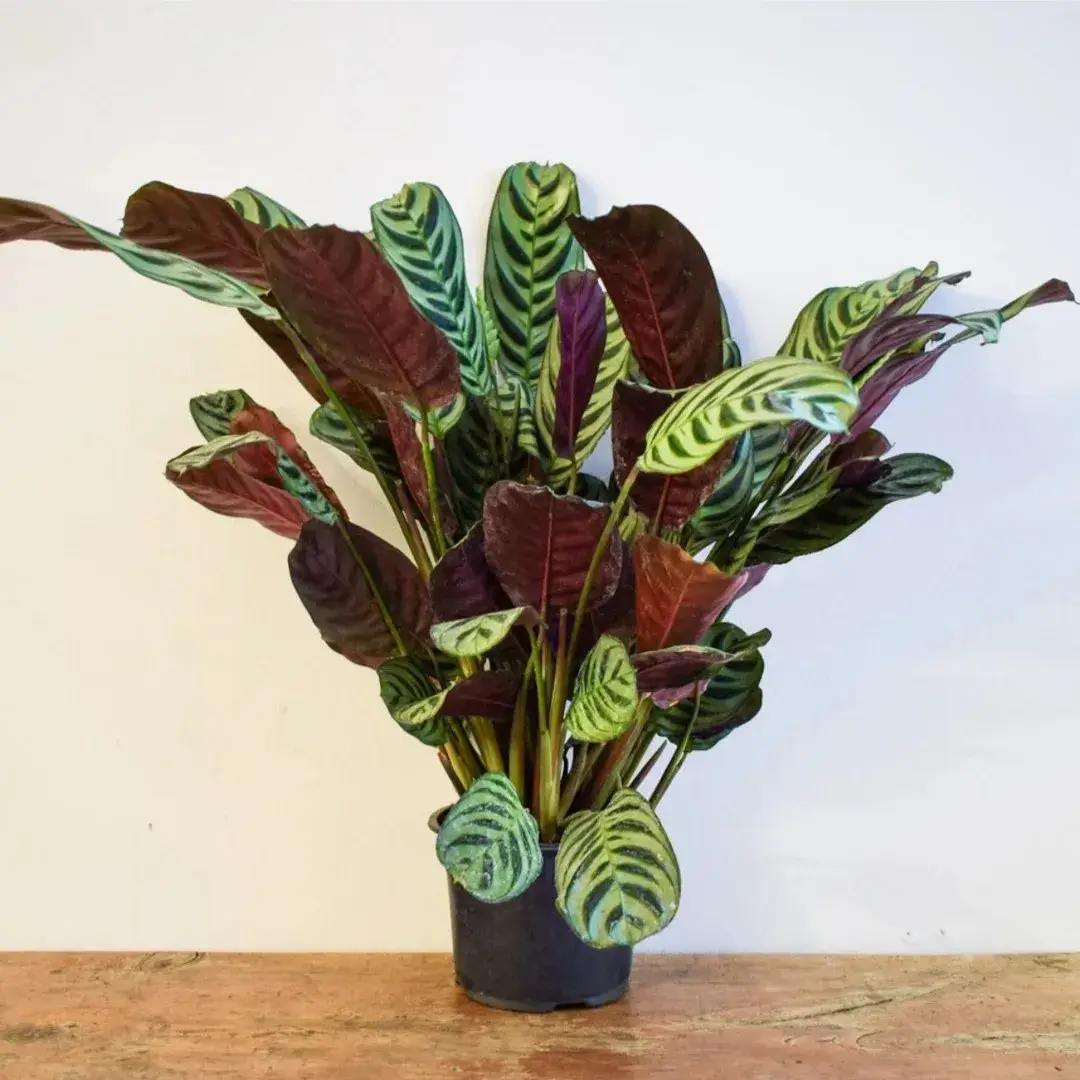
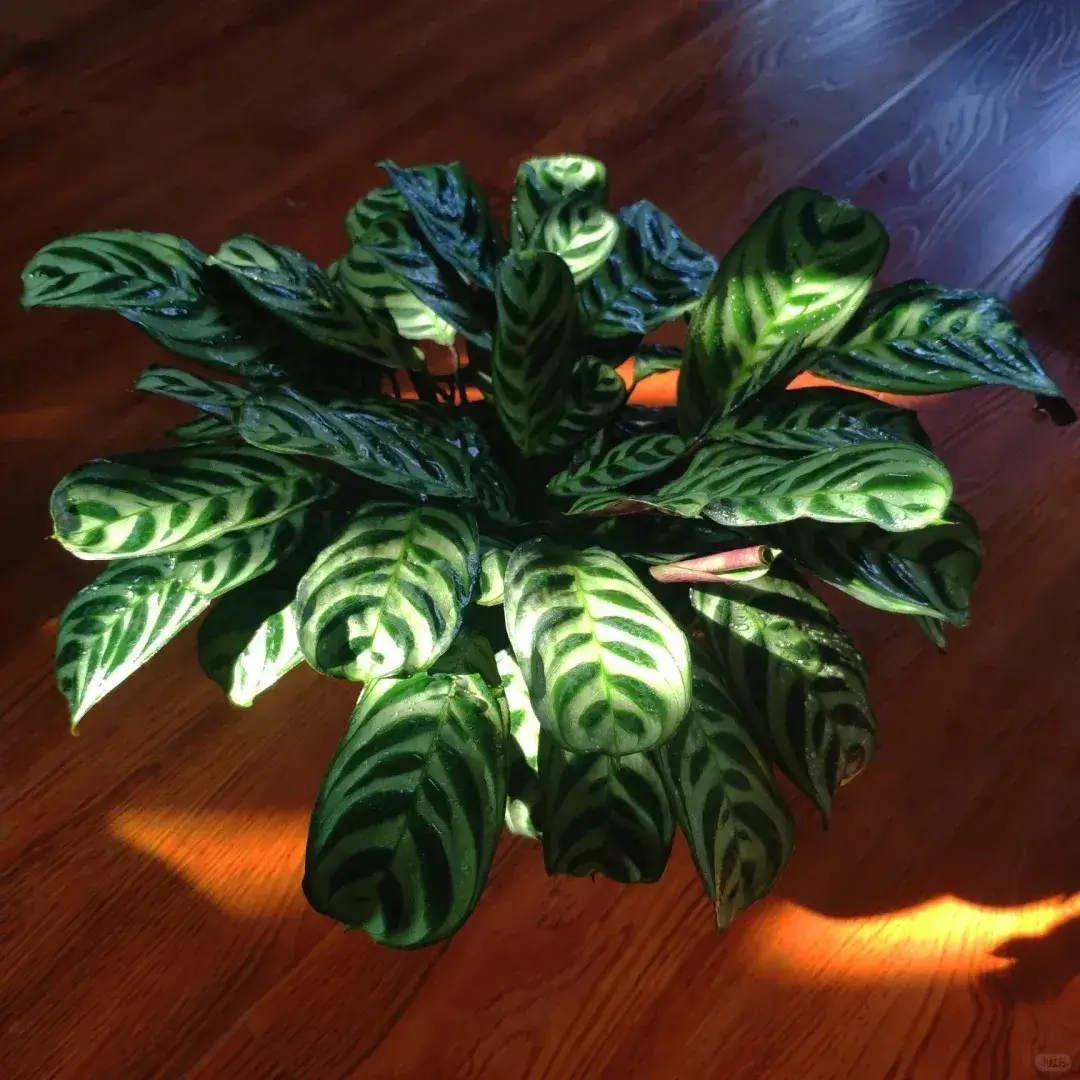
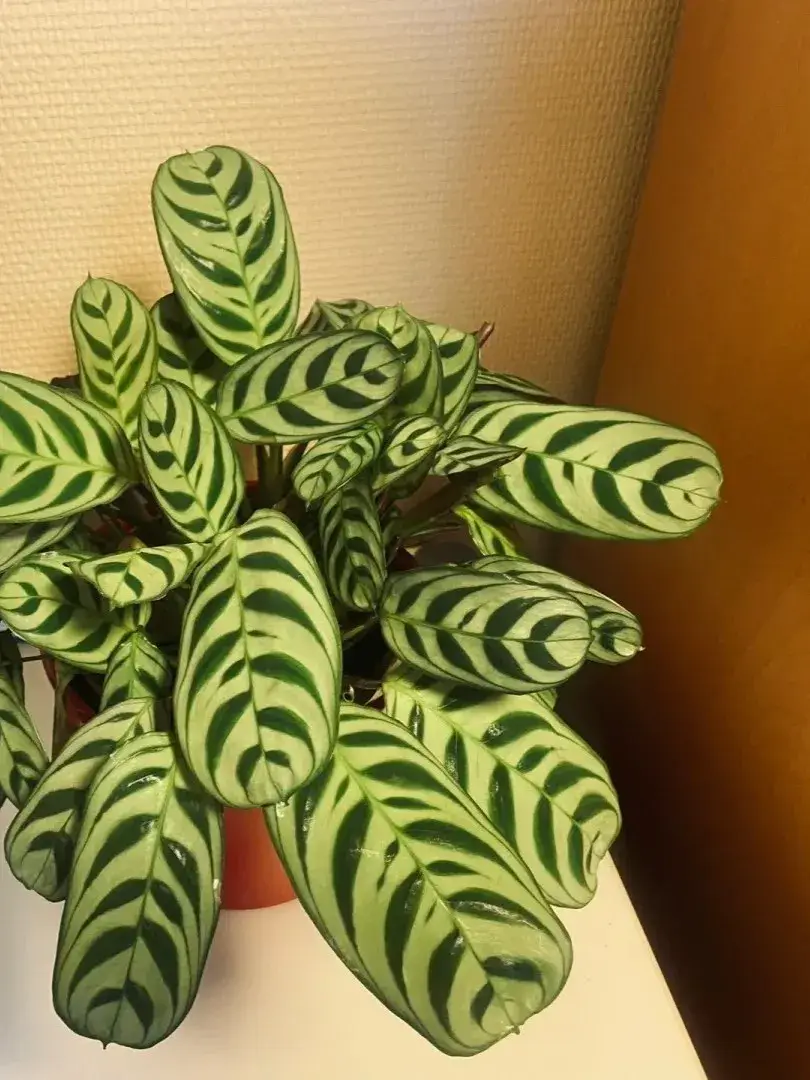
Calathea Burle Marxii is often called the Fishbone Prayer Plant for a simple reason: its leaves look hand-painted with alternating dark and light green stripes, arranged just like the pattern on a fishbone. It’s one of those plants you recognize instantly—even from across the room.
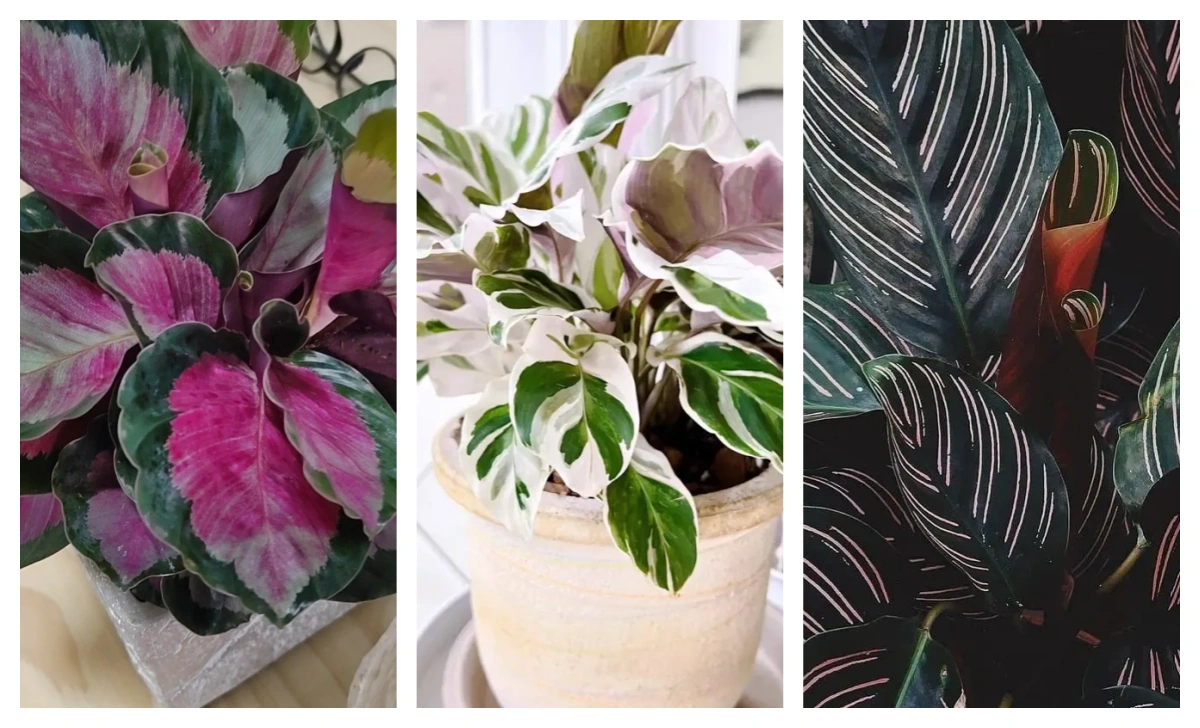
The first time I saw one in person, I remember thinking it looked like a calmer, more grounded version of the flashy Ornata or the unpredictable White Fusion. The texture felt thicker, the leaves more forgiving, and the whole plant gave off a “steady, I’ve got this” kind of personality.
Among the patterned Calatheas, this is easily one of the most beginner-friendly Calathea care guide plants to start with. It holds its shape, tolerates lower light, and doesn’t collapse emotionally every time humidity changes.
If I had to summarize it in one line:
A durable, low-light-friendly Calathea with sculpted fishbone patterns—beautiful, expressive, and far less fragile than the usual divas.
Appearance & Key Features
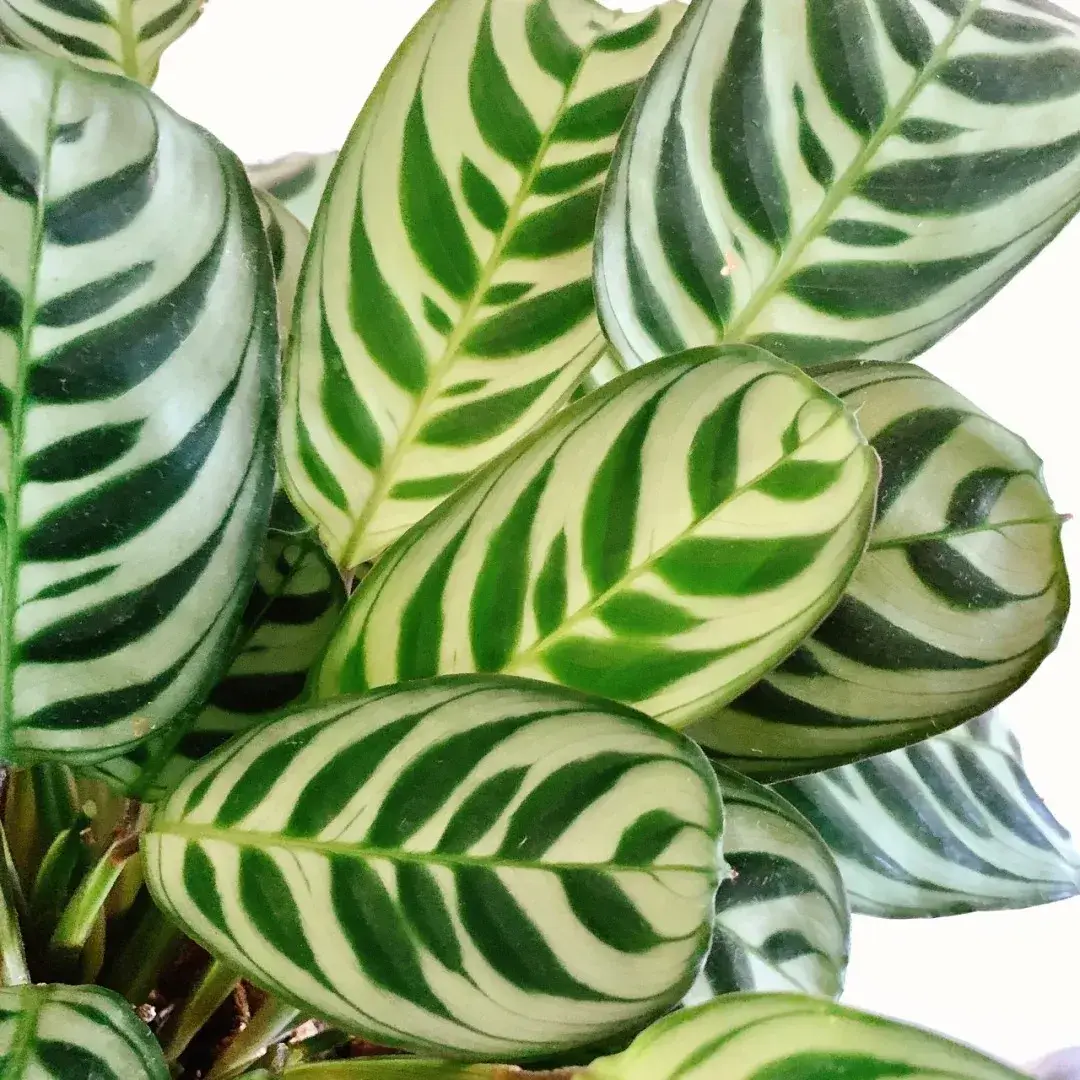
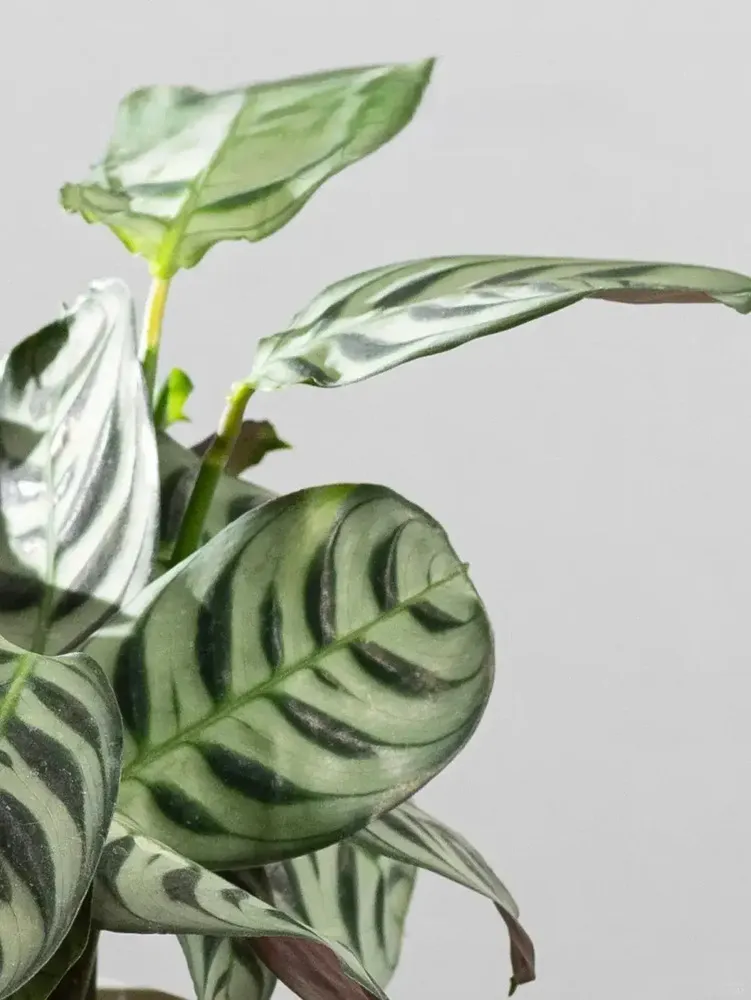
Calathea Burle Marxii is instantly recognizable for its fishbone-patterned leaves — alternating bands of deep and light green that form a crisp, symmetrical “V” across every blade. Compared with many other Calatheas, its leaves are slightly thicker and more resistant to tearing, making it a far better choice for beginners.
Flip a leaf over and you’ll see a rich purple-red underside, a classic trait of prayer-plant relatives. It also performs a very visible day–night movement: leaves rise upright in the evening and relax outward again by morning.
Visually, it has all the lush tropical character of larger Calatheas, but in a more compact, forgiving package, which is why it’s often recommended as the “easy version” of patterned Calatheas.
Growth Habit & Natural Environment
Calathea Burle Marxii originates from the moist forest floor of Brazil, where the light is filtered, temperatures stay warm, and the air is consistently humid but never stagnant. Because it evolved in these lower, shaded layers of the rainforest, it naturally handles lower indoor light far better than many patterned Calatheas.
In its native environment, airflow is gentle, soil moisture stays steady, and temperatures hardly fluctuate. This is why Burle Marxii tends to be more forgiving and stable than fussier varieties like White Fusion or Ornata — it tolerates a missed watering, uneven humidity, or minor light changes without collapsing.
But it still carries the usual Calathea sensitivities:
it dislikes hard water, dry heated air, and sharp temperature swings. Give it steadiness rather than intensity, and it responds with reliable new leaves and bold fishbone patterns.
Detailed Care Guide
Watering
Keep the soil evenly moist but never soggy.
The most stable routine is to water when the top inch feels lightly dry — letting the entire pot dry out can cause curling or faded patterns.
Hard water often leads to crispy edges, so filtered or softened rainwater keeps it healthier long-term.
Light
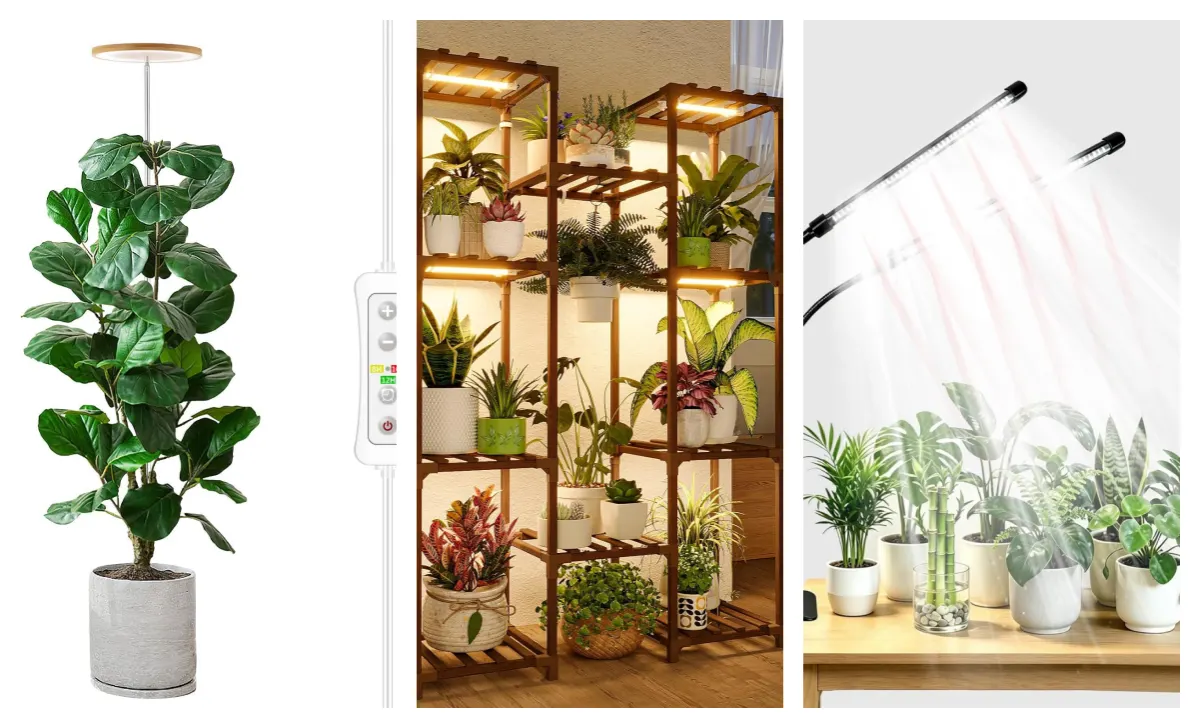
Calathea Burle Marxii thrives in bright, indirect light, but it’s also one of the few patterned Calatheas that can handle true partial shade without losing its fishbone stripes.
If the light becomes too strong, the leaves may yellow, fade, or thin out, so avoid direct sun from east or west-facing windows.
Soil
Use a light, airy mix that drains fast: peat/coir + perlite + fine bark works perfectly.
This species dislikes oversized pots; too much soil around the roots stays wet for too long.
Repot every 1–2 years or when the rhizomes crowd the pot.
Fertilizer
Burle Marxii prefers light feeding only.
A diluted, balanced fertilizer once per month during spring–summer is plenty.
Stop feeding entirely in winter to avoid unnecessary salt buildup.
Humidity
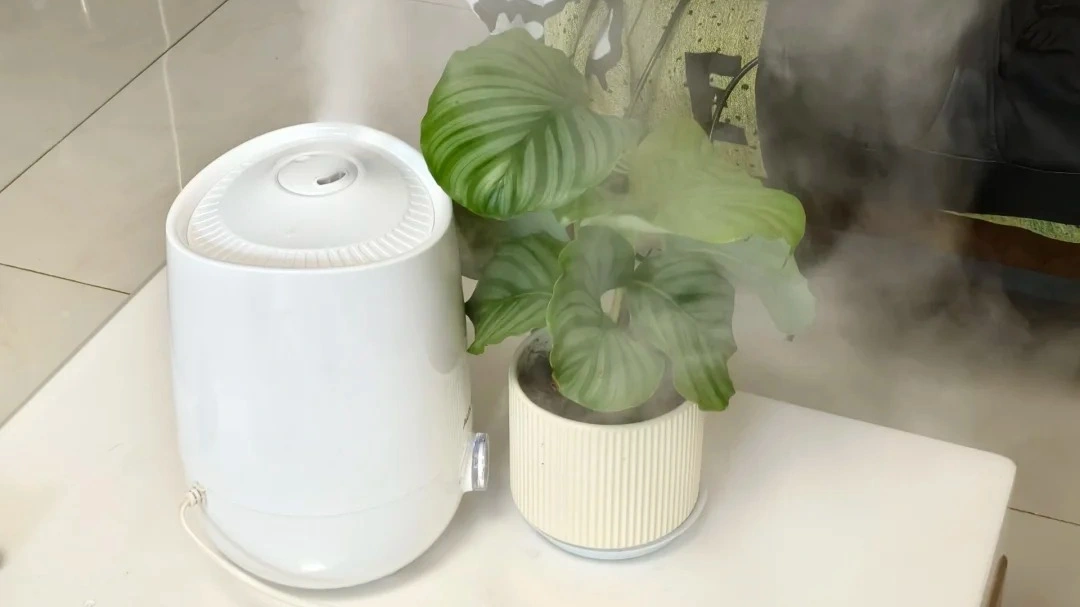
A comfortable humidity range is 50–70%, which makes Burle Marxii more forgiving than most Calatheas.
That said, if you see crispy edges, especially during heating season, it usually means the air is too dry combined with airflow that’s too strong (vents, fans, drafts). Place it somewhere calmer.
Propagation & Repotting
Burle Marxii only propagates reliably through division, and the best time to do it is spring, when the plant naturally pushes new growth. Gently separate clumps that already have their own roots — forcing a split usually sets the plant back.
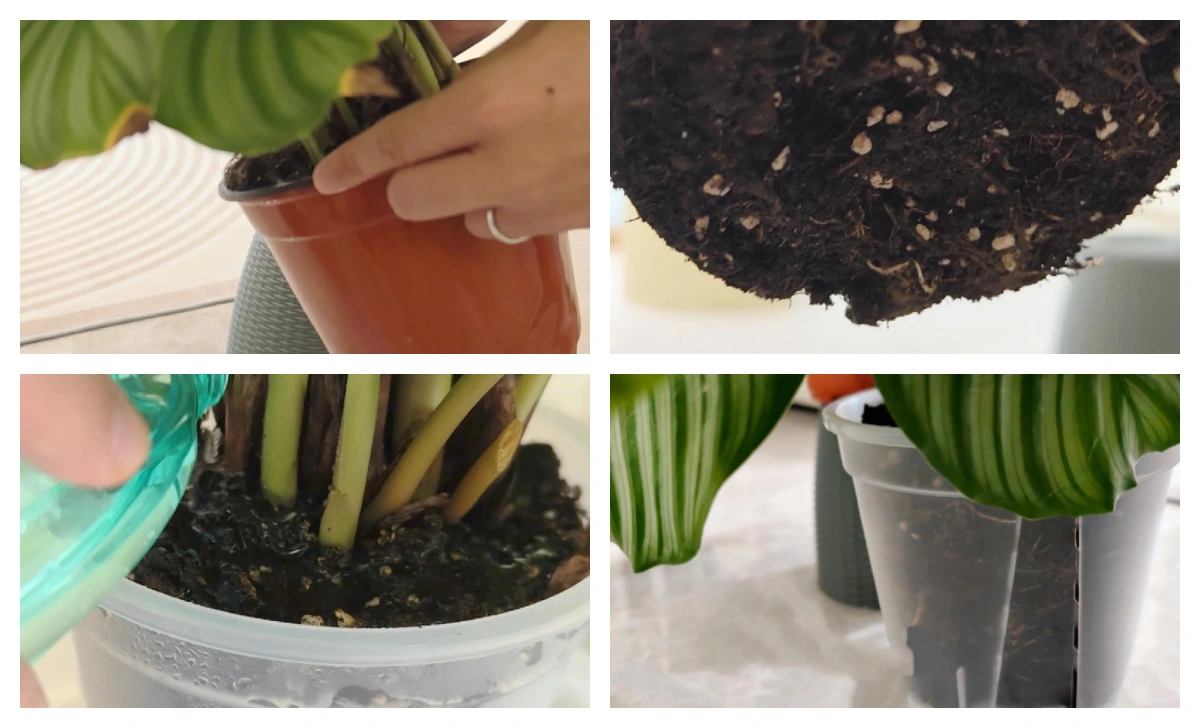
When repotting, avoid jumping to a much larger pot. Calathea roots prefer a cozy, slightly snug space; going too big traps moisture and increases the risk of rot. A pot that’s just 1–2 inches wider than the current one is ideal.
Common Problems
Leaf edges browning
Usually caused by hard water or low humidity. Switching to filtered/rainwater and stabilizing the room’s moisture level brings the tips back to normal.
Faded or dull patterns
If the fishbone stripes start looking washed-out, the plant is likely getting too little light. Move it closer to a bright window with indirect light.
Drooping leaves
Burle Marxii often droops when watering is inconsistent — letting it swing between too dry and too wet. A steady “slightly dry → water” rhythm fixes this.
Yellowing leaves
Most common after overwatering or post-repotting stress. Improve drainage, check soil moisture, and avoid watering again until the top layer dries.
Curling leaves
A sign of low humidity mixed with airflow (AC vents, heaters, fans). Move the plant to a calmer spot with gentler air around it.
Styling & Placement Ideas
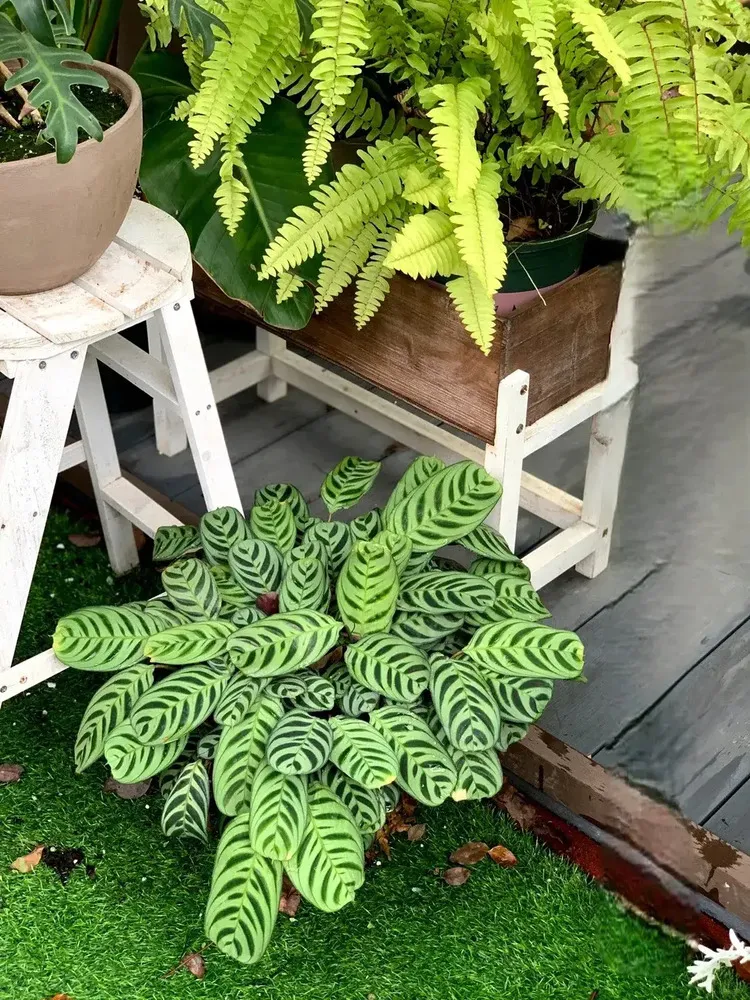
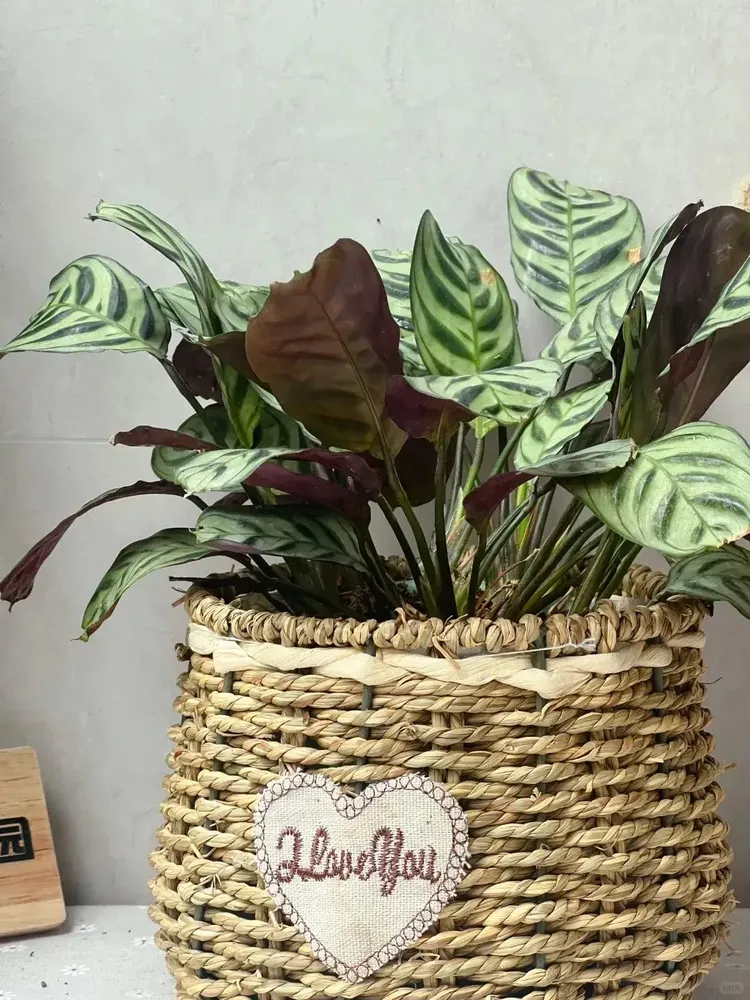
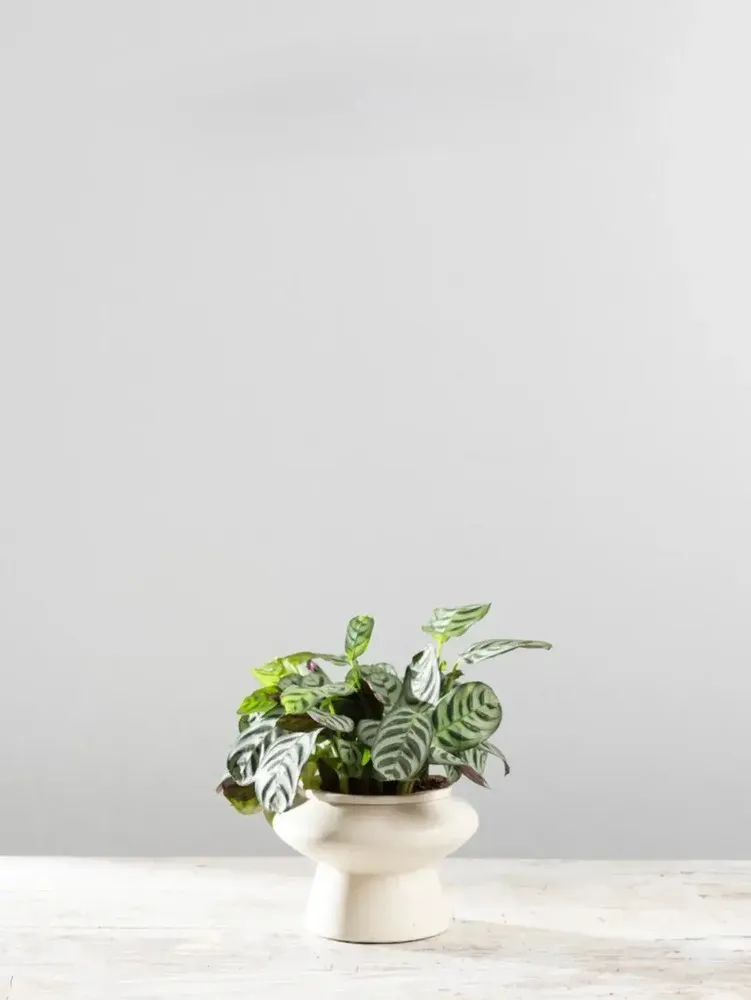
Calathea Burle Marxii has a graphic, almost architectural leaf pattern, which makes it surprisingly versatile in interior design. In bright but indirect light, the fishbone pattern becomes the visual focal point of a shelf or console table. It pairs beautifully with matte ceramic pots, textured browns, or minimalist whites — the bold leaf markings do most of the styling work.
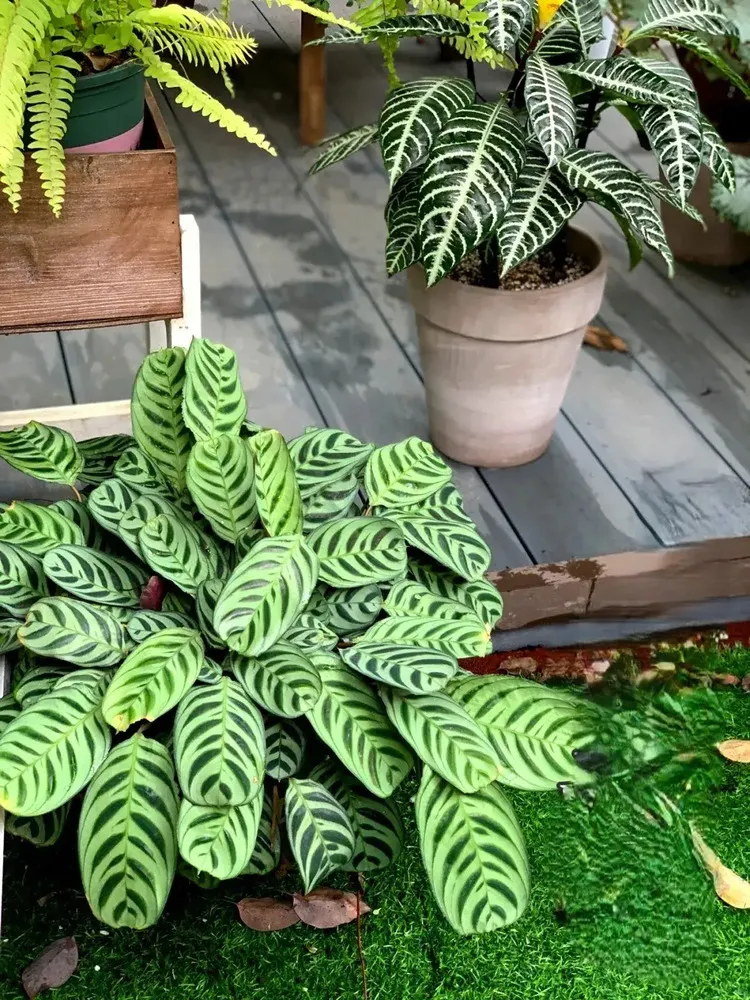
Because it tolerates lower light better than many Calatheas, it works well in bedrooms, hallways, and living room corners where other prayer plants might fade. Its upright posture and clear leaf structure also make it a great “accent plant” next to round-leaf companions like pothos or peperomia, adding contrast without overwhelming the space.
FAQ
Explore More Calathea Varieties
Looking to discover more beautiful Calathea plants?
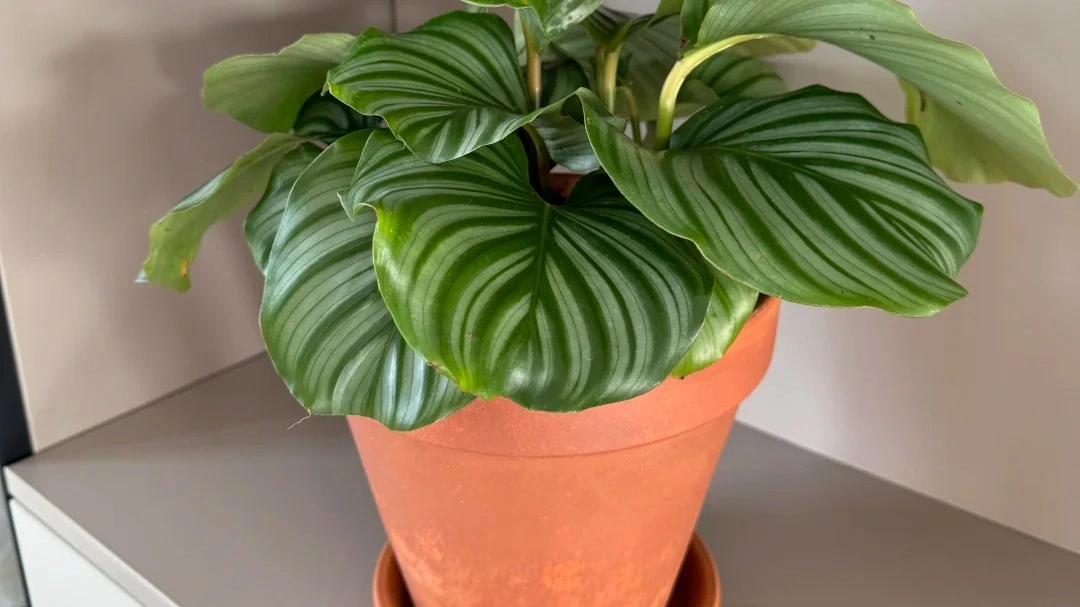
Browse our full collection of Calathea varieties — from the bold Orbifolia to the velvety Warscewiczii — and find the one that fits your home best.