Last updated: May 15, 2026
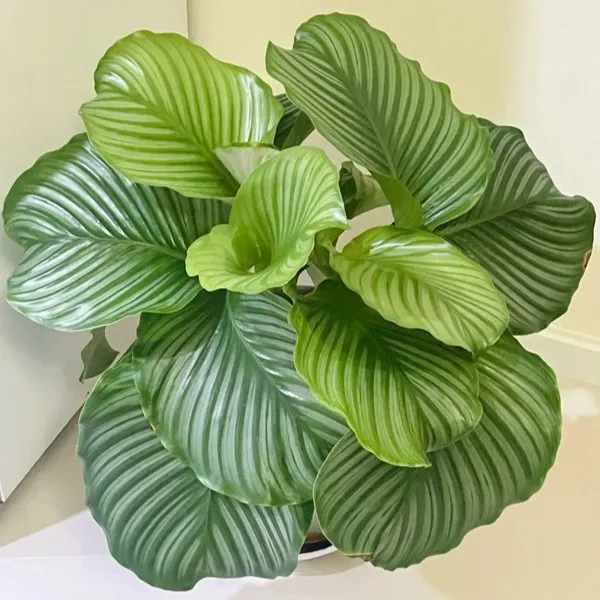
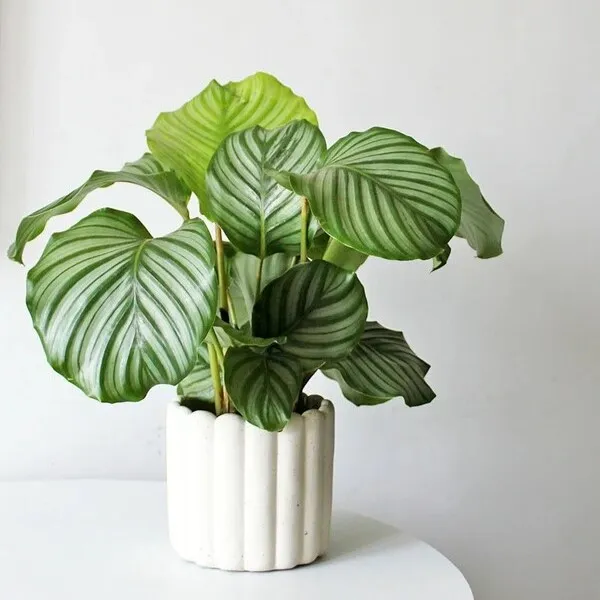
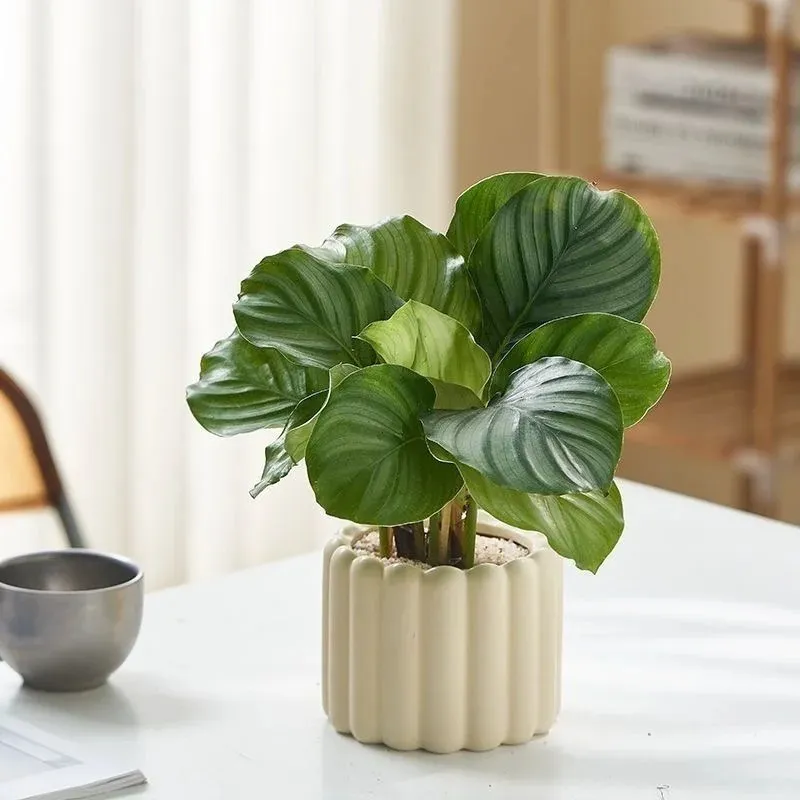
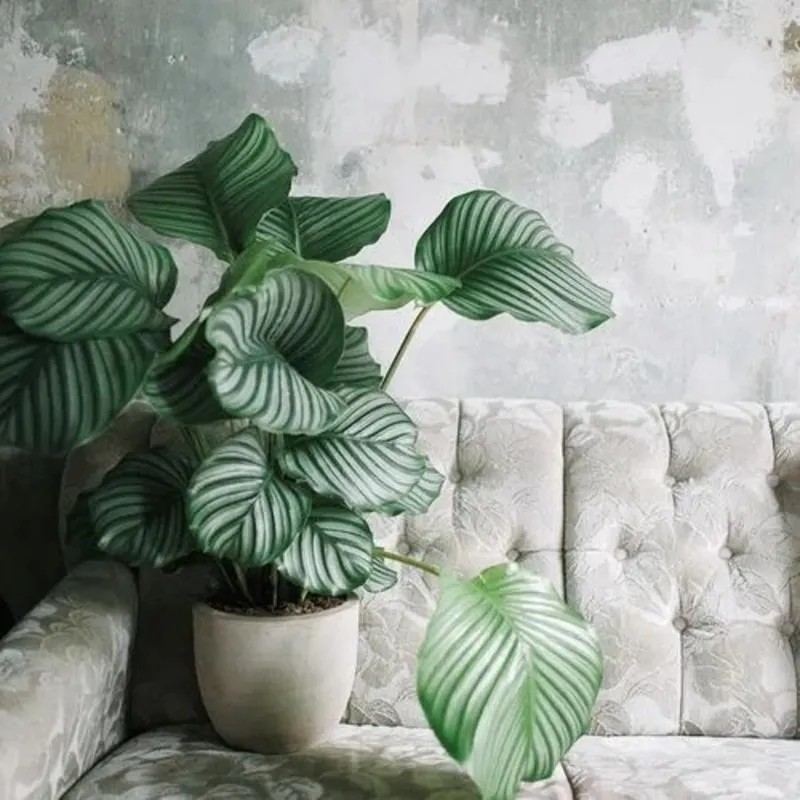
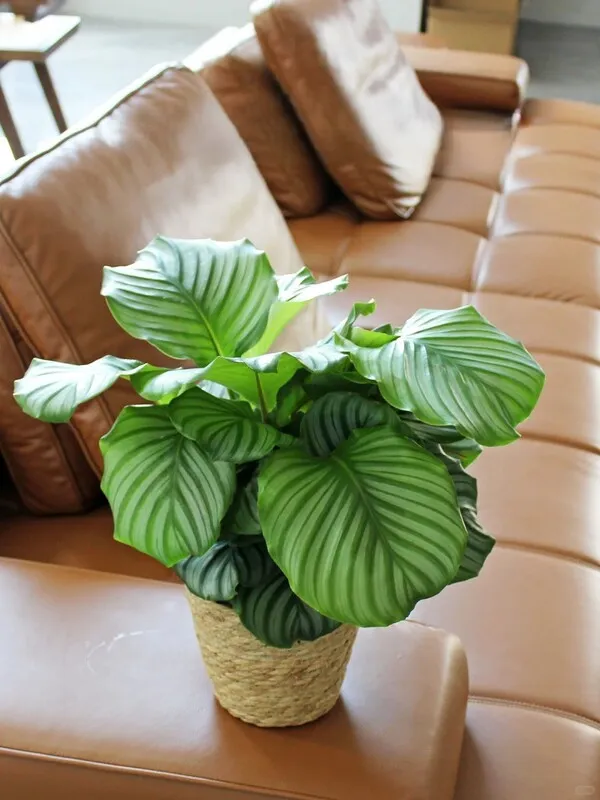
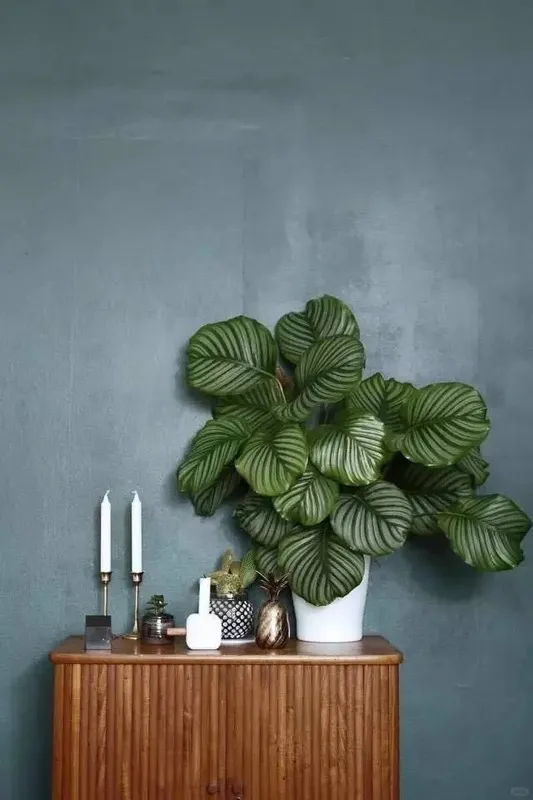
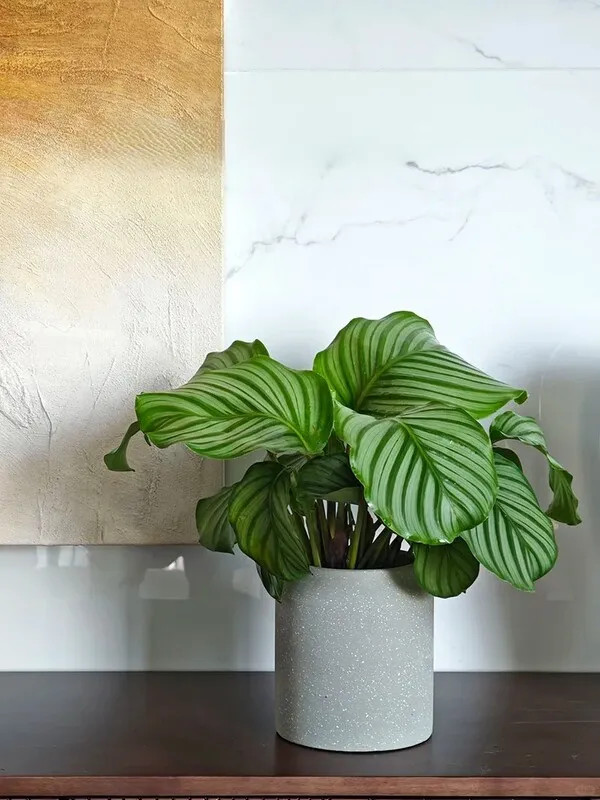
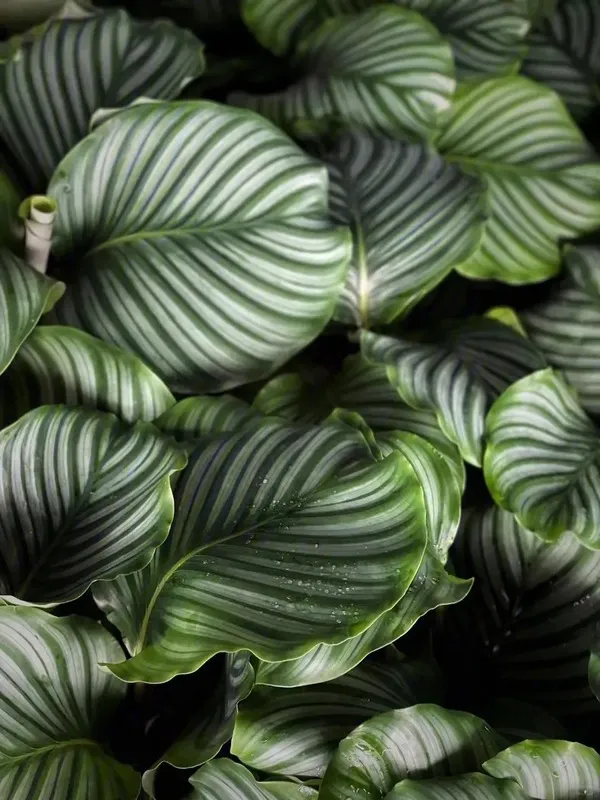
Calathea Orbifolia is one of those plants that looks calm from a distance but shows every small mistake on its leaves. The broad, silver-green leaves are beautiful, but once the edges start browning, they do not hide it well.
My Orbifolia gave me one of the more confusing Calathea problems I have dealt with. The humidity was usually between 50–70%, the plant sat in bright indirect light near a north-facing window, the roots were healthy, and new shoots kept appearing. But almost every new leaf still developed crispy brown edges.
What finally helped was not chasing higher humidity. I had to change the watering rhythm and move the plant to a gentler, more stable spot. This guide is based on that recovery, not just a generic Orbifolia care list. If you want to compare it with other prayer plants, you can also use my Calathea types guide.
My Orbifolia Recovery Snapshot
| Main symptom | Brown, crispy edges kept appearing, even on newer leaves. |
| Humidity | Usually around 50–70%, so humidity was not the only issue. |
| Roots | Healthy and active, with strong roots and rhizomes when I repotted. |
| What did not fix it | Misting, “correct” humidity, and keeping it close to the window. |
| What helped most | More consistent watering and a gentler position farther from the window. |
| Current rhythm | In warmer months, I water about every 5–7 days, sometimes sooner in a very airy mix. |
| My main lesson | Orbifolia can burn at the edges from subtle dryness before it ever looks fully wilted. |
How I Finally Stopped My Calathea Orbifolia from Browning
When I first brought my Calathea orbifolia home, everything felt perfect. The leaves were lush, vibrant, and impossibly green. For a while, it honestly felt like one of the easiest plants in my collection.
Then the browning started.
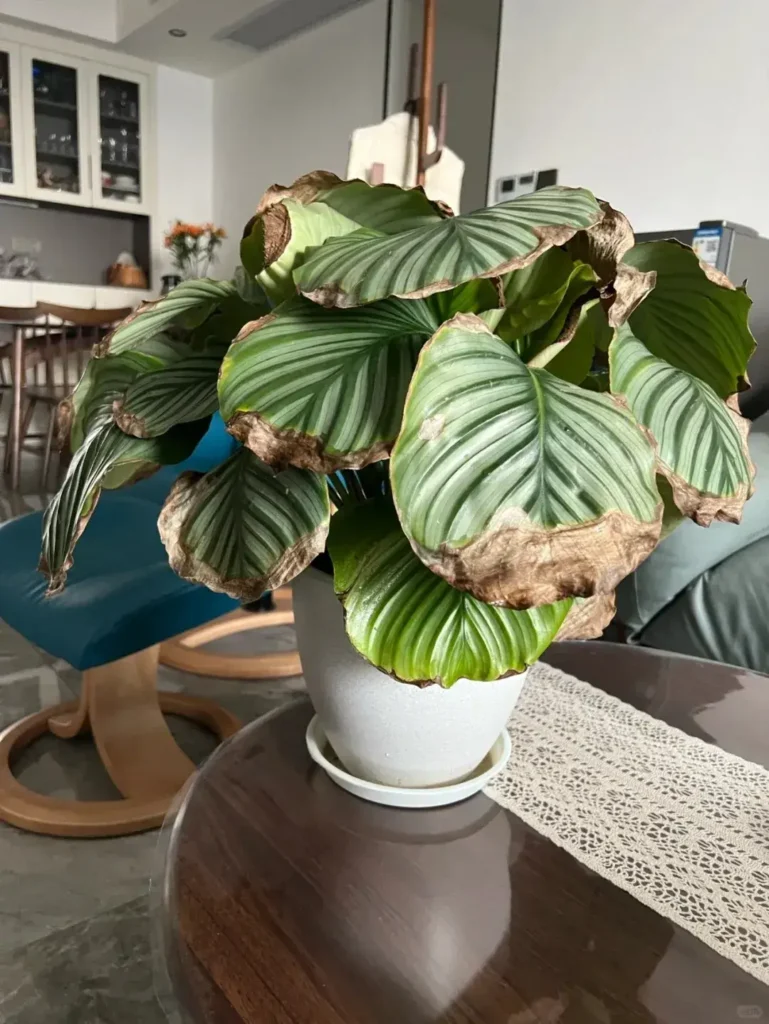
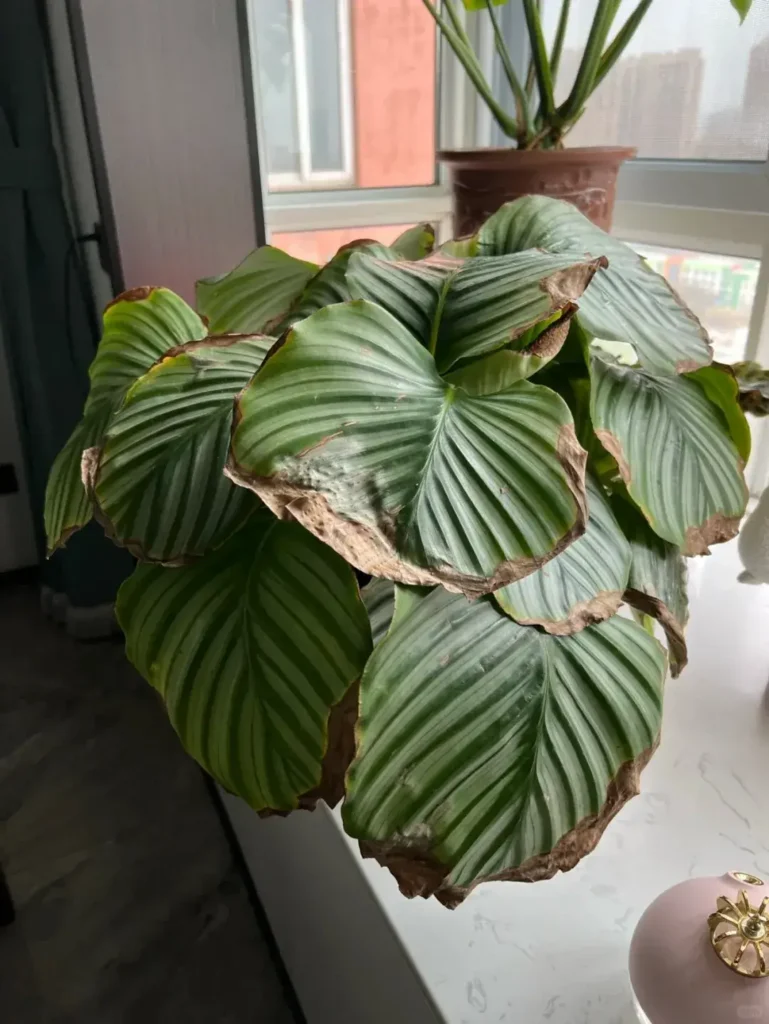
Leaf edges turned crispy one by one — even on new growth. I checked humidity (usually between 50–70%), kept it in bright indirect light by a north-facing window, misted the leaves regularly, and watered whenever the soil felt dry. Still, the browning never stopped. At some point, I genuinely wondered if this plant just hated me.
I seriously considered giving up and replacing it with a fiddle-leaf fig. The frustrating part? The plant was clearly alive. The roots were strong, new shoots kept appearing, but every new leaf came out with the same burnt edges.
After reading countless care tips online, I decided to stop being gentle and reset everything.
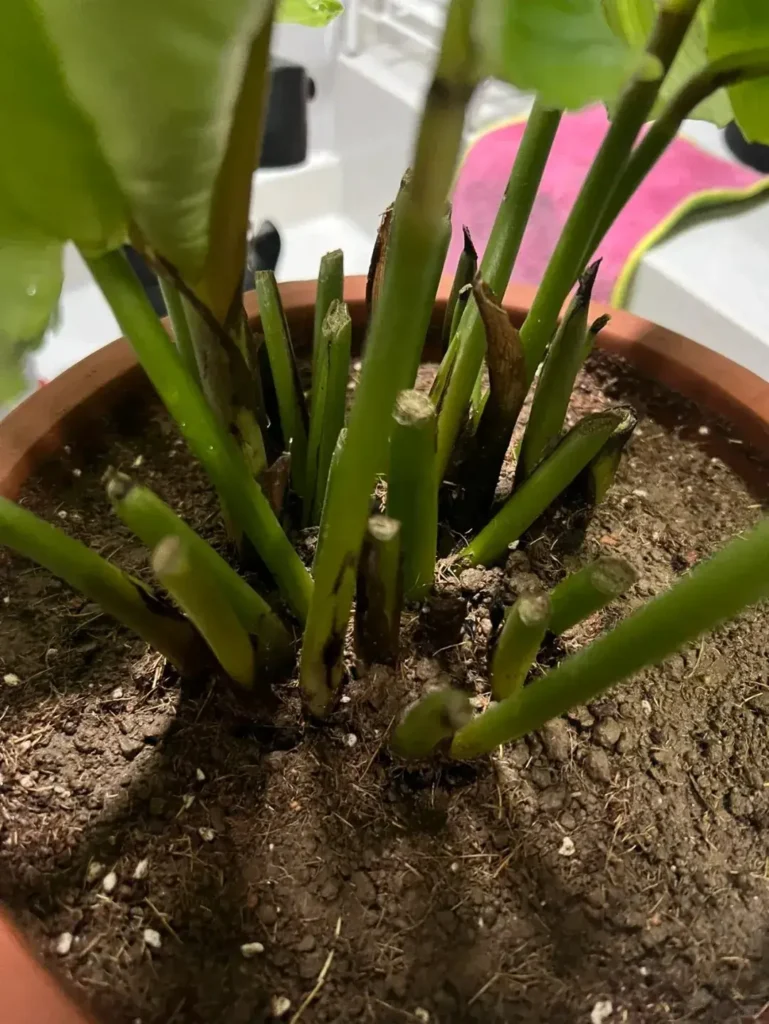
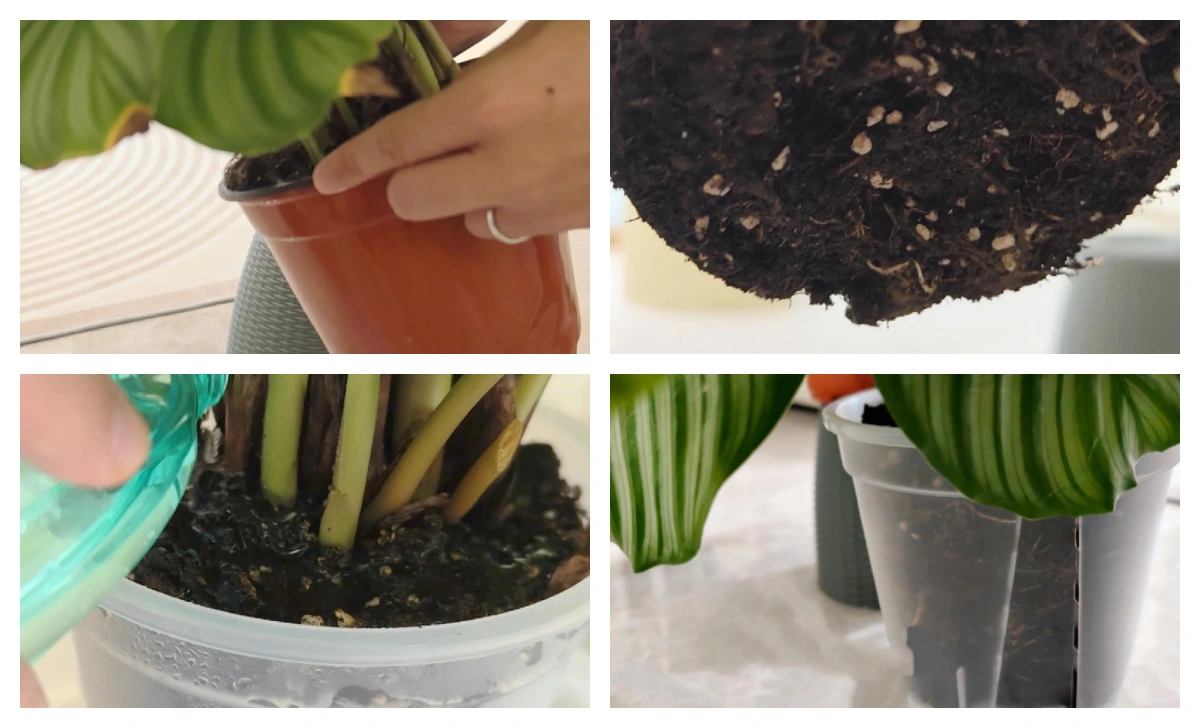
I trimmed off all the severely damaged leaves, rinsed the entire plant thoroughly, and waited until spring to repot. When I finally took it out of its pot, I was surprised — the root system was incredibly healthy, completely filling the pot, with plenty of rhizomes at the bottom. That gave me enough confidence to go all in.
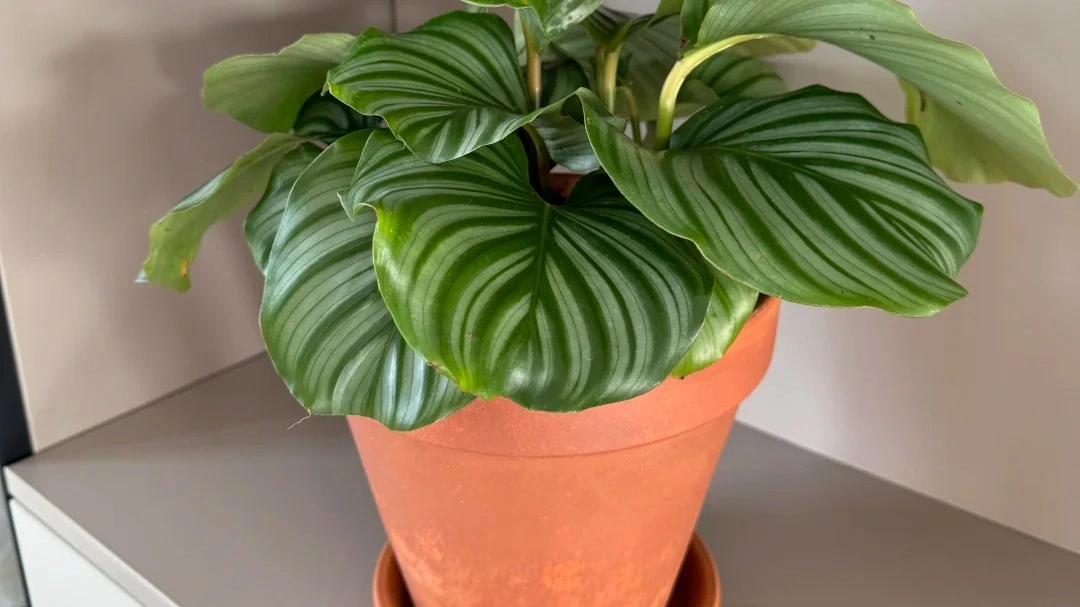
I repotted it into a larger terracotta pot using a loose, airy aroid-style mix, and cut back nearly all the damaged foliage. At that point, I’d done everything I could. The rest was up to the plant.
Over the next several months — after a winter cutback and fresh spring growth — something finally changed. The new leaves came in full, round, and smooth. No crispy edges. No browning. Just healthy growth again.
Looking back, I don’t think humidity or soil were the main problems. The biggest issue, for me, was watering frequency.
Orbifolia is far more water-loving than I originally thought. During warmer months, I now water every 5–7 days, sometimes even sooner when using a very well-draining mix. Previously, I was letting it dry out too much between waterings — even though it never fully wilted. That subtle dryness was enough to cause chronic leaf-edge burn.
I also moved it away from the window. Instead of bright indirect light right by the glass, it now sits about 3–4 meters away on a TV cabinet. The light is still sufficient, but much gentler and more stable throughout the day.
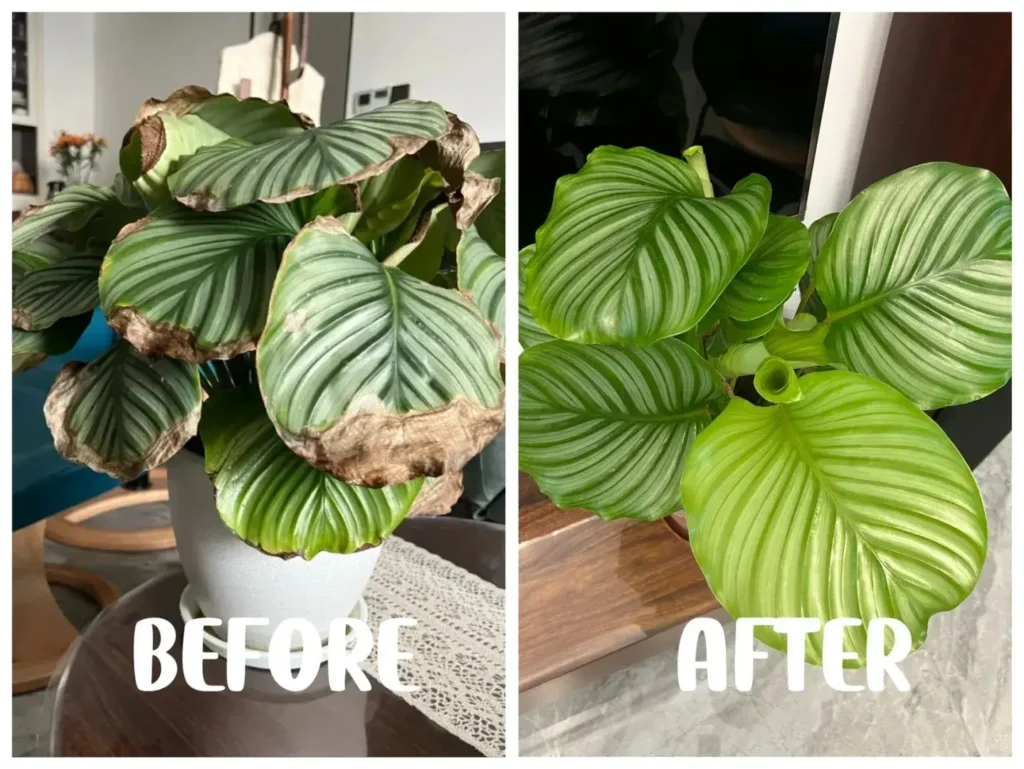
Right now, my Calathea orbifolia looks full and healthy again — no brown edges, steady new growth, and large, soft leaves just like when I first brought it home.
If your orbifolia keeps browning despite “doing everything right,” water consistency might be the missing piece. Sometimes, it’s not about adding more — it’s about changing how often.
Detailed Care Guide
The Calathea Orbifolia follows the same care principles as most Calathea species, but its oversized leaves make it slightly more demanding. Here’s what you need to know to keep it thriving indoors:
Watering
Orbifolia likes a more even watering rhythm than I first expected. I still let the top layer start to dry, but I do not wait until the whole pot feels light and dry. In my airy mix, during warmer months, watering every 5–7 days has worked much better than stretching the interval too long.
The tricky part is that Orbifolia may not fully wilt before the edges start to suffer. For me, subtle dryness showed up as chronic crispy margins, especially on new leaves. If you are unsure how to adjust by season, my Calathea watering guide goes deeper into pot weight and timing.
Light
Orbifolia needs bright indirect light, but mine did better after I moved it away from the window. Right by the glass, the light was technically indirect, but the daily changes seemed harsher. A softer spot about 3–4 meters from the window gave it steadier conditions.
I would avoid direct sun on the leaves, especially after pruning or repotting. If your room is dim, read my Calathea low light care guide before increasing water or fertilizer.
Soil
UI use a loose, airy mix for Orbifolia, but I do not want it to dry out too fast. A mix with coco coir or peat, perlite or pumice, and a little fine bark works better for me than dense all-purpose soil.
The important part is matching the soil to the watering rhythm. A very airy mix may need more frequent watering, especially once the plant is actively growing. My best soil for Calathea guide explains how I build a mix that holds moisture without suffocating roots.
Fertilizer
I only fertilize Orbifolia when it is actively growing and the roots seem healthy. After a heavy cutback or repot, I would rather wait for clear new growth than feed immediately.
Once the plant is moving, a diluted fertilizer during the growing season is enough. Heavy feeding will not fix brown edges if the real issue is watering rhythm, light stress, or damaged old leaves. For a simple feeding routine, see my Calathea fertilizer guide.
Humidity
Humidity helps Orbifolia, but my case taught me not to blame every brown edge on dry air. My plant was often in 50–70% humidity, and the browning still continued until I changed watering and placement.
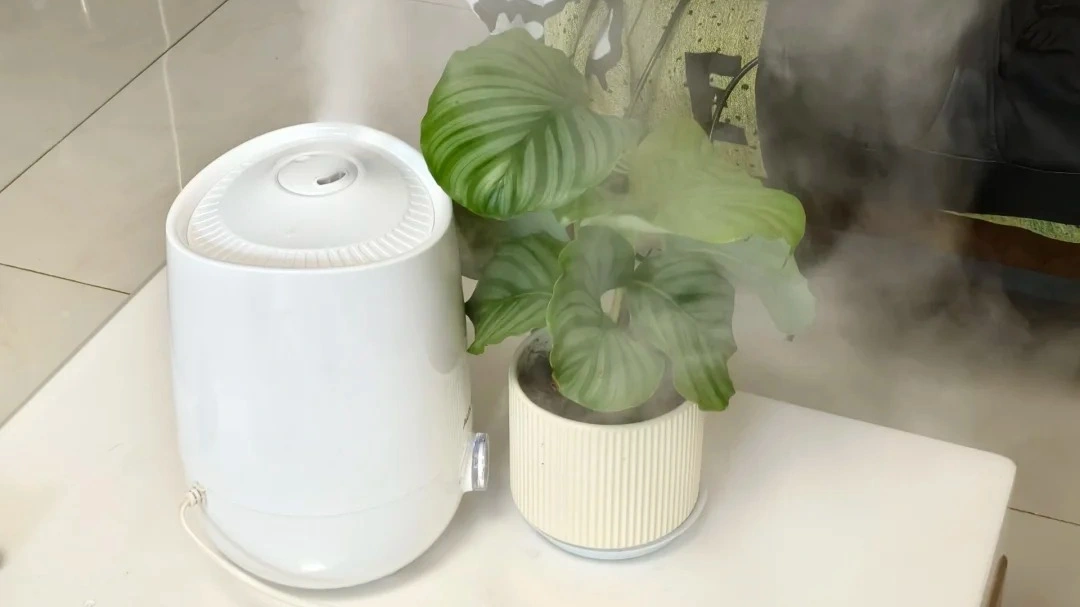
If your room is very dry, a humidifier can still help. But if humidity is already reasonable and new leaves keep browning, I would check watering consistency, light distance, and roots before chasing higher numbers. My Calathea humidity guide covers what actually helps indoors.
Common Problems with Orbifolia
Common Problems with Calathea Orbifolia
With Orbifolia, I try not to diagnose from one leaf edge. The leaves are so large that every mark looks dramatic. I look at the pattern instead: old leaves only, new leaves too, wet soil, dry pot, healthy roots, or slow growth.
- Brown crispy edges: Dry air can cause this, but it is not the only cause. In my case, the missing piece was watering consistency. If new leaves keep browning while humidity seems fine, check whether the plant is drying too much between waterings.
- Yellowing leaves: One older yellow leaf is not always serious. Several yellowing leaves at once, especially with wet soil, can point to overwatering or root stress. Compare symptoms in my yellow and brown Calathea leaves guide.
- Drooping leaves: If the pot is light, the plant may be thirsty. If the soil is still wet, drooping may come from root stress, cold conditions, or poor airflow. My Calathea curling and drooping guide can help separate the causes.
- No new leaves: Orbifolia is not the fastest grower. But if it stalls for a long time during the growing season, I would check light, root space, soil structure, and whether the plant has been kept too dry or too wet.
- Root rot: If the pot smells sour, stays wet for too long, or the plant declines while the soil is damp, check the roots. My Calathea root rot symptoms guide explains what to look for.
For broader troubleshooting, use the Calathea problems guide.ns.
Repotting and Propagation
Calathea Orbifolia cannot be propagated from a single leaf cutting. Division is the realistic method, but I would only divide a strong plant with a healthy root system.
- Best time: Spring or early summer, when the plant can recover more easily.
- Propagation method: Divide the root clump so each section has roots and several leaves.
- Repotting: Move up only when the roots have filled the pot or the mix has broken down.
- Pot choice: I used terracotta successfully because my plant had strong roots and needed a better moisture-air balance.
- Aftercare: Keep the plant warm, evenly moist, and out of harsh direct light while it settles.
For the full method, use my Calathea propagation guide.
FAQ
Explore More Calathea Varieties
Looking to discover more beautiful Calathea plants?
Browse our full collection of Calathea varieties — from the bold Orbifolia to the velvety Warscewiczii — and find the one that fits your home best.