Last updated: May 16, 2026
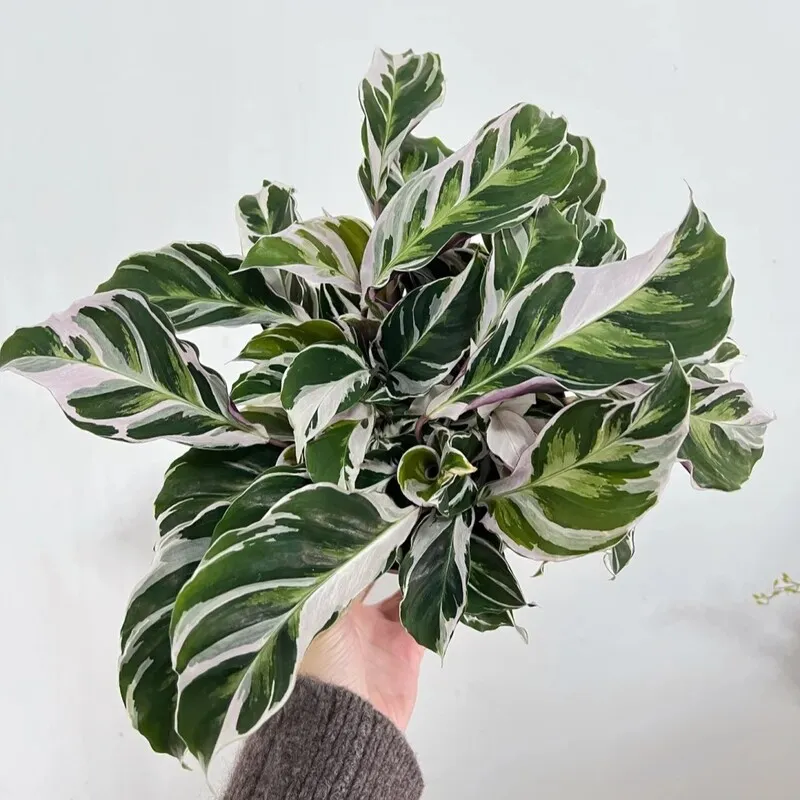
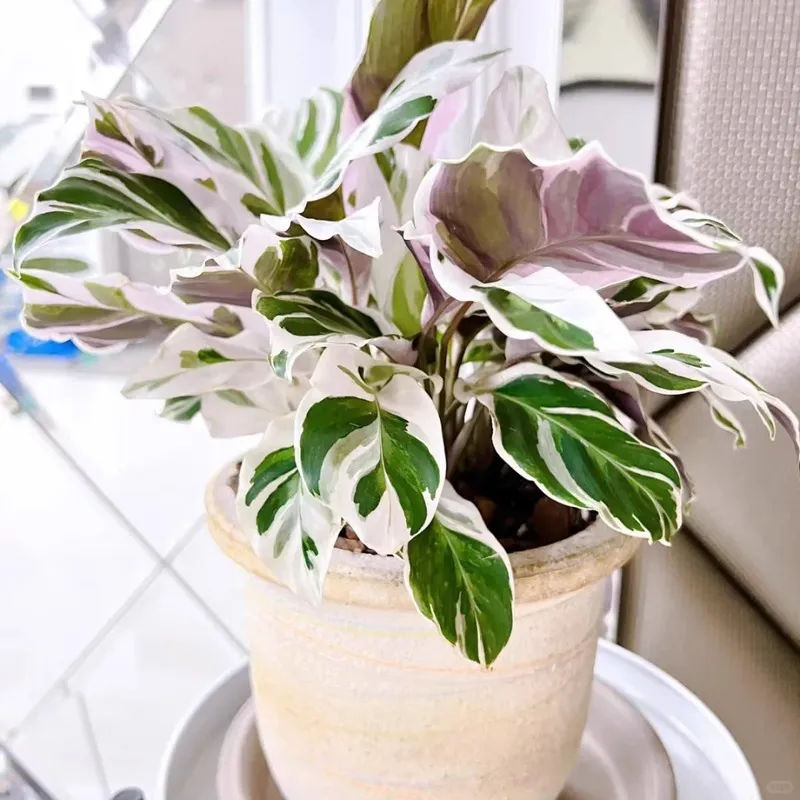
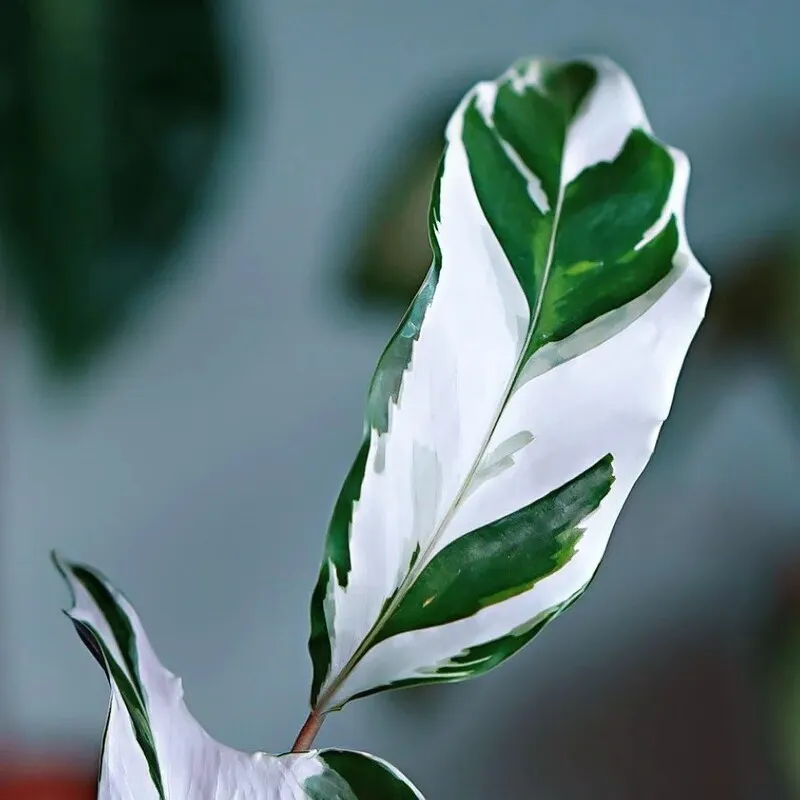
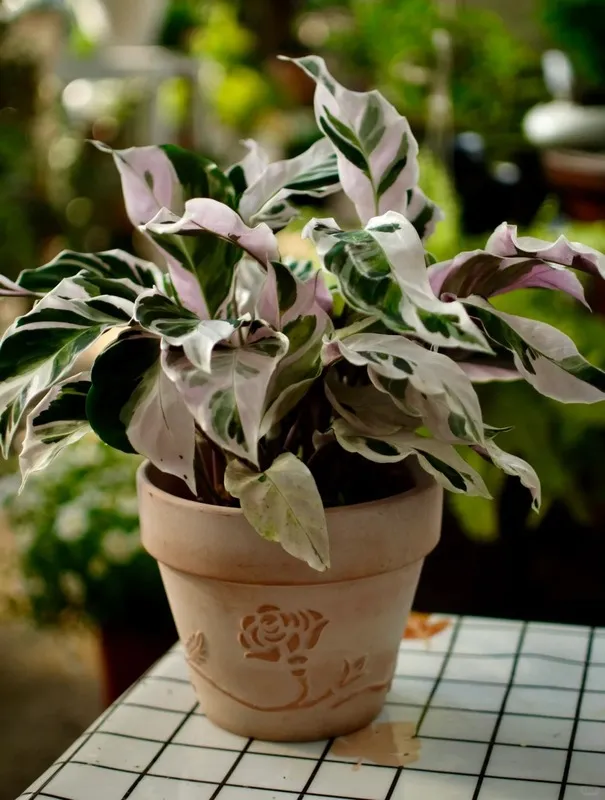
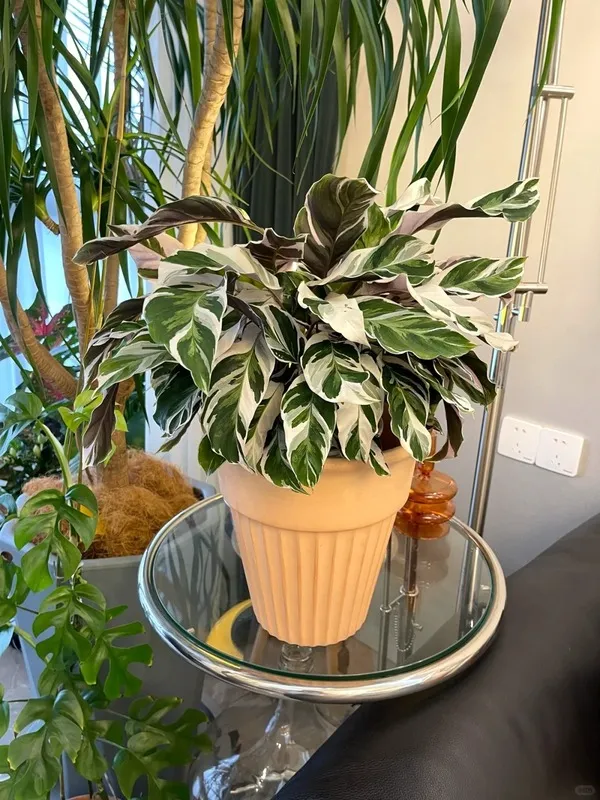
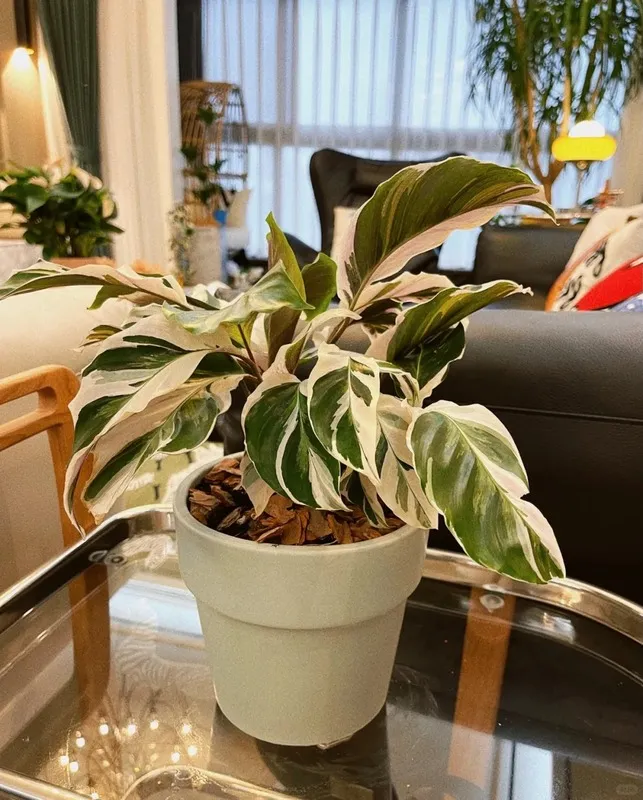
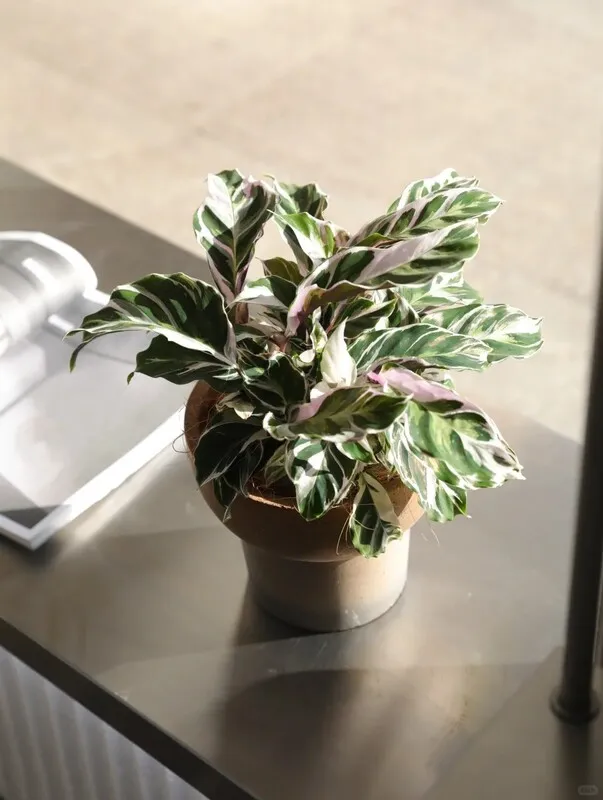
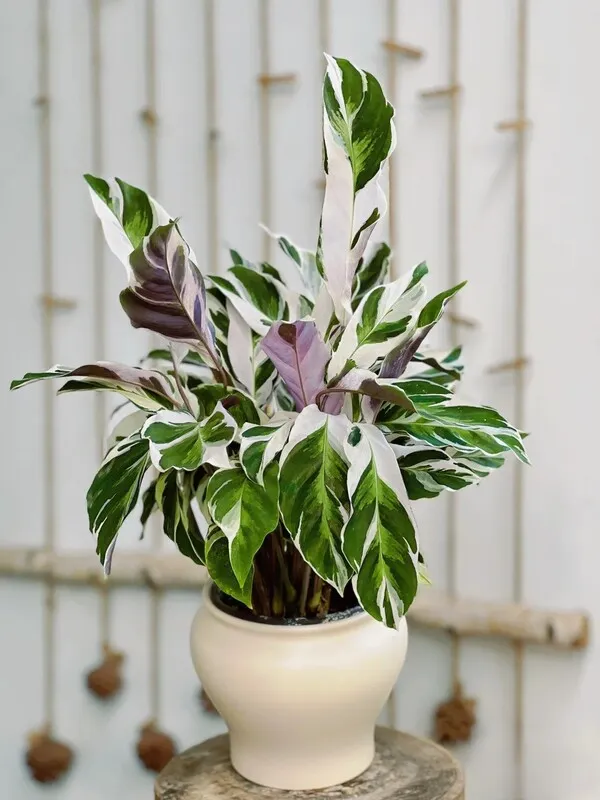
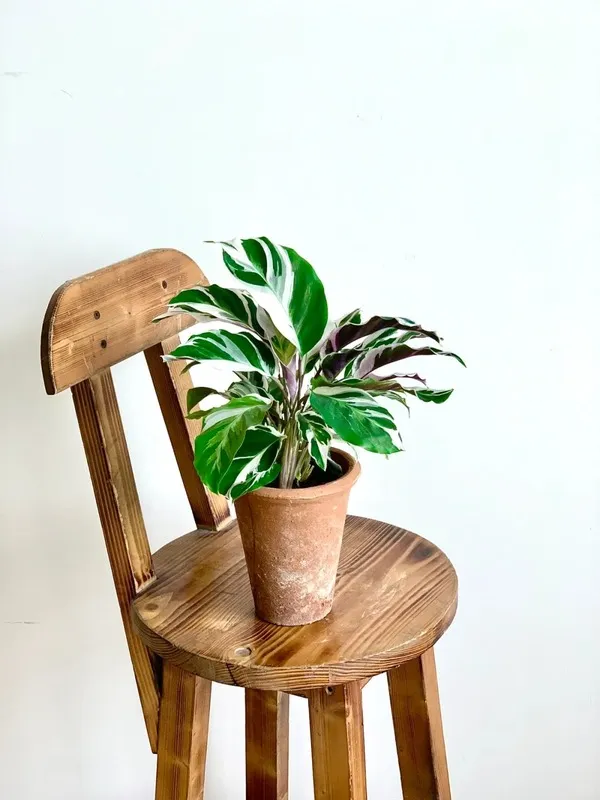
Calathea White Fusion is one of the most beautiful Calatheas I have grown, but also one of the easiest to damage when the balance is slightly wrong. The white variegation looks almost painted, but those pale sections scorch, dry, and yellow much faster than the green parts.
My own White Fusion nearly crashed after I brought it home in early April. It went through spider mites, sunburn, crispy leaves, and yellow leaves until only three small plants were left, with just three leaves in total. I almost gave up on it. Then, about a month later, all three plants pushed new leaves, and six new shoots appeared from the base.
So this is not just a general White Fusion care guide. It is also a recovery story — what went wrong, what finally stopped the decline, and what I would do differently if I brought home another White Fusion today. If you are new to Calatheas, my Calathea care guide gives the broader basics.
How My White Fusion Came Back After Spider Mites, Sunburn, and Yellow Leaves
My White Fusion arrived in early April. At first, I thought I could treat it like my other Calatheas: bright window, careful watering, and some extra attention. But this plant showed me very quickly that White Fusion has less room for mistakes.
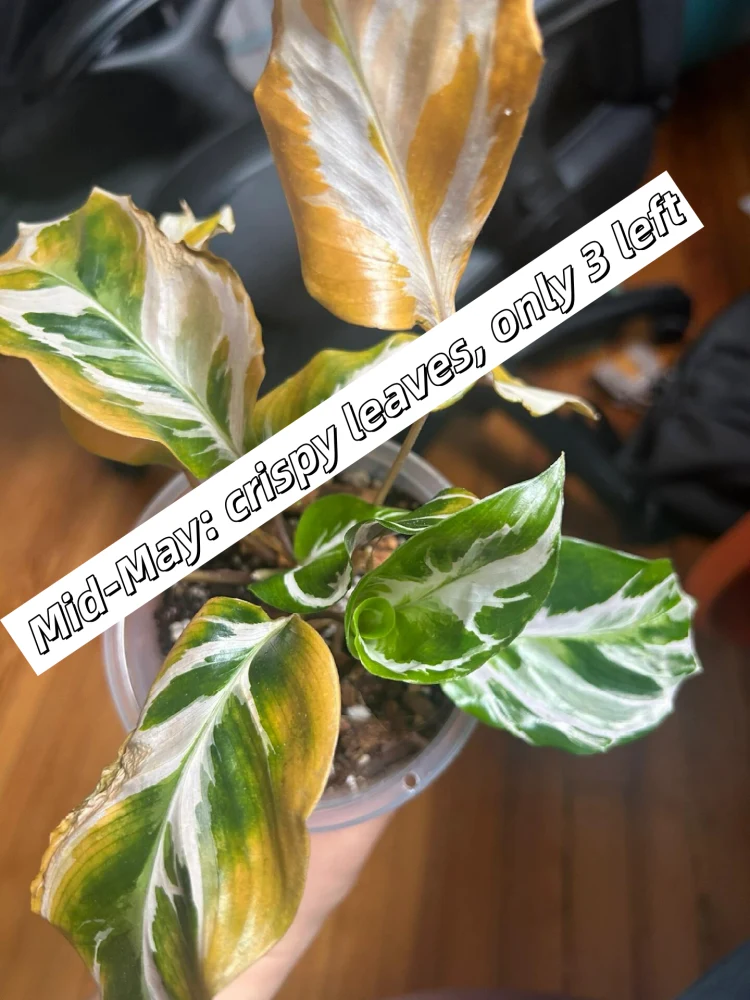
The first problem was direct sun. I placed it too close to a window with direct light, and the leaves burned fast. The white sections were especially fragile. Once they scorched, they did not recover.
After that, I moved it farther away from the window. The crispy damage stopped, but about a week later the leaves started yellowing. Looking back, I think I overcorrected. The plant had escaped direct sun, but now it was not getting enough usable light to keep recovering.
The turning point was finding a spot near the window with no direct sun, but still enough brightness. In that position, the plant received an average of over 2,000 lux during the day. After that, the new burning and yellowing finally stopped.
By then, the plant had already gone through spider mites, crispy leaves, and yellow leaves. I was down to three small plants with only three leaves total. I almost gave up and decided to just keep it alive if I could.
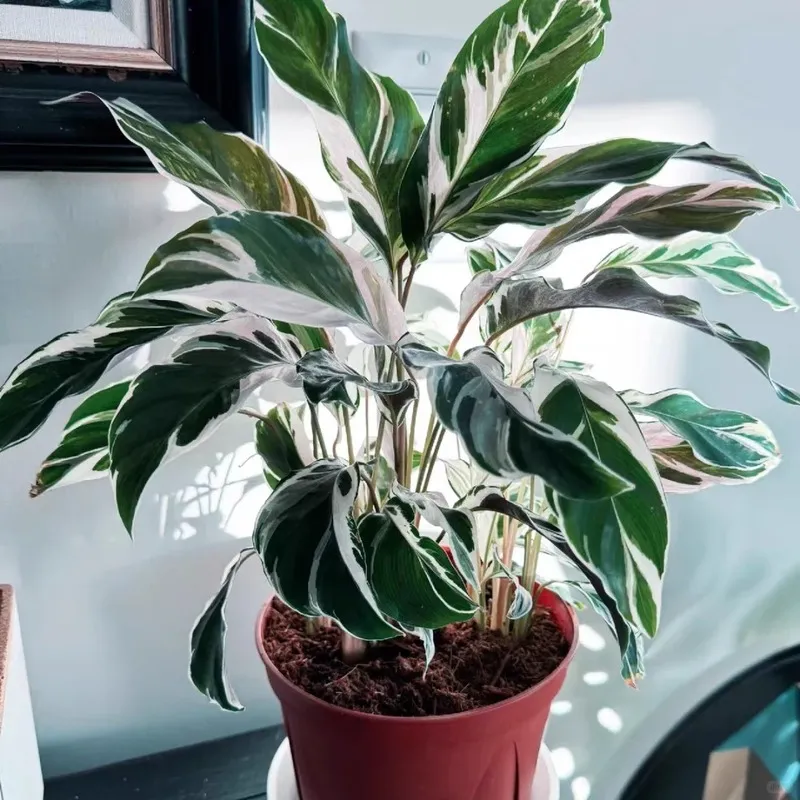
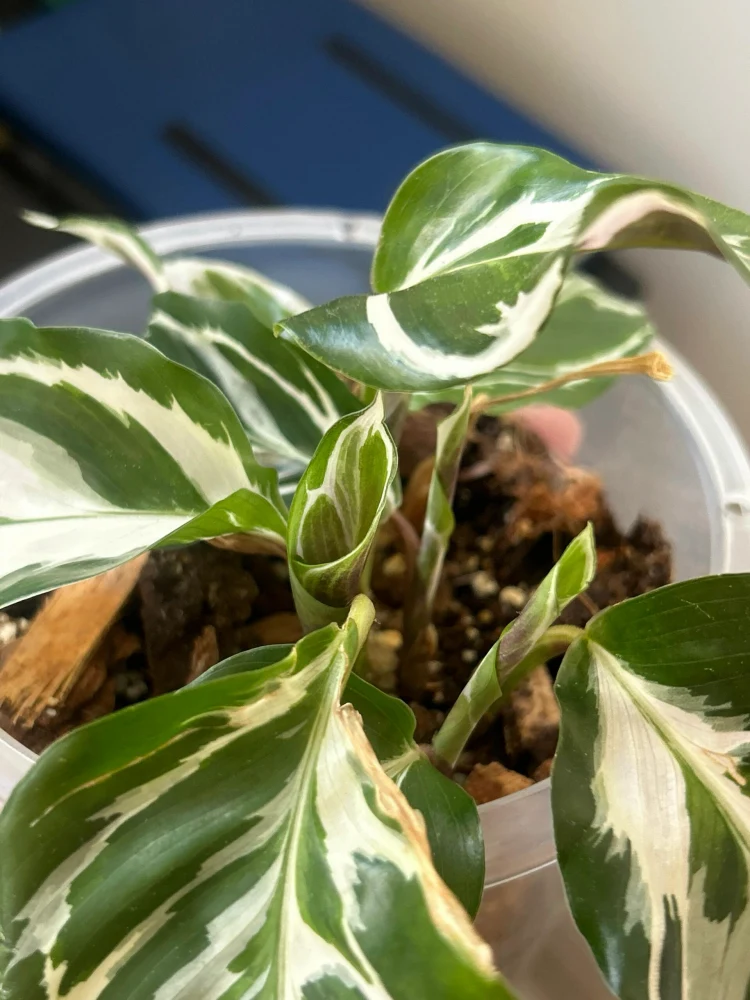
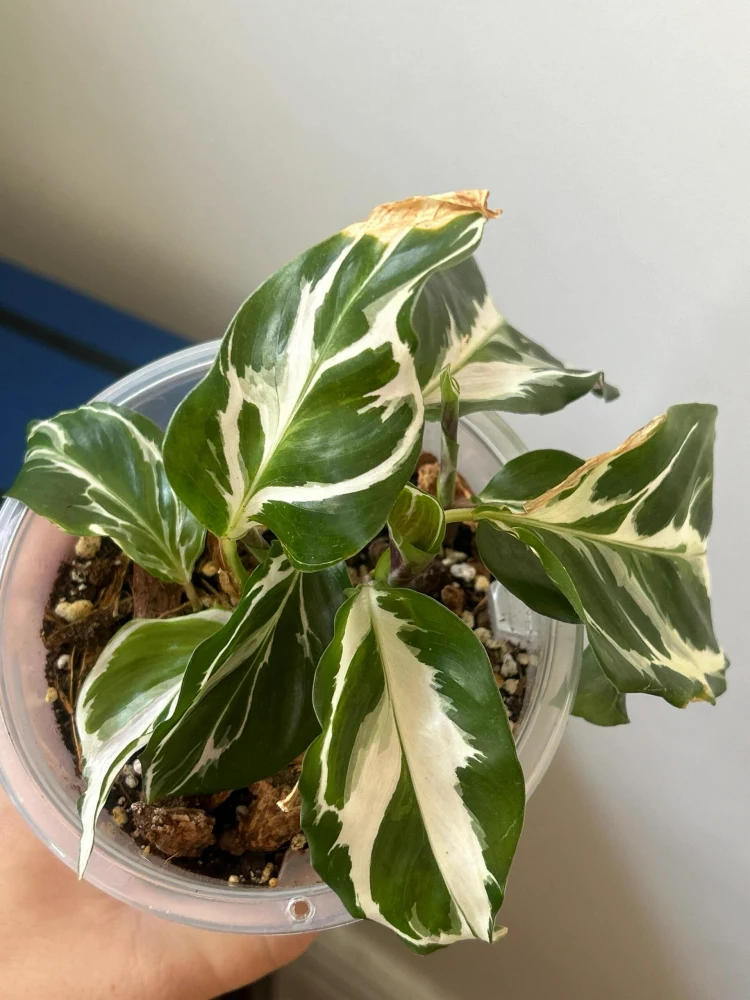
Then it surprised me. After another month, all three plants pushed new leaves. Even better, six new shoots appeared from the base — more growth points than when I first brought it home. That recovery changed how I think about White Fusion. It is fragile, but it is not hopeless if the roots and growing points are still alive.
My White Fusion Recovery Snapshot
| When I got it | Early April |
| Main problems | Spider mites, sunburn, crispy leaves, yellow leaves |
| Worst point | Three small plants left, with only three leaves total |
| Light mistake | Direct sun burned the leaves, especially the white variegated sections |
| Light fix | No direct sun, but still bright enough — around 2,000 lux or more in its final spot |
| Pest treatment | Neem oil, mild dish soap, and water spray, repeated every other day for about one week |
| Watering method | Bottom watering with rested water after the surface dried slightly and the pot felt lighter |
| Recovery result | All three plants pushed new leaves, and six new shoots appeared from the base |
Detailed Care Guide
Watering
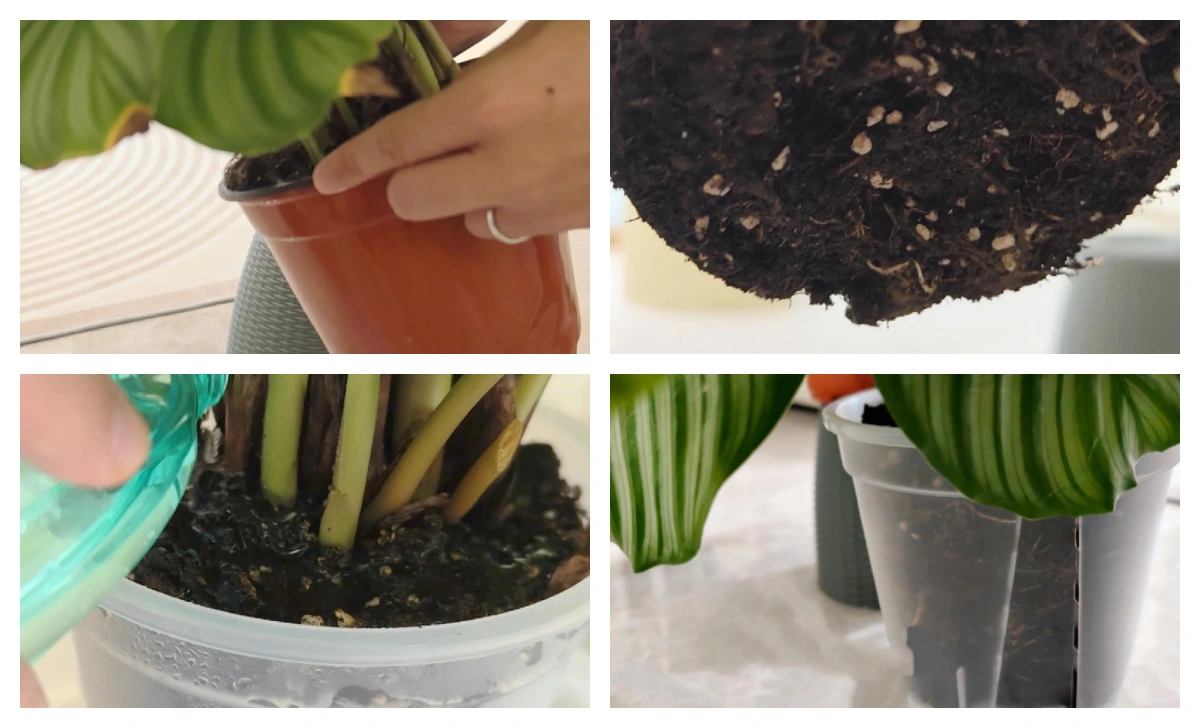
I do not keep White Fusion constantly wet. I use a very breathable pot, so I wait until the soil surface is slightly dry and the pot feels lighter before watering. If the mix stays wet and heavy for too long, I worry about the roots. If it dries too far, the white sections can crisp very quickly.
For my plant, bottom watering worked better. I use water that has been sitting out for at least two days, then let the pot soak until the mix is evenly moistened. After that, I make sure the pot drains well and does not sit in leftover water.
The key is not “more water.” It is a steady rhythm: slightly dry surface, lighter pot, then a thorough watering. My Calathea watering guide explains how I judge pot weight and seasonal changes.
Light
White Fusion needs enough light, but it cannot take direct sun well. My biggest early mistake was placing it on a windowsill where direct light touched the leaves. The white variegated sections burned quickly, and those damaged areas never turned green again.
After the sunburn, I moved the plant too far from the window, and the leaves began to yellow about a week later. That taught me the real balance: no direct sun, but still enough usable brightness. The spot that finally worked for mine received roughly 2,000 lux or more during the day, without direct rays hitting the leaves.
If your White Fusion is burning, move it out of direct sun. If it starts yellowing after being moved away, do not assume it wants darkness — it may simply need brighter filtered light. For broader placement advice, see my Calathea light requirements guide.
Soil
Use a light, well-draining mix that still holds moisture. A good recipe:
- 2 parts peat or coco coir
- 1 part perlite
- 1 part orchid bark
This mimics airy rainforest soil while avoiding compaction.
👉 See detailed ratios and recipes in the Best Soil for Calathea guide.
Fertilizer
Feed with a diluted liquid fertilizer every 3–4 weeks during spring and summer. Always use half-strength — overfertilization can scorch the white sections and cause browning.
👉 See our Best Fertilizer for Calathea guide for recommended brands and schedules.
Humidity
Humidity helps White Fusion, but I would not reduce every problem to humidity. Mine had crispy leaves, yellow leaves, and spider mites, and the real fix was a combination of better light, pest control, careful watering, and a breathable pot.
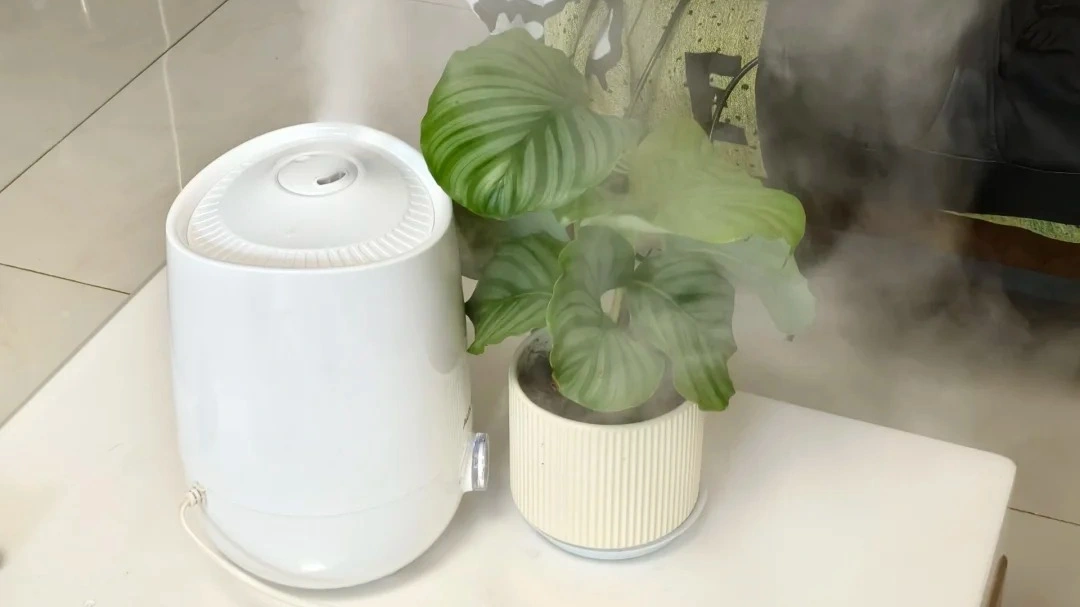
That said, dry air can make the white sections crisp faster. If your home is dry, a humidifier or grouping plants can help. I would still avoid placing the plant in direct sun after spraying or misting, because wet leaves plus strong light can make damage worse.
If brown or yellow edges keep appearing, compare symptoms in my yellow and brown Calathea leaves guide.
Spider Mites: What I Did When Mine Was Attacked
Spider mites were part of my White Fusion crash. Because I have pets at home, I avoided stronger indoor chemicals and used a gentler routine: neem oil, a little mild dish soap, and water. I sprayed every other day for about a week, paying close attention to the undersides of the leaves and the new growth.
After the mites disappeared, I kept rinsing or spraying the leaves with plain water from time to time, especially because the plant sits near my work area. Since it was no longer in direct sun, the leaves could dry without burning. I still would not spray a White Fusion sitting in strong light, because wet variegated leaves can mark more easily.
The biggest lesson for me was to keep checking even after the visible mites were gone. White Fusion can look “fine” for a few days and then suddenly show damage on new leaves if pests are still active.
Common Problems with Calathea White Fusion
With White Fusion, I do not diagnose from one leaf. The white sections are naturally more fragile, so I look at the pattern: did the damage happen after direct sun, after moving it darker, after the pot dried too much, or after pests appeared?
- Crispy or burnt white sections: Direct sun is the first thing I check. My plant burned quickly when it sat too close to a sunny window. Move it to bright filtered light instead.
- Yellow leaves after moving it away from the window: This can happen when the plant loses too much usable light. White Fusion still needs brightness, even though it cannot handle direct sun.
- Brown edges: Dry air, underwatering, mineral-heavy water, or old pest damage can all cause this. Do not assume humidity is the only reason.
- Spider mites: Fine speckling, dull leaves, or tiny moving dots on the undersides of leaves need quick action. Rinse or treat repeatedly, not just once.
- Stalled growth: If the roots and crown are still alive, do not give up too early. Mine looked almost finished, then pushed new leaves and six new shoots after conditions improved.
- Root stress: If the pot stays wet and heavy for too long, check soil aeration and pot size. A breathable pot helped me keep moisture without suffocating the roots.
For broader troubleshooting, use my Calathea problems guide, especially the guides on root rot symptoms and curling or drooping leaves.
Propagation & Repotting
- Propagation method → White Fusion can only be propagated by division. Leaf or stem cuttings won’t root successfully.
- Best timing → Divide during spring or summer, when the plant is actively growing and can recover from stress more quickly.
- Repotting tips →
- Repot every 1–2 years or when roots start circling the pot.
- Handle the roots with care — they are particularly delicate in this variety.
- Choose a pot that’s only slightly larger than the current one to prevent soggy soil.
👉 Learn the full process in our Calathea Propagation Guide — includes division steps and post-repotting care.
FAQ
Explore More Calathea Varieties
Looking to discover more beautiful Calathea plants?
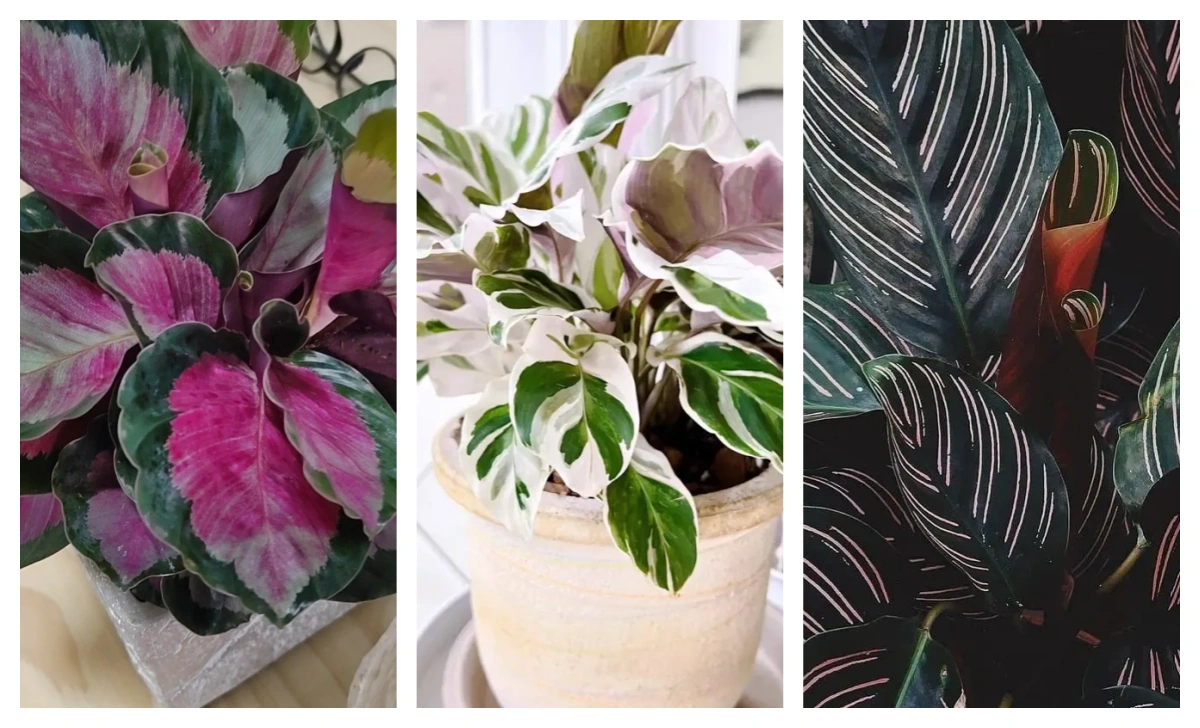
Browse our full collection of Calathea varieties — from the bold Orbifolia to the velvety Warscewiczii — and find the one that fits your home best.