
Last updated: April 27, 2026
Last year, my first Calathea crocata lasted barely a season before spider mites wiped it out completely.
I remember telling myself, “If I fail this plant again, I’m done with it forever.”
But here I am—trying again.
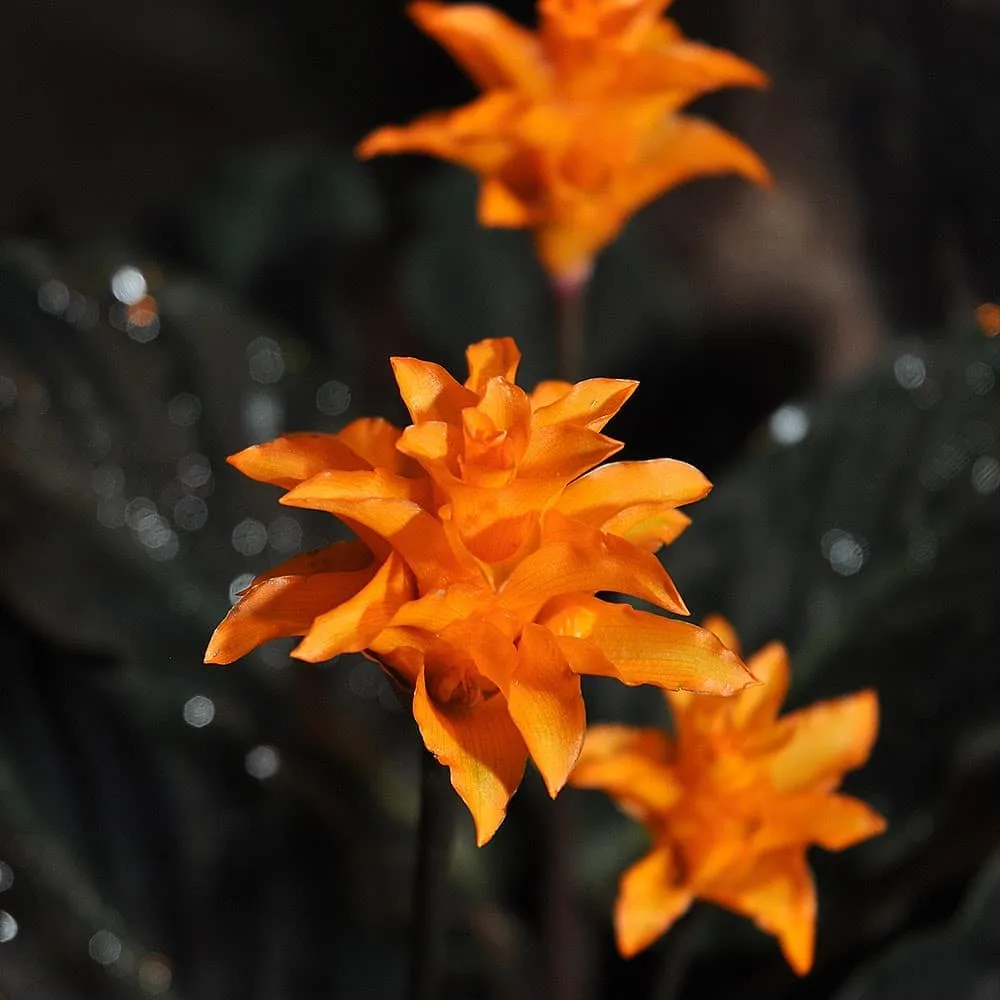
Because once you’ve seen those bright orange blooms, you understand why this plant is called Eternal Flame. When it thrives, it looks like someone lit tiny lanterns above a dark green forest floor.
Calathea crocata is stunning, but it’s also dramatically more sensitive than most Calatheas.
It needs stable humidity, warm temperatures, low-mineral water, and clean leaves just to maintain good growth. Even a small slip — dry air, cold nights, hard water — can push it into decline.
This guide is a mix of everything I learned the hard way: the mistakes, the tiny adjustments that made a difference, and why this plant is absolutely worth the second chance.
| Scientific Name | Goeppertia crocata / formerly Calathea crocata |
| Common Names | Eternal Flame, Saffron Calathea |
| Family | Marantaceae |
| Origin | Tropical forests of Brazil |
| Light Needs | Bright indirect light; no direct sun |
| Humidity | Prefers >70%; drops below 55% cause leaf tip burn |
| Temperature | 18–26°C (65–78°F); dislikes cold drafts (<16°C) |
| Watering | Keep soil evenly moist, never bone-dry; avoid hard water |
| Soil | Loose, airy, moisture-retaining mix; similar to other Calatheas |
| Fertilizer | Very light feeding; monthly in summer, none in winter |
| Flowering Season | Late summer to autumn; blooms last 8–12 weeks |
| Propagation | Division only |
| Pet Safety | Non-toxic to pets |
| Difficulty Level | ⭐⭐⭐⭐☆ — more sensitive than most Calatheas |
Appearance & Key Features
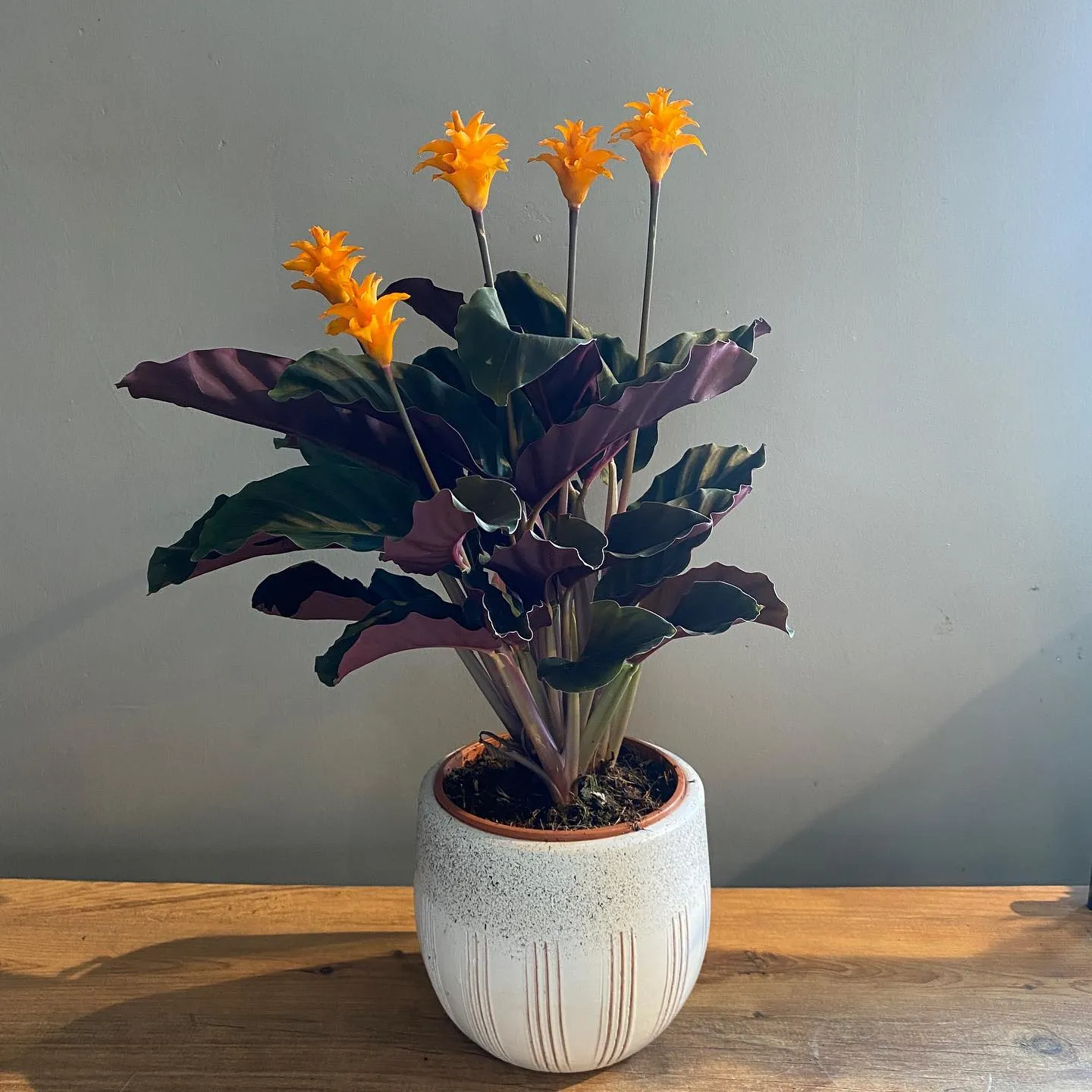
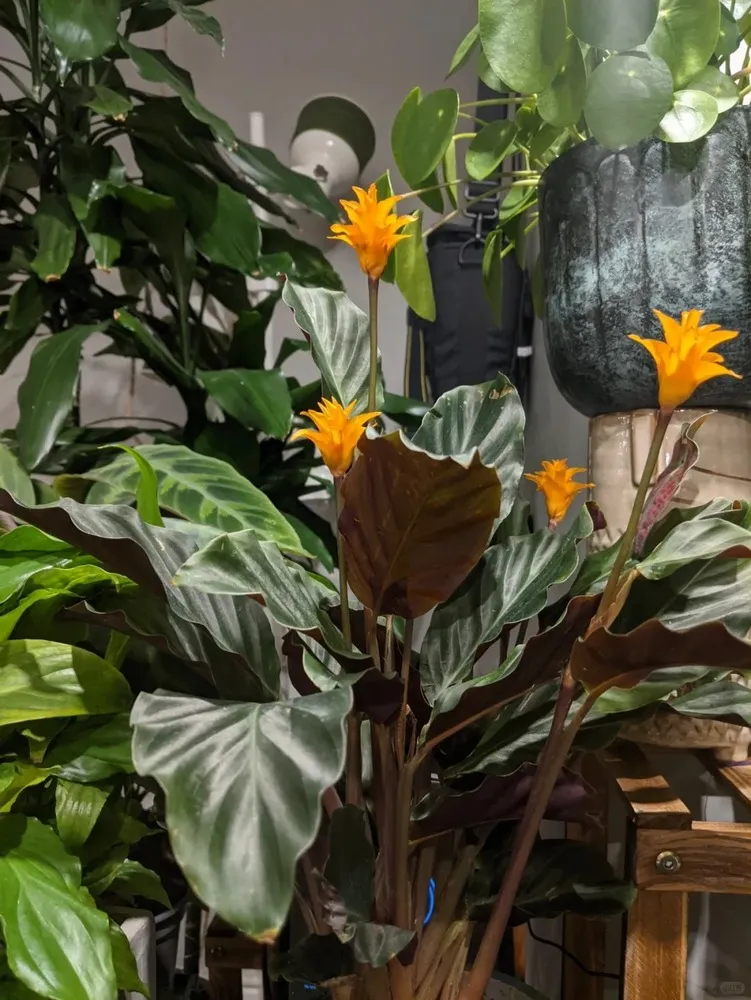
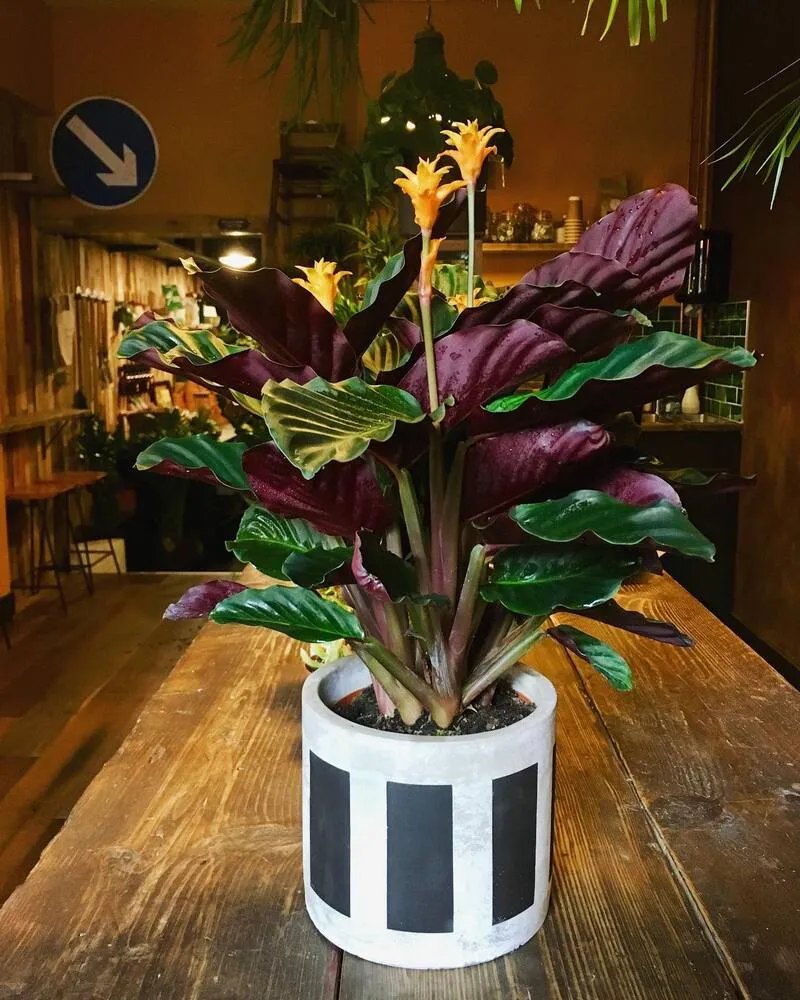
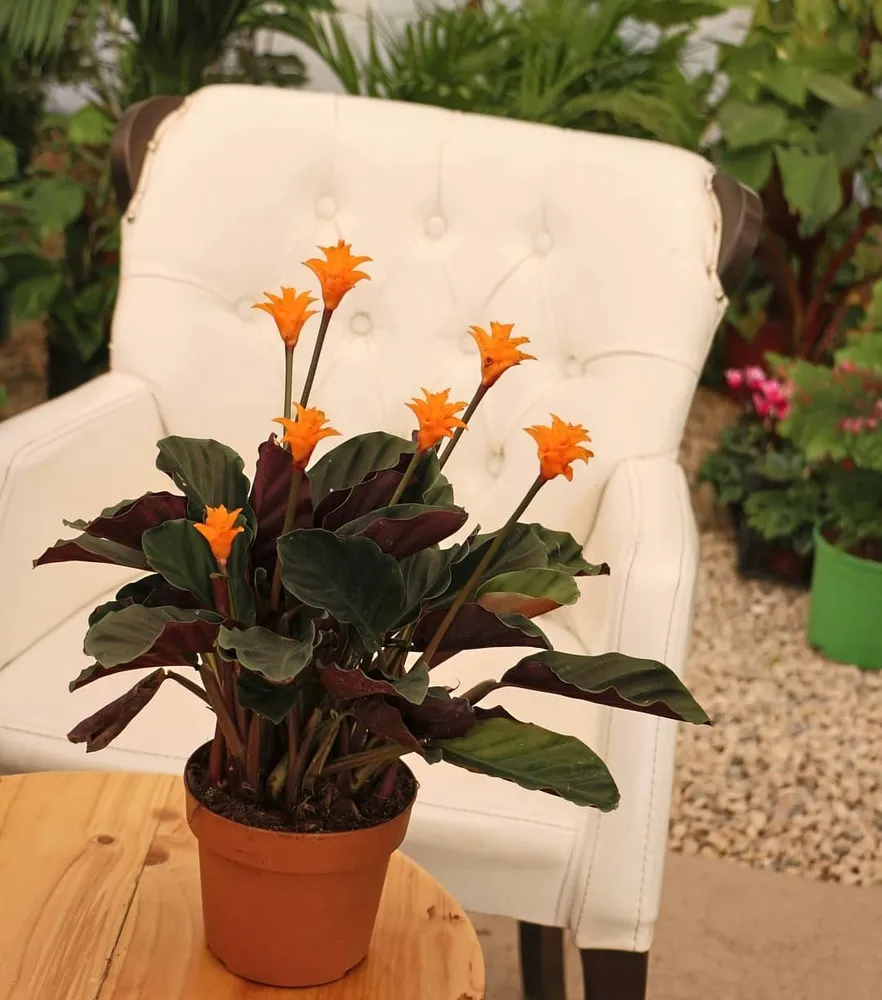
Calathea crocata has one of the most striking looks in the entire Marantaceae family. Its foliage alone already feels dramatic — deep green leaves with a subtle satin sheen, sometimes appearing almost metallic under soft light. But what truly sets it apart is the bloom.

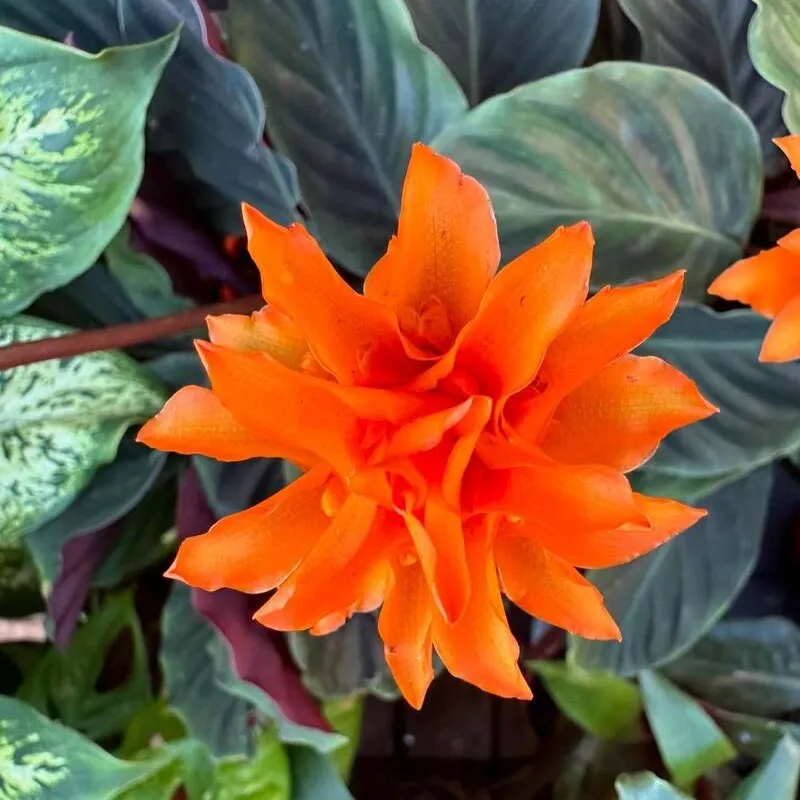
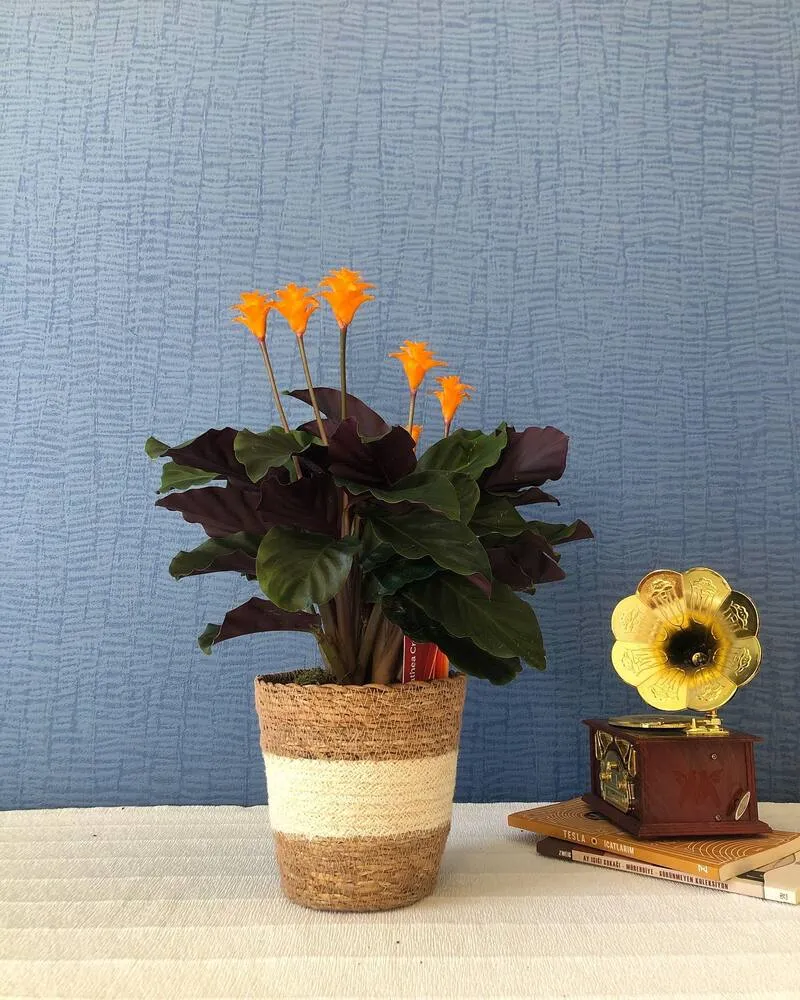
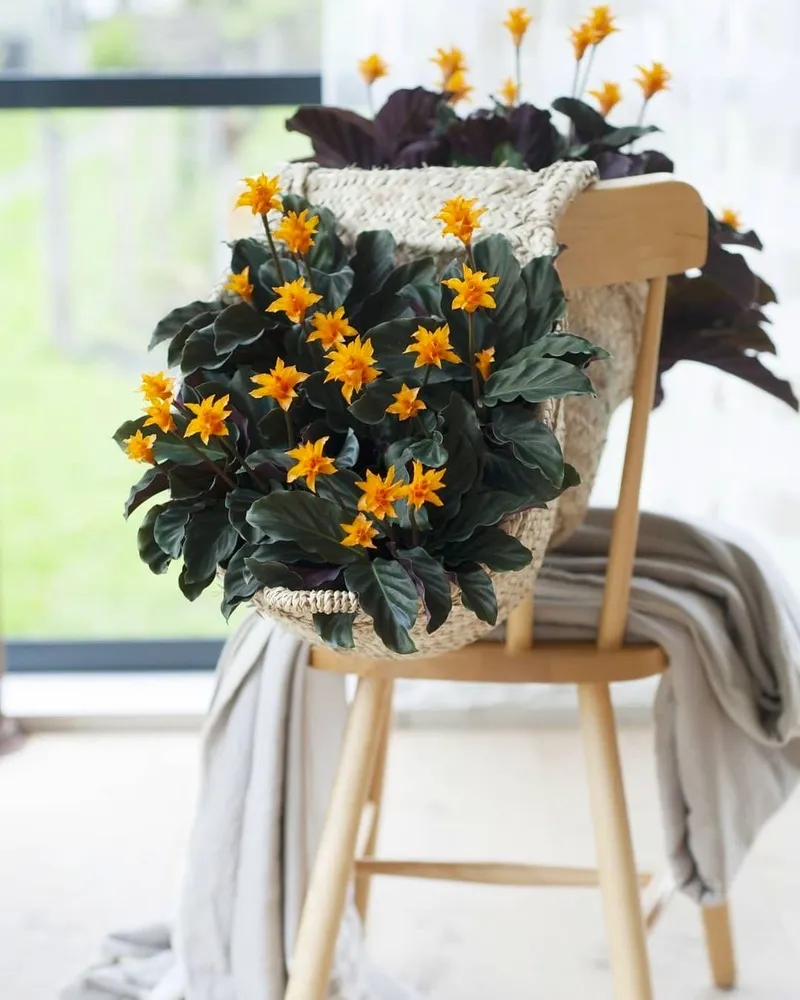
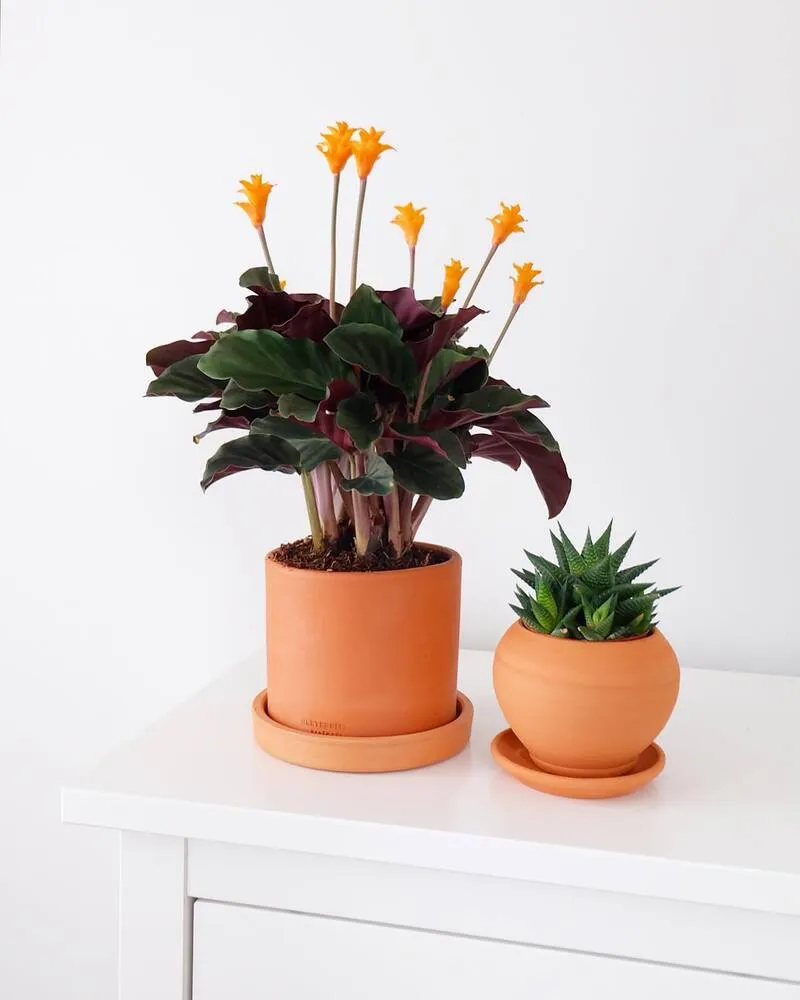
The plant produces upright, flame-shaped orange flower bracts that look like tiny torches rising from the foliage. This fiery glow is the reason it carries the name “Eternal Flame.” When a healthy plant enters its blooming season, the contrast between the dark leaves and the vivid saffron-orange spikes is almost unreal, like a candlelit forest scene.
Unlike many Calatheas that rarely flower indoors, C. crocata is one of the few that can bloom indoors when light, warmth, humidity, and overall plant health line up. The buds often emerge in late summer or autumn, and the orange bracts can last for several weeks under stable conditions.
This combination—lush dark foliage + long-lasting “flame” blooms—is exactly what makes Eternal Flame both captivating and notoriously addictive for plant lovers.
Growth Habit & Natural Environment
In the wild, Calathea crocata grows on the forest floor of tropical Brazil, a micro-environment that stays remarkably stable year-round:
- Low, dappled light filtered through dense canopy
- High ambient humidity, often above 70–80%
- Warm temperatures with almost no seasonal drop
- Evenly moist soil from constant forest rainfall and rich organic matter
This background explains exactly why the Eternal Flame feels “dramatic” indoors—its natural home is protected, warm, and humid, with almost zero fluctuation. Once you bring it into a house or apartment, every small change becomes amplified.
Why It’s Considered Harder to Grow Indoors
1. It hates humidity swings.
If humidity drops below ~50%, the leaves react quickly—edges crisp, new leaves stall, and flowers fail to develop. Forced-air heating in winter is especially harsh.
2. Temperature instability stresses it.
Anything below 16°C (60°F) slows growth dramatically. Sudden night-day swings (common in many climates) cause the roots to shut down temporarily.
3. It is extremely sensitive to water quality.
Hard tap water leaves mineral burns on the tips, and C. crocata shows them faster than most Calatheas.
4. Spider mites love it — and it can go downhill fast.
This species has thinner, smoother leaves, making it one of the Calatheas most prone to spider mite attacks.
My first plant was completely taken out by mites. Once they settle under the leaves, the decline is rapid — silvering, stippling, and then full leaf collapse if not treated quickly.
5. It dislikes “wet-dry” cycles.
In nature it never dries out completely, yet it also never sits in stagnant water. Maintaining that fine balance indoors is tricky without experience.
Detailed Care Guide
Watering
This plant wants consistent moisture without a fixed watering schedule, but it hates sitting in heavy, wet soil.
- Keep the soil evenly moist, never bone-dry.
- Let the top 1–2 cm dry slightly before the next watering.
- Avoid the classic mistake:
Top is dry but bottom is wet → root stress + crispy tips.
Water Quality Matters (a lot)
From my own experience, hard tap water burned the tips noticeably faster on C. crocata than on many of my other Calatheas.
Best options:
- filtered water
- rainwater
- distilled water if your tap water is very hard
Seasonal Adjustment
- Winter: reduce frequency, but do not allow long dry spells.
- Summer: expect faster drying; micro-humidity around the plant helps stabilize moisture loss.
Light
Calathea crocata is naturally adapted to low, dappled forest light, so it thrives in bright shade but reacts strongly to extremes.
- Bright, indirect light is ideal.
- Avoid direct sun, especially midday rays — they bleach the leaves and crisp the edges.
- Too little light often means no blooms. The plant will survive, but the famous orange “flames” won’t form.
- Too much light leads to thin, faded leaves and brown margins.
A north-facing window, or a spot 1–2 meters away from an east/west window, usually works best.
Soil
It prefers a fast-draining, high-aeration mix:
- peat or coco coir
- perlite
- orchid bark
- a little compost
The goal is: moist but airy, mimicking forest-floor crumble.
Fertilizer
Crocata is not a heavy feeder.
- Use a diluted, balanced liquid fertilizer once per month in summer.
- Skip fertilizer in fall and winter, especially during bloom — excess salts can burn the leaf tips and reduce flower longevity.
- Flush the soil occasionally to remove mineral buildup.
Humidity
This species is one of the Calatheas where humidity matters most.
- 70%+ is ideal
- 55–60% is acceptable
- Below 45% → crispy edges, stalled blooms, dull leaves
Useful methods:
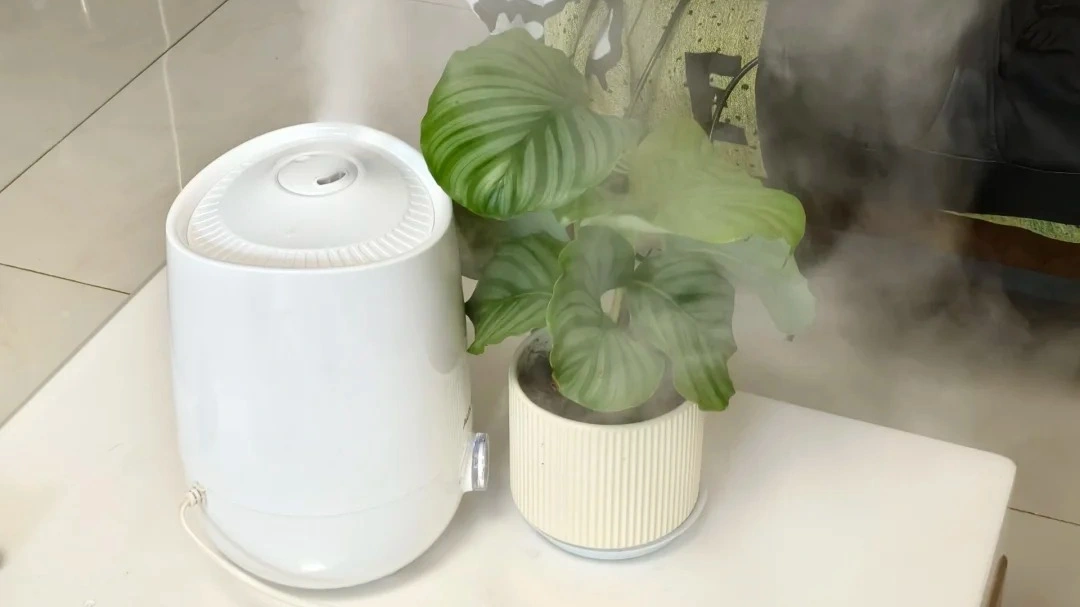
- Humidifier (the most reliable)
- Pebble tray for local micro-humidity
- Avoid placing near heaters or AC vents — dramatic humidity drops damage the leaves quickly.
Many beginners mistake crispy tips for “underwatering,” but with C. crocata, it’s often low humidity, hard water, or dry heater air — not simply soil dryness.
Flower Care (How to Keep the “Eternal Flame” Burning)
Calathea crocata is one of the few Calatheas that reliably produce flowers indoors — but only when a few conditions line up. The blooms appear as bright, upright orange spikes that can last surprisingly long when the plant is kept stable.
Blooming Season
This species typically blooms in early fall, sometimes stretching into winter if conditions are warm and humid.
Bloom Duration
Each flower spike can last 8–12 weeks, making it one of the longest-lasting ornamental blooms among Calatheas.
Light Requirements for Blooming
The plant will not bloom in low light.
It needs brighter conditions (still indirect):
- bright north-facing window
- or 1–2 meters from an east/west window
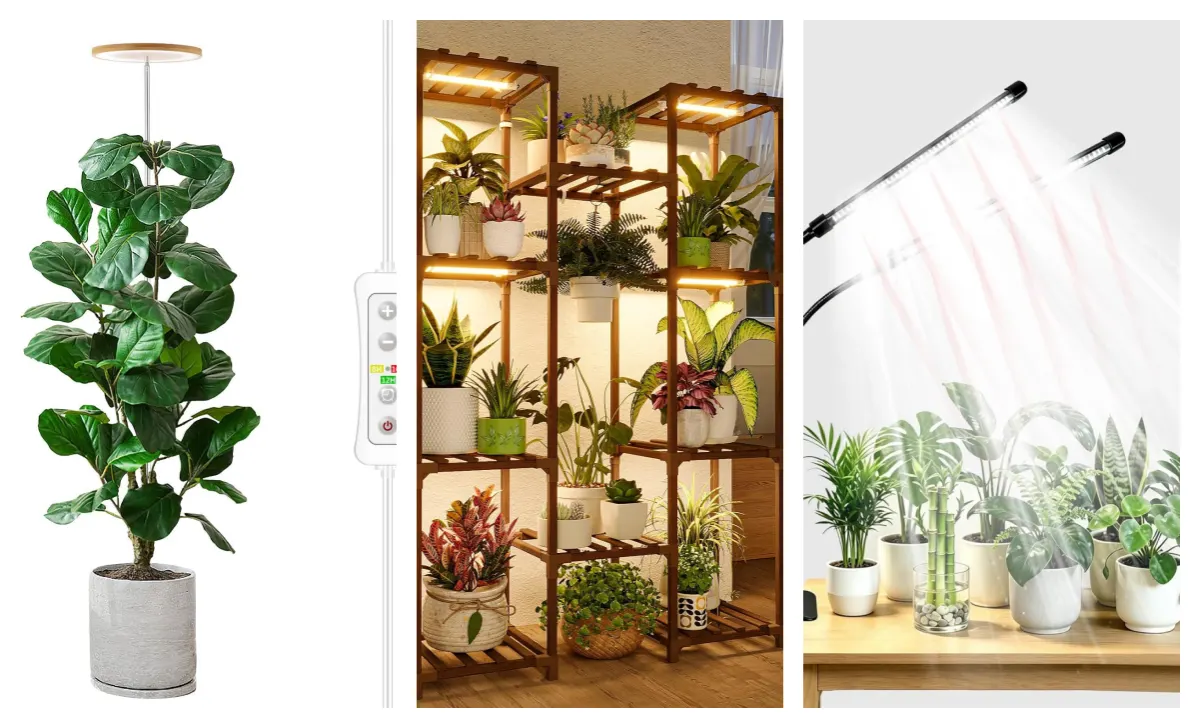
- or gentle grow-light support
If your foliage looks healthy but no blooms appear for years, light is the usual culprit.
Humidity During Blooming
During the flowering phase, C. crocata becomes more sensitive to moisture loss.
- Keep humidity above 60%
- Avoid sudden drops from heating or drafts
- Maintain even soil moisture to prevent bloom collapse
Stable humidity equals longer-lasting blooms.
After Bloom Care
Once the flower spike begins to fade:
- Cut the entire flower stalk at the base
- Don’t just trim the top — removing the whole stem helps the plant redirect energy back to foliage growth and future buds.
A Note on Stress and Blooming
If humidity, light, or temperature fluctuate too much, the plant may:
- produce deformed blooms
- stop blooming mid-cycle
- or skip the season entirely
Consistency matters more for C. crocata than for most Calatheas.
Common Problems
Calathea crocata tends to decline fast when one condition slips. I would watch these problems early, especially in winter or after bringing a new plant home.
Spider mites
Crocata is one of the most spider-mite-prone Calatheas I have grown. If the leaves look dusty, speckled, or slightly silvered, check the undersides immediately.
👉 See full guide: Spider Mites on Calathea
Crispy leaf tips
Usually caused by hard water, dry air, or too much light. With crocata, I would check water quality and humidity before assuming the plant simply needs more watering.
👉 See full guide: Calathea Crispy Leaves
Cold damage
Cold rooms or drafts can cause curling, limp leaves, and stalled growth. This plant is much less forgiving of cold than many common foliage Calatheas.
👉 See full guide: Cold Damage in Calathea
Not blooming
If the foliage looks healthy but no flowers appear, the usual causes are not enough bright indirect light, unstable humidity, or a plant that is not strong enough yet. I would fix the growing conditions before trying fertilizer.
Slow growth or drooping
This is often related to inconsistent watering, compacted soil, or recent repotting stress.
👉 See full guide: Why Is My Calathea Drooping?
Propagation & Repotting
Calathea crocata can only be propagated by division, and it’s something I only do when the plant is healthy and actively growing. In spring, you can gently separate a clump into two smaller plants, making sure each piece has its own rhizome and at least a couple of leaves. It’s a slow-rooting species, so divisions need steady humidity and light hands.
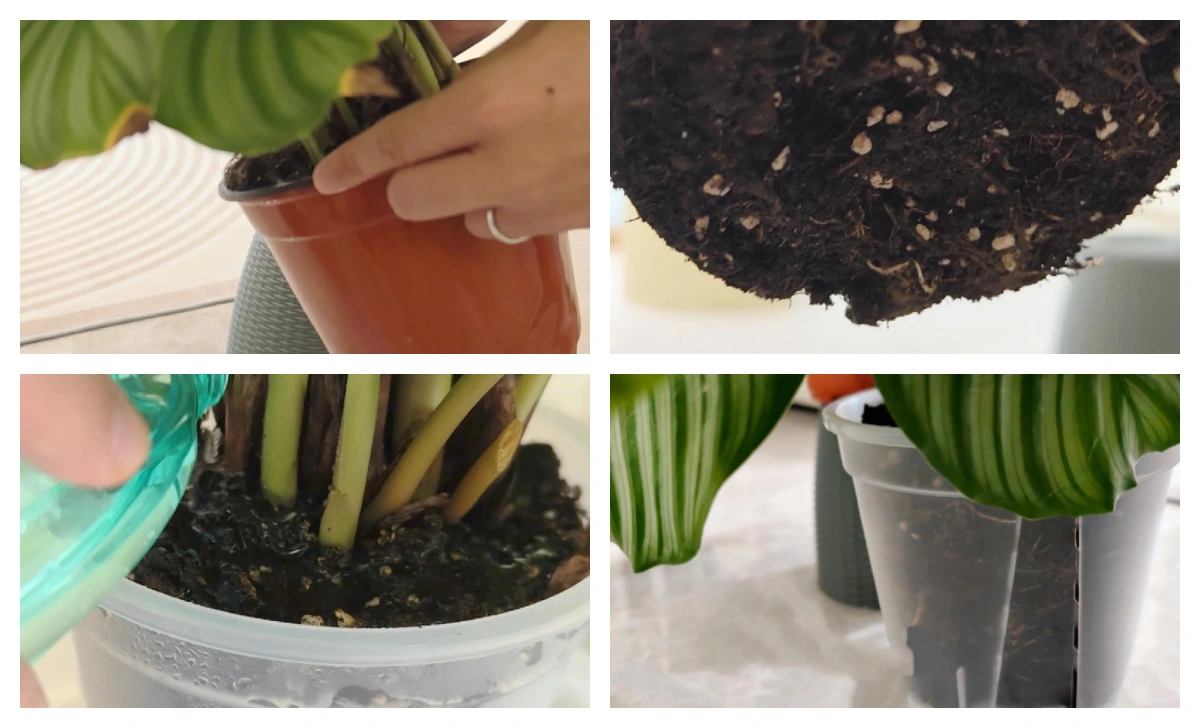
Repotting is something crocata dislikes, so I would only move it when the soil has compacted or the roots start circling the pot. For a gentler process, see my guide on how to repot Calathea without root stress. A pot just slightly larger works best — big pots stay wet too long and stress the roots. After repotting, keep conditions warm, humid, and stable, and expect the plant to pause growth for a few weeks before settling in again.
My Take: Beautiful, But Not a Casual Calathea
I would not call Calathea crocata an easy Calathea. It is more demanding than most foliage types, especially when humidity drops or spider mites appear. But I also understand why people keep trying again after losing one.
When the plant is healthy and the orange bracts rise above the dark leaves, it feels completely different from ordinary houseplants. For me, Eternal Flame is worth growing only if I can give it stable warmth, clean water, high humidity, and regular leaf checks. Without those, it declines too quickly.
FAQ
Explore More Calathea Varieties
If you love Calathea crocata for its orange blooms but want to compare it with easier foliage types, start with the full Calathea types guide. It can help you choose a plant that fits your light, humidity, and care routine.
View Calathea Type Guides →