Last updated: May 15, 2026
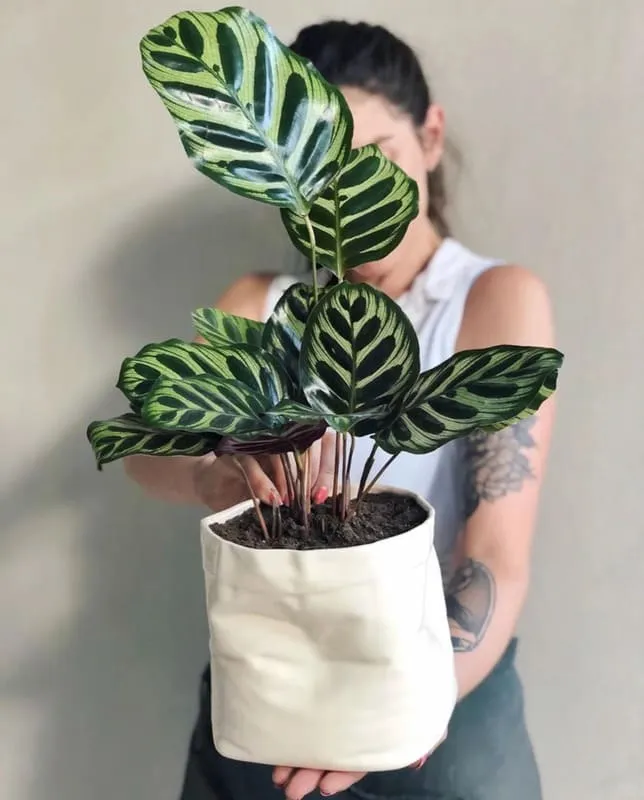
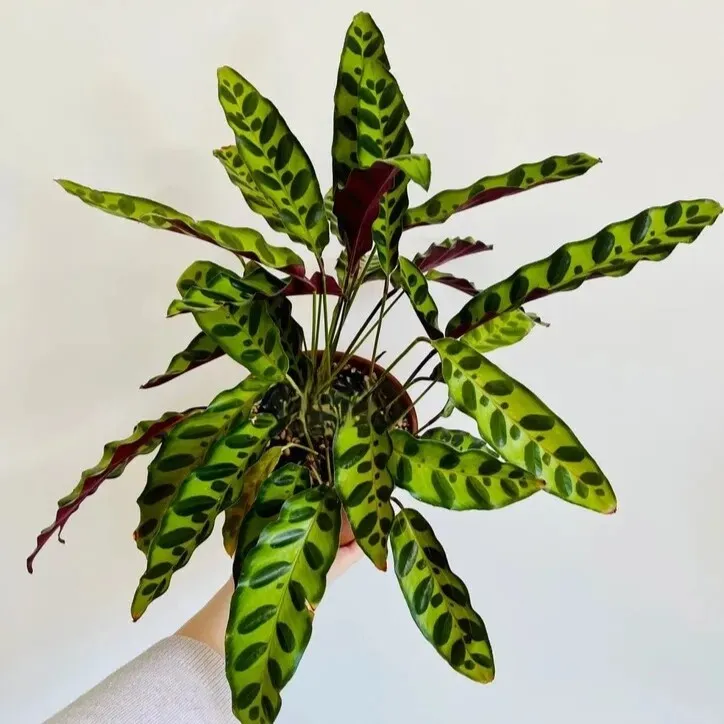
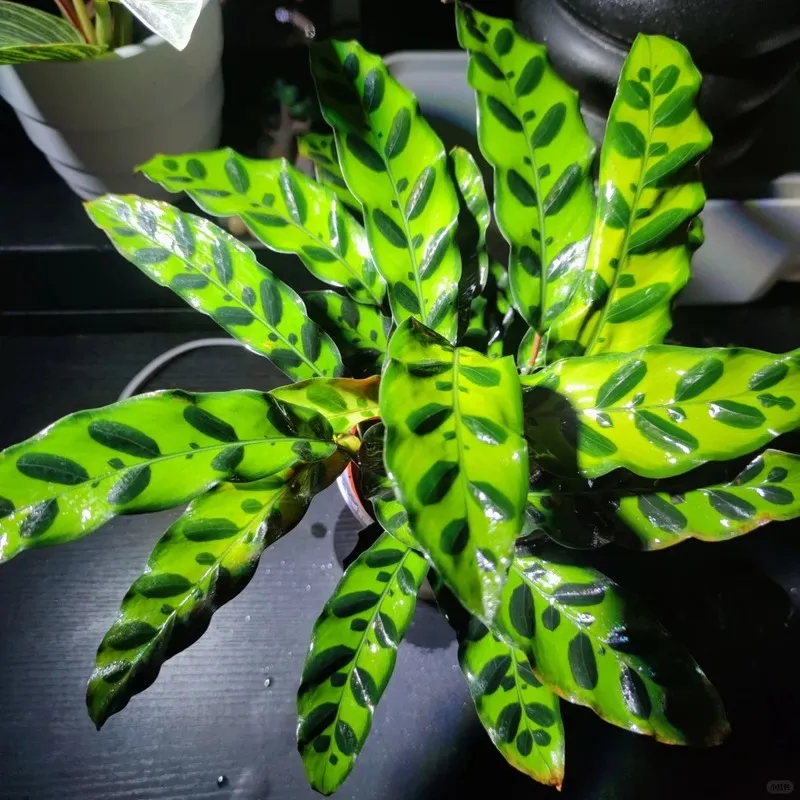
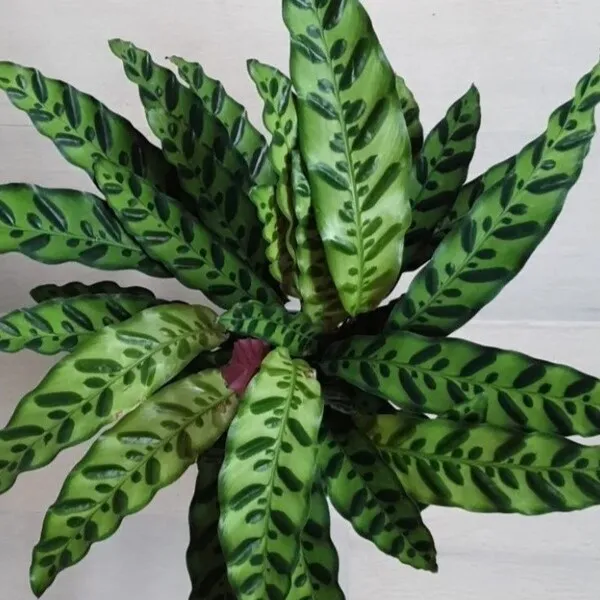
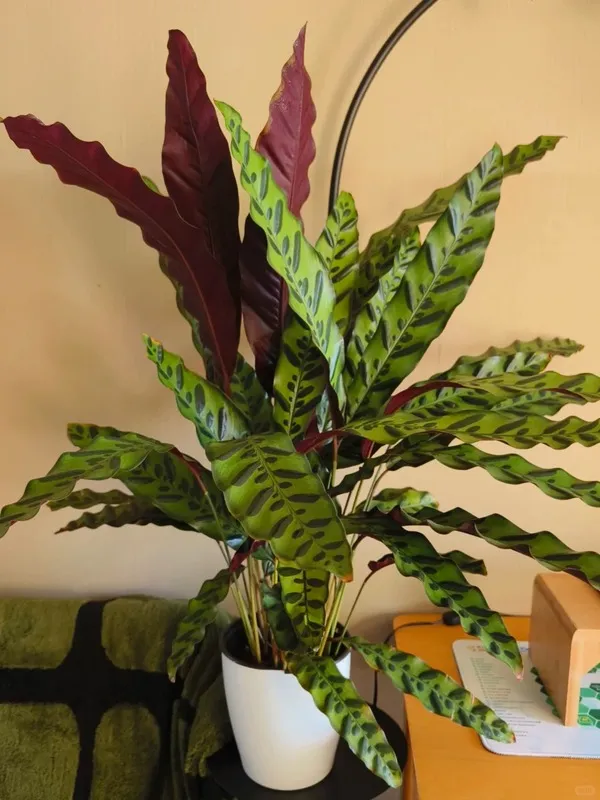
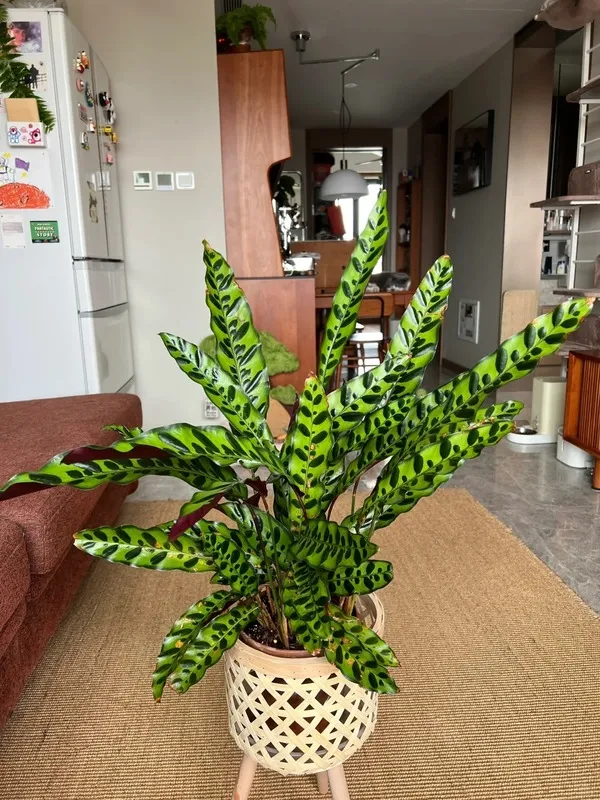
Rattlesnake Calathea (Calathea lancifolia) is one of the Calatheas I would still recommend to someone who has struggled with fussier prayer plants — but I would not call it foolproof. Mine was not killed by one missed watering or one dry afternoon. It struggled because the pot stayed slightly wet for too long, over and over again.
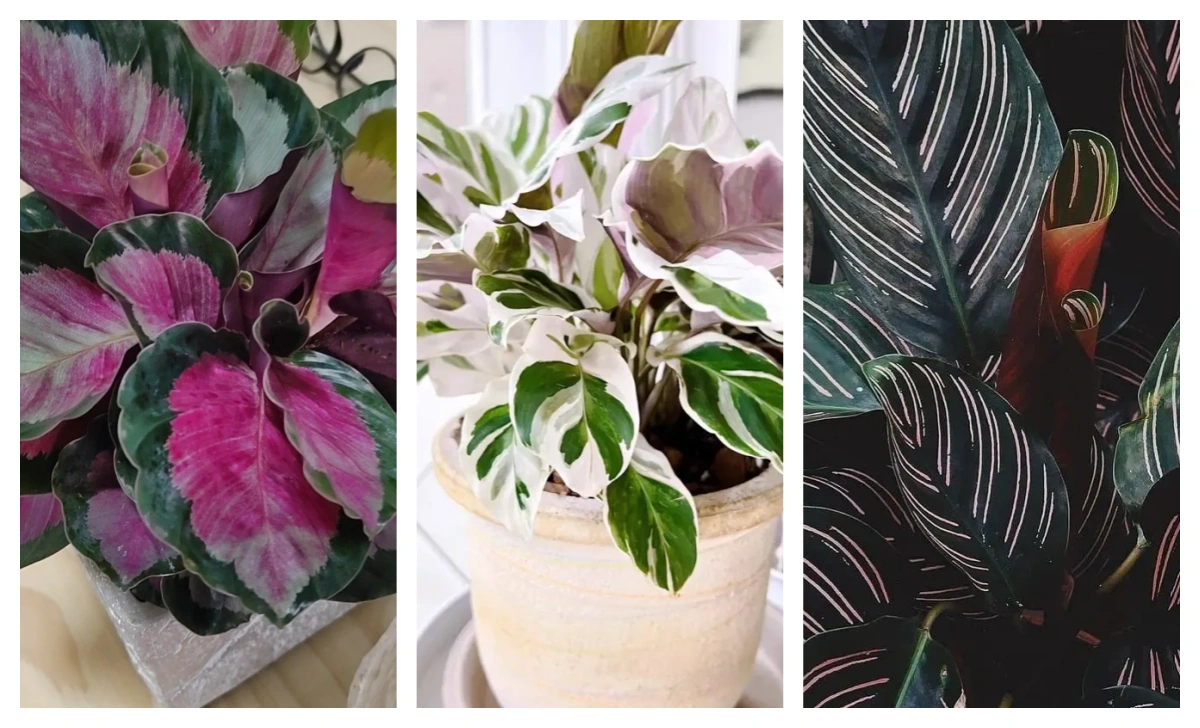
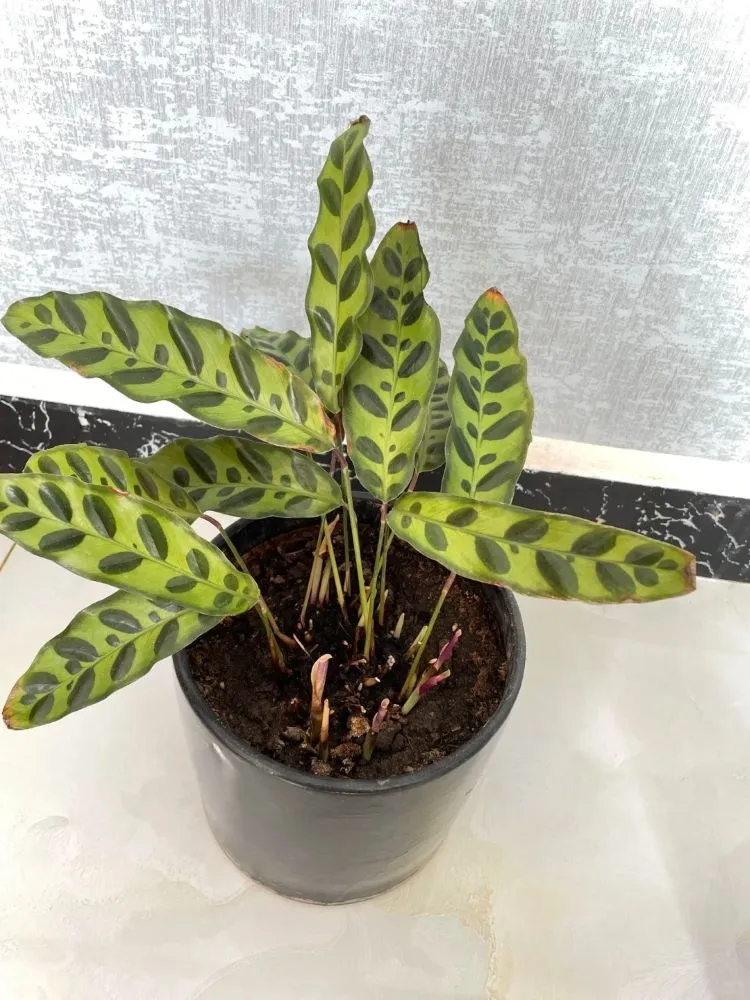
That is the part I think many care guides underplay. Rattlesnake Calathea can look tougher than White Fusion or Orbifolia, but the roots still need air. If the soil is too dense, the pot is too large, or the plant sits in a cool damp corner, new shoots may appear and then collapse before they finish opening.
In this guide, I focus less on perfect rainforest conditions and more on what actually kept mine stable indoors: a smaller breathable pot, an airy mix, careful watering, and enough light to keep the plant growing instead of sitting half-alive. If you are new to this group, my Calathea care guide gives the broader basics.
Name note: Rattlesnake Calathea is commonly sold as Calathea lancifolia. You may also see the older name Calathea insignis or the updated botanical name Goeppertia insignis.
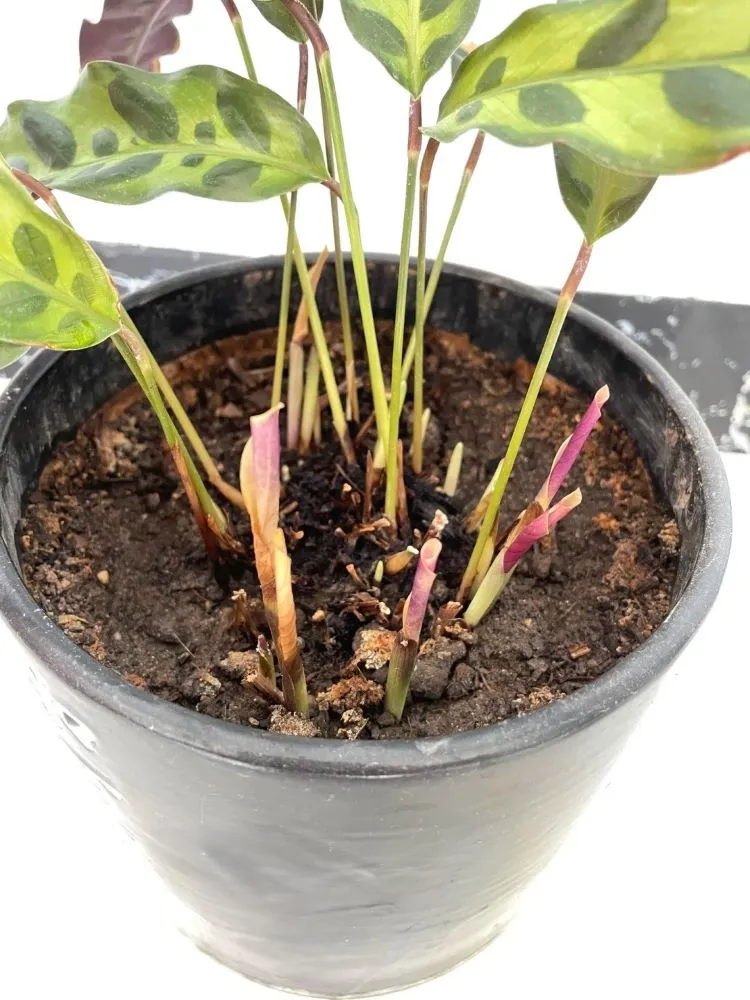
Why My Rattlesnake Calathea Kept “Half-Dying” — New Shoots Appear, Then Collapse
Quick Diagnosis: What I Check First
| What You See | What I Check First | Likely Direction |
|---|---|---|
| New shoots appear, then collapse | Root condition, pot size, and wet soil in the center | Root stress or poor soil aeration |
| Soil stays moist for many days | Pot size, soil texture, light level, and room temperature | Mix is too dense or the pot is too large |
| Leaves curl while the pot is light | Dry soil and low humidity | Underwatering or dry air |
| Leaves curl while the pot is wet | Cold roots, low light, or root damage | Do not add more water yet |
| Brown edges keep appearing on new leaves | Water quality, root health, and airflow | Ongoing stress, not just old leaf damage |
This is another extremely common frustration with Rattlesnake Calathea, and honestly, it’s one I personally went through for almost a full year.
The pattern usually looks like this:
- The plant never fully dies, but never really thrives
- You repot into a bigger pot, hoping to help it
- New shoots finally appear
- They grow halfway… then stall, rot, or dry up
- The soil always feels slightly wet
If this sounds familiar, here’s the key point I want to make very clearly:
In my case, this was not a humidity problem first. It was a root suffocation problem.
“The Soil Is Always Moist” Is the Biggest Red Flag
Calatheas like moisture — but they do not like constantly wet, airless soil.
When your soil stays wet all the time, it usually means:
- Roots are already stressed and absorbing water poorly
- Oxygen can’t reach the root zone
- New growth doesn’t have enough support to finish developing
That’s why you see new shoots emerging, then dying halfway.
The plant wants to grow, but the roots simply can’t keep up.
In my experience, this happens most often when:
- The pot material is not breathable
- The soil mix is too fine and compacted
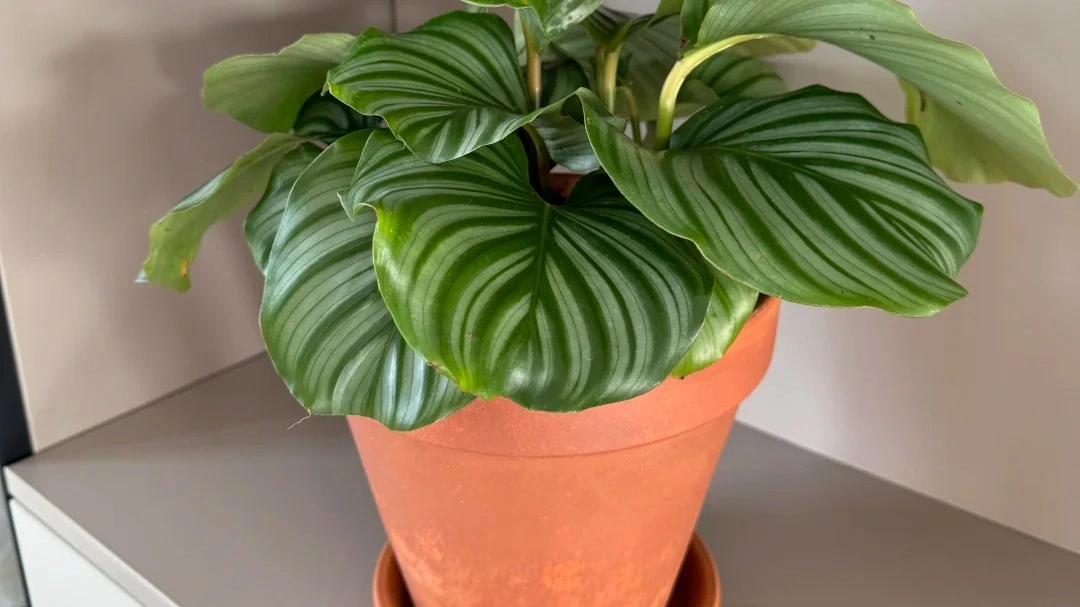
- The pot is too large for the current root system
Why Bigger Pots Often Make Calatheas Worse
This part surprises a lot of people.
When I upsized too quickly, my Rattlesnake Calathea actually declined faster. A large pot:
- Holds moisture much longer
- Creates uneven drying (wet center, dry edges)
- Makes watering harder to control, not easier
For Calatheas, a slightly snug pot is safer.
Smaller pots dry more evenly and allow a stable wet–dry rhythm.
What “Healthy Water-Loving” Calathea Soil Really Looks Like
Here is the benchmark I use, especially during the active growing season:
The surface should not stay cool, dark, and wet for days after every watering.
I do not need the whole pot to dry out. But if the top layer still looks wet after several days, and the pot feels heavy every time I check it, I start thinking about soil structure, pot size, and airflow rather than simply watering less.
What worked for me was:
- Adding large particles (pumice, perlite, bark)
- Avoiding dense, muddy mixes
- Making sure water drains freely every time
Calatheas don’t want less water — they want more air.
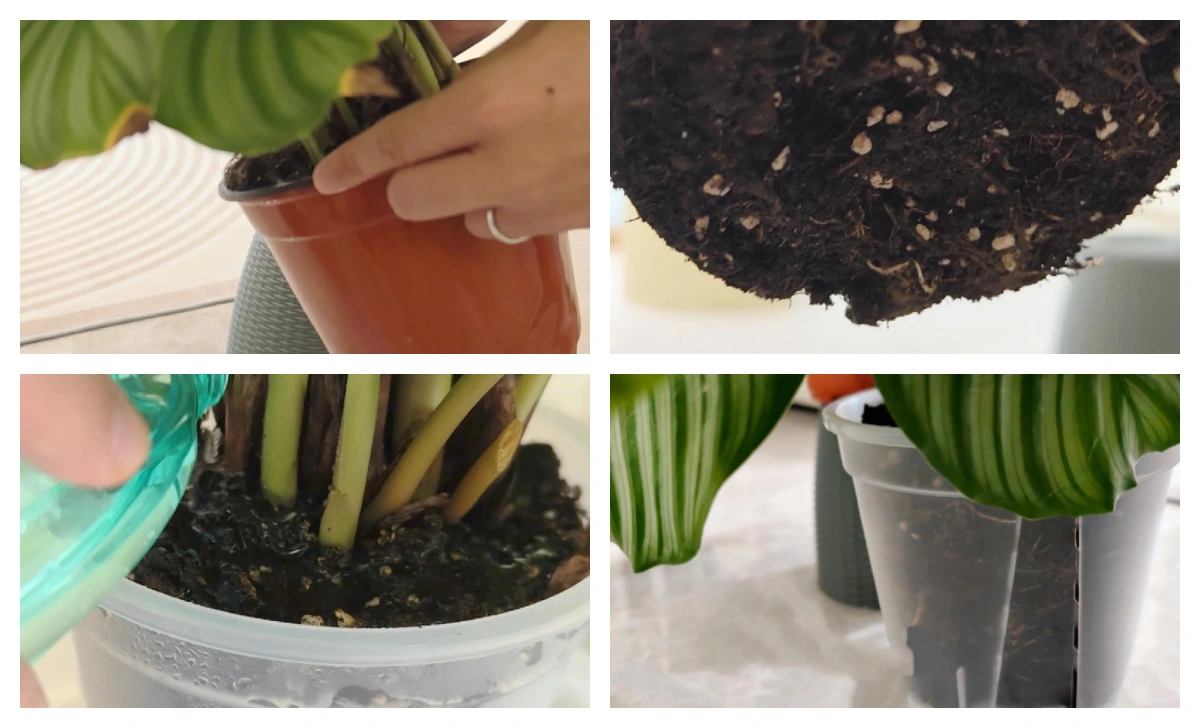
The Double-Pot Setup That Worked Better for Me
One setup that worked better for me was double potting, but only when I kept the inner pot above any standing water. This is not the same as letting the nursery pot sit in water all day.
- I use an inner pot with drainage holes
- I place it inside a slightly larger outer pot or cachepot
- I keep the inner pot slightly raised, so the base is not sitting in water
- If I add water to the outer pot, I keep it below the inner pot and check it regularly
This gives the plant a little more local humidity around the pot without turning the root zone into a swamp. For me, the key was not “more water.” It was moisture nearby, air around the roots, and a pot that did not stay wet forever.
Do You Need a Humidifier?
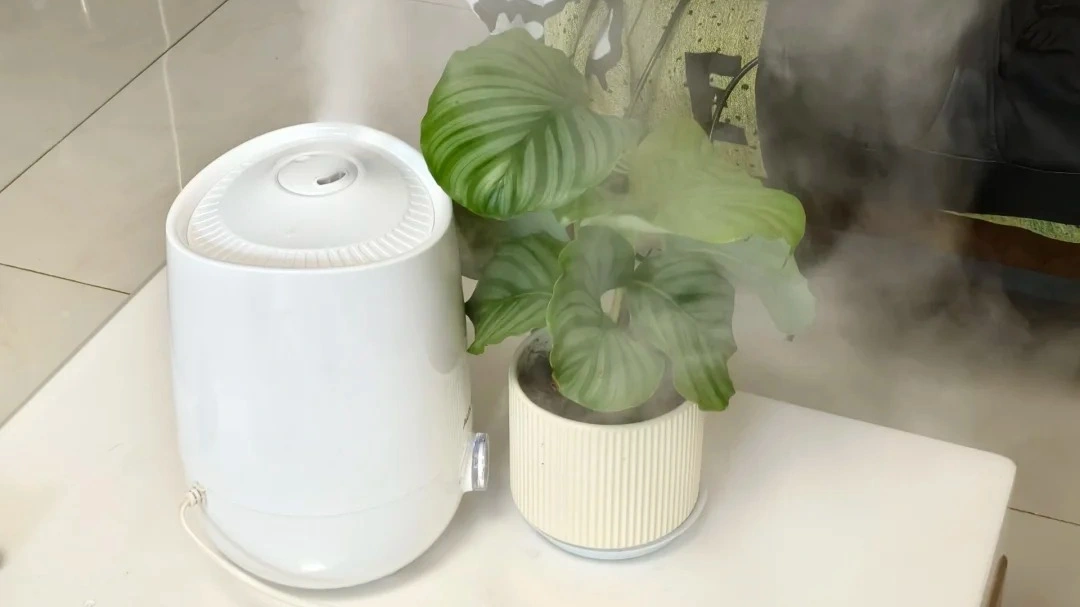
If your air is very dry, yes — it helps.
But in my experience, humidity alone won’t fix a suffocating root system.
I’ve seen Calatheas fail in 70% humidity simply because the soil and pot setup were wrong.
My Honest Take
When a Rattlesnake Calathea stays in a half-alive state for months, it’s usually not dramatic neglect — it’s constant mild stress.
- Too wet
- Too little air
- Pot too big
- Soil too dense
Fix the root environment first, and the plant often surprises you with how resilient it actually is.
And yes — that meme about Calatheas looking perfect in the store and miserable a week later?
Painfully accurate. But once you understand why, they’re much less intimidating than their reputation suggests.
What Matters Most Indoors
For Rattlesnake Calathea, I care more about a steady root environment than chasing one perfect humidity number. The plant can handle normal home conditions better than some Calatheas, but only if the pot is not staying wet and cold for too long.
Soil and pot size: This is where I see the biggest difference. A breathable mix and a not-too-large pot usually matter more than misting.
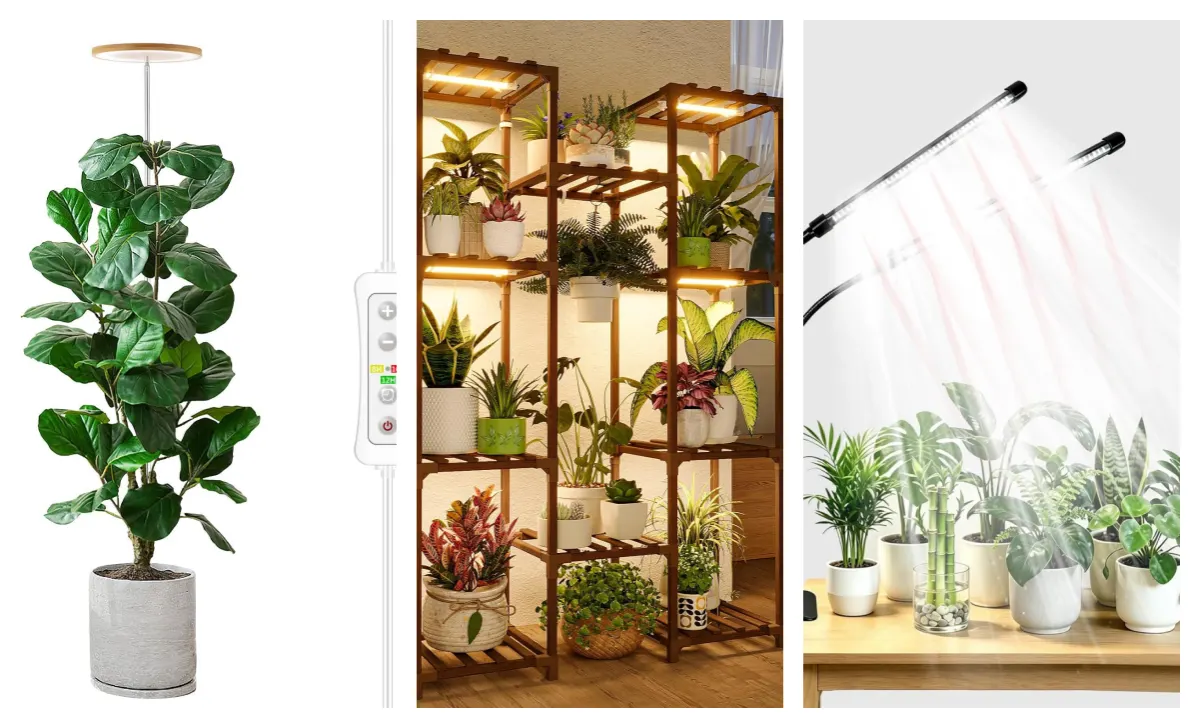
Light: Bright indirect light is best. Lower light is possible, but the plant grows slower and the soil dries more slowly. My fuller notes are in the Calathea light requirements guide.
Temperature: I try to keep it away from cold windows, winter drafts, and rooms that dip below about 60°F / 15°C.
Humidity: Extra humidity helps, but it does not compensate for dense soil or a pot that stays wet. For winter homes, see my Calathea humidity guide.
Detailed Care Guide
Watering
I water Rattlesnake Calathea by pot feel, not by a fixed schedule. The top layer can dry slightly, but I do not let the whole root ball become dusty dry. If the pot still feels heavy or cool, I wait. If the leaves are curling and the pot feels light, then I water thoroughly and let the excess drain out.
If you are unsure how to judge the timing, my Calathea watering guide explains how I read pot weight, soil moisture, and seasonal changes.
Light
Bright indirect light keeps the plant growing steadily. It can tolerate lower light better than some Calatheas, but I would not use that as an excuse to keep it in a dark corner. In low light, the plant uses less water, the soil stays wet longer, and root problems become easier to trigger.
If your room is dim, read my Calathea low light care guide before increasing watering or fertilizer.
Soil
The soil mix matters a lot with this plant. I want something that holds moisture but still has enough large particles for air. A mix with coco coir or peat, perlite or pumice, and fine bark works better for me than a heavy all-purpose potting soil on its own.
If your pot stays wet for too long after watering, start with the mix. My best soil for Calathea guide goes deeper into how I adjust the mix for indoor conditions.
Fertilizer
I only fertilize when the plant is actively growing and the roots seem healthy. A diluted balanced fertilizer once a month in spring and summer is enough for me. If the plant is stalling, yellowing, or pushing weak new shoots, I stop feeding first and check the roots and soil.
For a simple feeding schedule, see my Calathea fertilizer guide.
Humidity
Rattlesnake Calathea appreciates humidity, but I do not rely on misting. Misting makes the leaves wet for a short time, but it does not change the root environment. In my home, a small humidifier and gentle airflow are much more useful than spraying the leaves every day.
Common Problems with Rattlesnake Calathea
Rattlesnake Calathea usually tells me something is wrong through the leaves, but I try not to diagnose from the leaf alone. I always check the pot first: is it light or heavy, warm or cold, drying evenly or staying wet in the center?
- Curling leaves → This can happen from underwatering, dry air, cold stress, or a recent move. If the pot is light, water may be the issue. If the pot is still wet, I would not keep adding water. My Calathea curling and drooping guide explains how I separate these causes.
- Brown edges → Dry air and mineral-heavy water can cause brown edges, but on a plant that stays damp and weak, I check root health first. If the damage keeps showing up on new growth, compare it with my yellow and brown Calathea leaves guide and Calathea root rot symptoms guide.
- New shoots collapse → This is the warning sign I take most seriously. When new growth starts but cannot finish, the roots may not be giving the plant enough support. Dense soil, an oversized pot, or a wet center are the first things I would check.
- Faded leaf pattern → Too much direct sun can bleach the leaves, but weak growth in low light can also make the plant look dull over time. I would fix light and root health before blaming fertilizer.
For broader troubleshooting, use the Calathea problems hub.
Propagation & Repotting
Rattlesnake Calathea cannot be propagated from a single leaf cutting. If I divide it, I do it during repotting, and only when the plant is actively growing and has enough roots to handle being separated.
- Best time: Spring to early summer, when recovery is easier.
- Best method: Division, with each section having its own roots and several healthy leaves.
- Pot size: I only move up slightly. A much larger pot can hold too much wet soil around a small root system.
- Aftercare: Keep the plant warm, evenly moist, and out of harsh direct sun while the roots settle.
If you want the full step-by-step process, see my Calathea propagation guide.

FAQ
Explore More Calathea Varieties
Looking to discover more beautiful Calathea plants?
Browse our full collection of Calathea varieties — from the bold Orbifolia to the velvety Warscewiczii — and find the one that fits your home best.