Last updated: April 27, 2026
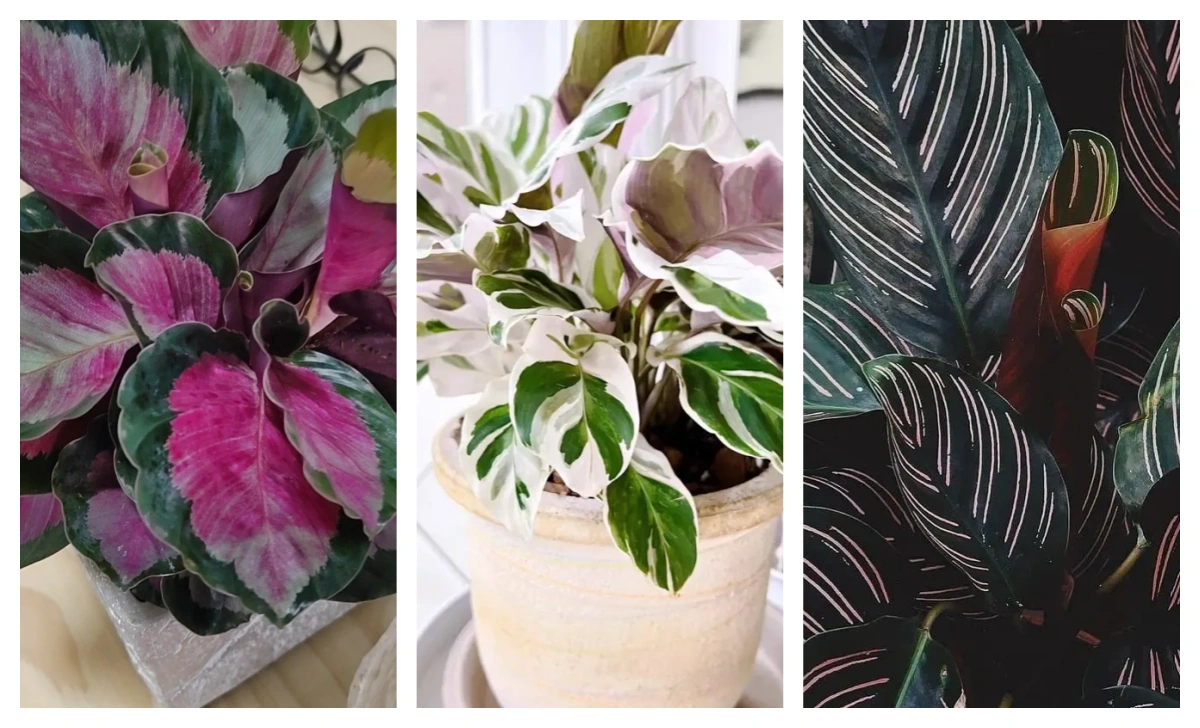
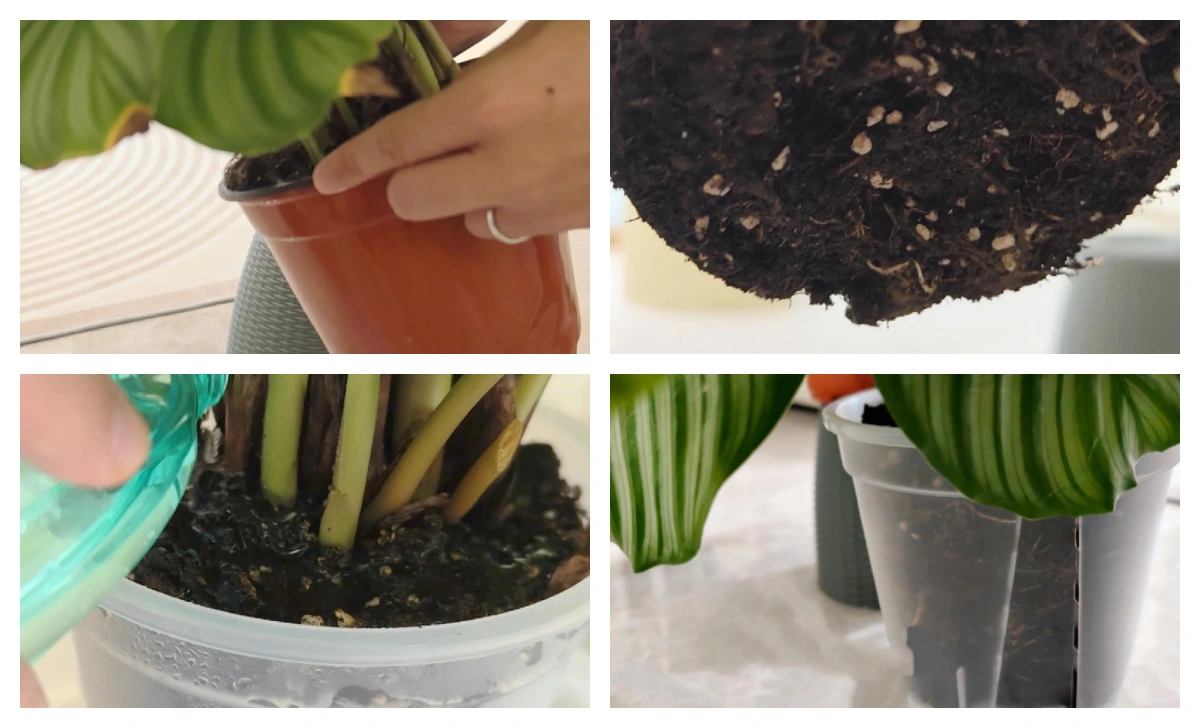
In my Seattle apartment, Calathea picturata has quietly become the most dependable member of my Calathea shelves—especially in winter. While my Rosy and Medallion tend to lose color or curl whenever the humidity dips, my Picturata Crimson keeps its deep tones, and the Silver stays surprisingly crisp even when the heater is running.
What I love most about the picturata group is how stable they are. The leaves are thinner and more metallic than the roseopicta types, but they don’t fade or stain as quickly. The silver center holds up in medium light, and the burgundy tones on Crimson don’t wash out unless conditions are extremely poor.
And honestly, if you’ve struggled with “diva” Calathea before, this is one of the first I’d recommend. Picturata tolerates slightly lower humidity, bounces back faster after underwatering, and stays compact enough for smaller apartments. For anyone who loves Calathea but wants something a little less high-maintenance, this group is a great place to start.
What Makes Calathea picturata Special?
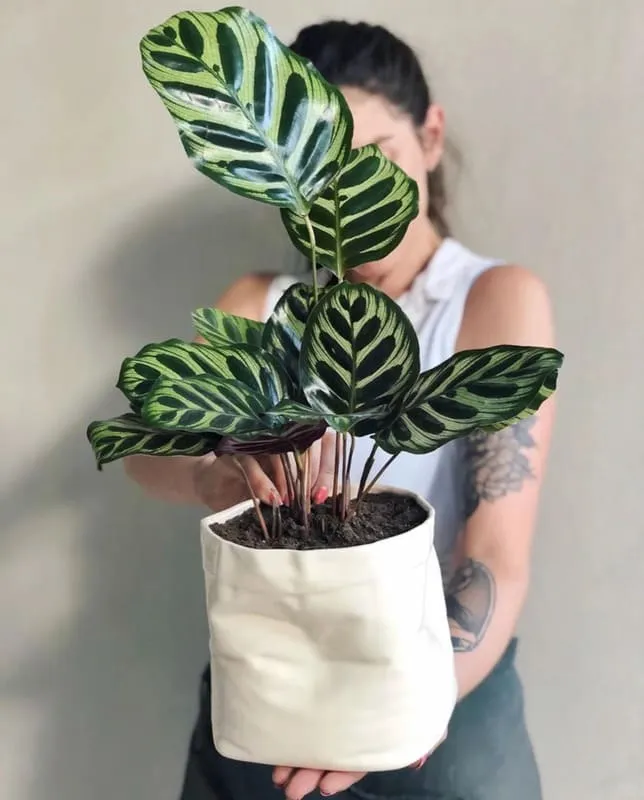
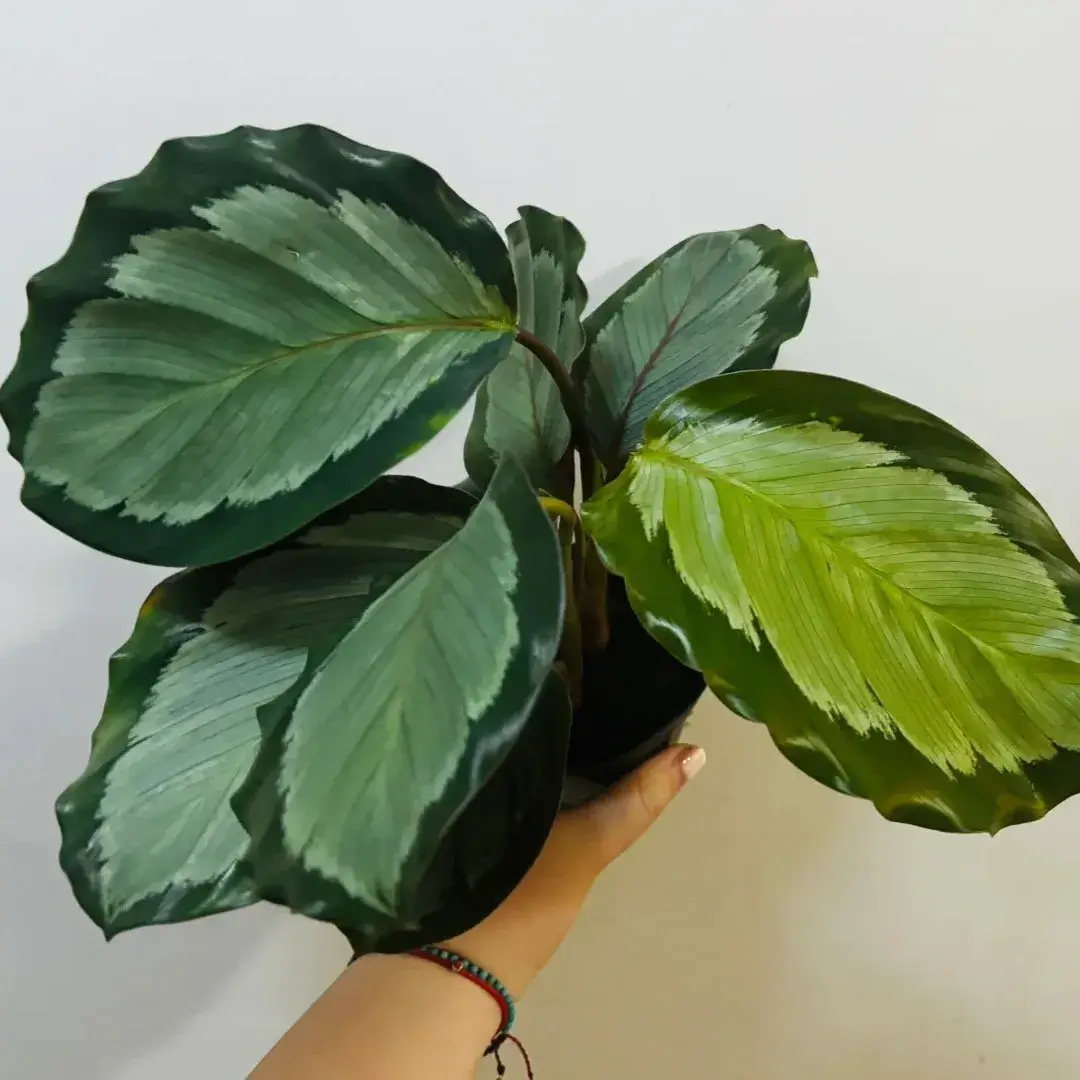
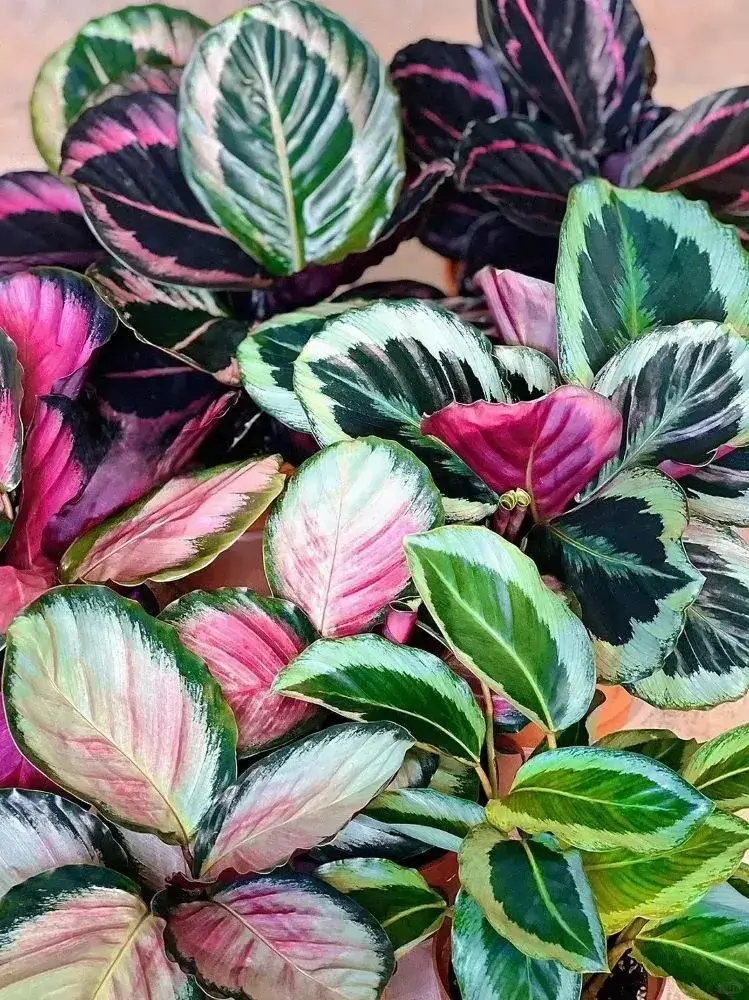
Calathea picturata stands out because it looks delicate but behaves sturdier than many classic Calathea types. The metallic sheen is the first thing people notice—especially on the Silver and Argentea cultivars. In the right light, the center of each leaf almost reflects like brushed metal, something you rarely see in roseopicta varieties.
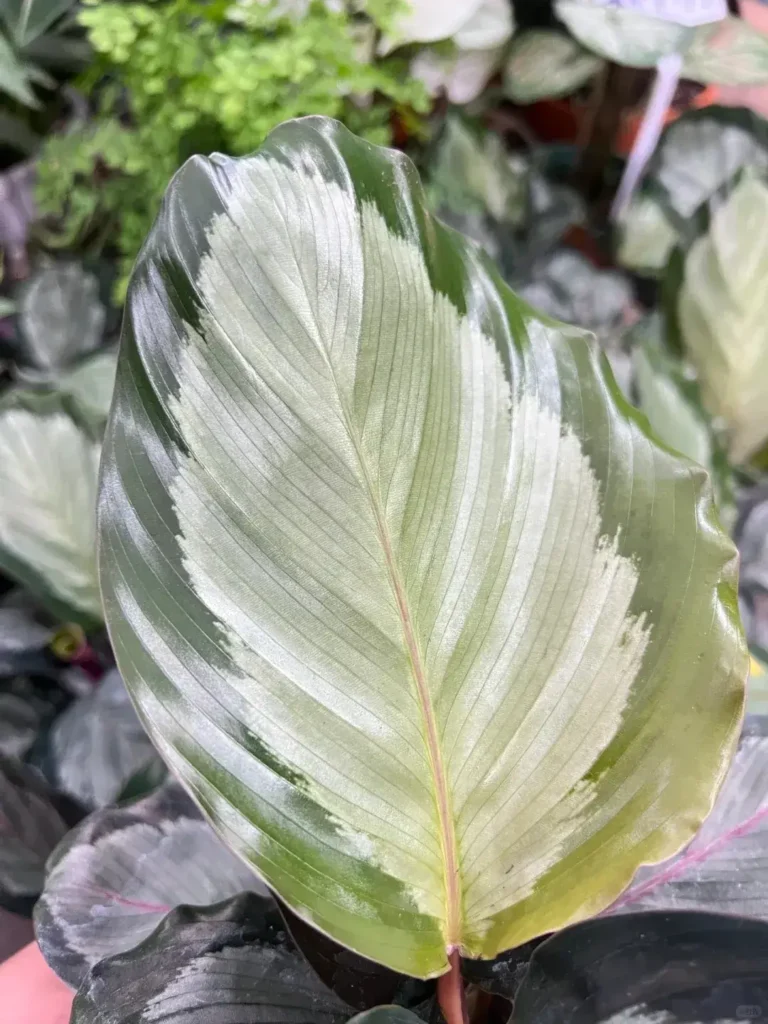
The thin, oval leaves give picturata a lighter, more modern look. It doesn’t have the thick, round, oil-paint style foliage that Rosy or Dottie have. Instead, the leaves feel streamlined, with clean borders and a strong sense of symmetry.
Color contrast is also a big part of its appeal:
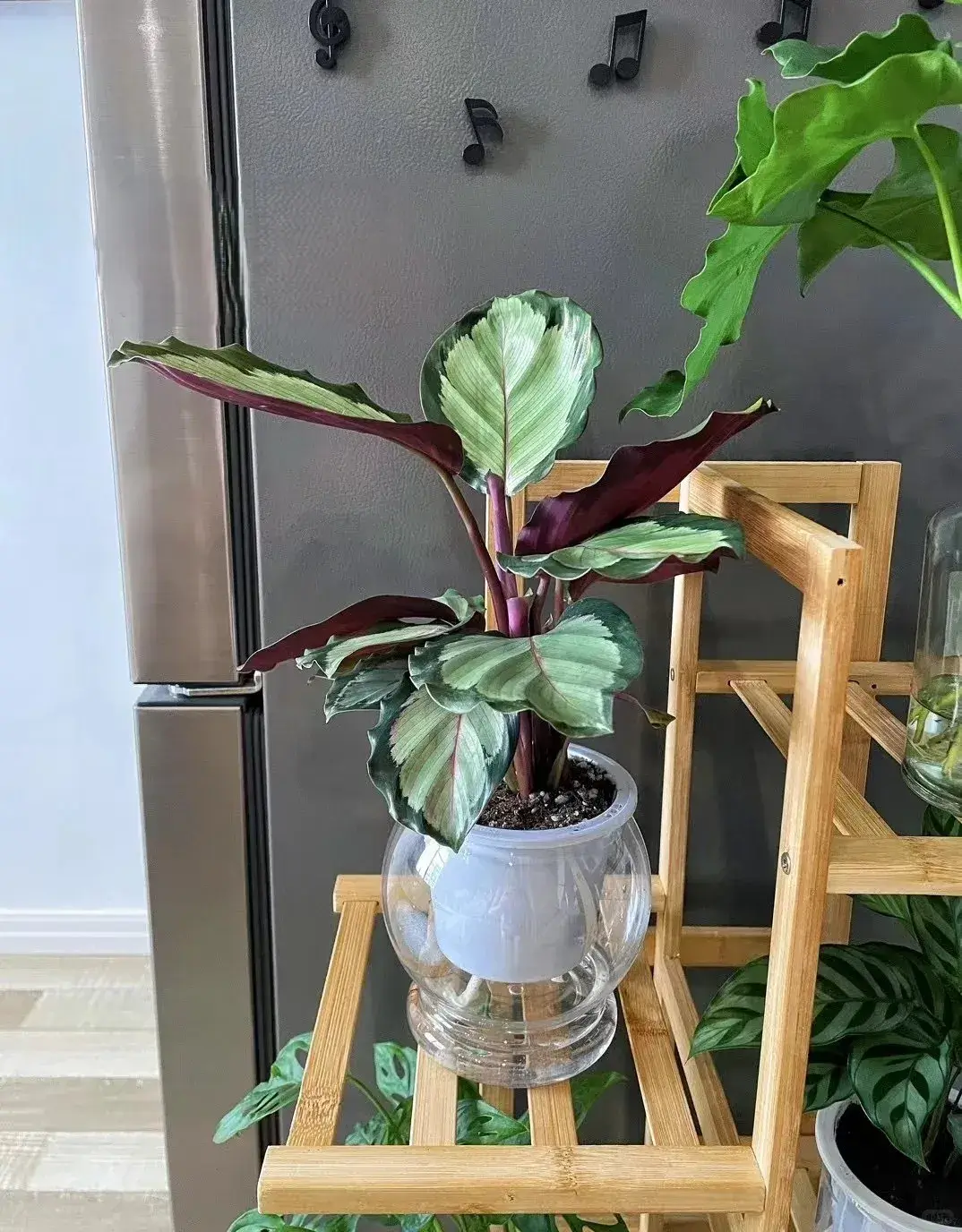
- Crimson has a rich burgundy center that stays intense even in winter.
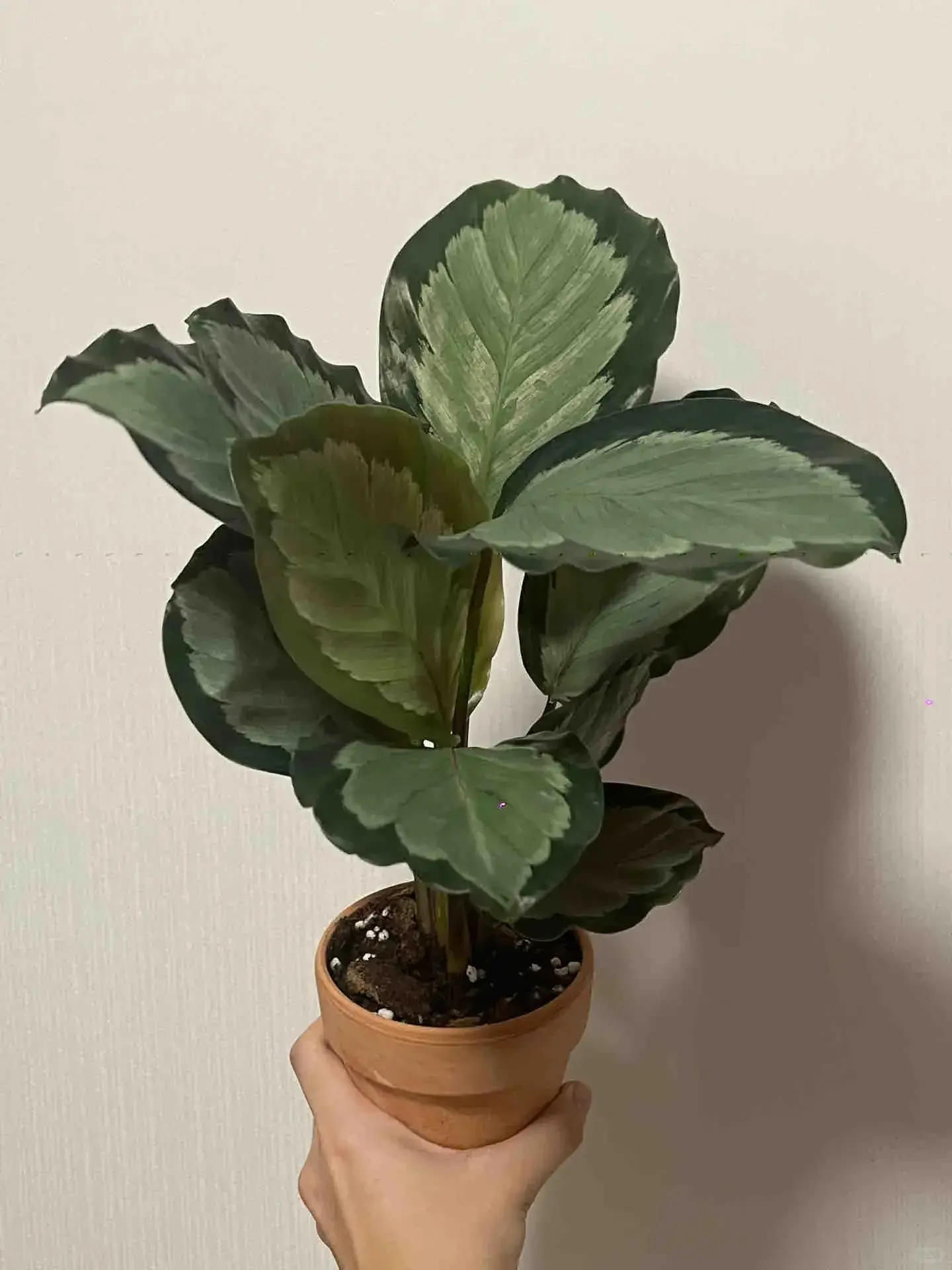
- Silver / Argentea carry a bold silver-white heart framed by deep green.
- Silvia softens everything with a gentle silver-pink blush.
Each cultivar has a slightly different personality, but they all share that crisp, graphic center patch that makes picturata so recognizable.
And despite looking refined, picturata is slightly easier than roseopicta in day-to-day care. It tolerates lower humidity, and in my experience, it recovers from underwatering much faster. If you’ve ever watched a Medallion sulk for two weeks after a missed watering, you’ll appreciate how forgiving picturata can be.
Picturata vs Roseopicta
| Feature | Picturata | Roseopicta |
|---|---|---|
| Leaf Shape | Thin, oval | Round, thick |
| Colors | Silver / purple cold tones | Pink / green warm tones |
| Care Difficulty | Easier | More sensitive |
| Light Needs | Medium–bright | Medium |
| Growth | More compact | Broader |
My Personal Growing Notes
I’ve been growing my Calathea picturata (both Crimson and Silver forms) for a while now, and it has turned out to be one of the more predictable Calatheas in my home.
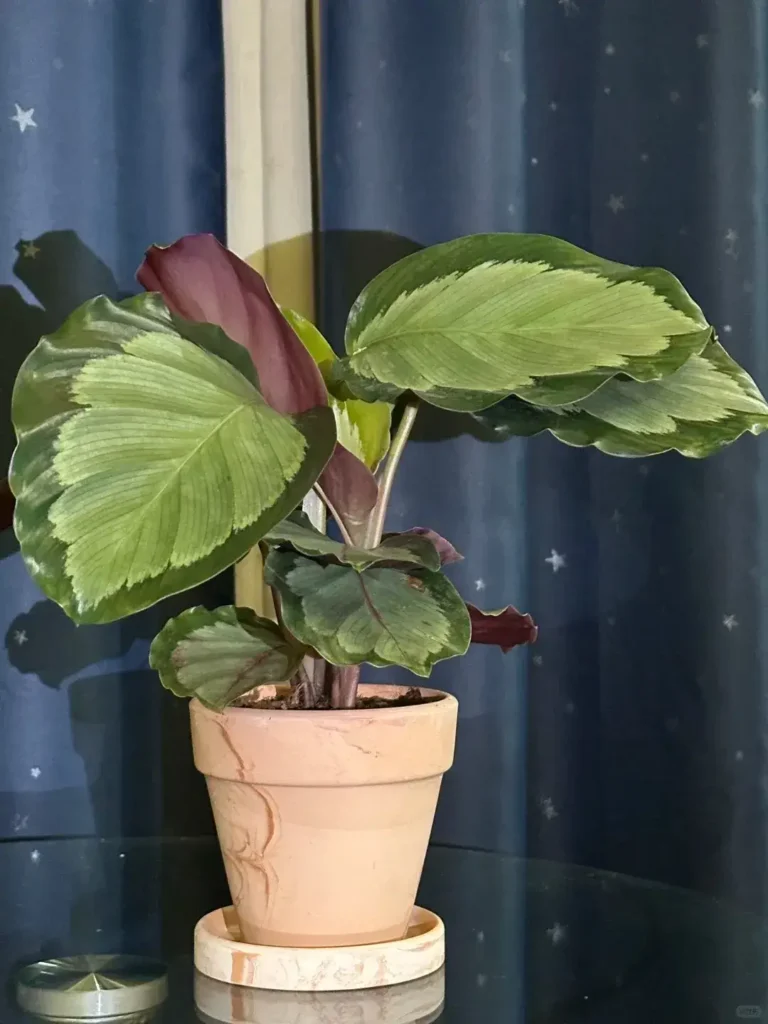
Here’s the setup that works consistently for me:
My Growing Conditions
- Light: bright, indirect light — enough to keep the center pattern sharp without washing out the silver
- Temperature: always above 20°C (68°F); it slows down quickly below that
- Soil: loose, airy mix with plenty of perlite so the roots never sit heavy
- Watering: I let the soil dry out almost completely before watering again;
despite their reputation, many Calatheas (including picturata) are more drought-tolerant than people think — what they absolutely hate is overwatering
What I’ve Observed
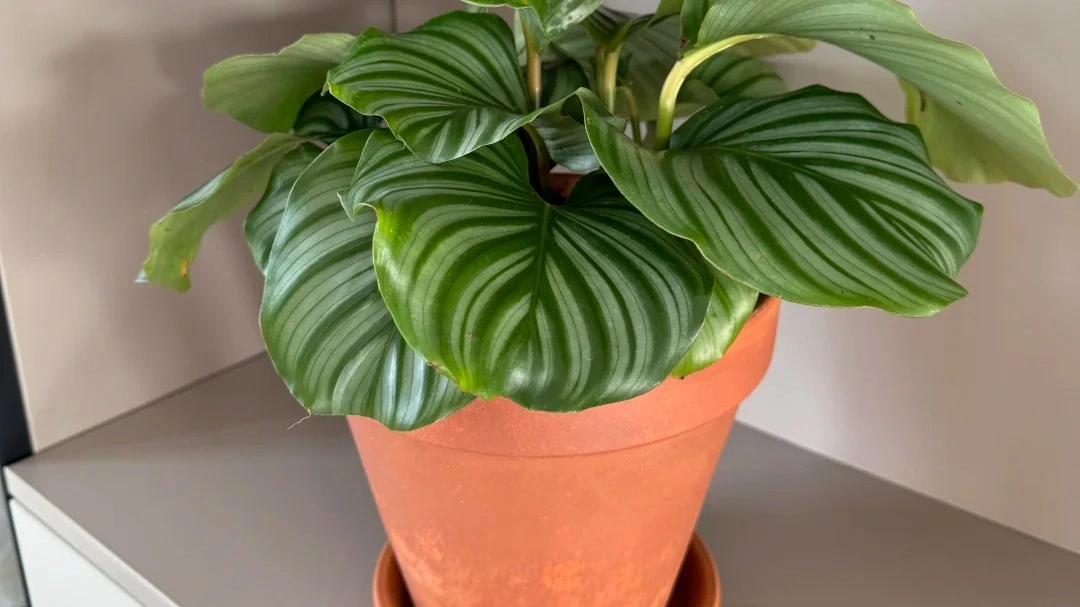
The leaf backs have a soft, velvety purple finish that looks almost matte, while the tops stay smooth and slightly glossy. They catch artificial light beautifully at night.
One interesting thing I noticed was the crowded center growth point. A new emerging leaf was squeezed by the surrounding foliage, and I wondered whether it would deform. It eventually pushed through cleanly once it had enough space.
Overall, picturata has been a calm grower for me — steady, non-dramatic, and visually rewarding as long as I respect the “don’t overwater me” rule.
Growth & Environment Requirements
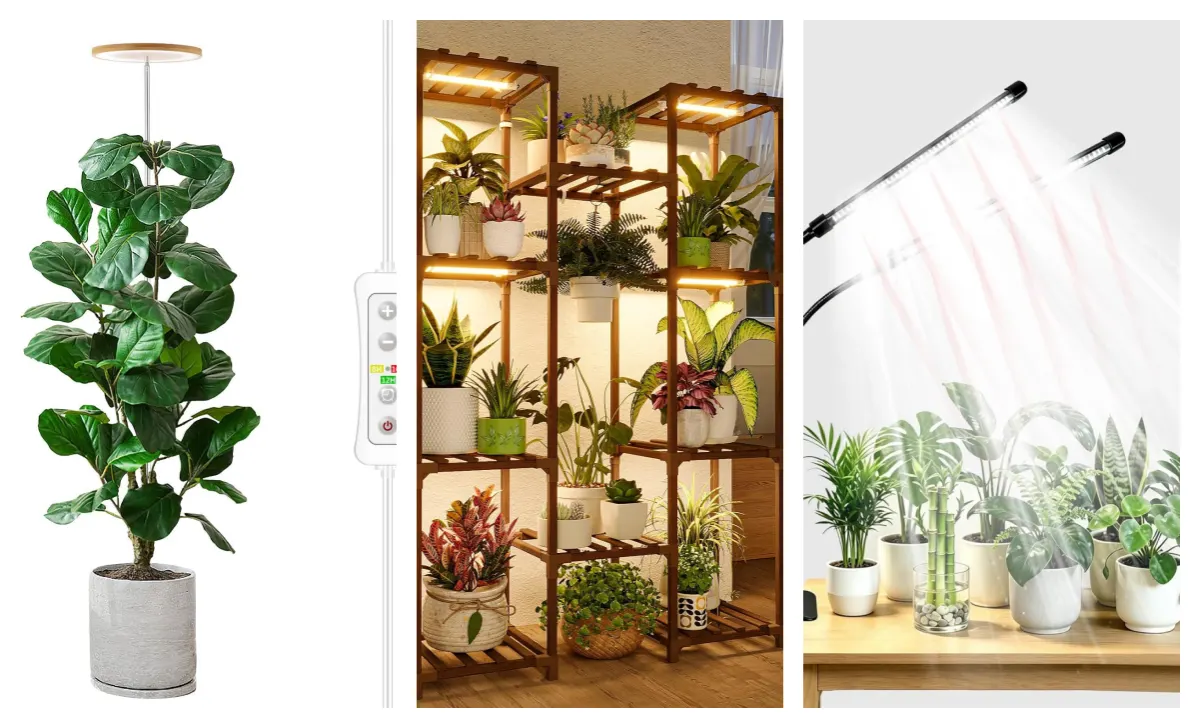
Calathea picturata grows best in bright, indirect light. The silver and burgundy centers stay sharp only when the plant gets enough brightness—too little light and the metallic tones quickly turn dull or flat. Direct sun, however, will scorch the thin leaves.
It prefers a temperature range of 18–27°C (65–80°F), which matches most indoor environments. As long as it’s kept away from cold drafts or heater vents, picturata stays surprisingly steady throughout the year.
Humidity around 50–65% is ideal. Unlike roseopicta varieties, it doesn’t demand tropical humidity to look good; even in my Seattle winters, it holds its shape as long as the air isn’t extremely dry.
Growth speed is medium to slow, forming a compact, tidy shape over time. A mature plant usually reaches 30–40 cm in height with a bushy, symmetrical form—perfect for shelves, desks, and smaller apartments.
Detailed Care Guide
Watering
For Calathea picturata, I water when the top layer feels dry and the pot feels lighter, not on a strict schedule. I do not keep it constantly wet, but I also do not let the entire root ball dry hard.
In my experience, Crimson handles slight underwatering better than my Medallion, but it struggles if the soil stays wet for too long. If the mix remains heavy for days, I check drainage, airflow, and root health before watering again.
Light
Lighting affects picturata more than people expect.
- Silver and Argentea cultivars need brighter indirect light to keep their metallic center vibrant—too little light, and the entire leaf turns a dull gray-green.
- Crimson is more forgiving and keeps its deep burgundy tone even in medium light.
I keep my Silver closer to the east-facing window, while my Crimson lives comfortably a bit farther back on the shelf.
Soil
Picturata thrives in a mix that balances moisture and airflow. A good starting blend is:
40% potting mix
30% perlite
20% coco coir
10% fine bark
This keeps the soil airy enough to prevent root stress but still holds moisture evenly.
During Seattle’s winter, I add a little more coco coir to keep the soil from drying out too quickly with the heater running. In summer, I tilt the mix slightly more toward perlite to prevent waterlogging.
Fertilizer
Feed monthly with a diluted, gentle fertilizer during the growing season. I would not use a strong formula or feed too often, because overfeeding can push soft growth and add salt stress around the roots. If the silver center turns dull or greenish, I would check light first before blaming fertilizer. especially on Silver and Argentea cultivars. This is one of the most common mistakes new owners make.
Humidity
While many Calatheas demand 70%+ humidity, picturata does well at 50–65%.
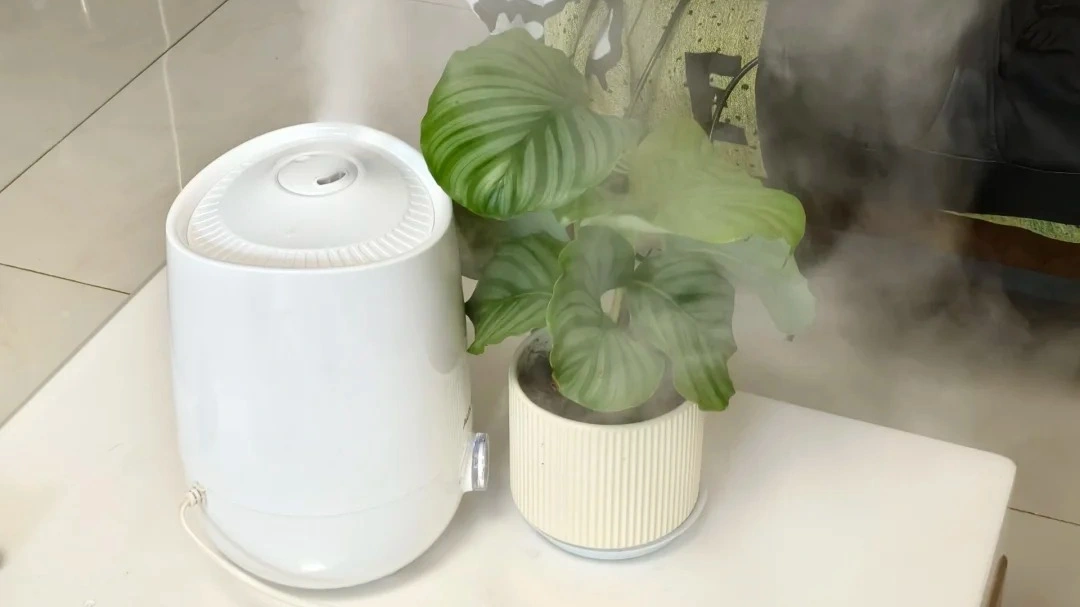
In Seattle’s winter heating season, I usually keep my humidifier around 50–55%, and both Crimson and Silver stay stable without crisping or curling.
Just avoid placing them next to heater vents or strong drafts.
💡Quick Tip Card
I let the top inch of soil dry, keep humidity around 55%, and place my Silver where it gets gentle morning sun. Filtered water keeps the leaf edges clean, and I avoid heavy fertilizers to protect the metallic tones. Small, consistent adjustments make picturata one of the easiest Calatheas to keep looking sharp.
Common Problems & Fixes
Even though picturata is steadier than most Roseopicta varieties, it still shows subtle stress signals through its foliage. Understanding these signs early helps you correct issues before they spread:
- Silver center turning dull ➝ Usually a sign of insufficient light.
The metallic patch loses its reflective quality and turns flat gray-green when the plant sits too far from a window. Move it slightly closer to bright, indirect light and check whether the next leaf emerges brighter.
Learn more in Calathea Light Requirements.
- Crimson fading toward green ➝ Usually starts with not enough usable light, especially if the plant is sitting too far from a window. If the soil also stays wet for too long, root stress can make the color look even weaker. Move it to brighter indirect light and let the top layer dry before watering again.
Related guide: Calathea Overwatering vs Underwatering.
- Crispy or brown edges ➝ Minerals in tap water or dry indoor air.
Hard water salts accumulate on thin picturata leaves, and Seattle’s heater season pulls moisture from the margins even faster. Switch to filtered water and keep the plant away from warm drafts.
Troubleshooting in Calathea Brown Leaf Edges.
- New leaves curling or cupping ➝ A sign of underwatering or humidity dips.
When humidity drops below ~45%, new leaves may twist, stick, or unfurl unevenly. A modest humidity boost typically resolves this within the next leaf cycle.
See Calathea Curling Leaves.
- Whole plant drooping ➝ Most often from water swings—too wet for too long, then overly dry.
Compacted soil can also suffocate roots, causing the plant to slump suddenly. If the mix has broken down, see my guide on how to repot Calathea without root stress.
For watering-related drooping, use the Calathea Drooping Guide.
💡My Tip
My Crimson only showed real color loss when I kept it too far from the window in lower-medium light. Once I moved it closer — still indirect, but noticeably brighter — the color improved within the next couple of leaves.
My Take: A Calathea That Looks Fancy but Grows Calmly
What makes Calathea picturata worth growing is the balance between appearance and temperament. It has the metallic color and sharp contrast of a collector plant, but in my home it behaves more calmly than Rosy or Medallion.
I would still avoid soggy soil, harsh sun, and dry heater air. But if you can give it bright indirect light, moderate humidity, and a breathable mix, picturata is one of the easier Calatheas to keep looking polished indoors.
FAQ
Explore More Calathea Varieties
If you like the metallic look of Calathea picturata, you may also want to compare it with other silver, dark, and patterned Calatheas. Start with the full Calathea types guide to find a variety that fits your light, humidity, and watering habits.
View Calathea Type Guides →