Last updated: April 26, 2026
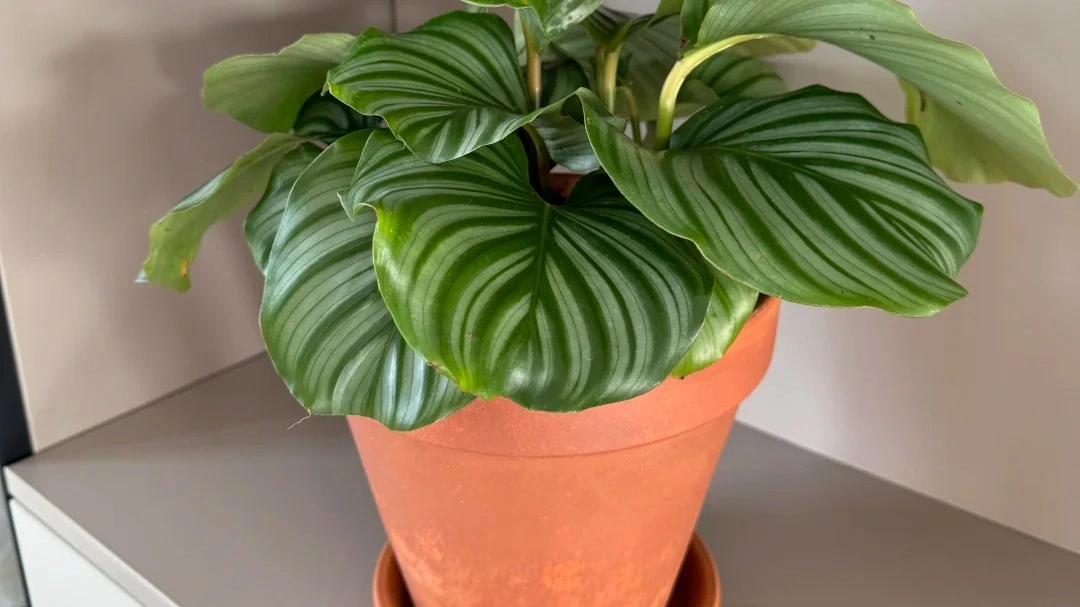
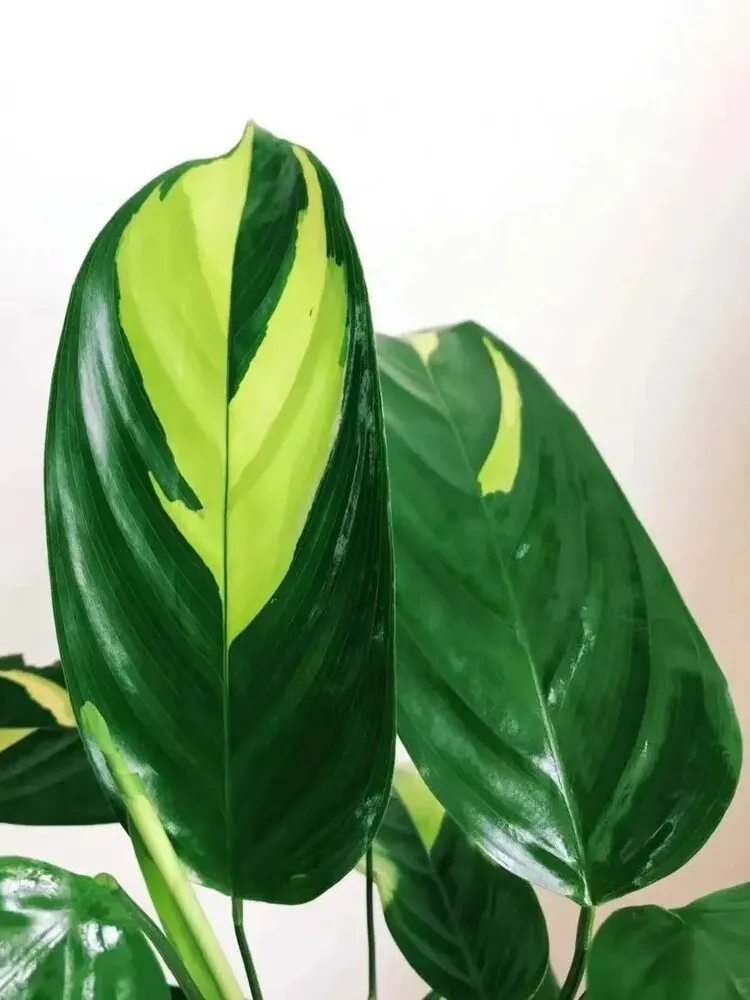
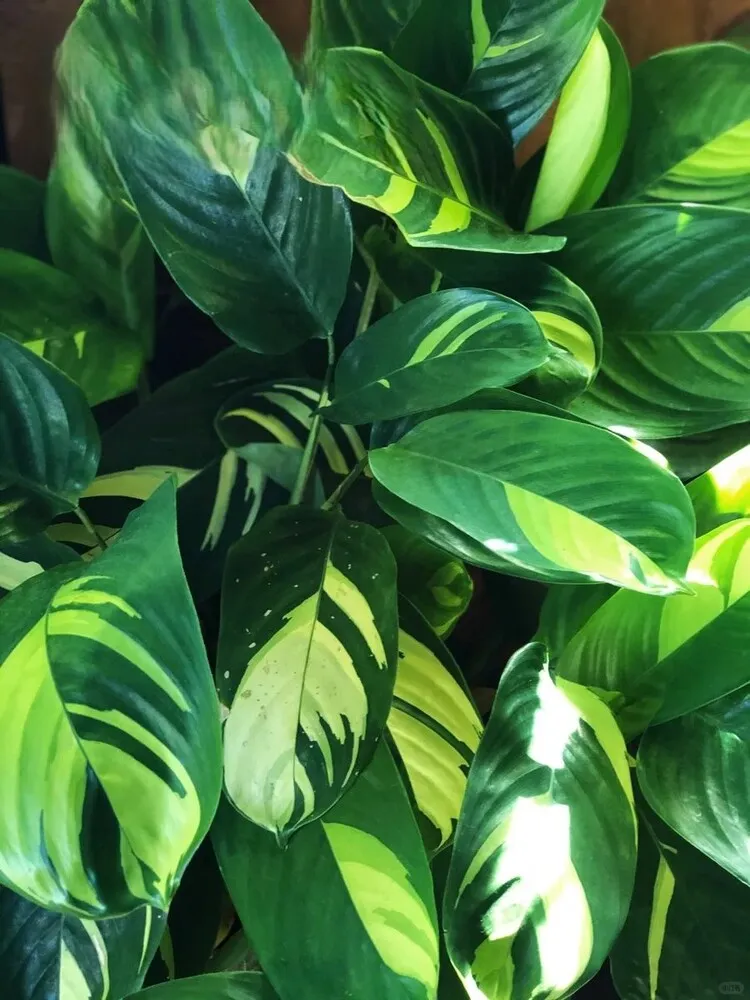
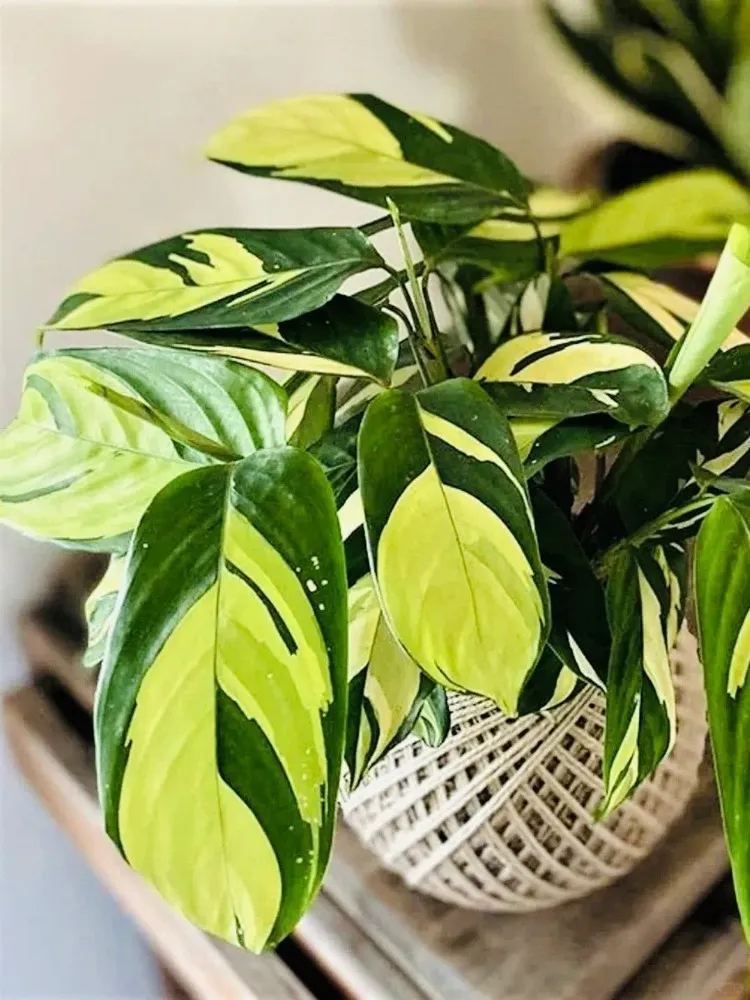
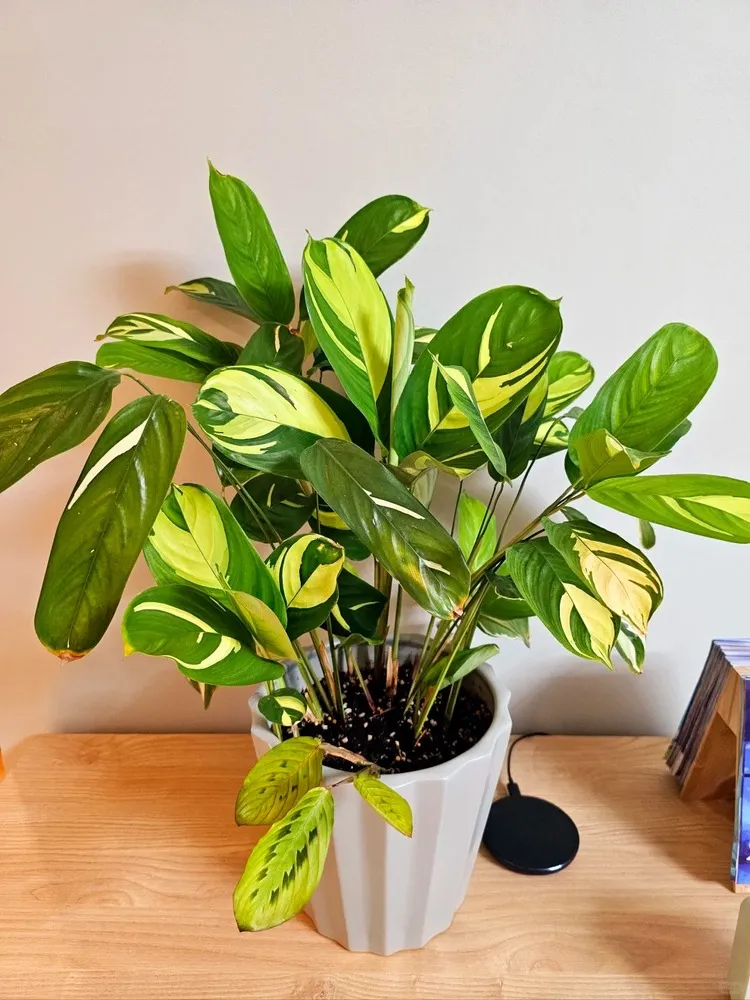
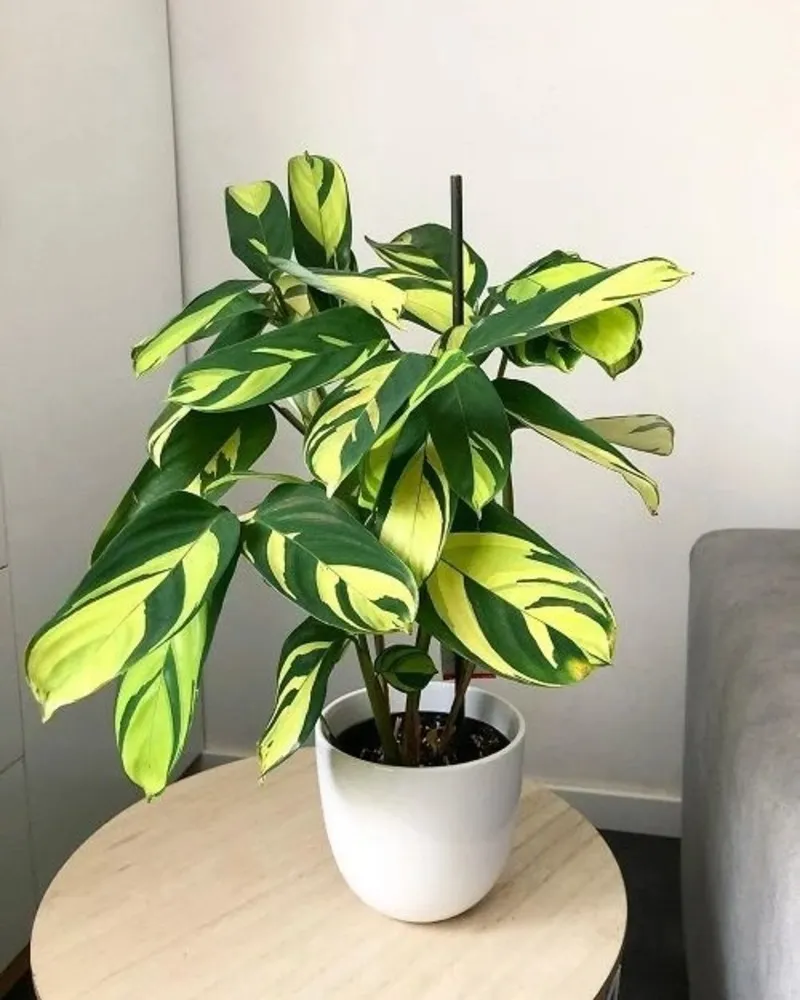
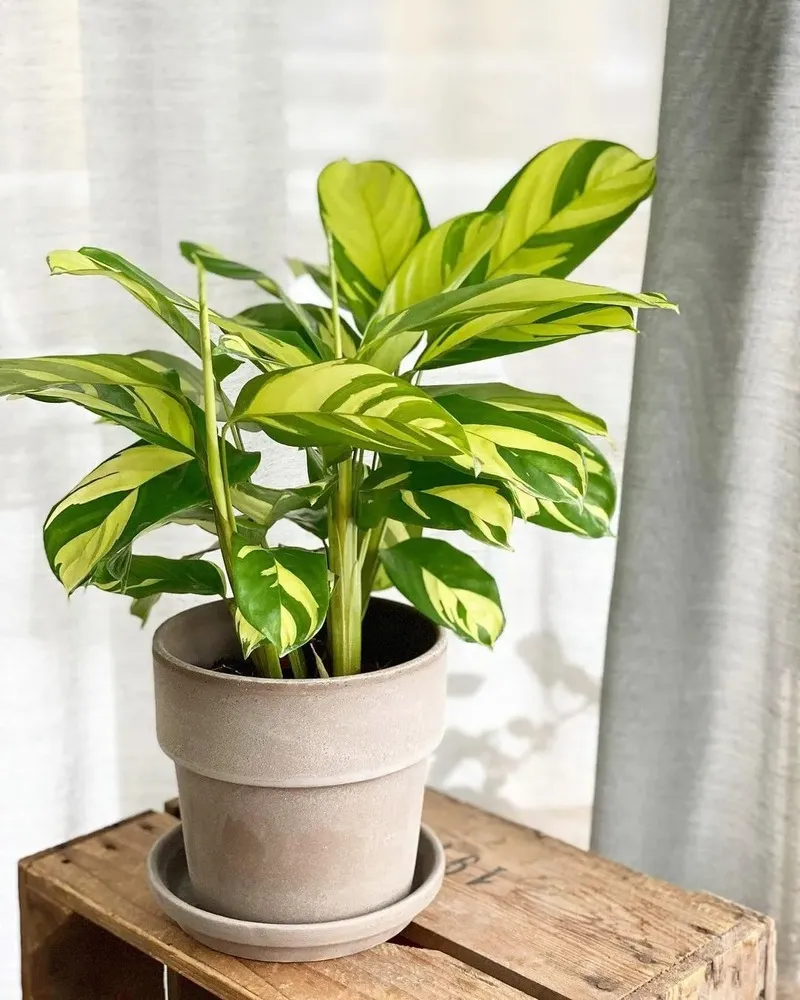
Calathea Pilosa is one of the names often used for the plant more accurately known as Ctenanthe lubbersiana, especially the yellow-green variegated form sold as Golden Mosaic. You may also see it labeled as Calathea lubbersiana, Ctenanthe Golden Mosaic, or Golden Mosaic Calathea.
In this article, I use Calathea Pilosa, Calathea lubbersiana, and Golden Mosaic together because many indoor growers search for the same plant under these names. The important care lesson is the same: this plant looks like a delicate Calathea, but it does not like being watered like a typical Calathea.
I’ve failed with this plant before. My first attempt ended quickly, in less than two weeks, and at the time I assumed it simply wasn’t meant for my space. The second time around, under almost the same environment, the outcome was completely different.
That experience taught me something important: Golden Mosaic doesn’t fail because it’s fragile. It fails because people care for it as if it were a typical Calathea. It looks delicate, but it responds better to restraint than attention — and once that contradiction clicks, everything about growing it starts to make sense.
Is Calathea Pilosa the Same as Ctenanthe Lubbersiana?
In most houseplant listings, Calathea Pilosa appears to refer to the same plant group sold as Ctenanthe lubbersiana or Golden Mosaic. Strictly speaking, it is better treated as a Ctenanthe, not a true Calathea. But because many sellers and growers still use the Calathea name, I include both names here.
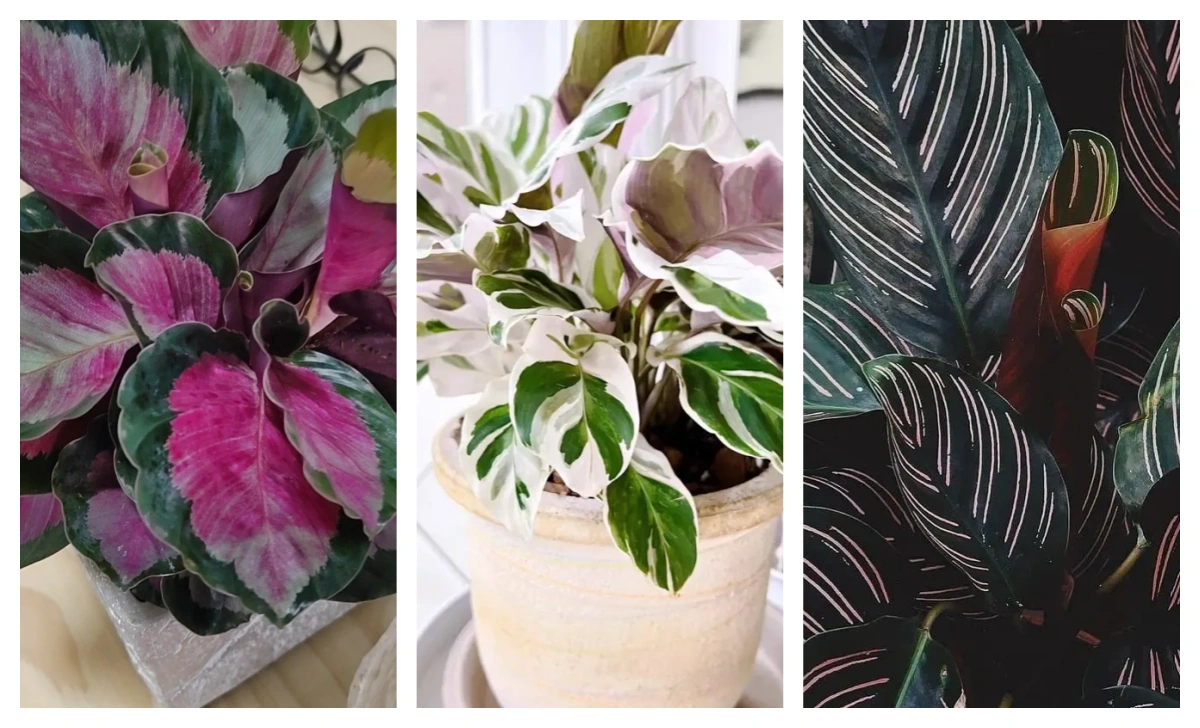
If you are trying to compare this plant with other mislabeled prayer plants, the Calathea identification chart can help you check leaf shape, markings, and common trade names before you treat them as the same plant.
What I Got Wrong the First Time — and What Changed the Second Time
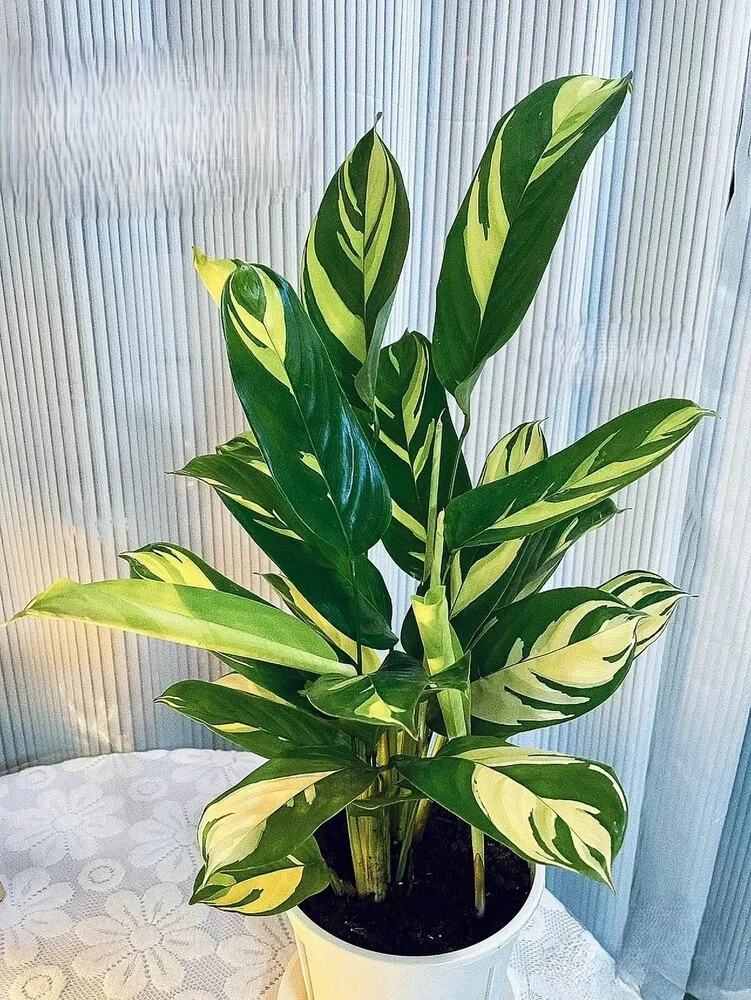
What changed the second time wasn’t that I let the plant dry out completely. Golden Mosaic doesn’t want bone-dry soil either. The difference was how I defined “dry enough.”
I stopped watering based on surface appearance and waited until the soil was dry at least 2–3 cm below the surface before watering again. At that point, the root zone had enough air, but the plant wasn’t under drought stress. That balance turned out to be crucial.
Golden Mosaic seems to prefer a clear dry–wet cycle, but within limits. It needs moisture to grow, yet it reacts poorly when the soil stays damp for too long. Letting the top layer dry properly — not completely, but noticeably — gives the roots time to breathe.
Once I started watering at that stage, rather than earlier, the plant became much easier to manage and far more stable over time.
The Calathea Pilosa Care Approach That Finally Worked
What finally made the difference wasn’t adding more care, but removing the wrong kind of care. Once I stopped treating Golden Mosaic Calathea like other Calatheas, everything began to stabilize.
Watering: Dry–Wet Cycles Matter More Than Frequency
This plant is far more drought-tolerant than it looks. The biggest mistake I made early on was watering it “on time” instead of watering it when the soil actually needed it.
What worked was a clear dry–wet cycle. I let the soil dry out noticeably between waterings, then watered thoroughly. Constant moisture, even at low levels, caused more stress than short dry periods ever did. Compared to other Calatheas in the same space, Golden Mosaic always dried the slowest — a quiet warning sign that its roots didn’t want more water.
Once I respected that rhythm, leaf quality improved and new growth became consistent.
Soil & Airflow: Why Roots Need to Breathe
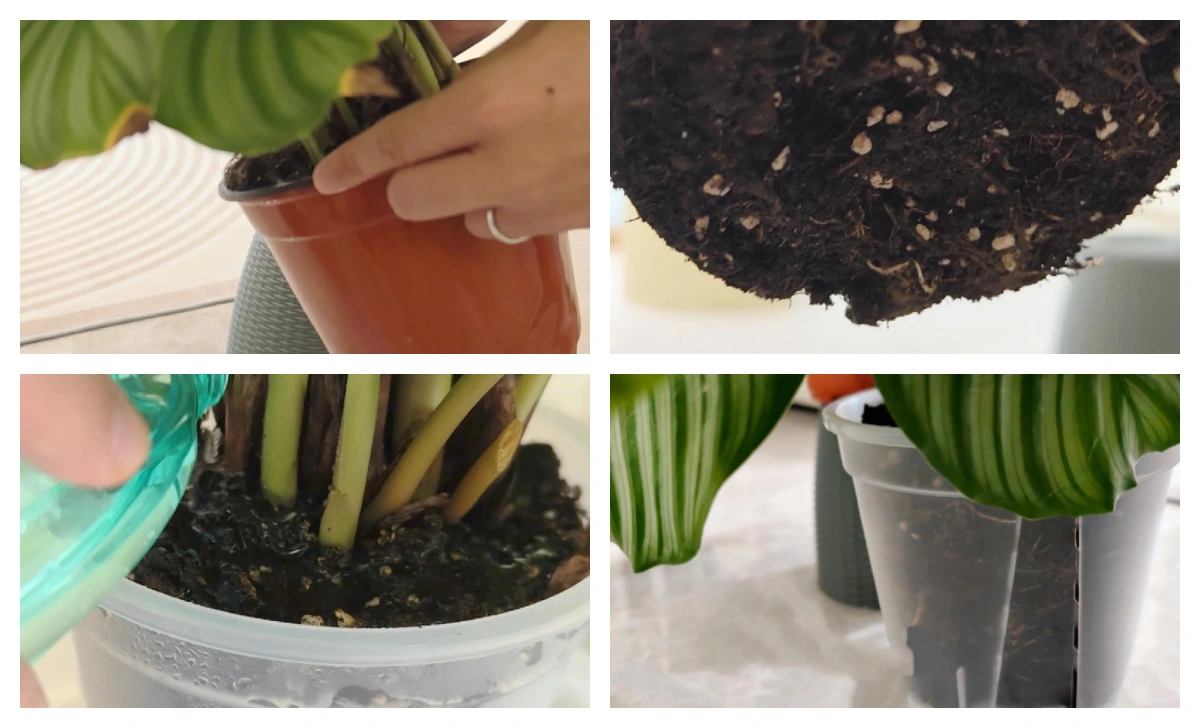
Soil structure mattered more than nutrients. I made it a habit to gently loosen the soil surface regularly, especially after watering. This simple step improved airflow and prevented the top layer from compacting over time.
For this variety, lack of oxygen around the roots causes problems much faster than lack of water. Dense, compact soil traps moisture and creates the exact conditions this plant struggles with. A loose, well-draining mix — combined with surface aeration — made a noticeable difference in overall stability.
Light & Placement: Stable, Not Bright
Golden Mosaic Calathea doesn’t need intense light to thrive. In fact, it performs best in stable, moderate light rather than chasing brightness. Low to medium indirect light has been more reliable than brighter spots that fluctuate throughout the day.
Once placed, I stopped moving it. Stability mattered more than optimization. As long as light levels stayed consistent, the plant adapted well and maintained steady growth without stress signals.
Case Study: Yellow, Patchy Leaves After Two Months
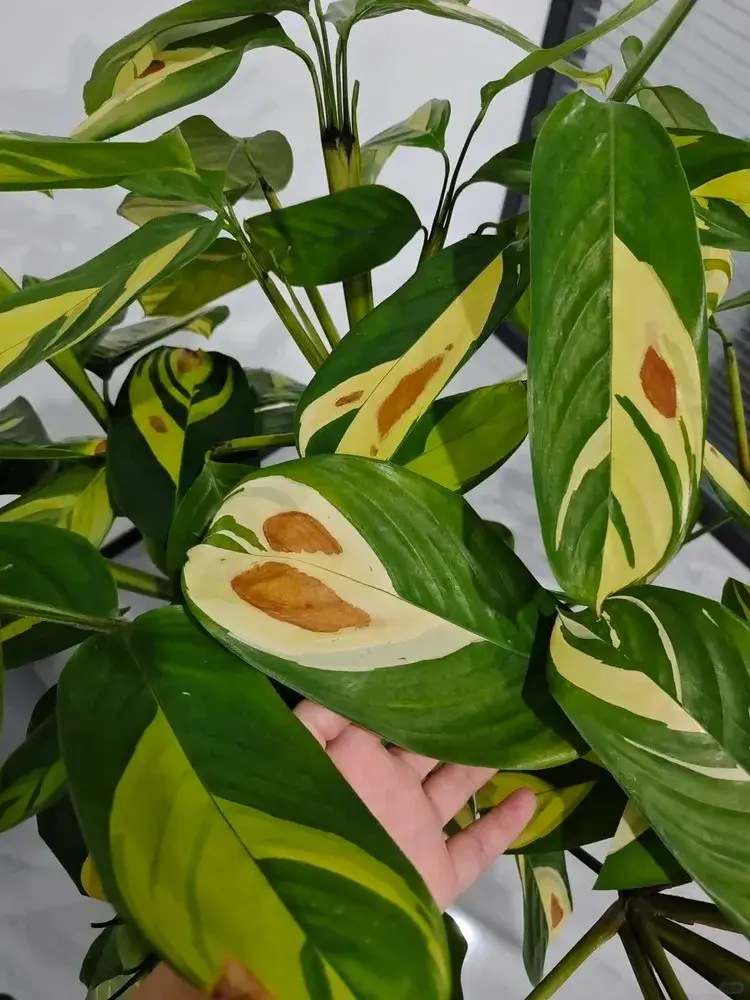
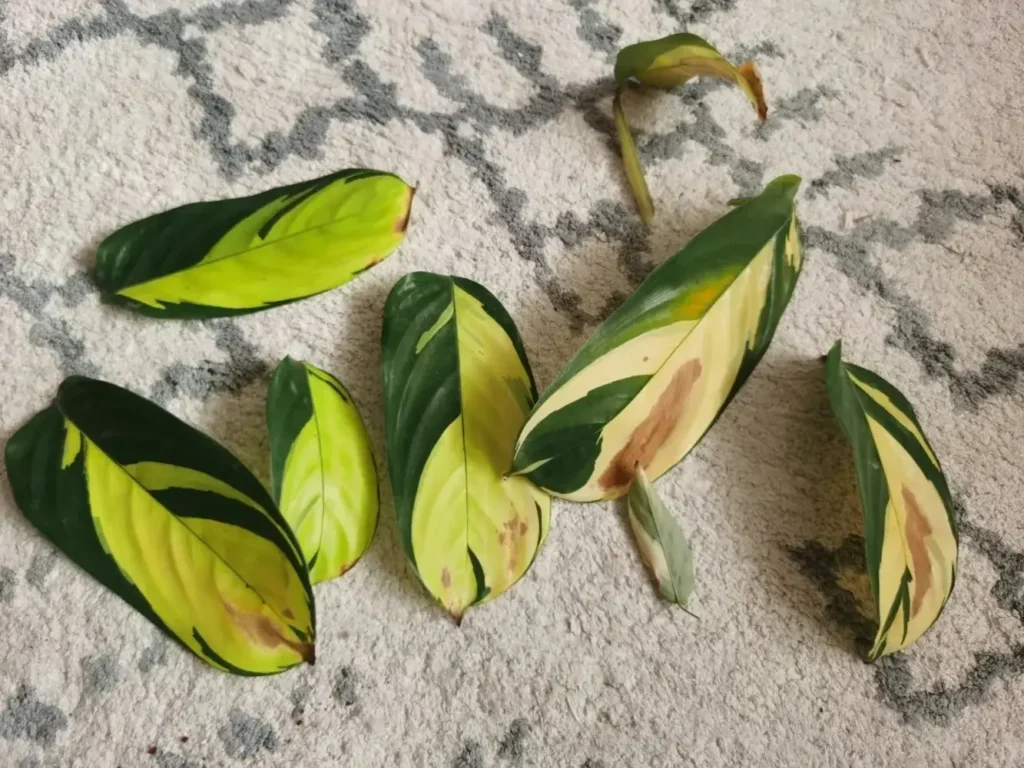
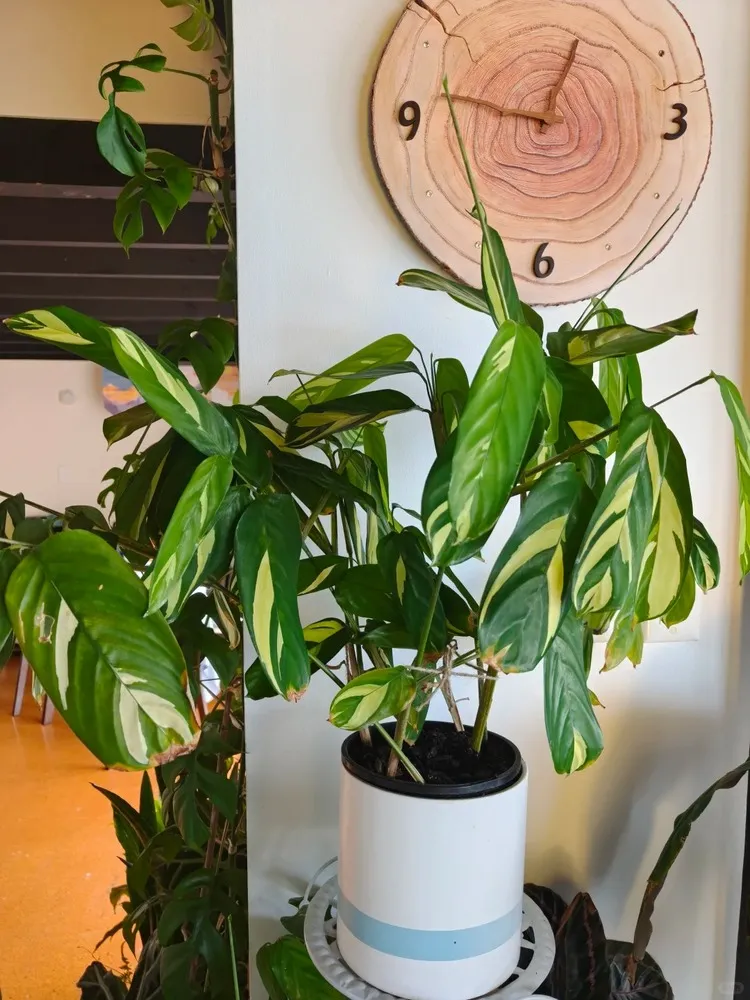
The yellowing didn’t appear as uniform leaf fade. Instead, it showed up as irregular, patchy yellow areas, spreading unevenly across otherwise healthy-looking leaves. At first glance, it looked confusing — not classic overwatering yellow, not nutrient deficiency either.
What the Yellow Patches Were Really Telling Me
The issue wasn’t happening above the soil. It was happening below it.
Despite being watered on the same schedule as nearby plants, Golden Mosaic Calathea was reacting differently. When I checked the pot, one thing stood out immediately: the soil stayed wet far longer than everything else around it.
That slow drying wasn’t a coincidence. It pointed directly to a root system that wasn’t breathing properly. When roots sit in moisture too long, they don’t fail all at once — they weaken gradually. The leaves respond by losing color in patches rather than collapsing outright.
Why This Plant “Dried the Slowest”
Compared to other Calatheas in the same room, this one consistently took the longest to dry. That’s a critical signal many people miss. Slower drying doesn’t mean the plant needs less water next time — it means the root zone is already under stress.
In this case, frequent watering during warm weather only made things worse. The roots never fully recovered between waterings, and oxygen deprivation slowly showed up as yellow, uneven discoloration on the leaves.
Once I stopped watering on a schedule and addressed the root environment — improving drainage, aeration, or switching to water propagation when needed — the problem stopped progressing.
This wasn’t a leaf issue. It was a root issue that just happened to show itself on the leaves.
Why Water Propagation Works So Well for Calathea Pilosa
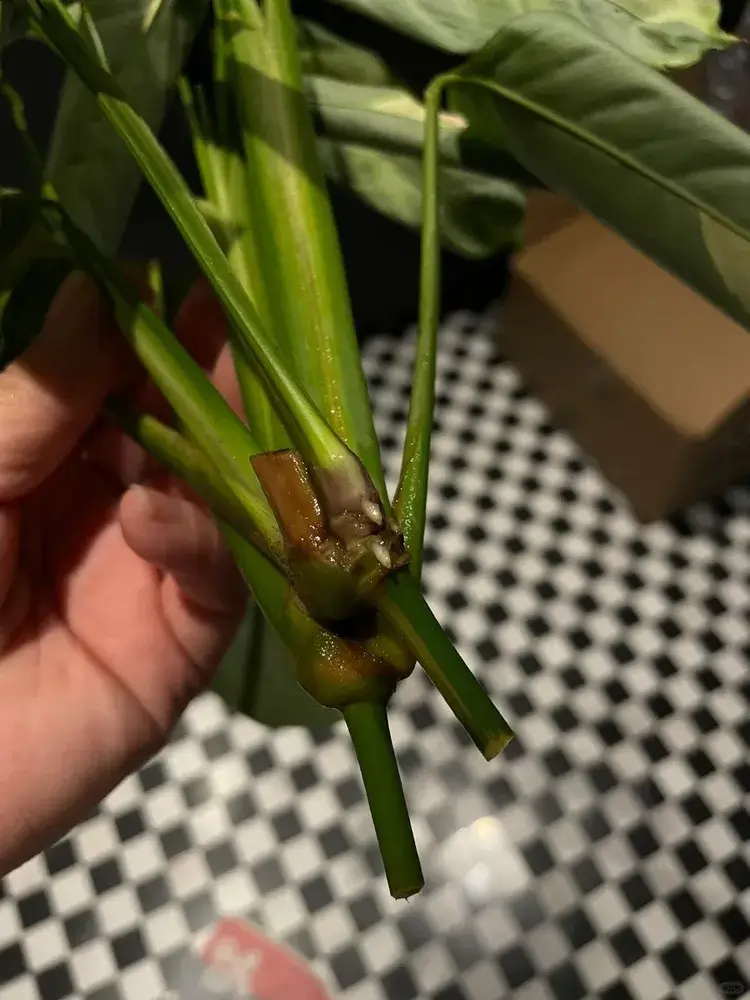
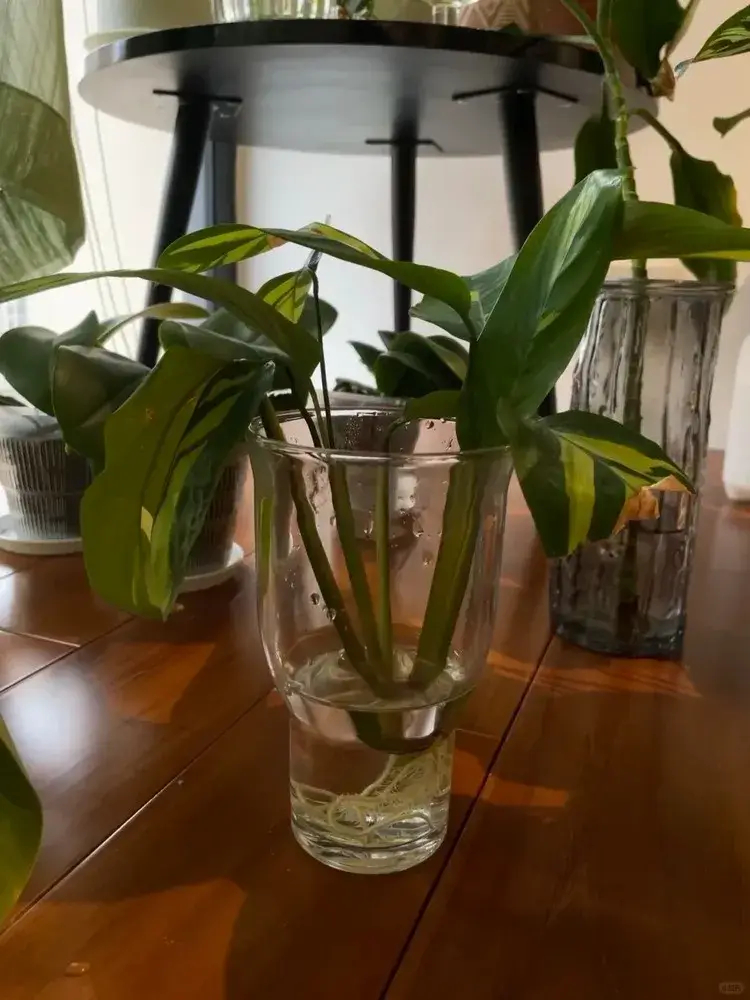
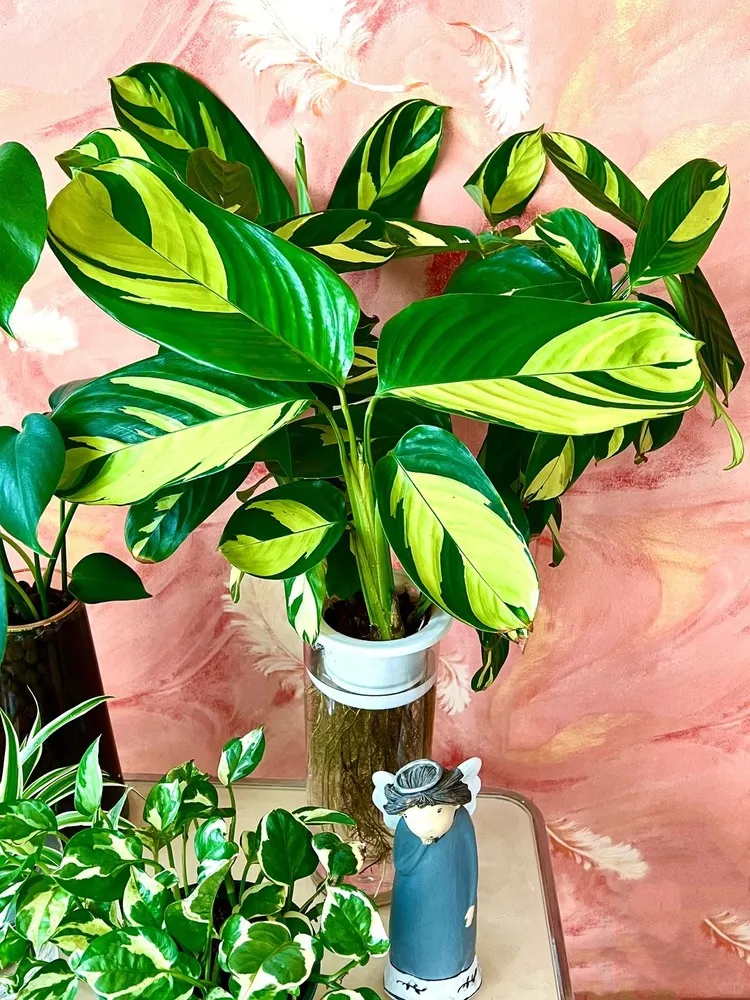
When Calathea lubbersiana starts declining from root-related issues, water propagation has been the most reliable way for me to reset the plant. Not as a permanent setup, but as a recovery stage that buys the plant time and oxygen.
Why Water Propagation Works So Well
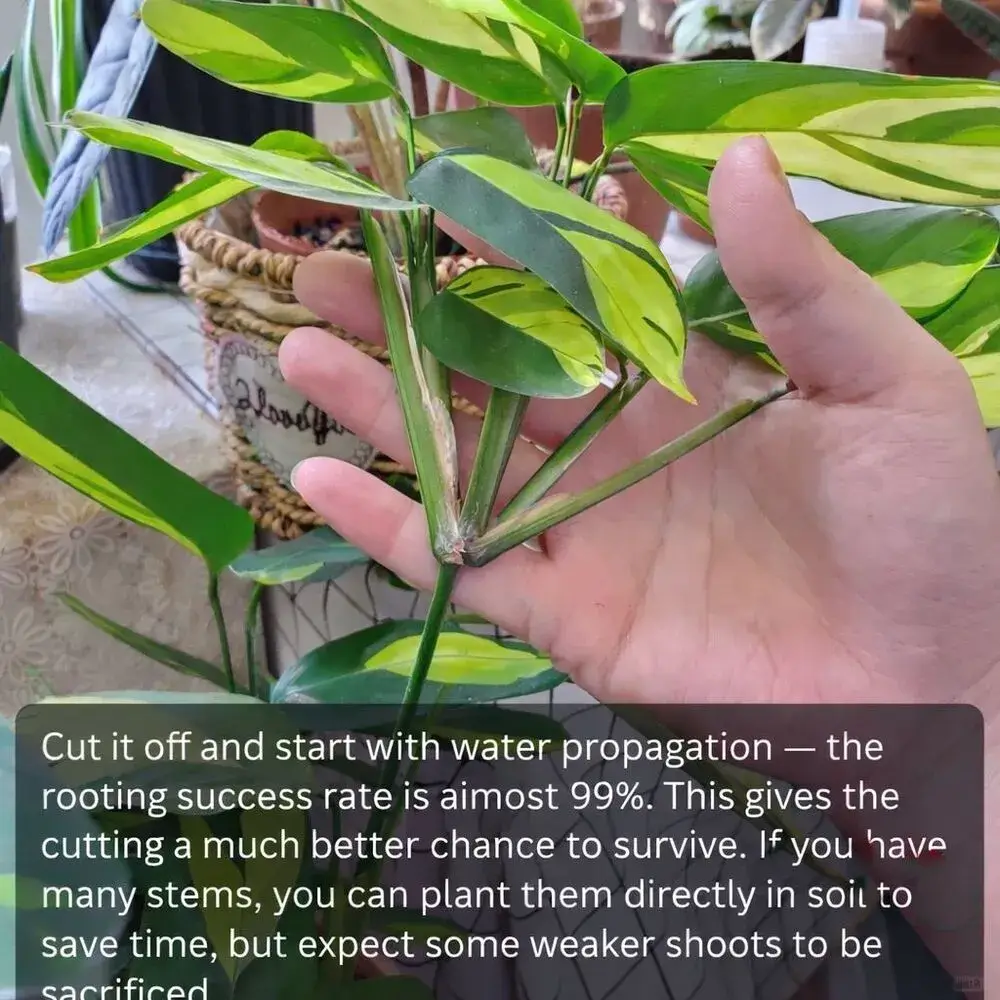
This plant roots extremely easily in water. In my experience, cuttings placed directly into clean water — without any special treatment to the cut surface — root at a near-perfect success rate. New roots usually appear quickly and grow evenly, without the stress signals often seen in compromised soil setups.
When the original root system is already struggling, asking it to adapt to fresh soil can be too much. Water propagation removes that pressure entirely and lets the plant focus on one thing only: rebuilding healthy roots.
Why It’s Safer Than Blindly Repotting
Repotting sounds logical, but it often introduces new variables at the worst possible time — different soil moisture, new microbial activity, and uneven oxygen levels. For a plant already weakened by overwatering or root stress, that transition can slow recovery or even make things worse.
Water propagation is simpler and more predictable. You can clearly see root development, adjust water quality easily, and avoid suffocating roots while they recover. Once a strong root system has formed, transferring the plant back to soil becomes far less risky.
For Calathea lubbersiana, water propagation isn’t a last resort — it’s a controlled reset. When the roots fail, starting fresh in water is often the calmest and safest way forward.
This plant taught me more through failure than success. What finally worked wasn’t doing more, but doing less — fewer interventions, fewer assumptions, and more patience.
Calathea lubbersiana doesn’t reward effort for its own sake. It responds when conditions are right and space is given. In that sense, its so-called “turning miracle” isn’t sudden at all — it happens quietly, the moment you step back and let the plant reset.
FAQ
Explore More Calathea Varieties
If you found this plant under the name Calathea Pilosa, Calathea lubbersiana, or Golden Mosaic, you may also want to compare it with other prayer-plant-style Calatheas. Browse the full Calathea types guide to see which varieties need wetter care and which ones prefer a clearer dry–wet cycle.
View Calathea Type Guides →