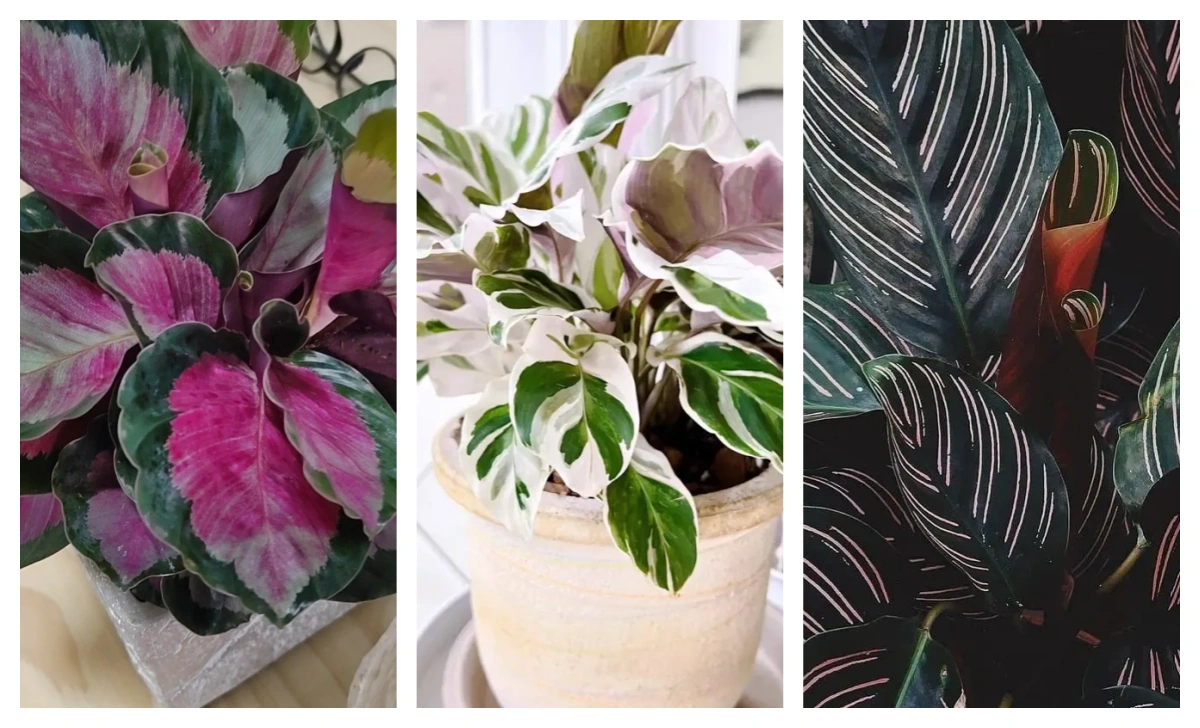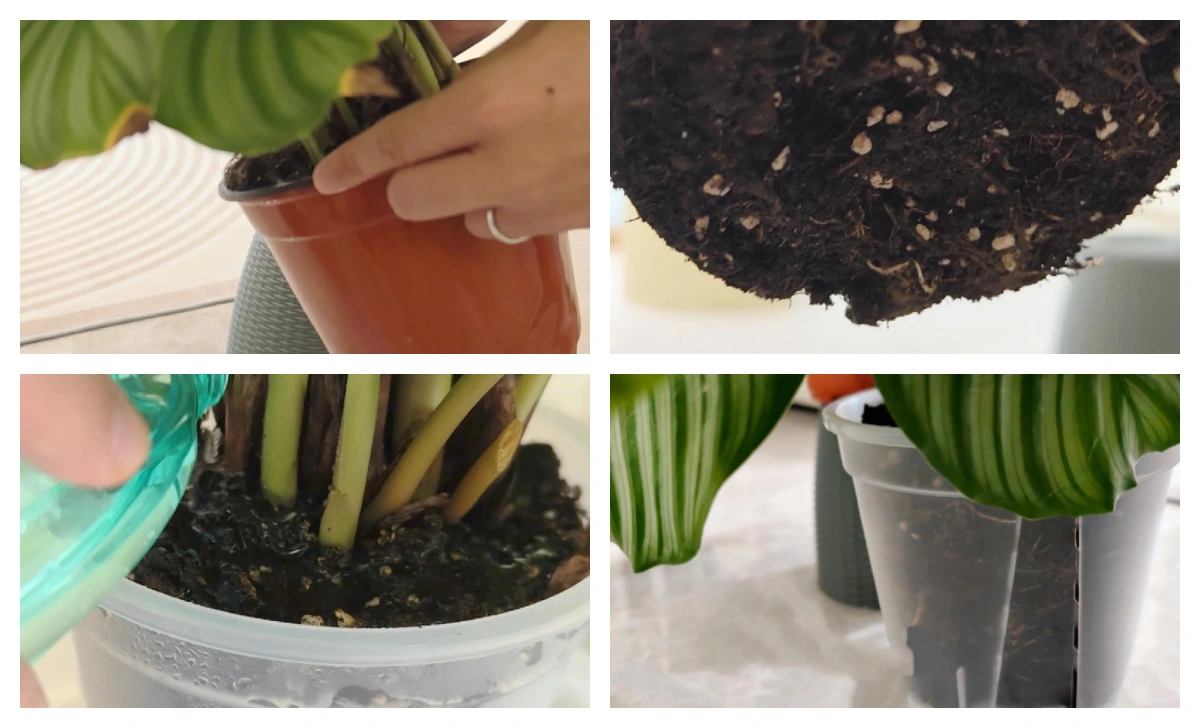
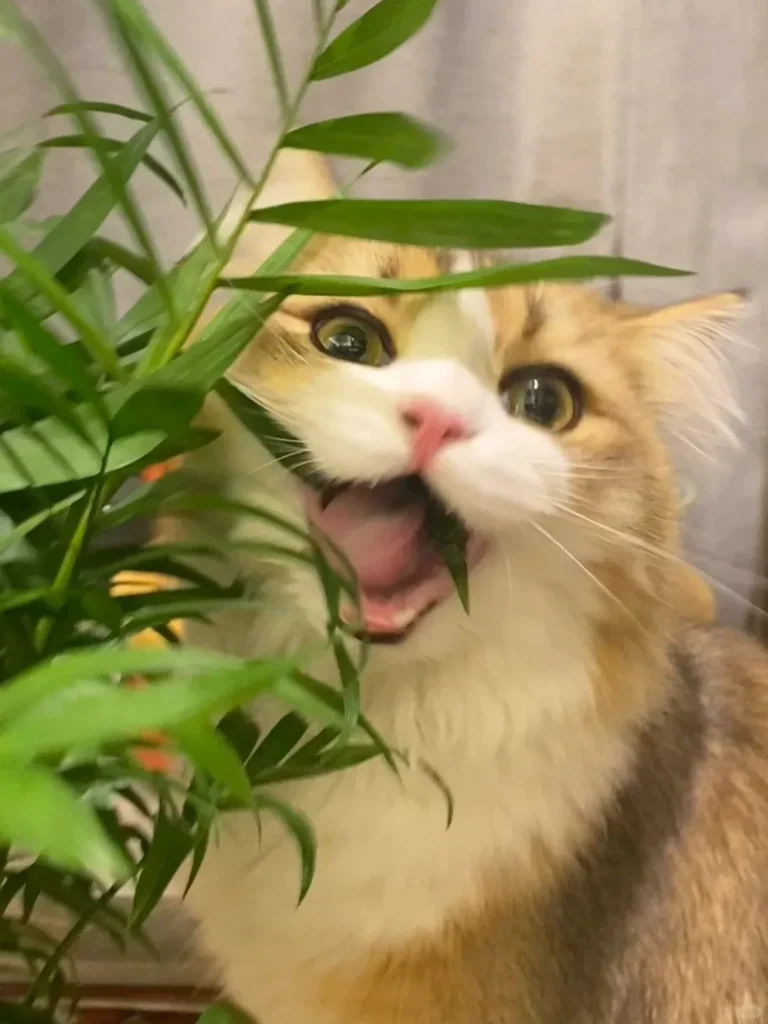
My cat children have this innocent little trick — they look straight into my eyes while mercilessly chewing on a poor leaf — if you’ve ever seen bite marks on your Calathea leaves, you’ll know the feeling. Every time I catch them in the act, they pause, blink slowly, and pretend nothing happened.
So for years, bringing home new plants has felt like a risky game of trust. I’ve learned to check every tag, double-check the Latin names, and double-check the Latin names or cross-check with the Calathea Pet Safety Guide. and sometimes just rely on trial and error (and a few sacrificed leaves).
Over time, I built my own list of houseplants that not only survive my curious cats but actually thrive alongside them. These are plants that forgive the occasional bite, tolerate low light — just like those in my light requirements guide, and make my living room look alive again — without putting my furry family at risk.
Pet-Friendly Plants I’ve Personally Grown
These are the plants that have passed the ultimate test — living with my cats.
Each one has survived curiosity, paw attacks, and the occasional midnight jump onto the shelf.
1. Calathea sanderiana (Pinstripe Calathea)
Everyone talks about the green “Apple Calathea,” but this one deserves more love. Deep emerald leaves brushed with pink stripes — it looks hand-painted.
My cats sniff it often but never chew, maybe because the leaves move slightly with airflow. I keep it in bright indirect light and mist it on dry winter days.
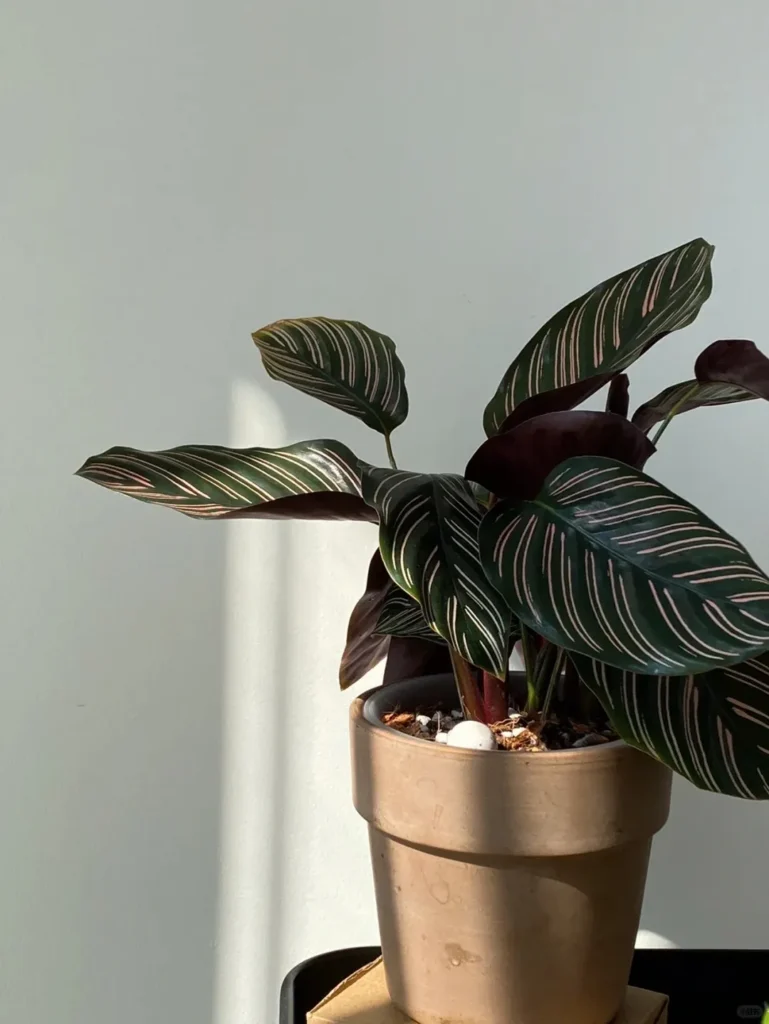
Tip: All Calatheas are pet-safe — and this one’s elegance is criminally underrated.
For more stripe care tips, see Calathea sanderiana care guide.
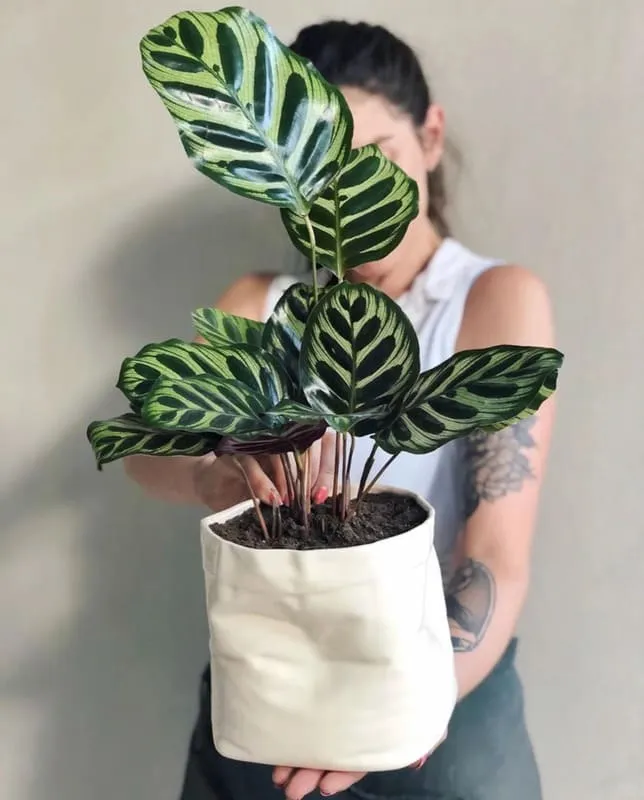
2. Calathea makoyana (Peacock Plant)
Its leaves look like little peacock feathers — patterned, proud, and slightly dramatic.
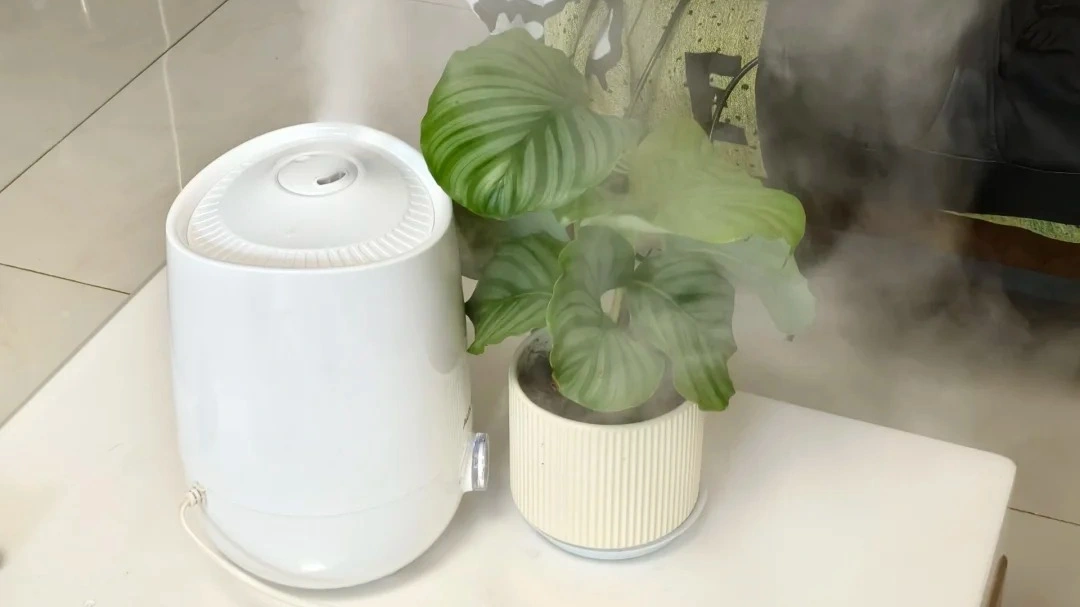
It loves humidity but forgives the occasional missed watering — one reason it tops my watering frequency guide. My cats sometimes nap next to it; maybe they appreciate its vibe.
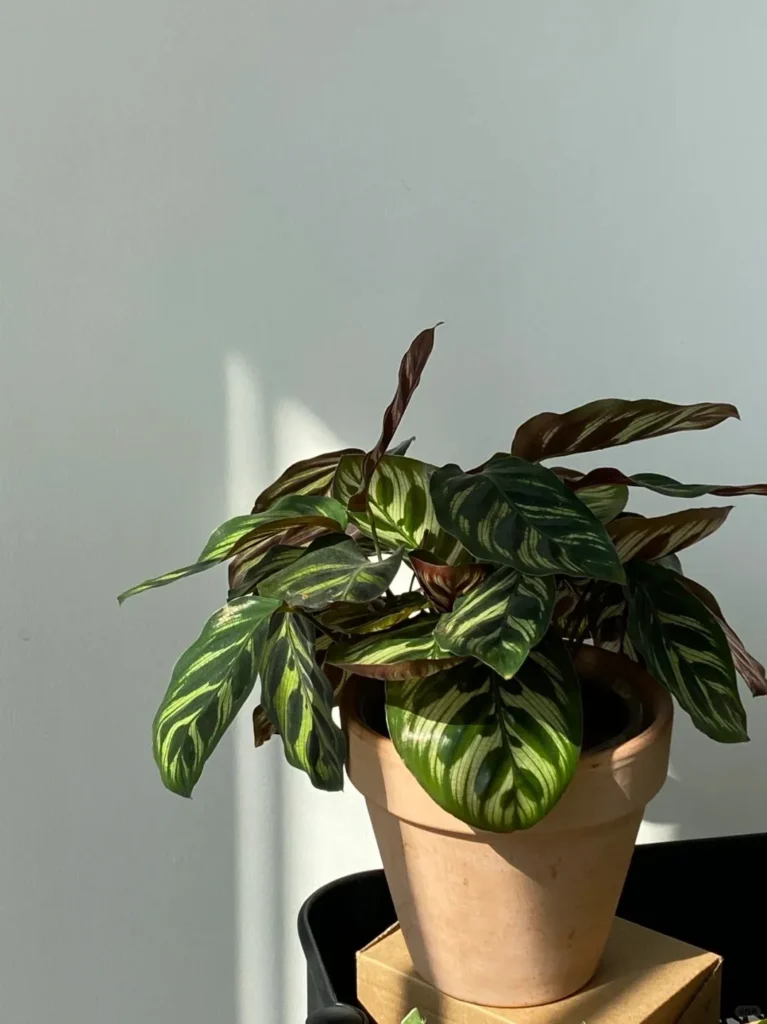
Tip: Don’t place it under direct sun — those beautiful markings will fade faster than your patience.
3. Pilea mollis ‘Moon Valley’
This one feels like velvet. The leaves are bumpy, soft, and almost toy-like — perfect for curious cats who prefer texture over taste.
It grows fast under filtered light and is easy to propagate. I once rooted a fallen leaf just to see if I could. It worked.
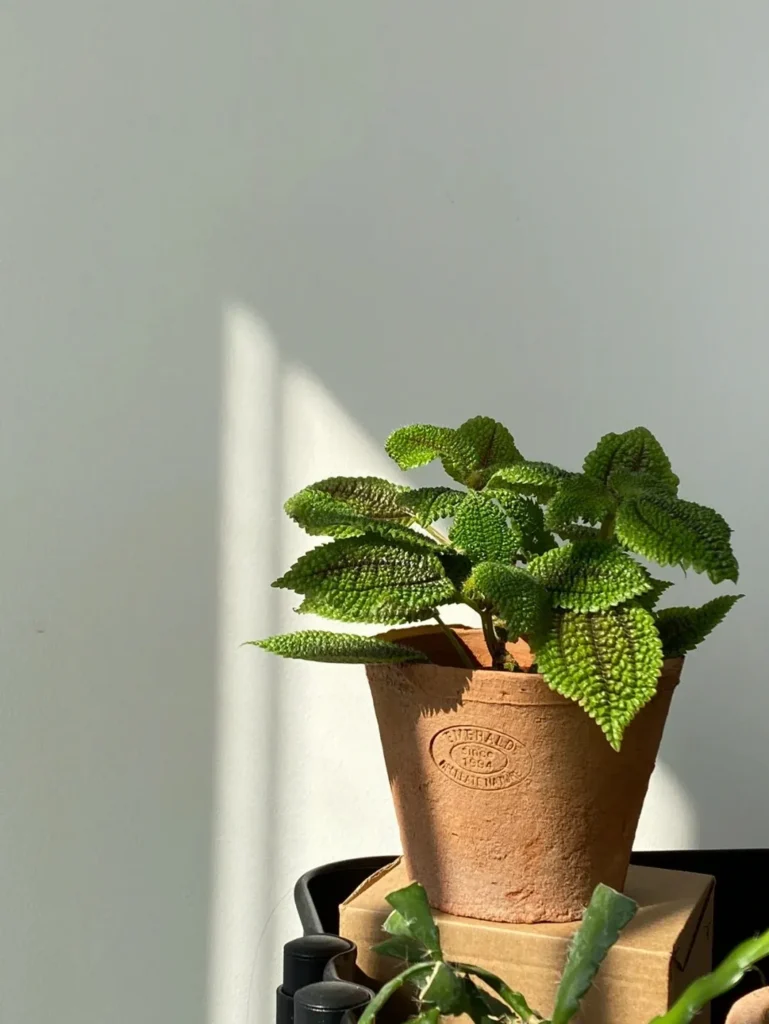
Tip: Keep the soil slightly moist but never soggy — the leaves tell you when it’s thirsty.
4. Pilea peperomioides (Chinese Money Plant)
The social butterfly of the plant world — everyone calls it the “friendship plant” because it reproduces endlessly.
I’ve given away more baby plants than I can count. My cats don’t touch it, maybe because they’ve accepted it as part of the family.
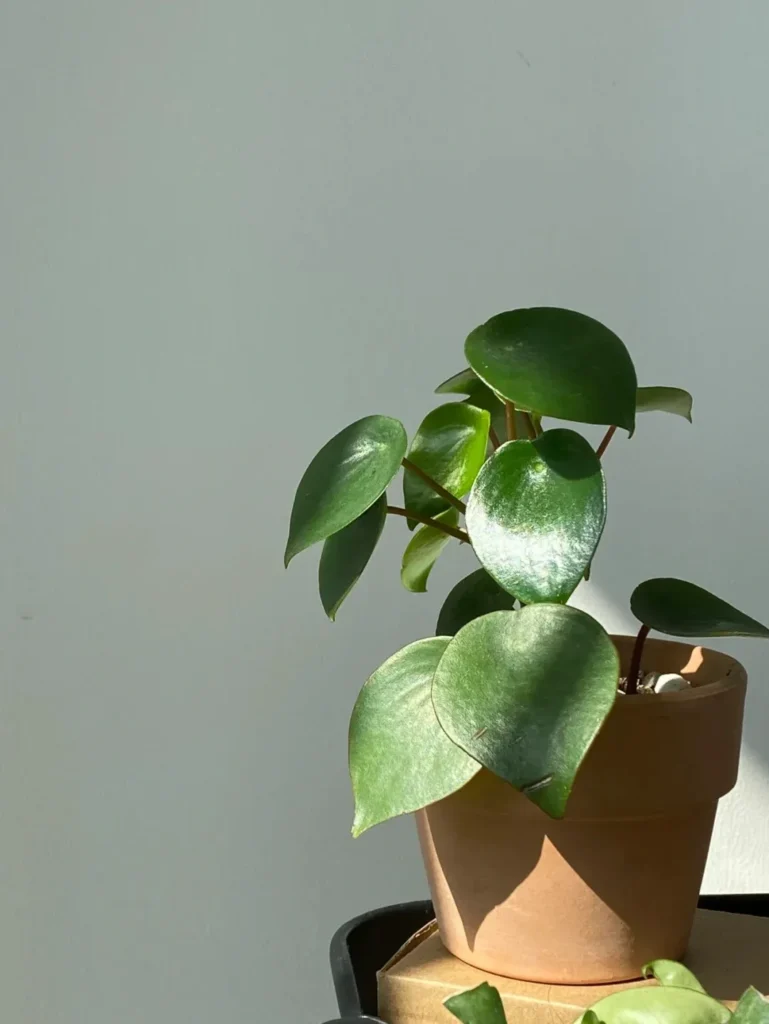
Tip: Rotate it weekly for that perfect round shape. It leans toward the light faster than you’d think.
5. Hoya carnosa ‘Compacta’ (Curly Hoya)
Some say it looks like pasta, others say it looks like intestines — I just call it adorable.
Thick twisted leaves curl into themselves like tiny green ribbons. My cats love sniffing it but never bite; maybe it just looks too weird to be edible.
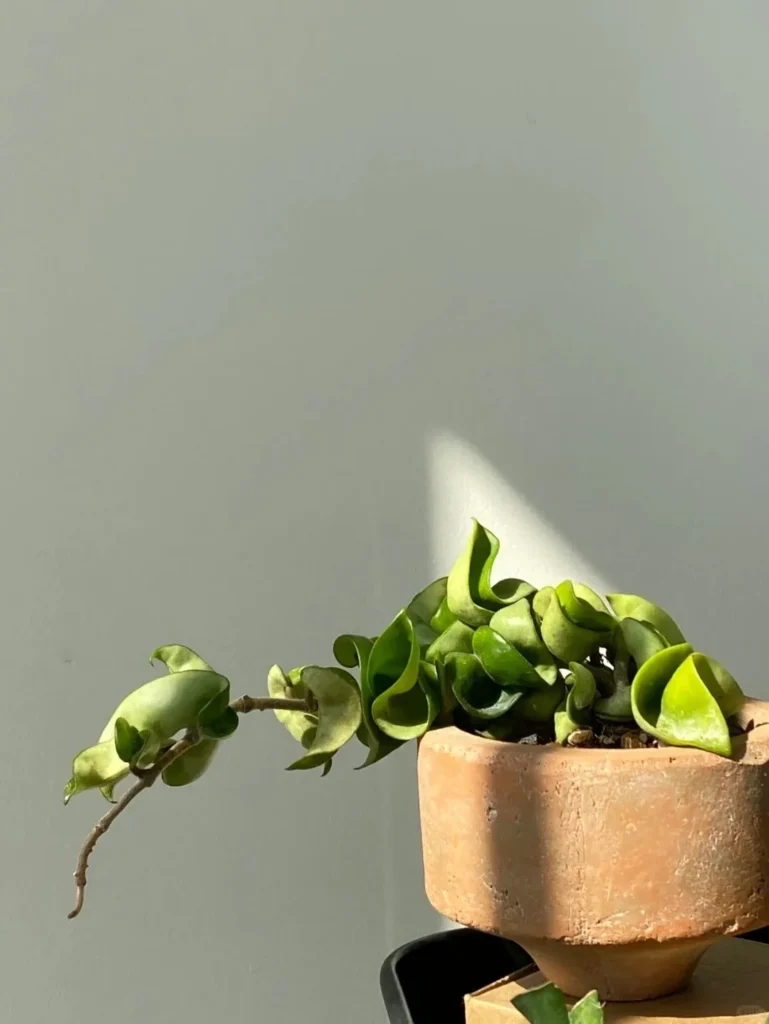
Tip: Water only when the leaves soften slightly. Forget the schedule — trust your fingers.
6. Peperomia tetragona (Parallel Peperomia)
If fake plants had feelings, they’d want to look like this one. Its leathery striped leaves stay perfect even after weeks of neglect.
It’s small, sturdy, and thrives in medium light. Mine sits beside my desk — it’s practically indestructible.
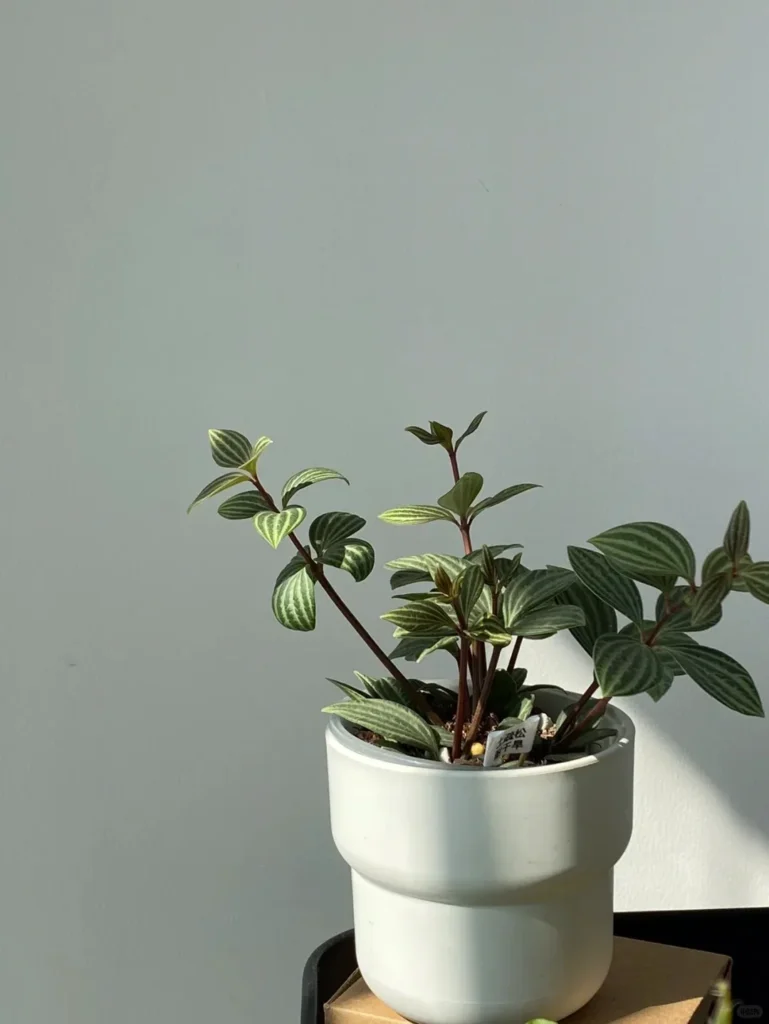
Tip: Don’t overwater. Peperomias store moisture in their stems, so less is truly more.
7. Hoya carnosa ‘Krimson Queen’
A mix of green, cream, and pink — every new leaf feels like a tiny surprise.
It grows slowly but steadily, never demanding much. My cats ignore it completely, which makes it even more lovable.
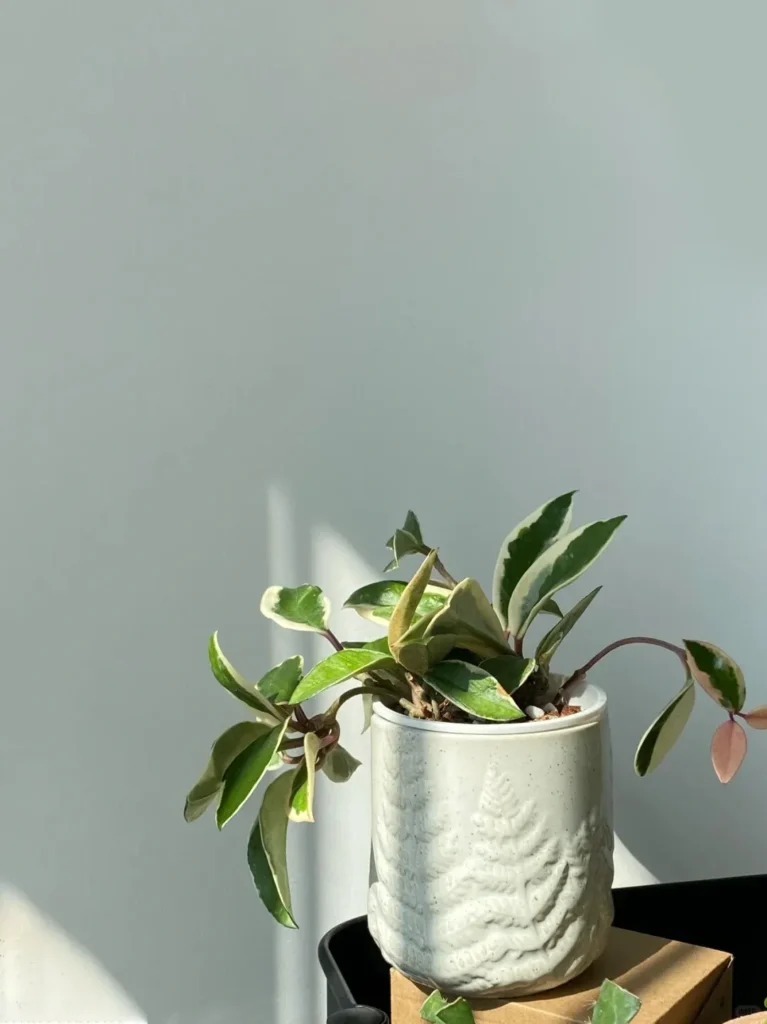
Tip: New pink leaves fade to cream over time — enjoy the transformation.
8. Hoya wayetii
Slender, graceful leaves with dark edges — it’s like the eyeliner plant.
Tolerates neglect, forgives low light, and still manages to look elegant.
Mine even rooted easily in water — no fancy setup, just patience.
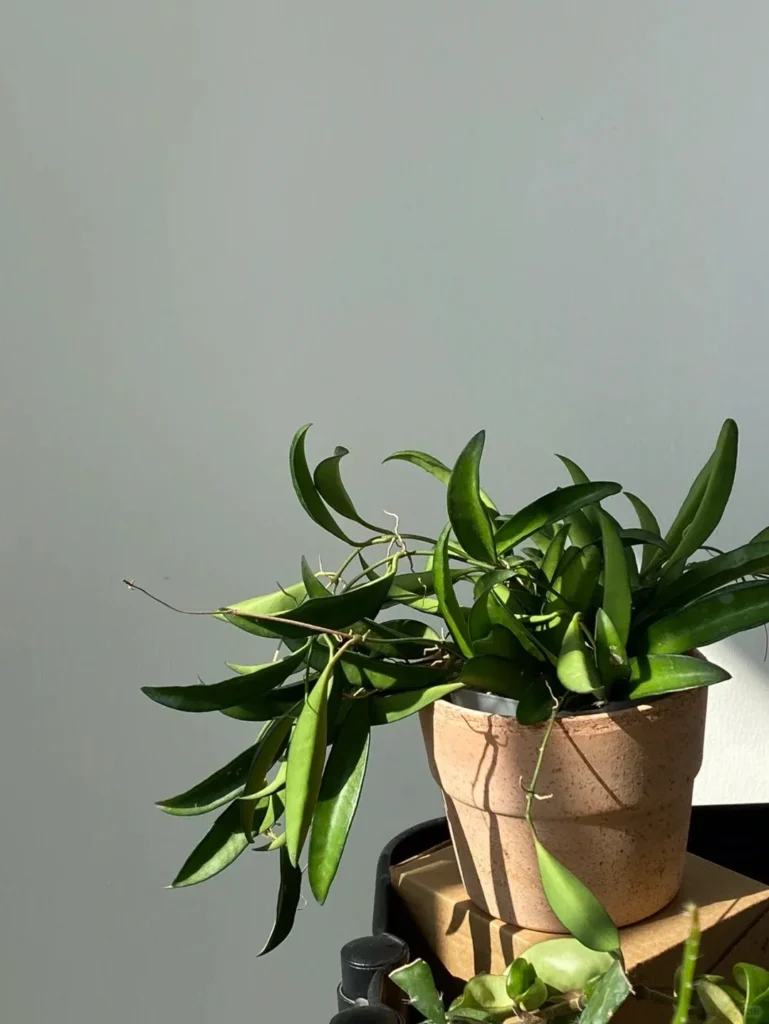
Tip: Perfect for beginners or lazy plant parents (like me in winter).
These eight have lived with me through changing seasons, curious paws, and the occasional accidental tumble.
They’re proof that beauty and pet safety don’t have to be opposites — just a matter of choosing wisely and observing closely.
Verified Pet-Safe Foliage Plants
Not all green leaves are safe for furry roommates — but these are.
After years of research, cross-checking the ASPCA database, and some accidental cat taste-tests, I’ve found these groups of houseplants to be reliably non-toxic and easy to live with.
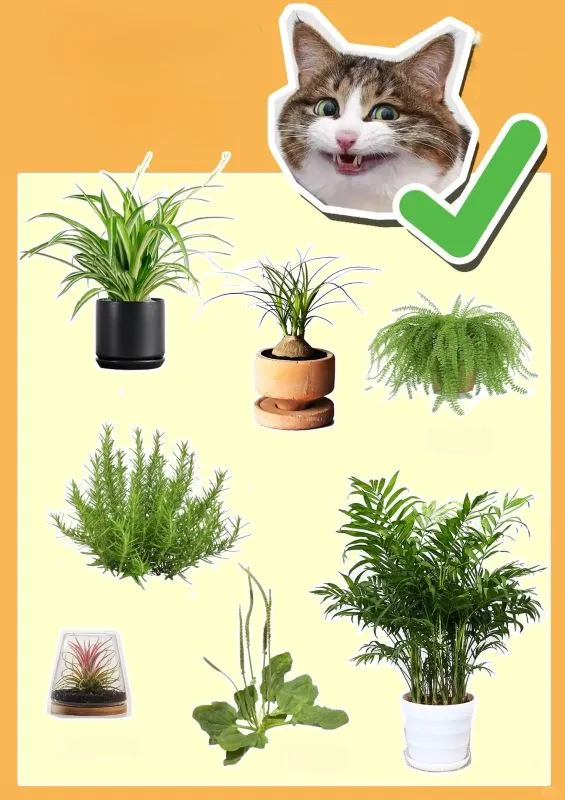
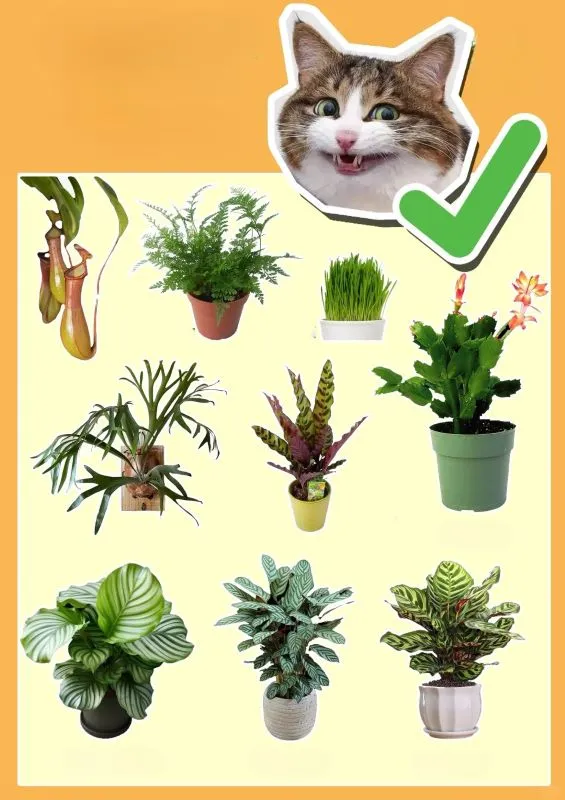
| Category | Safe Examples | Notes |
|---|---|---|
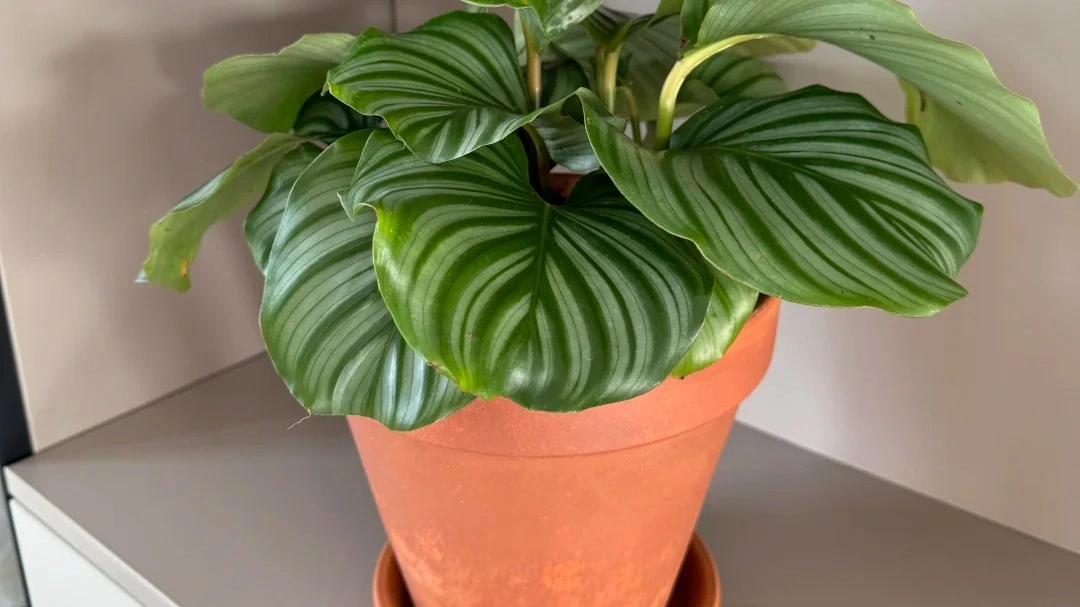
| Calathea & Prayer Plants (Marantaceae) | Calathea sanderiana, Calathea makoyana, Calathea orbifolia, Stromanthe sanguinea, Ctenanthe burle-marxii | Entire family is safe — not part of the toxic Araceae. Loves humidity and indirect light. |
| Palms & Large Indoor Trees | Areca Palm, Parlor Palm, Kentia Palm, Rhapis (Lady Palm), Ponytail Palm (Beaucarnea recurvata), Rubber Plant (Ficus elastica)* | Great for bright rooms; naturally air-purifying. (*Rubber Plant is mildly irritating if ingested in large amount.) |
| Ferns & Soft-Leaf Greens | Boston Fern (Nephrolepis exaltata), Bird’s Nest Fern, Button Fern, Staghorn Fern, Maidenhair Fern | Pet-safe, humidity-loving, and perfect for bathrooms or shaded corners. |
| Peperomia & Pilea Family | Pilea peperomioides, Pilea involucrata, Pilea cadierei, Peperomia obtusifolia, Peperomia argyreia (Watermelon Peperomia), Peperomia caperata | Small, slow-growing, easy to propagate, and fully non-toxic to cats and dogs. |
| Succulents & Cacti (Safe Species Only) | Haworthia fasciata (Zebra Plant), Echeveria elegans, Graptopetalum paraguayense, Lithops (Living Stones), Schlumbergera (Christmas Cactus), Rhipsalis | Only selected succulents are safe — avoid Aloe and Euphorbia. Ideal for sunny windows. |
| Herbs & Edibles | Rosemary, Basil, Thyme, Parsley, Dill, Mint | Safe aromatic herbs — fresh or potted; enrich indoor air. Avoid onion/garlic chives. |
| Tropical & Decorative Foliage | Hoya carnosa, Hoya krimson queen, Hoya wayetii, Tillandsia (Air Plants), Fittonia (Nerve Plant), Heuchera (Coral Bells), Aspidistra elatior (Cast Iron Plant), Asparagus fern* | Shade-tolerant, sculptural, and low-maintenance. (*“Asparagus fern” here refers to Asparagus setaceus, non-toxic species.) |
🔸 Fun fact: Calatheas are perfectly safe — you can learn more in the Calathea Pet Safety page — not the Araceae one that includes toxic species like Peace Lilies and Philodendrons.
Pet-Safe Flowering Plants
If you’ve ever had to move a bouquet out of reach every five minutes, you know how tricky it is to find blooms that look good and won’t harm your pets.
Here are the flowering plants I trust completely — all tested in a home full of paws and curiosity.
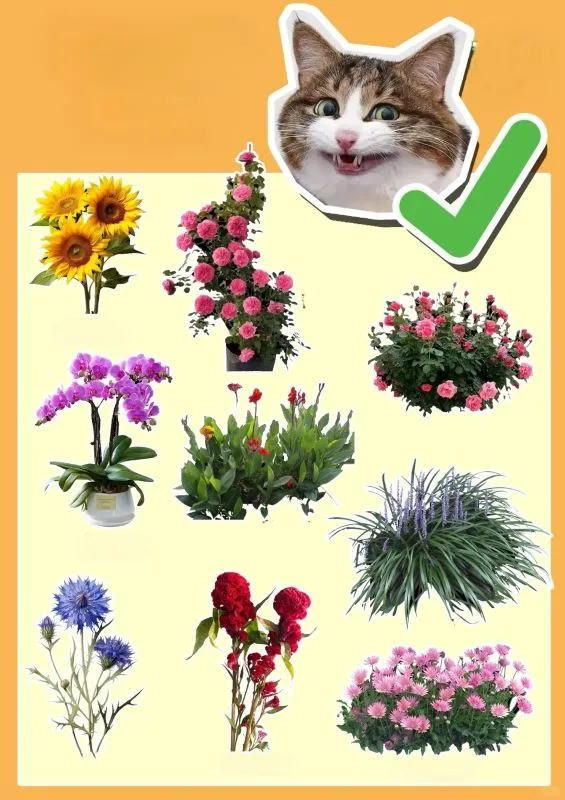
Lisianthus (Eustoma)
Elegant, long-lasting, and totally non-toxic — I often keep them near the window, safe from my curious cats.
Their pastel petals open slowly and stay fresh for over a week.
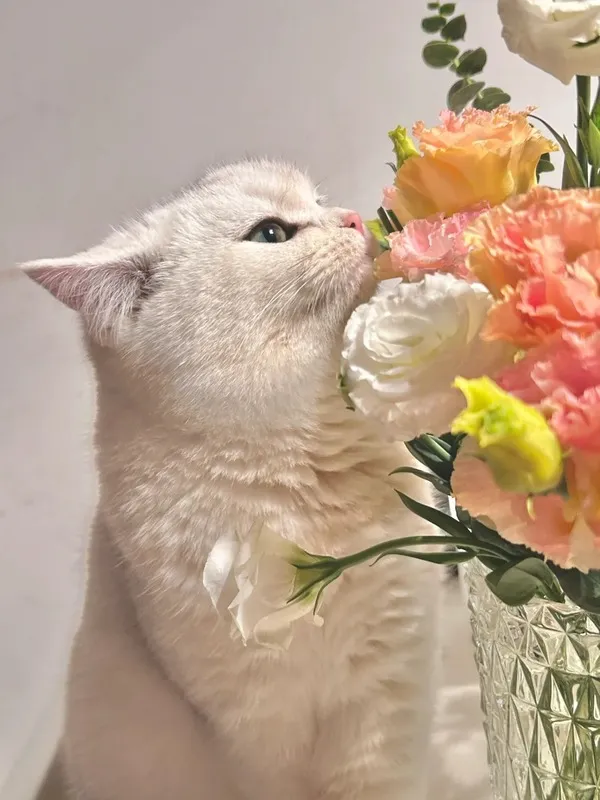
Why I trust it: No reaction, no nibbling, just admiration.
Phalaenopsis Orchid
Graceful, sculptural, and pet-safe — I once caught my cat sniffing the blooms for ten minutes straight.
It loves bright shade and consistent watering.
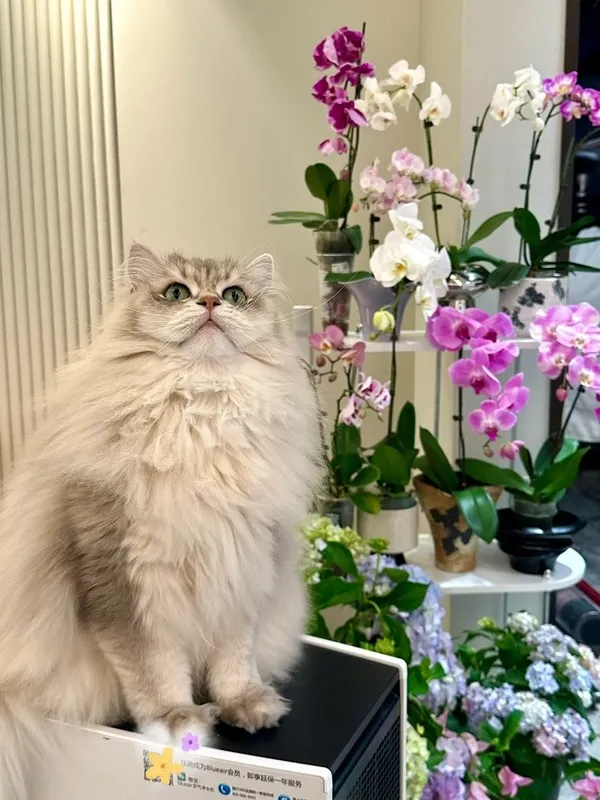
Why I trust it: All orchids in this group are non-toxic; even fallen petals are harmless.
Rose (Garden Rose)
Classic beauty without danger. I grow mini roses on my balcony — the thorns deter cats better than any spray ever could.
Their scent fills the air on warm afternoons.
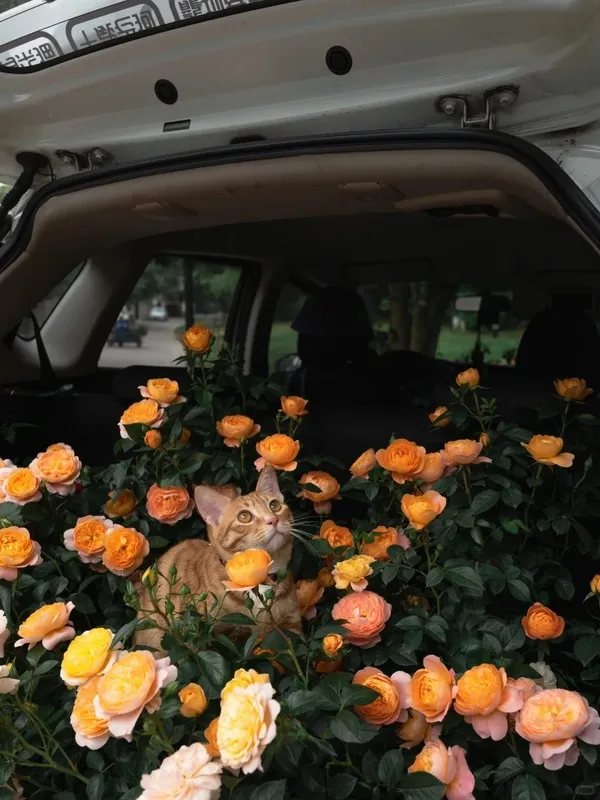
Why I trust it: Symbolic, safe, and timeless.
Blue Plumbago
Soft blue clusters that bloom endlessly in summer.
It thrives outdoors and attracts butterflies, not cats.
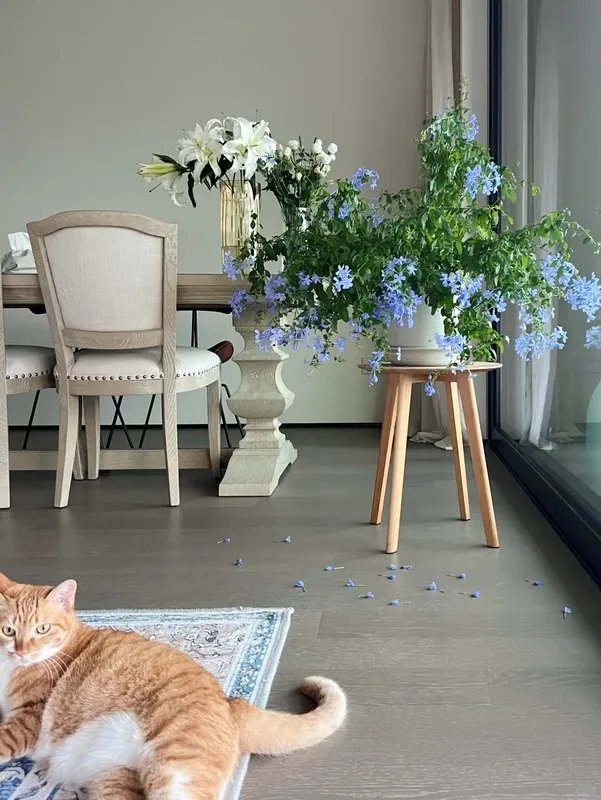
Why I trust it: Non-toxic, sun-loving, and surprisingly forgiving of missed waterings.
Sunflower
Bright, bold, and joyful — every pet-friendly garden deserves one.
I plant dwarf varieties indoors; they face the light like tiny solar panels.
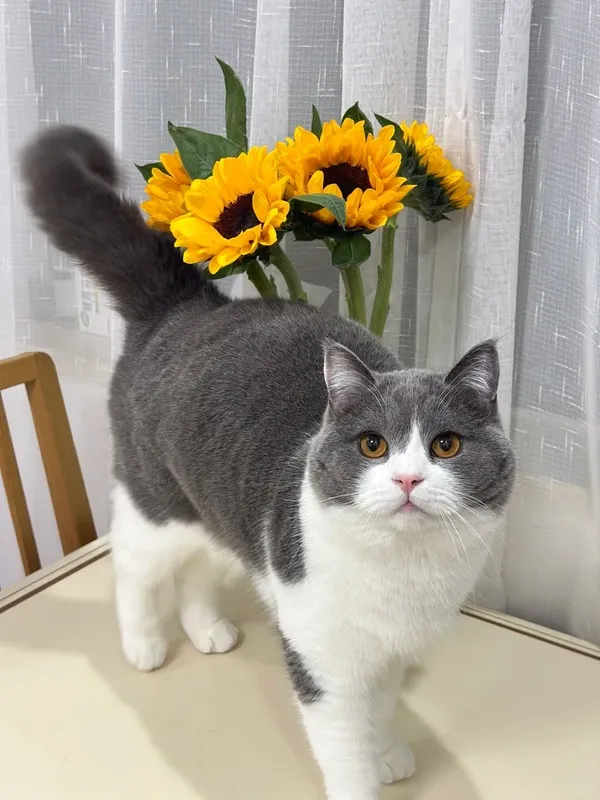
Why I trust it: Completely non-toxic and impossible not to smile at.
Camellia
Glossy leaves and winter blossoms — subtle, serene, and gentle.
My cats nap right under it when it blooms near the window.
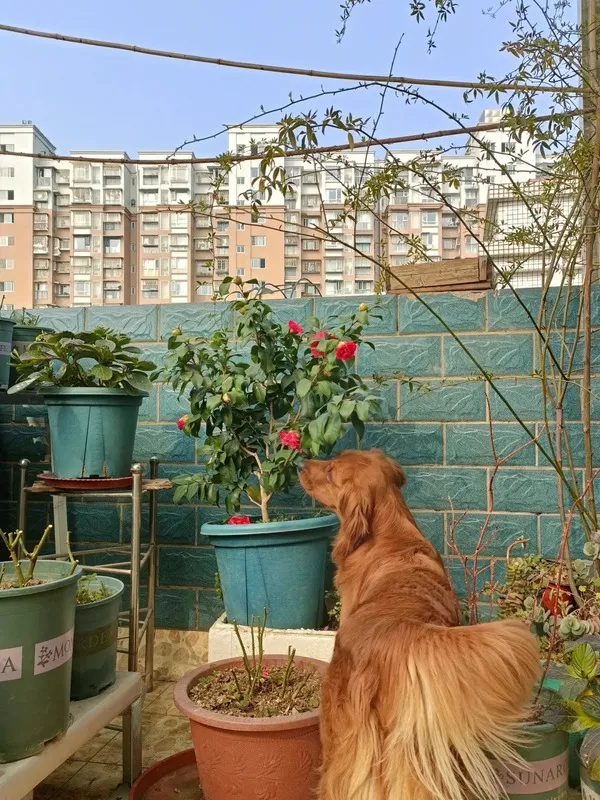
Why I trust it: Safe for pets and stunning during colder months.
Jasmine
The scent of summer evenings. I keep mine near the door where air circulates well.
Despite the intense aroma, it’s perfectly safe for both cats and dogs.
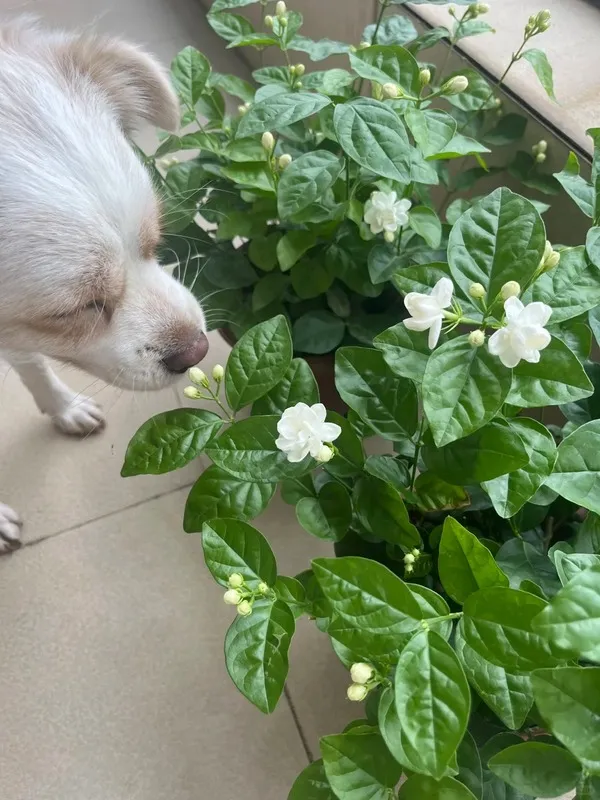
Why I trust it: Strong fragrance, soft heart — just like every good houseplant.
These blooms have stayed in my home for years without a single issue — no tummy troubles, no leaf disasters, no drama.
If you love color but live with animals, this list is your peace of mind in a vase.
Living Green, Living Safe
Sharing a home with pets and plants means learning balance — a little curiosity, a little caution, and a lot of love.
You don’t need to choose between beauty and safety; with the right plants, you can have both.
In my house, the leaves stay green, the cats stay happy — and that’s exactly how I like it. 🌱🐾
Sources & References
All plant safety claims in this article are verified through trusted horticultural and veterinary resources.
Each reference below links to an official database or academic institution confirming non-toxic houseplants for cats and dogs.
Sources:
- ASPCA. Toxic and Non-Toxic Plants List.
Verified safe: Calathea spp., Hoya spp., Peperomia spp., Areca Palm, Parlor Palm, Spider Plant, Boston Fern. - University of California Agriculture & Natural Resources (UC ANR). Safe and Poisonous Garden Plants.
Verified safe: Camellia japonica, Rosa spp., Chlorophytum comosum, Nephrolepis exaltata. - Royal Horticultural Society (RHS). Non-Toxic Houseplants for Pets.
Verified safe: Phalaenopsis Orchid, Calathea makoyana, C. orbifolia, Peperomia species, Tillandsia (Air Plants). - Pet Poison Helpline. Common Toxic & Non-Toxic Plants.
Verified safe: Jasminum officinale (True Jasmine), Eustoma grandiflorum (Lisianthus), Helianthus annuus (Sunflower). - Missouri Botanical Garden. Plant Finder – Botanical Database.
Used for taxonomic confirmation and plant family verification (e.g., Marantaceae vs. Araceae).
FAQ
They’re one of the safest tropical plants you can grow around pets, and they don’t belong to the Araceae family that includes toxic species like Peace Lilies or Philodendrons.
Also be cautious with Lilies (toxic to cats) and Pothos.
Most cats chew out of curiosity — once they learn which plants are “theirs,” they usually leave the others alone.
Always check scientific names before buying — similar-looking species can differ in toxicity.
Let soil fully absorb water before letting pets back near your plants.
They’re forgiving, non-toxic, and look lush even in low-light apartments.
Still worried about plant safety for your pets?
Curious which houseplants are safe to grow around your furry friends?
Explore my full Pet-Safe Plants Guide — a complete list of cat- and dog-friendly greens, tested and loved at home. You can also check Calathea Care Hub for more tips on balancing humidity, light, and soil safety.