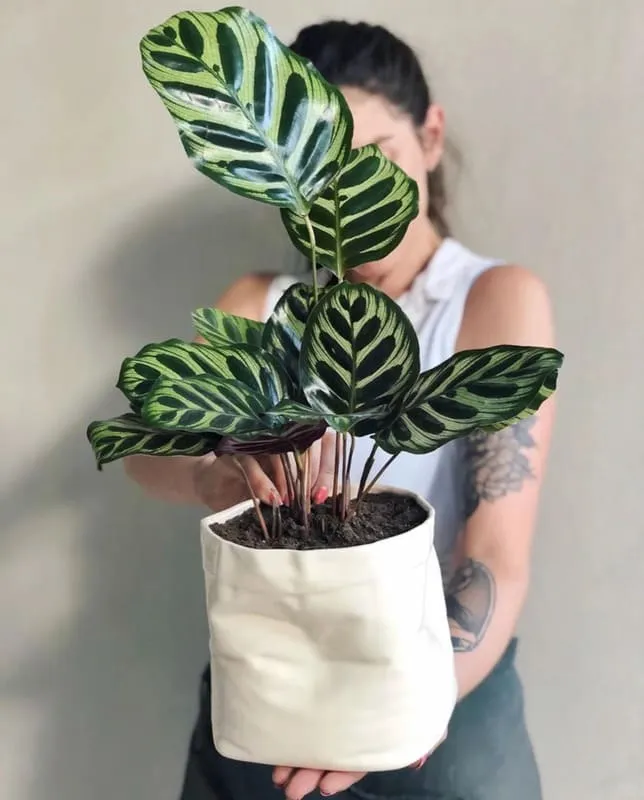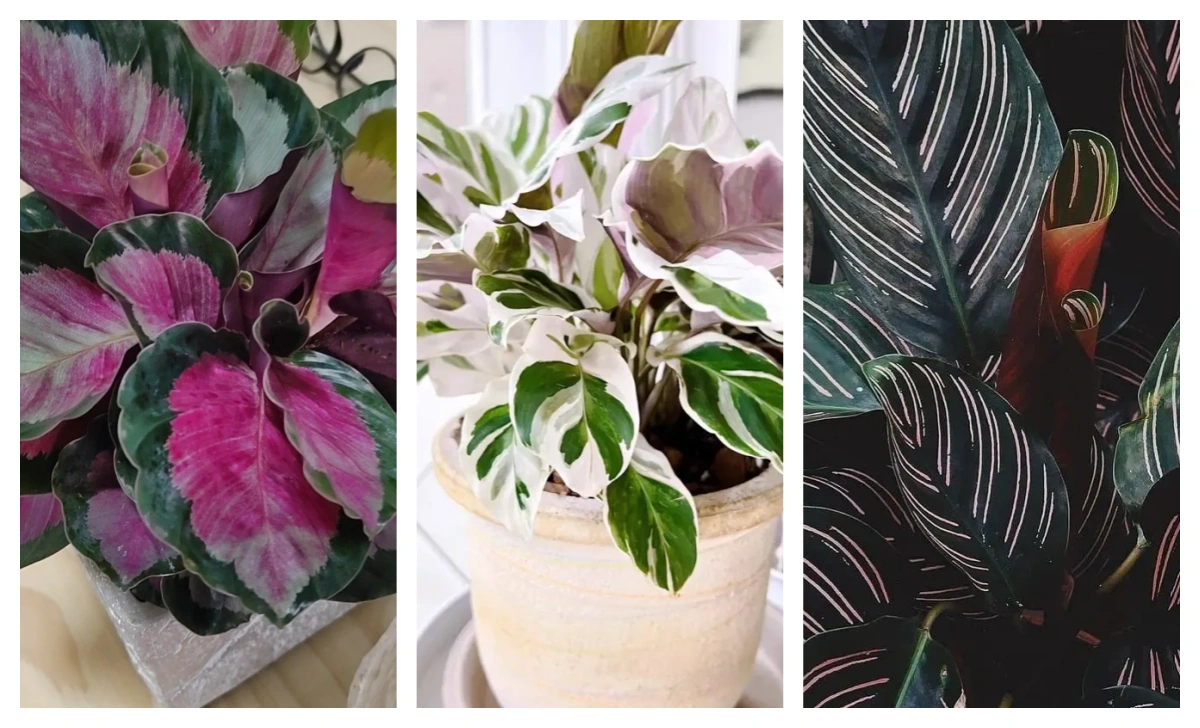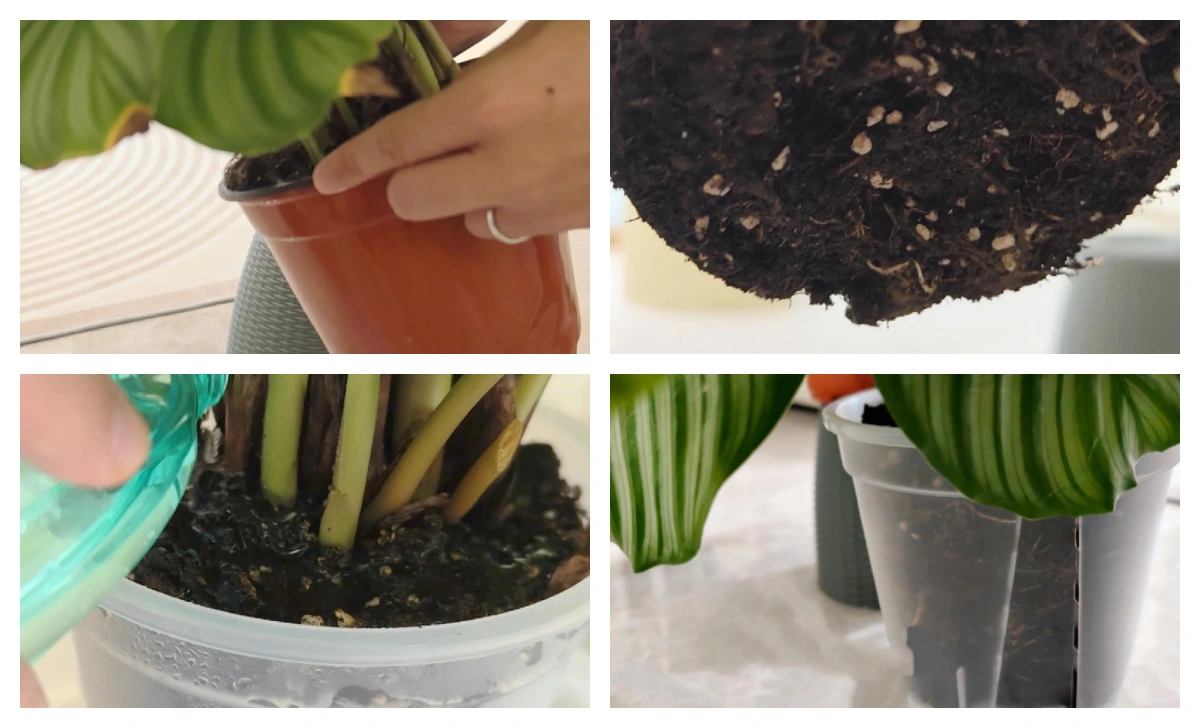
Choosing a pot for Calathea is not just about finding something pretty. The pot changes how fast the soil dries, how much air reaches the roots, and how easy it is to keep watering steady indoors.
That is why I do not think there is one perfect pot for every Calathea. A pot that works well in a warm, dry room may not work the same way in a cool room where the soil stays wet for days.
In this guide, I am focusing on three pot types I would actually consider for Calathea: self-watering pots, terracotta pots, and orchid pots with holes. Each one solves a different problem, so the best choice depends on what is happening in your own setup.
I am not saying these are the only pots that can work. I am focusing on these three because each one changes watering behavior in a different way.
This page may include affiliate links, but I only mention pot types I would actually consider for solving specific Calathea watering or root-zone problems.
Quick Answer: Which Pot Should You Choose for Calathea?
The best pot for Calathea depends on what problem you are trying to solve. I would not choose a pot only by material or appearance. I would look at whether I need steadier moisture, faster drying, or more airflow around the roots.
| Your Situation | Pot I Would Consider |
|---|---|
| You forget to water or the plant dries too unevenly | Self-watering pot |
| Your soil stays wet too long | Terracotta pot |
| Your roots often feel suffocated or the mix is too dense | Orchid pot with holes |
| Your room is very dry | Be careful with terracotta and orchid pots |
| You are new to Calathea | Start with the pot that matches your watering problem, not the one that looks best |
For me, the safest choice is not always the most attractive one. I choose the pot that makes watering easier in my actual room.
What Actually Matters in a Calathea Pot
When I choose a pot for Calathea, I do not start with the material first. I start with the growing problem. Am I trying to keep moisture more stable, help the soil dry faster, or give the roots more air?
Drainage and Air Still Matter
Even if I use a self-watering pot, I do not want the roots sitting in a wet, airless mix all the time. Calatheas like steady moisture, but steady moisture is not the same as soggy soil.
This is why I still care about drainage, airflow, and the soil mix inside the pot. A self-watering pot can help if the mix is light and breathable. If the soil is dense, the same pot can make root problems worse. I explain the mix side in my best soil for Calathea guide.
Pot Size Can Make or Break the Setup
I would not move a small Calathea into a much larger pot just to give it “room to grow.” Too much extra soil around a small root ball can stay wet for too long, especially indoors during cooler months, and that can increase the risk of Calathea root rot symptoms.
For most Calatheas, I prefer a pot that is only slightly larger than the root ball. The goal is to give the roots enough space without surrounding them with a large amount of unused wet soil.
The Pot Changes How Fast Soil Dries
The same soil mix can behave very differently depending on the pot. That is why I do not judge the pot alone. I think about the pot, the soil, the room humidity, and my watering habits together.
- Self-watering pots: help keep moisture steadier, but they need a light, airy mix.
- Terracotta pots: dry the soil faster, which can help with overwatering but may be too drying in a dry room.
- Orchid pots with holes: add more airflow around the roots, but they can also make the mix dry faster and less evenly.
For me, this is the main rule: I choose the pot based on the problem I am trying to solve, not because one pot type is always best for every Calathea.
Self-Watering Pots for Calathea
I would consider a self-watering pot for Calathea if the plant dries unevenly, the room is warm, or I often miss the right watering window. This kind of pot can help keep moisture more steady, which is useful for a plant that dislikes sharp dry-wet swings.
But I would not treat a self-watering pot as a perfect fix. It only works well if the soil mix is still light and airy. If the potting mix is dense, the reservoir can keep the lower part of the pot too wet for too long.
For a new setup, I would watch the roots and soil moisture closely at first. I would not keep the reservoir full all the time until I understand how fast the plant is actually using water in that room. When I first switch a Calathea to a self-watering pot, I would rather keep the reservoir lower and observe the plant for a few weeks than treat it like a set-and-forget system.
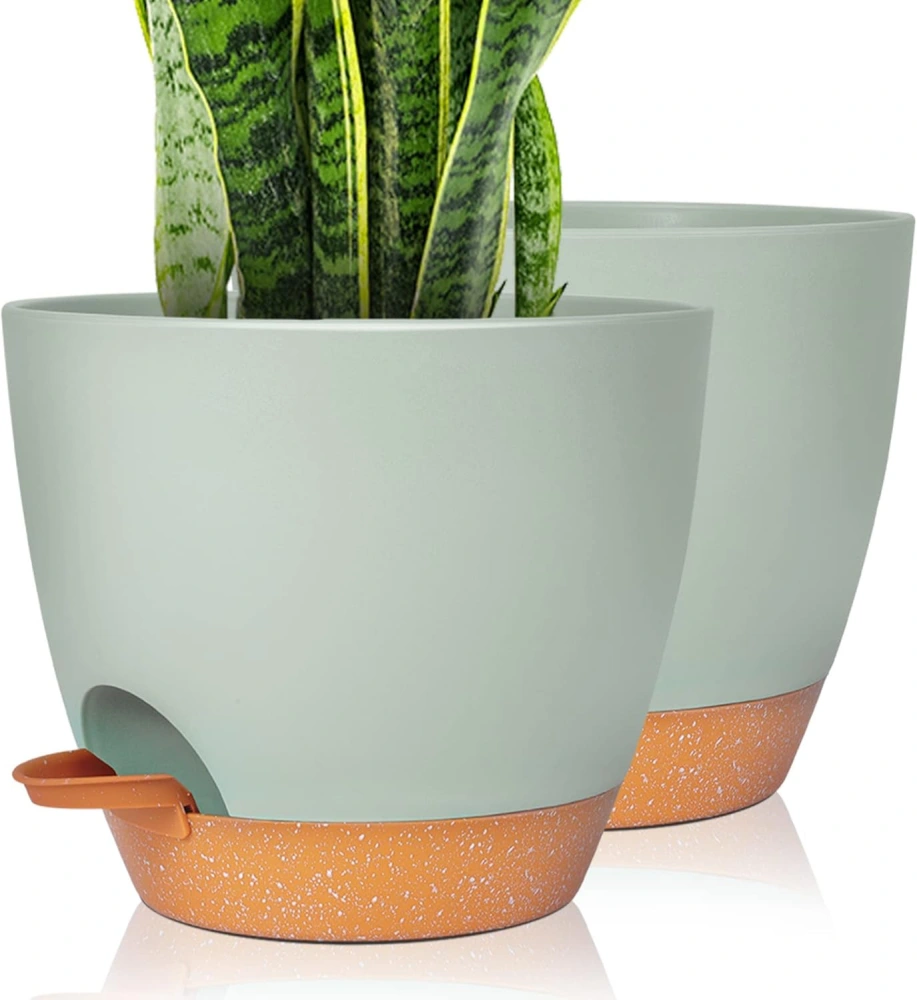
Self-Watering Pot
Best for:
People who struggle to keep Calathea evenly moist.
My note:
I would only use it with a light, airy soil mix. A self-watering pot does not fix dense soil.
Terracotta Pots for Calathea
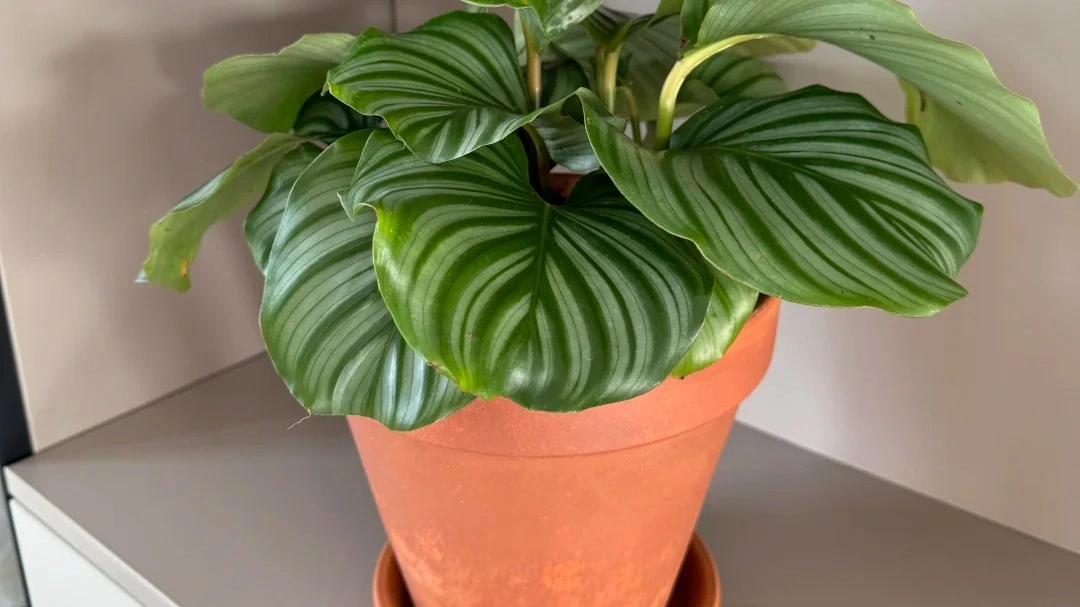
I would use terracotta pots for Calathea carefully. They can help if the soil stays wet too long, but they can also make the plant dry out faster than I want, especially in a dry room.
Terracotta works better for me when the Calathea has healthy roots, the soil mix holds moisture well, and the room is not extremely dry. If I often overwater or the potting mix dries too slowly, terracotta can make watering easier to manage.
I would be more cautious with terracotta in winter, near heating vents, or with a small stressed plant that already gets curled or crispy leaves. In that kind of setup, the pot may dry the mix too quickly and make the plant harder to keep steady.
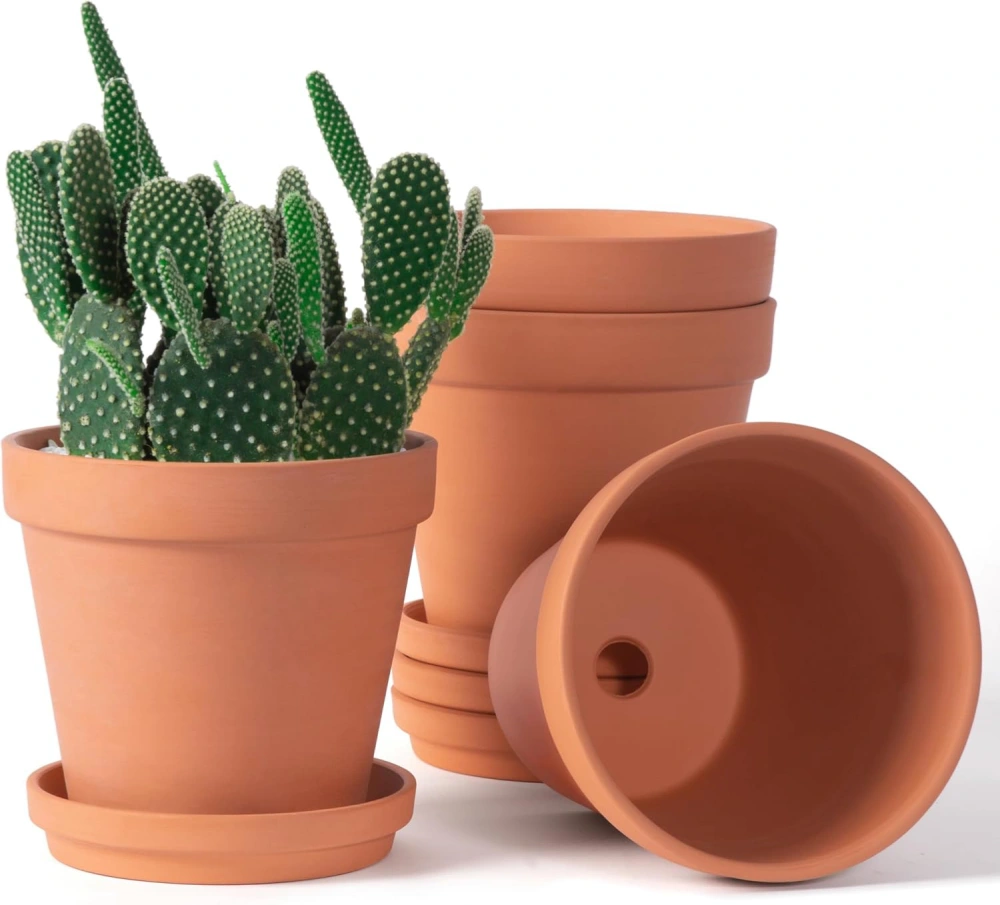
Terracotta Pot
Best for:
Growers who tend to overwater or keep Calathea in a slower-drying mix.
My note:
Terracotta can help soil dry faster, but I would be careful in a dry room because it can make Calathea crisp faster.
Orchid Pots With Holes for Calathea
Orchid pots with holes can be useful for Calathea when the root zone feels too closed or the soil stays wet for too long. The side holes allow more air to move around the roots, which can help if the mix is moisture-holding and the room is not too dry.
But I would not use this type of pot automatically for every Calathea. These pots can make the soil dry faster and sometimes less evenly. If the room is dry, the plant is small, or the mix is already chunky, an orchid pot with holes may make the plant harder to keep evenly moist.
I would consider this pot more for a healthy Calathea in a humid setup, or for a plant that keeps struggling in a dense mix. I would be more careful if the plant already curls easily, has crispy edges, or if I often forget to water.
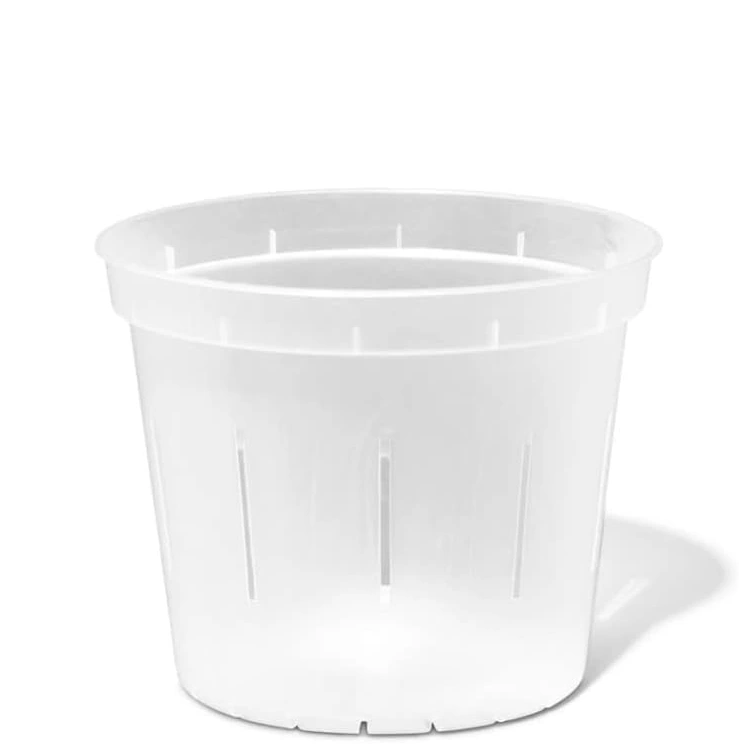
Orchid Pot With Side Holes
Best for:
Adding more airflow around the root zone.
My note:
I would not use this automatically for every Calathea. It works better with a moisture-holding mix and a room that is not too dry.
How I Match the Pot With the Soil Mix
The pot alone does not decide whether a Calathea will do well. I always think about the pot, the soil mix, room humidity, and watering habits together. The same pot can work well in one room and cause problems in another.
This is why I would not use the same soil mix for every pot type. A self-watering pot needs a lighter mix. A terracotta pot may need a little more moisture retention. An orchid pot with holes needs enough structure and moisture so the plant does not dry too quickly.
| Pot Type | Soil Mix I Would Use |
|---|---|
| Self-watering pot | Light, airy mix; not heavy potting soil |
| Terracotta pot | Slightly more moisture-holding mix |
| Orchid pot with holes | Moisture-holding but breathable mix |
| Any pot in winter | Avoid oversized pots and dense soil |
If the mix is too heavy, changing the pot will not solve everything. I would fix the soil first, then choose the pot that helps that mix behave better indoors. My best soil for Calathea guide goes deeper into the kind of mix I trust most for sensitive roots.
What I Would Not Buy
Some pots look useful for Calathea, but I would still skip them if they make watering harder to control. For me, the wrong pot usually creates one of two problems: the roots stay wet for too long, or the plant dries out too sharply.
- A pot with no drainage at all: I would not plant Calathea directly into it. Trapped water at the bottom is not worth the risk.
- A huge pot for a small Calathea: extra soil can stay wet too long around a small root system.
- A very dry terracotta setup in a dry room: it can make leaf edges worse, especially if the plant already curls or crisps easily.
- A very open orchid pot with chunky soil: it may dry too fast and unevenly for Calathea.
- A self-watering pot with heavy soil: steady moisture becomes risky if the roots have no air.
My Rule: Choose the Pot Based on the Problem
I do not choose a Calathea pot by looks first. I choose it based on what I am trying to fix in that specific room.
If I want steadier moisture, I would consider a self-watering pot. If the mix stays wet too long, I would consider terracotta. If the root zone feels too closed or airless, I would consider an orchid pot with holes.
For Calathea, the best pot is not always the prettiest one. It is the one that makes watering easier in my actual room. If the pot helps the soil dry at a steady pace and keeps the roots from sitting too wet or drying too sharply, that matters more to me than the material name on the listing. If you are setting up a new plant, you may also want to browse my other Calathea buying guides before buying soil, pots, or humidity supplies.