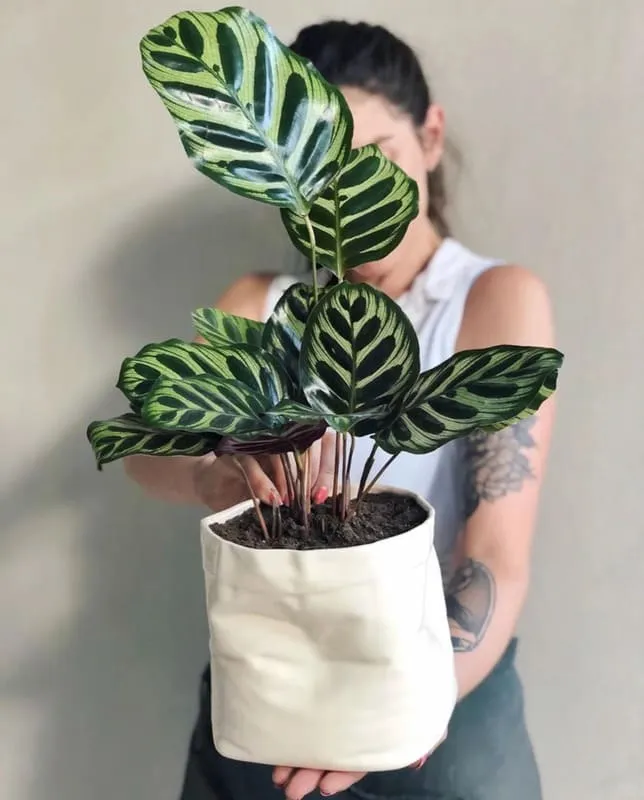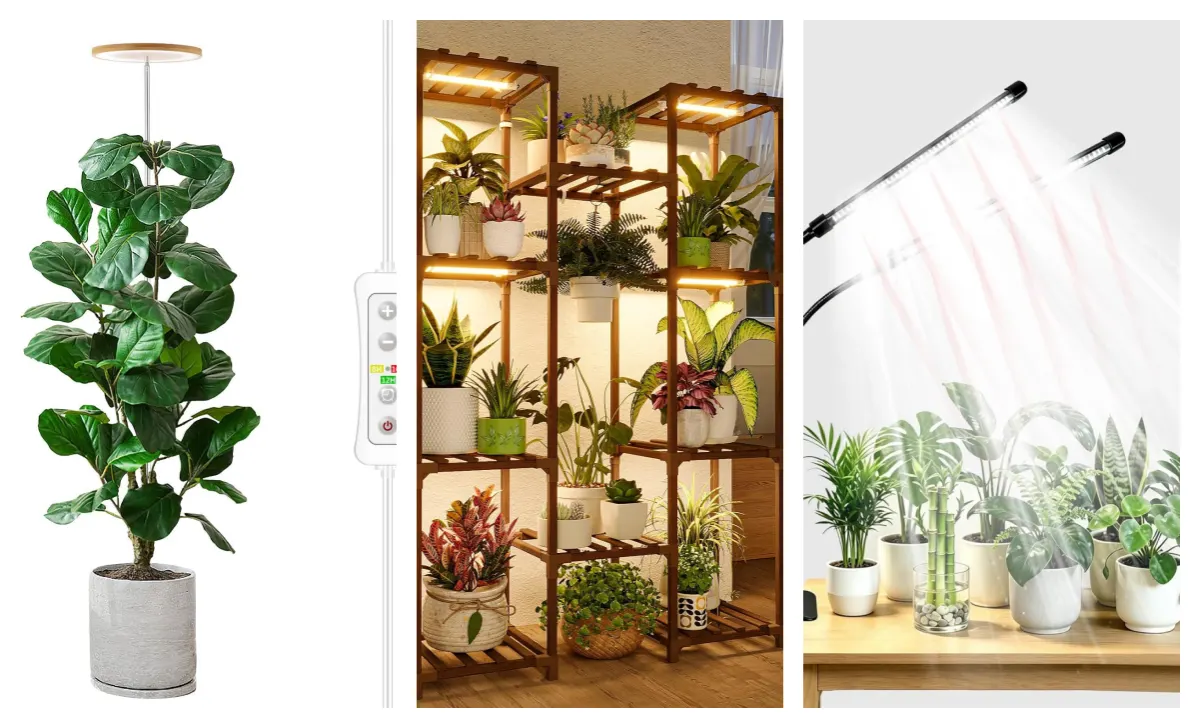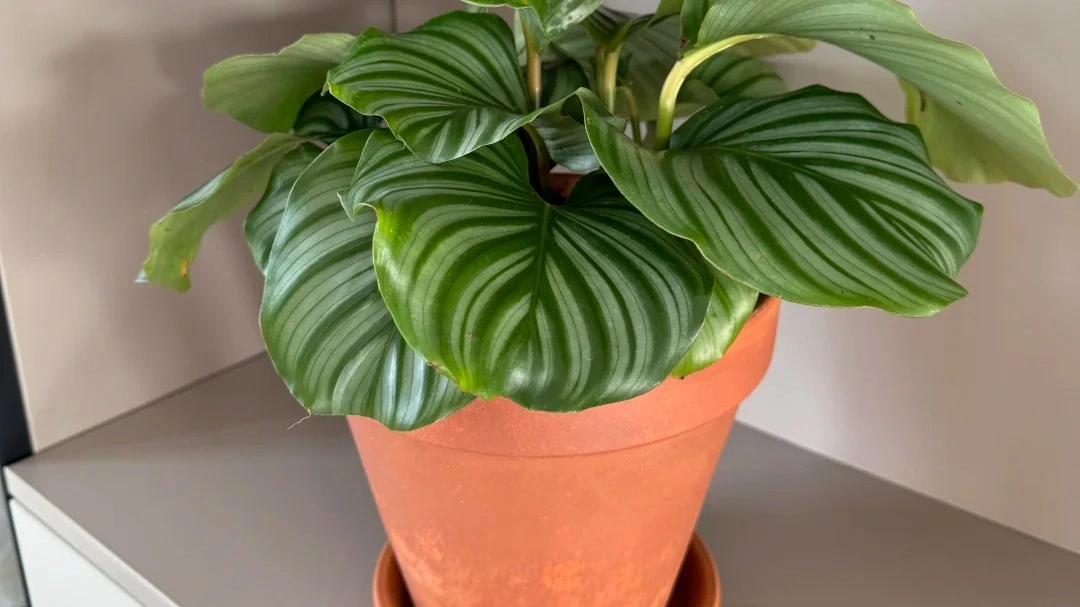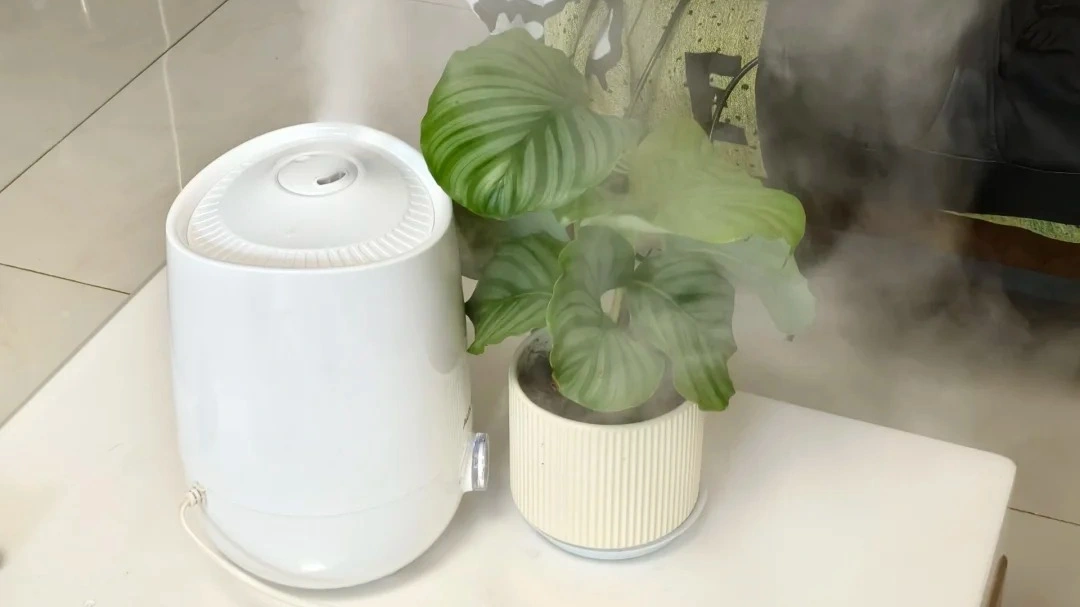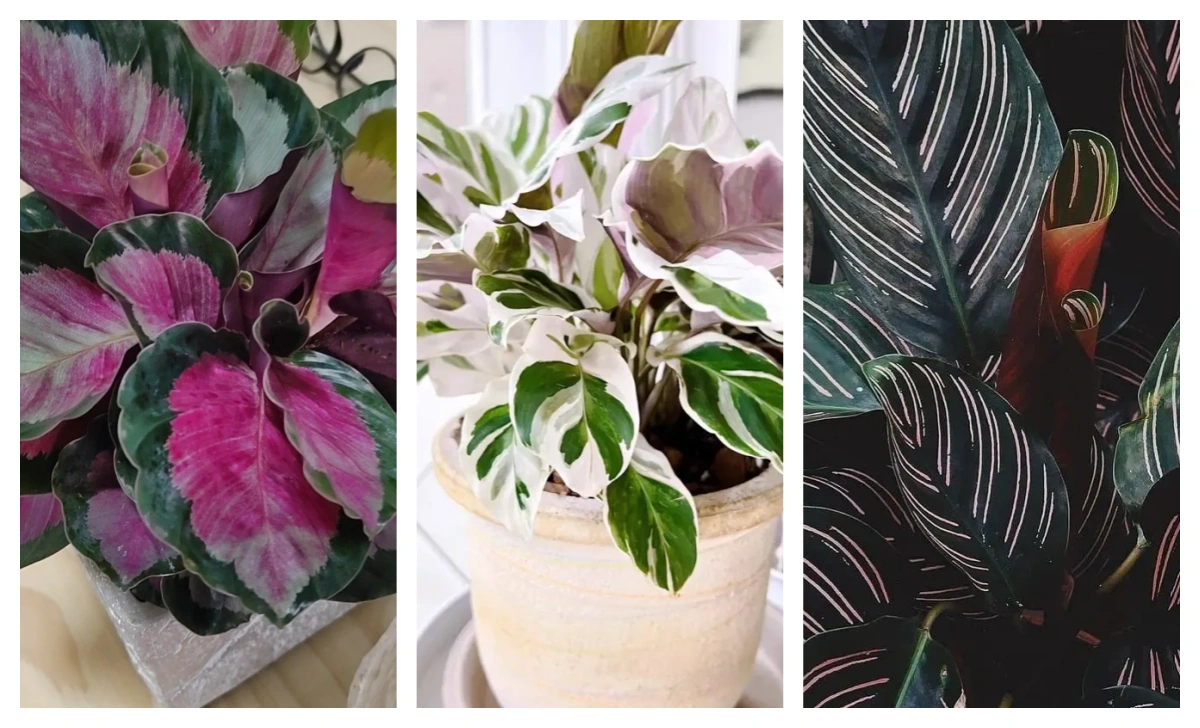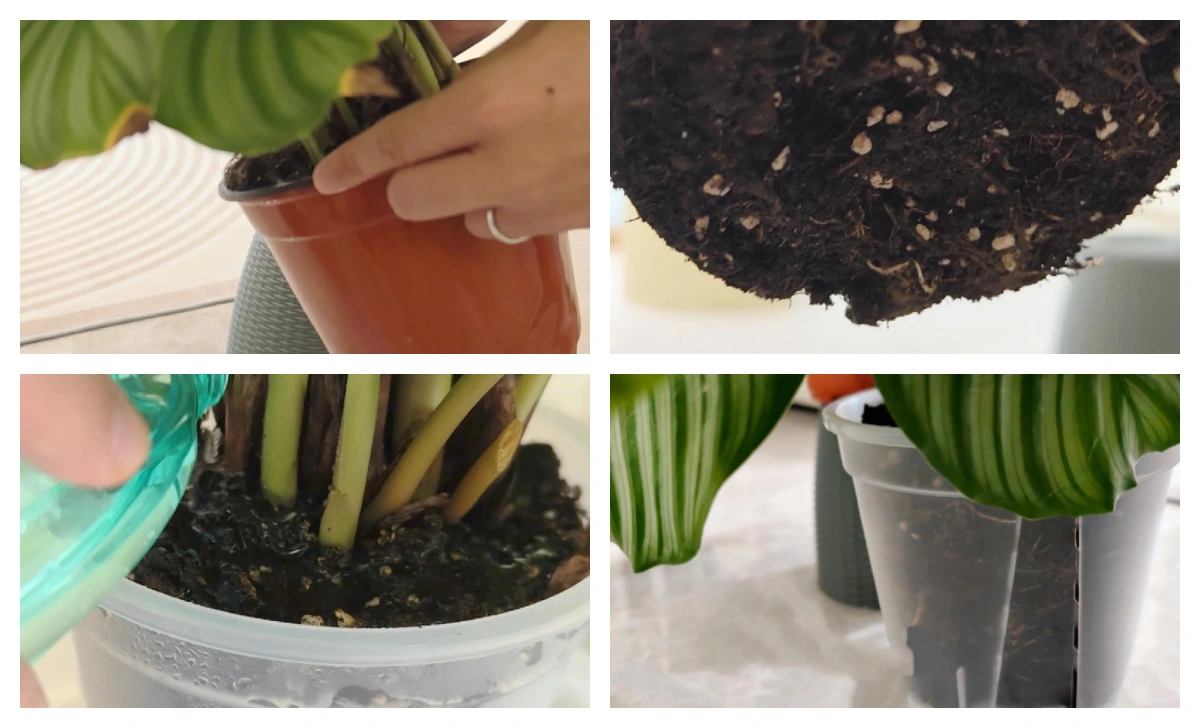
Calatheas have a reputation for hating dry air, so it is easy to think a humidifier is the first thing you need to buy. I do not think every Calathea grower needs one, though.
Before buying a humidifier, I would rather check the actual room humidity first. Crispy edges and curled leaves can come from dry air, but they can also come from strong light, uneven watering, dense soil, or a plant sitting too close to a heater.
This guide is not a full humidity science lesson. It is my simple buying decision guide: when I would use a humidifier for Calathea, what I would buy first, and how I set up indoor humidity without overcomplicating it.
This page may include affiliate links, but I only mention products or product types that I would actually consider for a simple Calathea humidity setup.
Quick Answer: Do Calatheas Need a Humidifier?
Calatheas do not always need a humidifier, but they usually grow better with steady indoor humidity. If your room stays around 45–60%, I would not rush to buy one. If the humidity often drops below 35–40%, especially in winter, a small humidifier can be worth considering.
I would not buy a humidifier just because one leaf has a crispy tip. I would look at the actual humidity first, then check light, watering, soil, and placement before deciding whether dry air is really the main problem.
| Your Room Humidity | What I Would Do |
|---|---|
| 50–60% | No humidifier needed for most Calatheas |
| 40–50% | Usually okay, but watch sensitive varieties |
| 30–40% | Consider grouping plants or using a small humidifier |
| Below 30% | A humidifier is often worth it in winter |
Measure First Before Buying Anything
Before buying a humidifier for Calathea, I would measure the room first. It is very easy to blame dry air when the real issue is strong light, uneven watering, dense soil, or a plant sitting too close to a heater.
A small digital hygrometer is usually the first humidity-related tool I would buy. If the room is already around 50% humidity, I may not need another machine. If it keeps dropping near 30–35%, then a humidifier starts to make more sense.
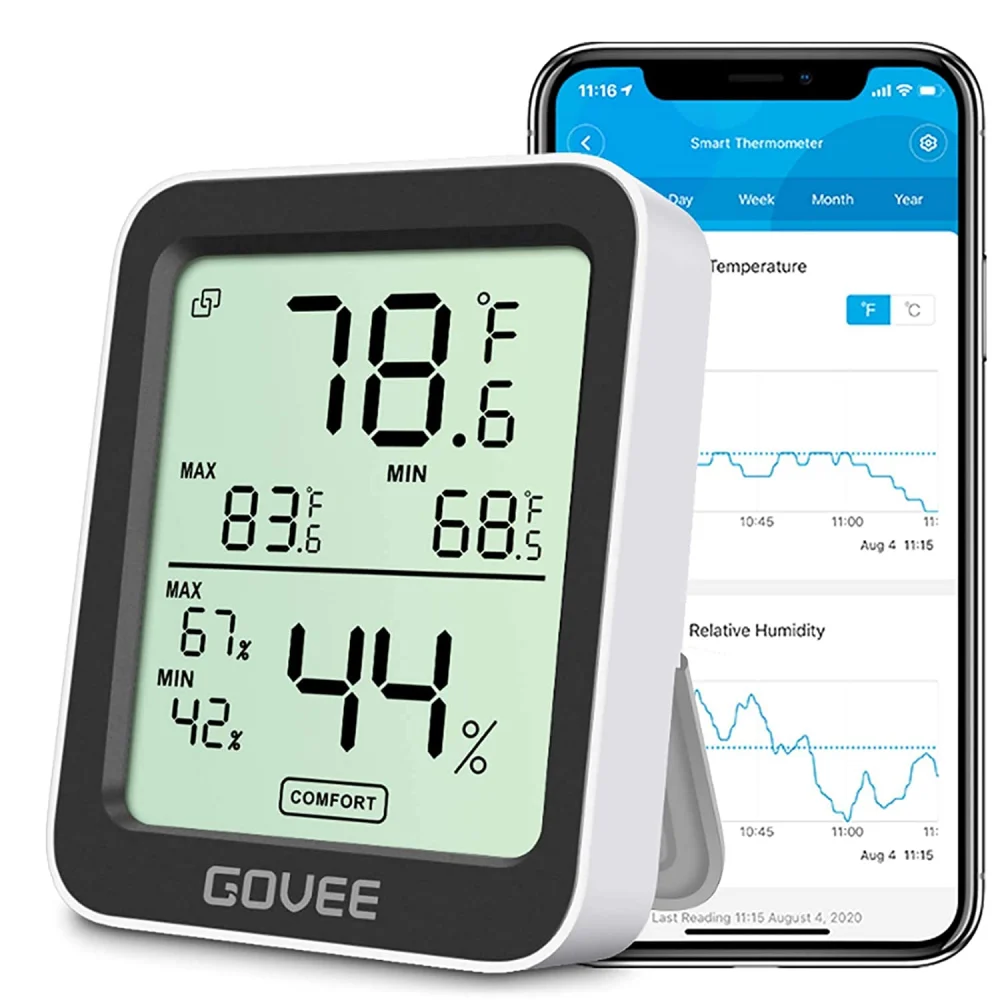
Govee Hygrometer Thermometer H5075
Best for:
Checking whether your room is actually dry before buying a humidifier.
My note:
This is the first thing I would buy before a humidifier. If the room is already around 50%, I may not need another machine.
When I Would Actually Use a Humidifier
I would use a humidifier for Calathea only when the signs point to dry air over several days, not just one random crispy leaf. Before turning one on, I still check the room humidity, the plant’s light, the soil moisture, and whether the plant is sitting near a heater or vent.
These are the situations where a humidifier starts to make sense for me:
- The room stays below 35–40% humidity for several days.
- Several leaves curl or crisp at the same time.
- New leaves open with dry brown edges.
- The plant is not in direct sun and the soil is not staying soggy.
- Winter heating or air vents make the area around the plant very dry.
If only one of these things is happening, I would not rush to buy a humidifier. But when several of them show up together, especially in winter, a small humidifier can be a practical part of the setup.
What I Would Buy for a Simple Calathea Humidity Setup
For a simple Calathea humidity setup, I would not buy a lot of products at once. After checking the room humidity with a hygrometer, I would only add what the space actually needs: usually a small cool mist humidifier, and maybe a simple tray setup for a minor local boost.
I only want steady, gentle humidity around the plant without damp walls, wet leaves, or stale air.
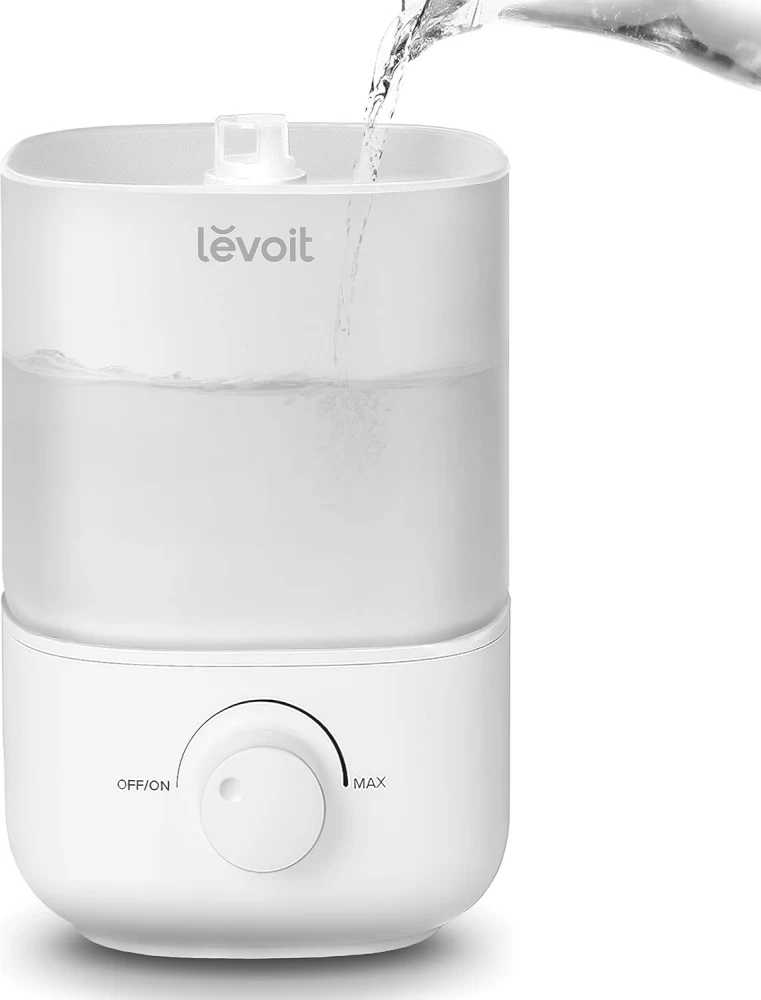
LEVOIT 2.5L Top Fill Cool Mist Humidifier
Best for:
A small room, plant shelf, or winter setup where humidity stays below 40%.
My note:
I would choose something easy to clean and not too large for the space. I want gentle humidity, not wet leaves or damp walls.
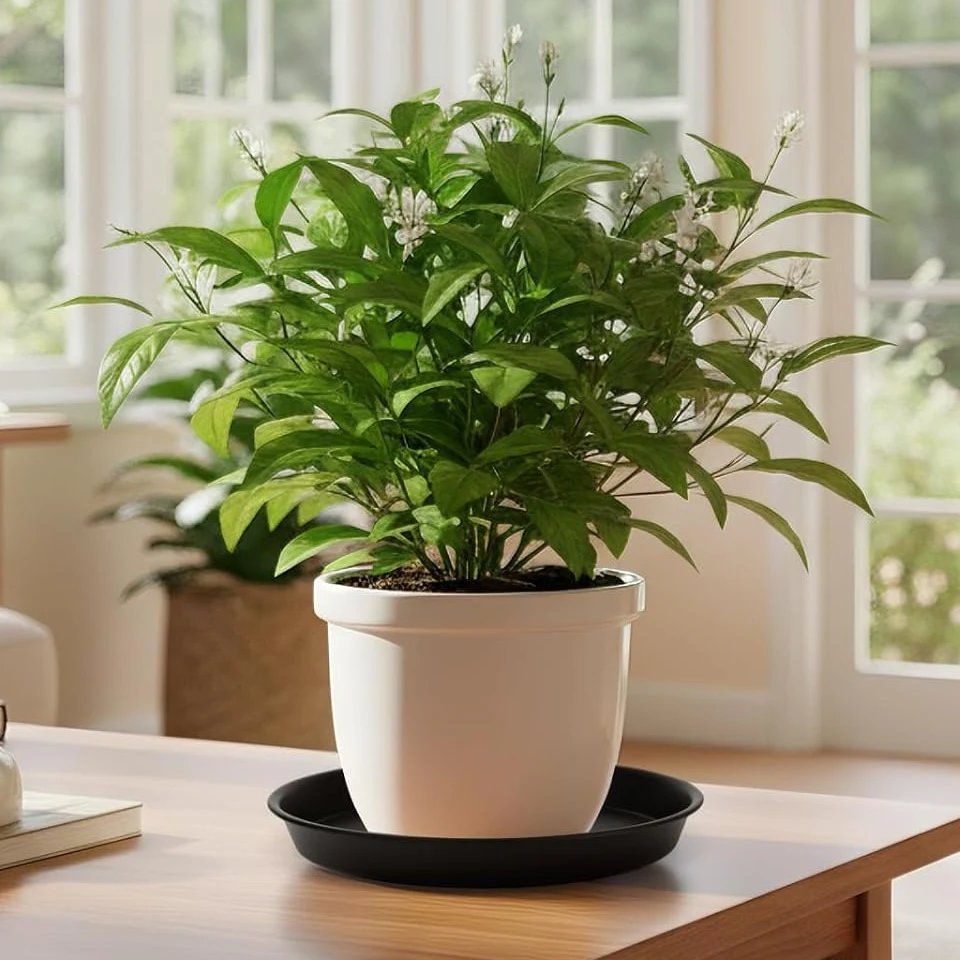
GREANER 12 Inch Plant Saucer / Pebble Tray
Best for:
A small local boost around one Calathea or a small group of humidity-loving plants.
My note:
A pebble tray may help a little, but I would not treat it as a real replacement for room humidity. It is useful as a small support, not a full solution.
If I had to choose only one product from this section, I would choose the small humidifier before the tray. A tray can help a little around the pot, but it will not change a truly dry room the way a humidifier can.
My Simple Indoor Humidity Setup
My Calathea humidity setup is simple. I do not try to turn the room into a greenhouse. I only want the air around the plants to stay steady enough that the leaves do not dry out too quickly.
- I keep a small hygrometer near the plants.
- I group humidity-loving plants together.
- I use a small humidifier only when the room stays dry.
- I keep gentle airflow around the shelf.
- I avoid heaters, vents, and cold drafty windows.
For me, this kind of setup is easier to manage than chasing a high humidity number all day. Steady, moderate humidity works better indoors than wet leaves, damp walls, or stale air around the plant shelf.
When a Humidifier Will Not Fix the Problem
A humidifier can help when the air is truly dry, but it will not fix every Calathea problem. Before buying one, I would still check light, soil, watering, and placement. Sometimes the plant does not need more humidity — it needs a better spot or a healthier root zone.
- Too much direct light: move the plant first before blaming humidity. If the leaves are drying because the light is too harsh, a humidifier will not solve the real problem. You can compare your setup with my Calathea light requirements guide.
- Soil staying wet too long: adding humidity will not fix weak roots or dense soil. If the potting mix stays wet for days, I would check the root zone and the mix before raising humidity. My best soil for Calathea guide explains the kind of mix I trust more indoors.
- Uneven watering: dry leaf edges can happen when the plant swings between too dry and too wet. I would adjust the watering rhythm before assuming a humidifier is the answer. If you are unsure, start with my guide on how often to water Calathea.
- Poor airflow: high humidity with stale air can create new problems. I do not want Calathea leaves sitting in damp, unmoving air for hours.
- Heater or vent exposure: move the plant away from the dry air source first. A humidifier will not help much if warm air is blowing directly across the leaves.
This is why I do not treat a humidifier as the first fix for every crispy leaf. I would rather correct the obvious care issues first, then use a humidifier only when the room is actually staying too dry.
What I Would Not Buy
For Calathea humidity, I would keep the setup simple. Some products sound helpful, but they either do too little, create extra maintenance, or cause new problems indoors.
- A huge humidifier for one small plant: it is usually more than you need, and it can make the area too damp if the room is small.
- A hard-to-clean humidifier: not worth it long term. If cleaning the tank is annoying, I know I am less likely to use it properly.
- Decorative mist fountains: they may look nice, but I would not rely on them for stable humidity control around Calatheas.
- Sealed cabinets with no airflow: humidity without airflow is not healthy. I do not want damp, stale air sitting around the leaves.
- Misting bottles as the main solution: misting may wet the leaves for a short time, but it does not raise room humidity for long.
My Rule: Measure First, Then Buy
I do think a humidifier can help Calatheas, especially in dry winter rooms. But I would not treat it as the first answer to every crispy edge or curled leaf.
For me, the better order is simple: measure the humidity, check the light and soil, move the plant away from heaters or vents, and only then decide whether a humidifier is worth buying.
If your room is truly dry, a small humidifier can make Calathea care easier. If the room is already reasonably humid, better watering, better soil, and better placement may do more than another machine.