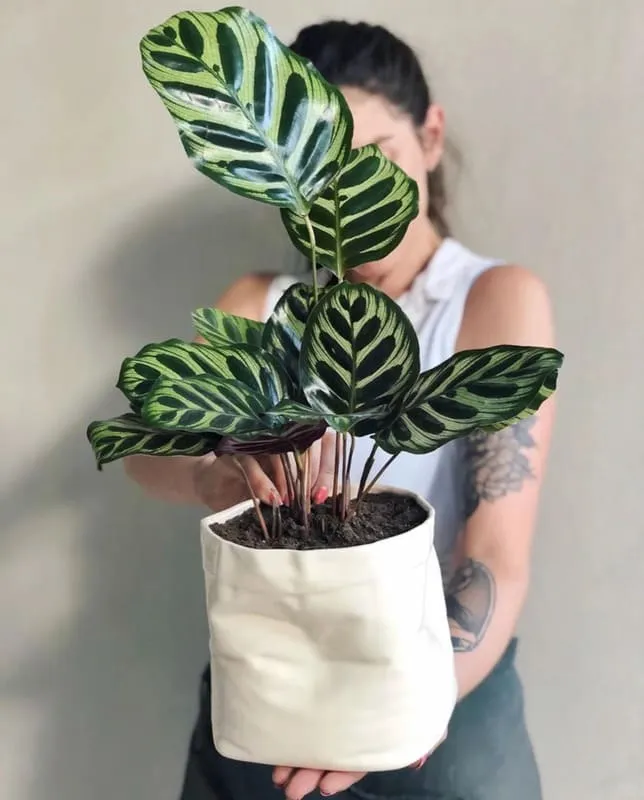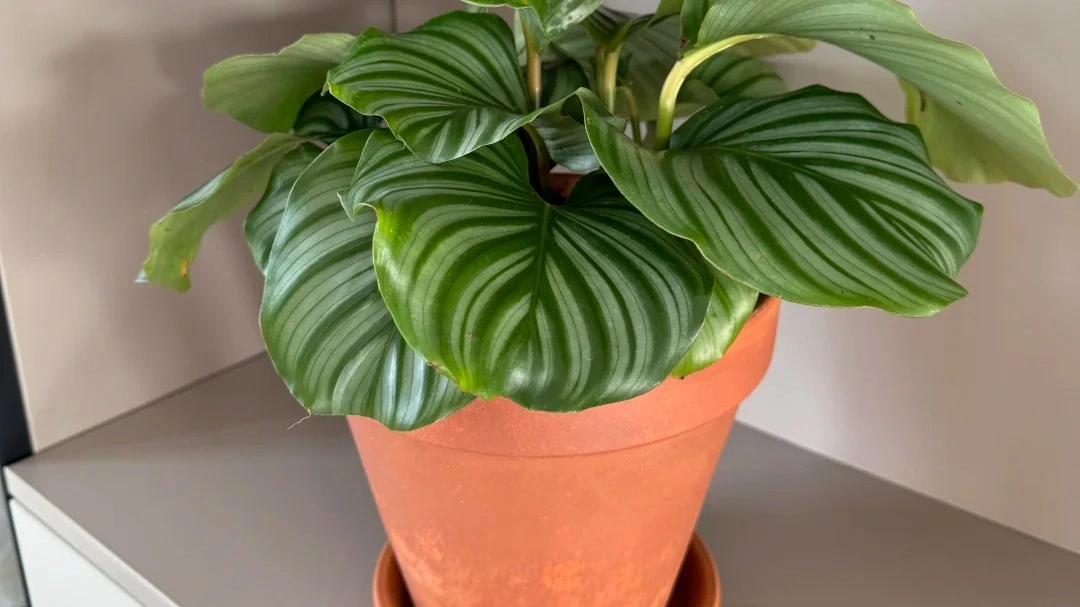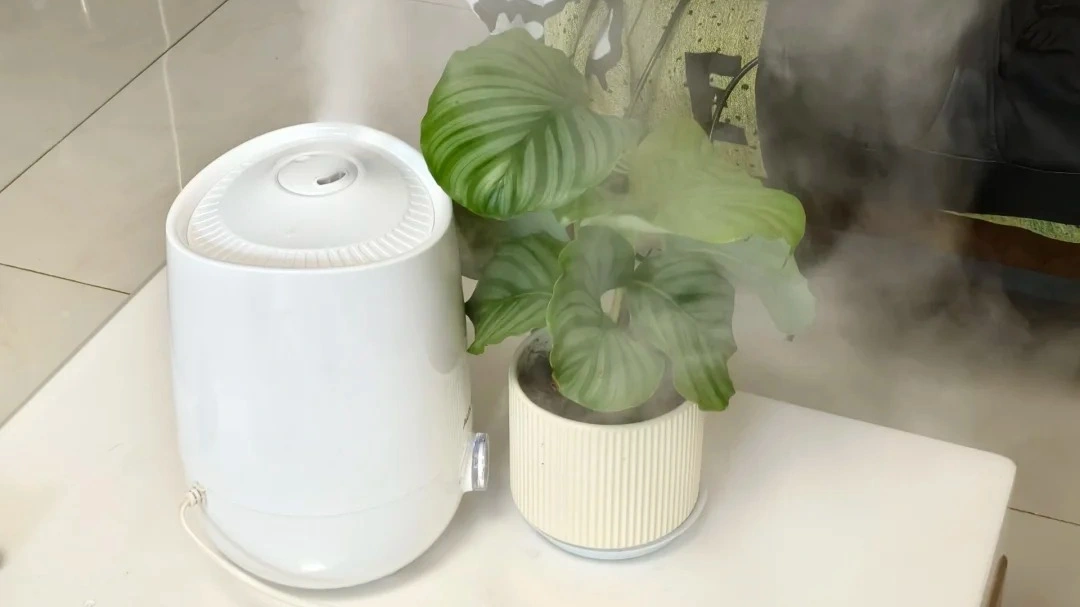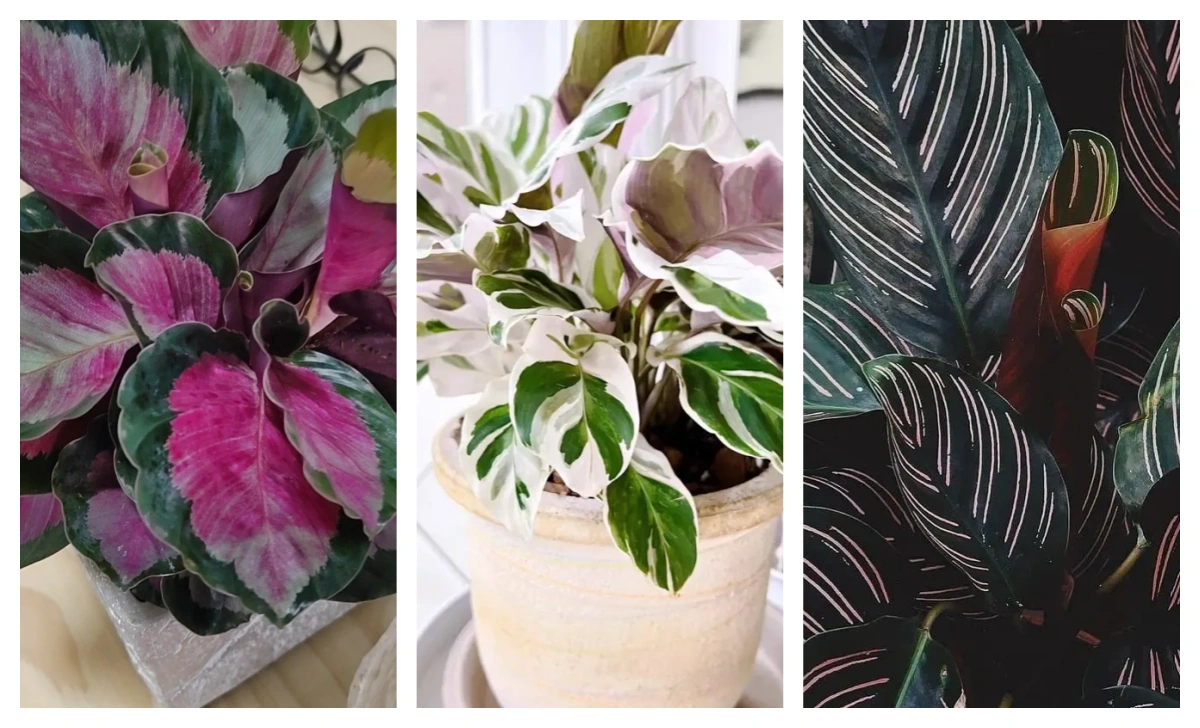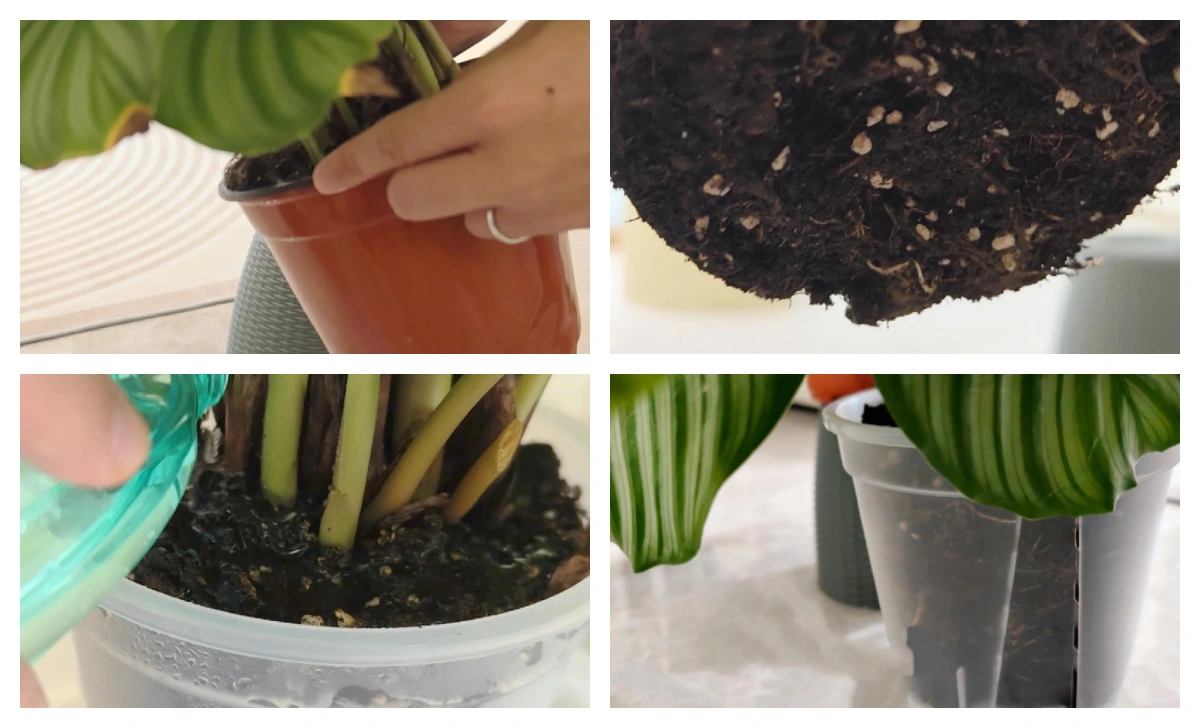
The best soil for Calathea is a loose, airy mix that holds some moisture but still drains fast enough to keep the roots from sitting wet. In other words, it should stay lightly moist without turning dense, sour, or compact.
If I want a simple mix that works well for most Calatheas, I use a peat- or coco-based base with chunky materials like bark, pumice, and charcoal to keep the root zone open. That balance matters much more than chasing one “perfect” recipe.
In this guide, I’ll show you the Calathea soil mix I use, when a store-bought mix is good enough, what to avoid, and how to adjust the blend for dry or humid homes. If you would rather buy a ready-made mix instead of mixing from scratch, I also have a separate guide to store-bought soil for Calathea. If you’re still unsure how soil and watering work together, see my watering guide.
Quick Answer
- Best soil for calathea: loose, airy, moisture-retentive
- My basic mix: 50% peat/coco base + 20% charcoal + 10% bark + 10% coco chips + 10% pumice
- Best store-bought shortcut: a tropical/aroid mix lightened with bark or perlite
- Avoid: garden soil, pure cactus mix, dense heavy potting soil
What Kind of Soil Does Calathea Need?
Calathea roots are sensitive and fleshy, which means they do best in a soil that balances drainage, moisture retention, and airflow. Even the right mix works better when the plant is kept in stable warmth and bright indirect light.
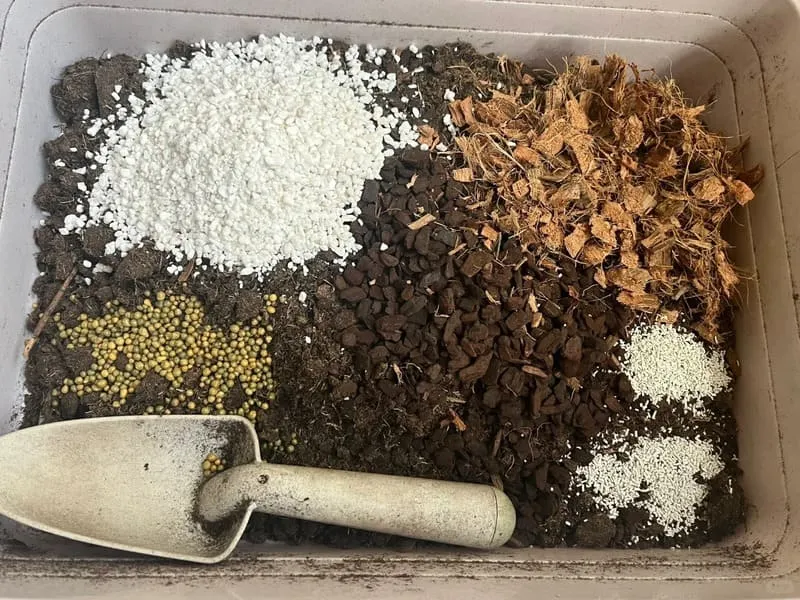
This three-way balance — drainage, moisture, and airflow — is what keeps Calathea thriving.
Why regular garden soil doesn’t work:
- Too dense and compact, which traps water and blocks oxygen.
Why sandy mixes don’t work:
- Drain too fast, leaving the plant constantly thirsty and stressed.
Why cactus or succulent soil isn’t suitable:
- Designed for arid plants, it’s too dry and gritty for Calathea, which naturally grows in the humid rainforest floor.
👉 The key takeaway: Calathea isn’t a desert plant or a heavy feeder — it needs a rainforest-inspired mix that stays lightly moist without suffocating the roots.
Key Components of a Healthy Calathea Mix
A good Calathea soil is less about one “perfect recipe” and more about combining different materials so they balance each other out. Here are the main building blocks you can use:
| Component | Function |
|---|---|
| Peat moss / Coco coir | Retains moisture while keeping the mix light and airy. |
| Perlite / Pumice | Improves drainage and prevents root rot. |
| Orchid bark / Pine bark | Adds chunky texture, mimicking the loose forest floor. |
| Compost / Worm castings | Provides organic nutrients and supports root health. |
👉 By blending these in the right ratios, you create a soil that is moist but never soggy, loose but never dry — just like the rainforest floor where Calathea naturally grows.
DIY Calathea Soil Recipe
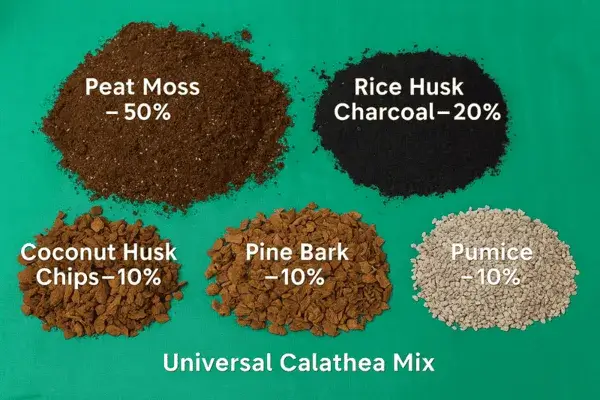
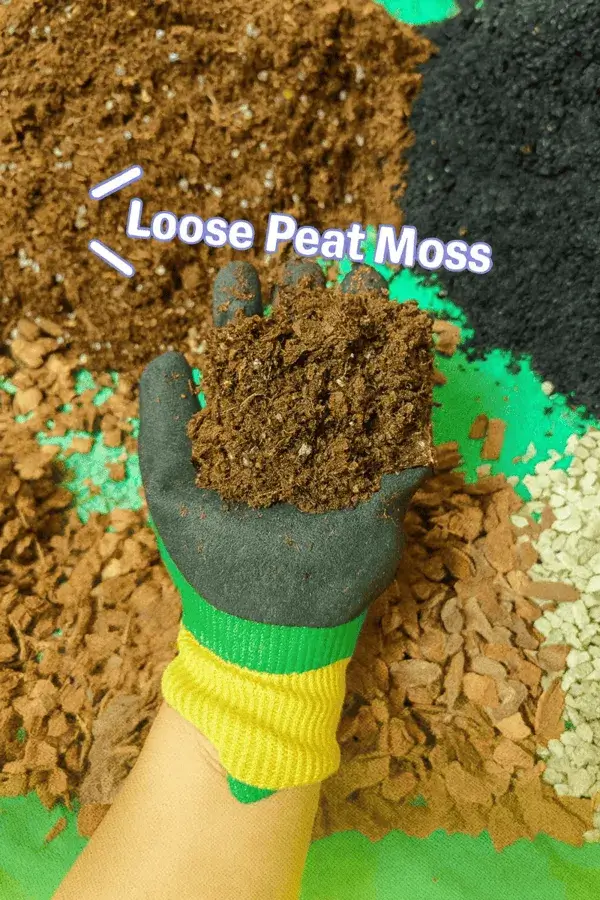
If you just want the simplest answer, this is the Calathea soil mix I would start with: 50% peat moss, 20% rice husk charcoal, 10% coco chips, 10% pine bark, and 10% pumice. It stays lightly moist, keeps enough air around the roots, and does not become dense too quickly.
- Peat moss – 50%
- Rice husk charcoal – 20%
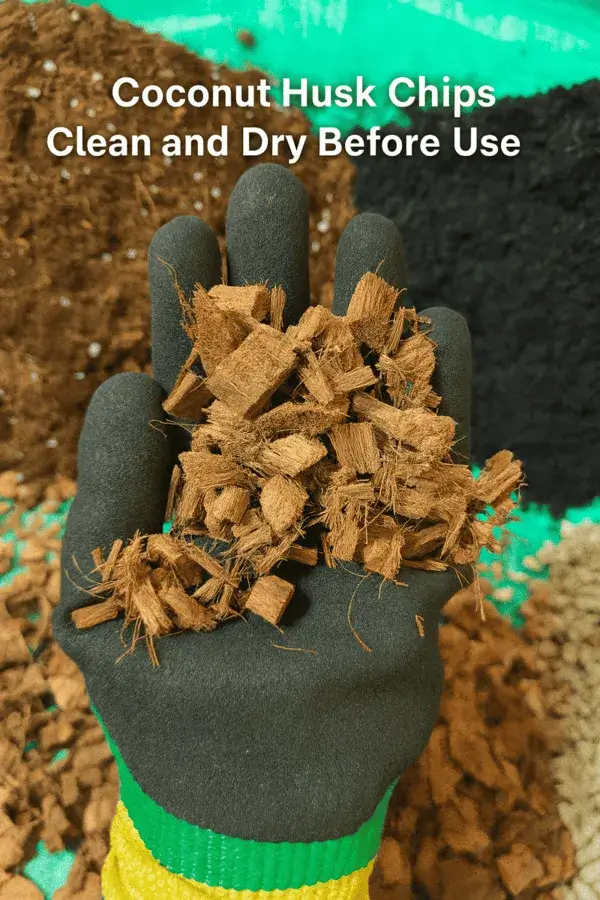
- Coco chips – 10%
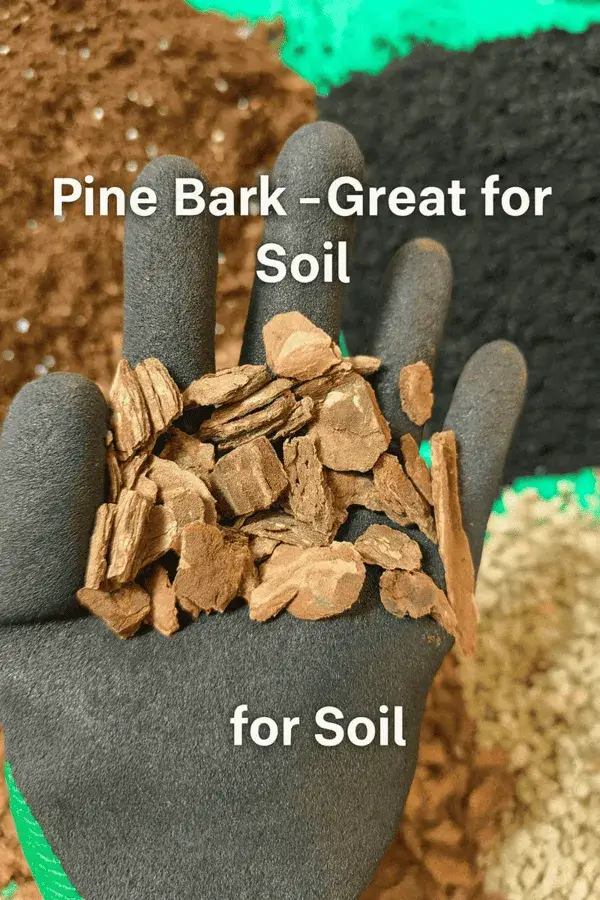
- Pine bark – 10%
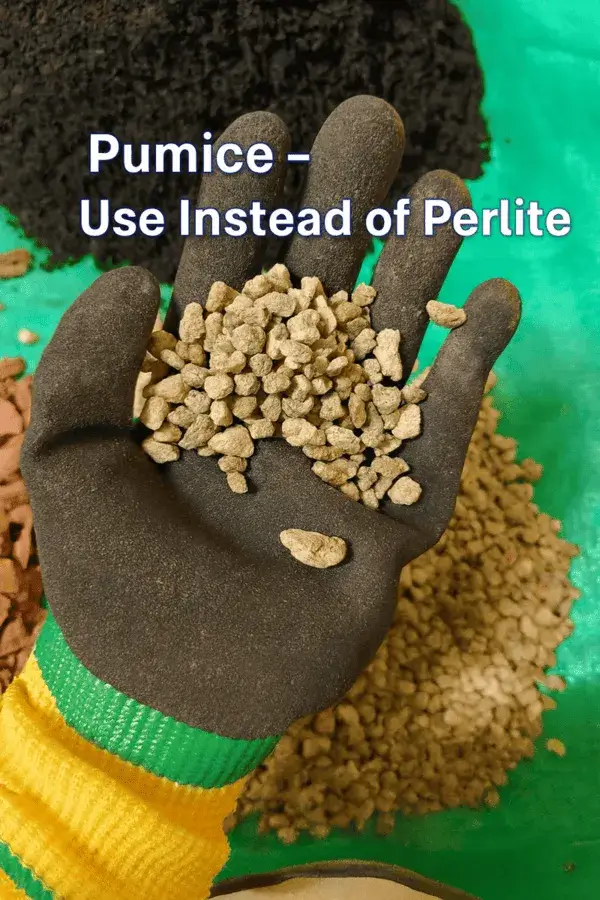
- Pumice – 10%
This is not the only mix that works, but it is a reliable starting point for most homes. After that, you can tweak it depending on how quickly your pots dry and how heavy your watering tends to be.
🌿 Peat moss (50%) – Keeps the mix loose and airy, protects delicate roots, and holds steady moisture.
🌿 Coco chips (10%) – Add porosity and space for roots to grow. Always rinse and dry before use to remove excess salts.
🌿 Pine bark (10%) – Similar to coco chips but naturally cleaner and longer-lasting; improves air circulation in the mix.
🌿 Pumice (10%) – A safer, dust-free alternative to perlite that boosts drainage and prevents compaction.
🌿 Rice husk charcoal (20%) – Enhances structure, adds trace nutrients, and provides mild antifungal benefits.
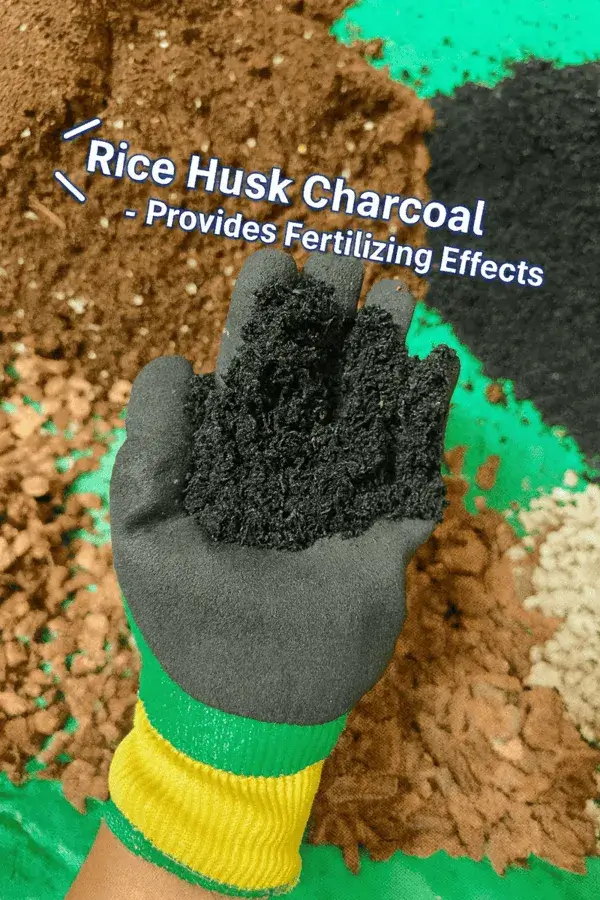
❗ Slow-release fertilizer (optional) – Supplies long-term nutrition for up to six months without burning roots.
Adjusting for Your Environment
- Dry climates / heated rooms → increase peat moss or coco coir to hold more moisture.
- Humid or poorly ventilated homes → add more pumice or bark to improve drainage and airflow.
Overwatering and compact soil often mimic each other — see how to tell them apart in our yellow leaves guide.
For a Simple Option
If mixing feels overwhelming, you can skip the DIY approach and buy a ready-made “Aroid mix” — often sold as “Araceae soil.” Technically, Calatheas belong to the Marantaceae family, not Araceae, but these blends still work beautifully because they offer the same moisture balance and aeration that tropical roots love. They also help reduce the risk of root rot compared to regular garden soil. Learn more signs in our root rot guide.
Store-Bought Options (and How to Improve Them)
Not everyone wants to haul home bags of pumice, bark, and coco chips. Luckily, some store-bought mixes can work for Calathea, especially if you know what to amend and what to avoid.
👉 If you want a shortcut, I made a separate buying guide for store-bought Calathea soil, amendments, and potting supplies. It covers ready-made mixes, perlite, pumice, bark, charcoal, and the products I would use carefully.
Ready-to-Use (Minimal Adjustment)
- Aroid mixes (often sold as “Araceae mixes”) – Designed for tropical houseplants like Calathea, Philodendron, and Anthurium. Calatheas aren’t true Aroids, but they thrive in the same loose, airy, and moisture-retentive soil.
- Premium “indoor plant mixes” – Some brands now include bark and perlite out of the bag, making them fairly reliable.
Needs Improvement
- Regular potting soil – Too dense on its own. Mix in 30–40% perlite or bark to improve drainage.
- Cactus or succulent soil – Too fast-draining and sandy. Blend with peat moss or coco coir to hold more moisture.
- Garden soil – Not recommended; compacts easily and harbors pests.
DIY vs Store-Bought: A Quick Comparison
| Option | Cost | Control Over Mix | Convenience |
|---|---|---|---|
| DIY mix | Cheaper long-term (bulk buying) | Full control (custom ratios) | More effort, messy |
| Store-bought mix | Higher per-bag price | Limited control | Super easy, ready to use |
👉 Takeaway: If you only have a few Calatheas, a store-bought aroid mix plus a handful of perlite or bark will be just fine. If your collection is growing, a DIY blend gives you more control at a lower long-term cost.
Signs Your Soil Isn’t Right
Even if you water correctly, the wrong soil mix can quickly stress your Calathea. Here are some common red flags to watch for:
| Symptom | Soil Problem |
|---|---|
| Leaves drooping even when watered | Mix is too compact → roots suffocate, lack oxygen. see watering mistakes guide |
| Leaf edges curling fast | Soil dries out too quickly, can’t hold moisture |
| Yellowing or root rot | Soil stays soggy, poor drainage |
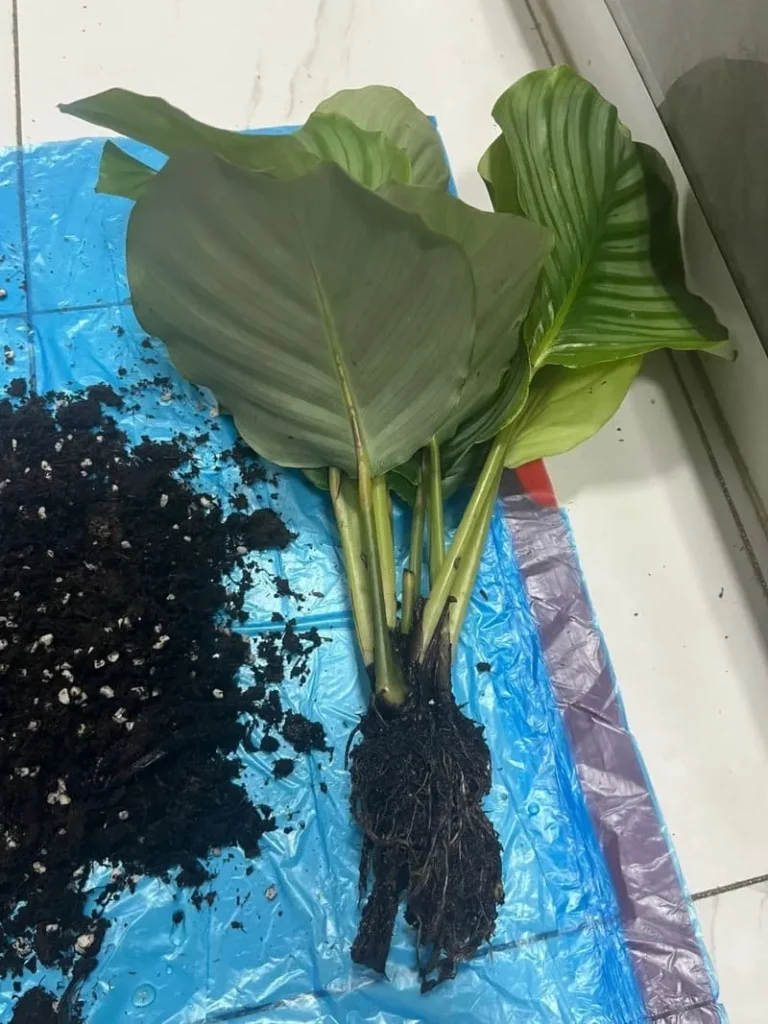
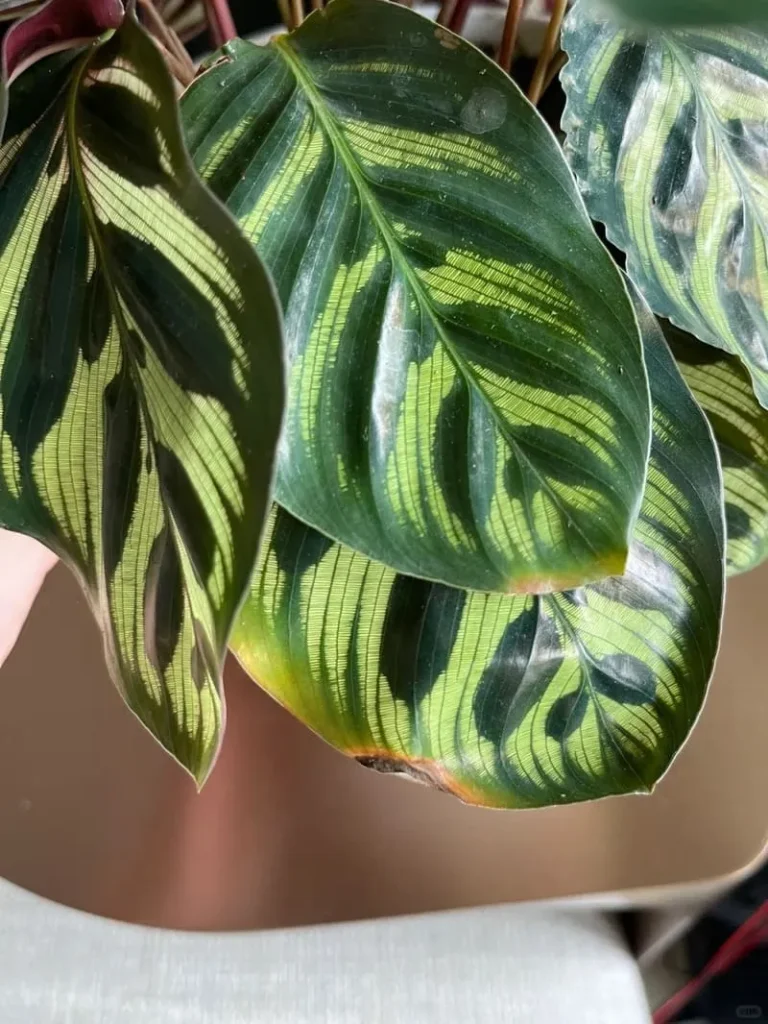
If you notice these signs, check both your watering habits and the soil composition. A dense mix often mimics overwatering symptoms, while an overly sandy mix mimics underwatering.
For deeper troubleshooting, see:
Repotting Tips for Calathea
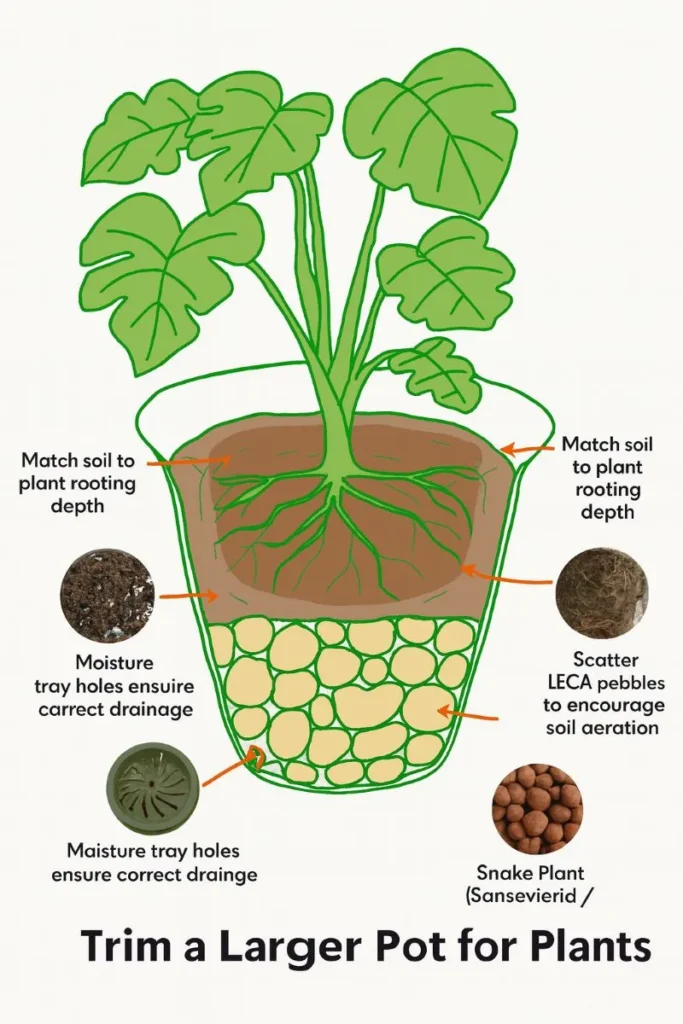
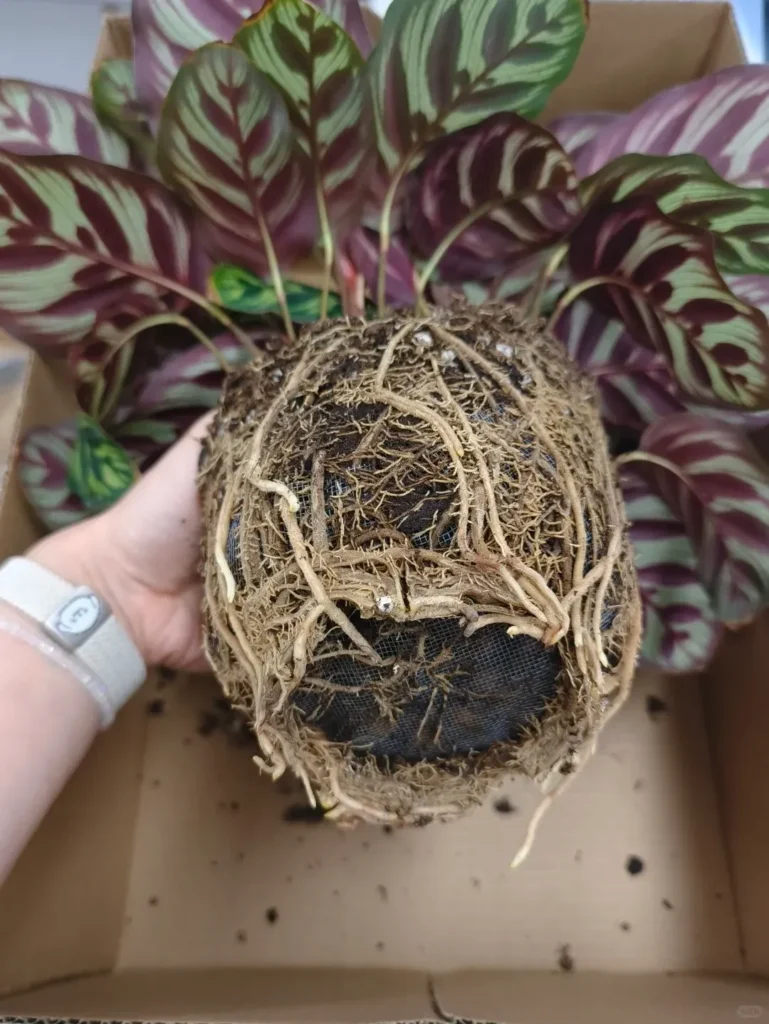
Even the best soil mix won’t last forever. Over time, it breaks down, compacts, and loses its ability to drain well. That’s why repotting is essential for a healthy Calathea. If you’re repotting after root rot recovery, choose a lighter mix.
When to Repot
- About every 2 years, or sooner if you notice roots circling the pot bottom or pushing out of drainage holes.
- Soil that stays soggy or gives off a sour smell is also a sign it’s time to refresh.
How to Reduce Stress During Repotting
- Repot in spring or early summer, when the plant is actively growing.
- Gently loosen the root ball instead of shaking off all the old soil.
- Water lightly after repotting and keep the plant in stable, indirect light for a week.
- Avoid fertilizing for 4–6 weeks to let roots recover.
Choosing the Right Pot for Calathea:
| Pot Type | Pros ✅ | Cons ❌ | Best For 💡 |
|---|---|---|---|
| Plastic Pot | Lightweight, cheap, retains moisture | Can hold too much water if no drainage | Dry indoor climates, beginners |
| Ceramic Pot (glazed) | Attractive, stable, keeps soil evenly moist | Heavy, expensive, may crack if dropped | Decorative display indoors |
| Terracotta Pot (clay) | Breathable, prevents overwatering | Dries out quickly, needs more frequent watering | Humid homes, people who tend to overwater |
| Self-watering Pot | Reduces watering mistakes, consistent moisture | Easy to overdo if not monitored, more costly | Busy plant parents, frequent travelers |
Pot type changes how fast the soil dries, so I do not choose pots by looks alone. For a deeper breakdown, see my guide to the best pots for Calathea, where I compare self-watering pots, terracotta pots, and orchid pots with holes.
If you’d like a full walkthrough with pictures, see our guide:
👉 Repotting Calathea: Step-by-Step Guide
From my own experience, I’ve found that plastic nursery pots are almost unbeatable when it comes to practicality. They’re light, inexpensive, and the drainage is excellent. The only real drawback is that they don’t look great on their own.
That’s why I usually keep my Calathea in a simple nursery pot, then slip it into a decorative ceramic cover pot. This way, I get the best of both worlds: healthy roots with easy care, and a beautiful look that matches my home.
Finding Your Own Perfect Mix
There’s no single “correct” recipe for Calathea soil. Every home environment is different—some are more humid, some are drier, and watering styles vary from person to person.
In my own journey, I started with store-bought tropical plant mixes, thinking they would be enough. Over time, as my collection grew, I shifted to DIY blends, experimenting with peat, bark, pumice, and rice husk charcoal. Eventually, I found myself returning again and again to a universal mix—simple, reliable, and easy to tweak depending on the season.
✨ The real key: don’t chase a perfect formula. Find the ratio that works for your space, your watering habits, and your plants. That’s what keeps Calathea roots strong and happy.
FAQ
Still have more Calathea problems?
Curling and drooping are just the beginning. From yellow leaves to root rot, our complete care guide covers every common Calathea issue.
Next: Watering Guide →