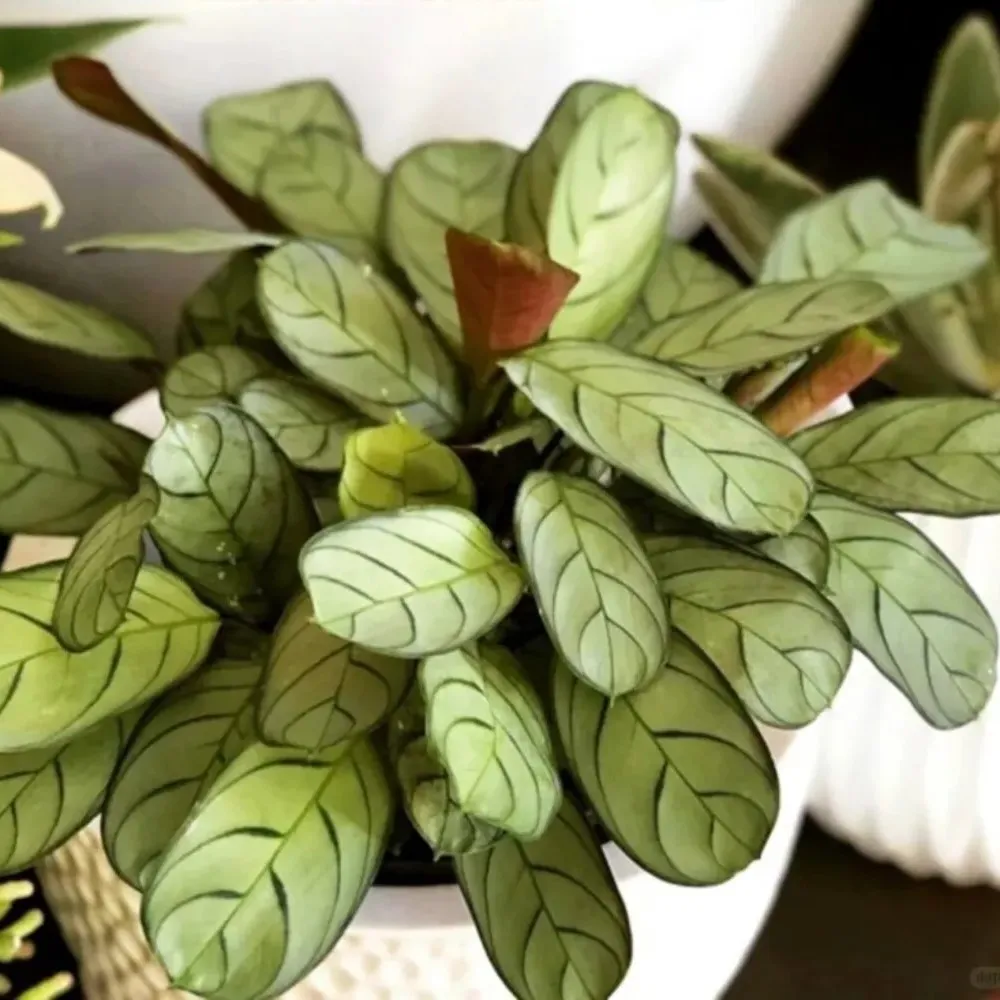
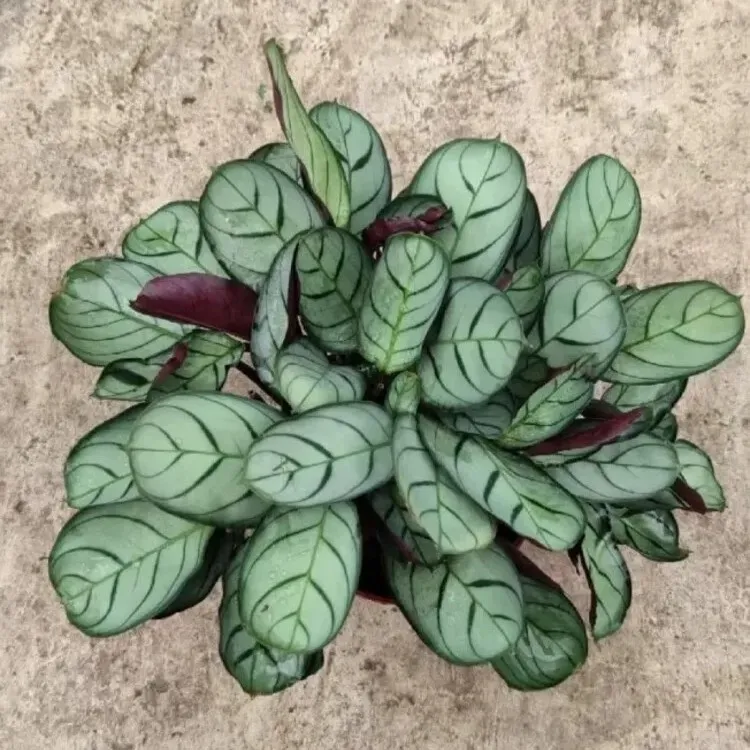
Many people describe Calathea concinna ‘Amagris’ as an easy houseplant. It tolerates low light, doesn’t demand much attention, and rarely collapses overnight. That reputation isn’t wrong — but it doesn’t tell the whole story.
In my experience, this plant often doesn’t fail in obvious ways. Instead of yellowing or rotting, it tends to enter a long period of stagnation: the leaves stay green, the pot still looks full, but real growth quietly stops. Months can pass without a single new leaf. If your plant stays green but refuses to move forward, this guide on why Calathea is not growing helps you pinpoint what’s missing.
I’ve seen this happen in two very different situations. One is a sudden downturn in winter, when the leaves curl and the plant looks stressed almost overnight. The other is far more common and more confusing — the plant survives through spring and even summer, yet never truly resumes growth. Winter curling can look like a watering issue, but it often isn’t — this breakdown on Calathea curling and drooping watering mistakes explains the most common misreads.
This is usually when people start second-guessing themselves. They adjust watering, move the plant closer to the window, add fertilizer, or repot, often without seeing meaningful improvement. What I’ve learned is that the issue is rarely one single mistake, but a care approach that keeps Amagris alive without giving it what it needs to grow. When you’ve tried everything and nothing changes, I start with a reset: how to revive a dying Calathea.
My Personal Experience: Why Amagris Is Surprisingly Tough — When It’s Established
I first got my Calathea concinna ‘Amagris’ in November 2020, and it’s been growing with me for several years now. Over time, I’ve found that once this plant settles into a stable environment, it’s actually one of the more forgiving Calatheas I’ve kept. It doesn’t panic easily, tolerates less-than-perfect light, and doesn’t immediately punish you for small mistakes.
That said, everything below reflects how I care for this plant when its root system is already healthy and established. This distinction matters more than most care guides admit.
Basic Plant Profile
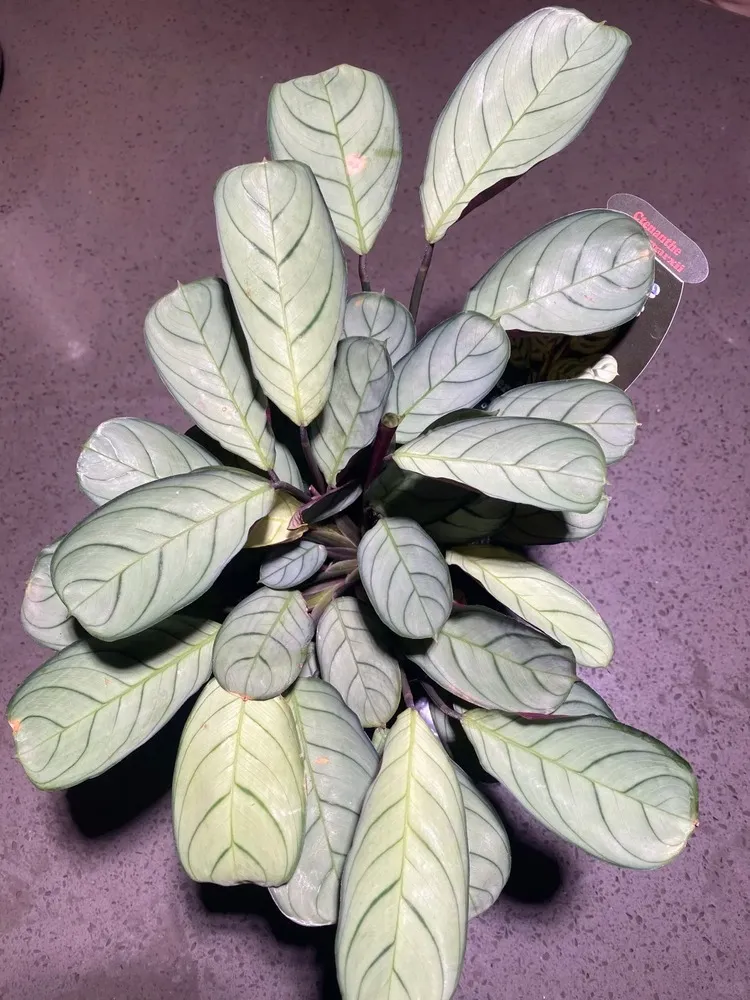
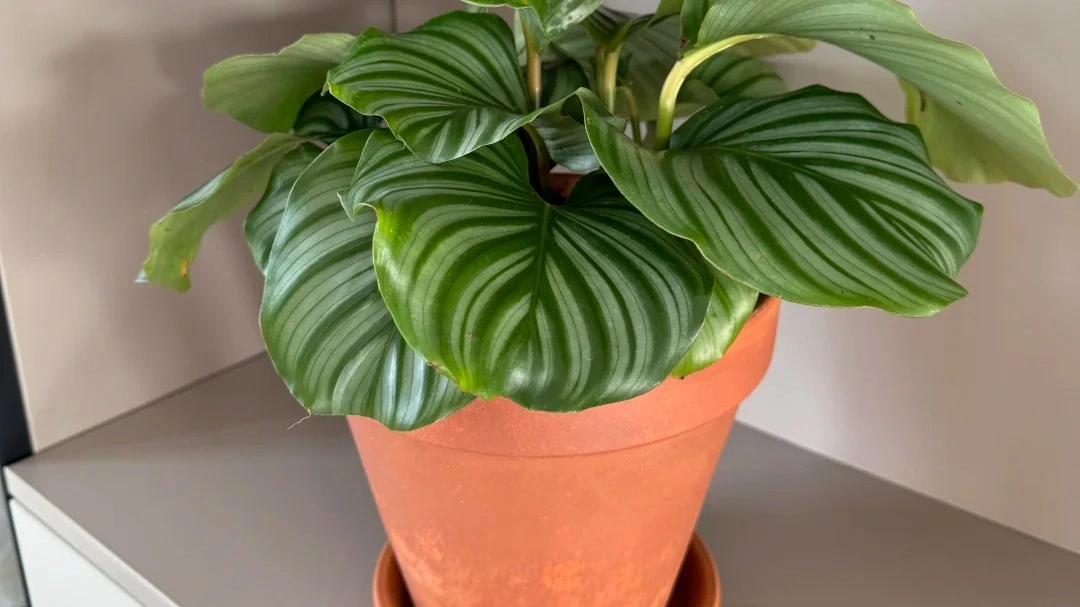
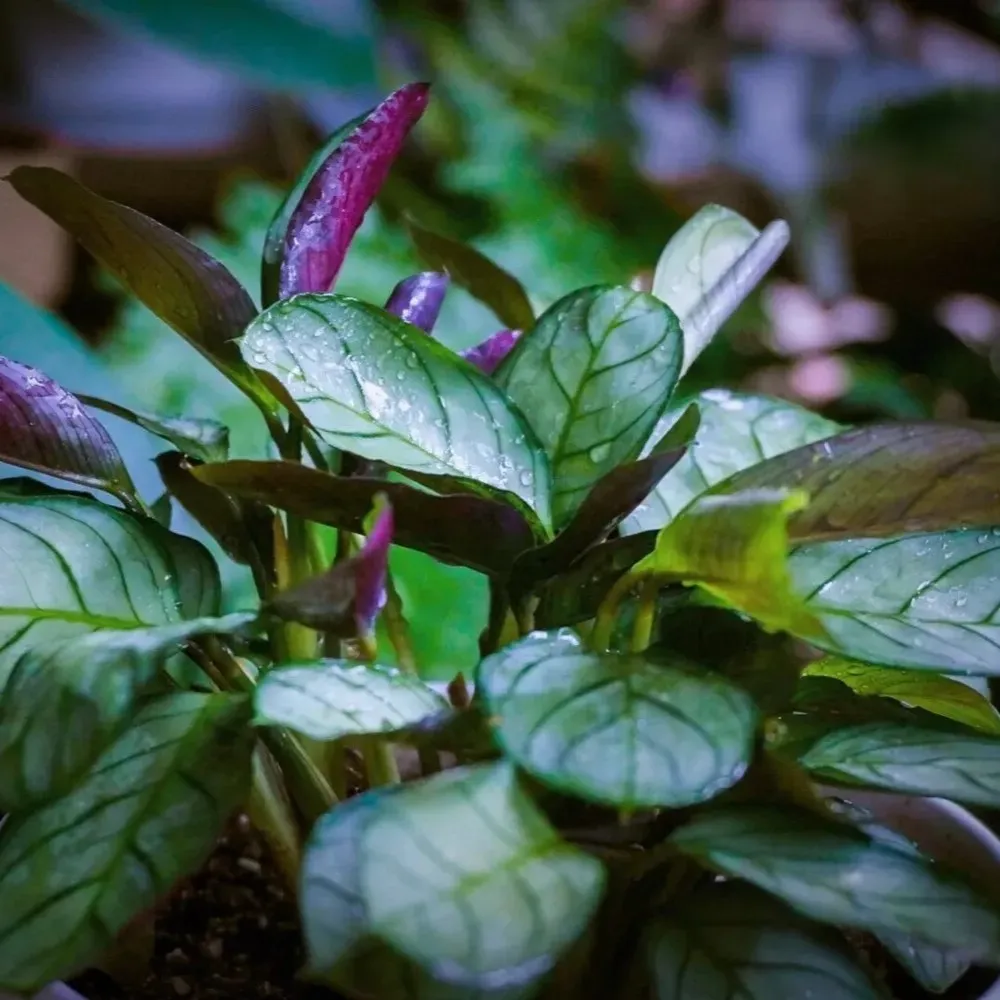
Calathea concinna ‘Amagris’ has long, narrow, oval-shaped leaves with soft, feather-like veining. The overall color is a muted silvery green, with less contrast than many patterned Calatheas, which gives it a calmer, more understated look. Growth is slow by nature, even under good conditions.
How I Care for It (During a Stable Growth Phase)
Soil
I don’t use anything complicated. Regular potting soil works fine as long as it’s loose and breathable. I prefer mixes that don’t compact easily and allow airflow around the roots — here’s the exact logic behind my best soil for Calathea mix.
Watering
When the plant is stable, I follow a simple rule: water thoroughly, then let the soil dry out before watering again. Amagris tolerates dryness better than soggy soil. I usually wait until the leaves just begin to soften or lightly curl before watering. If you’re unsure how dry is “dry enough,” my rule-of-thumb is here: how often to water Calathea.
Light
This plant handles low light surprisingly well. I’ve grown it successfully on shelves and in corners with indirect light. It also adapts to office environments with minimal natural light, though growth slows and the plant may stretch slightly. Direct sun isn’t necessary and can be stressful. For low-light rooms or office shelves, I use the same approach I wrote here: Calathea low light care.
Temperature & Airflow
Normal indoor temperatures are fine. I haven’t found airflow to be critical — even in still indoor spaces, it remains stable as long as temperatures don’t drop too low.
Fertilizer
I feed lightly using a general-purpose fertilizer diluted to about one-tenth strength. Often, I simply include a small amount in regular watering rather than following a strict feeding schedule. If you want a simple “safe feeding” baseline (especially for slow growers), my full notes are here: best fertilizer for Calathea.
Pests & Disease
So far, I haven’t encountered any significant pest or disease issues with this plant. Compared to other Calatheas, it’s been relatively trouble-free.
⚠️ Important note:
All of this applies only when the plant’s root system is already stable and functioning well.
Using this same approach on a stressed or recovering plant can actually keep it stuck in survival mode.
Two Common Failure Cases: Why Watering Is Rarely the Real Problem
When Calathea concinna ‘Amagris’ struggles, most people instinctively focus on watering — too much or too little. In reality, watering is often just the visible trigger, not the underlying cause. The real issue usually sits deeper, in how the plant’s roots and environment interact over time. If the soil stays wet and the plant still looks dehydrated, it’s worth checking for Calathea root rot symptoms.
Case 1: Sudden Leaf Curling in Winter
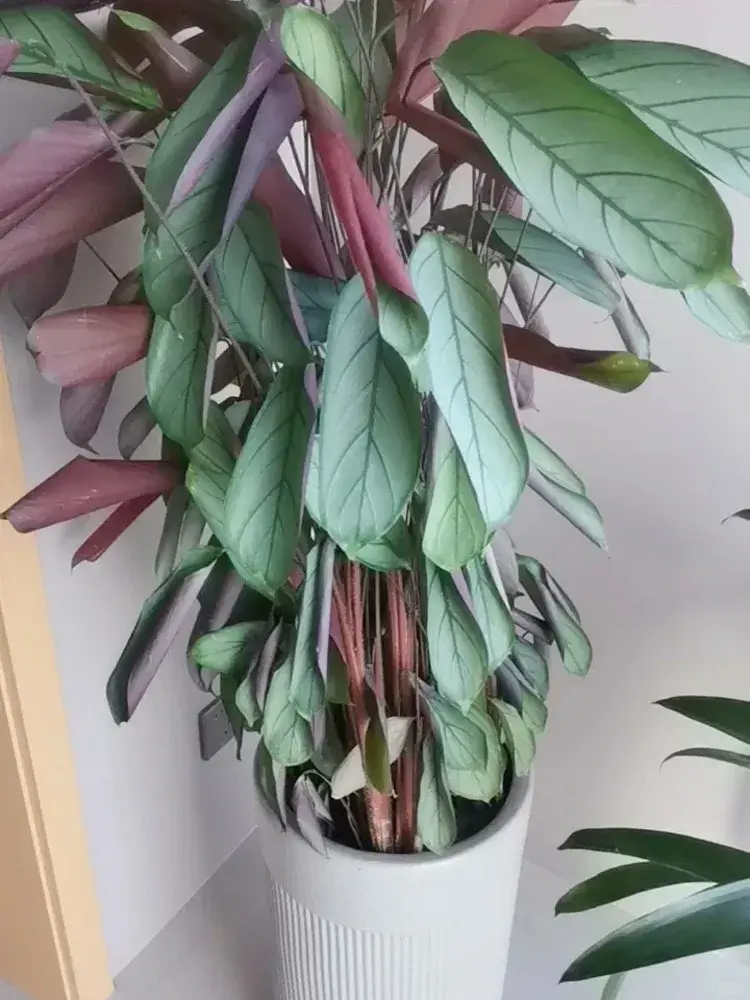
The most dramatic case happens in winter. The leaves begin to curl tightly, sometimes within days, and the plant looks like it’s on the verge of collapse. Even after watering, nothing improves, which makes the situation feel urgent and confusing. I also wrote a dedicated guide on Calathea new leaves curling, because the “curling” pattern looks similar but the causes can be different.
In most cases, the cause isn’t underwatering at all. When temperatures drop, Amagris roots slow down or stop functioning entirely. Water may be present in the soil, but the plant simply can’t absorb it. The leaf curling is a defensive response — an attempt to reduce moisture loss while the root system is temporarily offline. This is why I adjust watering by season — here are my real-world Calathea seasonal watering notes for winter vs summer.
The solution isn’t more water. It’s restoring warmth and stability. Once temperatures rise and the roots resume activity, the plant usually recovers on its own without aggressive intervention.
Case 2: Alive but Not Growing — Even in Spring
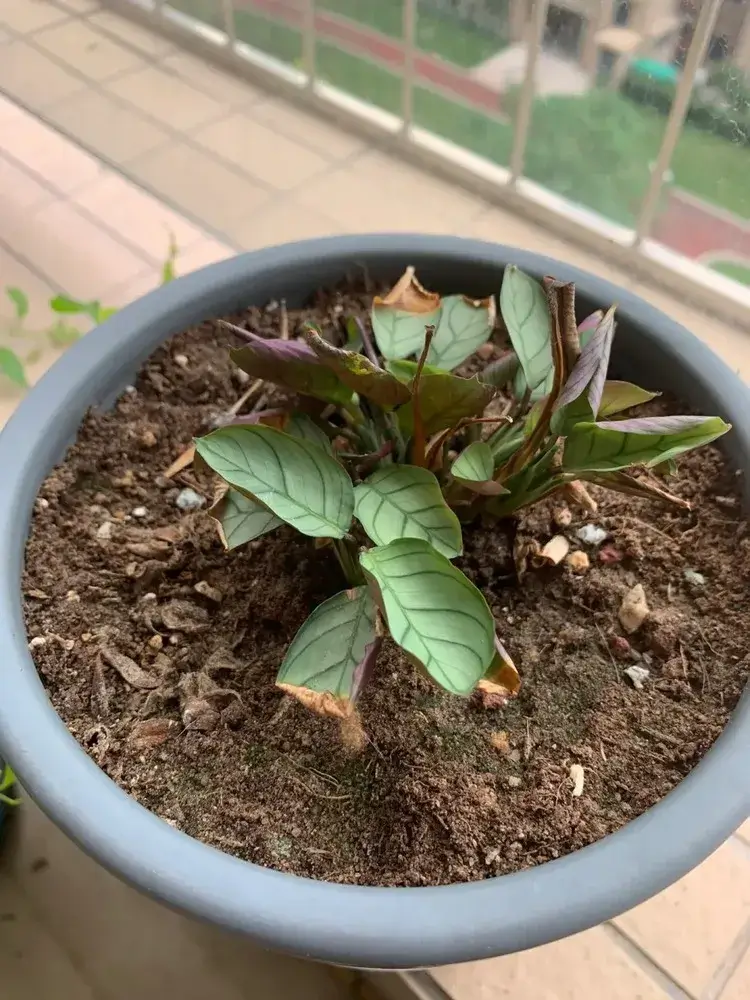
This second case is far more common and far more frustrating. The plant doesn’t look sick at first glance. There are plenty of leaves, the color seems acceptable, and nothing is actively rotting. Yet months go by without a single new leaf, even after spring arrives.
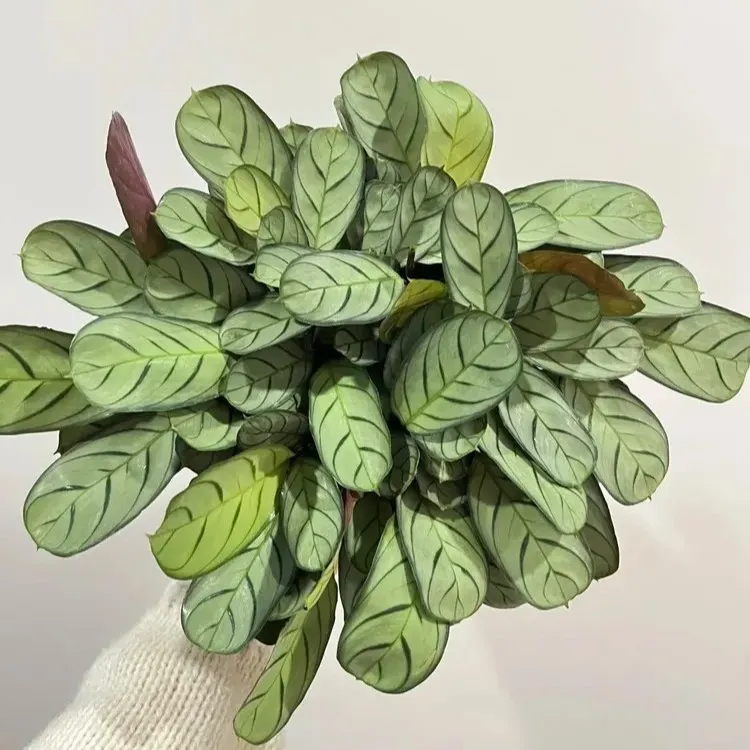
This is exactly the kind of plant shown in the photo above — full but stagnant. The problem isn’t survival; it’s the complete absence of momentum. The plant is maintaining itself, but it isn’t investing energy into new growth.
At this stage, common fixes rarely help. Repotting doesn’t change much because the root system is still operating inefficiently. Fertilizer has little effect because weak or inactive roots can’t use added nutrients. Seasonal change alone doesn’t help either — growth won’t resume just because it’s spring if the plant never exited survival mode.
What’s happening here is a long-term mismatch between care conditions and the plant’s recovery needs. Amagris is tolerant enough to stay alive under suboptimal conditions, but that same tolerance allows it to remain stuck for months or even years. Without addressing root efficiency, humidity, and overall stability, the plant simply continues existing — not growing. If you want a checklist-style diagnosis (light, roots, pot size, humidity), I summarized it here: Calathea not growing.
Why This Matters
These two cases look very different on the surface, but they share the same lesson. When Amagris struggles, the problem is rarely about how much water you give it. It’s about whether the plant is actually in a condition where growth is possible at all.
My Honest Take on Growing Amagris
After living with Calathea concinna ‘Amagris’ for several years, I don’t think it’s a difficult plant — at least not in the way people usually mean. It doesn’t collapse easily, and it’s surprisingly tolerant of less-than-ideal conditions. That’s exactly why it often gets misunderstood.
Amagris doesn’t respond well to “good enough” care. If the environment is slightly off, it won’t necessarily die or show dramatic damage. Instead, it slows down, stays quiet, and simply stops moving forward. From the outside, everything looks fine — but nothing is really happening.
This is a plant that rewards attentiveness, not perfection. Once its roots, moisture, and environment are aligned, it grows calmly and predictably. But when those pieces are out of sync, it can stay in a half-alive state for a very long time.
Calathea concinna ‘Amagris’ rarely dies suddenly.
But when conditions aren’t right, it can live with you in that in-between state for years.
FAQ
Explore More Calathea Varieties
Looking to discover more beautiful Calathea plants?
Browse our full collection of Calathea varieties — from the bold Orbifolia to the velvety Warscewiczii — and find the one that fits your home best.