Last updated: May 15, 2026
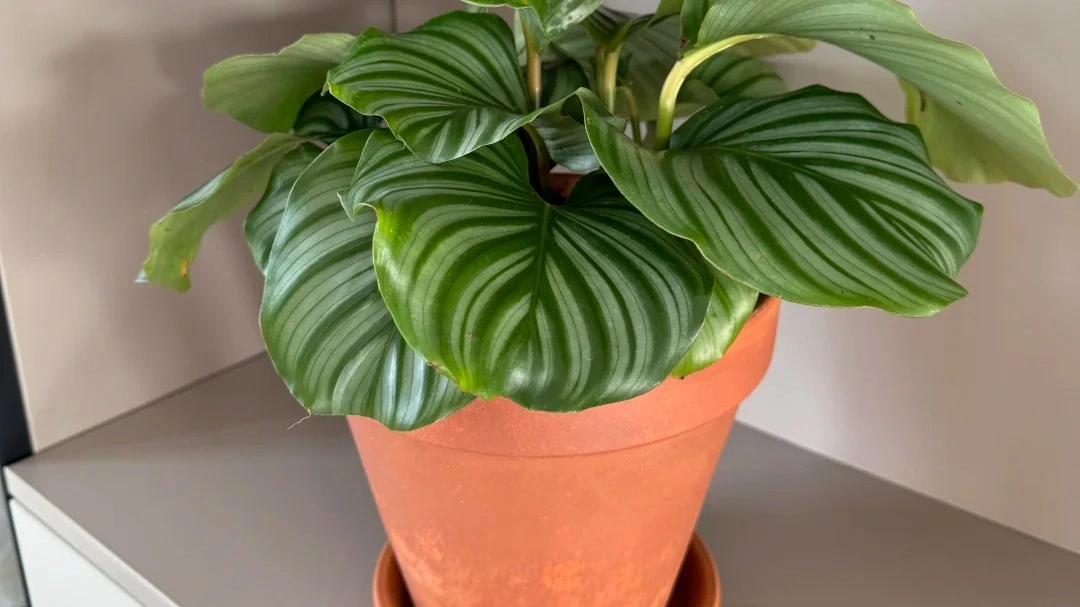
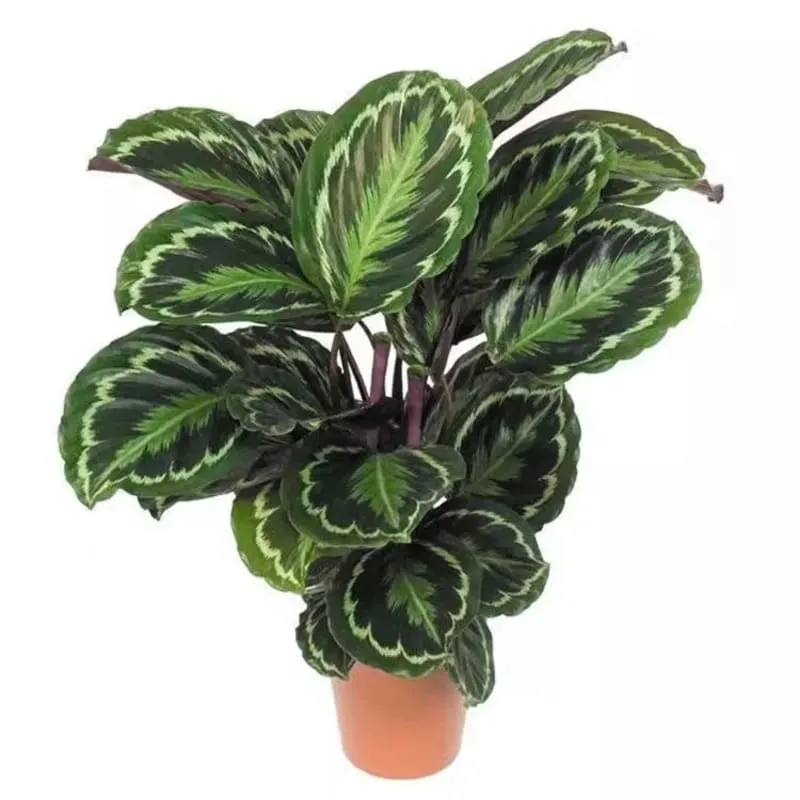
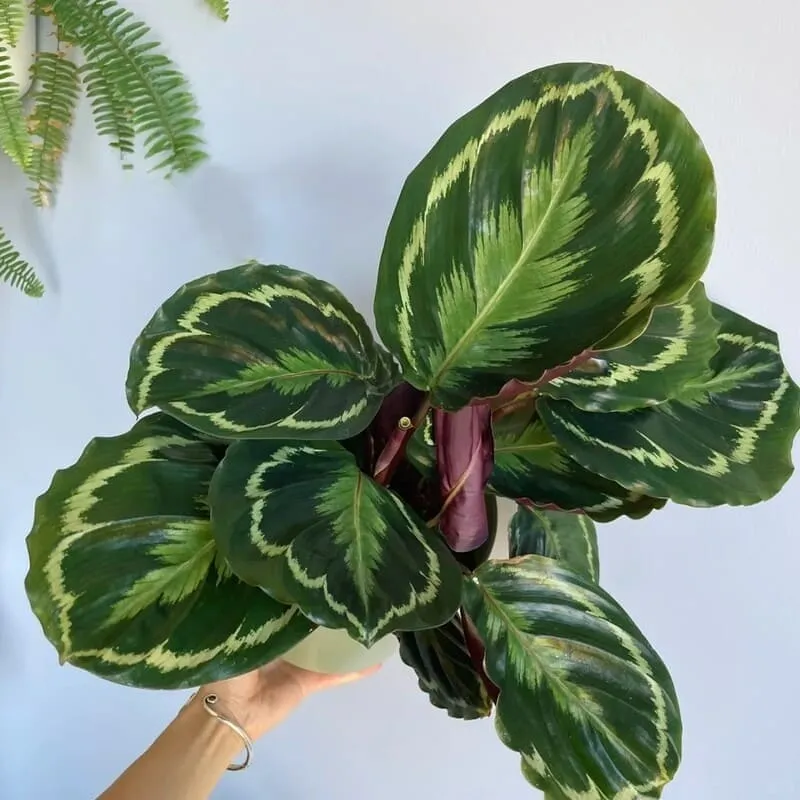
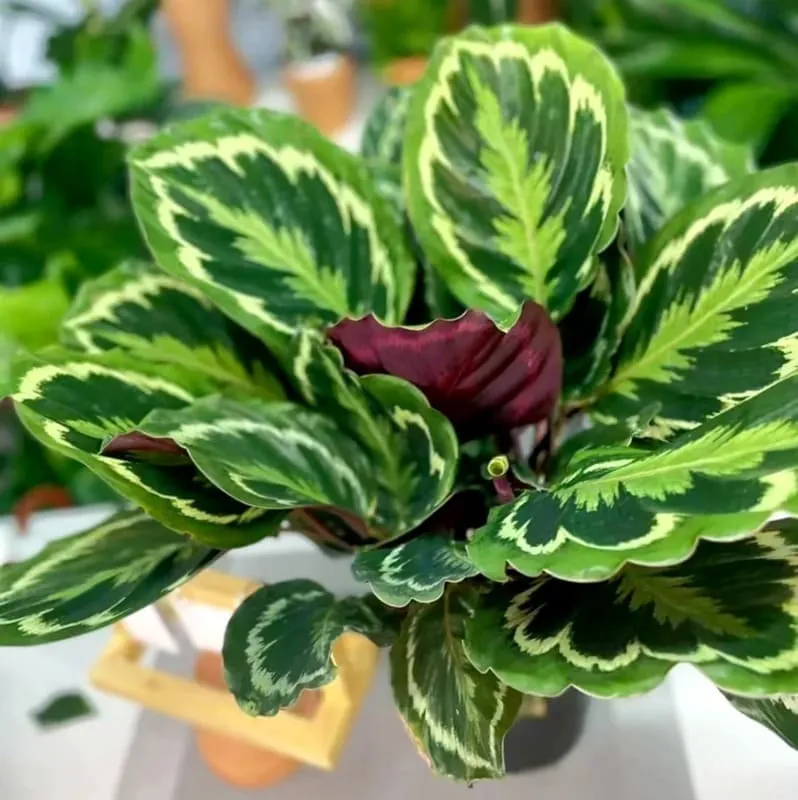
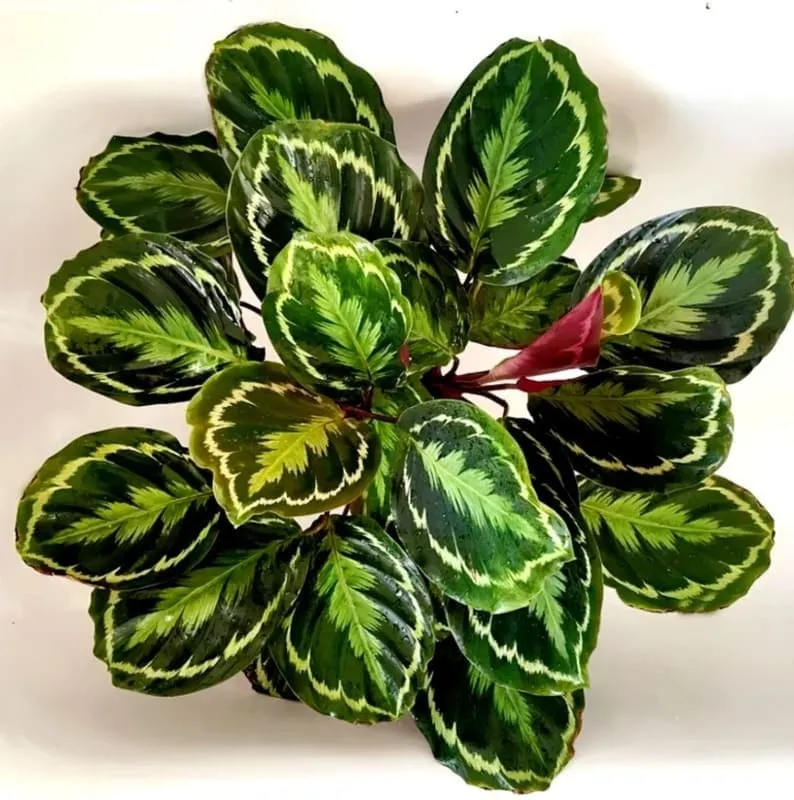
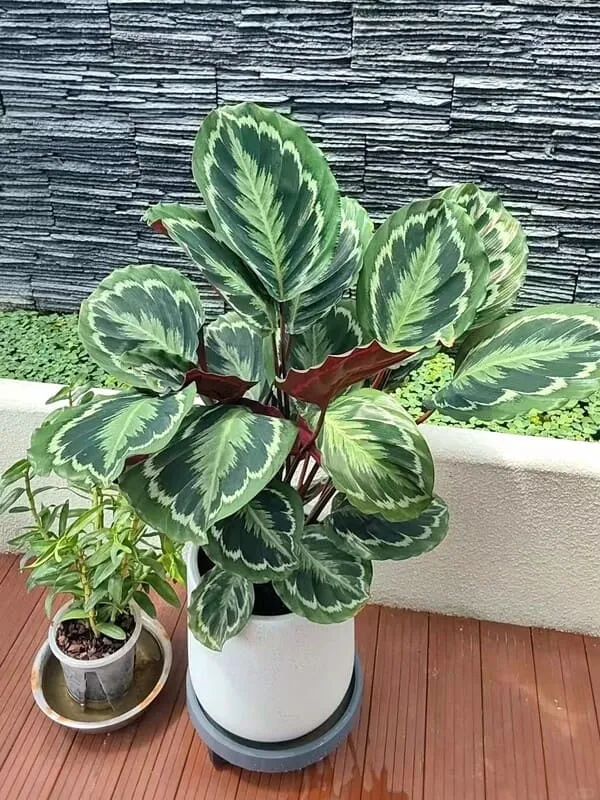
Calathea Medallion is one of the first Calatheas many people fall for because the leaves look almost too perfect in the shop: round, patterned, and deep purple underneath. But at home, the same large leaves can also show stress quickly — dry edges, curling, dull color, or sudden yellowing if the care rhythm is off.
I bought mine in autumn, which was not the easiest timing. The weather was cooling down, indoor humidity was already dropping, and I was honestly nervous about bringing home another Calathea right before winter. Surprisingly, it adjusted better than I expected once I gave it steady moisture, a breathable pot, gentle light, and a humidifier nearby.
This guide is based on that real indoor experience, not just ideal greenhouse advice. I’ll cover what worked for my Medallion, what I would watch for in a normal home, and how I would handle common problems like brown edges, curling leaves, dull color, and watering mistakes.
My Real-Life Experience Growing Calathea Medallion
To be honest, I was nervous the moment I decided to bring this Calathea Medallion home.
It was already autumn, temperatures were dropping, and indoor humidity was far from ideal. Everything about the timing felt wrong — but the leaf pattern was irresistible. I stood there in the flower market, hesitating, then finally carried it home anyway.
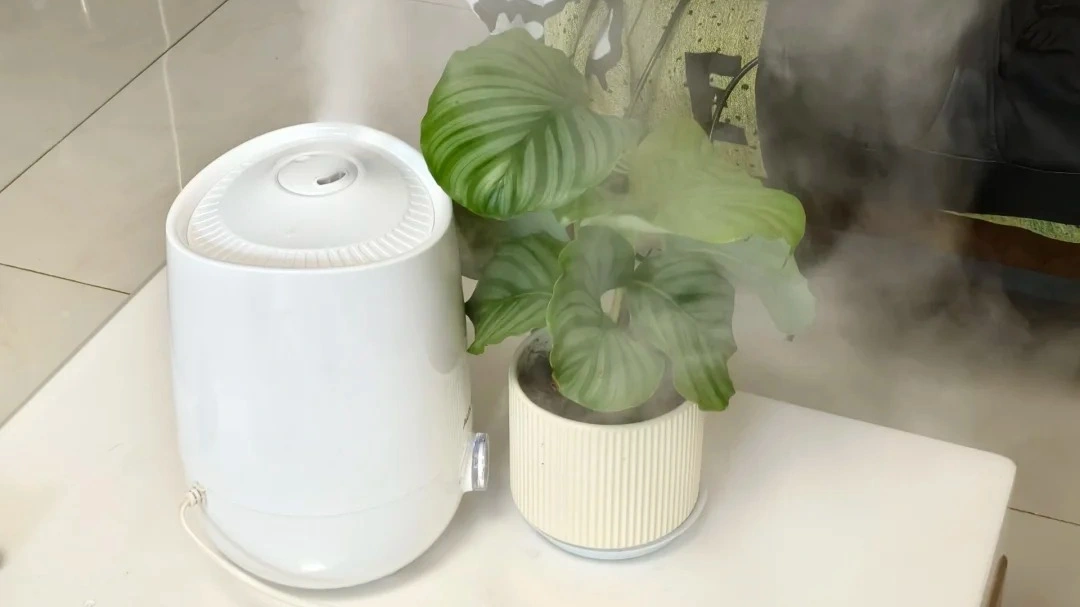
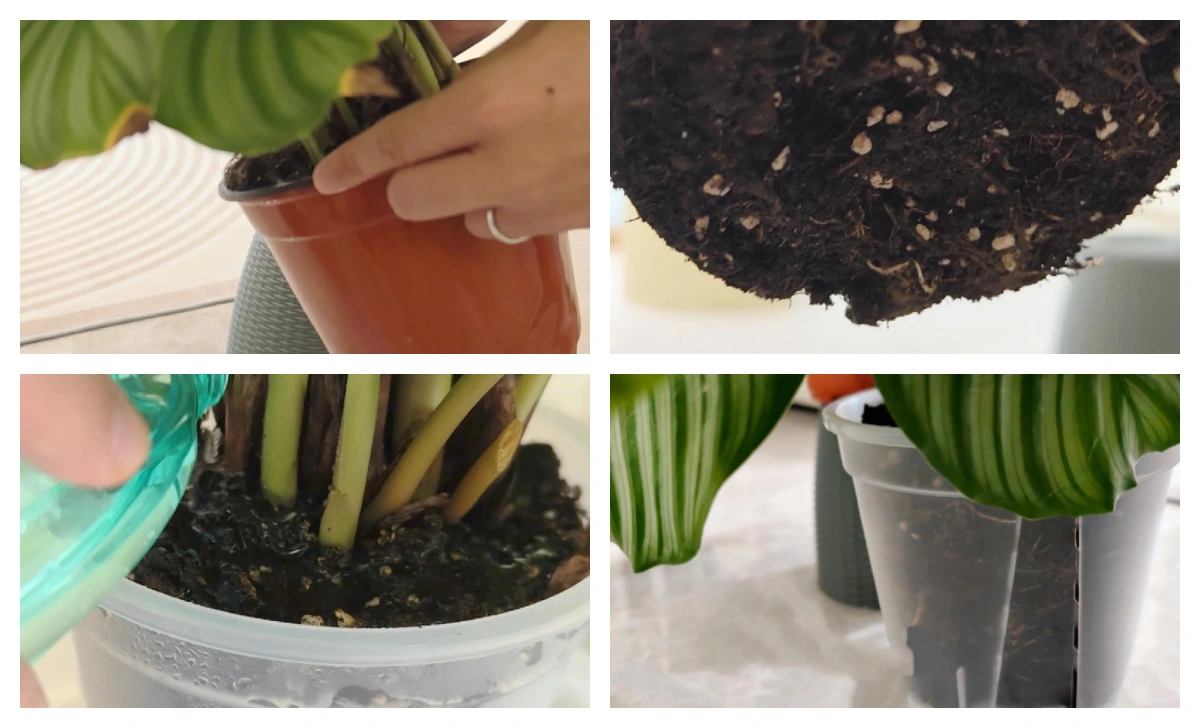
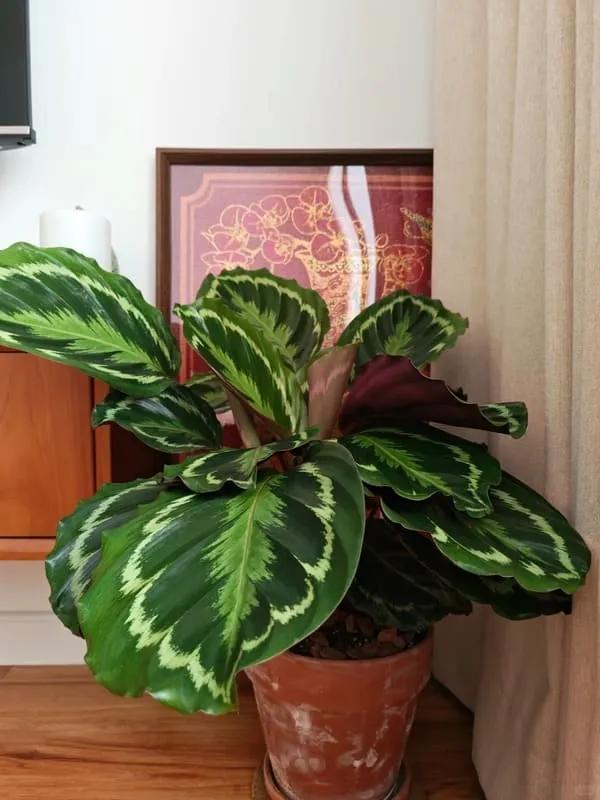
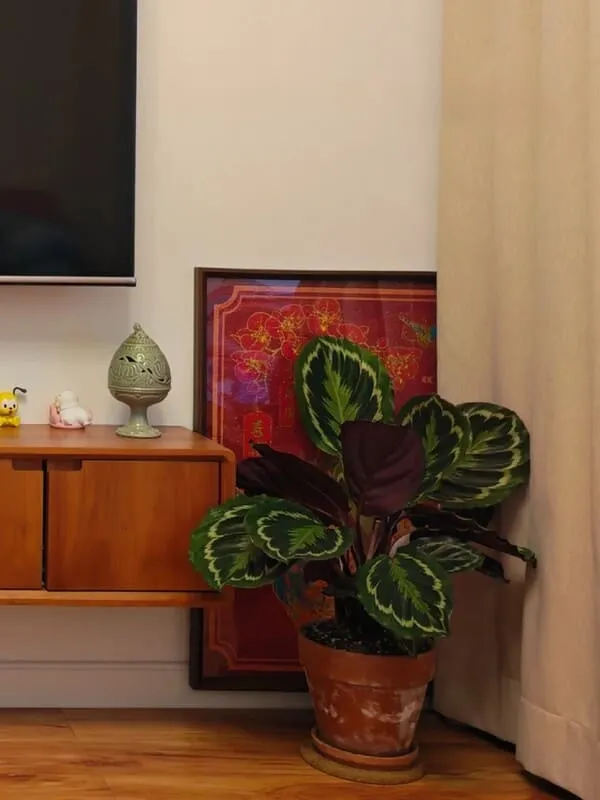
As soon as I got back, I removed the thin plastic nursery pot and repotted it into a breathable terracotta pot. Knowing how sensitive Calatheas are to dry air, I placed a small humidifier right next to the plant, giving it targeted moisture throughout the day. On top of that, I kept a larger humidifier running in the center of the living room to raise overall indoor humidity.
Even with all that effort, the humidity in my apartment rarely reached 50%. I honestly didn’t expect much — I just hoped it wouldn’t decline too fast.
Surprisingly, a month went by… and nothing bad happened.
Not a single crispy edge. No browning. In fact, it kept pushing out new leaves — something I never take for granted with Calatheas. Whether it helped that the plant came from a local nursery or simply appreciated the extra care, I can’t say. But watching it thrive in conditions that weren’t “perfect” felt like a small miracle.
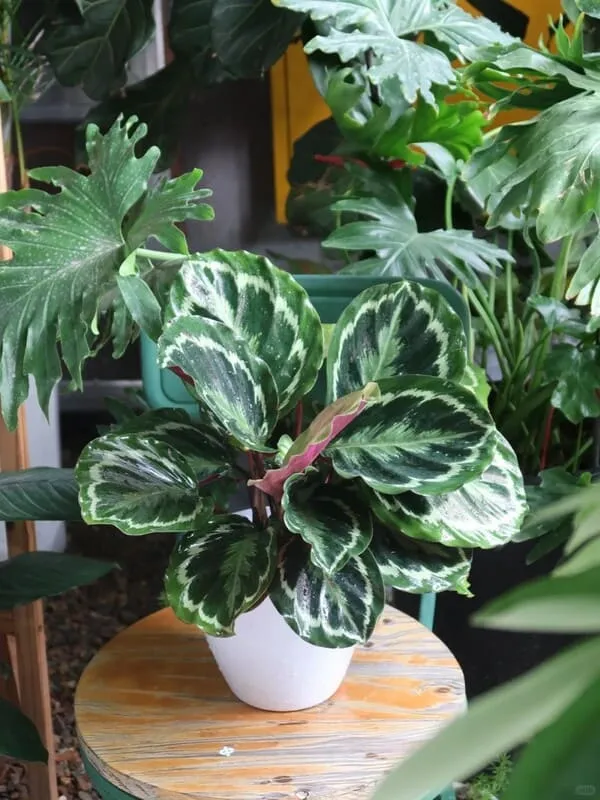
Every evening when I came home from work, the leaves would fold upward tightly, as if saying good night. And every morning, I’d walk into the living room to see those large round leaves fully open again — calm, relaxed, almost greeting the day.
I tried to return that enthusiasm. Each morning, I misted lightly by hand before leaving for work, then set the humidifier to run for another few hours just for it.
When it came to watering, I stayed cautious. Calatheas love moisture, but they hate soggy roots. I only watered when the soil surface felt dry and the pot felt noticeably lighter. In my home, that worked out to about once a week. As the plant adjusted to the indoor environment, I slowly fine-tuned both watering and humidity instead of sticking rigidly to a schedule.
What this plant taught me is simple: Calathea Medallion doesn’t demand perfection — it demands attention. Once you learn to read its signals and adjust gradually, it becomes far more resilient than its reputation suggests.
Detailed Care Guide
Watering
I do not water Medallion on a fixed schedule. I wait until the soil surface feels dry and the pot feels noticeably lighter. In my home, that usually works out to about once a week, but I adjust when the room gets warmer, cooler, brighter, or darker.
The goal is not to keep the mix constantly wet. I want it lightly moist with air still reaching the roots. If the leaves look tired but the pot still feels heavy, I do not add more water right away — I check airflow, temperature, and whether the soil is staying too wet underneath.
For a fuller routine, see my Calathea watering guide.
Light
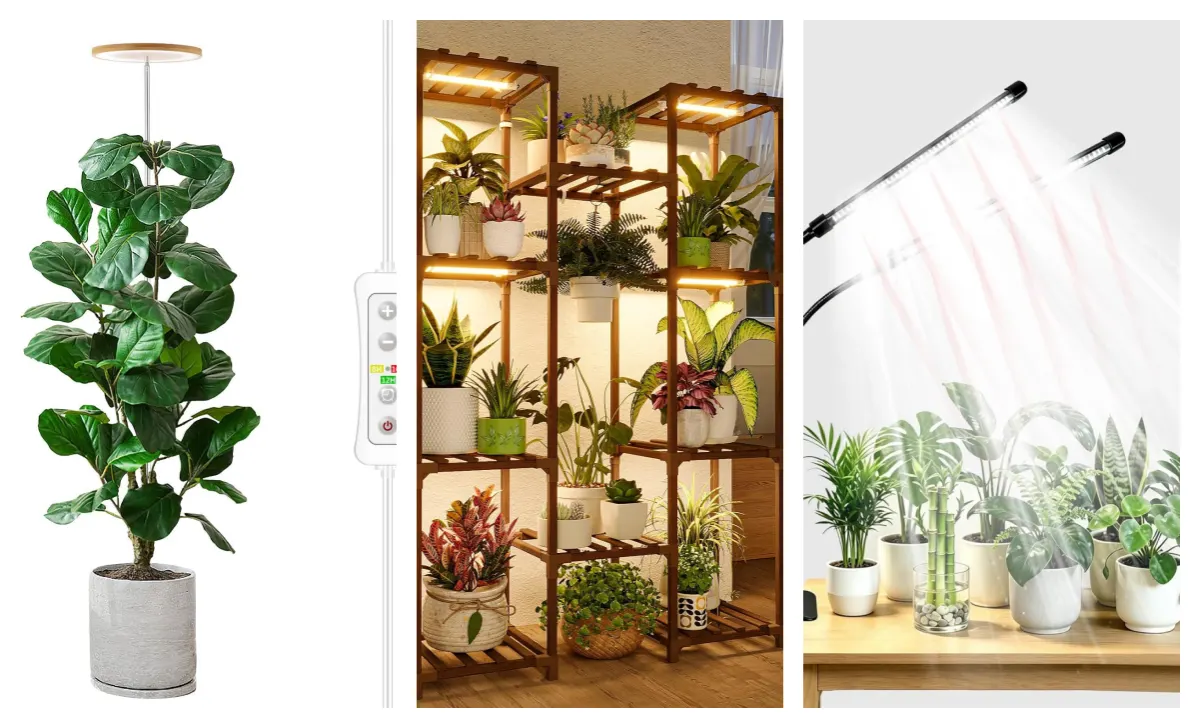
Provide bright, indirect light — near a north- or east-facing window is perfect. Avoid direct sunlight, which can bleach or burn the silvery center pattern. Medallion can tolerate medium light but may lose its contrast if the light is too low.
👉 Read more: Calathea Light Requirements
Soil
Use a light, well-draining mix rich in organic matter. A good ratio is 2 parts peat or coco coir + 1 part perlite + 1 part compost or bark. The goal is to keep roots aerated yet moist — similar to rainforest soil.
👉 Read more: Best Soil for Calathea
Fertilizer
Feed once a month during spring and summer with a diluted, balanced houseplant fertilizer (10-10-10 or 20-20-20). Skip feeding in fall and winter when growth slows.
👉 Read more: Best Fertilizer for Calathea
Humidity
Medallion appreciates humidity, but my experience taught me that the whole room does not have to be perfect. My indoor humidity rarely reached 50% in autumn and winter, yet the plant stayed stable because I kept a small humidifier close to it and avoided letting the pot swing between too wet and too dry.
If your room is very dry, a humidifier is more useful than occasional misting. Misting may make the leaves look fresh for a moment, but it does not create steady humidity. My Calathea humidity guide explains what actually helps indoors.
Common Problems with Calathea Medallion
With Medallion, I do not diagnose from one imperfect leaf. I look at the pattern: old leaves only or new leaves too, dry pot or wet pot, one edge or the whole plant declining.
- Yellowing leaves: One older yellow leaf is not always serious. Several yellow leaves at once, especially with wet soil, usually make me check drainage, soil aeration, and root health. My yellow and brown Calathea leaves guide explains the difference.
- Brown crispy edges: Dry air, mineral-heavy water, or inconsistent watering can all cause this. I would not rely on misting alone. Check humidity, water quality, and whether the pot is drying too far between waterings.
- Curling leaves: Curling can mean the plant is thirsty, cold, stressed by dry air, or reacting to a recent move. If the soil is wet, do not keep adding water. Compare symptoms in my Calathea curling and drooping guide.
- Faded or dull color: Very low light can make the pattern look weaker, while direct sun can bleach or mark the leaves. I would adjust light gradually instead of moving the plant suddenly.
- Root rot: If the pot smells sour, stays wet too long, or the plant droops while the soil is damp, check the roots. My Calathea root rot symptoms guide covers what to look for.
For broader troubleshooting, use my Calathea problems guide.
Propagation & Repotting
Unlike many houseplants that can grow from leaf or stem cuttings, Calathea Medallion can only be propagated by dividing the root ball. It’s a slow but reliable way to create new plants that look exactly like the original.
- Division: The best approach is to divide during repotting. Gently tease apart the root clump, making sure each new section has its own healthy roots and a few leaves attached.
- When to do it: Late spring or early summer works best — the plant is full of energy and can bounce back quickly from stress.
- Repotting notes: Choose a pot that’s only slightly larger than the old one, and refresh the soil with a loose, airy mix to keep the roots breathing. Avoid heavy, waterlogged substrates.
- Aftercare: Newly divided Medallions often pause growth for a short while. Keep them warm, humid, and out of direct light until they settle in again.
👉 For step-by-step instructions and recovery tips, see our Calathea Propagation Guide.
FAQ
Explore More Calathea Varieties
Looking to discover more beautiful Calathea plants?
Browse our full collection of Calathea varieties — from the bold Orbifolia to the velvety Warscewiczii — and find the one that fits your home best.