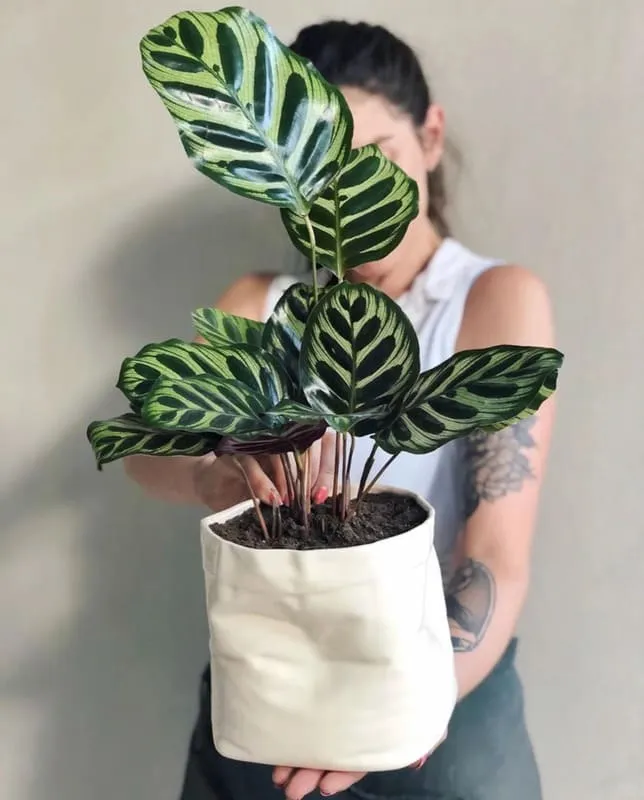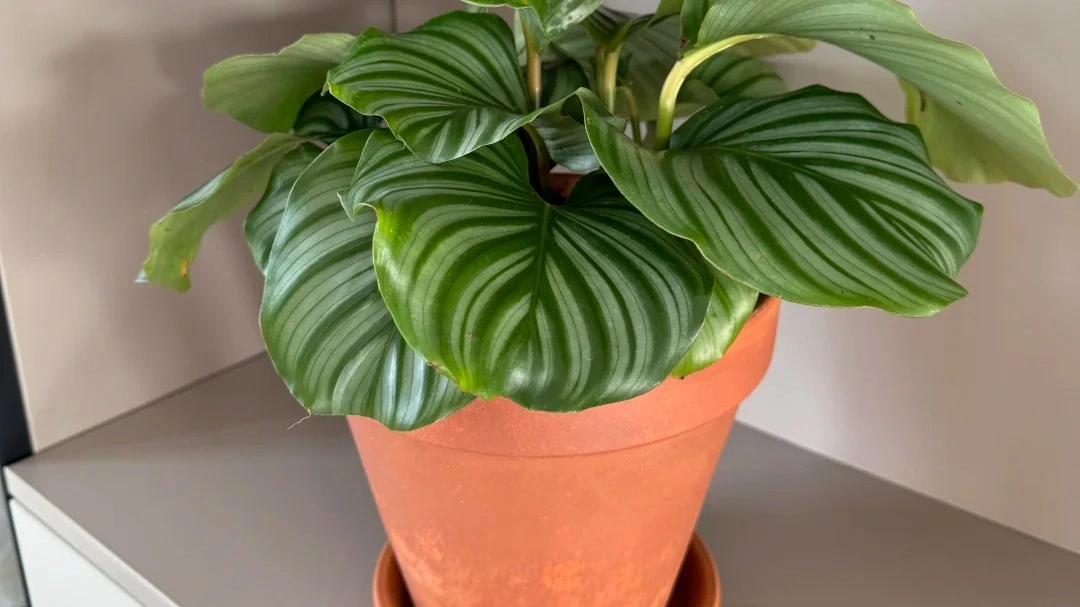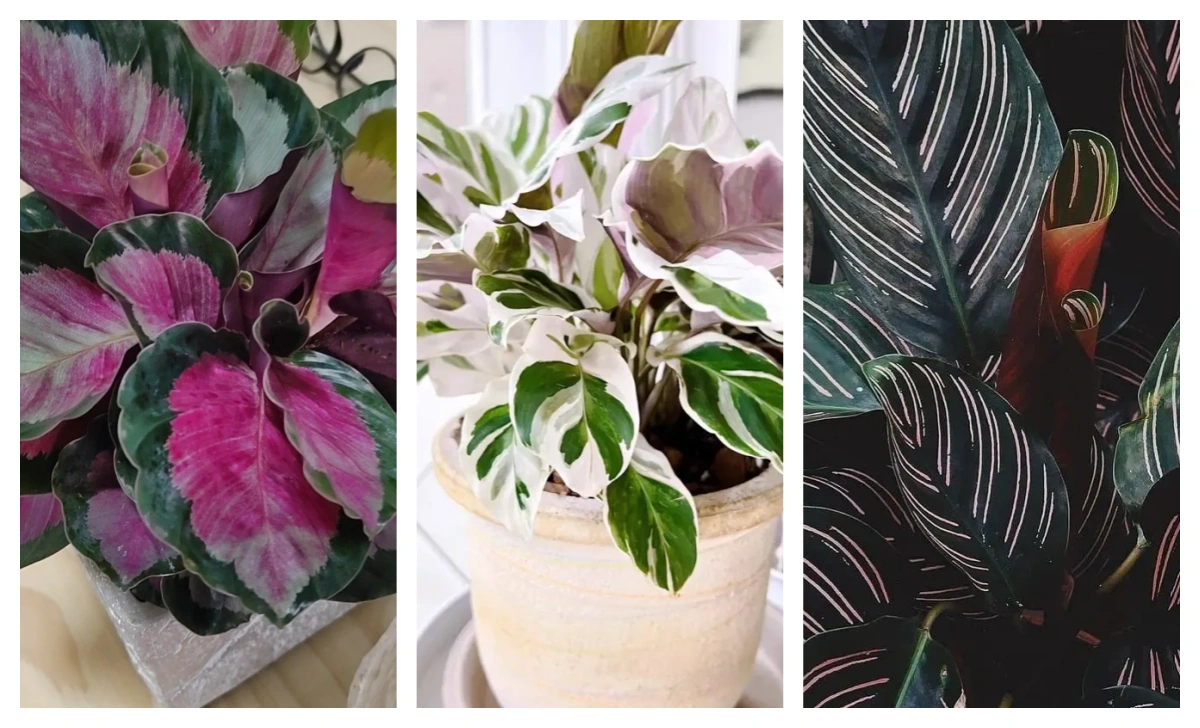
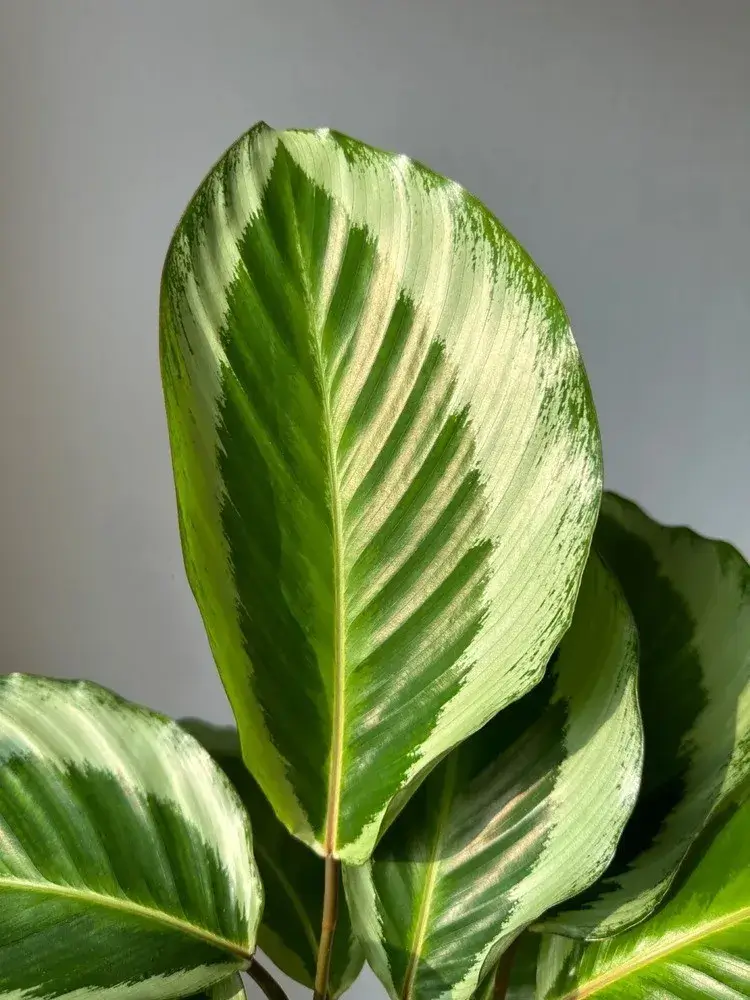
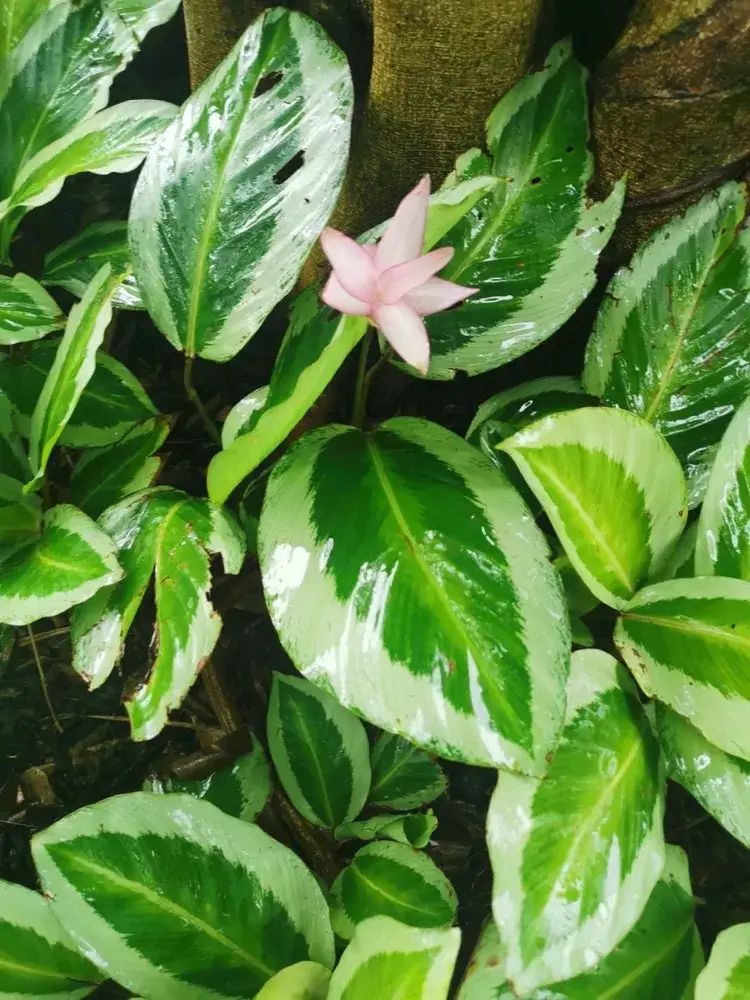
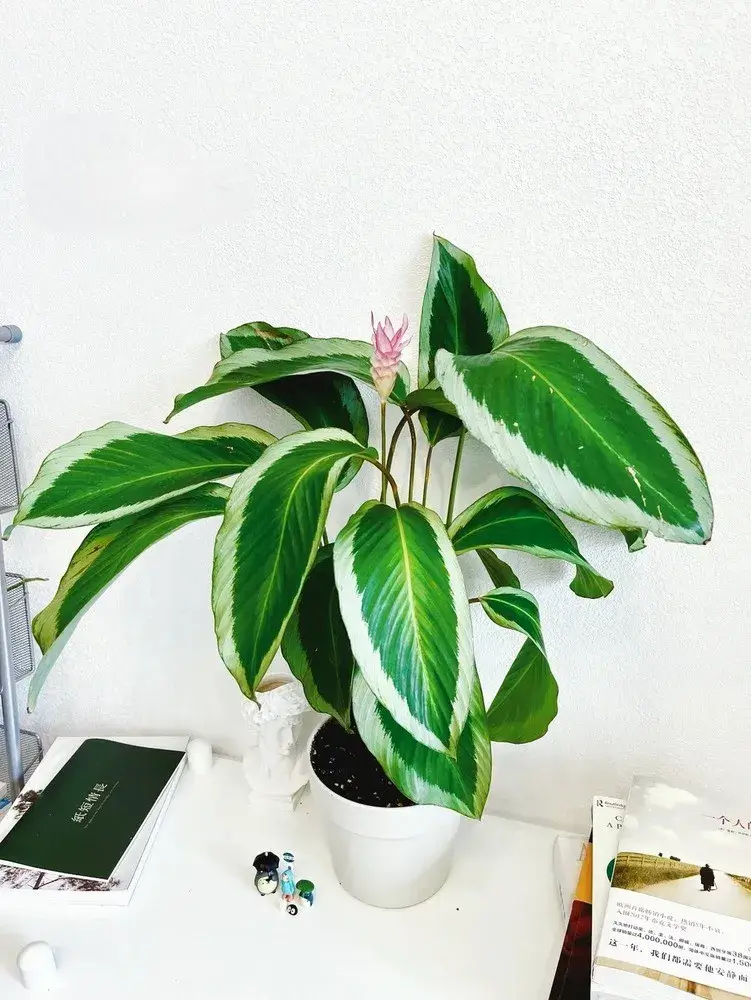
Many people misidentify Calathea ‘Bicajoux Pink’. It doesn’t look like the most dramatic or trendy Calathea varieties, and at first glance, it often gets overlooked or confused with other green-leaved types.
But once you’ve actually lived with this plant for a while, its personality becomes very clear. This is not a fragile or temperamental Calathea. It’s quiet, consistent, and surprisingly resilient, especially compared to many leaf-focused varieties in the same family. If you’re dealing with a Calathea that’s already declining, start here: how to revive a dying Calathea.
What makes Bicajoux Pink stand out is not flashy foliage, but behavior. It flowers for an unusually long time, shows strong resistance to pests and disease, and responds calmly to less-than-perfect conditions. In many ways, it’s one of the most forgiving Calatheas you can grow — right up until a single wrong decision pushes it past its tolerance limit.
That contrast is exactly what makes this plant so interesting to grow.
What Makes Calathea ‘Bicajoux Pink’ Different
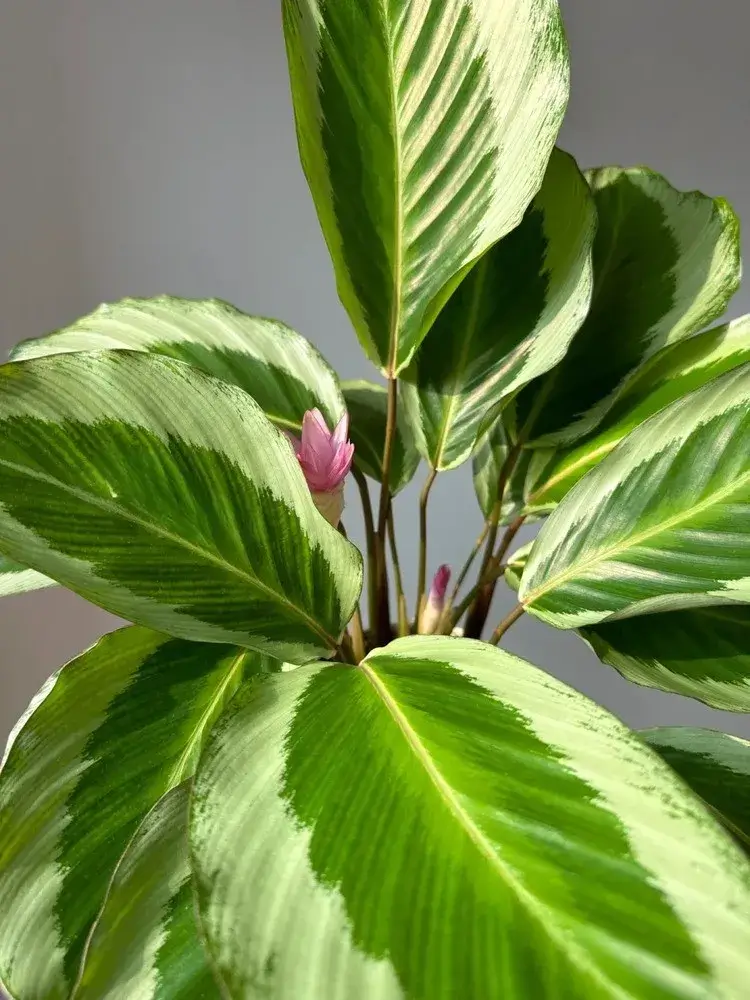
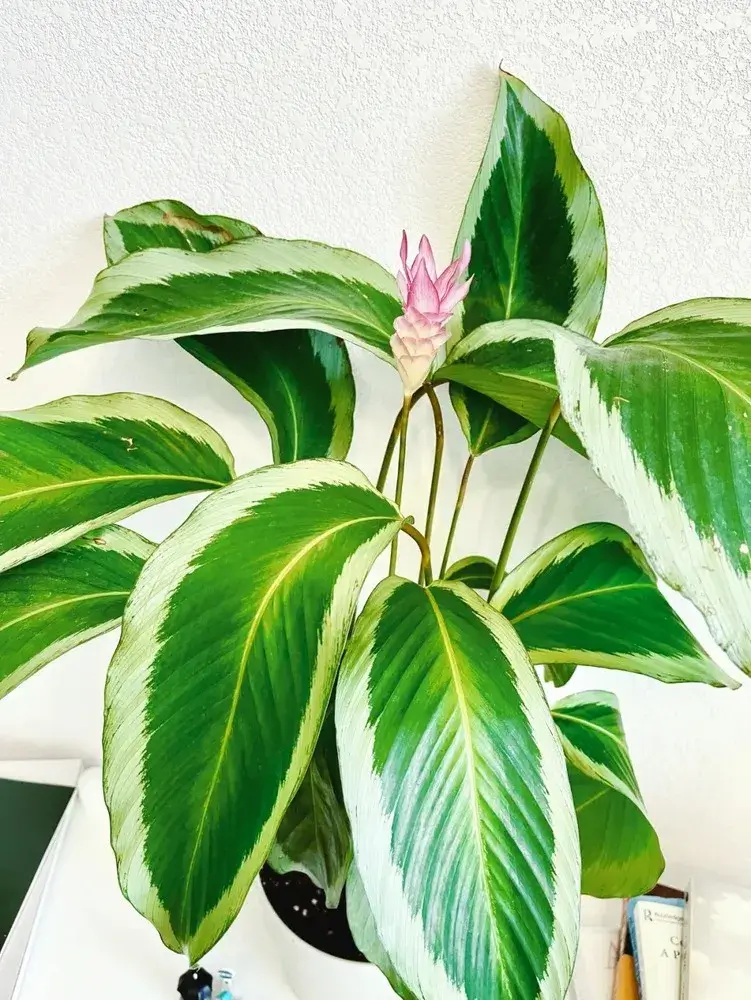
Calathea ‘Bicajoux Pink’ is often misidentified because it doesn’t fit the visual stereotype most people associate with Calatheas. Its leaves are clean green rather than boldly patterned, which makes it’s easy to confuse with other low-contrast varieties at first glance — especially if you’re still learning how to identify Calathea types correctly.
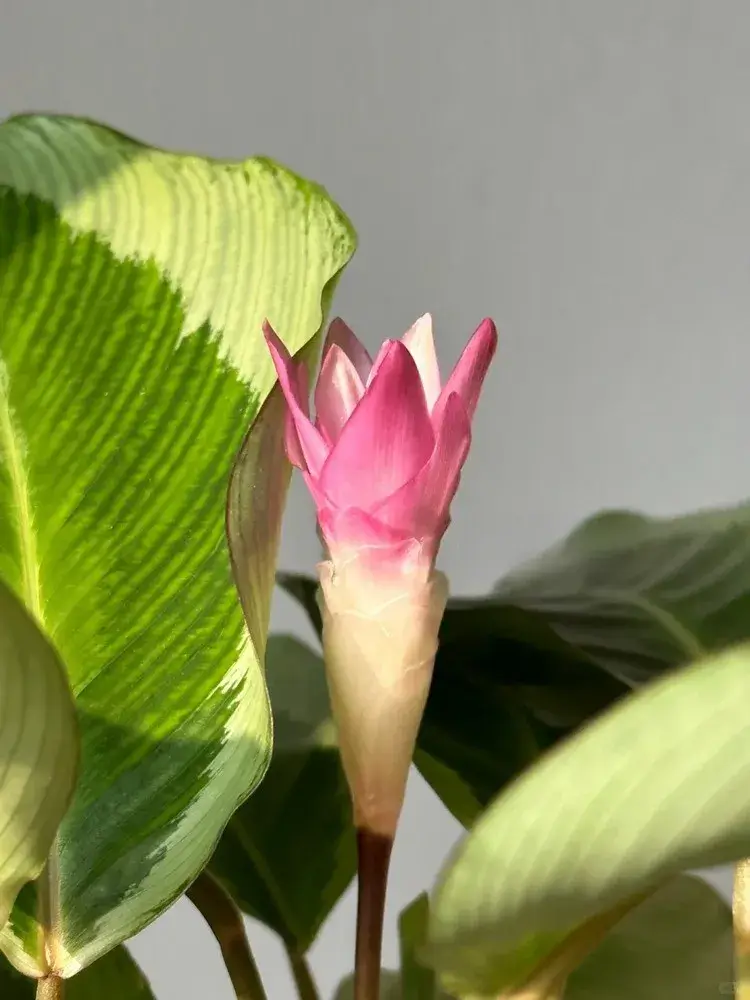
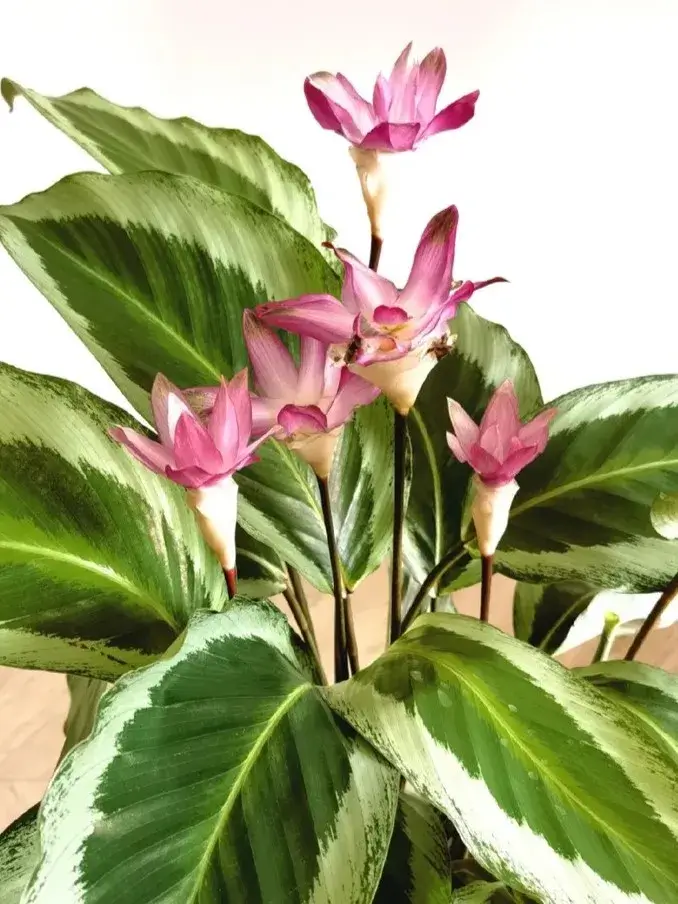
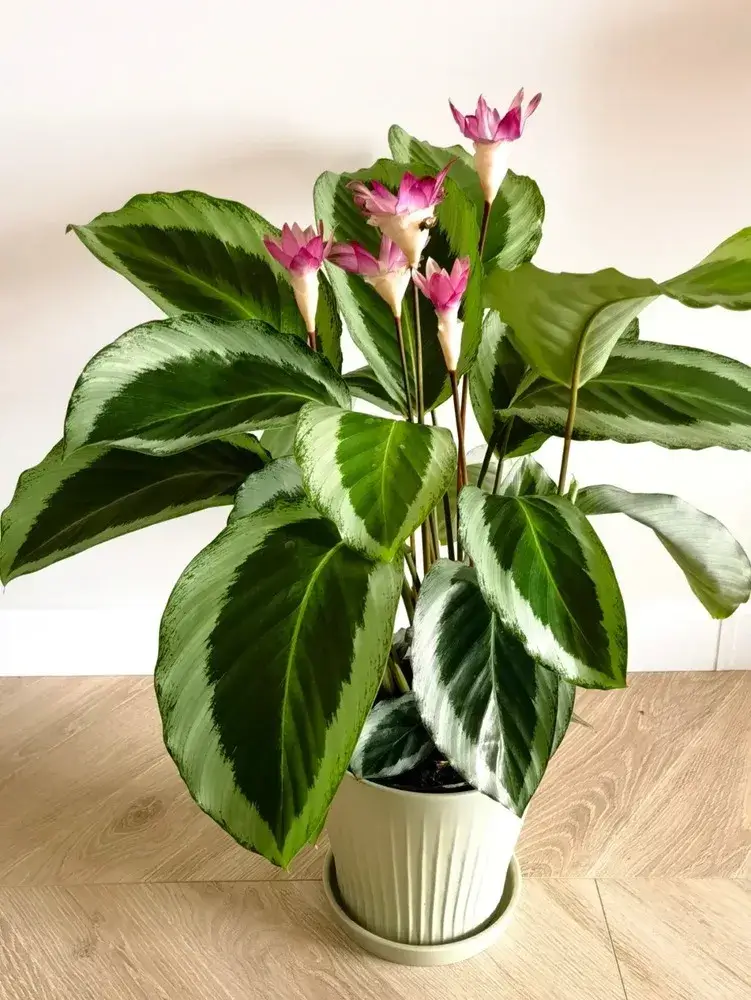
The real difference becomes obvious once you stop looking at the leaves and start observing its behavior. Unlike most foliage-focused Calatheas, Bicajoux Pink invests a significant amount of energy into flowering. While many Calatheas bloom briefly — or not at all indoors — this one produces flowers consistently and for an unusually long period.
That’s why it’s often described as a “flowering machine” within the Calathea family. It’s not trying to impress with dramatic leaf markings. Instead, it stands out through reliability, repeat flowering, and overall stability, which is rare among Calatheas grown as houseplants.
My Long-Term Experience Growing Bicajoux Pink
I’ve been growing Calathea ‘Bicajoux Pink’ for over two years, and this is not a short-term impression. During that time, it has lived alongside several other Calatheas under the same conditions — same room, same light, similar watering habits.
What stood out very quickly was how differently it behaved compared to the others. In the exact same spot, some plants developed powdery mildew or showed repeated stress symptoms. Bicajoux Pink did neither. It remained clean, upright, and consistently healthy without any special treatment or isolation. If your leaves start showing mixed discoloration (yellowing + browning), this breakdown on yellow and brown Calathea leaves helps narrow it down fast.
Over time, this pattern repeated itself. No visible pest issues. No recurring disease. Even when other plants struggled, Bicajoux Pink continued growing steadily and kept flowering. That consistency is rare in Calatheas and hard to appreciate until you’ve watched several varieties side by side for a long period.
Why I Consider It One of the Easiest Calatheas
What makes Bicajoux Pink easy isn’t that it tolerates neglect, but that it responds predictably. Its stability is noticeably higher than most Calatheas I’ve grown. As long as basic conditions are met, it doesn’t overreact to small fluctuations.
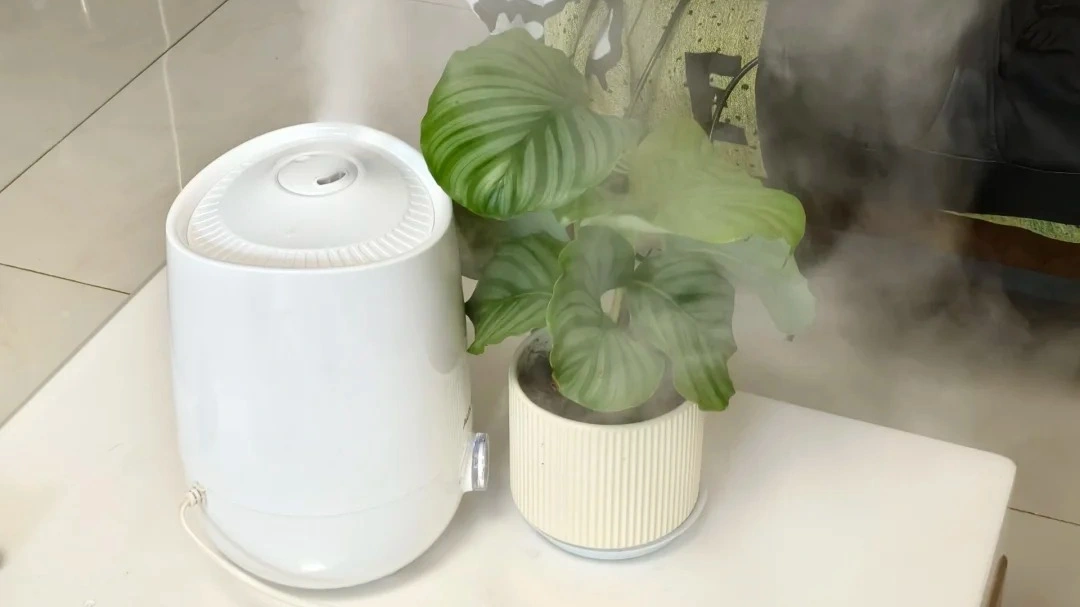
Humidity requirements are moderate rather than extreme. It performs well around 50–60% humidity — here’s my practical range guide for Calathea humidity if you want to fine-tune it. Light preferences are also clear but not demanding — bright, indirect light works best, without the need for constant adjustment.
Most importantly, it gives consistent feedback. When conditions are right, it doesn’t just survive — it blooms, repeatedly. As long as you avoid a few critical mistakes, Bicajoux Pink continues to reward steady care with visible, long-lasting flowers.
Basic Care That Actually Worked for Me
This isn’t a list of ideal conditions on paper. It’s simply what has worked for me over time, in a real indoor environment, without special setups or constant adjustments.
Light
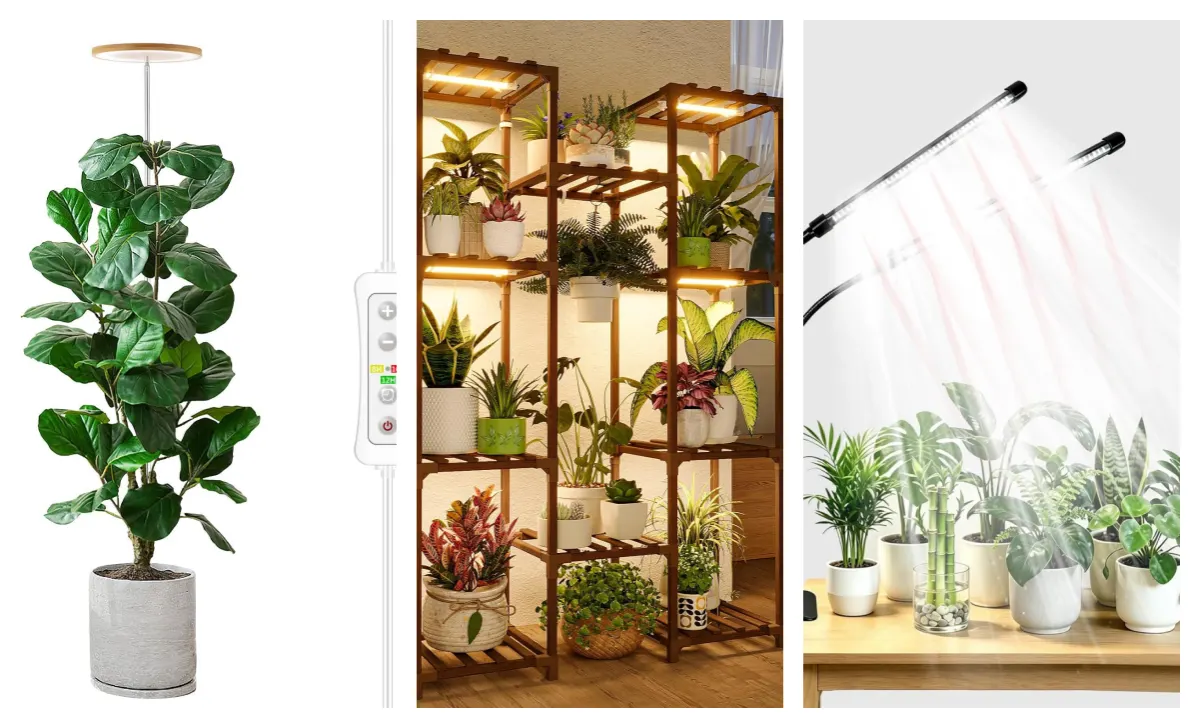
I keep Bicajoux Pink in bright, indirect light. It doesn’t need direct sun, and I’ve found that harsh light does more harm than good, especially to the leaves. At the same time, long-term darkness slows everything down — growth becomes weaker and flowering less reliable.
A consistently bright spot with filtered light has been the most stable option. Once it settles there, it doesn’t need frequent repositioning. If you’re unsure what “bright, indirect light” actually looks like indoors, this guide on Calathea light requirements explains it in a very practical way.
Water
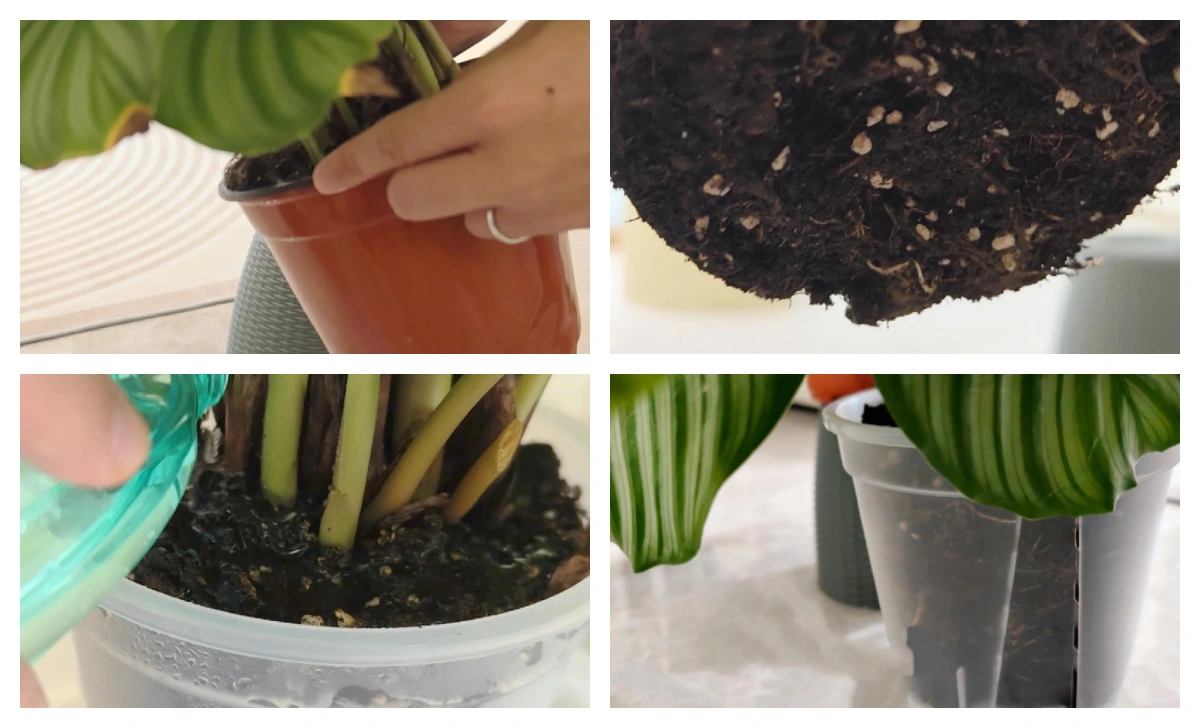
This plant likes moisture, but absolutely hates sitting in water — if the soil stays wet and things start going downhill, these Calathea root rot symptoms are what I watch for first. I aim for soil that stays evenly moist rather than cycling between dry and soaked. Letting it dry out too much slows growth, but keeping the roots constantly wet leads to stress very quickly.
My rule is simple: water thoroughly, then wait until the top layer of soil starts to dry before watering again. No soaking, no bottom-watering during stress, and no guessing based on schedules. If you’re always second-guessing timing, this guide on how often to water Calathea is exactly how I decide without using a schedule.
Humidity
Unlike many Calatheas, Bicajoux Pink doesn’t demand extreme humidity. In my experience, 50–60% is more than enough. It stays stable at this range without leaf distortion or constant curling.
Because of that, I don’t chase perfect humidity numbers. Normal indoor conditions work as long as the air isn’t excessively dry for long periods.
Soil
I don’t use a special or complicated mix. A loose, well-draining potting mix has been sufficient. The key is airflow around the roots rather than nutrient density.
This plant isn’t particularly picky about soil, as long as excess water can drain freely and the mix doesn’t compact over time. If you want an exact mix (without making it complicated), this is the soil blend I use: best soil for Calathea.
Fertilizer
I rely mainly on slow-release fertilizer as a base. During active growth and flowering, I add a light liquid feed about once every two weeks, diluted rather than full strength.
This approach has kept growth steady without pushing the plant too hard. Overfeeding hasn’t improved flowering for me — consistency has. I keep it simple, but if you’re choosing products, this guide on the best fertilizer for Calathea covers what actually matters (and what doesn’t).
Case 1: After Two Stable Years, Leaf Burn Appeared Suddenly
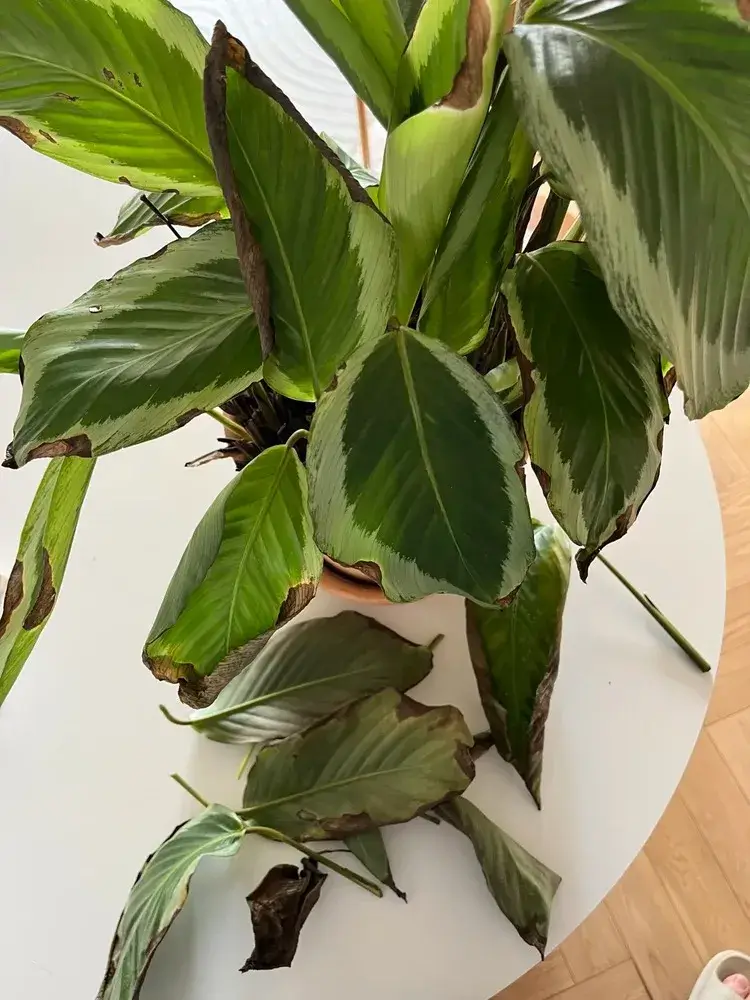
What Happened
This plant had been growing without issues for over two years. New shoots continued to appear, and the flowering cycle was long and consistent. Everything pointed to a stable, well-adapted plant.
Then, without any obvious trigger, the leaf edges began to brown — one leaf after another. The damage wasn’t dramatic at first, but it kept spreading, slowly and persistently, which made it hard to ignore. If the browning looks more like patchy burn than dry crisping, compare it with these Calathea sunburn brown patches symptoms.
Why This Was So Frustrating
There were no visible pests. No signs of fungal disease. Nothing about the care routine had changed in any noticeable way. Light, watering, and feeding all remained the same as before.
That’s what made the situation so discouraging. When a plant declines without a clear cause, it leaves you with nothing obvious to “fix.”
Key Insight
This experience was a reminder that even “easy” Calatheas have tolerance limits. Stress doesn’t always come from a single mistake — it can build up gradually over time.
With Bicajoux Pink, long-term accumulation matters. Small imbalances that seem harmless on their own can eventually push the plant past its comfort zone, even after years of apparent stability. When the cause isn’t obvious, I follow the same reset steps here: revive a dying Calathea.
Case 2: New Plants Collapsed Within Hours
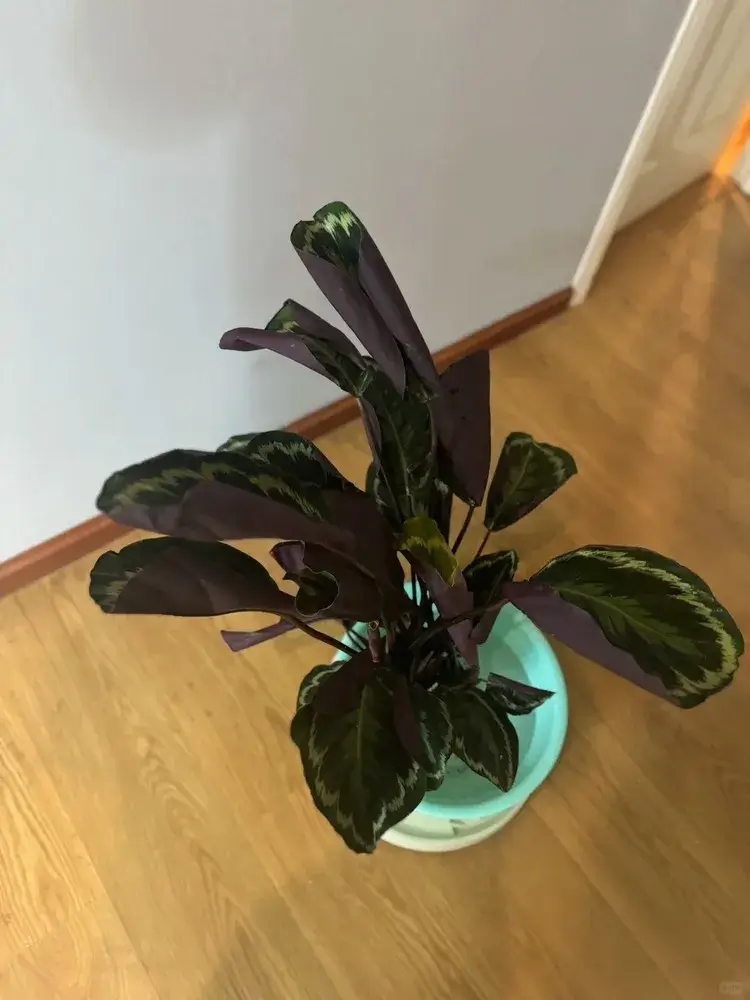
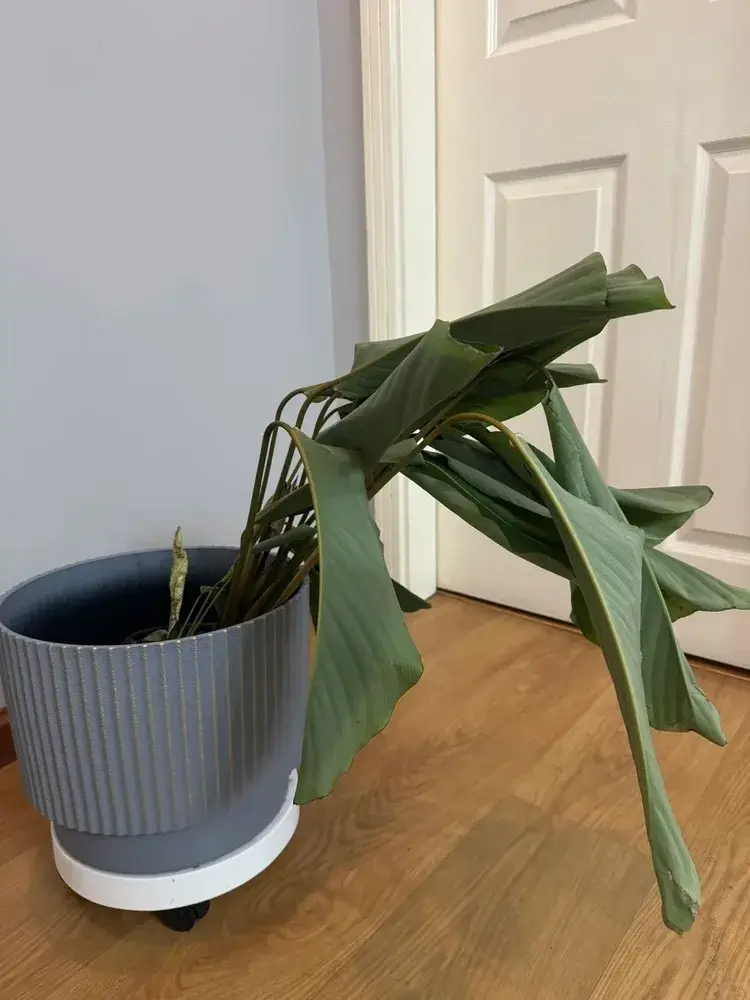
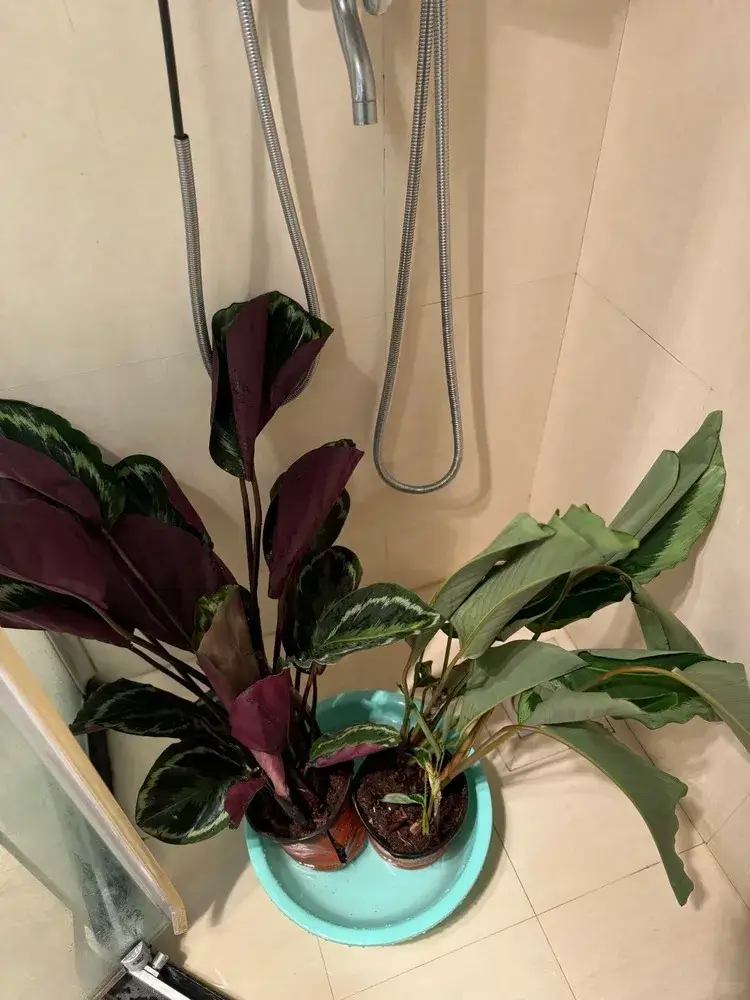
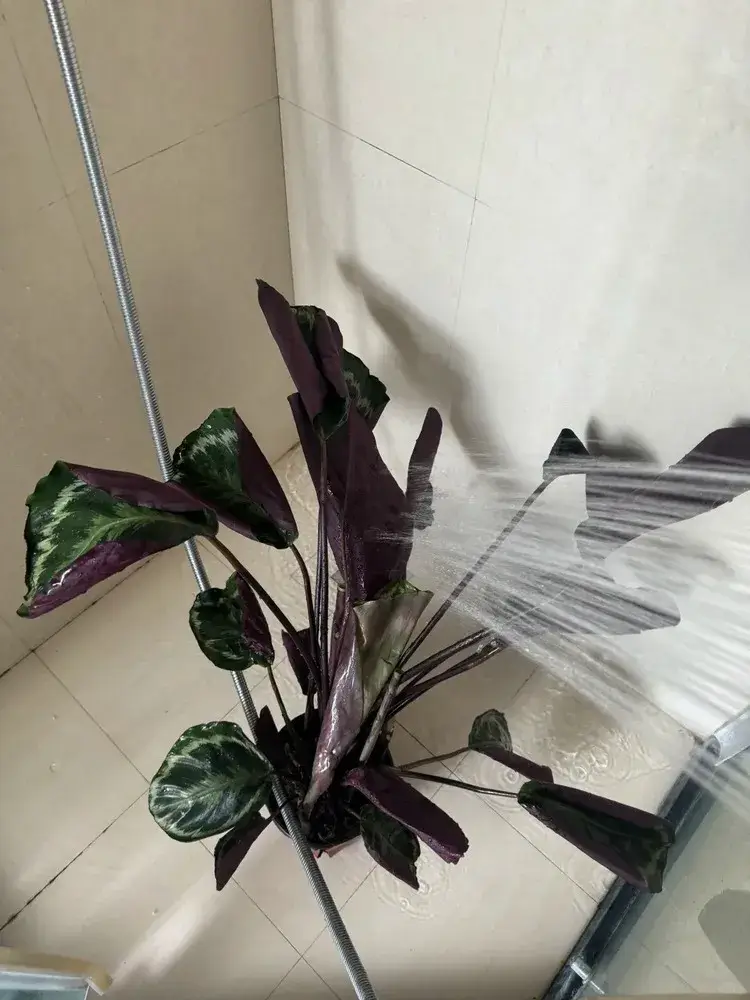
Initial Situation
Two Calatheas were ordered online and arrived looking upright but already stressed. Some leaf damage was visible right out of the box, which is common after shipping but easy to underestimate.
At first glance, the plants didn’t look critical. They simply appeared thirsty and slightly limp.
What Went Wrong
The collapse was interpreted as underwatering, and the response was immediate. Both plants were soaked through bottom watering, followed shortly by a full “shower treatment” in an attempt to revive them.
The intention was good, but the timing was wrong.
Why Things Got Worse
Shipping stress already puts roots under shock. In that state, the root system isn’t ready to absorb large amounts of water. Soaking the soil removed oxygen from the root zone before recovery could even begin.
Instead of stabilizing, the plants declined further. The roots lost access to air, and stress symptoms intensified rather than easing.
Key Lesson
Bicajoux Pink is forgiving — but not during the first 24 to 48 hours after arrival. In that window, patience matters more than action.
Emergency treatments can easily do more harm than good. Allowing the plant time to settle, breathe, and rehydrate gradually is often the safest path to recovery. This is the same pattern I describe in my Calathea curling and drooping watering mistakes guide — too much water at the wrong time can look like “help,” but it isn’t.
Why I Still Love This Plant
What keeps me coming back to Calathea ‘Bicajoux Pink’ isn’t how it looks, but how it behaves. The flowering period is long, the growth pattern is steady, and the feedback is clear. When something is off, it shows you. When conditions are right, it responds.
It’s not the most visually striking Calathea, and it doesn’t rely on dramatic foliage to make an impression. Instead, it earns its place through consistency. Over time, that reliability becomes far more valuable than novelty.
This is a plant that doesn’t demand perfection — only clarity. Once it trusts your environment, it keeps giving, quietly and consistently.
FAQ
Explore More Calathea Varieties
Looking to discover more beautiful Calathea plants?
Browse our full collection of Calathea varieties — from the bold Orbifolia to the velvety Warscewiczii — and find the one that fits your home best.