Brown patches on Calathea leaves are one of the most common problems that plant owners face. At first glance, these marks can be alarming—many people assume it’s a fungal infection or another serious disease.
But here’s the truth: not all brown spots are caused by disease. In fact, one of the most frequent culprits is simple sunburn (light stress) from too much direct sunlight or strong grow lights.
This guide will help you quickly tell the difference between sunburn and Leaf Spot Disease, explain the main causes behind brown patches, and walk you through effective fixes and long-term prevention tips to keep your Calathea’s foliage looking vibrant.
Quick Diagnosis Table (at-a-glance)
| Symptom | Likely Cause | Quick Fix |
|---|---|---|
| Dry, crispy brown patches on upper leaves | Sunburn (light stress) | Move plant to bright, indirect light; trim badly damaged leaves |
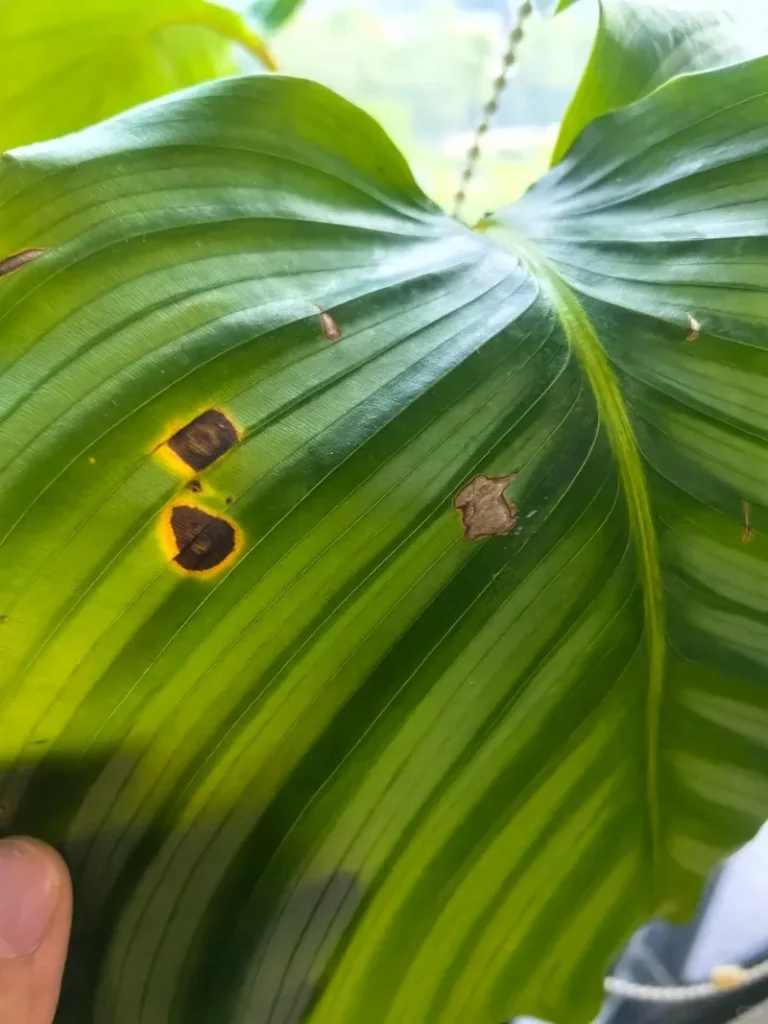
| Circular brown spots with yellow halo | Leaf Spot Disease (fungal/bacterial) | Remove affected leaves, improve airflow, treat with fungicide |
| Leaves fading or bleaching | Excessive direct light or strong grow lights | Relocate further from window / adjust grow light distance |
| Brown tips or edges only | Low humidity or fertilizer salt buildup | Raise humidity to 50–60%; flush soil occasionally |
| Brown patches with mushy roots or musty smell | Possible Root Rot instead of sunburn | Unpot, trim rotten roots, repot in fresh soil |
| General yellowing with brown patches | Light stress + underlying issue (overwatering or nutrient deficiency) | See our full guide on Yellow Leaves for complete diagnosis |
💡 Tip: Always check where and how the brown spots appear. Sunburn usually shows on the leaves directly exposed to light, while Leaf Spot Disease spreads in a pattern across multiple leaves.
What Sunburn Looks Like on Calathea
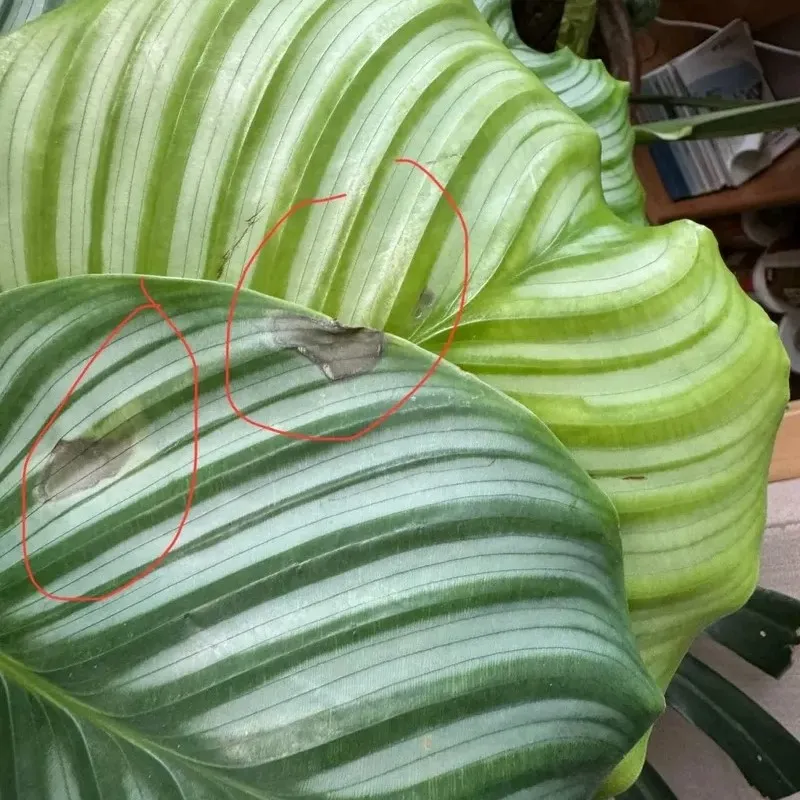
Sunburn on Calathea leaves has a very distinct appearance compared to other problems:
Brown, crispy patches that appear suddenly and stay localized. These marks are dry to the touch and will not spread from one leaf to another.
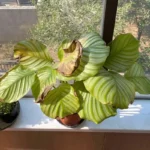
Usually found on the leaves facing a strong light source—such as a sunny window or grow light—while shaded leaves may remain unaffected.
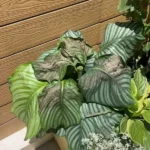
In some cases, the leaf patterns begin to fade or bleach around the damaged area, leaving washed-out patches.
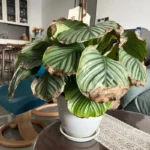
Unlike Leaf Spot Disease, sunburned areas do not have a yellow halo, are not circular, and are not contagious to nearby leaves.
💡 Tip: If only the leaves closest to the light show brown, crispy patches while the rest of the plant looks fine, it’s almost always sunburn and not a disease.
Causes of Sunburn in Calathea ⚠️
Calatheas are native to the shaded understory of tropical forests, which means their leaves are not designed to handle direct, intense light. Here are the most common causes of sunburn indoors:
- Direct sunlight (especially south-facing windows)
Strong midday or afternoon sun scorches delicate Calathea foliage within hours. Even a few hours of direct exposure can leave permanent brown scars. - Magnified heat through glass
Sunlight passing through window glass can act like a lens, concentrating heat and intensifying the burn. This is why leaves often scorch faster indoors by a sunny window than outdoors in dappled shade. - Low humidity + strong light
When the air is too dry, leaves lose moisture rapidly. Combined with bright light, this creates crispy brown edges and worsens light stress. See the Calathea Humidity Guide for targets and quick fixes. - Sudden relocation → light shock
Moving a Calathea from a shaded spot to a bright windowsill or directly under a grow light can overwhelm it. The sudden jump in light intensity causes leaves to fade, curl, or burn. - Water droplets on leaves under strong light (personal grower tip)
Large droplets left after washing or watering can act like tiny magnifying glasses. When hit by direct sun or intense grow lights, they focus heat onto the leaf surface, leaving small, round scorch marks. Always wipe off excess water after cleaning your Calathea’s leaves.
Sunburn vs. Leaf Spot Disease
Brown patches on Calathea can look very similar at first glance, but the underlying causes are very different. Sunburn is purely environmental, while Leaf Spot Disease is pathogen-driven. Here’s how to tell them apart:
| Feature | Sunburn | Leaf Spot Disease |
|---|---|---|
| Appearance | Dry, irregular brown patches; sometimes accompanied by faded or bleached patterns | Circular spots, often with a yellow halo |
| Spread | Does not spread between leaves; stays where the light hit | Can spread from leaf to leaf, especially in humid conditions |
| Cause | Excessive direct sunlight or strong grow lights | Fungal or bacterial infection |
| Contagious? | ❌ No | ✅ Yes |
| Fix | Relocate to indirect light, trim damaged leaves | Remove infected leaves, improve airflow, treat with fungicide |
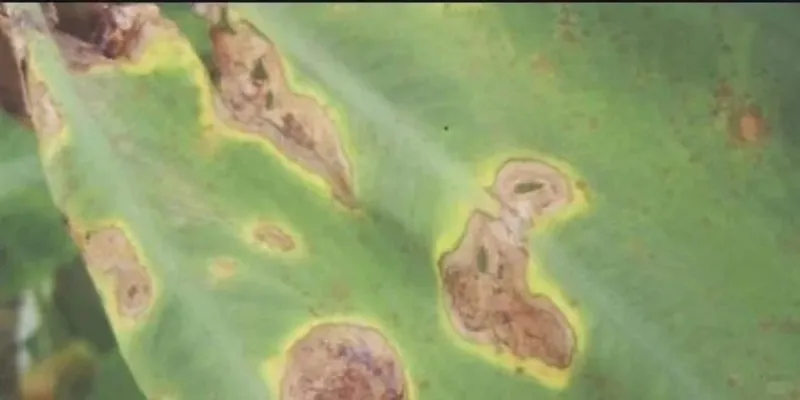
💡 Key takeaway: If the problem is only on leaves directly facing light and does not move to others, it’s almost certainly sunburn. If spots have a yellow halo and appear on multiple leaves, consider Leaf Spot Disease instead.
How to Fix Sunburned Leaves
Unfortunately, sunburned patches will not heal—once the tissue is damaged, it stays brown. But you can stop the problem from getting worse and help your Calathea recover:
- Relocate to bright, indirect light
Move the plant away from direct sun or intense grow lights. An east-facing window or a few feet back from a bright window is ideal. - Trim badly damaged leaves
Severely scorched leaves drain energy from the plant. Use clean scissors to cut them off at the base, encouraging healthy new foliage. - Support new growth
Keep watering consistent (only when the top inch of soil is dry) and feed with a diluted foliage fertilizer every 3–4 weeks during the growing season. This provides the nutrients needed to replace damaged leaves. For a step-by-step routine, see the Calathea Watering Guide. - Balance humidity
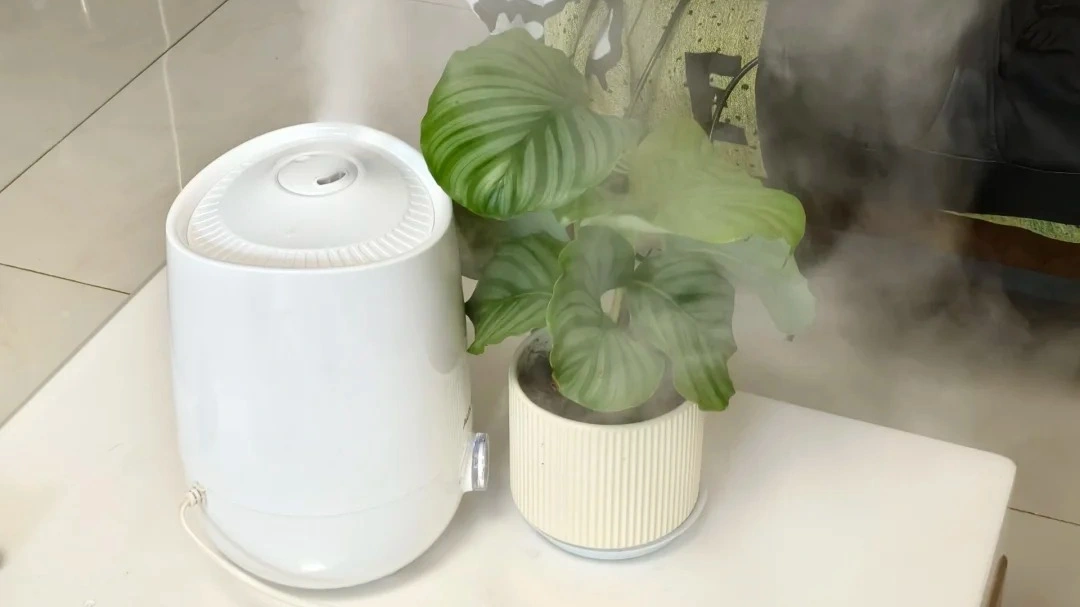
Maintain at least 50–60% humidity to reduce crispy edges. A small humidifier, pebble tray, or grouping plants together all help. - Rotate regularly
Turn the pot a quarter turn every week so all sides get even light. This prevents one side from burning while the other stays shaded.
💡 Tip: Focus on protecting and encouraging new growth. As long as the plant continues producing fresh, healthy leaves, past sunburn damage won’t hold it back.
Prevention Tips
Keeping Calathea safe from sunburn is mostly about managing light and environment:
- Choose the right spot → Place in bright, indirect light such as an east-facing window or a few feet back from a bright window. Avoid harsh midday or afternoon sun. Learn the nuances in Calathea Light Requirements.
- Use sheer curtains or blinds → If you only have south- or west-facing windows, diffuse the sunlight with a thin curtain to soften the intensity.
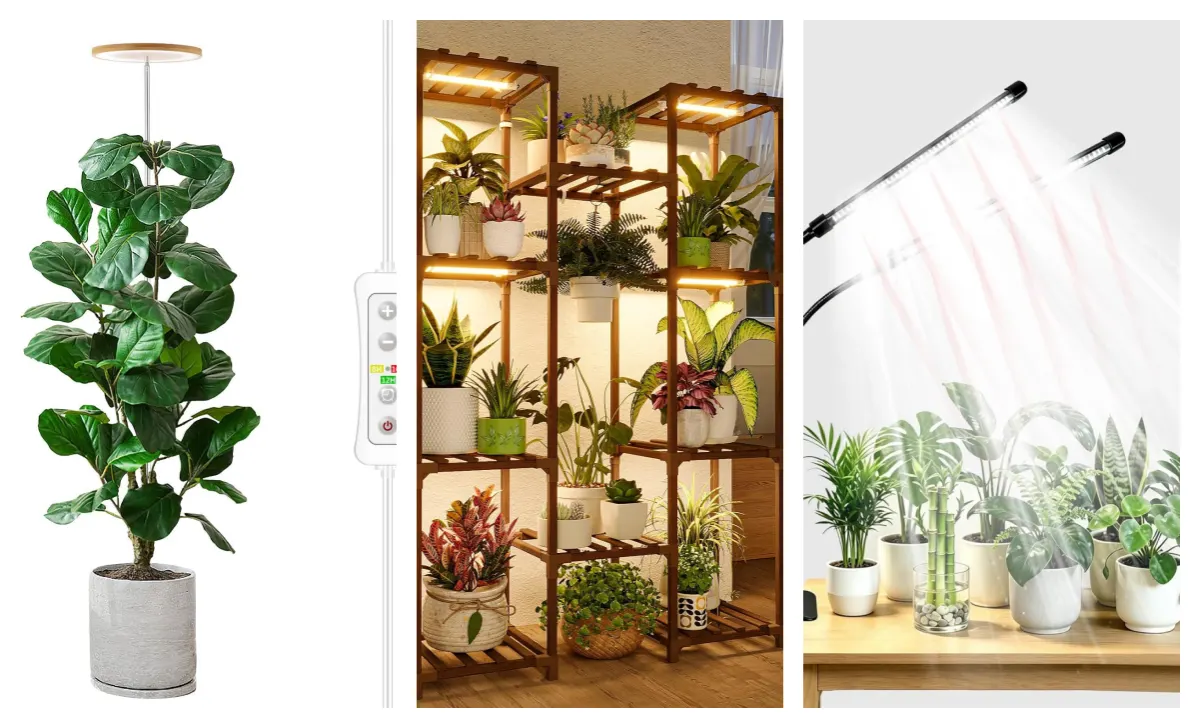
- Check grow light distance → Keep LED grow lights at least 12–18 inches above the plant to prevent leaf scorch.
- Maintain humidity → Aim for 50–60% humidity to protect leaves from crisping under bright light. Quick setups in the Calathea Humidity Guide can help.
- Wipe leaves gently → After cleaning or watering, remove excess water droplets so they don’t act like magnifying glasses under strong light.
- Rotate regularly → Turn the plant every 1–2 weeks for even exposure, preventing one side from getting burned.
- Keep watering consistent → Avoid swings between bone-dry and soggy. Follow the timing cues in the Calathea Watering Guide.
💡 Pro tip: When acclimating your Calathea to a brighter location, do it gradually—sudden light changes are the fastest way to trigger sunburn.
FAQ
Still worried about your plant?
👉 For more tips on keeping your plant healthy, explore our Complete Calathea Care Guide.
Explore All Problems →