
Calathea Problems: Common Issues & How to Fix Them
Yellow leaves, curled edges, crispy tips, sudden drooping, and winter decline can all look similar on Calathea. This page helps you narrow down the most likely cause before you start watering more, repotting, or cutting leaves too quickly.

Quick Navigation
Leaf Issues
The leaves of Calathea are often the first to show signs of stress. Yellowing, curling, brown edges, or fading patterns can all indicate something wrong with your plant’s care or environment. This section explains the most common leaf problems and how to fix them.
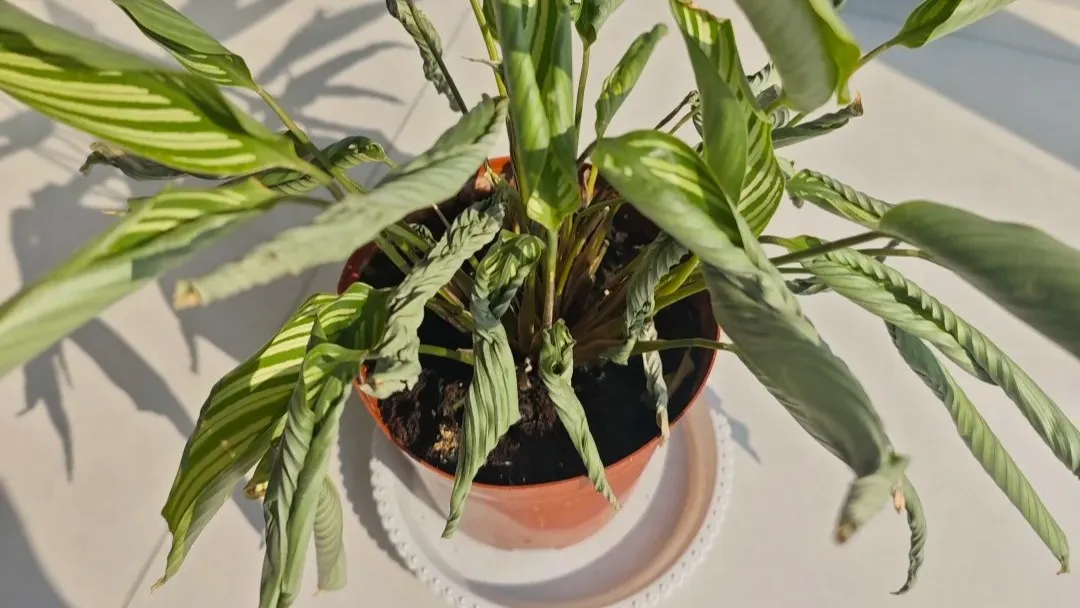
Calathea Leaves Curling or Drooping: Watering Mistakes Explained
Is your Calathea curling or drooping? Learn how to spot overwatering, underwatering, and other watering mistakes—plus simple fixes to revive your plant.
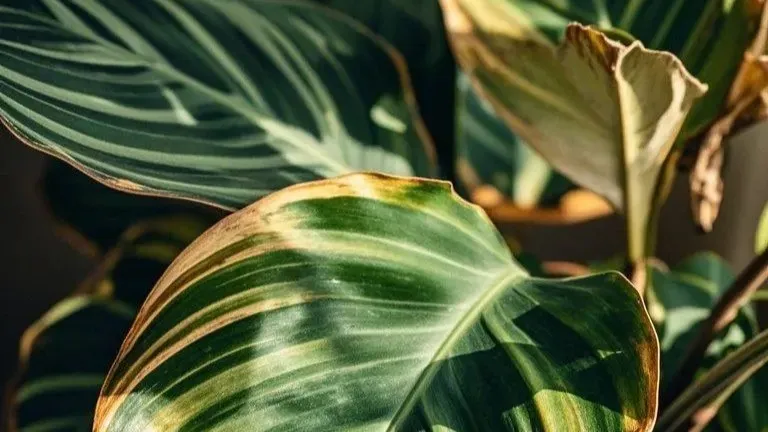
Why Is My Calathea Turning Yellow or Brown? Causes & Fixes
Yellow and brown leaves can come from very different causes. This guide helps you read the pattern before changing your care routine.
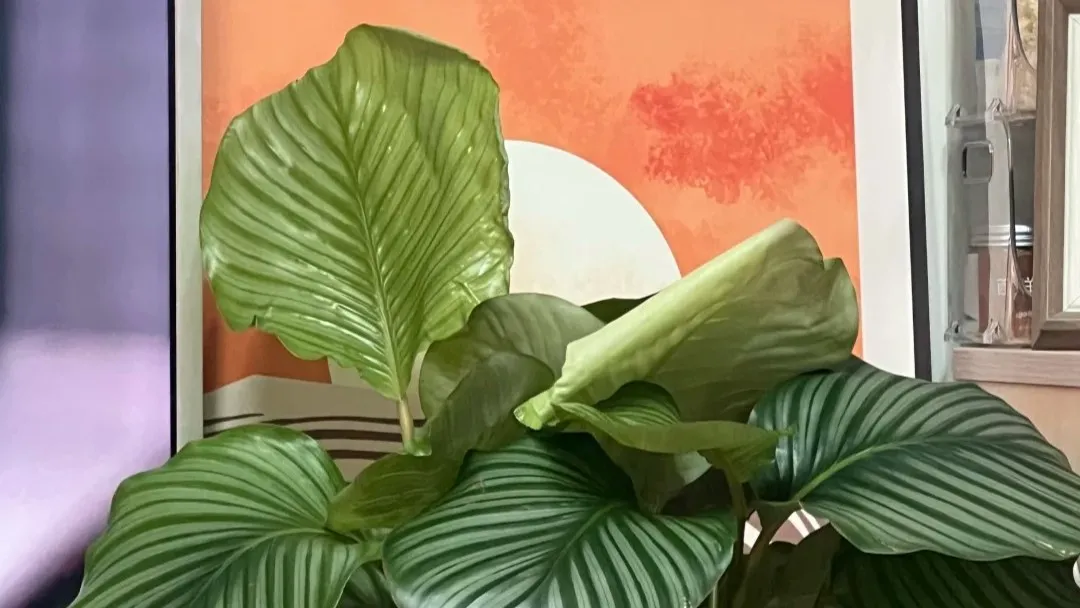
Why Are My Calathea New Leaves Curling or Stuck?
New Calathea leaves curling, twisted, or stuck? Learn what these early-growth issues signal—from humidity dips to watering fluctuations—and how to help new foliage unfurl and stay healthy.
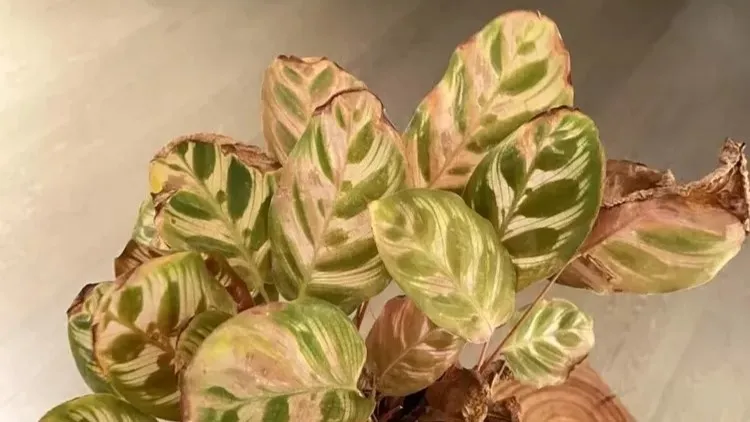
Calathea Leaves Turning Crispy or Dry at the Edges
Crispy or dry Calathea edges usually point to humidity dips, hard water, or uneven watering. Learn how to read each pattern and the simple fixes that help your plant regain softer, healthier leaves.
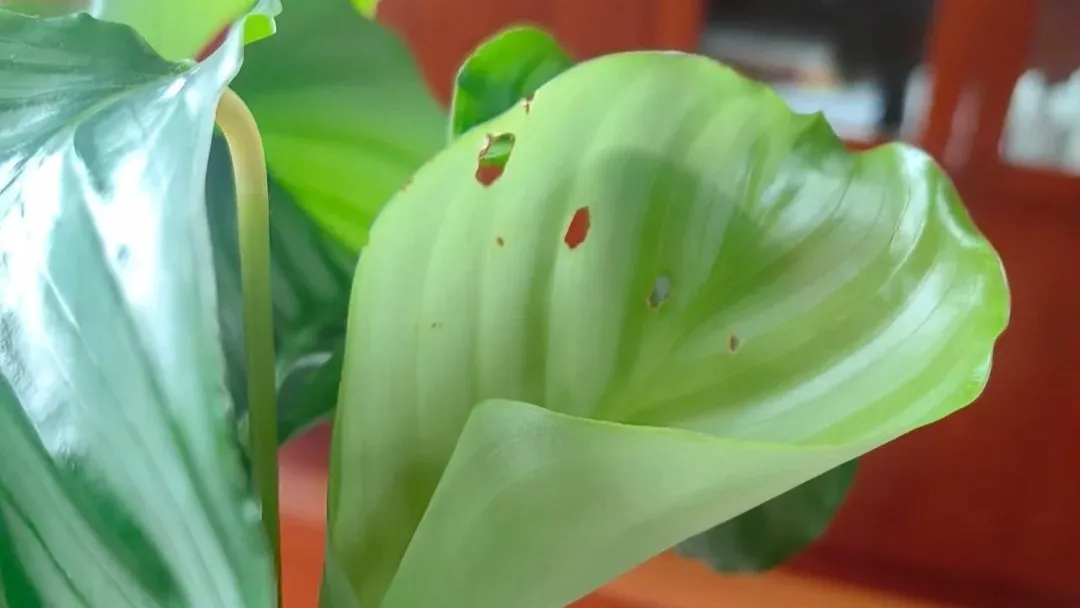
Holes in Calathea Leaves: Causes Most People Misdiagnose
Not every hole means pests. Here’s how to tell the difference between real damage and natural leaf stress in Calathea.

Spots on Calathea Leaves Don’t Always Mean Pests or Disease
Leaf spots don’t automatically mean infection. Learn how to read the pattern before reaching for treatment.
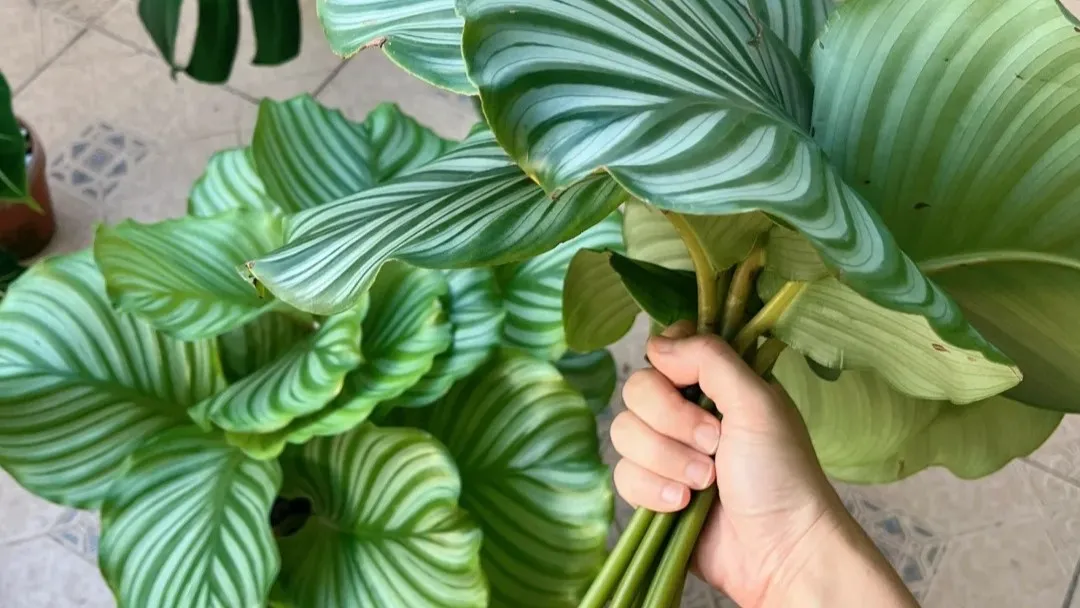
Cut or Leave It? How I Decide When to Remove Damaged Calathea Leaves
Not every damaged calathea leaf needs to be cut right away, and this post explains the simple checks I use before deciding what to remove.
Watering & Root Problems
Many Calathea problems start when watering no longer matches the light, temperature, pot size, or soil mix. Overwatering, underwatering, and slow-drying roots can look surprisingly similar, so this section focuses on reading the plant before changing the routine.
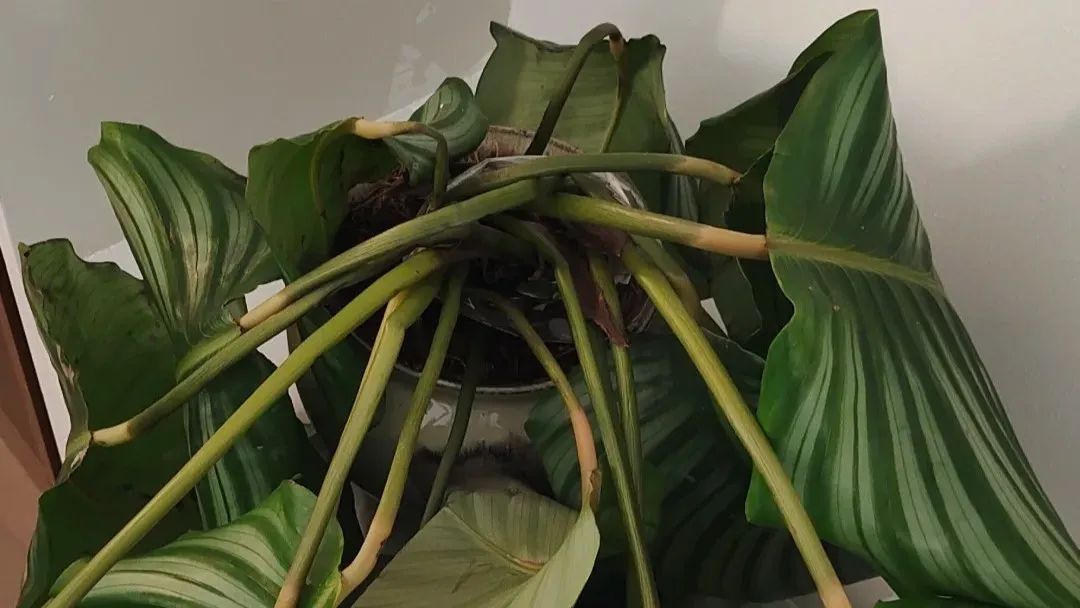
Why Is My Calathea Drooping? How I Tell Thirst, Stress, and Cold Shock Apart
A drooping Calathea does not always mean thirst — this guide shows how I tell watering issues, general stress, and cold shock apart before deciding what to do next.
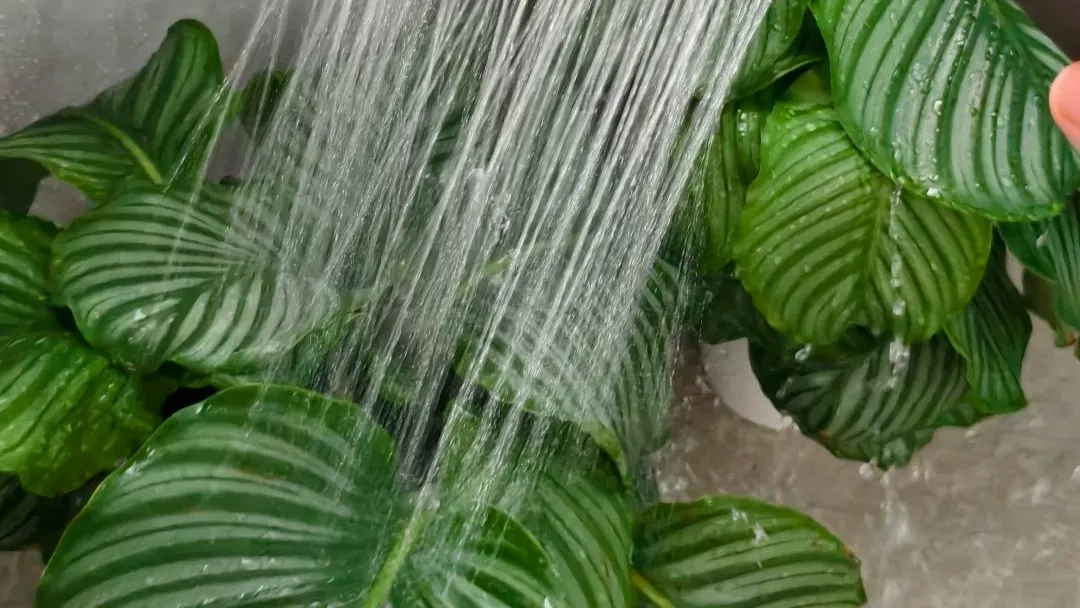
Calathea Overwatering or Underwatering? How to Tell From Real Plant Signals
Overwatering and underwatering can look similar on Calathea. This guide breaks down subtle leaf and soil signals to help you tell the difference before making things worse.
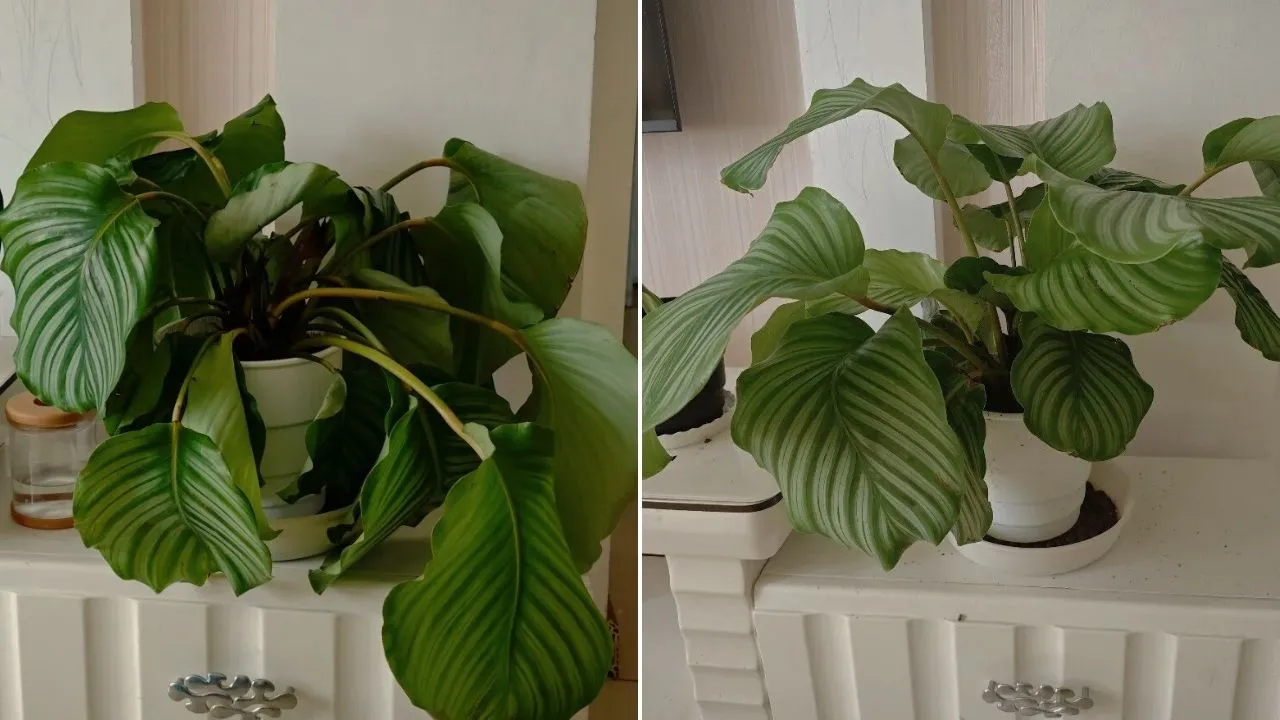
Calathea Drooping After Repotting? Normal Shock or Did I Make It Worse?
A drooping calathea after repotting does not always mean root damage — this guide shows how I tell normal transplant stress from signs the plant is actually declining.
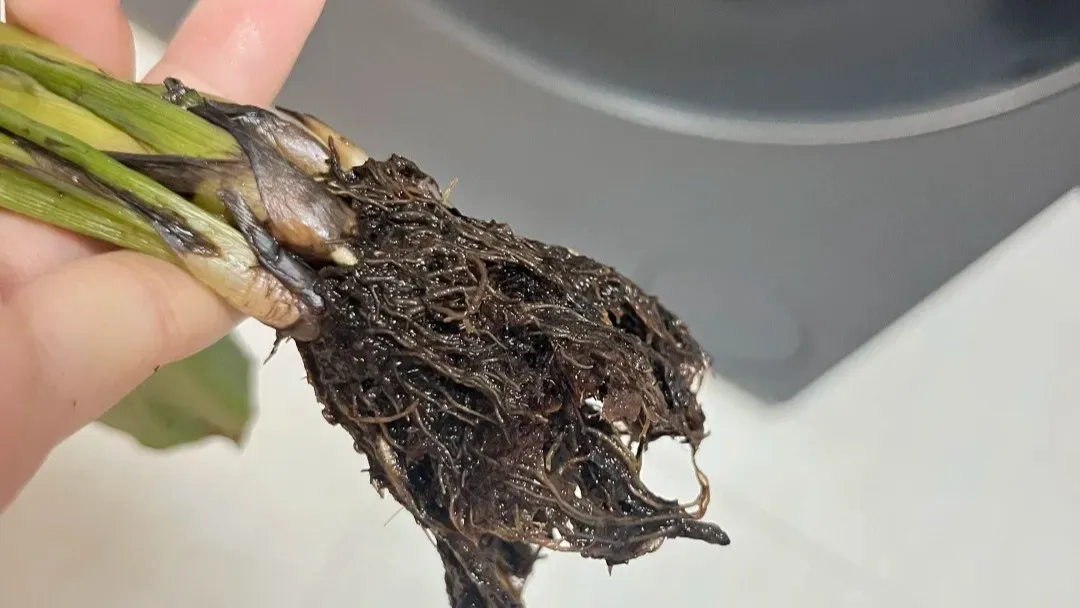
Calathea Root Rot: Symptoms and How to Save It
A practical guide to spotting root rot early, checking the roots, and deciding whether the plant can still be saved.
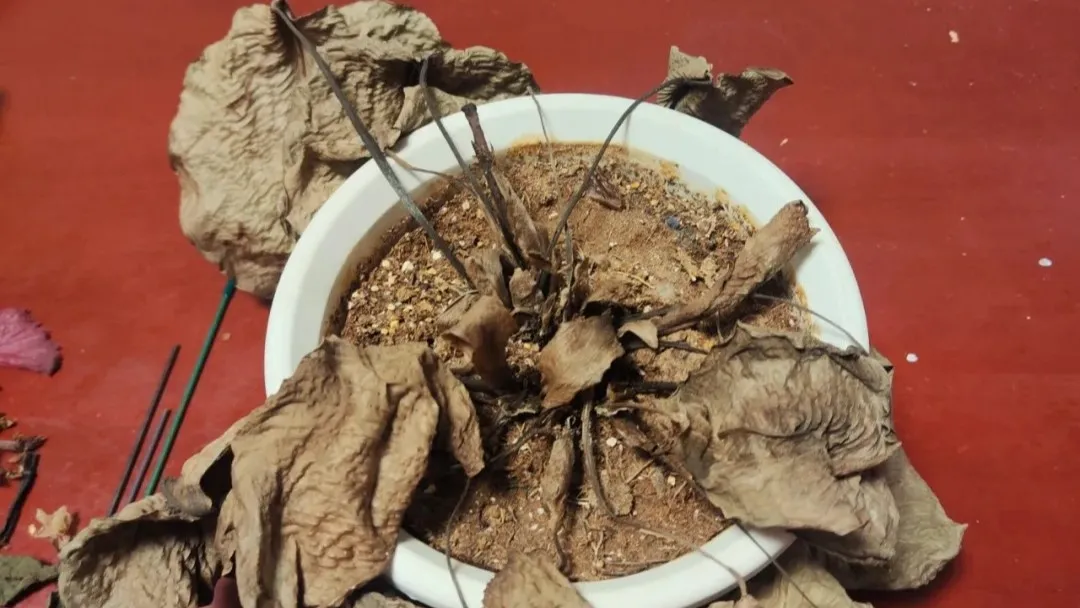
How to Revive a Dying Calathea (Step by Step)
Is your Calathea collapsing or losing all its leaves? This step-by-step guide shows how to check what’s still alive and the exact actions to give your plant the best chance to recover.
Environment Stress
Calatheas are highly sensitive to their environment. Low humidity, poor water quality, temperature extremes, or direct sunlight can all cause visible stress. This section covers how environmental factors affect Calathea and what adjustments will bring your plant back to balance.
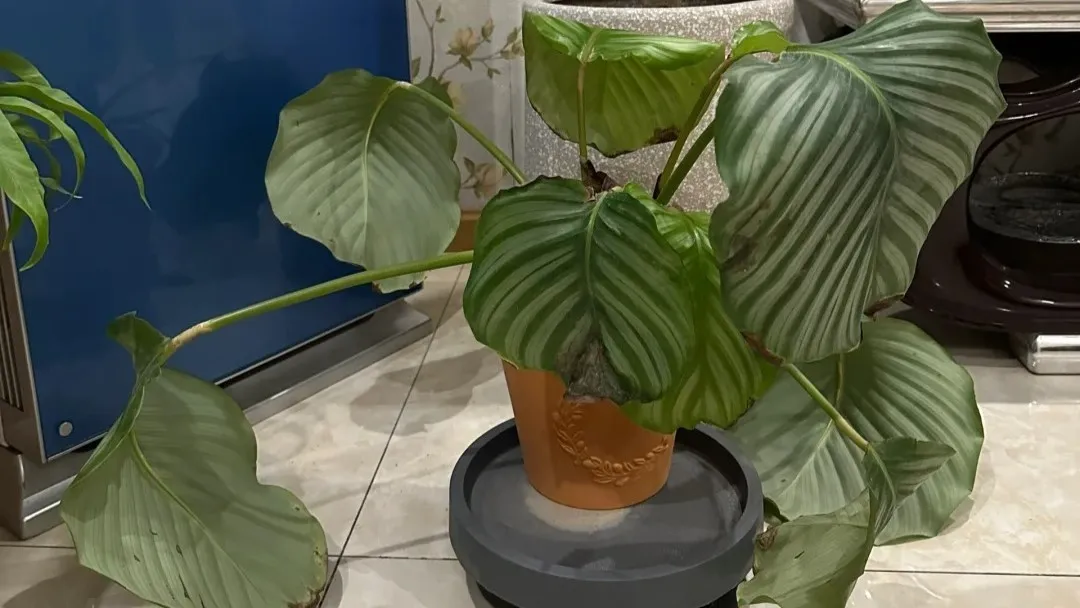
Why Is My Calathea Worse in Winter Even With Humidity?
If your Calathea struggles every winter even with extra humidity, this article explains the deeper reasons — from weaker light to colder roots and slower drying soil.
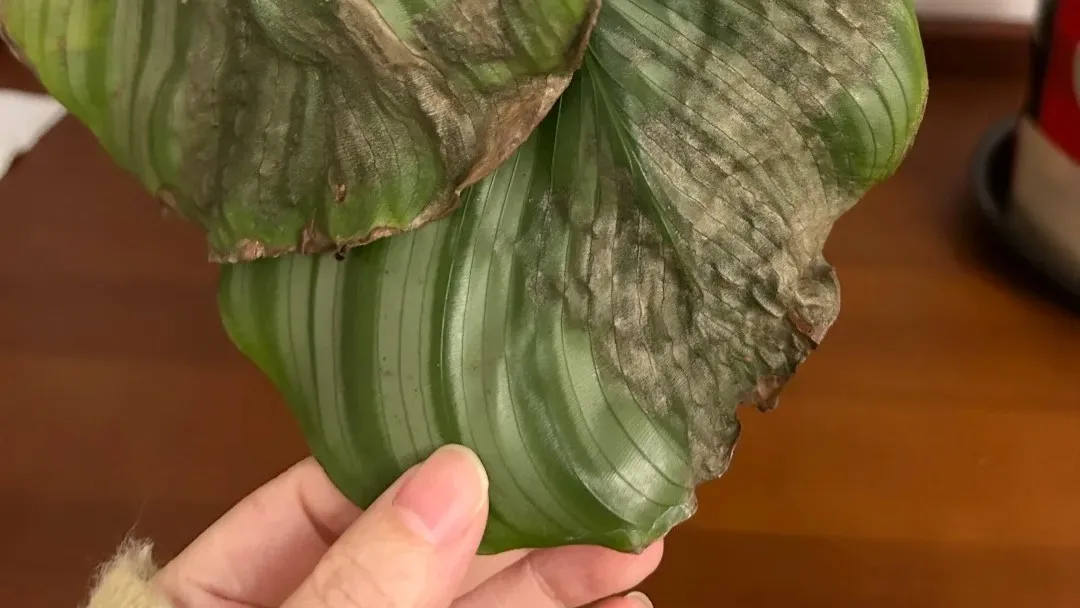
Cold Damage in Calathea: What Went Wrong and How to Save It
Cold damage on Calathea often shows up as gray, soft, or collapsed leaf patches. Here’s how to tell if it’s cold stress — and what you can still do to help.
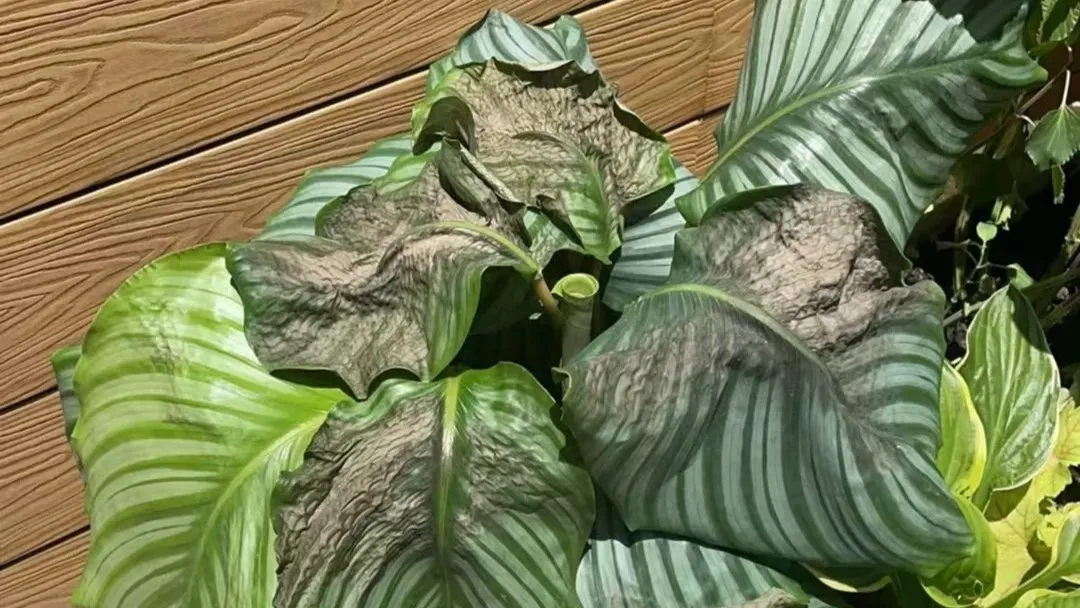
Calathea Sunburn: Brown Patches from Light Stress
Brown patches on your Calathea? Learn how to tell the difference between sunburn and leaf spot disease, what causes light stress, and the best ways to fix and prevent leaf scorch.
Pests & Diseases
Calathea can attract pests when the plant is stressed, the air is dry, or the soil stays wet for too long. Spider mites, thrips, and fungus gnats are the problems I would check first, because early signs can be easy to miss until the leaves already look damaged.
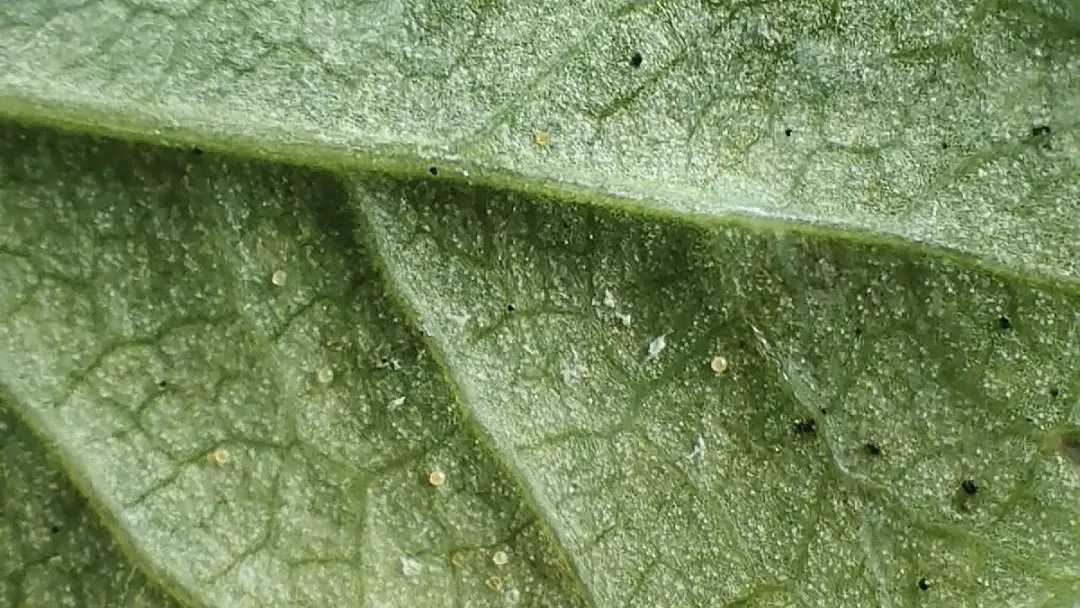
Spider Mites on Calathea: Early Signs & Treatment
Noticed yellow speckles or fine webbing on your Calathea? These are early signs of spider mites.
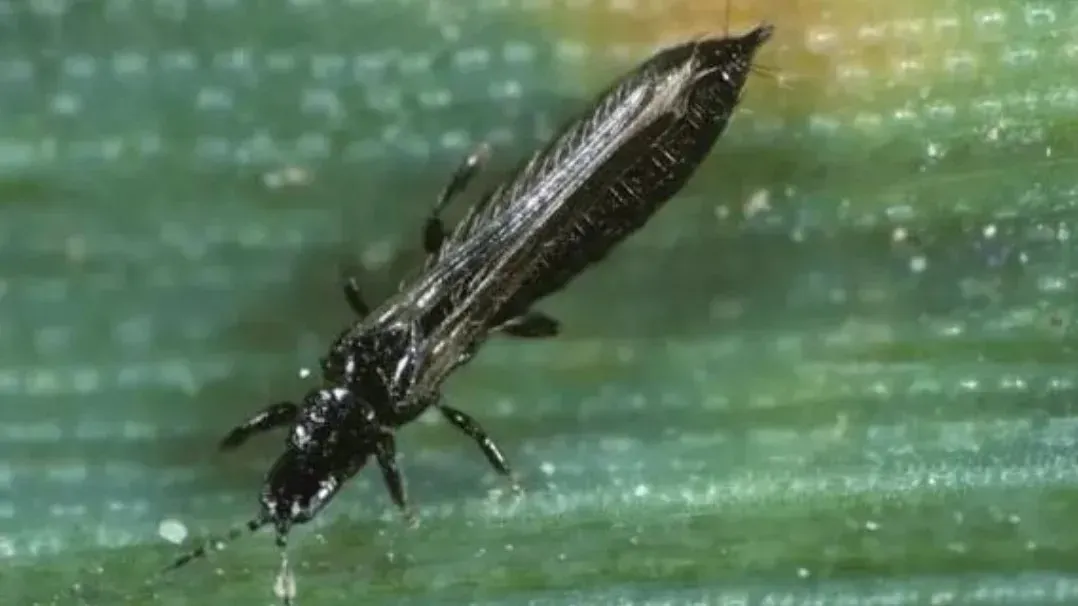
Thrips on Calathea: How to Identify, Stop, and Prevent Repeat Infestations
Thrips damage builds quietly before you notice it. Learn how to spot early signs, stop the spread, and prevent repeat infestations.
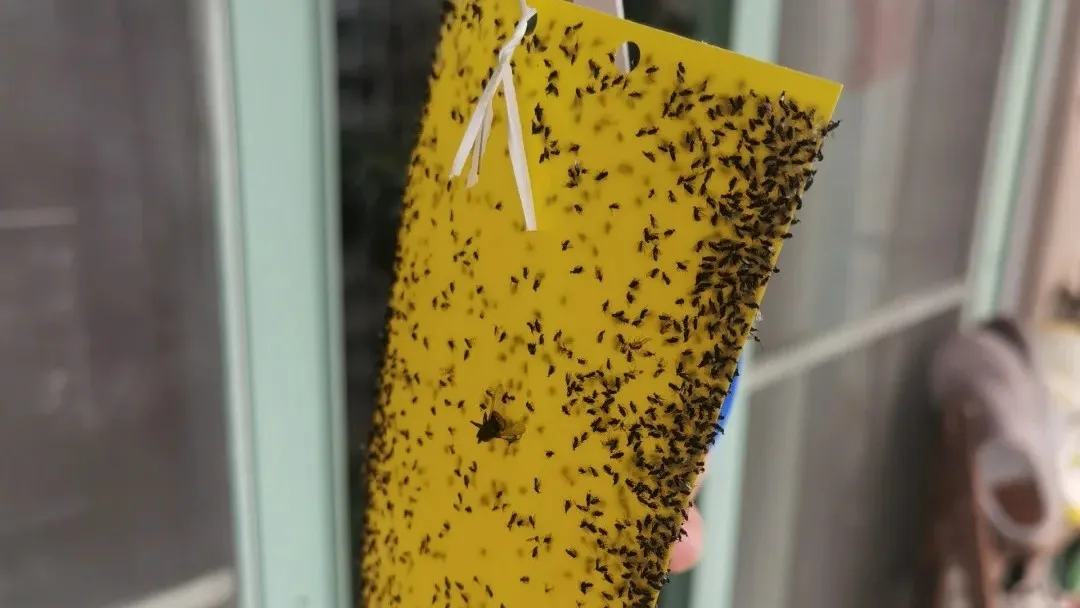
Fungus Gnats in Calathea Soil: 5 Methods That Actually Worked for Me
Fungus gnats usually mean the soil is staying wet too long, and this article walks through the methods that helped me reduce them without making the plant worse.
Growth & New Leaves
If your Calathea has stopped growing or new leaves come out small, stuck, or weak, I would check light, temperature, root health, and watering rhythm before reaching for fertilizer. Slow growth is often a sign that the plant does not have enough energy or stable roots to push new foliage.
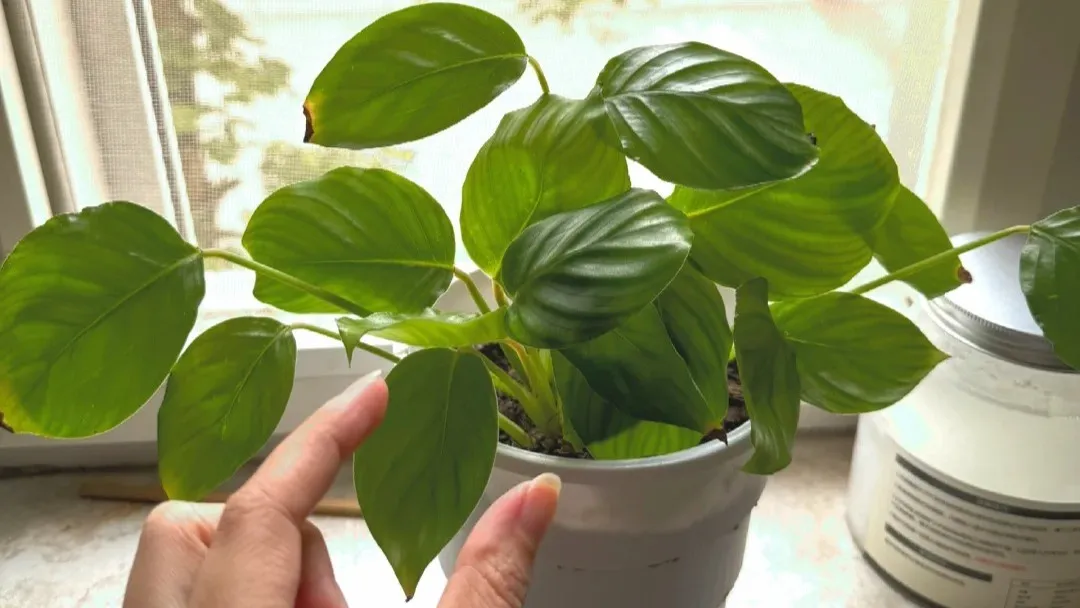
Why Is My Calathea Not Growing? Common Problems & Fixes
Is your Calathea not producing new leaves or staying small? Learn the common reasons for slow growth and proven fixes to help your plant thrive.
FAQ
Got trouble figuring out what’s wrong with your Calathea?
These quick answers help you identify common symptoms — and point you to detailed fixes.
→ Read: Calathea Leaves Curling or Drooping — Watering Mistakes Explained
→ Learn more: Why Is My Calathea Turning Yellow?
→ Fix it: Calathea Brown Edges and Crispy Tips Guide
→ Read: Calathea Root Rot — Causes & How to Save It
→ Read: Calathea Growth Problems & Slow Recovery Tips
→ See: How to Revive a Dying Calathea