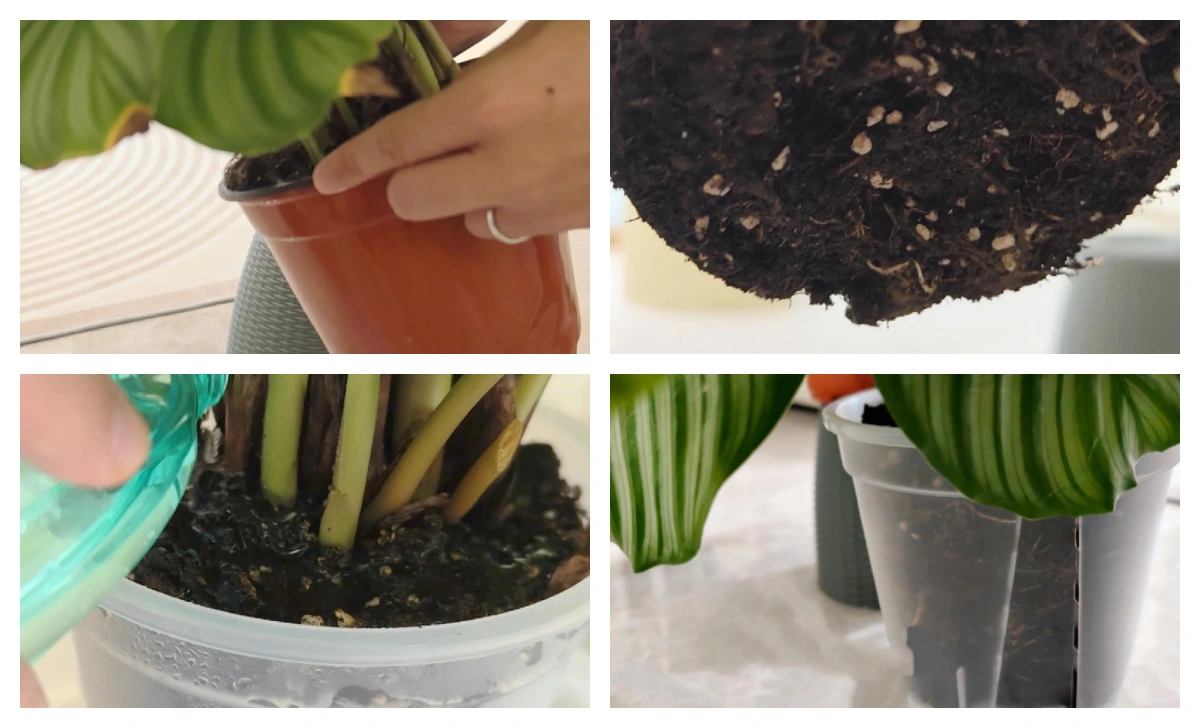
Fungus gnats are one of those problems that don’t look serious at first—until they are.
With Calathea, the combination of moist soil and warm indoor conditions creates a perfect environment for them to thrive, especially when your watering routine keeps the top layer damp. Once they settle in, they don’t disappear on their own.
I’ve dealt with recurring fungus gnats across multiple Calathea pots, and over time I learned one key lesson:
This is not a one-day fix. It’s a pressure-reduction process.
Below are the methods that actually worked for me, listed in the order I tested and trusted them.
What I Tried First: Low-Risk, Non-Toxic Methods
I always start with approaches that don’t disrupt the plant, the soil biology, or my indoor environment.
Citrus Peel Water (Surprisingly Effective)
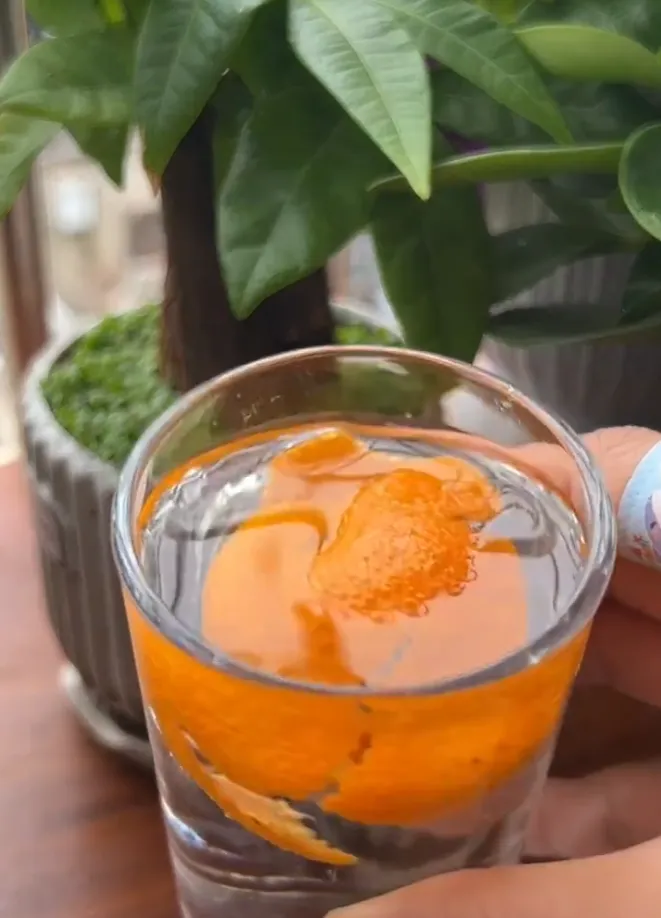
This became my go-to method early on.
- I soaked fresh orange or citrus peels in an open container of water
- Fresh peels: 2–3 hours
- Dried peels: overnight
I then used this water for normal watering.
It didn’t eliminate fungus gnats overnight, but it consistently reduced their numbers, especially adults hovering around the pots.
This worked best as a population control tool, not a cure.
Physical Barriers on the Soil Surface
Fungus gnats depend on easy access to moist soil. Blocking that access made a huge difference. If fungus gnats keep returning, it’s often a sign the soil mix is staying wet at the surface for too long.
Diatomaceous Earth (Most Reliable)
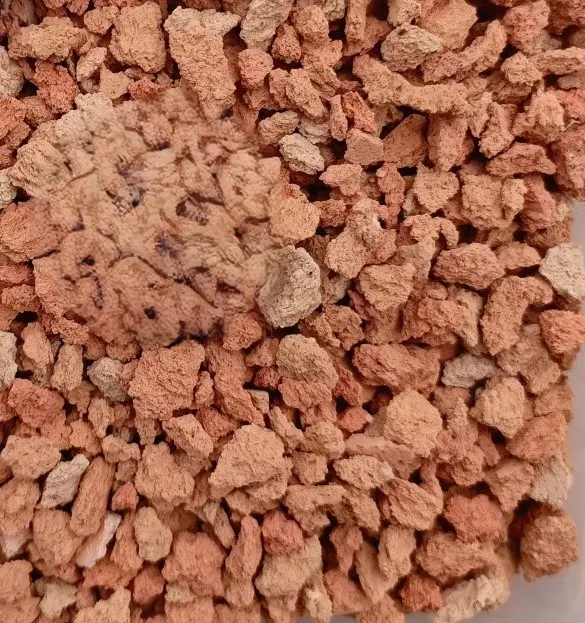
This was the most effective non-chemical method I used.
- I applied a thick, even layer on top of the soil
- When larvae emerged, they contacted the powder and didn’t survive
As long as the surface stayed dry, this method worked extremely well.
The key is coverage. Thin layers don’t do much.
When Numbers Didn’t Drop: Escalation Without Overuse
When physical methods slowed the problem but didn’t fully stop it, I moved to targeted containment, not blanket spraying.
Treated Surface Cover (Controlled Use)
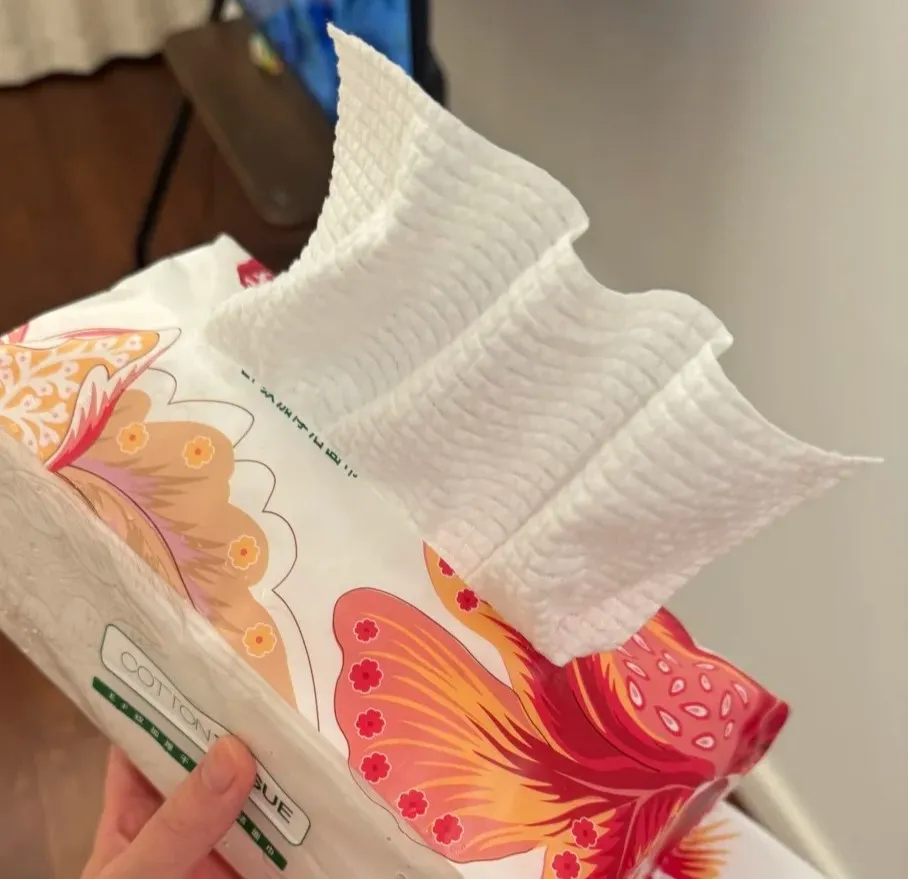
Instead of spraying soil directly, I used a disposable cloth as a treated surface layer:
- Cut into wide strips
- Lightly treated with a general insecticide
- Laid directly over the soil surface
This created a temporary barrier that reduced adult emergence within days.
Because the treatment stayed on the cloth — not in the soil itself — it felt more controlled and less disruptive to the root environment.
This was a containment step, not a permanent solution.
Methods I Tested Carefully (Use With Caution)
These were experiments, not long-term solutions.
- Sugar + water + a small amount of dish soap
- Tobacco-infused water
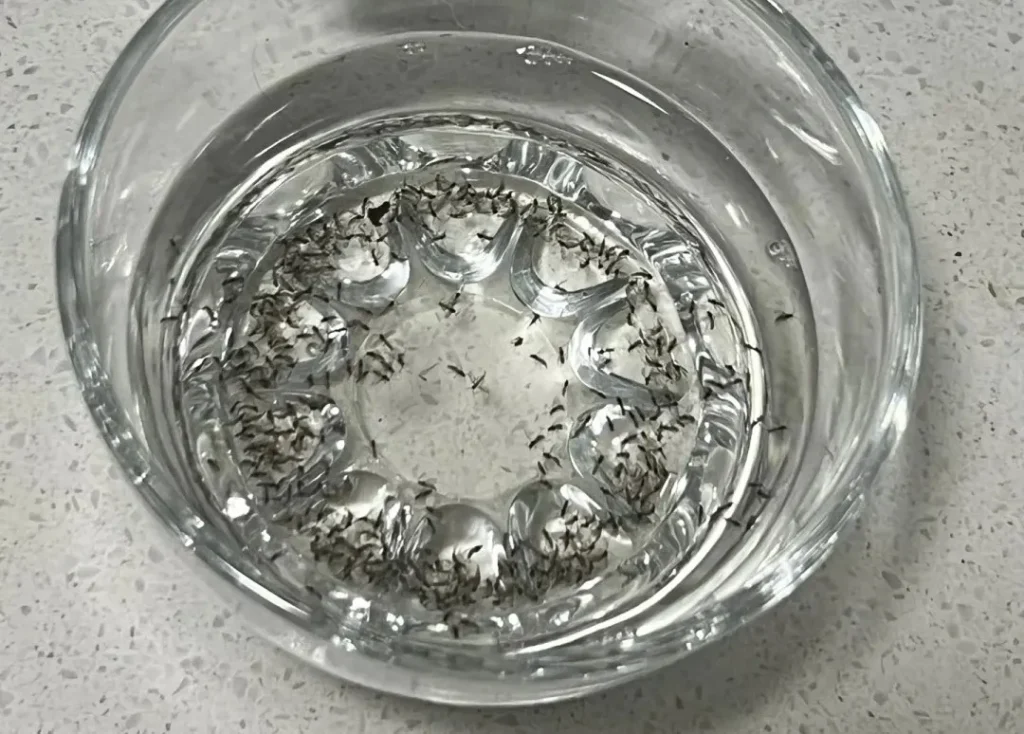
This method helped reduce flying adults, but it did not address larvae in the soil.
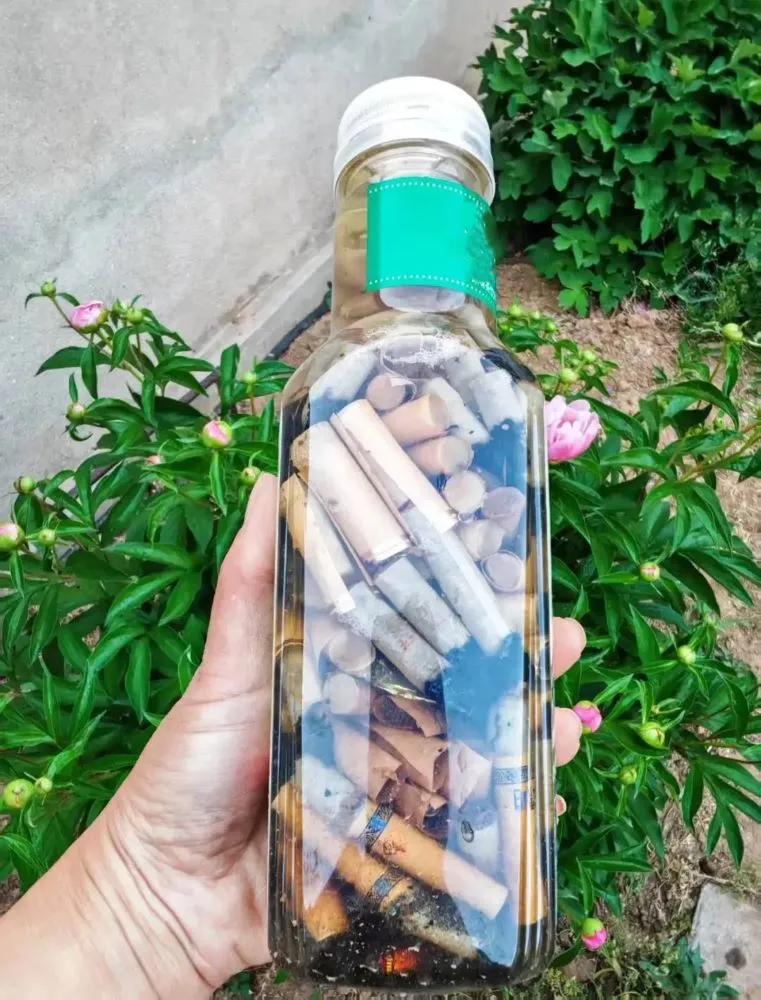
They did reduce visible adults, but results varied, and I didn’t rely on them as primary methods. For me, these worked better as short-term pressure relief, not standalone solutions.
What Actually Made the Difference
Looking back, the success didn’t come from any single method.
It came from combining:
- Surface control (blocking emergence)
- Soil moisture awareness
- Consistency over time
If the pot stays wet and the plant is declining, I also check for root rot symptoms—gnats often come with consistently soggy soil. Once I stopped expecting instant elimination and focused on interrupting the life cycle, the fungus gnats finally disappeared—and stayed gone.
If you’re dealing with fungus gnats in Calathea soil:
- Start with low-risk, repeatable methods
- Focus on the soil surface, not just flying adults
- Give each method time to work
Fungus gnats thrive on neglect and inconsistency.
They disappear with patience, structure, and pressure applied in the right places.
FAQ
Still worried about your plant?
👉 For more tips on keeping your plant healthy, explore our Complete Calathea Care Guide.
Explore All Problems →