Last updated: April 28, 2026
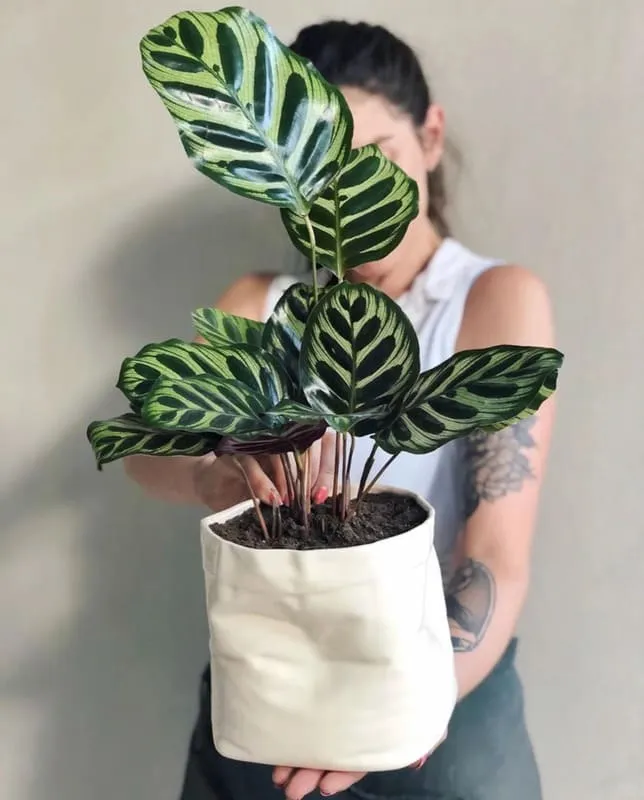
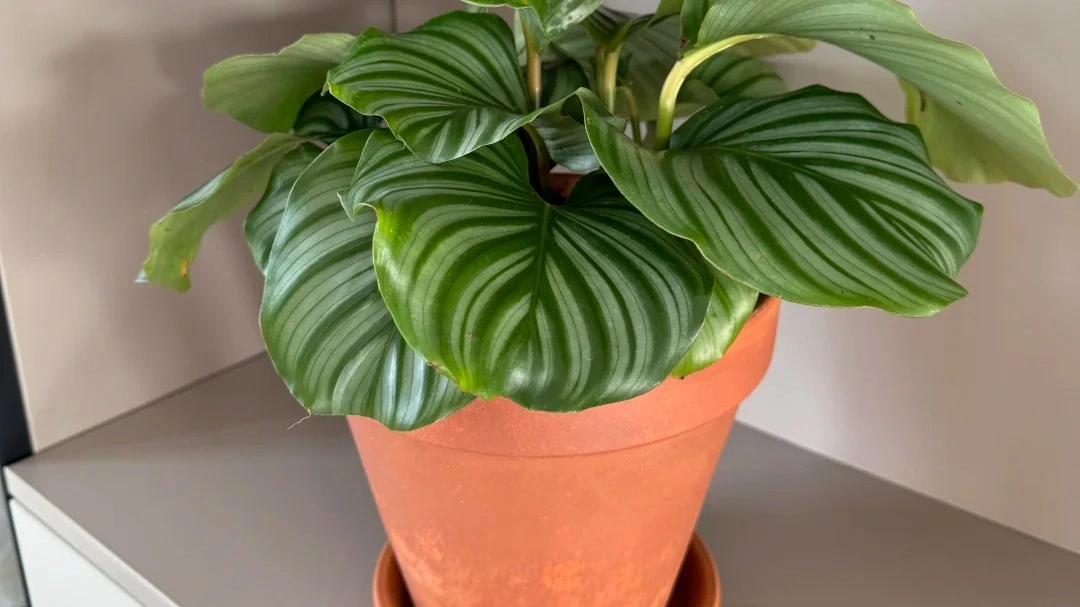
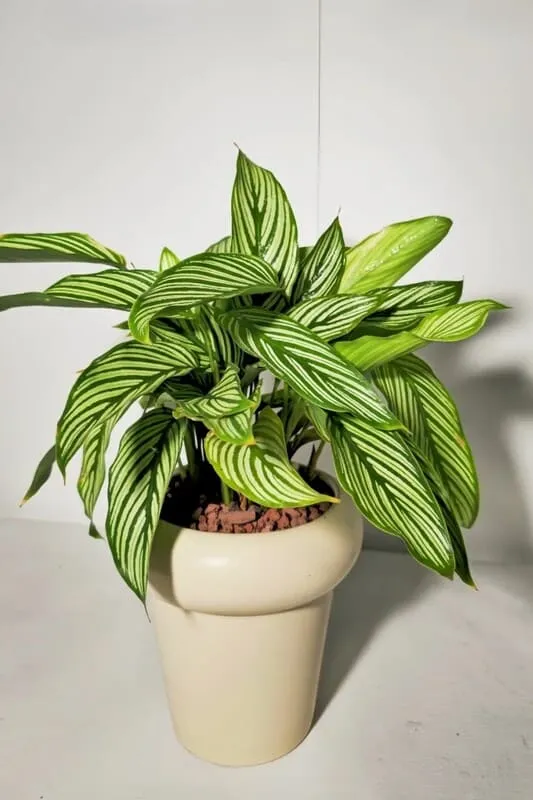
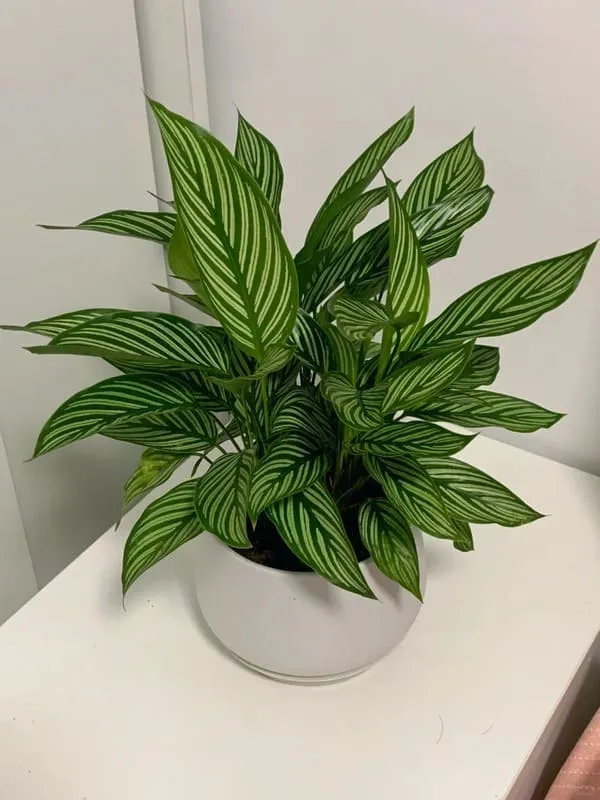
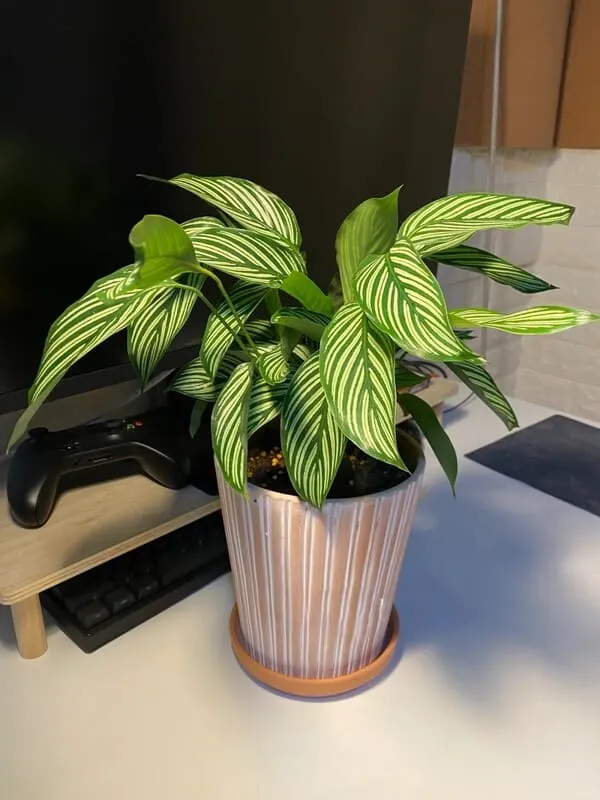
Calathea Vittata looks like one of the cleaner, simpler Calatheas: narrow green leaves, crisp white stripes, and a calm, modern shape. That look can make it feel easier than the more dramatic varieties. But after growing mine for more than a year, I would not describe it as completely easy.
My Vittata started out full and healthy, then slowly declined until it had only one leaf left. The confusing part was that the pot was still wet and heavy, so the curling leaves did not look like a simple underwatering problem. I had already been careful with watering, and I even increased airflow with a fan, but the plant kept looking weaker.
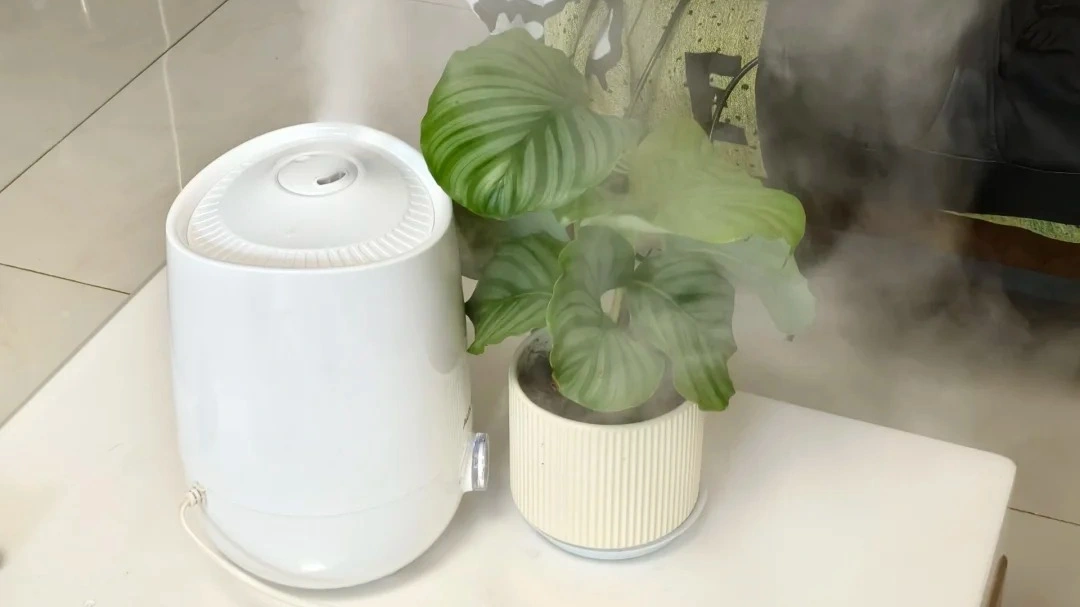
What finally changed the direction was humidity. Whenever we had several rainy days, the plant seemed to “hold on” a little better. After I placed it in a temporary high-humidity setup, the new leaf started moving fast — almost day by day. That experience changed how I see Vittata care: for this plant, humidity is not just a nice bonus. It can be the difference between slow decline and recovery.
So this guide is not just a standard Calathea Vittata care sheet. It is built around the problem I actually ran into: curled leaves, wet soil, low humidity, and recovery after a long decline.
Appearance & Key Features
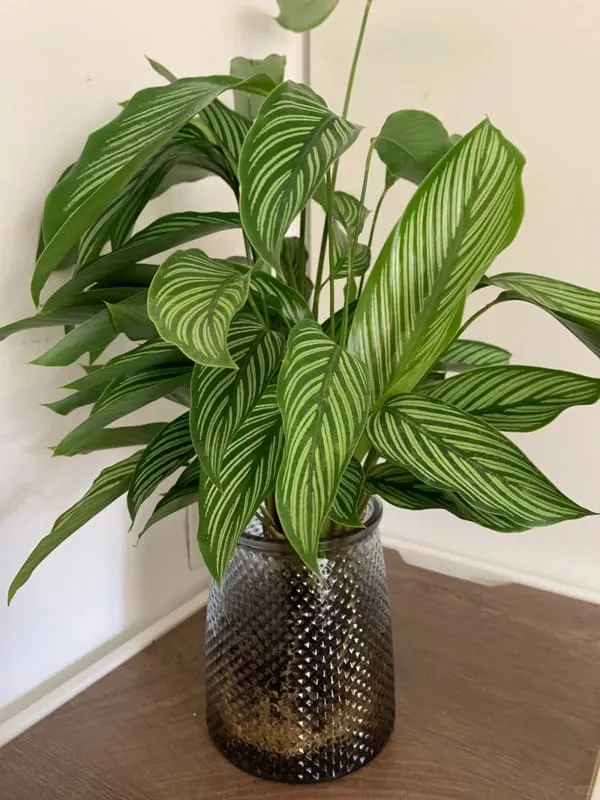
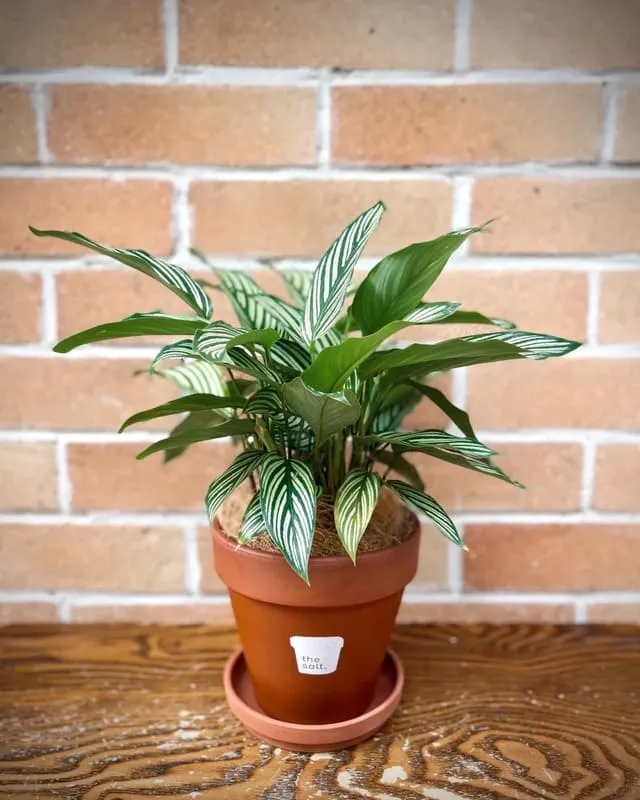
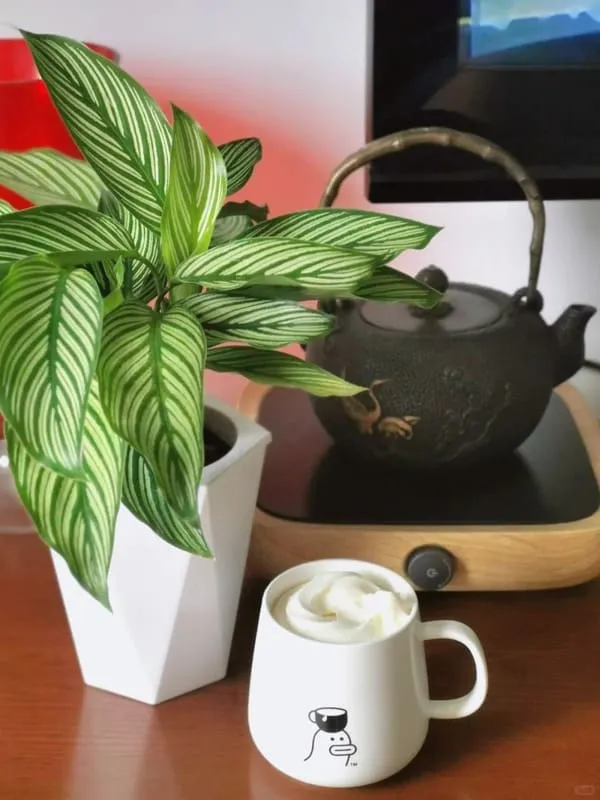
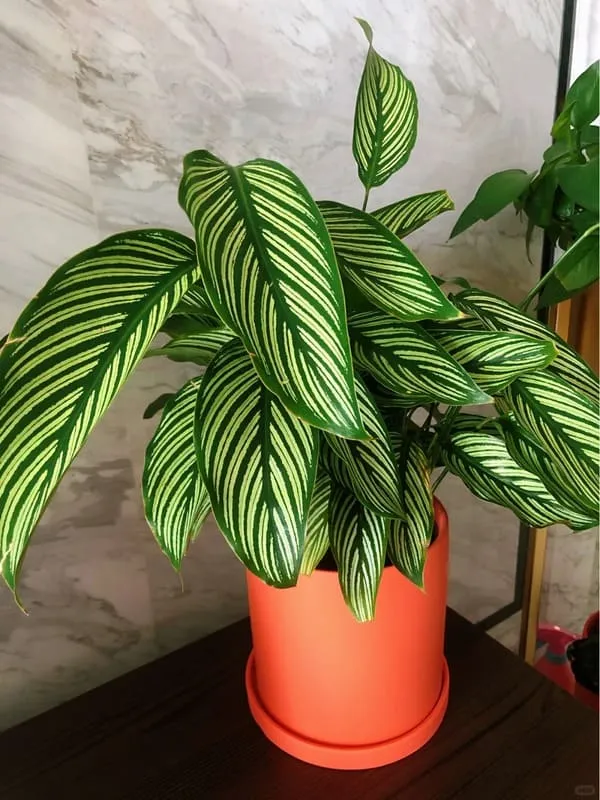
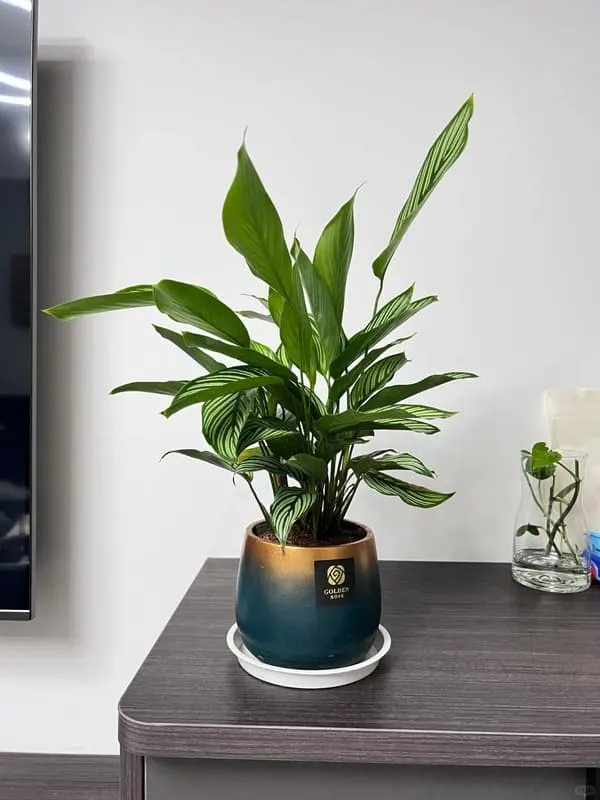
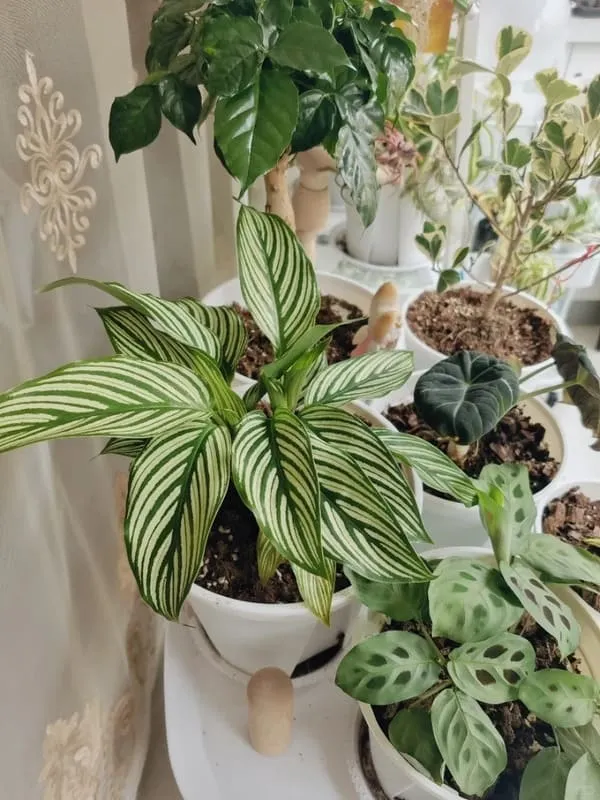
The beauty of Calathea Vittata lies in its simple elegance. Its leaves are:
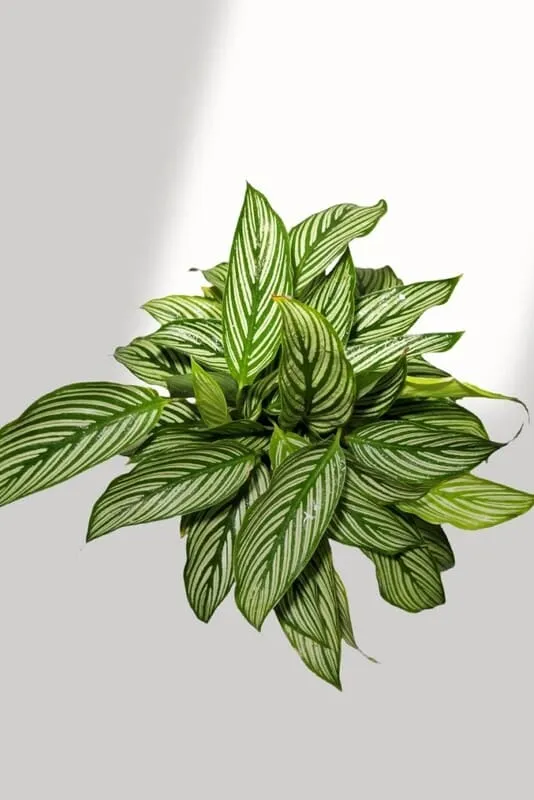
- Shape & Size: Narrow and lance-shaped, growing up to 10–12 inches (25–30 cm) long.
- Pattern: Deep green with crisp white pinstripes running in parallel along the leaf surface. The stripes often curve slightly with the natural flow of the leaf, giving it a hand-painted look.
- Growth Habit: Forms a compact, clumping shape that typically stays 1–2 feet (30–60 cm) tall indoors, making it ideal for tabletops and shelves.
- Overall Look: Less dramatic than other Calatheas, but its clean, striped foliage has a modern, minimalistic vibe that fits effortlessly into Scandinavian or contemporary décor.
👉 Its combination of manageable size and striking leaf design makes the Vittata a popular choice for plant beginners and interior stylists alike.
Growth & Environment Requirements
In its native tropical environment, Calathea Vittata grows under the canopy of rainforests, where conditions are consistently warm, shaded, and humid. To keep it healthy indoors, try to mimic these natural settings:
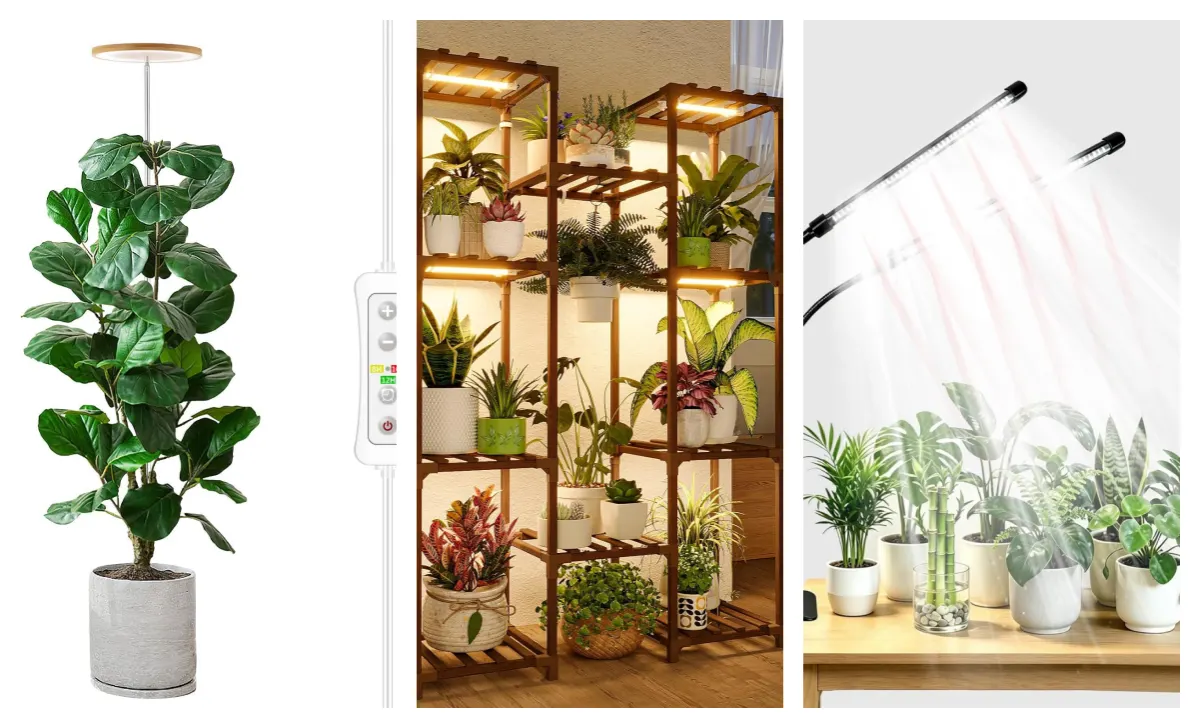
- Light: Thrives in bright, indirect light. Direct sun can scorch its delicate striped leaves, while very low light may cause the white pinstripes to fade. East- or north-facing windows are ideal.
- Temperature: Prefers 65–80°F (18–26°C). Avoid exposing it to drafts, heaters, or AC vents, as sudden temperature swings can stress the plant.
- Humidity: Room humidity around 60% may be enough for maintenance, but my plant only started recovering strongly after I gave it a much more humid microclimate. When the air stayed too dry, the leaves curled, yellowed slightly, and the plant slowly declined even though the pot was still moist.
- Airflow: Gentle airflow helps prevent stale, wet conditions, but airflow cannot replace humidity. A fan in dry air can make the leaves lose moisture faster. I use airflow together with humidity, not instead of it.
👉 When you provide steady warmth, filtered light, and sufficient humidity, Calathea Vittata will reward you with vibrant, crisp stripes that stay sharp year-round.
Detailed Care Guide
Watering
Vittata likes steady moisture, but the biggest mistake is assuming every curled leaf means thirst. When mine started curling, the pot was still wet and heavy. That told me the problem was not simple underwatering.
Now I check the whole pattern before watering: leaf curl, pot weight, soil moisture, room humidity, and airflow. If the pot still feels heavy, I do not water again just because the leaves look tight. In that situation, I check humidity and root stress first.
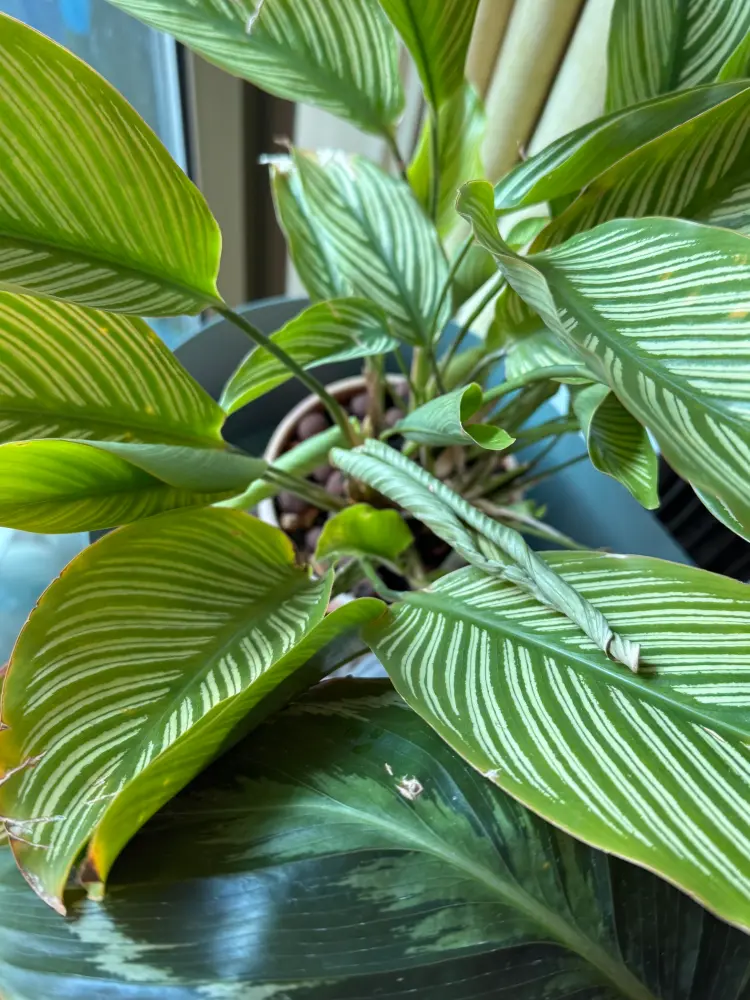
A healthier rhythm is to let the top layer begin to dry while keeping the root ball lightly moist, not soggy. For more detail, see my Calathea watering guide. If new leaves keep showing brown tips even when watering feels right, I would also check water quality.
Light
Too much direct sun will bleach the leaves, while too little light makes the stripes fade. You can read the full Calathea Light Requirements guide for ideal indoor lighting setups.
Soil
For best results, I use a Calathea soil mix that holds light moisture without staying heavy. Vittata needs moisture, but the roots still need air.
- 2 parts peat moss or coco coir
- 1 part perlite or pumice
- 1 part compost or fine orchid bark
Fertilizer
Feed every 4–6 weeks during spring and summer with a balanced liquid houseplant fertilizer, diluted to half strength. Avoid fertilizing in winter and don’t overfeed — salts can damage the roots and leaf edges. See our Best Fertilizer for Calathea guide for product examples and feeding schedules.
Humidity
This is the part I would take most seriously with Calathea Vittata. Mine did not decline because I forgot to water it. It declined while the pot was still moist. The bigger issue was that the air was too dry for the leaves to keep up.
In normal room humidity, Vittata may survive for a while, but the leaves can slowly curl, yellow slightly, and lose strength. In my case, rainy stretches helped the plant stay alive, and a temporary high-humidity cover made the biggest difference. Once the humidity stayed much higher, the new leaf started growing noticeably faster.
I would not keep it sealed forever without airflow, but for recovery, a short-term humid microclimate can be very useful. For daily care, I would aim for stable humidity first, then add gentle airflow so the plant is humid but not stagnant.
My Humidity Recovery Experience
My Calathea Vittata used to be very full, but after more than a year indoors, it slowly declined until only one leaf was left. The strange part was that it did not look like a classic dry-pot problem. The soil was still wet, the pot felt heavy, and the leaves were curling in a way that felt different from simple thirst.
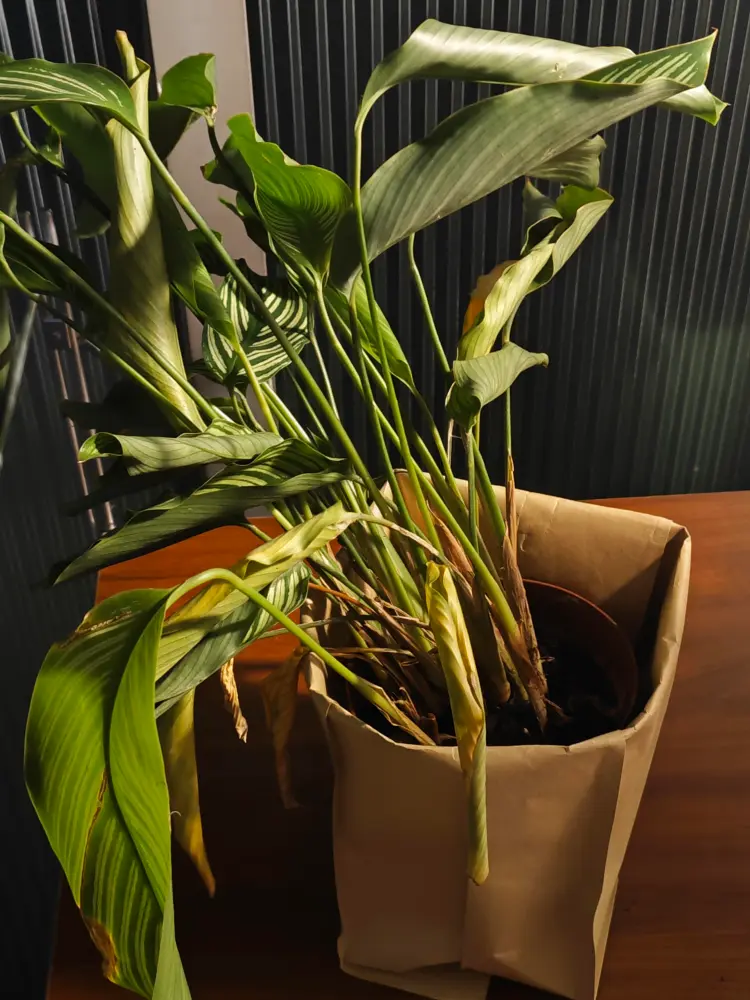
At first, I tried to respond by watering and improving airflow. I turned on a fan because I worried the wet soil might become too stagnant. But the plant still looked weaker, and more leaves curled or yellowed slightly.
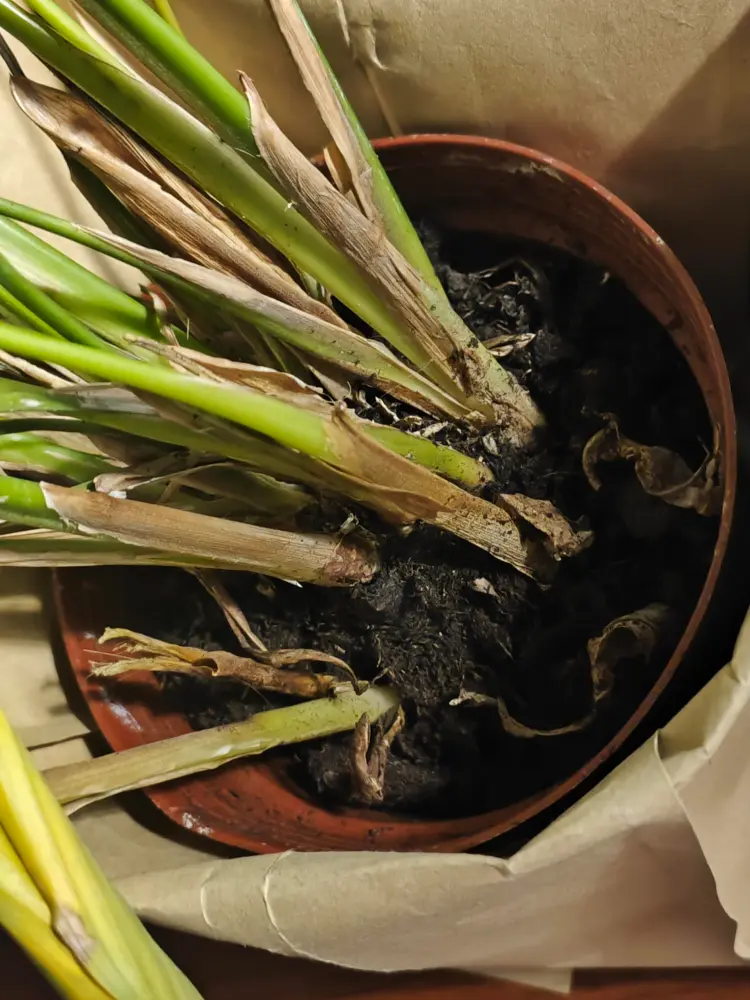
The pattern only started making sense after I watched it through rainy periods. Whenever the weather stayed rainy for several days, the plant seemed to hold on better. After I finally gave it a temporary high-humidity cover, the new leaf changed quickly — almost day by day.
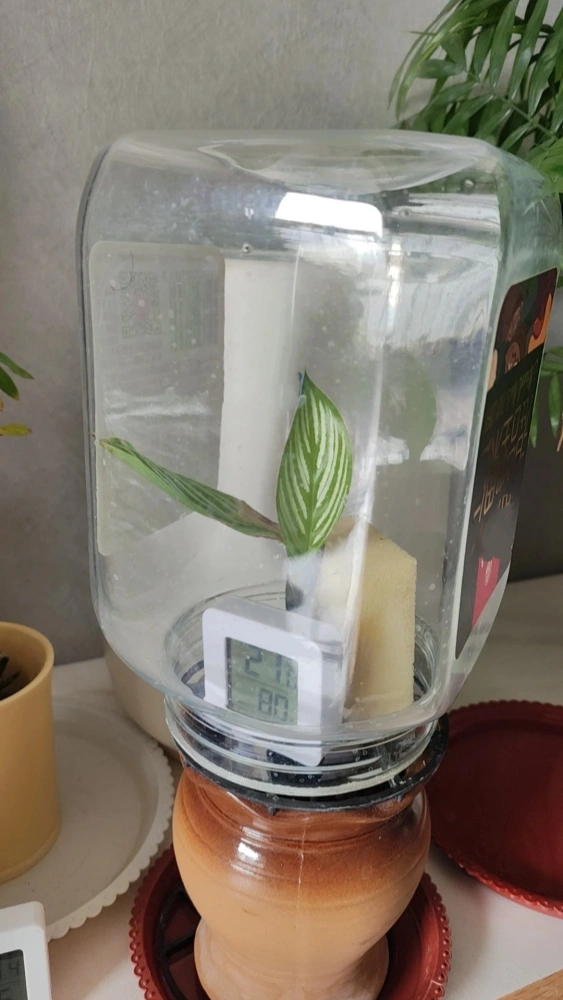
That experience taught me that Vittata can look “easy” only when the air is humid enough. If the air is too dry, the plant may keep declining even when the soil is not dry. For my plant, humidity was the missing piece.
Common Problems with Calathea Vittata
- Curling leaves while the soil is dry → Usually a watering or humidity issue. Water thoroughly, let extra water drain, and raise humidity if the air is dry. For watering rhythm, see my Calathea watering guide.
- Curling leaves while the soil is still wet → Do not keep watering. This was the confusing pattern I saw on my own plant. If the pot feels heavy but the leaves keep curling, I would check humidity, airflow, and root stress before adding more water.
- Leaves slowly yellowing while the plant weakens → This can happen when the plant is stressed for a long time. In my case, low humidity seemed to be the main pressure, especially when the plant was already down to very few leaves. If yellowing spreads, compare it with my Calathea yellow and brown leaves guide.
- New leaf suddenly grows faster after being covered → This is a strong sign that humidity was limiting growth. A temporary humid setup can help recovery, but it should still have some airflow and should not keep the soil constantly wet.
- Brown tips or edges → Often from dry air, inconsistent moisture, mineral-heavy water, or airflow that is too drying. For a deeper diagnosis, see my Calathea crispy leaves guide.
- Faded stripes → Usually from low light, but a weak root system or long-term stress can also make the plant look dull. If the whole plant is in a darker corner, start with my Calathea light requirements guide.
Propagation & Repotting
- Propagation → Like other Calatheas, Vittata can only be propagated by division. Separate healthy clumps during repotting in spring or summer. Stem or leaf cuttings won’t root.
- Repotting → Refresh soil and move to a slightly larger pot every 1–2 years, ideally in spring.
- Tip → Handle roots carefully — they are delicate and don’t like being disturbed too often.
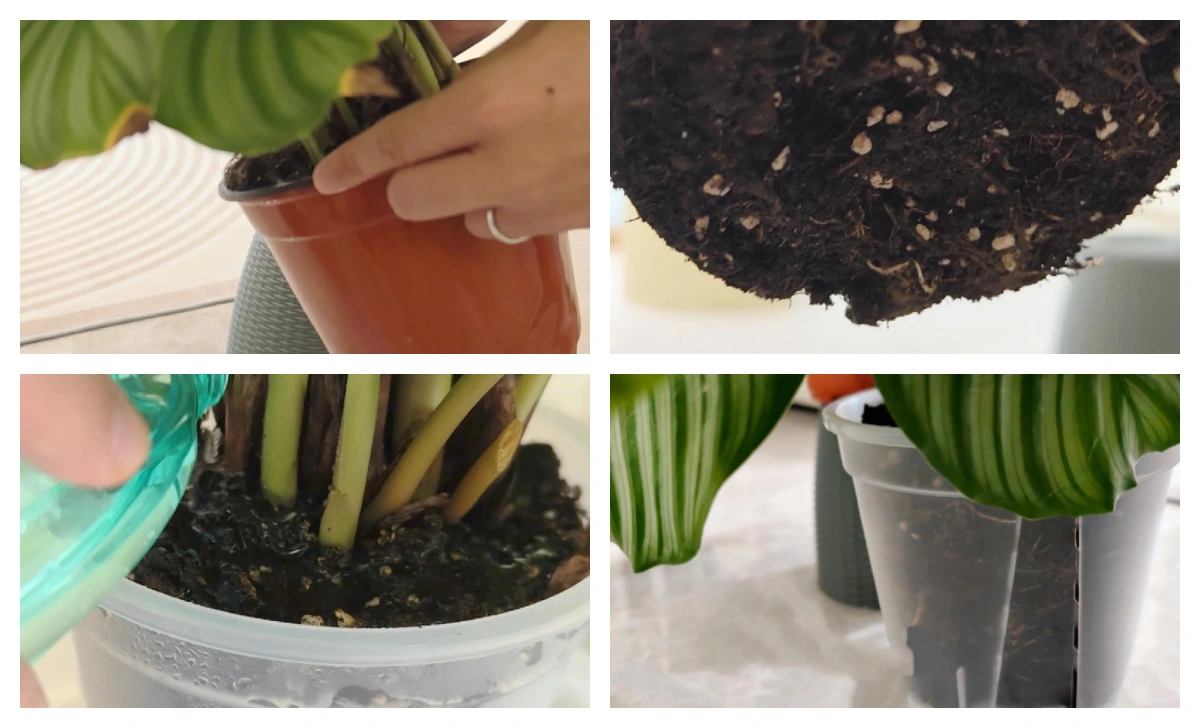
If Vittata is already weak and down to very few leaves, I would not repot just because the leaves are curling. I would first check whether the pot is drying normally and whether humidity is high enough. Repotting a stressed Calathea can help if the soil is compact or sour, but it can also set the plant back if the main issue is dry air.
👉 For more step-by-step instructions, see the Calathea Propagation Guide.
FAQ
Explore More Calathea Varieties
If you like Vittata’s clean striped look, you may also want to compare it with other striped, silver, and beginner-friendly Calatheas. Start with the full Calathea types guide to find a variety that fits your light, humidity, and watering habits.
View Calathea Type Guides →