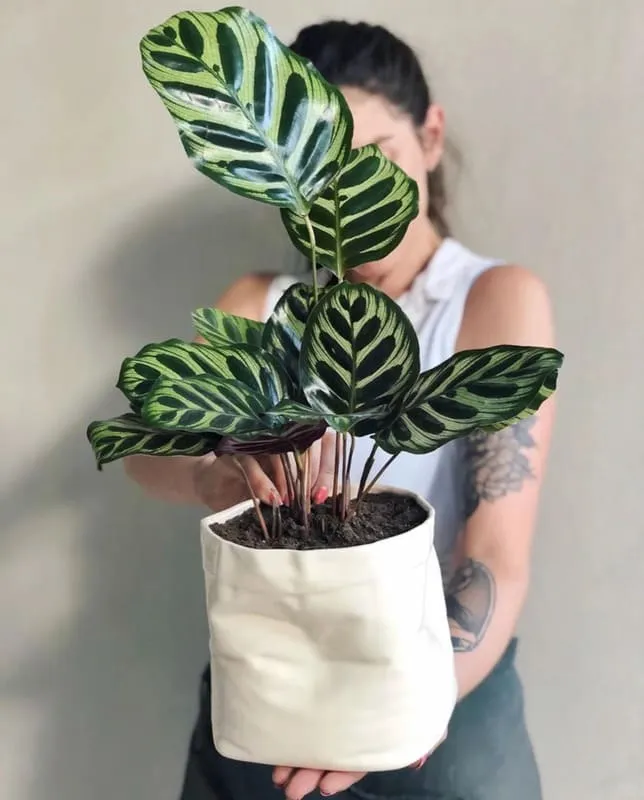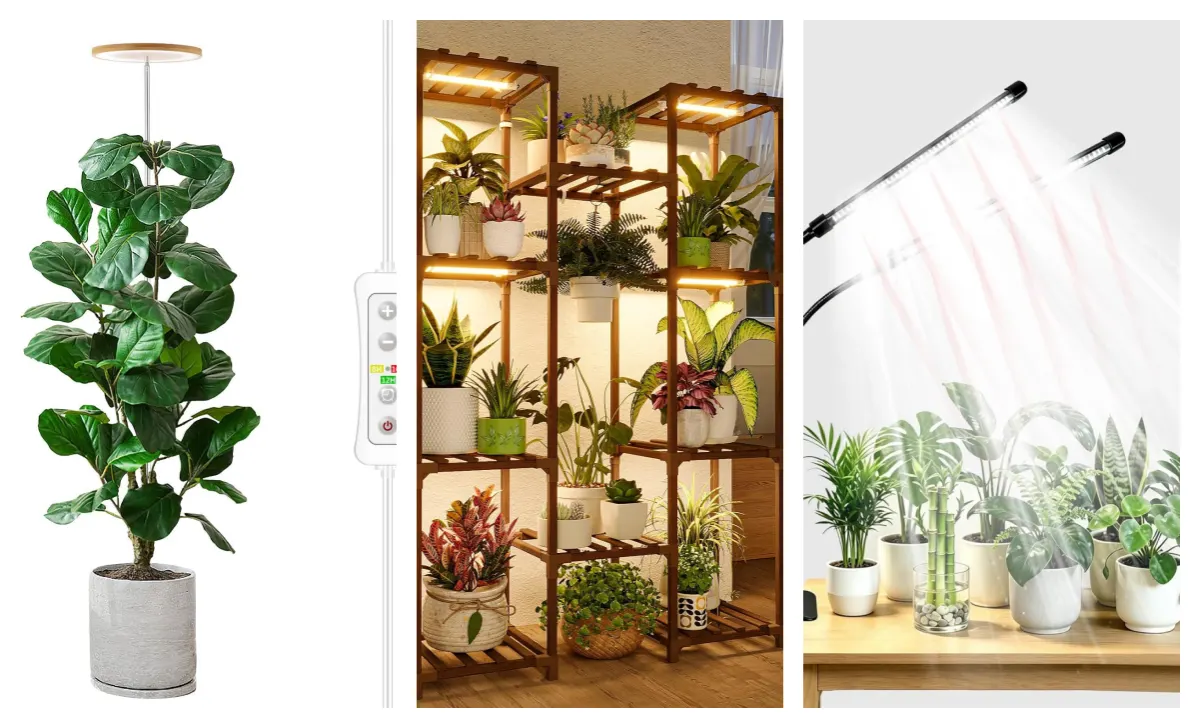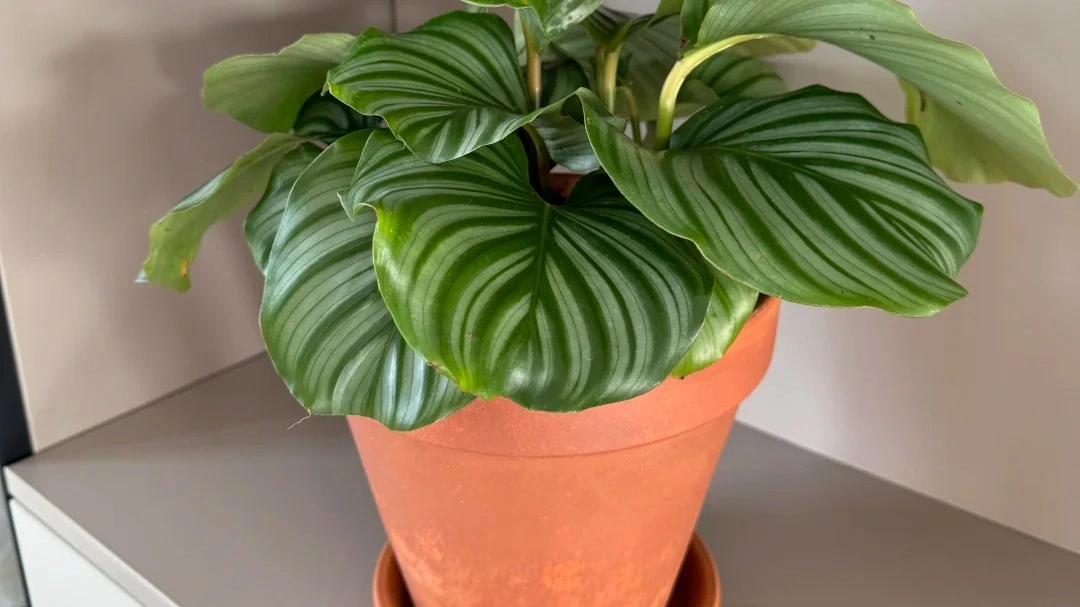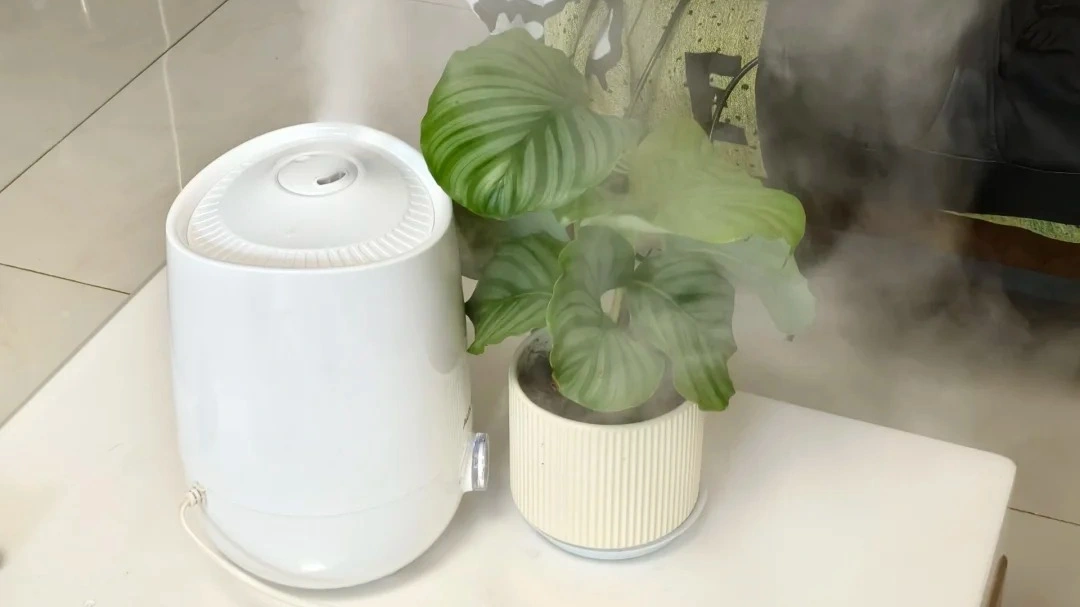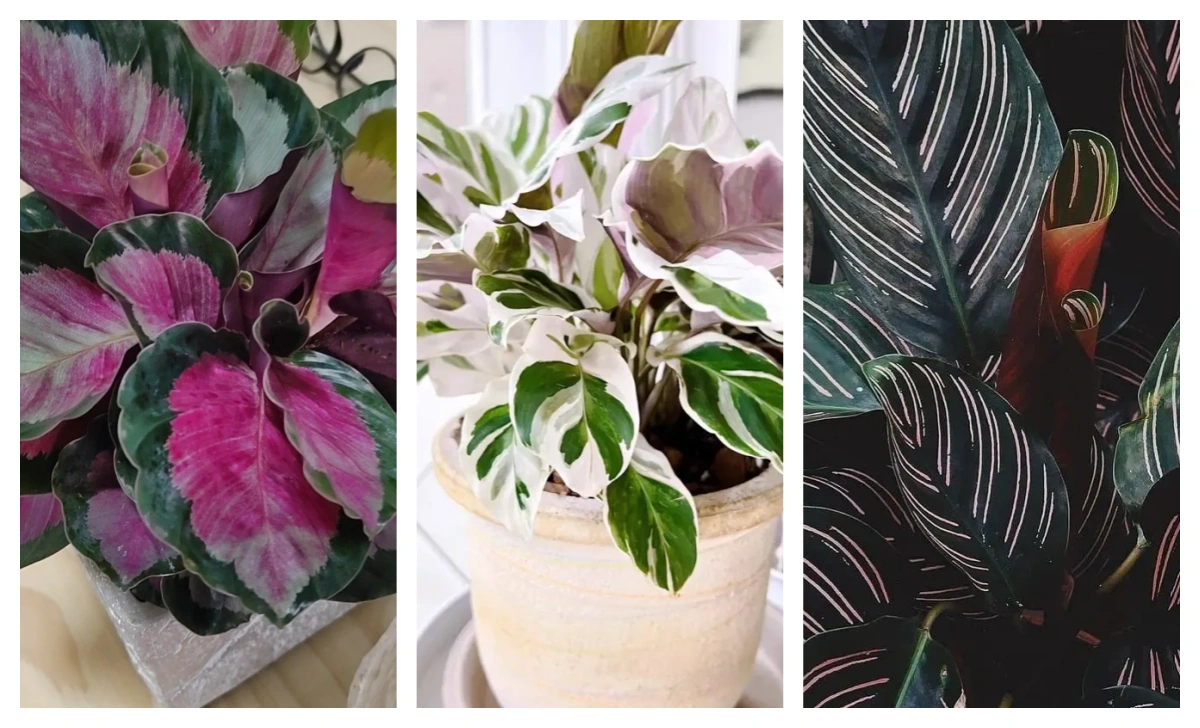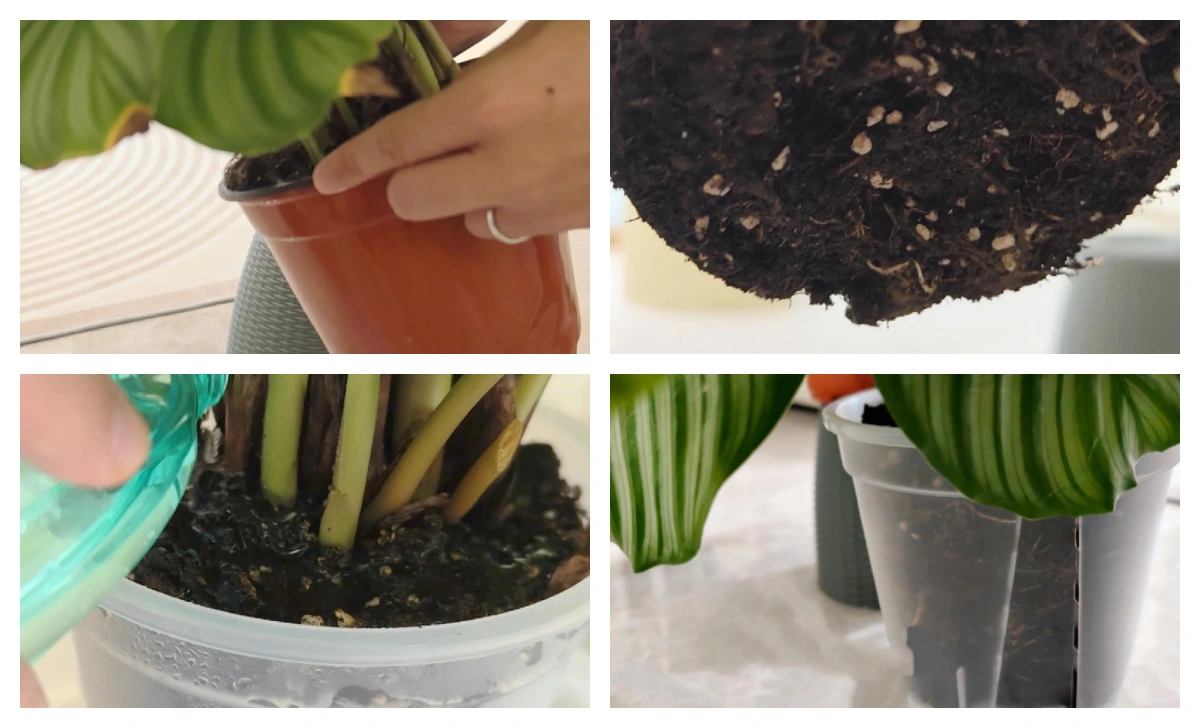
One of the most frustrating things about calathea in winter is realizing you already did the thing everyone tells you to do — raise the humidity — and the plant still looks worse anyway. The leaves curl more often, the edges dry out faster, new leaves take longer to open, and the whole plant seems less relaxed than it did a few months earlier.
I have run into this more than once myself. A humidifier was running, the room did not seem especially dry, and yet the plant was clearly less comfortable than it had been in warmer months. That was when I stopped treating humidity as the full answer and started looking more closely at everything else winter changes at the same time.
From what I have seen, winter decline in calathea is rarely about humidity alone.Lower light, cooler root zones, slower water use, and temperature swings near windows can all make a plant struggle even when the humidity reading looks acceptable, especially if your plant is already getting less usable light than you think. If your calathea looks worse in winter even though humidity seems “fine,” here’s what I would check next.
Humidity Is Only One Piece of the Winter Problem
Humidity Is Only One Piece of the Winter Problem
A lot of winter calathea advice makes the problem sound simpler than it really is. As soon as the leaves start curling, people often assume the air must be too dry. Dry air can absolutely make things worse, but in my experience, winter decline is usually caused by several smaller stresses stacking together rather than one single issue.
Light gets weaker, the area near windows gets colder, roots absorb water more slowly, and the pot stays damp longer after watering. At the same time, many people keep caring for the plant as if it were still early fall. A calathea can struggle in winter even at decent humidity if the roots are cold, the soil stays wet too long, or light drops below what the plant can actually use.
Why Calathea Often Looks Worse in Winter Even With a Humidifier
Lower Light Means the Plant Uses Water More Slowly
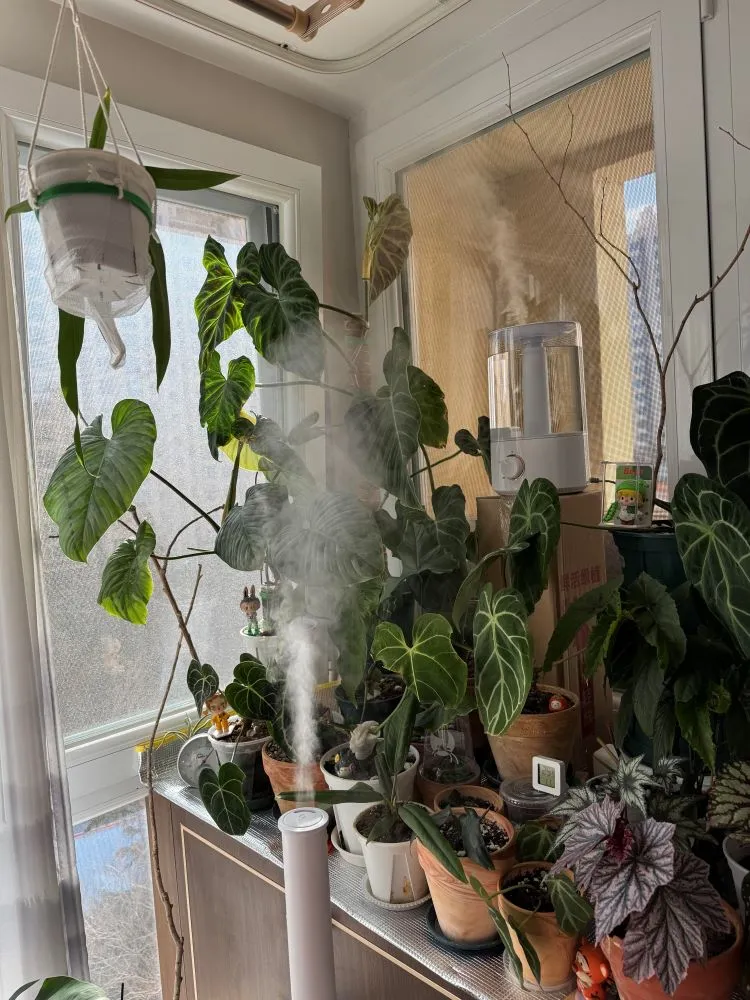
One of the biggest winter changes is light, even when the plant stays in the same spot. Days are shorter, the sun is weaker, and many rooms stay dim for much longer than people realize. That means calathea is working with less usable light even if the setup looks unchanged to you.
When light drops, the plant uses water more slowly. Transpiration slows down, roots pull in moisture less efficiently, and the pot stays wet longer after each watering. If you keep watering on the same rhythm you used in fall, the plant may not rot immediately, but it often starts looking off — more curling, slower growth, rougher edges, and a duller overall look. Humidity cannot compensate for a lack of usable light.
Cold Roots Change Everything
A lot of people judge winter comfort by room temperature alone. If the room is around 20°C, it is easy to assume the plant should be fine too. But calathea often reacts more strongly to cold roots than to cool air in general.
The pot near a window is often colder than the rest of the room, especially at night, which is why winter stress can sometimes overlap with early signs of cold damage. Glass loses heat, cold air sinks, and the pot itself can stay cooler than the surrounding air. Once the roots get cold, water uptake slows down. That is when you get the confusing pattern many people misread: the soil is not bone dry, but the leaves still curl and look thirsty.
Winter Air Can Be Humid but Still Unfriendly
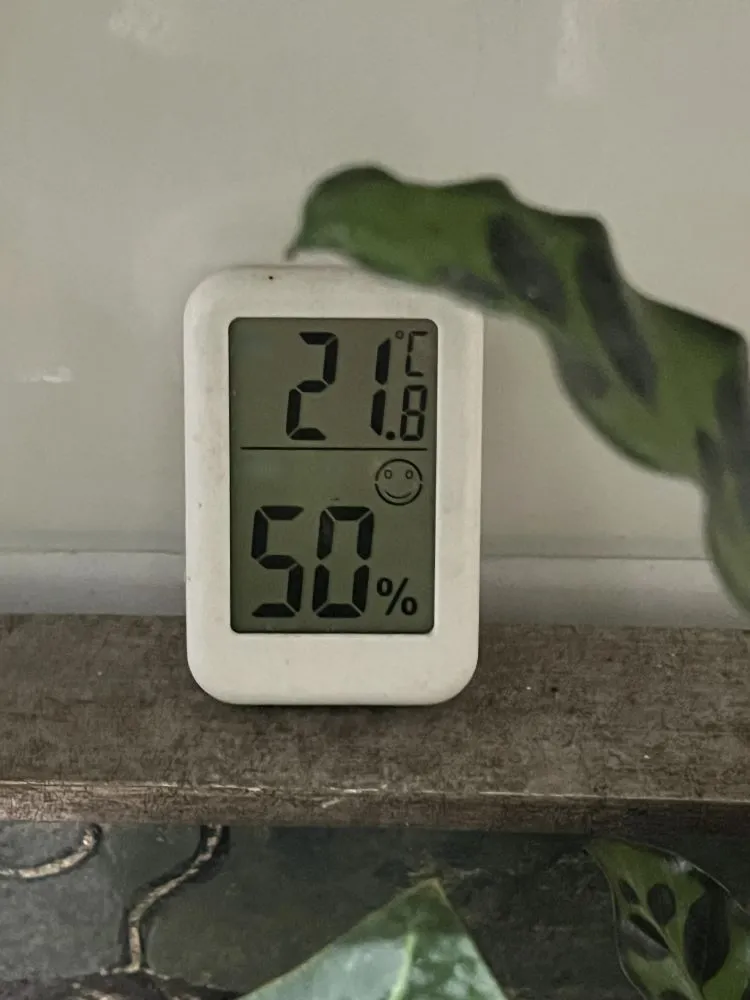
People often look at a humidity reading — maybe 50% or 55% — and assume the environment should be fine. But humidity is only one part of the room from the plant’s point of view.
If the air is cool, the light is weak, and airflow is poor, the plant may still feel sluggish even when the humidity number looks acceptable. A humidifier can reduce dryness, but it does not automatically create an active growing environment. A winter room can have acceptable humidity and still feel biologically slow to a calathea.
Watering Habits Often Stay the Same After the Season Changes
In my experience, a lot of winter problems do not come from one dramatic mistake. They come from small habits that no longer match the season. People keep following the same watering rhythm that worked in late summer or fall, even though winter often changes how slowly the pot dries: watering when the top layer looks dry, giving a little extra when the leaves curl, or assuming that if a humidifier is running, the plant can still handle the same routine.
But winter changes the pace of everything. The pot dries more slowly, the roots respond more slowly, and the plant is less eager to grow. That means even a careful routine can quietly become too frequent. The humidifier can make you feel safer, while the pot is actually drying much more slowly than you think.
What I Check First When My Calathea Declines in Winter
Before I water again, move the plant, or start trimming leaves, these are the first four things I check.
When a calathea starts looking worse in winter, I try not to react too quickly. Winter stress can build gradually, and the symptoms are often less dramatic than true root failure or severe pest damage. Before I change my watering, move the plant again, or start trimming leaves, I usually check a few basic things first.
Is the plant too close to the window?
This is one of the first things I look at, especially in colder months. During the day, a window spot may still seem bright and reasonable, but at night the area near the glass can become much colder than the rest of the room. If the leaves are close to the windowpane, if cold air drops from that area after sunset, or if the pot is sitting directly on a cold windowsill or stone surface, the plant may be dealing with more root-zone stress than you realize.
I pay attention to whether the plant feels noticeably chilled in the evening compared with plants placed a little farther back. Even a small shift away from cold glass can sometimes make more difference than people expect, especially with calathea that already slows down easily in winter.
Is the soil staying wet longer than before?
In winter, I care less about how often I watered last season and more about how the pot is behaving now. If the soil still feels obviously damp several days later, if the pot remains heavy for a full week or more, or if the root area feels cool and moist almost all the time, that tells me the plant is using water much more slowly than it was before.
This matters because winter decline often starts in that in-between zone where the soil is not soaking wet, but it also never quite gets warm or active enough for the roots to work normally. The plant may not look overwatered in an obvious way, yet it can still slide toward early root problems if the root zone stays cool and damp for too long.
Has light dropped more than I realized?
I also ask myself whether the light has changed more than I first assumed. A plant can stay in the exact same place as it did in summer and still receive much less usable light in winter. A long stretch of cloudy days, shorter daylight hours, and weaker sun angles can all add up quickly, especially in rooms that already sit on the dimmer side.
Some of the clues I watch for are smaller new leaves, slow or stalled unfurling, faded-looking pattern contrast, and a general feeling that the plant has stopped pushing forward or is simply not growing the way it used to. Those signs do not always mean the plant is in danger, but they do tell me it may not have enough light to support the same watering pace or the same expectations I had earlier in the year.
Is the damage old, or is it still spreading?
This is one of the most helpful winter questions because not all ugly leaves mean the problem is still getting worse. Sometimes the plant is only showing the aftereffects of earlier stress. Old leaf edges may continue to dry out, a previously curled leaf may never look fully normal again, and damage that started weeks ago can remain visible long after the environment has stabilized.
What I really want to know is whether the plant is still declining now. Are new leaves getting progressively worse? Are fresh edges browning faster than before? Is the yellowing spreading upward? Or is it mostly older foliage carrying damage while the center of the plant looks steady? That distinction helps me avoid overcorrecting. In winter especially, it is easy to keep “fixing” a plant that is already stabilizing, just because the old damage still looks bad.
What Actually Helps More Than Just Raising Humidity
Once I realized humidity was only part of the winter problem, my adjustments became much more specific. In practice, a few small changes usually help more than simply turning the humidifier higher.
Move it slightly away from cold glass, not necessarily farther from light
In winter, I do not automatically move calathea deep into the room just because it looks stressed. That often solves one problem while creating another, because the plant loses even more light. What usually works better is making a smaller adjustment: pulling it a little farther back from the cold windowpane, moving it out of the path of a draft, or shifting it away from the exact spot where cold air drops at night.
The goal is not to hide the plant from the window. The goal is to keep the leaves and root zone out of that cold edge zone while still preserving as much usable light as possible. Even a modest repositioning can make the plant more stable without pushing it into a darker corner.
Water by soil behavior, not by your old schedule
This is probably the biggest winter adjustment I make. I stop thinking in terms of how many days have passed and pay much more attention to how the pot is actually drying. I check the weight of the container, the feel of the soil below the surface, and whether the root zone seems to be warming and drying at a normal pace. If it is still cool and noticeably damp, I wait.
Winter watering usually goes wrong not because someone waters recklessly, but because they keep following a rhythm that made sense in a brighter, faster season. The plant may still show some curling or tired-looking leaves, but that does not always mean it needs more water, especially when the real issue is that winter stress can resemble mild overwatering or underwatering in confusing ways. Sometimes it means the roots are already moving slowly and need more time, not more moisture.
Keep roots warmer, not just air wetter
This is one of the most useful shifts I have made with winter calathea care. A humidifier helps the air, but the roots still respond to the temperature of the pot, the sill, and the surface underneath. If the container is sitting directly on a cold windowsill, tile, or stone ledge, the root zone can stay colder than the room itself for long stretches of time.
Simple changes can help here. I try not to let the pot sit directly against a cold surface, and I prefer using a riser, wooden board, tray, or plant stand if that area tends to get chilly. I also pay attention to night conditions, because some spots that feel fine during the day become much less plant-friendly after sunset. Keeping the roots a little warmer often improves the plant’s overall behavior more than chasing a higher humidity number.
Accept slower growth and stop chasing summer perfection
In winter, calathea often looks less lively than it does in active growing months. That does not automatically mean you are failing. What matters more is whether the plant is still actively getting worse, or simply moving more slowly while holding steady overall.
How to Tell Winter Stress from a Deeper Problem
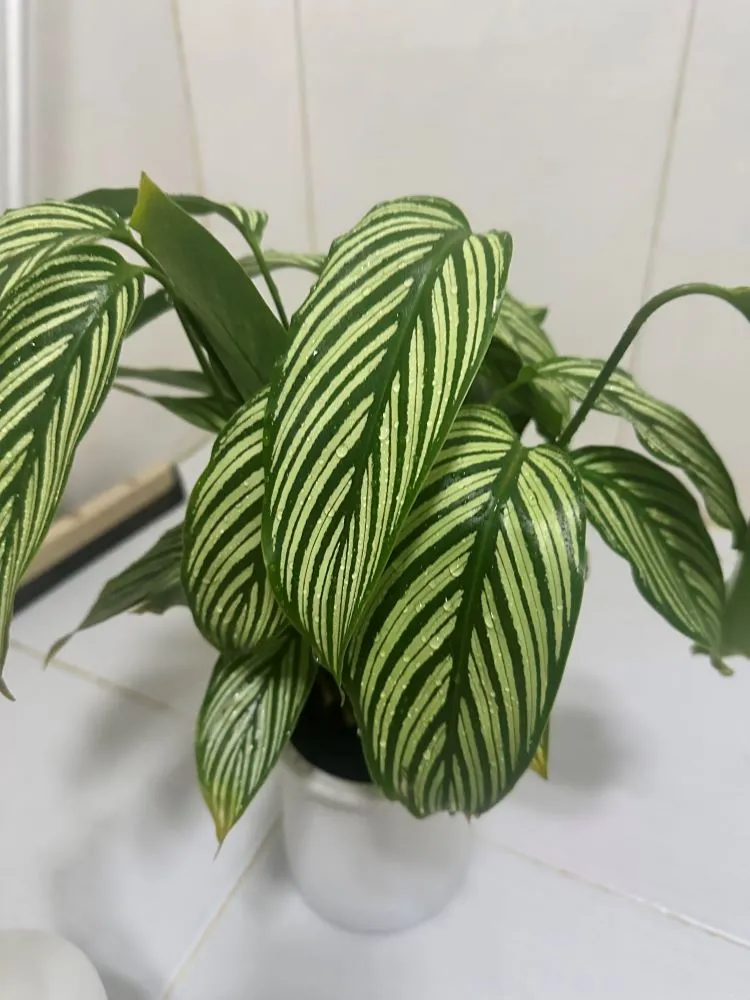
One of the hardest parts of winter calathea care is that stress can look dramatic even when the plant is not actually in a true decline. A few curled leaves, some dry edges, and slower growth can make people assume the plant is dying, when in reality it may just be reacting to a slower, less comfortable season. That is why I try to separate “winter stress” from signs of a deeper problem before I start making big changes.
More often, seasonal stress looks like this:
- slightly curled leaves rather than fully collapsed foliage
- slower growth or stalled unfurling
- a few dry edges, especially on older leaves
- older foliage looking rough while the center of the plant still feels stable
- new leaves arriving slowly, but still appearing
That kind of plant may not look great, but it is not necessarily heading toward failure. In many cases, it is simply moving through winter at a slower pace and carrying visible damage from earlier stress.
A deeper problem usually looks different. I become much more concerned when I see things like:
- soil that stays wet and cold for too long
- yellow leaves continuing to increase instead of leveling off
- softness near the base of the stems
- petioles that flop over instead of just holding curled leaves upright
- dark or black spots that keep spreading
- roots that smell sour, swampy, or clearly unhealthy
Those signs suggest that something more serious may be going on below the surface, especially if the plant is also losing firmness overall. In that situation, I would think beyond simple winter slowdown and start checking for root issues, worsening yellowing patterns, or spreading leaf damage rather than assuming humidity alone is the answer.
For me, this distinction helps reduce panic. A calathea can look stressed and still recover well once the season shifts or the setup improves. The key question is not whether it looks perfect right now. The key question is whether it is stabilizing, or whether the damage is still actively spreading.
My Take on Winter Calathea Care
The biggest shift for me was realizing that winter calathea care is less about “adding enough humidity” and more about reading the plant in a slower season. Once I stopped treating humidity as the full answer, winter problems started making much more sense.
A calathea that looks worse in winter is not always telling you the air is too dry. Sometimes it is telling you the roots are cold, the soil is staying wet too long, or the plant simply does not have enough light to use what you are giving it.
At this point, I no longer expect my calathea to look as lively in January as it does in late spring. I look for stability instead. If your plant is still steadily getting worse rather than stabilizing, that is the point when I would stop treating it as normal winter stress and start troubleshooting it more directly.
Still troubleshooting winter stress?
- Calathea Seasonal Watering: Winter vs Summer
- Cold Damage in Calathea
- Root Rot Symptoms in Calathea
- Calathea Light Requirements
FAQ
Still worried about your plant?
👉 For more tips on keeping your plant healthy, explore our Complete Calathea Care Guide.
Explore All Problems →