The first time I repotted my Calathea, I thought I had done everything right — fresh soil, a slightly larger pot, gentle handling. Within a day, the leaves drooped and the whole plant looked worse than before.
If your Calathea starts collapsing, curling and drooping, or stalls completely after repotting, it doesn’t automatically mean you’ve ruined it. Some stress is normal. The real question is whether the plant is stabilizing — or quietly getting worse.
Why Repotting Can Stress a Calathea
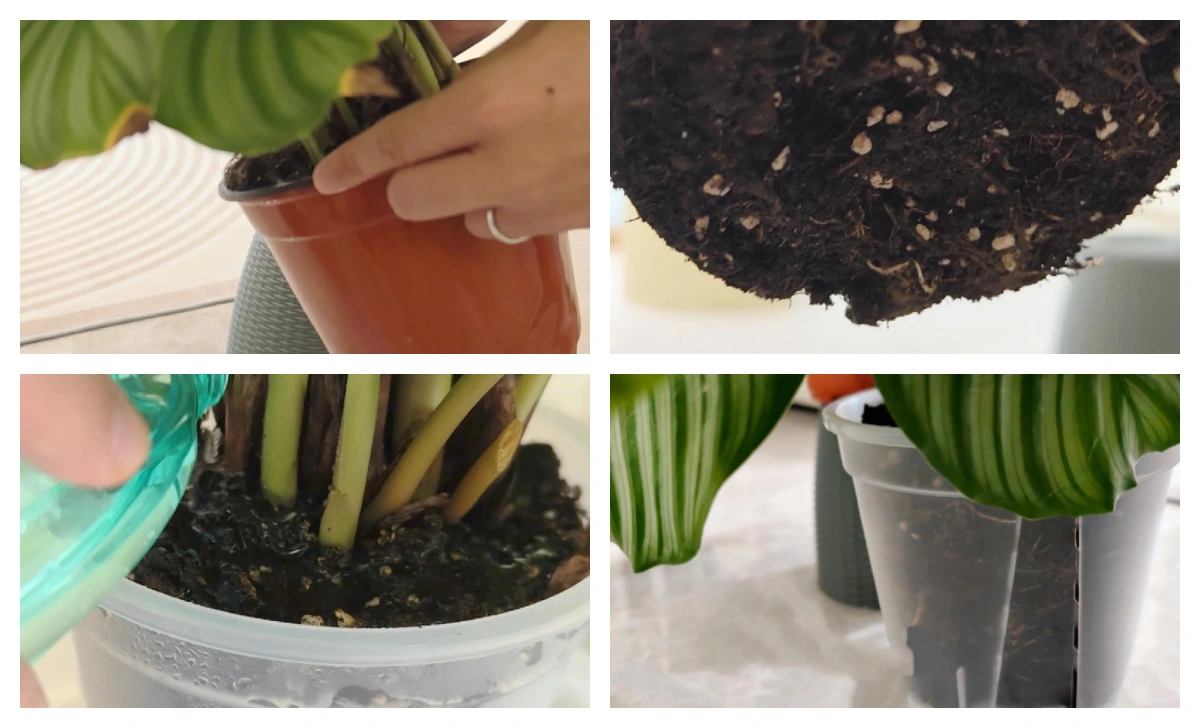
Repotting may look gentle from the outside, but underground it’s a major disruption. Calatheas rely heavily on fine root hairs — the tiny, almost invisible threads that actually absorb water. When you loosen soil, trim roots, or even just slide the plant out of its pot, many of those delicate root hairs are damaged. The plant temporarily loses part of its ability to take up moisture.
That’s why leaves often droop even when the soil is fresh and evenly moist. It’s not always a watering issue — it’s a reduced absorption issue. The roots need time to rebuild those fine structures before the leaves can fully rehydrate.
New soil also changes the oxygen balance around the roots. Fresh mix may hold more moisture at first, especially if it hasn’t fully settled. In a larger pot, the lower layers can stay damp longer than expected. For a plant like Calathea, which prefers lightly moist but well-aerated conditions, that shift alone can slow recovery.
In short, repotting stress is usually a combination of root disturbance, temporary water imbalance, and soil adjustment. The plant isn’t failing — it’s recalibrating.
If the problem started after changing both the soil and the pot, I would look at them together. I have a separate guide to store-bought soil for Calathea if you want an easier mix, and a guide to the best pots for Calathea if you are unsure whether your pot is holding too much moisture.
Case Study – Two Very Different Repotting Outcomes
To show how unpredictable repotting stress can be, I’ll share two experiences with the same Calathea ‘Freddie’. Same plant, different timing, very different results.
First Repot – When Things Got Worse
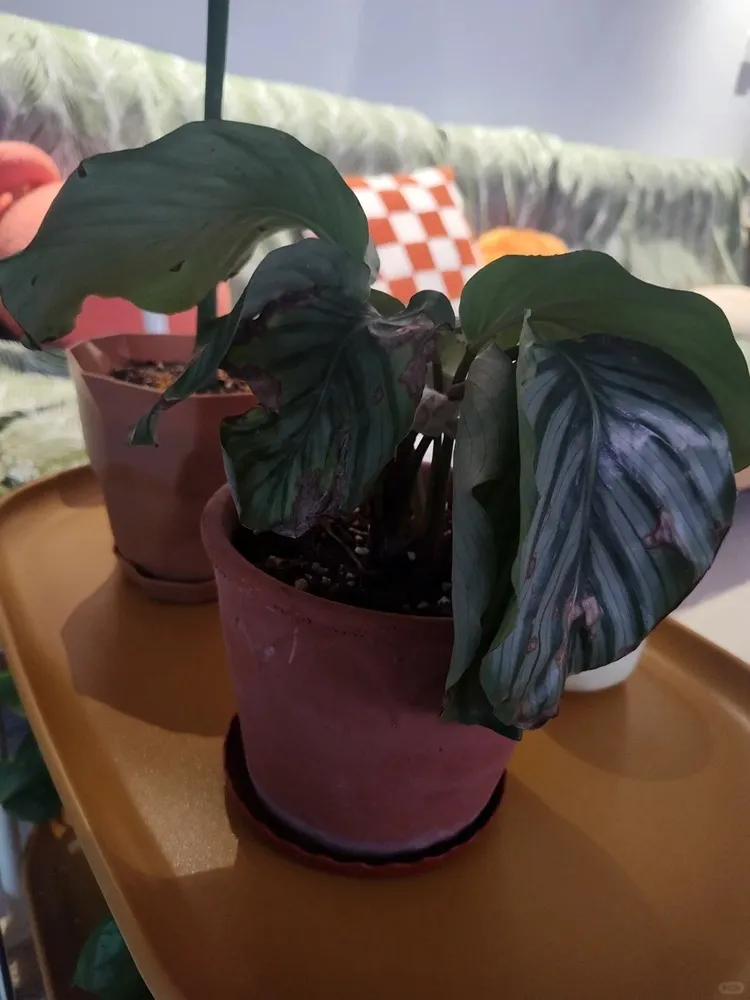
About two years ago, the plant had clearly slowed down. No new leaves, overall weaker growth. I assumed it needed fresh soil and more space, so I decided to repot.
When I removed it from the pot, I found a small rotting tuber. I trimmed that section off, cleaned the roots, soaked them briefly in a fungicide solution, and let the plant dry in a shaded, ventilated area for a day. The next day, I moved it into a ceramic pot with new soil.
Within 24 hours, every leaf collapsed. By day eight, one leaf lifted slightly, but overall the plant looked stalled. Around day twenty, it was actually worse — the soil was still moist, yet the leaves drooped more each day.
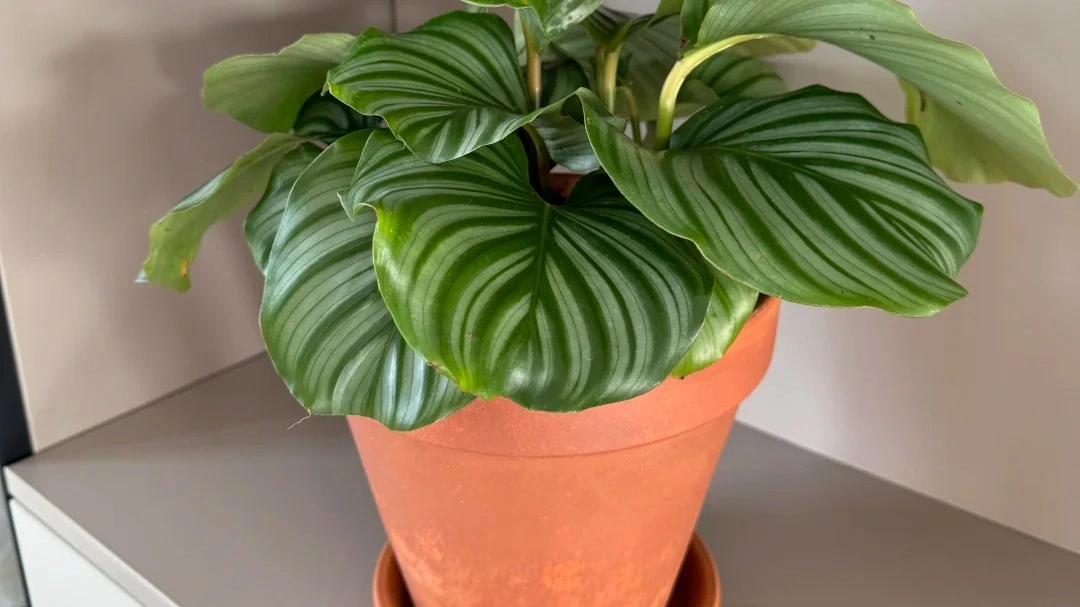
This is why I pay more attention to pot type now. A pot can look fine from the outside, but still change how long the lower soil stays wet. I explain the difference between self-watering pots, terracotta pots, and orchid pots with holes in my Calathea pot guide.
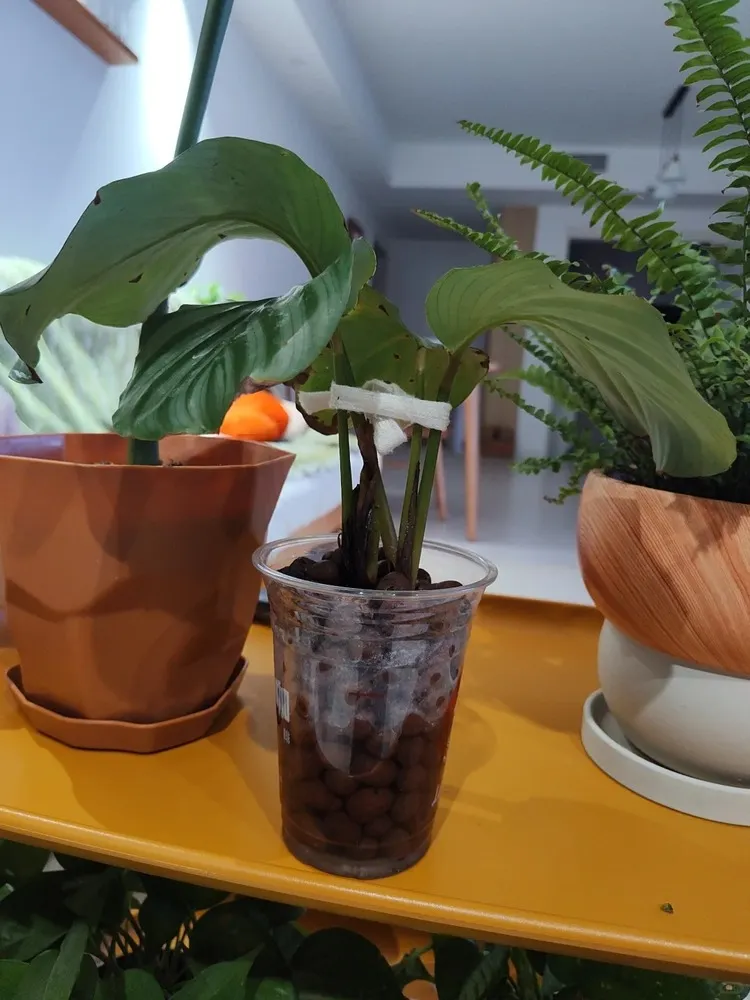
At that point, I pulled it out again, removed three severely stressed leaves, and switched it to semi-hydro. I also follow a simple rule for pruning during recovery: keep as much green tissue as possible. The change wasn’t dramatic overnight, but by the evening it looked slightly more upright — enough to tell me the roots were finally getting more oxygen.
Looking back, I realized the combination of root pruning, disinfecting, drying, and moving into a moisture-retentive ceramic setup created too much stress at once. The plant wasn’t just “adjusting.” It was struggling to re-establish functional roots.
Second Repot – Temporary Drooping, Then Recovery
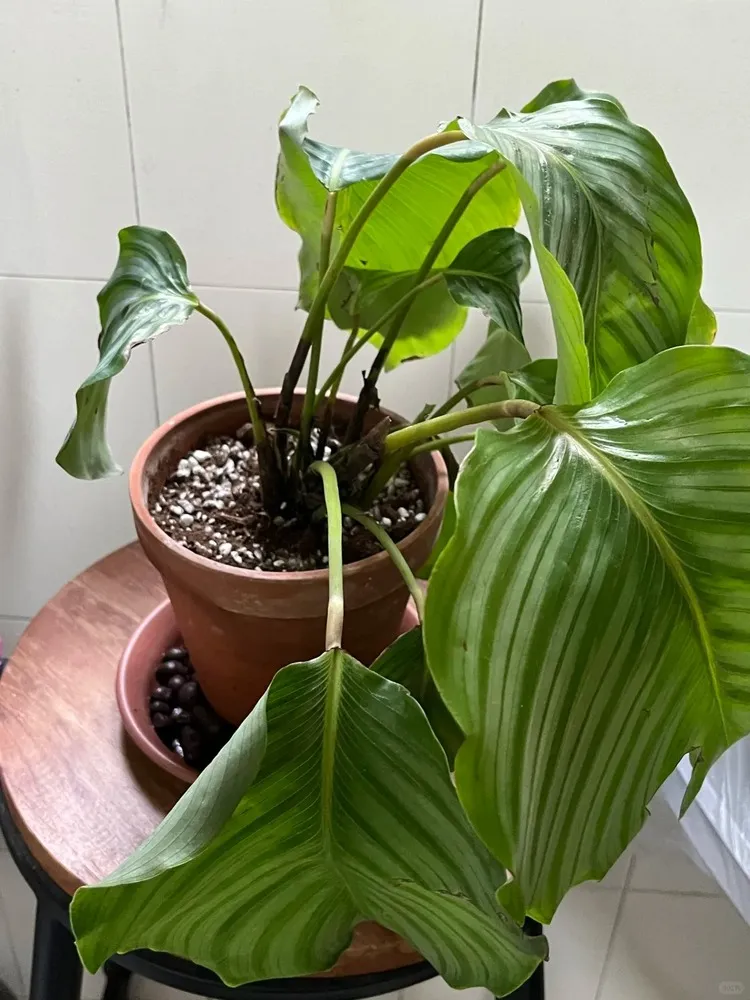
About a year later, the same plant had grown much larger and genuinely needed a bigger pot. This time, I didn’t prune the roots. I simply loosened the root ball gently and transferred it into fresh aroid mix. If you want to use a ready-made mix instead of blending everything yourself, I explain what I would buy and amend in my guide to store-bought soil for Calathea.
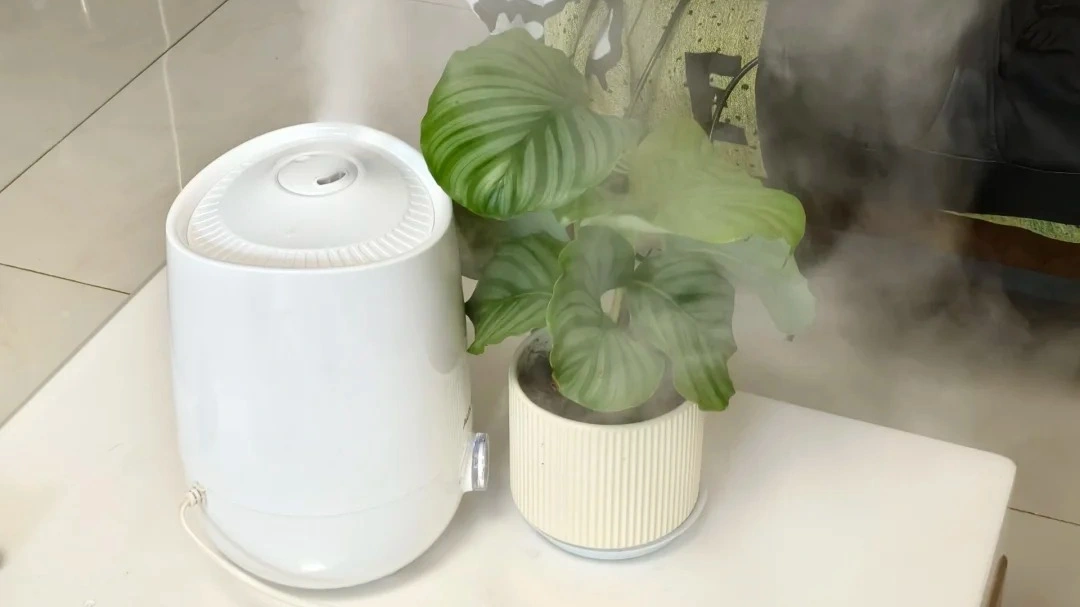
Within the first week, the leaves became soft and droopy again. But this time, the soil was draining well, and there was no sign of rot. Instead of intervening immediately, I kept watering lightly when the top layer dried, avoided direct sun, and increased ambient humidity slightly. If you are not sure whether extra humidity is actually needed, I also have a guide on whether Calatheas need a humidifier.
Around day ten, I gave it a thorough watering and moved it to a more humid spot in the house. By the next morning, the leaves were noticeably firmer. Within a few days, the plant had clearly stabilized.
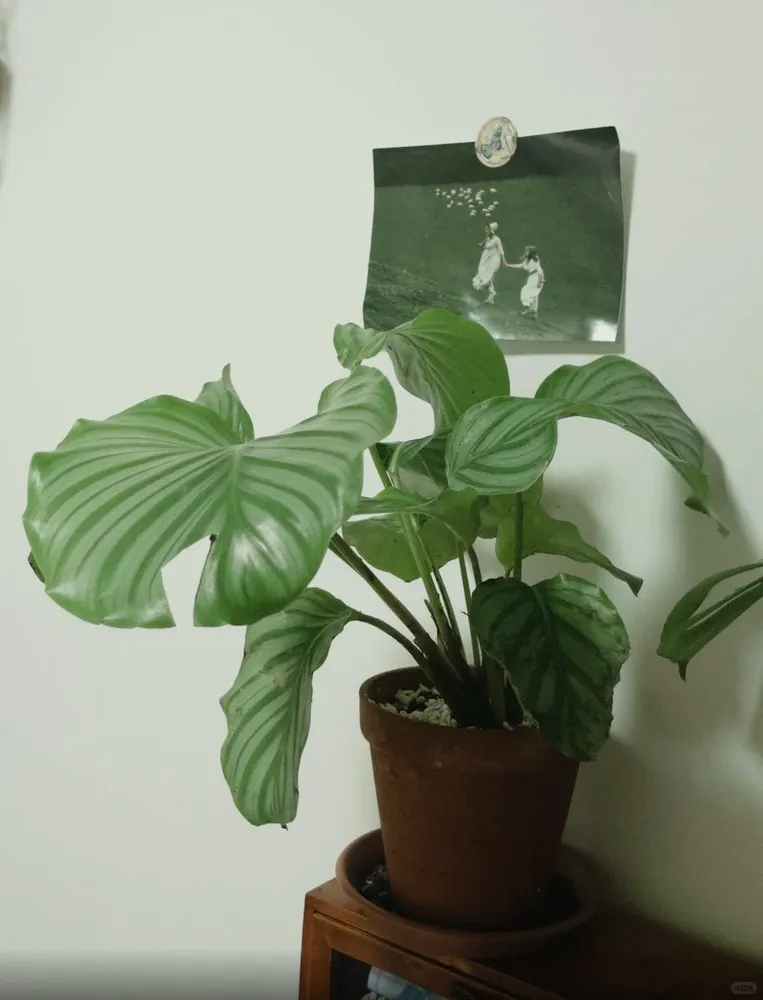
The difference? The root system was intact. There was no heavy pruning, no extra disinfection step, and no drastic shift in moisture retention. The drooping was temporary — a short recalibration rather than a collapse.
Same plant. Same species.
In the first case, recovery required intervention.
In the second, it required patience.
That contrast is exactly why understanding repotting stress matters.
What’s Normal vs What’s Not
After repotting, the hardest part isn’t the drooping — it’s deciding whether to wait or intervene. Here’s a simple way to separate normal adjustment from real trouble.
✅ Normal (Give It Time)
- Drooping for 3–7 days
Leaves may look soft or tired while the roots re-establish water uptake. - Paused growth
It’s common for a Calathea to stop pushing new leaves for a couple of weeks. - Slight edge curling
Mild curling without spreading damage usually reflects temporary water imbalance.
If the plant looks stable — not improving quickly, but not getting worse — patience is usually the right move.
⚠️ Not Normal (Consider Intervention)
- Worsening after 10 days
If drooping intensifies instead of stabilizing, something deeper may be wrong. - Soil is moist but leaves keep collapsing
This can signal root oxygen issues rather than thirst. - Blackened or translucent patches
Soft, dark areas often indicate tissue damage, not simple stress. - Unpleasant smell from the soil
A sour or rotten odor suggests root problems developing below the surface.
The key difference is direction: normal shock levels off. Serious issues continue to decline.
What I Do Differently Now
After going through both experiences with the same plant, I’ve changed how I approach repotting Calatheas. Here’s what I do differently now:
- I avoid root pruning unless absolutely necessary.
If the roots are healthy, I disturb them as little as possible. Fine root hairs are easy to damage, and recovery takes time. - I repot during active growth, not in cold or low-light periods.
Recovery is much faster in spring or early summer when the plant is already pushing new leaves. - I’m cautious with ceramic pots.
I pay closer attention to how long the lower soil layers stay moist, especially in cooler months. If I am choosing a new pot, I compare the options in my guide to the best pots for Calathea. - I don’t panic in the first week.
Mild drooping for several days is normal. I watch for stabilization, not perfection. - I resist stacking interventions.
No immediate fertilizing, no repeated repotting, no drastic environment changes. One adjustment at a time. If I do feed later, I keep it light — I explain that timing in my guide to the best fertilizer for Calathea.
Repotting stress isn’t something I try to eliminate anymore — I just manage it more calmly and deliberately.
FAQ
What matters more than the number of days is the trend. If the plant looks slightly better or at least not worse over time, it’s usually normal adjustment. If it continues declining after 10 days, that’s when I start checking roots and soil conditions.
I usually check the soil first and water only when the top layer begins to dry — not just because the leaves look tired.
If the plant is stable, I leave it alone. I only reconsider pot size if symptoms keep worsening despite proper care.
I only prune leaves if they’re severely damaged, blackening, or clearly not recovering. In most cases, time and stability do more than cutting.
Still worried about your plant?
👉 For more tips on keeping your plant healthy, explore our Complete Calathea Care Guide.
Explore All Problems →