Last updated: April 26, 2026
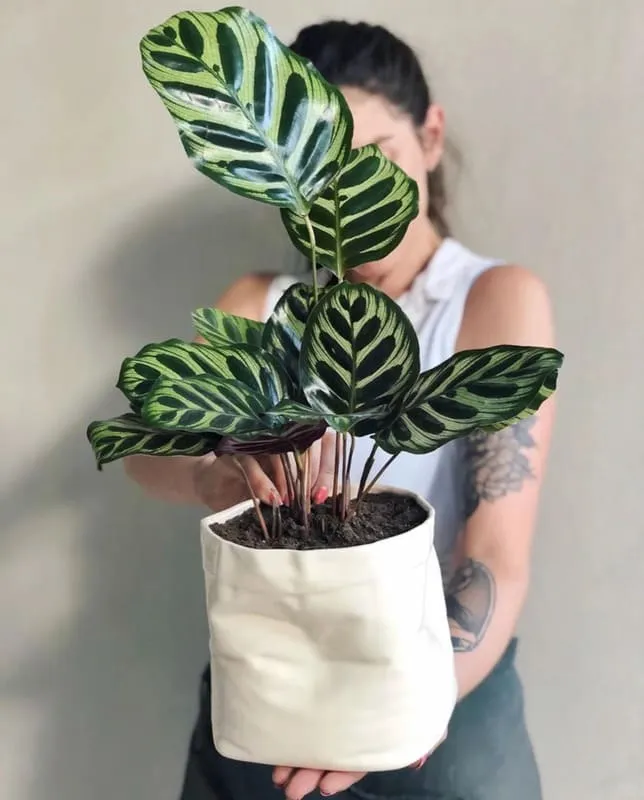
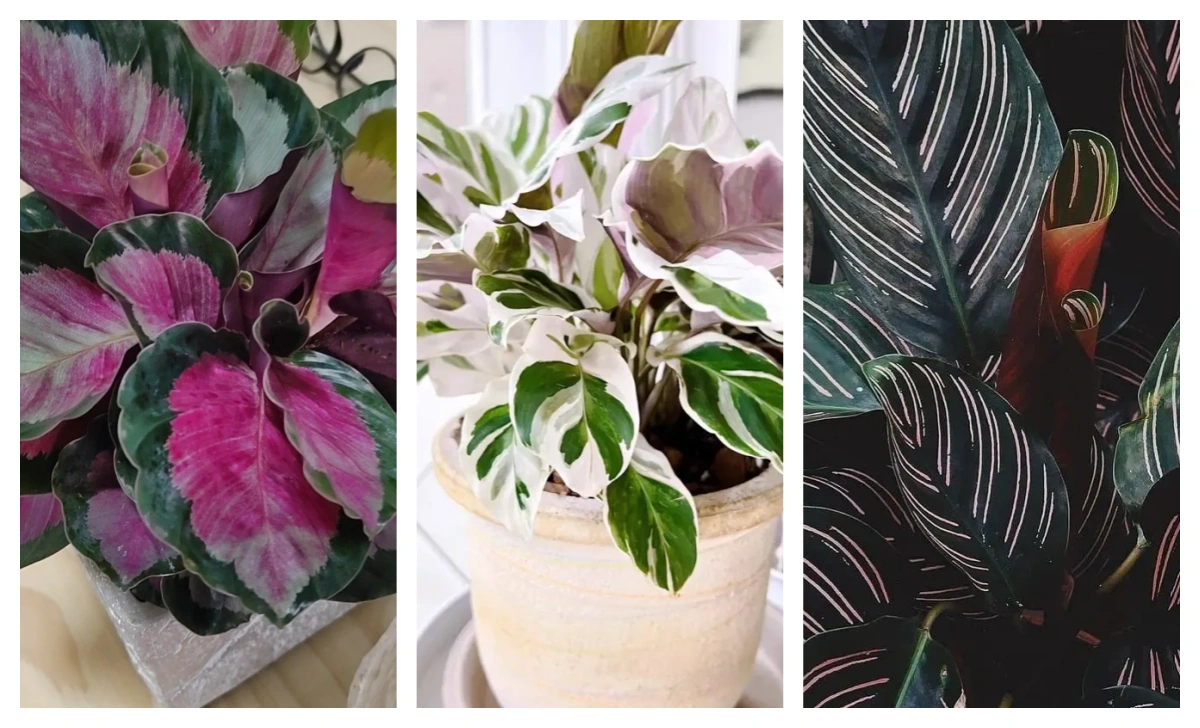
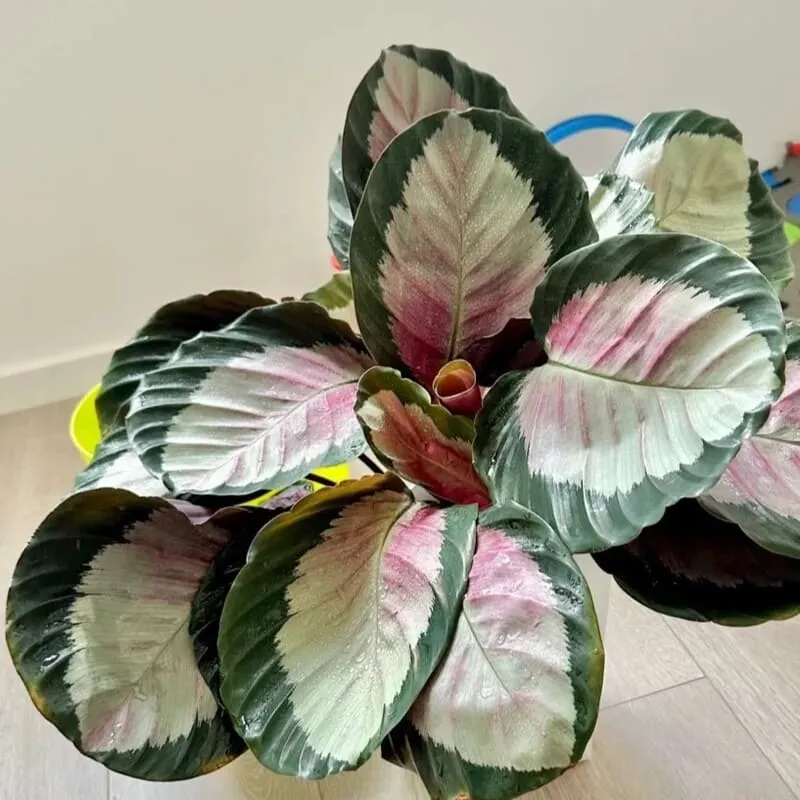
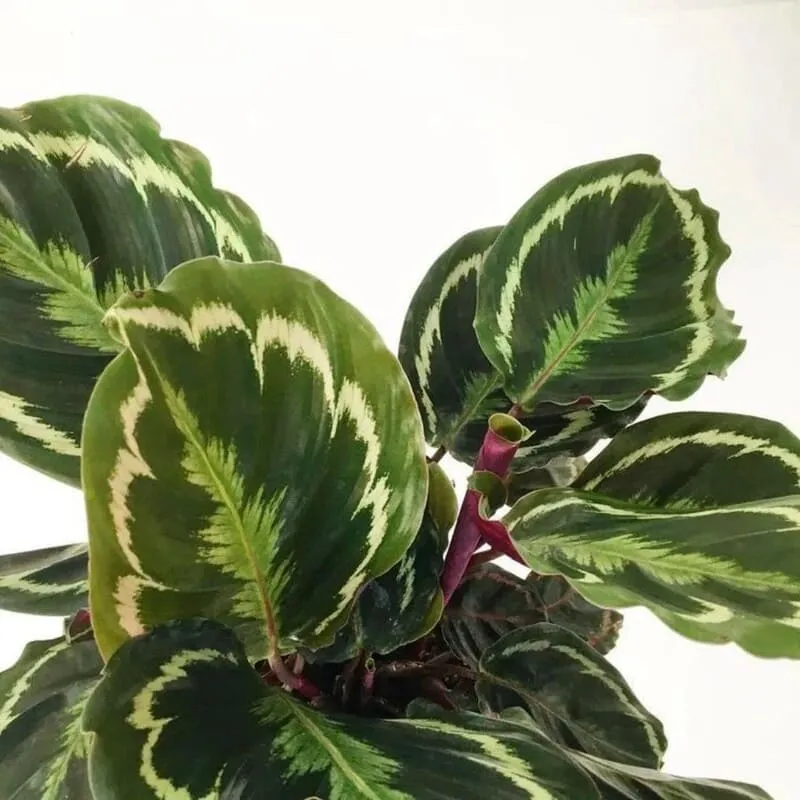
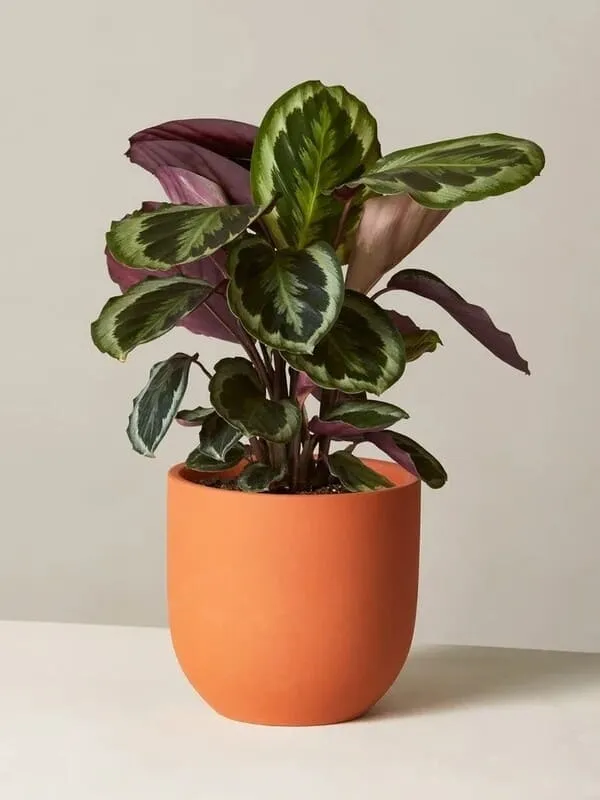
Calathea roseopicta care is mostly about keeping one thing stable: the environment around those painted leaves. This plant, often sold as the Rose Painted Calathea, is known for its rounded leaves, pale green or pinkish markings, and burgundy undersides. The common Medallion-type form is usually what many growers picture first — dark green outer bands, feathered lighter markings, and leaves that look almost brushed by hand.
In my experience, Calathea roseopicta is not the hardest Calathea to grow indoors, but it is not a plant I would treat casually either. It reacts quickly when the air gets too dry, the light is too harsh, or the soil stays wet for too long. The most common signs are fading patterns, crispy brown edges, curling leaves, and yellowing lower leaves.
This guide focuses on the common Rose Painted / Medallion-type Calathea roseopicta and the care routine that keeps it looking good indoors: bright but filtered light, steady humidity, gentle watering, and a potting mix that stays moist without becoming heavy or soggy.
Quick Answer: Is Calathea Roseopicta Hard to Care For?
Calathea roseopicta is moderately difficult, but not impossible indoors. The plant does best in bright indirect light, warm temperatures, high humidity, and evenly moist soil. The biggest mistakes are letting the air get too dry, placing it in direct sun, using harsh tap water, or keeping the pot soggy for too long.
If the pink pattern fades, check light first. If the leaf edges turn brown, check humidity and water quality. If lower leaves yellow while the pot stays wet, check the roots and drainage.
Quick Facts: Calathea Roseopicta
| Botanical Name | Goeppertia roseopicta, commonly sold as Calathea roseopicta |
|---|---|
| Common Name | Rose Painted Calathea |
| Plant Type | Tropical evergreen perennial, foliage houseplant |
| Mature Size | 18–24 in (45–60 cm) tall |
| Light Needs | Bright, indirect light; tolerates medium shade |
| Watering | Keep soil evenly moist but not soggy |
| Humidity | Prefers 60–75%; thrives in warm, humid rooms |
| Pet Safety | Non-toxic to cats & dogs — safe for pet households |
| Difficulty | ★★★★☆ (Moderate care level) |
| Special Note | Known for pink-painted leaf patterns and purple undersides Best For Growers who can provide stable humidity, filtered light, and careful watering |
💡 Tip: Calathea roseopicta includes many popular varieties like ‘Dottie,’ ‘Rosy,’ and ‘Medallion’, each showing unique blends of green, pink, and burgundy — all equally captivating under soft indoor light.
Appearance & Key Features
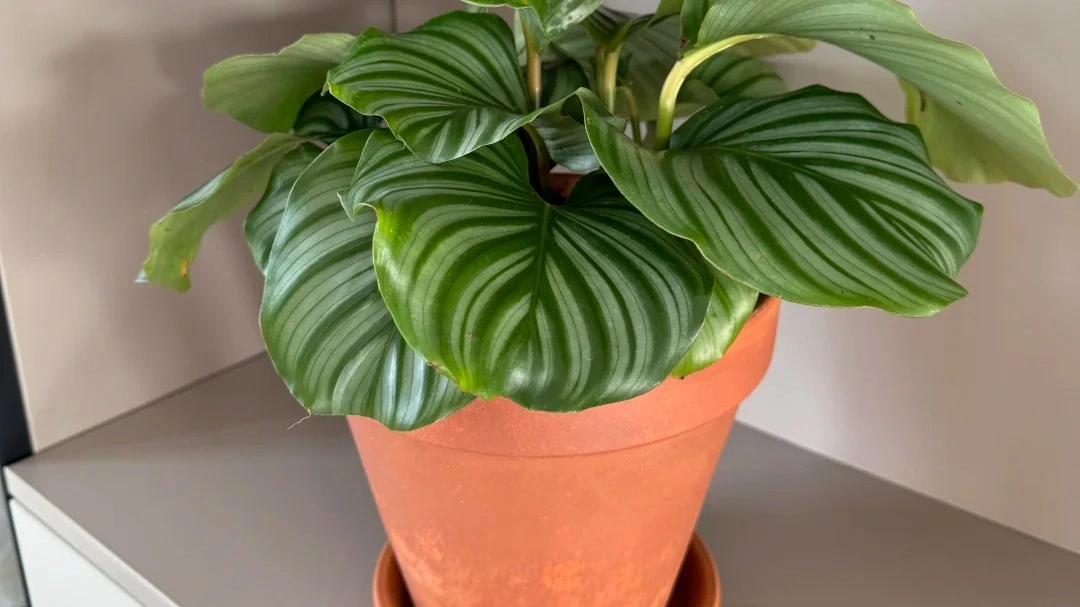
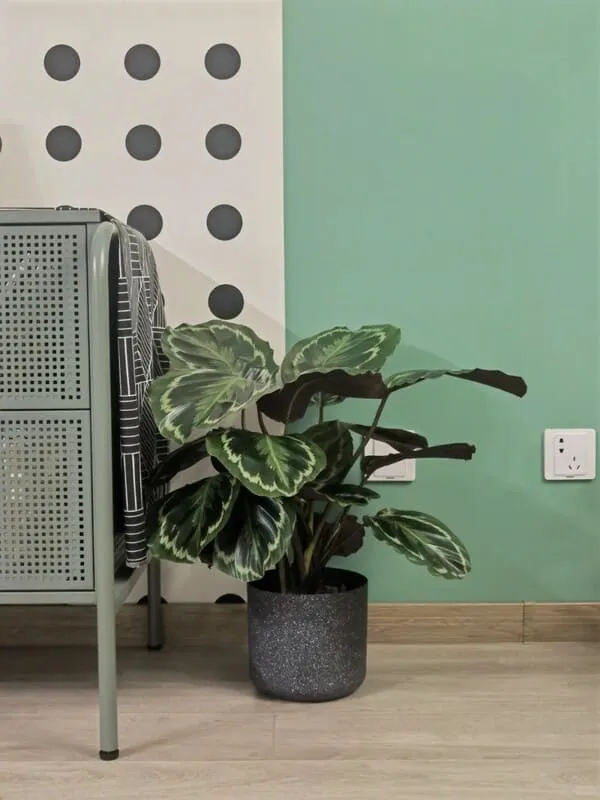
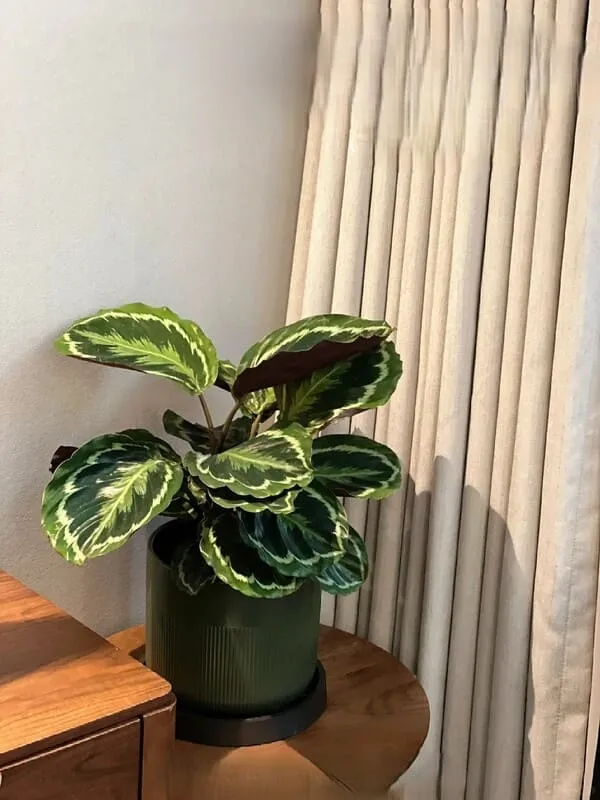
The common Roseopicta / Medallion-type plant has rounded leaves with a painted look: deep green outer bands, lighter feathered markings near the center, and burgundy-purple undersides. The leaf pattern can look different depending on the cultivar, but the overall effect is soft, layered, and ornamental.
Compared with striped Calatheas like Calathea zebrina, Roseopicta looks rounder and more polished. Its leaves usually feel smoother and more satiny, with color patterns that can fade or sharpen depending on light and humidity.
New leaves often open lighter and deepen in color as they mature. If new leaves keep opening small, dull, or washed out, I would check light and humidity before assuming the plant needs more fertilizer.
What I Watch Most Closely on Roseopicta
With Calathea roseopicta, I do not judge the plant by one imperfect leaf. I watch the pattern over several days. One older leaf fading is normal. But if the painted pattern becomes dull, several edges crisp at the same time, or new leaves open smaller and paler than before, something in the environment is usually off.
The first thing I check is light. Roseopicta needs enough brightness to keep its color, but direct sun can bleach the leaf pattern. The second thing I check is humidity, especially in winter or near heating vents. The third is the pot: if the soil stays wet too long, yellowing lower leaves usually follow.
That is why I treat Roseopicta as a stability plant. It does not need constant changes. It needs one calm spot that stays warm, softly bright, and humid enough that the leaves do not fight dry air every day.
Growth & Environment Requirements
Native to the humid rainforests of Brazil, Calathea roseopicta thrives in a world of soft, filtered light and constant warmth. To recreate those conditions indoors, think of a calm, stable environment — one where light is gentle, the air feels moist, and the soil never completely dries out. Sudden temperature shifts or cold drafts can cause leaves to curl or lose their pink coloring, so stability is key.
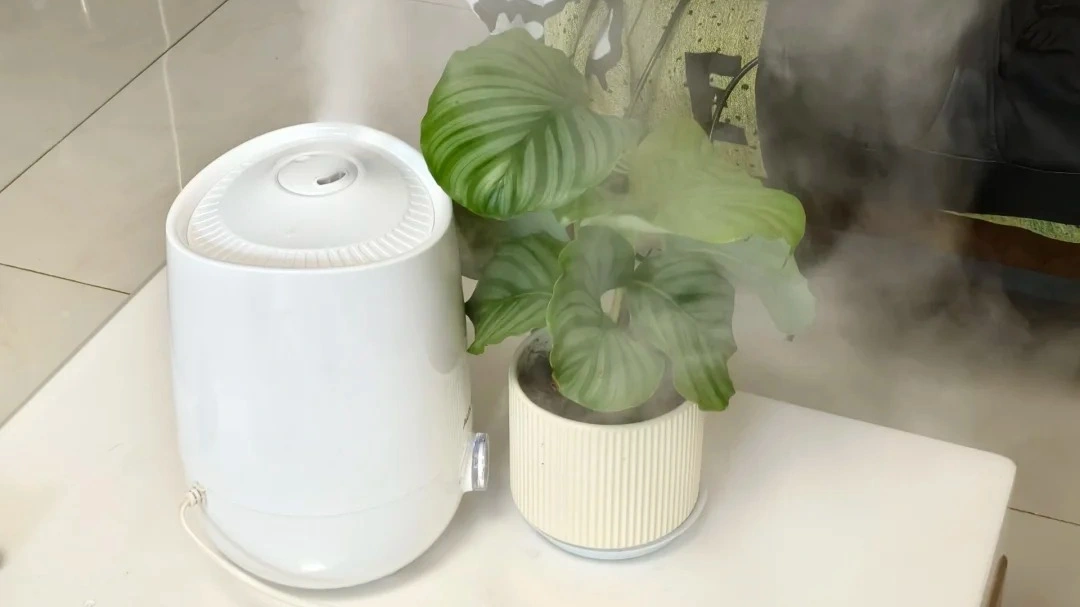
This species grows moderately — not fast, but reliably — producing one or two new leaves at a time. It does best when treated like a shade-loving tropical: bright but indirect light, warm air, and consistent humidity. A small humidifier or grouping with other Calatheas often makes all the difference in leaf quality and color vibrancy.
Here’s what your Rose Painted Calathea needs most:
- Growth speed: Moderate; produces steady new leaves through spring and summer.
- Temperature: Prefers 65–80°F (18–27°C). Avoid temperatures below 60°F (15°C).
- Humidity: Keep between 60–75%; higher humidity deepens the pink coloration.
- Light: Bright, indirect light is ideal. Direct sun fades the pink patterns and burns the leaf edges.
- Airflow: Gentle air circulation prevents fungal issues, but avoid strong drafts or air conditioners.
- Stability: Once the plant adjusts to a location, avoid moving it frequently — it resents environmental change.
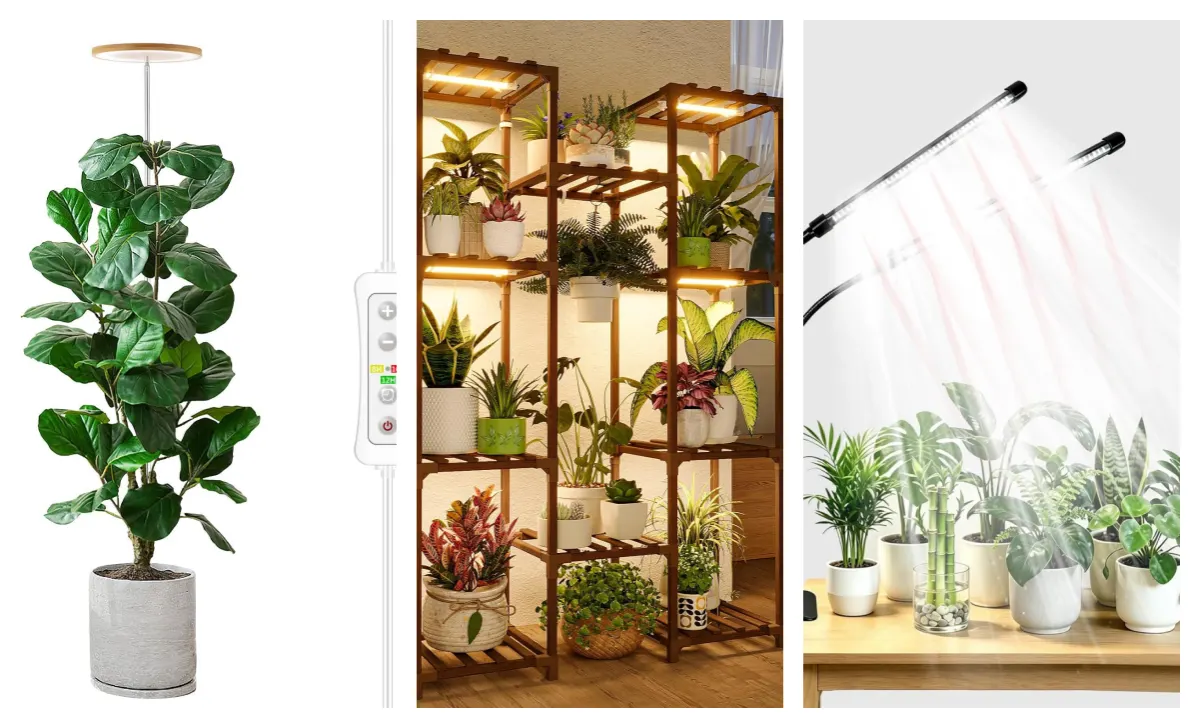
💡 Tip: A north-facing window or a few feet away from an east-facing one is perfect. In low winter light, you can supplement with a soft grow light to maintain its vivid color.
Calathea Roseopicta Care Requirements
Caring for Calathea roseopicta is all about maintaining consistency — in moisture, light, and air. When treated gently, it rewards you with vivid pink patterns and lush, velvety leaves that look freshly painted year-round.
Watering
For Calathea roseopicta, I aim for even moisture, not constant wetness. Let the top 1 inch (2–3 cm) of soil begin to dry before watering again. If the pot still feels heavy, I wait. This plant dislikes drying out completely, but it also reacts badly when the root zone stays soggy for too long.
Water quality matters too. Filtered water, rainwater, or rested low-mineral tap water is safer than harsh tap water, especially if your plant often gets brown edges. If you are unsure whether the issue is water quality or watering frequency, start by checking how long the pot takes to dry.
👉 More on timing and water quality: Calathea Watering Guide.
Light
Bright indirect light is the sweet spot for Calathea roseopicta. Too much direct sun can bleach the painted pattern, while too little light can make the leaves look dull and slow down new growth. I would avoid strong afternoon sun, especially on a windowsill.
An east-facing window, a north-facing window, or a position a few feet back from stronger light usually works best. If the pink or pale markings start looking washed out, I check light before changing fertilizer.
👉 Learn how light affects leaf color in the Calathea Light Requirements Guide.
Soil
Use a loose, well-draining mix that retains moisture but avoids compaction. A reliable formula:
- 2 parts coco coir or peat moss
- 1 part perlite
- 1 part compost or worm castings
This keeps the roots oxygenated and prevents waterlogging.
👉 See detailed mixes in Best Soil for Calathea.
Fertilizer
Feed every 3–4 weeks during spring and summer with a diluted balanced liquid fertilizer (half strength). Overfertilizing can lead to salt buildup and leaf burn. Wipe the leaves occasionally with a damp cloth to remove dust and residue.
👉 Explore more feeding tips in Calathea Fertilizer Guide.
Humidity
Calathea roseopicta looks best when humidity stays stable, ideally around 60% or higher. Dry air often shows up as crispy edges, curled leaves, or a duller leaf surface. In winter, heating can dry the air even when the room feels warm enough.
I would use a small humidifier before misting heavily every day. Misting can give a short boost, but stable room humidity is more useful than wet leaves sitting for hours.
👉 Check practical methods in Calathea Humidity Guide.
💡 Tip: The more consistent your care routine, the more vivid the pink tones become. Think of this plant as a humidity-loving guest that thrives on calm and predictability.
Why Are My Calathea Roseopicta Pink Patterns Fading?
Fading pink or painted patterns are one of the most common Calathea roseopicta problems. In my experience, the cause is usually light imbalance. Too much direct sun can bleach the rosy markings, while very low light can make the whole leaf look dull and muddy over time.
The best position is bright but filtered light. I would keep the plant close enough to a window that it still receives steady brightness, but not so close that afternoon sun touches the leaf surface directly. If the pink starts turning beige or washed out, I move the plant slightly farther from the window before changing fertilizer or soil.
Humidity also matters. In dry air, the leaves often lose their clean sheen and the colors look flatter. That does not always mean the plant needs more food. Often it needs a more stable, humid microclimate.
Common Problems with Calathea Roseopicta
Most Calathea roseopicta problems show up in the leaves before the whole plant collapses. The important part is reading the pattern correctly. A faded pink center usually points to light. Crispy brown edges often point to dry air or water quality. Yellow lower leaves, especially with wet soil, point more toward root stress.
I would not treat every imperfect leaf as an emergency. Roseopicta naturally loses older leaves over time. What matters is whether the problem is spreading, whether new leaves are opening smaller or weaker, and whether the pot is drying at a normal pace.
Brown or Crispy Leaf Edges
Brown edges usually come from dry air, inconsistent watering, or harsh tap water. I would check humidity and water quality before changing fertilizer. If the air is dry from heating or AC, the edges may crisp even when the soil is still moist.
👉 For a deeper diagnosis, see the Calathea Crispy Leaves Guide.
Yellowing Lower Leaves
One old yellow leaf is not always a problem. But if several lower leaves yellow while the pot feels heavy or slow to dry, I would suspect overwatering, poor drainage, or early root stress.
👉 Compare the signs in the Yellow and Brown Leaves Guide or the Calathea Root Rot Symptoms guide.
Curling or Drooping Leaves
Curling or drooping can mean the plant is thirsty, but it can also come from dry air, cold stress, or roots sitting in wet soil. I check the pot first. If the soil is dry, I water. If the soil is already moist, I focus on humidity, warmth, and airflow instead.
👉 For a broader diagnosis, see the Calathea Curling & Drooping Guide.
Sudden Wilting After a Cold Night
Roseopicta is sensitive to cold drafts. A cold window, door draft, or sudden night temperature drop can make the leaves collapse or curl. If this happens, move the plant to a warmer stable spot and avoid watering heavily while it is stressed.
👉 See the Cold Damage in Calathea guide if the leaves collapsed after a cold night.
💡 Tip: Don’t panic if a few older leaves fade or crisp — it’s part of natural aging. Focus on supporting new growth with stable light, humidity, and clean water, and your Calathea will bounce back beautifully.
Propagation & Repotting
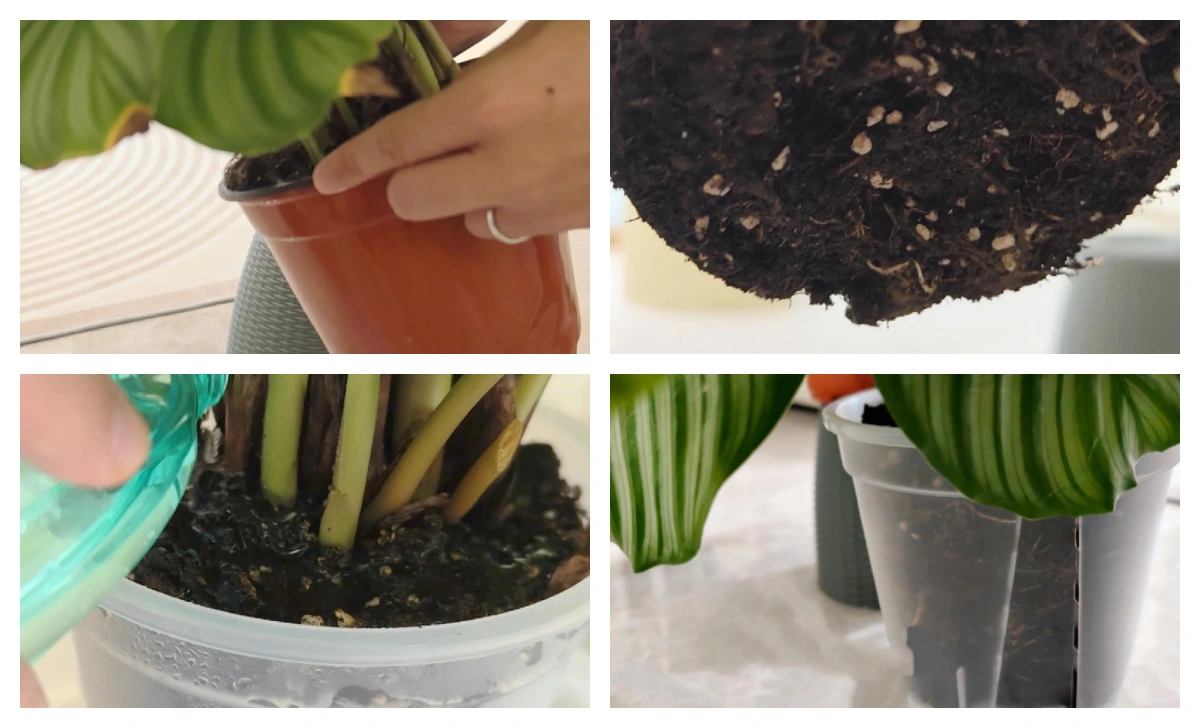
Calathea roseopicta propagates best through division, as it doesn’t root from leaf or stem cuttings. Spring to early summer — when the plant is actively growing — is the perfect time to divide, allowing new sections to establish quickly before cooler months arrive.
To divide, gently remove the plant from its pot and shake off excess soil. Separate the root clumps carefully with your fingers, ensuring each new section has at least 2–3 leaves and a healthy root system. Replant divisions into smaller pots with fresh, moist soil and keep them in a warm, humid, shaded spot for the first few weeks. Patience is key — growth may pause temporarily as the roots settle.
When it comes to repotting, Roseopicta enjoys slightly tight quarters. Move it into a pot only one size larger every 1–2 years or when roots begin circling the bottom. Use a well-draining potting mix and avoid heavy watering immediately after repotting.
💡 Tip: After dividing or repotting, resist fertilizing for 4–6 weeks. Allow your plant to focus on root recovery before encouraging new leaf growth.
👉 Step-by-step visuals available in the Calathea Propagation Guide.
Common Roseopicta Types and Trade Names
Calathea roseopicta is sold under several cultivar, hybrid, and trade names. Some, such as Medallion, Dottie, Rosy, Corona, and Princess Jessie, are widely recognized in the houseplant trade. Others are better treated as roseopicta-type hybrids or collector trade names rather than strictly confirmed botanical cultivars.
If you are not sure whether your plant is Roseopicta, Medallion, or another patterned Calathea, compare the leaf shape and markings in the Calathea identification chart.
| Name | What It Looks Like | Care Note |
|---|---|---|
| Medallion | Round green leaves with pale feathered rings and burgundy undersides. | Common Medallion-type care; avoid direct sun and dry air. |
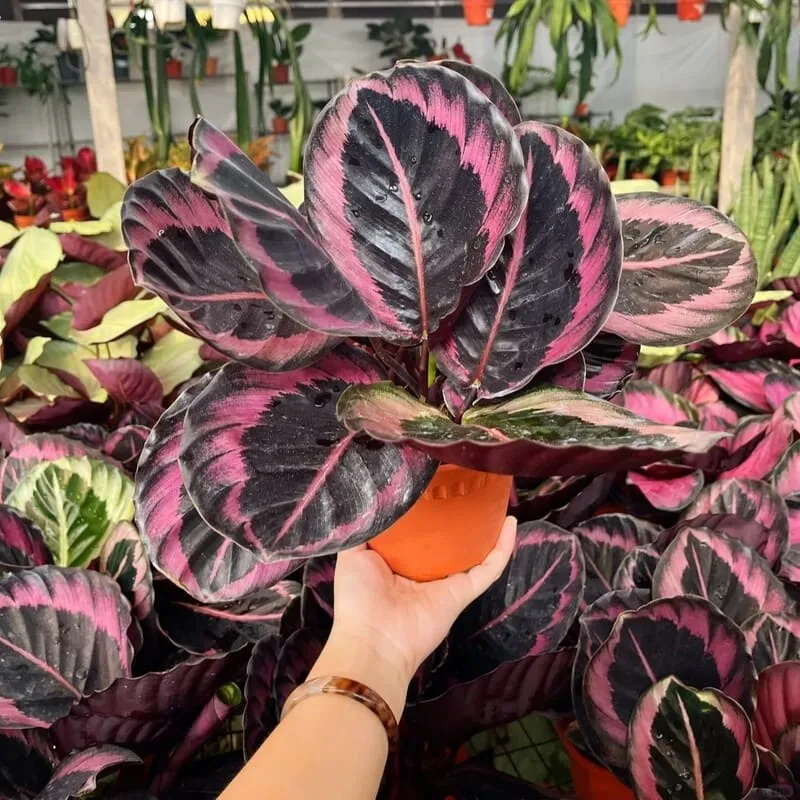
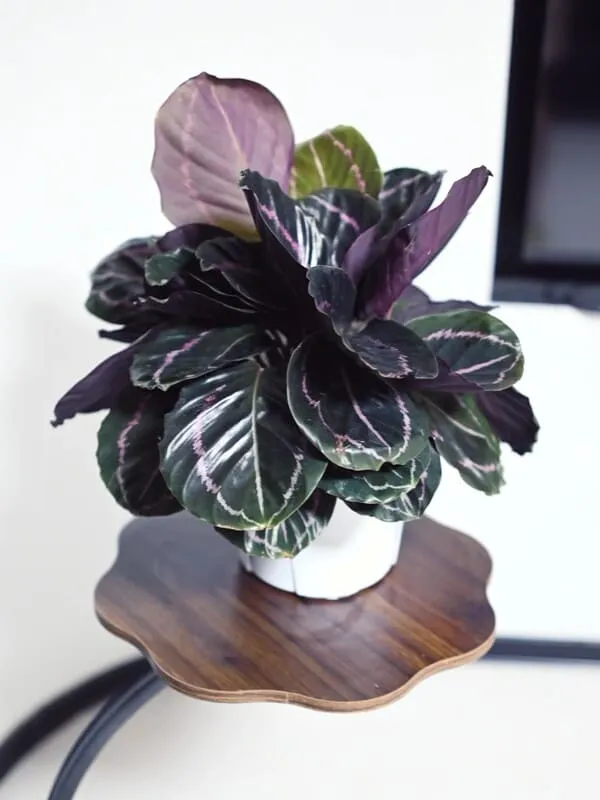
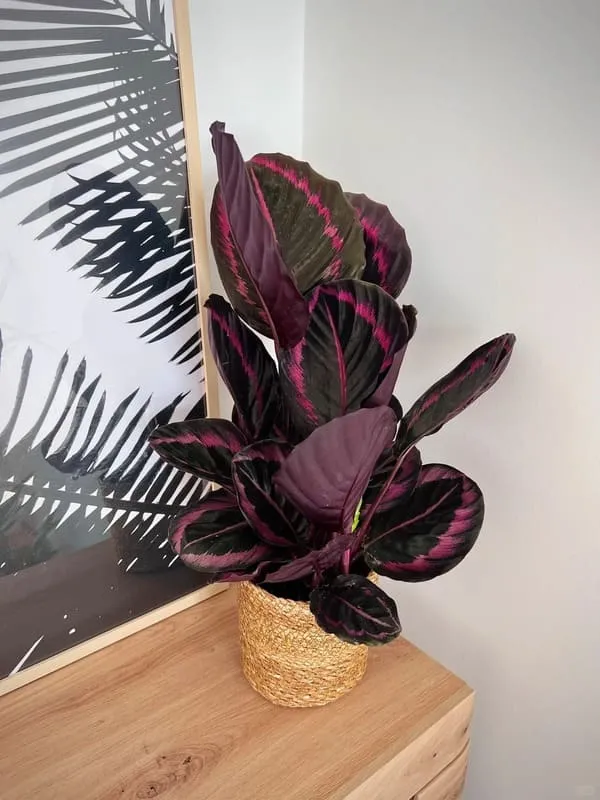
| Dottie | Very dark leaves with pink outlines. | Needs bright indirect light to keep contrast strong. |
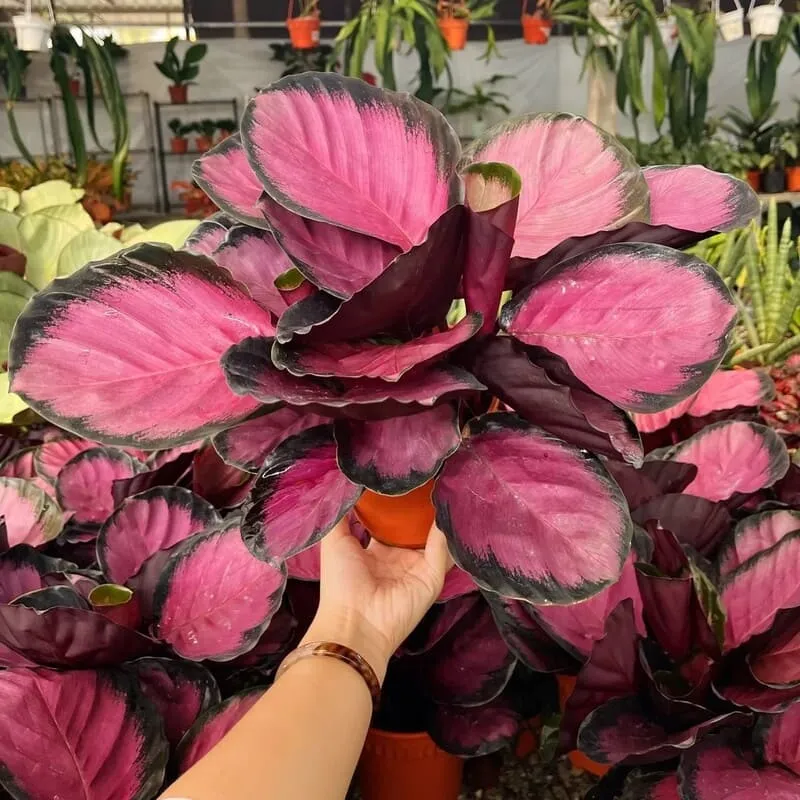
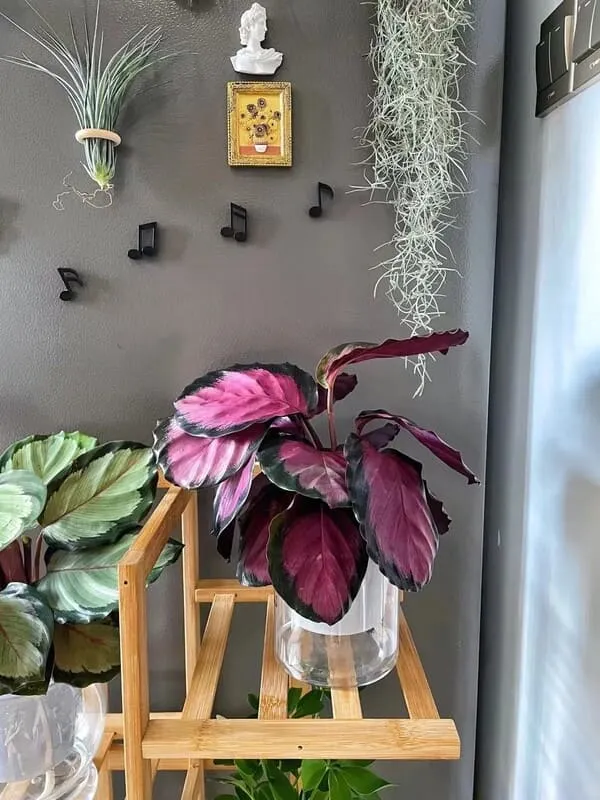
| Rosy | Pink-centered leaves with dark green margins. | Color can fade in harsh or weak light. |
| Corona | Silvery center with green border and soft pink tones. | Watch for brown edges in dry rooms. |
| Princess Jessie | Narrower leaves with delicate pink markings. | Keep conditions stable after moving or repotting. |
FAQ
👉 Read more in Calathea Light Requirements.
👉 See full advice in Calathea Watering Guide.
👉 Learn more fixes in Calathea Humidity Guide.
👉 Step-by-step tutorial in Calathea Propagation Guide.
👉 Full list in Calathea & Pets Safety Guide.
Explore More Calathea Varieties
If you like the painted look of Roseopicta but want to compare it with other patterned Calatheas, start with the full Calathea types guide. For visual ID, the Calathea identification chart may be more useful.
View Calathea Type Guides →