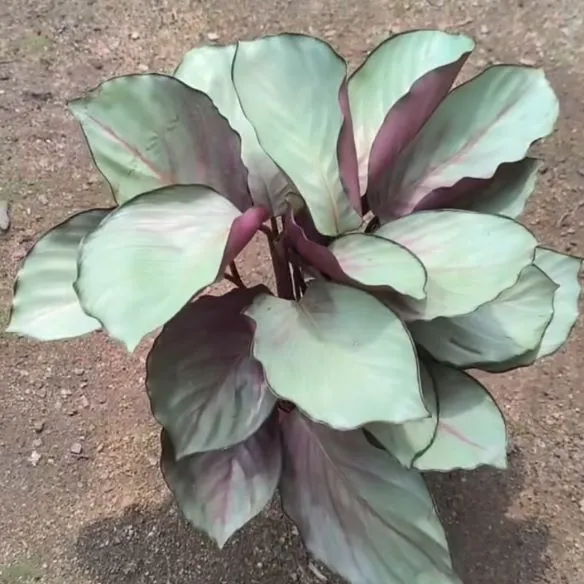
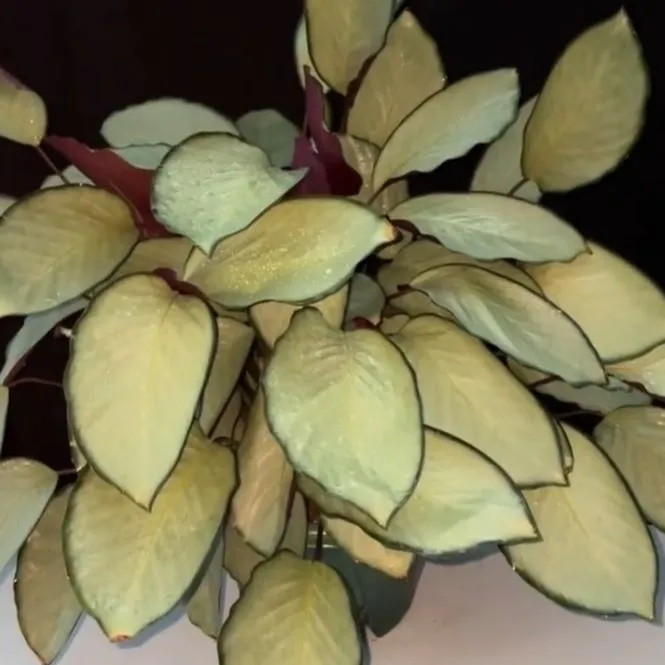
| Botanical Name | Goeppertia (Calathea) roseopicta ‘Silver Plate’ |
|---|---|
| Common Name | Calathea Silver Plate |
| Plant Type | Tropical perennial · Indoor foliage plant |
| Origin | Brazil rainforest understory (Roseopicta cultivar) |
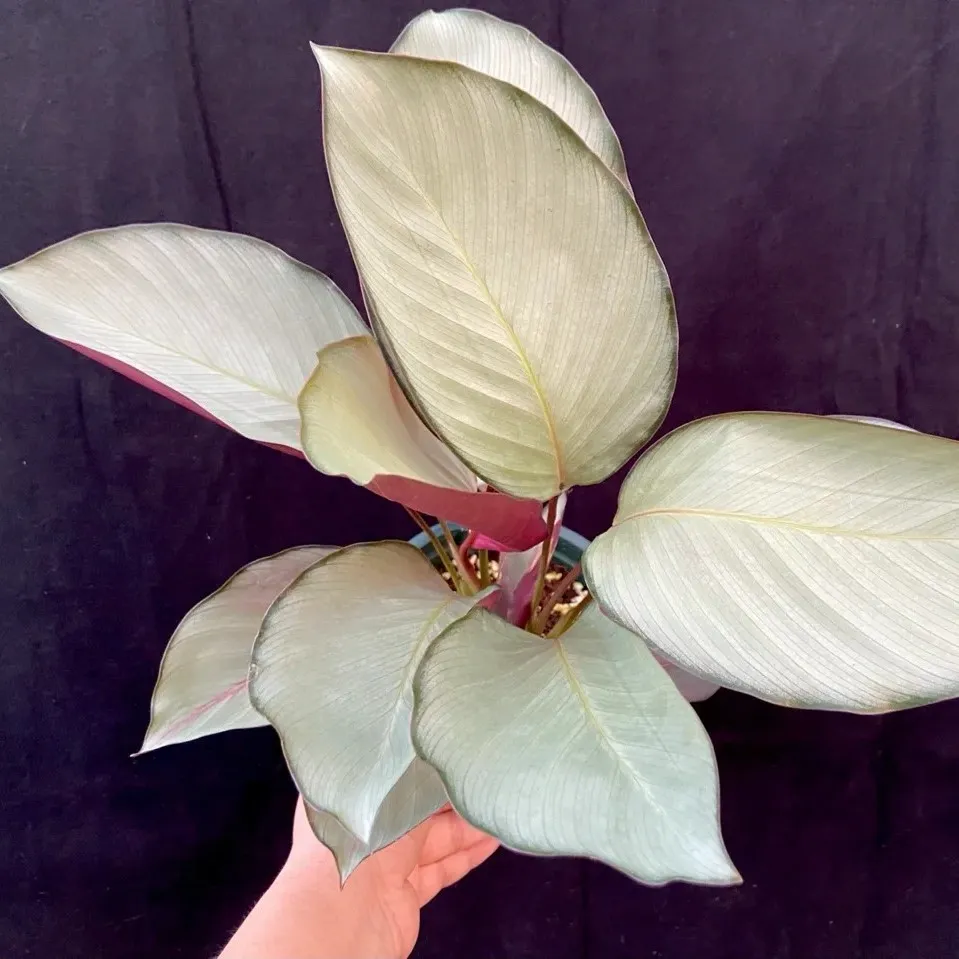
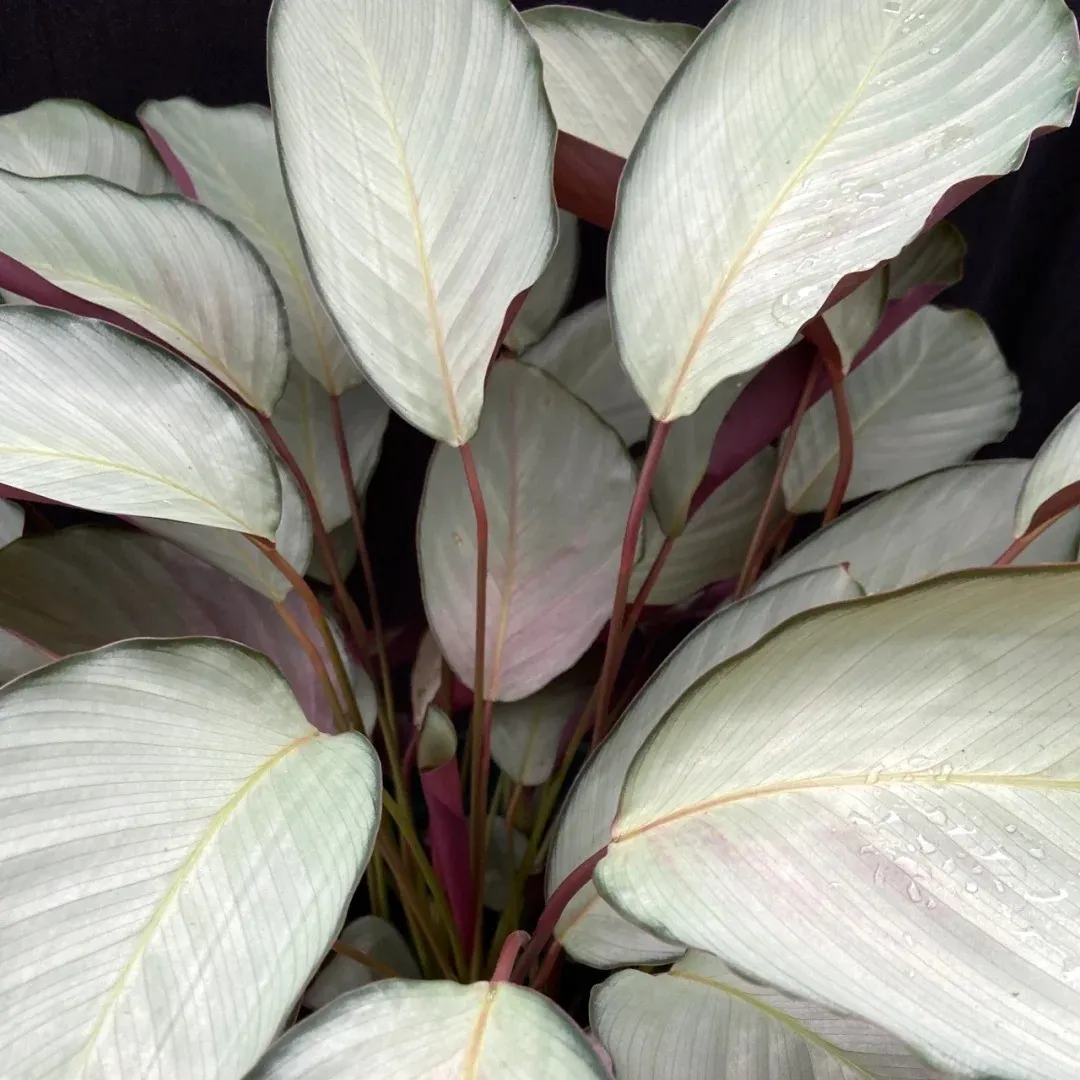
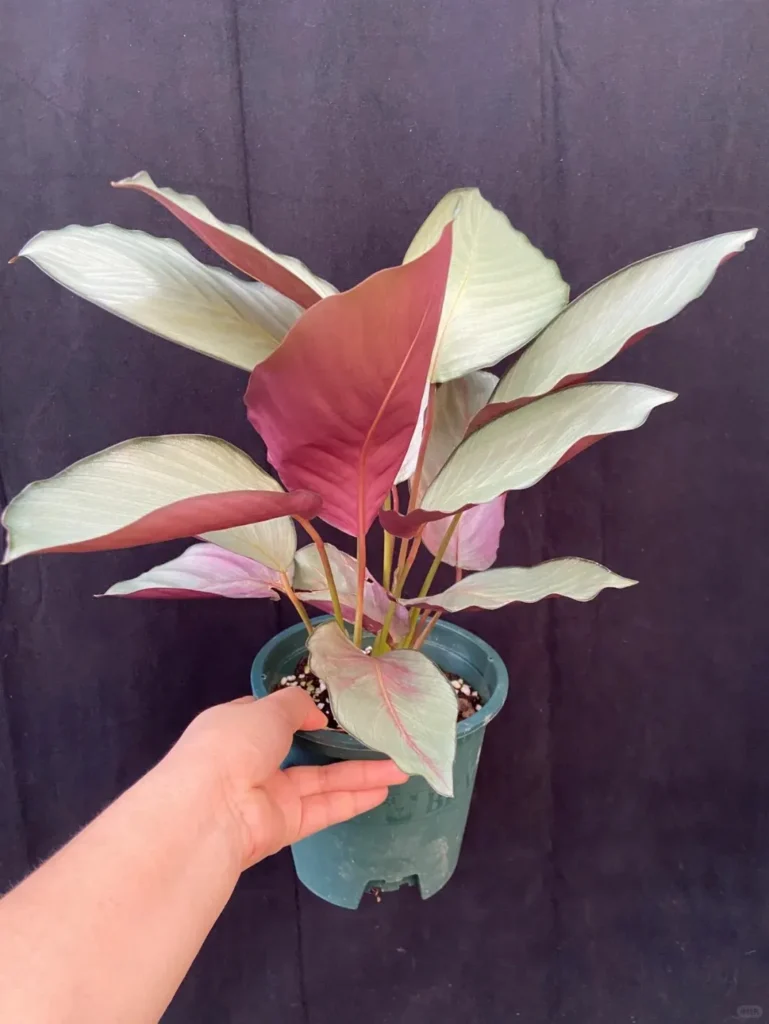
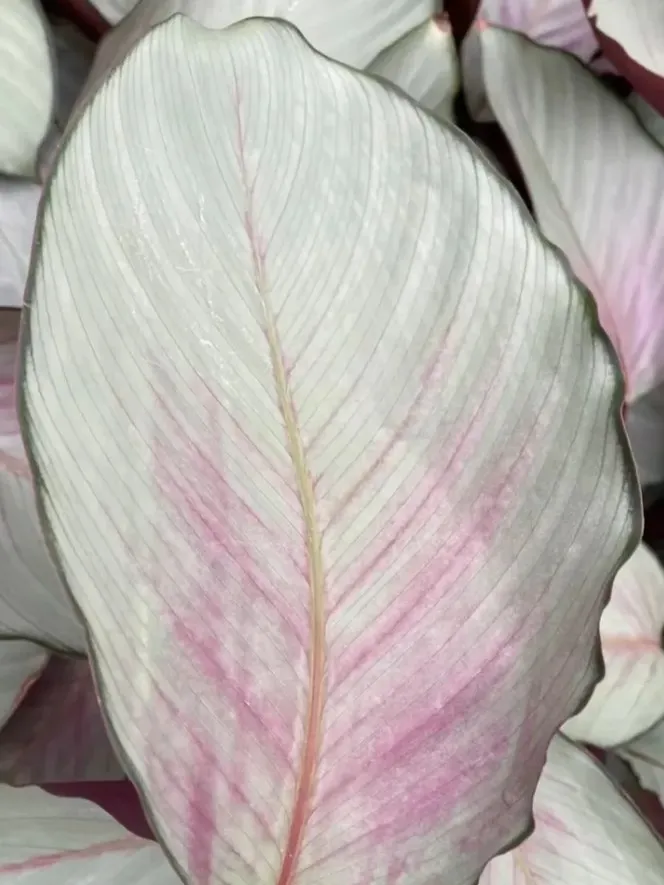
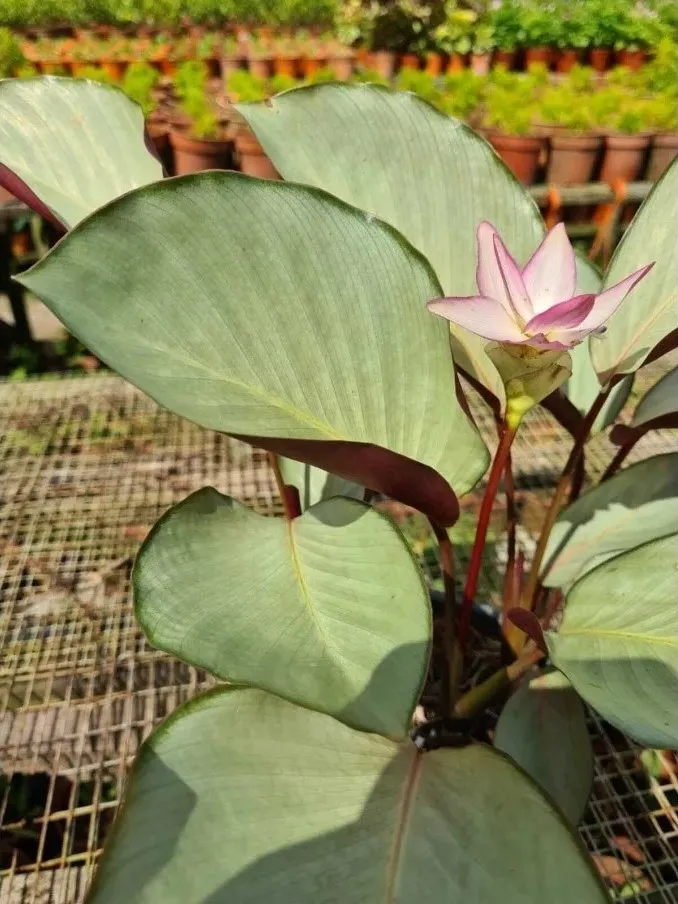
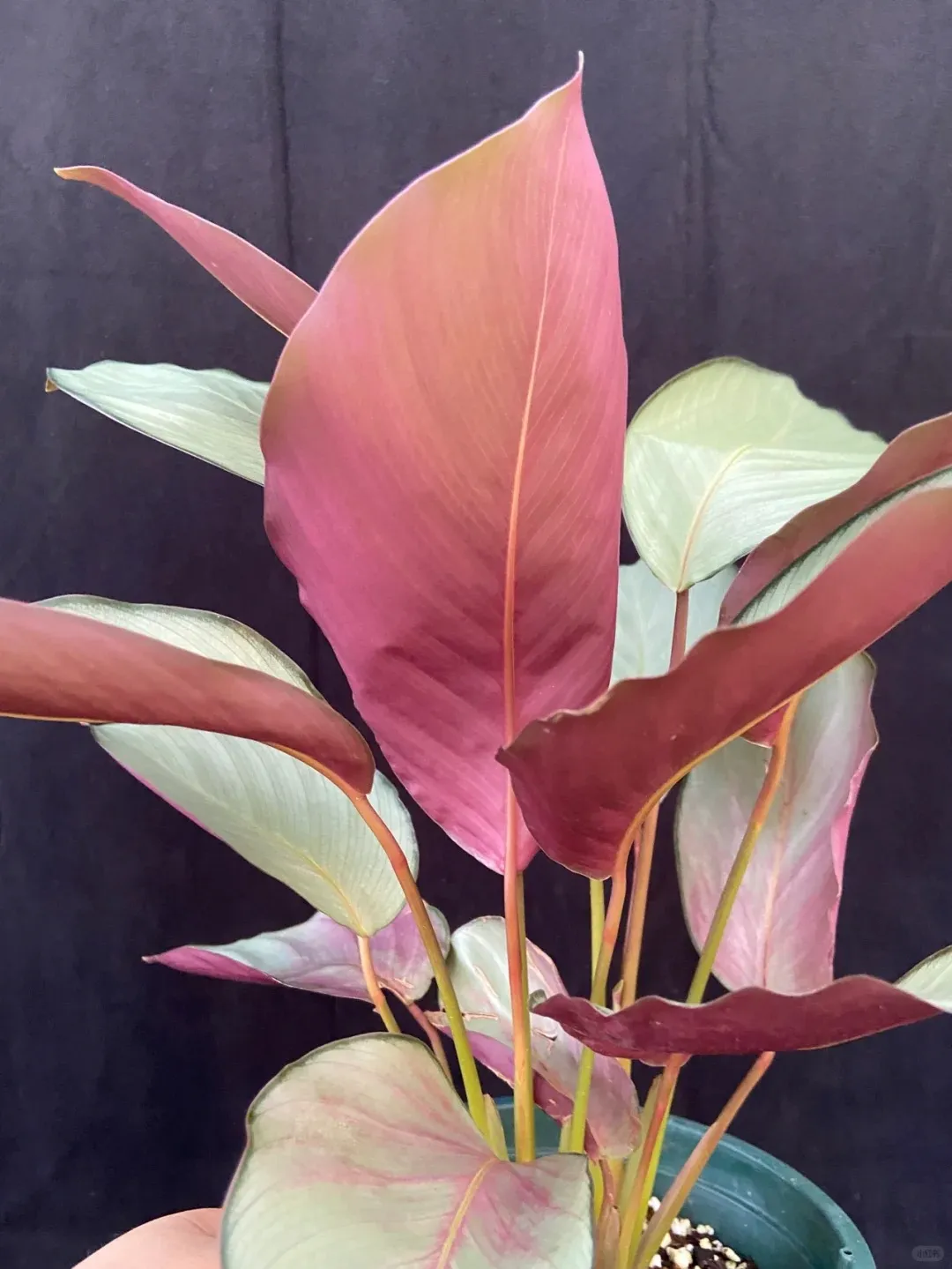
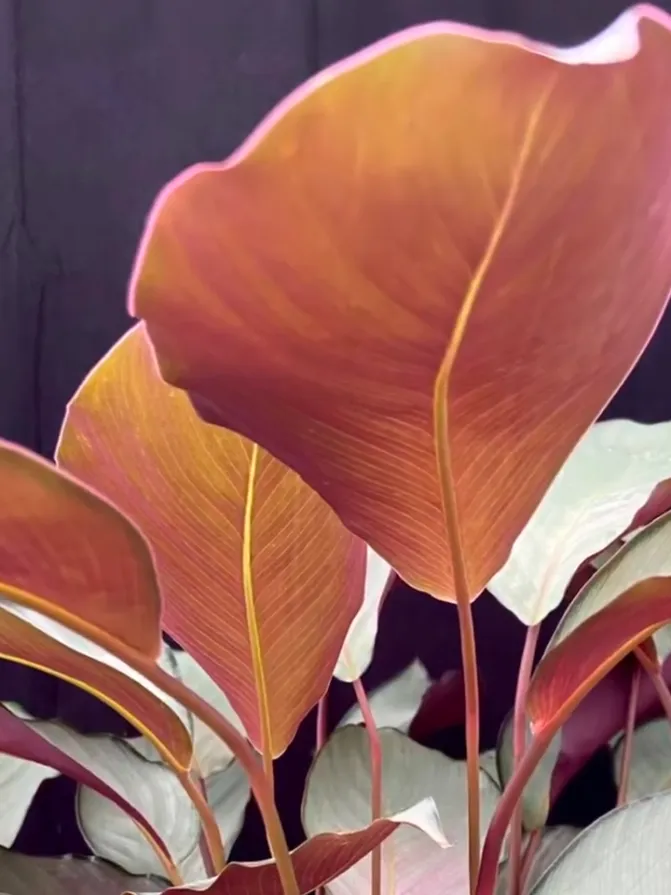
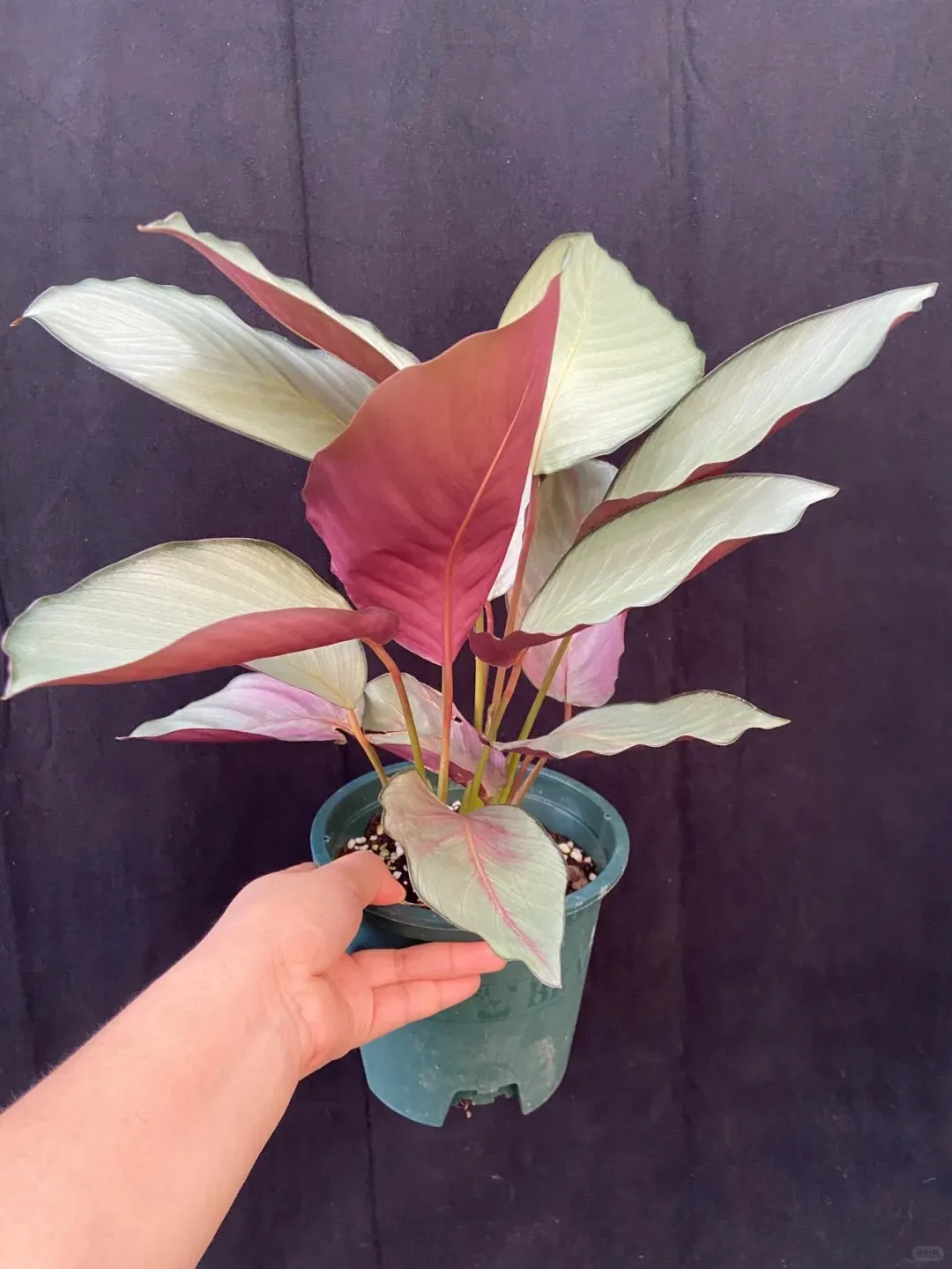
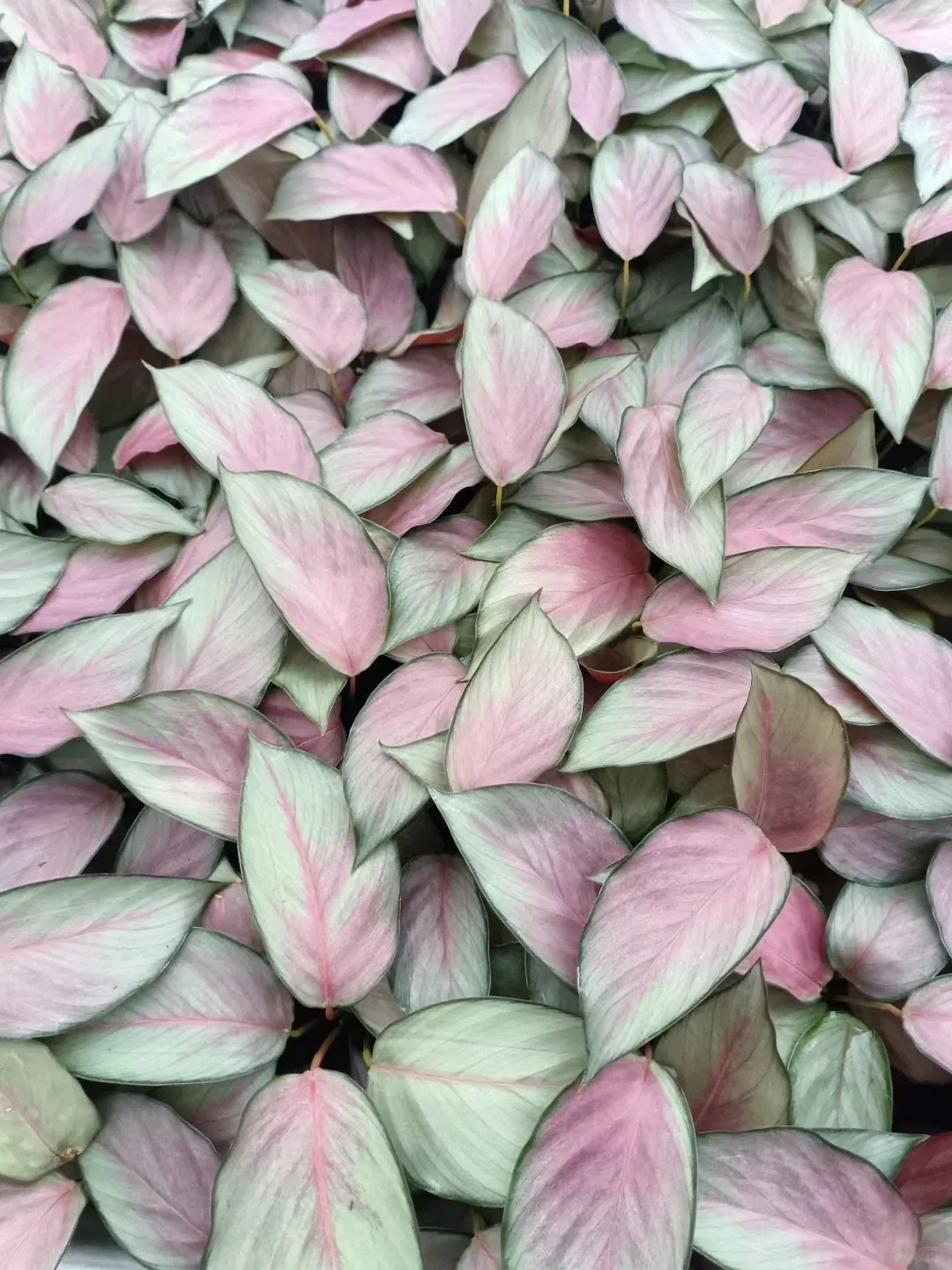
| Leaf Type | Broad, oval leaves with bright silver center, dark green margins, purple undersides |
| Pet Safe | Yes — non-toxic to cats and dogs |
| Difficulty | ⭐⭐☆ — Medium (more forgiving than White Fusion; similar to Medallion) |
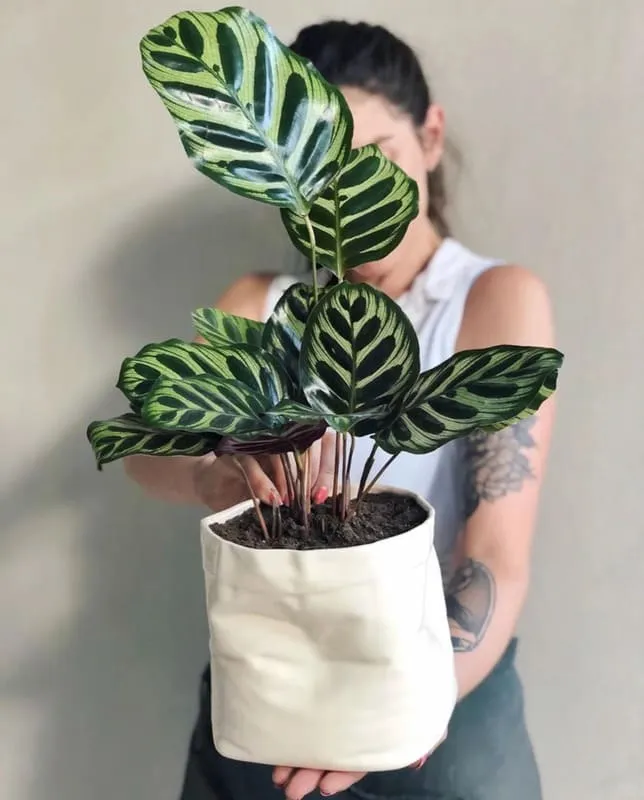
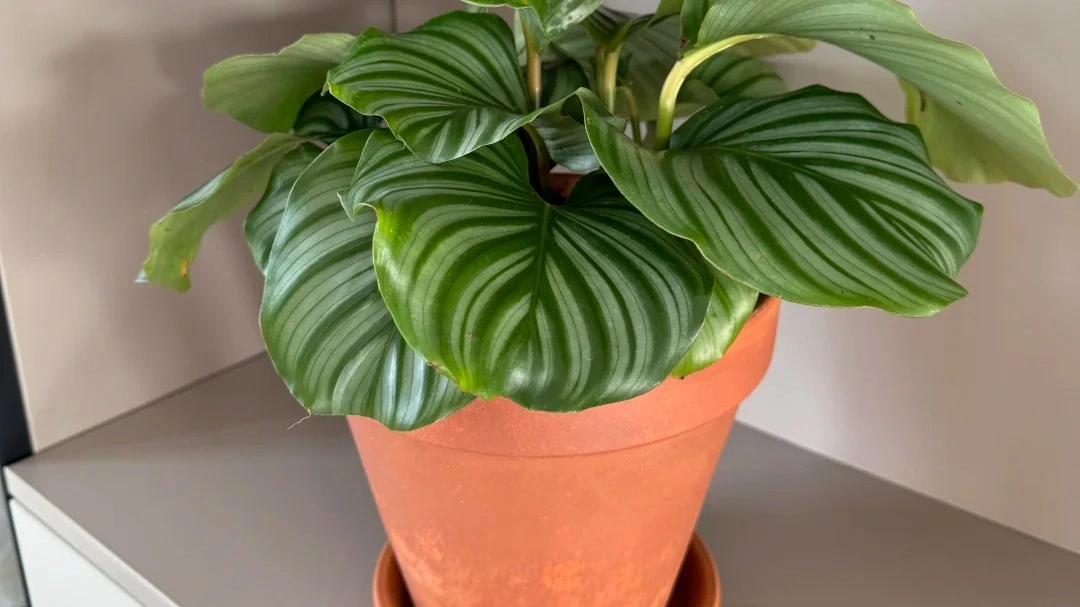
Calathea ‘Silver Plate’ is one of those plants that looks dramatic at first glance but is actually easier than many roseopicta types. What pulls me in every time is that oversized silver panel across the leaf — it reflects light in such a clean, modern way. Compared to Medallion, the pattern feels sharper, less busy, and more intentional, and the deep purple underside gives it this quiet elegance.
Even though I’ve been growing Calatheas for years, Silver Plate is still one of the few roseopicta cultivars I haven’t been able to get my hands on. It’s surprisingly rare in many markets, and whenever I see photos of a mature plant, it always strikes me as “effortlessly premium.” When I eventually make space for new plants again, Silver Plate is absolutely on my list — the whole color palette just feels refined and elevated.
If you’ve ever wanted a patterned Calathea that reads bold, polished, and not overly delicate, Silver Plate sits perfectly in that sweet spot.
What Makes Calathea ‘Silver Plate’ Special?
Calathea ‘Silver Plate’ stands out in a way that most roseopicta types simply don’t. The center panel of silver isn’t just a tint — it’s a bold, uninterrupted block of metallic color that immediately feels more modern than the layered patterns you see on cultivars like Medallion.
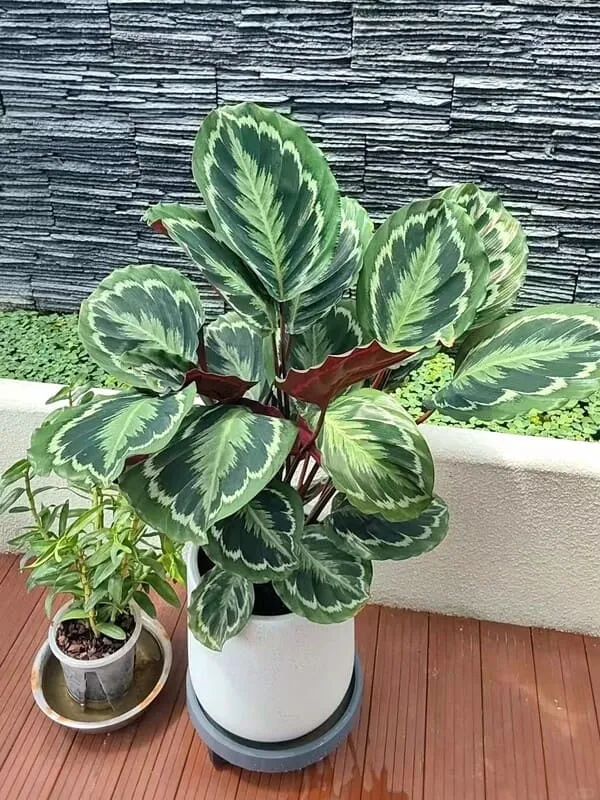
Where Medallion has creamy tones and a softer gradient, Silver Plate looks clean, sharp, and almost graphic, as if someone intentionally painted a smooth silver plate across the leaf.
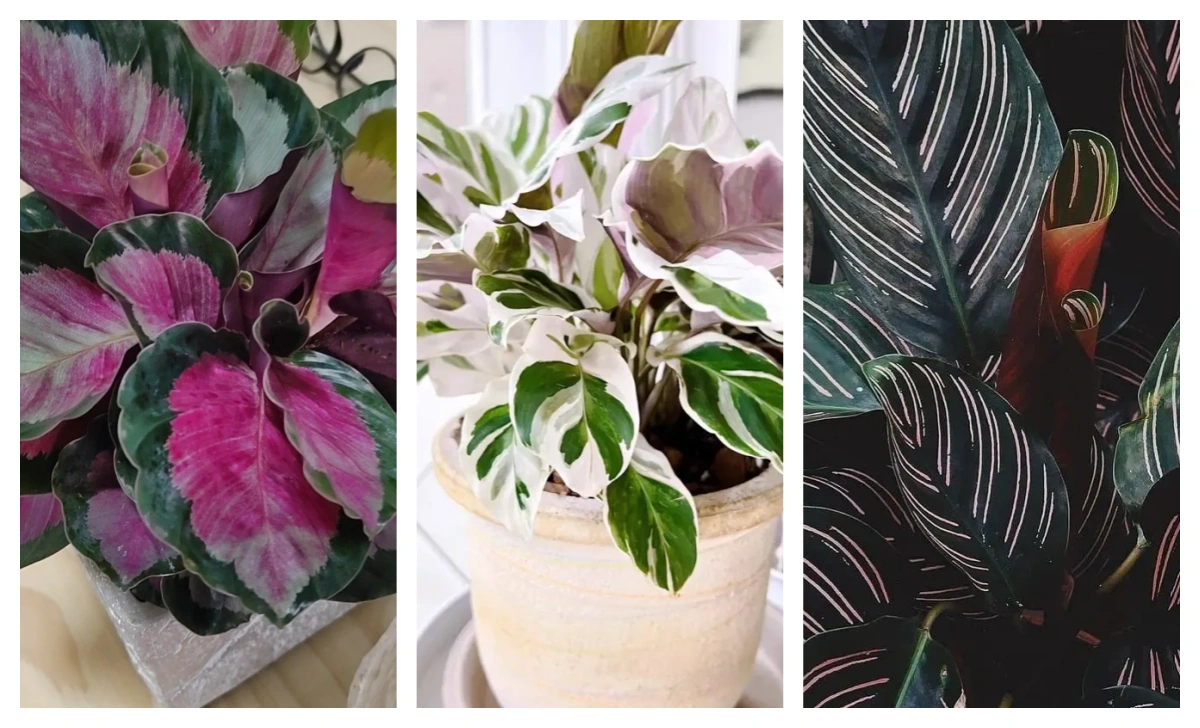
Compared with Dottie, Silver Plate feels far more versatile. Dottie’s neon-magenta ring and darker foliage can look moody or overly dramatic in certain rooms, while Silver Plate stays bright, airy, and easy to style. It doesn’t demand strong lighting to keep its pattern, and the silver doesn’t “dirty out” as easily as many pink-based varieties do.
And if you’ve seen other roseopicta types—like Silver Rose or even classic Roseopicta patterns—you’ll notice how Silver Plate removes the busyness.
The entire look is cleaner, more intentional, more modern. It’s the kind of Calathea that fits perfectly into minimalist interiors, black-and-white rooms, or spaces where you want a plant that looks elevated without being overly loud.
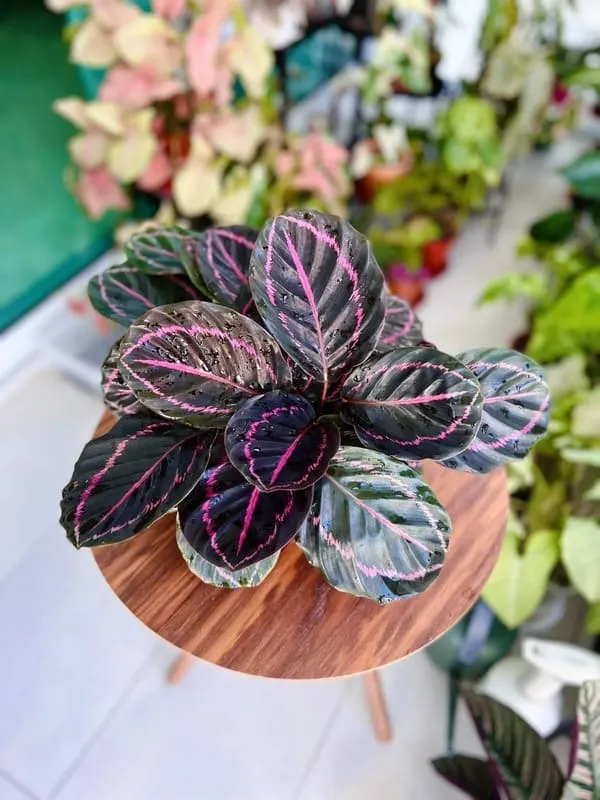
| Feature | Silver Plate | Medallion | Dottie |
|---|---|---|---|
| Center Color | Bright metallic silver; clean, bold panel | Cream-green gradient; softer and warmer | Deep magenta/pink ring on dark foliage |
| Overall Look | Modern, minimal, cool-toned | Classic ornamental Calathea style | High-contrast, dramatic, moody |
| Leaf Shape | Broad oval with a smooth silver “plate” | Round, thick, fuller leaves | Narrower, darker leaves |
| Color Stability | High — silver stays clean and doesn’t muddle easily | Moderate — center can turn dull in low light | Moderate — pink can fade or brown |
| Care Difficulty | Medium — more forgiving than most Roseopicta types | Medium — similar level of care | Slightly higher — more sensitive to dryness/light |
| Best For | Homes with modern décor, cool color palettes | Plant parents who like classic Calathea patterns | People who want a bold dark-pink contrast |
Detailed Care Guide
Light
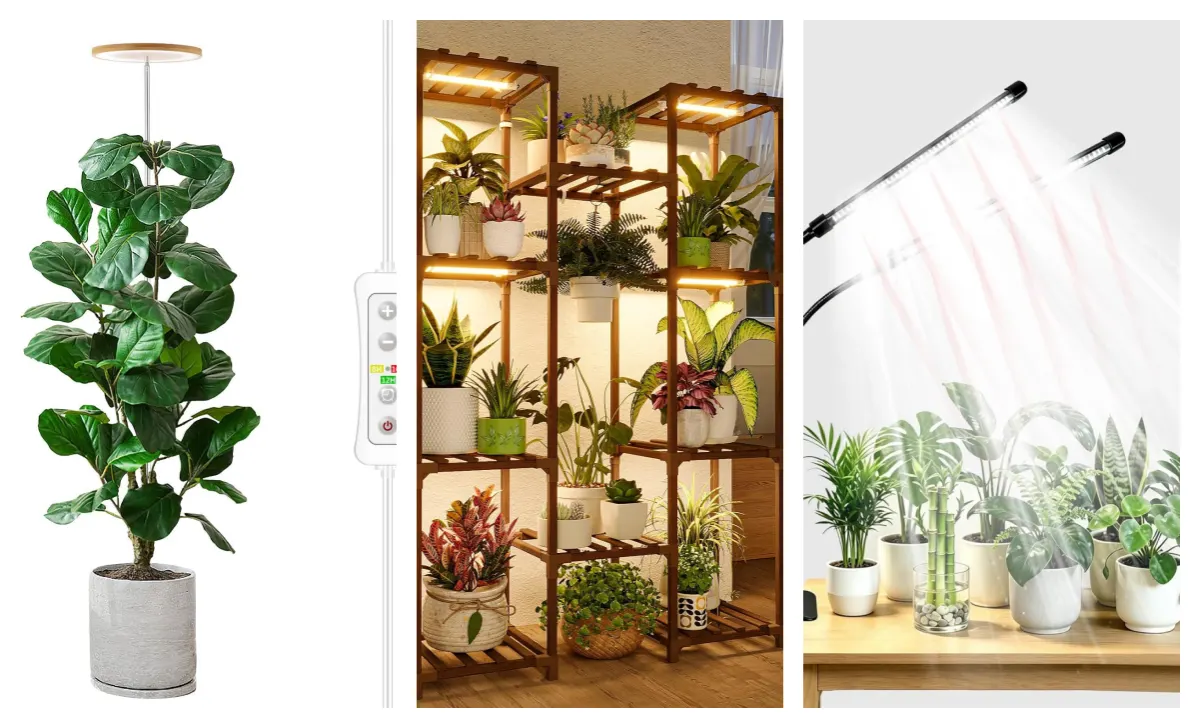
Calathea ‘Silver Plate’ performs best in bright, indirect light. Too little light makes the silver center look dull, while direct sun can scorch the dark margins. A spot near an east- or north-facing window is ideal.
If you’re unsure about your room’s brightness, my general rule is: if you can comfortably read a book without turning on a lamp, your Silver Plate will be happy.
For more detail, see Calathea Light Requirements.
Watering
Like most roseopicta types, Silver Plate prefers evenly moist soil—never soggy, never bone-dry.
Let the top inch dry before watering again. Using filtered or soft water helps prevent crispy edges, which is one of the most common Calathea issues.
If you’ve struggled with watering rhythms before, this guide may help. → Calathea Watering Mistakes
Humidity
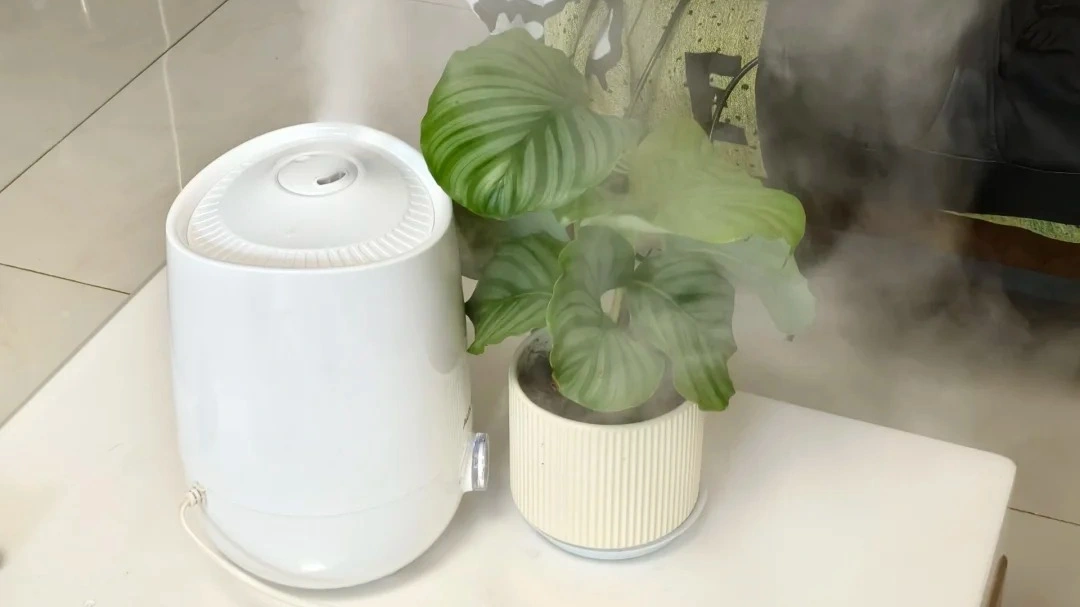
Silver Plate thrives in 60–70% humidity, which keeps the leaf edges smooth and maintains that clean silver panel. While it tolerates occasional dips into the 40–50% range, you’ll get noticeably better growth if the humidity stays consistent.
For more tips: Calathea Humidity Guide
Temperature
Keep it in a stable 65–80°F (18–27°C) environment.
Avoid cold drafts, heaters blowing directly onto the plant, or sudden temperature shifts—these can cause the leaves to curl or darken.
Soil Mix
A light, airy mix works best. I use a blend of:
- indoor potting mix
- coco coir
- perlite or pumice
- a handful of fine bark
This keeps the soil moist but breathable, reducing the chance of root rot.
You can see more mix ideas in Best Soil for Calathea
Fertilizer
Feed lightly during spring and summer with a diluted balanced liquid fertilizer (¼–½ strength).
Silver Plate responds well to gentle feeding but can be sensitive to salty or heavy fertilizers. Always water before fertilizing to avoid root burn.
Repotting
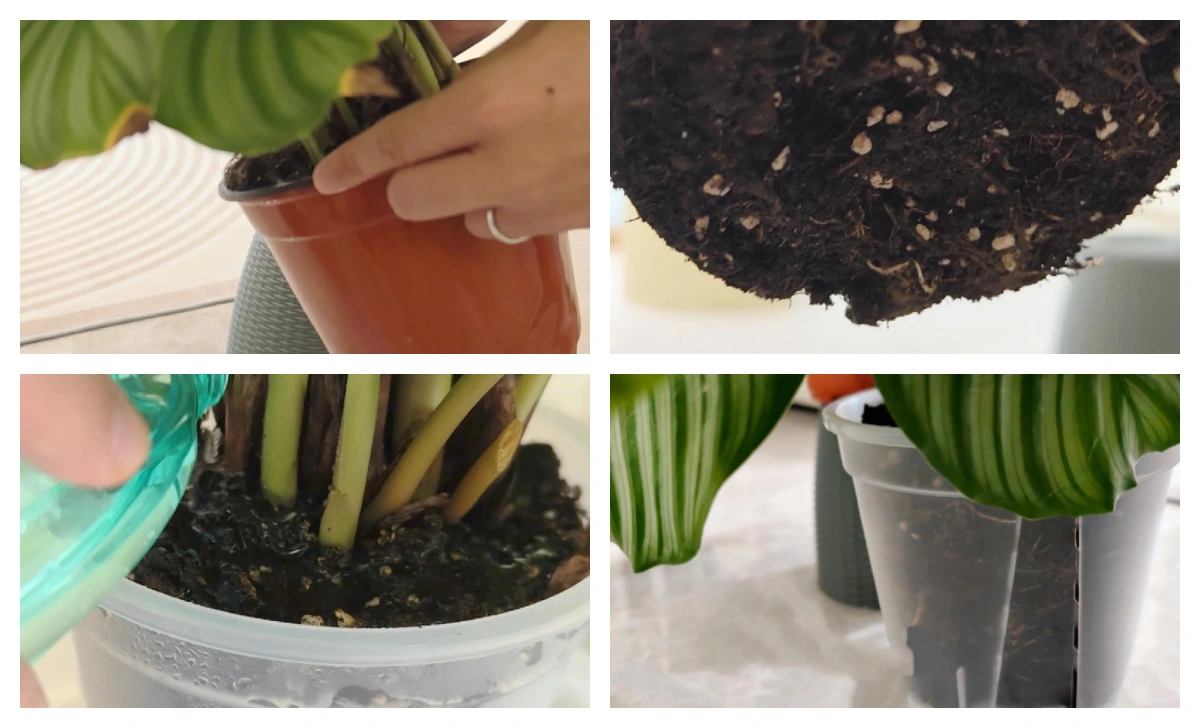
Repot every 1–2 years in spring.
Choose a pot only 1–2 inches wider than the current one—too large a pot holds excess moisture and slows growth.
You’ll know it’s time when roots circle the bottom or the plant dries out too quickly after watering.
Propagation
Like other roseopicta cultivars, Silver Plate only propagates through division.
Look for natural clumps in the root system during repotting and gently separate them.
Stem cuttings do not work with this species.
Common Problems & Fixes
1. Silver center turning dull or muddy
This usually means the plant isn’t getting enough light.
Silver Plate needs moderate–bright indirect light to keep the center crisp and reflective.
Move it closer to a bright window (but never into direct sun).
Read more: Calathea Light Requirements
2. Browning edges or crispy tips
This is one of the most common Calathea issues and usually comes from minerals in tap water, low humidity, or irregular watering.
Fixes:
- Switch to filtered or soft water
- Increase humidity to 60–70%
- Keep soil evenly moist, not drying out fully
Helpful guides:
Best Water for Calathea
Calathea Crispy Leaves
3. New leaves emerging curled or stuck
If your new leaves stay curled, wrinkled, or don’t unfurl smoothly, the plant is likely experiencing low humidity, underwatering, or temperature stress.
Full troubleshooting:
Calathea New Leaves Curling
4. Whole plant drooping or collapsing
A soft, limp plant is almost always due to water stress—either too dry for too long or too wet for too long.
Fixes:
- Re-establish a consistent watering rhythm
- Check for compacted or waterlogged soil
- Ensure pot drains well
Related guides:
Calathea Curling & Drooping Watering Mistakes
Revive Dying Calathea
5. Persistent yellowing leaves
Silver Plate is sensitive to overwatering, especially if the soil is dense. Yellowing typically starts at the base.
What to do:
- Improve aeration (perlite/pumice/bark)
- Let the top inch dry between waterings
- Check roots for early signs of rot
More detail here:
Yellow & Brown Leaves in Calathea
6. Faded patterns or “washed out” silver
If the pattern loses contrast, the plant may be reacting to:
- insufficient light
- aging fertilizer salts
- old, compacted soil
Refreshing the soil mix often brings back the clarity in the next set of leaves.
Styling & Placement Ideas
- Modern or minimal interiors → Silver Plate’s clean silver center and dark margins add a refined, modern contrast that elevates simple décor without overpowering the space.
- Bedroom shelves → It handles medium light well and stays compact, making it perfect for shelves that don’t get strong sun. The silver panel catches soft morning or evening light beautifully.
- Office desk or workspace → The broad but tidy oval leaves don’t sprawl, so it fits neatly beside monitors or notebooks. Its calm, symmetrical look feels less visually busy than many Roseopicta types.
- East-facing window ledge → Gentle morning sun keeps the silver center crisp and bright while avoiding heat stress. This is usually where Silver Plate shows its best coloration.
- Bookshelves or plant racks → Its upright, layered growth habit makes it easy to pair with other foliage plants. The leaves rise rather than spread sideways, so it won’t shade its neighbors.
- Dark-wood furniture or black décor → The contrast between the silver panel and purple underside looks especially striking against darker backgrounds, giving the plant a more “gallery display” feel.
- Grouped with deeper Calatheas → Pairing it with Dottie or Warscewiczii creates a beautiful light–dark foliage contrast that makes your plant shelf look intentionally curated.
FAQ
Explore More Calathea Varieties
Looking to discover more beautiful Calathea plants?
Browse our full collection of Calathea varieties — from the bold Orbifolia to the velvety Warscewiczii — and find the one that fits your home best.