Last updated: April 27, 2026
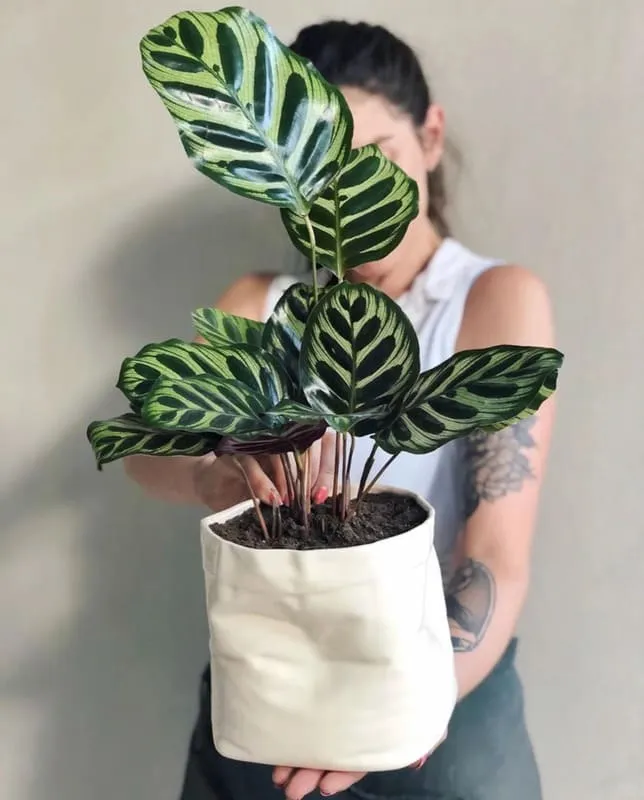
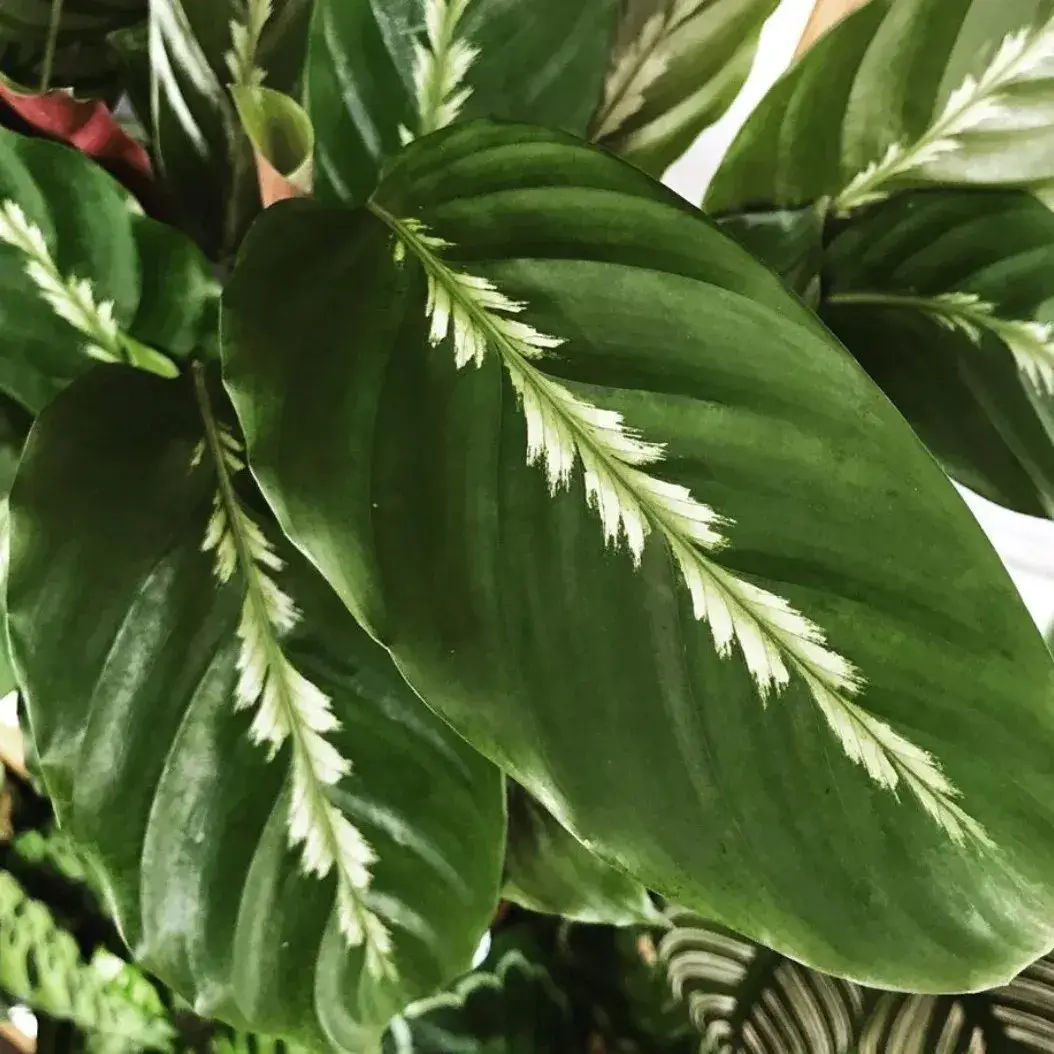
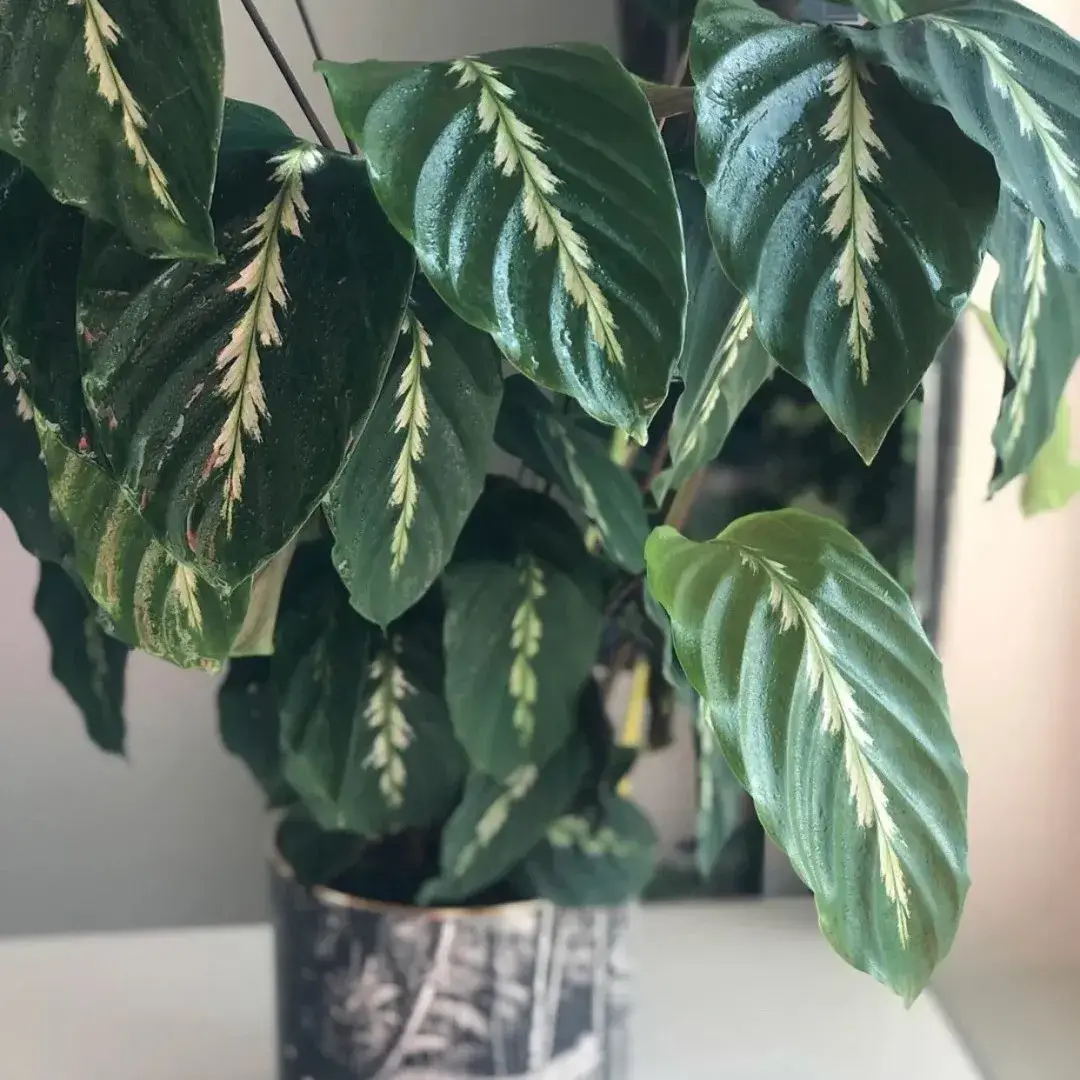
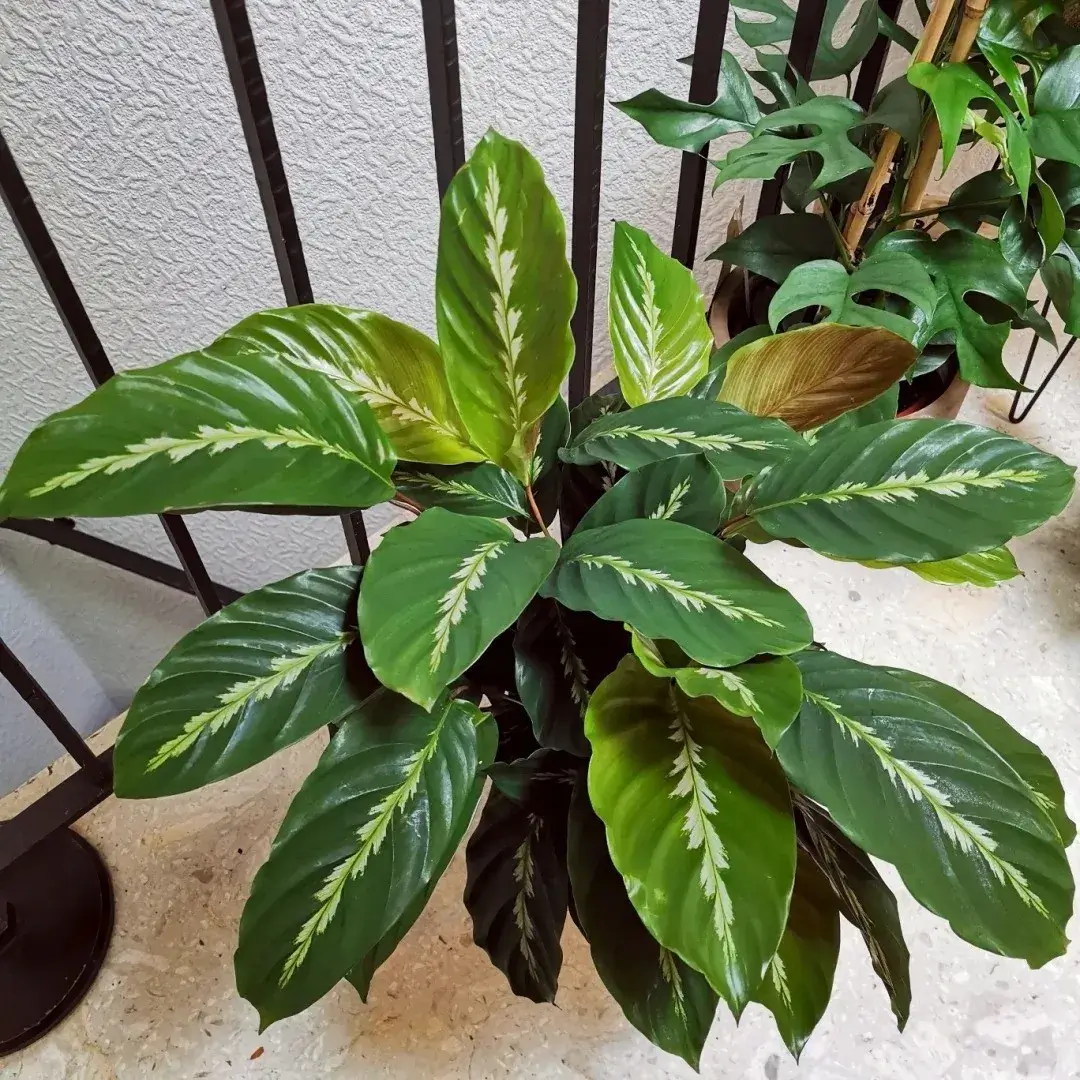
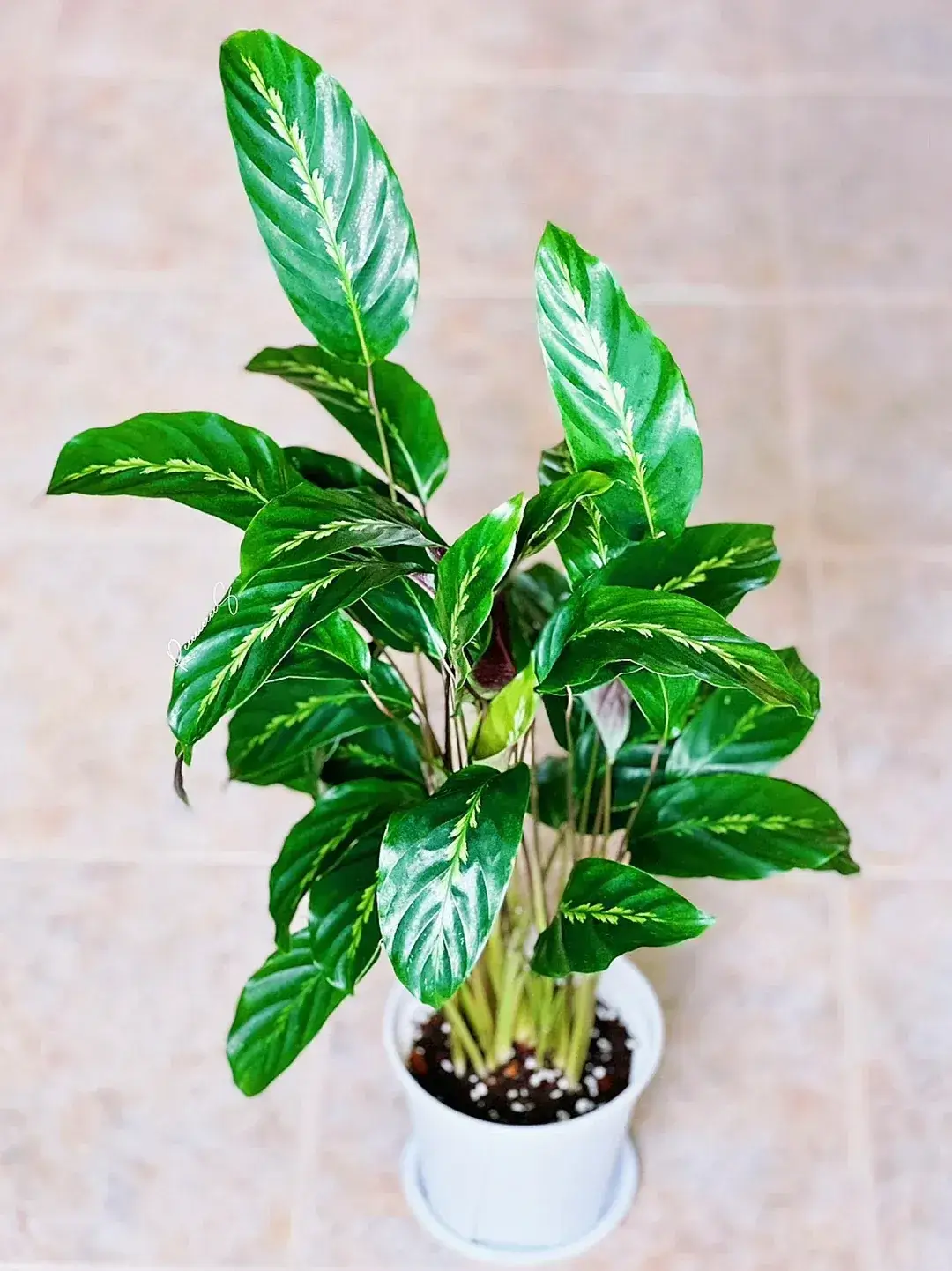
Calathea ‘Maui Queen’ is one of those plants that looks delicate at first glance, but once you live with it for a while, you realize it’s actually far easier to manage than the dramatic White Fusion. On my shelf, Maui Queen stands out quietly—its long, narrow leaves catch the light in a way that feels almost intentional, and the soft, feathered midrib gives it a refined look that never feels overwhelming.
What I love most is how naturally it fits into a modern or minimal space. The pale, feather-like center pattern adds just enough detail, while the deep green edges keep the plant grounded. It has presence, but not the kind that demands attention; it’s more like a subtle accent that upgrades the whole corner of the room. Over time, I’ve found that Maui Queen offers that sweet balance: distinctive enough to feel special, but far less temperamental than the fussier patterned Calatheas.
What Makes Calathea ‘Maui Queen’ Special?
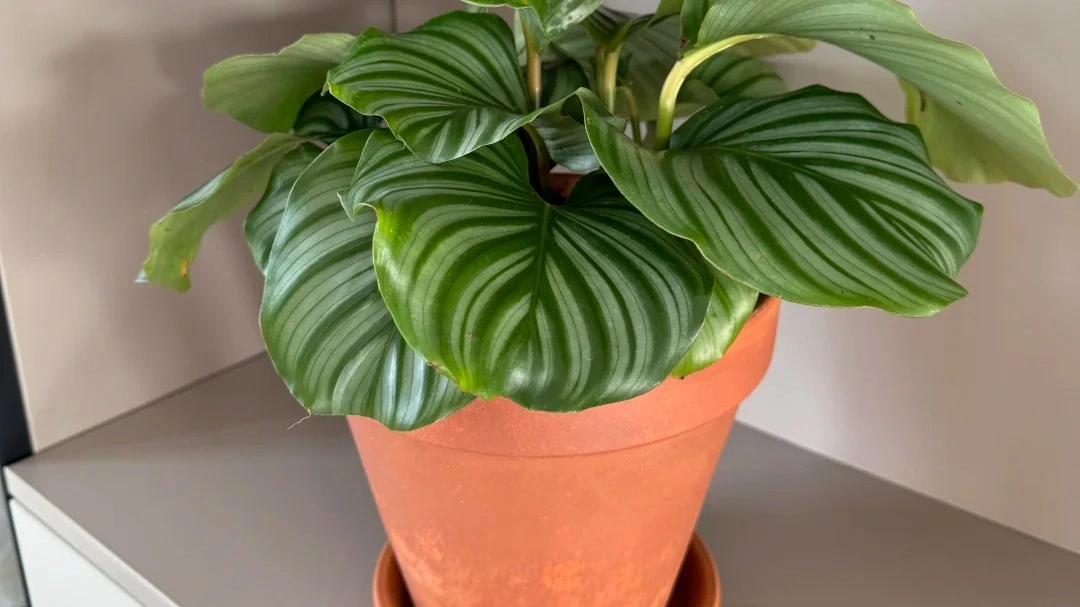
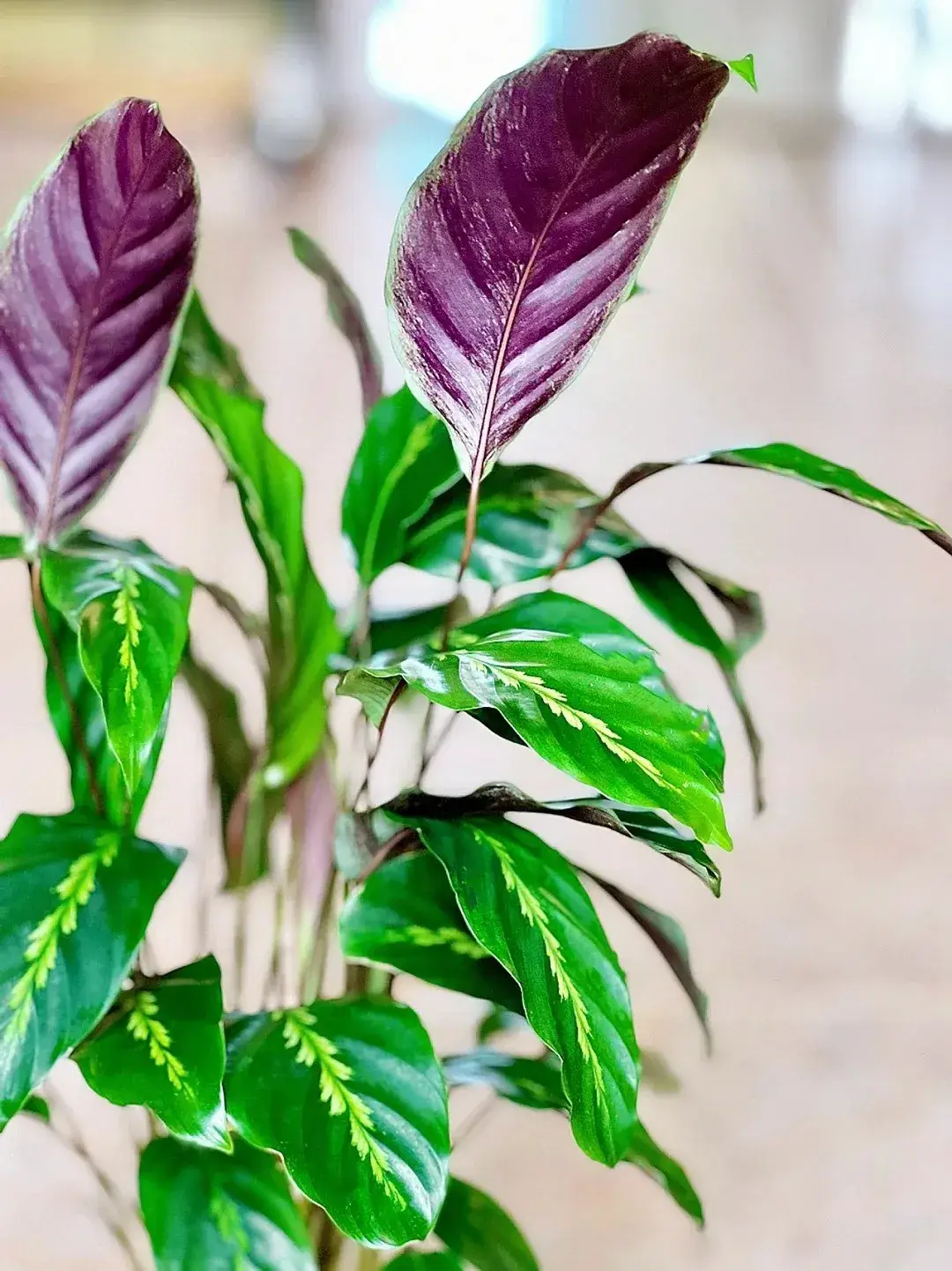
Calathea ‘Maui Queen’ has a kind of elegance that sets it apart from the more common patterned Calatheas. Unlike the bold pinstripes on classic varieties like Calathea Ornata, Maui Queen’s leaves are much more slender, and the central feather pattern is softer — almost like a pale, hand-brushed mist across the blade. From a distance, the pattern looks diffused and airy, giving the plant a refined, almost ethereal presence.
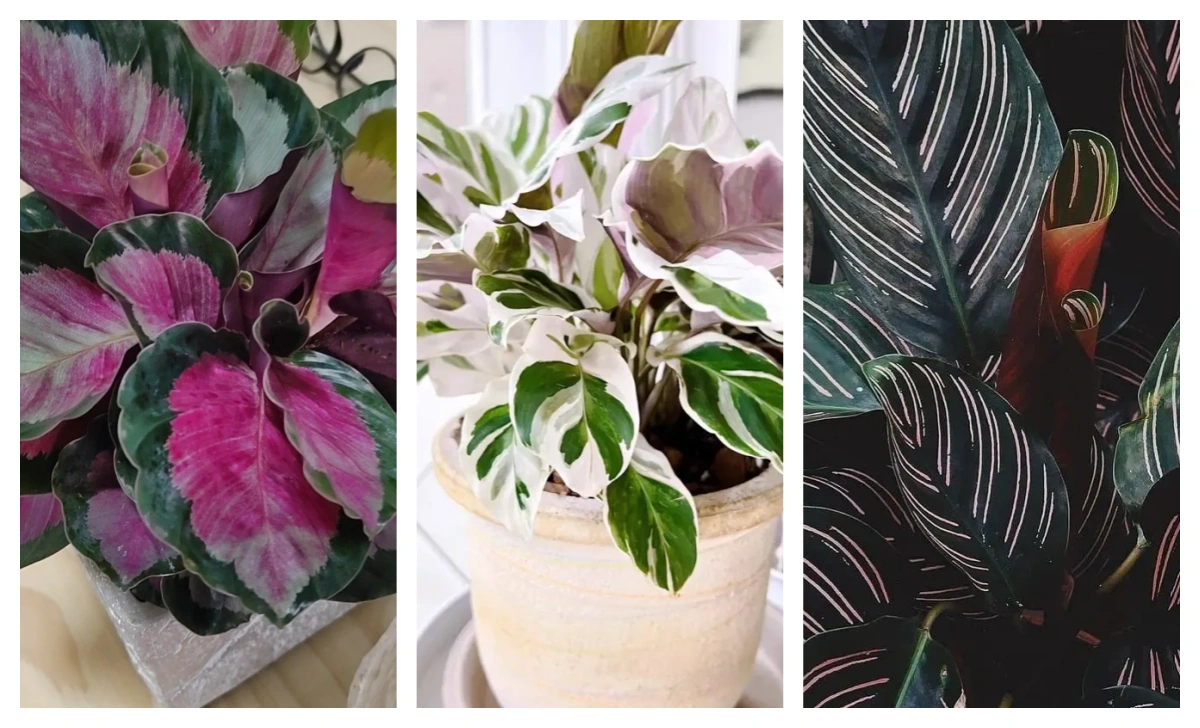
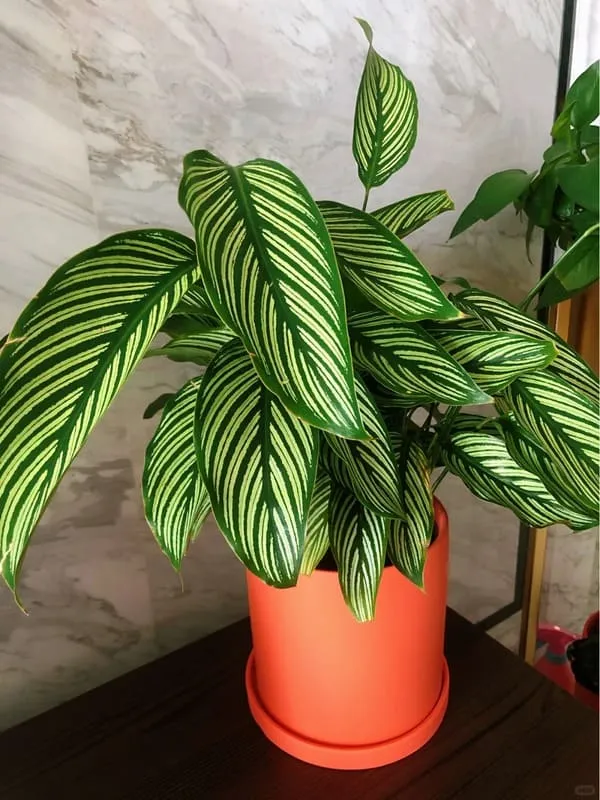
Compared with other easy patterned types such as Calathea Vittata, Maui Queen offers something more delicate. Vittata has crisp, high-contrast striping, while Maui Queen’s pale midrib blends more softly into the deeper green edges. It does not shout for attention the way White Fusion can — it is understated, elegant, and surprisingly versatile in modern or minimal interiors.
If you’re looking for a patterned Calathea that feels unique without being overly dramatic, Maui Queen sits perfectly in that sweet spot: graceful leaf shape, a soft feathered center, and a presence that becomes more beautiful the longer you live with it.
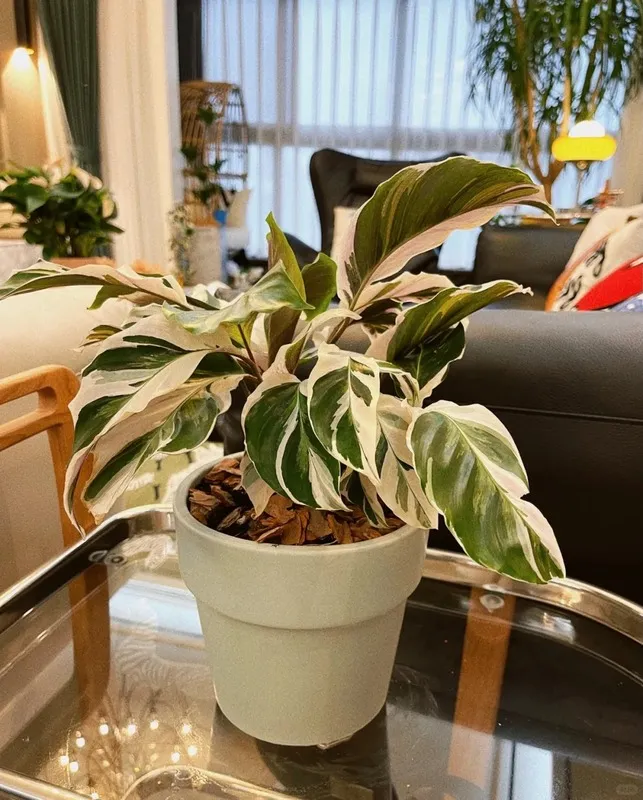
Maui Queen vs. Vittata vs. White Fusion: Quick Comparison
| Feature | Maui Queen | Calathea Vittata | White Fusion |
|---|---|---|---|
| Leaf shape | Long, narrow blades | Slim, pointed leaves | Broad, variegated leaves |
| Pattern | Soft feathered pale midrib (“mist-like” look) | Crisp, bright white striping | High-contrast white, green, and lavender variegation |
| Color stability | Very stable; pattern doesn’t fade easily | Very stable | Least stable; prone to browning and fading |
| Humidity tolerance | Moderate (more forgiving than White Fusion) | Easy-going; handles dips better | Sensitive; edges brown easily |
| Maintenance level | Medium — stable but appreciates consistent care | Easy — beginner friendly | High — prone to crisping, light burn, water spots |
| Visual vibe | Elegant, understated, refined | Clean, modern, bright | Showy, dramatic, ornamental |
| Biggest advantage | Color stays clean; more resilient than White Fusion | Reliable and easy | Gorgeous but fragile |
My Personal Growing Notes
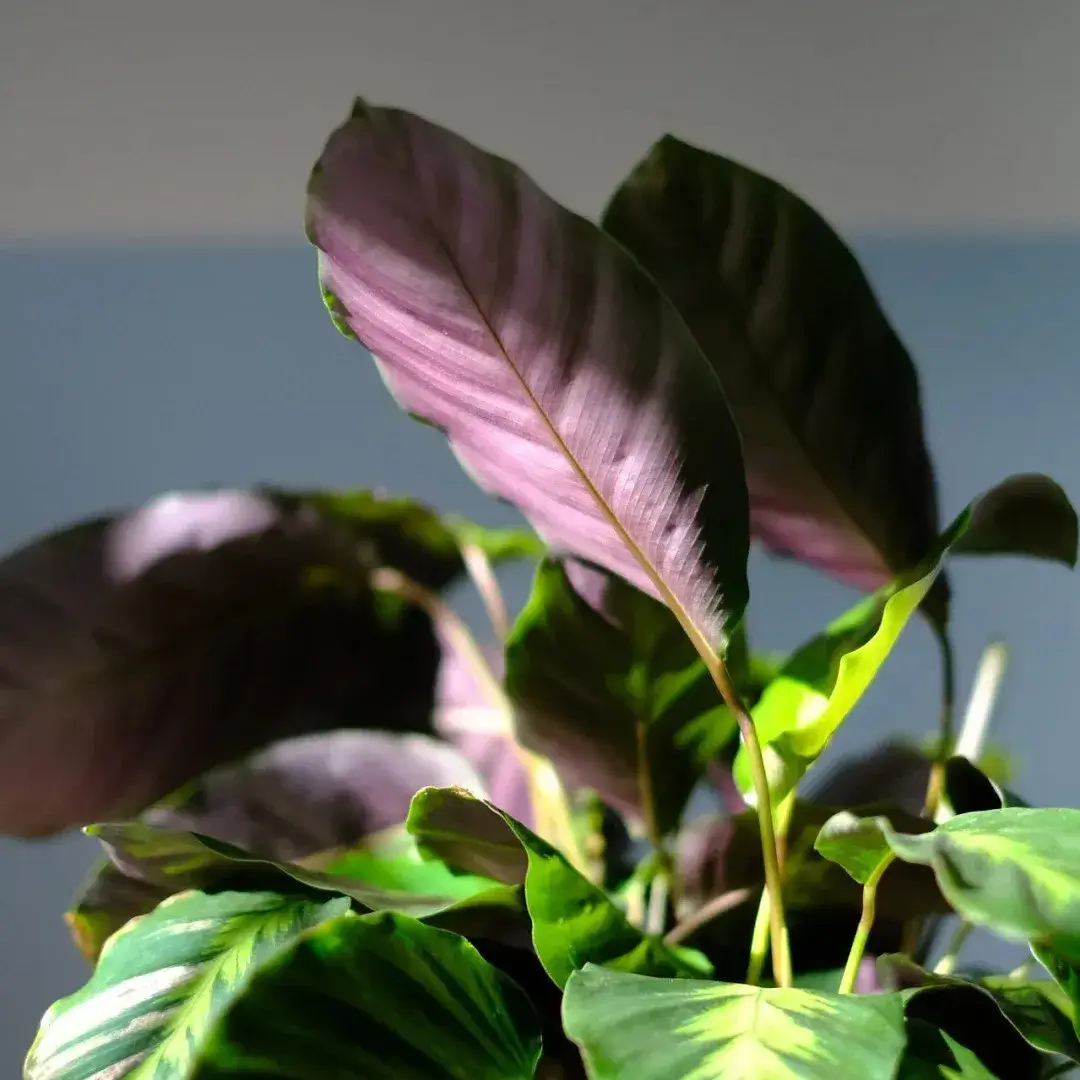
Calathea ‘Maui Queen’ has an elegance that doesn’t always show up in photos. What first caught my eye wasn’t the feathered pattern on the leaf surface—but the soft, violet glow on the underside. In sunlight it shimmers gently, almost like satin. I didn’t even know its name when I first saw it at the nursery; I just knew it felt different from the flashier patterned Calatheas. Up close, the pale green “grain-like” pattern down the center looks refined and balanced, and the deep green margins frame it beautifully.
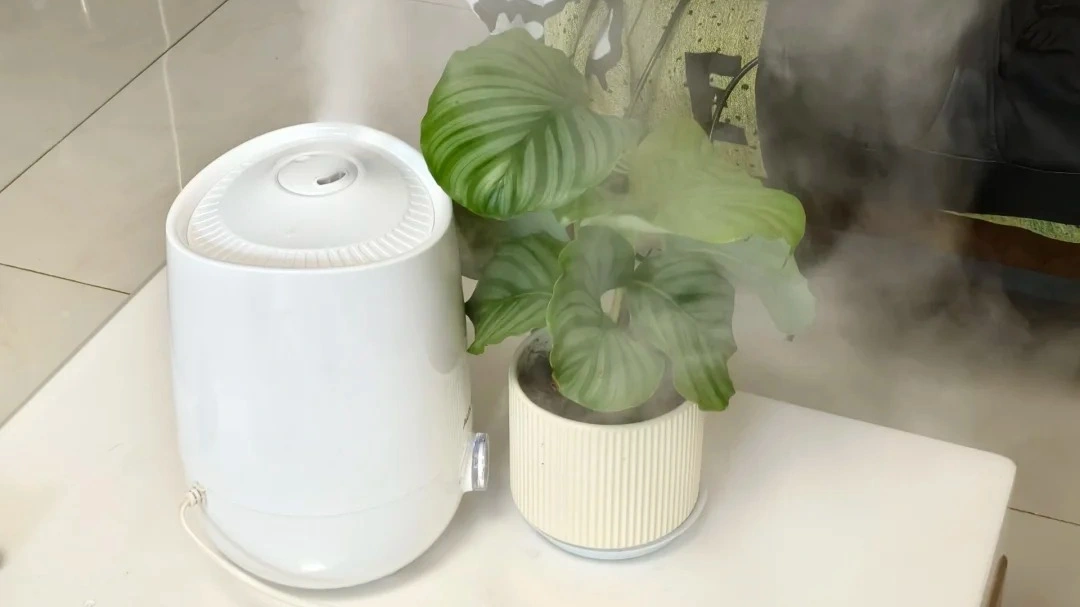
In my Seattle apartment, Maui Queen behaves a little like an oil-painting type Calathea: thin leaves, high water demand, and a noticeable preference for humidity. If the air gets too dry, the tips crisp quickly, so I mist it lightly or run a small humidifier nearby. Among my plants, this is one of the first to tell me the room humidity has dropped.
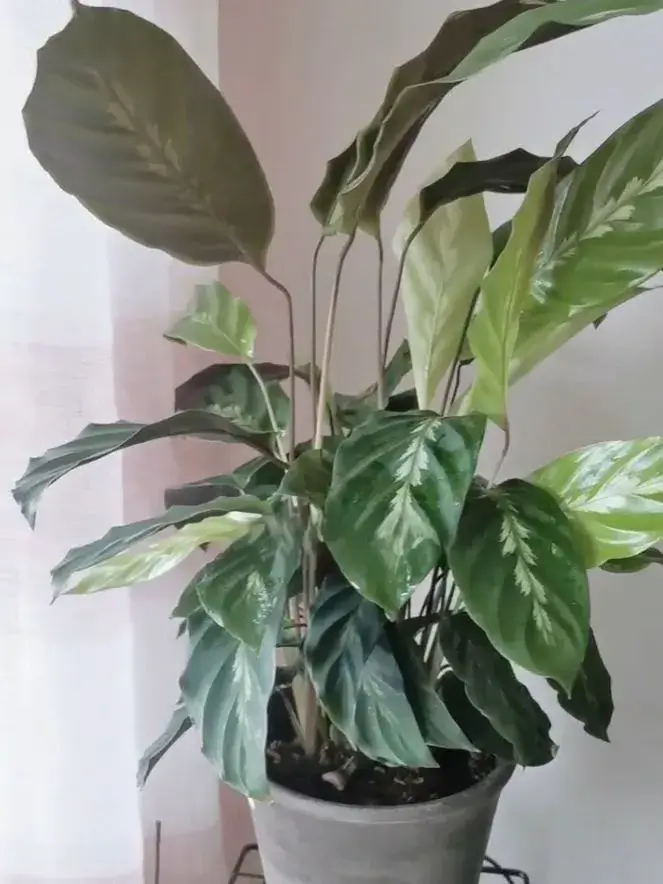
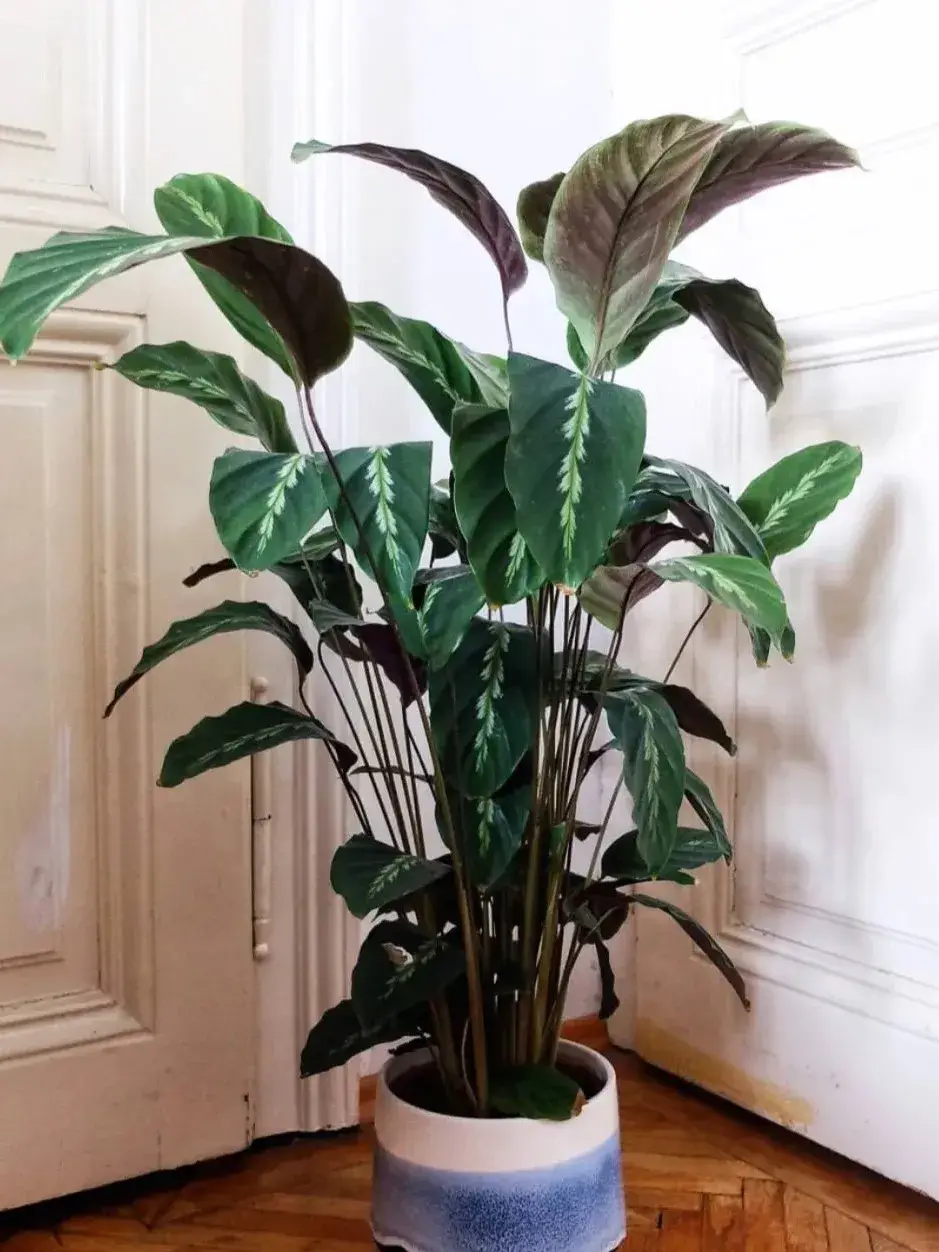
Once the plant becomes full and bushy, the beauty of the shape really stands out. It’s not as instantly striking as White Fusion, but it has a quiet, regal charm—exactly the kind of presence that makes you understand why it’s called the “Queen.”
Detailed Care Guide
Light
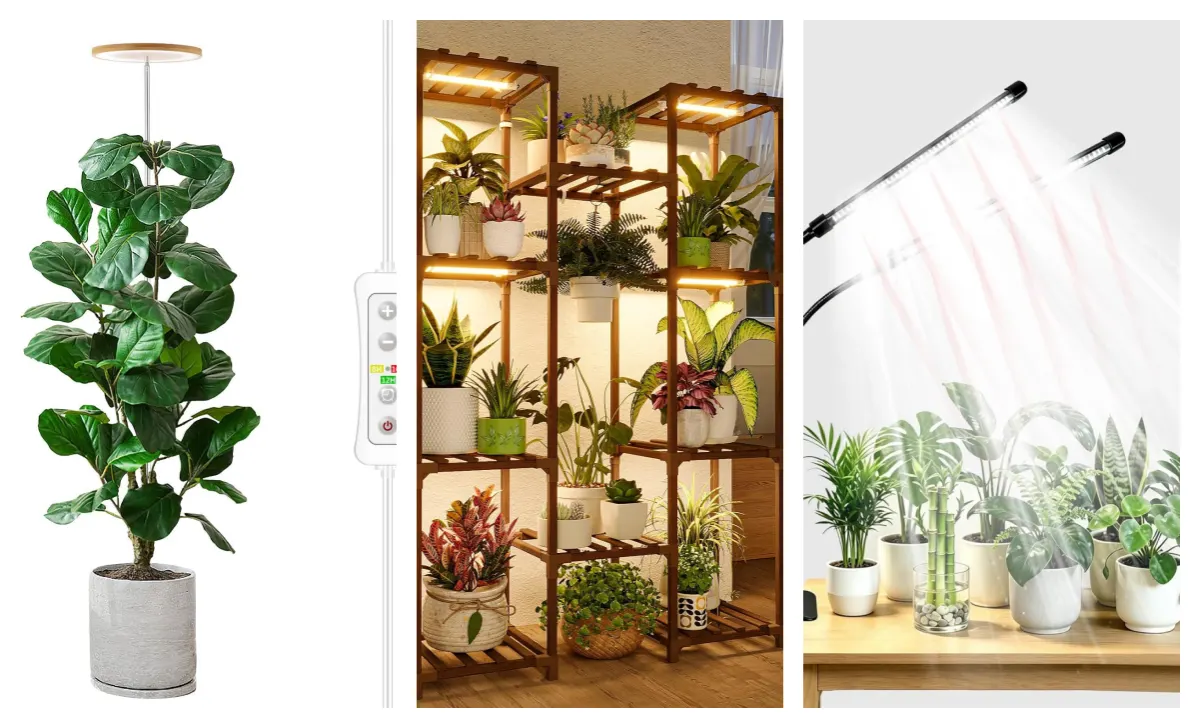
Maui Queen does best in bright, indirect light—enough to keep the feathered pattern crisp, but never so strong that it washes out the pale midrib. In my Seattle home, it thrives about 1–2 meters from an east-facing window, where it gets gentle morning light and soft ambient brightness for the rest of the day.
If the light is too low, the pale center becomes blurry and the whole leaf turns a flat, darker green. Too much sun, on the other hand, causes faint yellowing or dull patches along the edges.
Watering
Like most thin-leaved Calatheas, Maui Queen prefers even moisture with a clear dry-down rhythm. I let the top inch of soil dry before watering again—keeping it slightly moist but never wet. When the soil stays soggy, the plant sulks quickly: leaves go limp, and the feather pattern becomes cloudy.
I avoid cold or mineral-heavy tap water because the leaf tips brown easily. Filtered water, rainwater, or distilled water usually keeps the edges cleaner and reduces speckling over time.
Soil
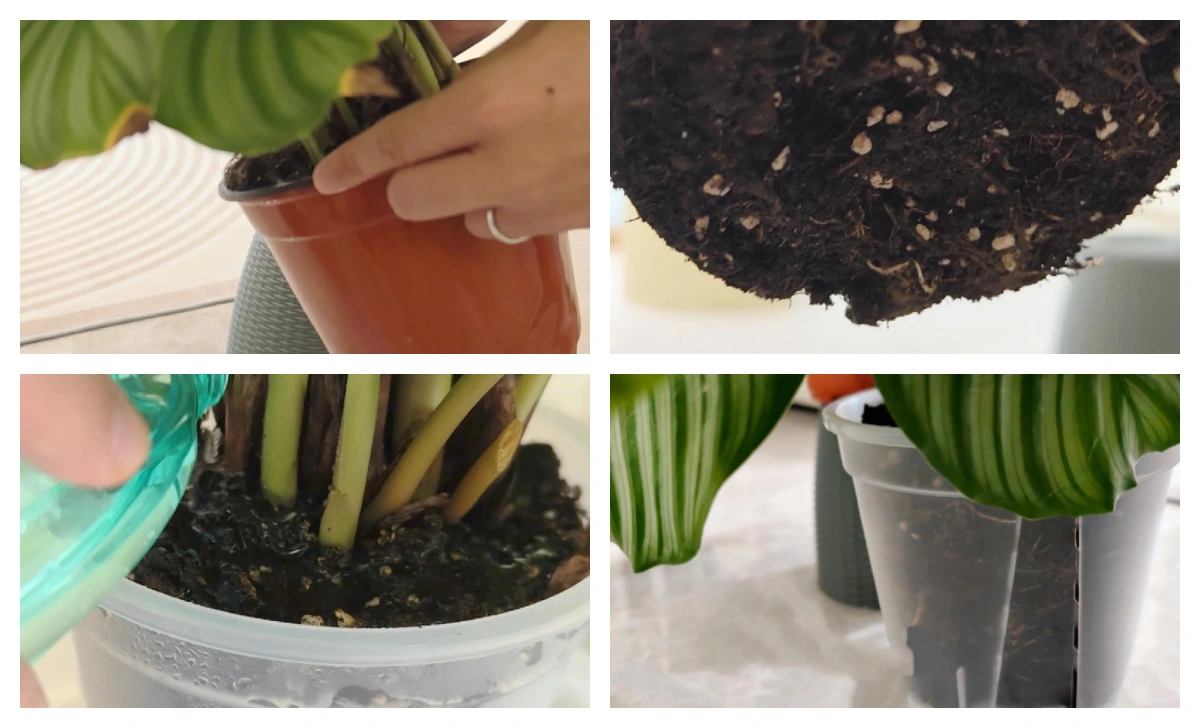
Maui Queen loves an airy but moisture-retentive mix, similar to what I use for my picturata and Beauty Star. A blend of:
- high-quality potting mix
- coco coir
- perlite
- a bit of orchid bark
keeps the roots oxygenated while preventing compacted soil. Thin-leaf Calatheas react fast to poor drainage, so an airy mix is one of the easiest ways to keep the foliage clean and free from brown patches.
Fertilizer
I feed Maui Queen monthly during spring and summer with a diluted, gentle, balanced fertilizer. I avoid strong or frequent feeding because it can push soft growth and add salt stress around the roots.
If the feather pattern starts looking dull or yellowish, I would check light, watering, and root health before blaming fertilizer. Less is usually better with this plant — small, steady feeding gives cleaner growth than heavy doses.
Humidity
This is where Maui Queen behaves more like a thin-leaved Calathea: humidity matters. It feels happiest around 55–65%. During Seattle’s dry-heater winters, I get better results from a small humidifier and decent airflow than from repeated misting.
If humidity drops too low, new leaves may unroll with faint creases, and the edges can brown within a few days. Raising humidity gradually usually helps the next leaves open cleaner.
Common Problems & Fixes
Even though Calathea ‘Maui Queen’ is more stable than White Fusion, it still communicates stress clearly through its leaves. Here are the most common issues and how to fix them:
• Feather pattern turning blurry or leaf becoming uniformly dark green
→ Cause: Insufficient light
When Maui Queen doesn’t receive enough bright, indirect light, the pale feathered midrib loses definition and blends into the surrounding green. The entire leaf may turn darker and flatter in tone. Move the plant to a brighter spot and the next 1–2 new leaves usually regain clarity.
See: Calathea Light Requirements
• Brown edges or crispy tips
→ Cause: Water quality + low humidity
The thin leaves show mineral damage very quickly, especially if you use hard tap water. Dry indoor air from heaters or drafts can make the tips crisp even faster. Switch to filtered or rainwater and maintain humidity around 55–65%.
See: Best Water for Calathea · Calathea Crispy Leaves
• New leaves stuck, tightly curled, or unable to unfurl
→ Cause: Underwatering or low humidity
When the soil becomes too dry or the humidity dips, new leaves may twist, remain stuck in a tube shape, or open with creases. A steady watering rhythm and slightly higher humidity usually fix this by the next leaf cycle.
See: Calathea New Leaves Curling
• Whole plant drooping or collapsing suddenly
→ Cause: Watering swings or early root stress
Large fluctuations—too wet followed by too dry—cause dramatic drooping. Compacted soil or early root rot also reduces oxygen around the roots, making the entire plant slump. Refresh the mix, stabilize your watering rhythm, and check for mushy roots if symptoms persist.
See:
Calathea Curling & Drooping Watering Mistakes
FAQ
Explore More Calathea Varieties
If you like Maui Queen’s soft feathered pattern, you may also enjoy other striped, silver, and variegated Calatheas. Start with the full Calathea types guide to compare varieties by leaf pattern, difficulty, and indoor care needs.
View Calathea Type Guides →